

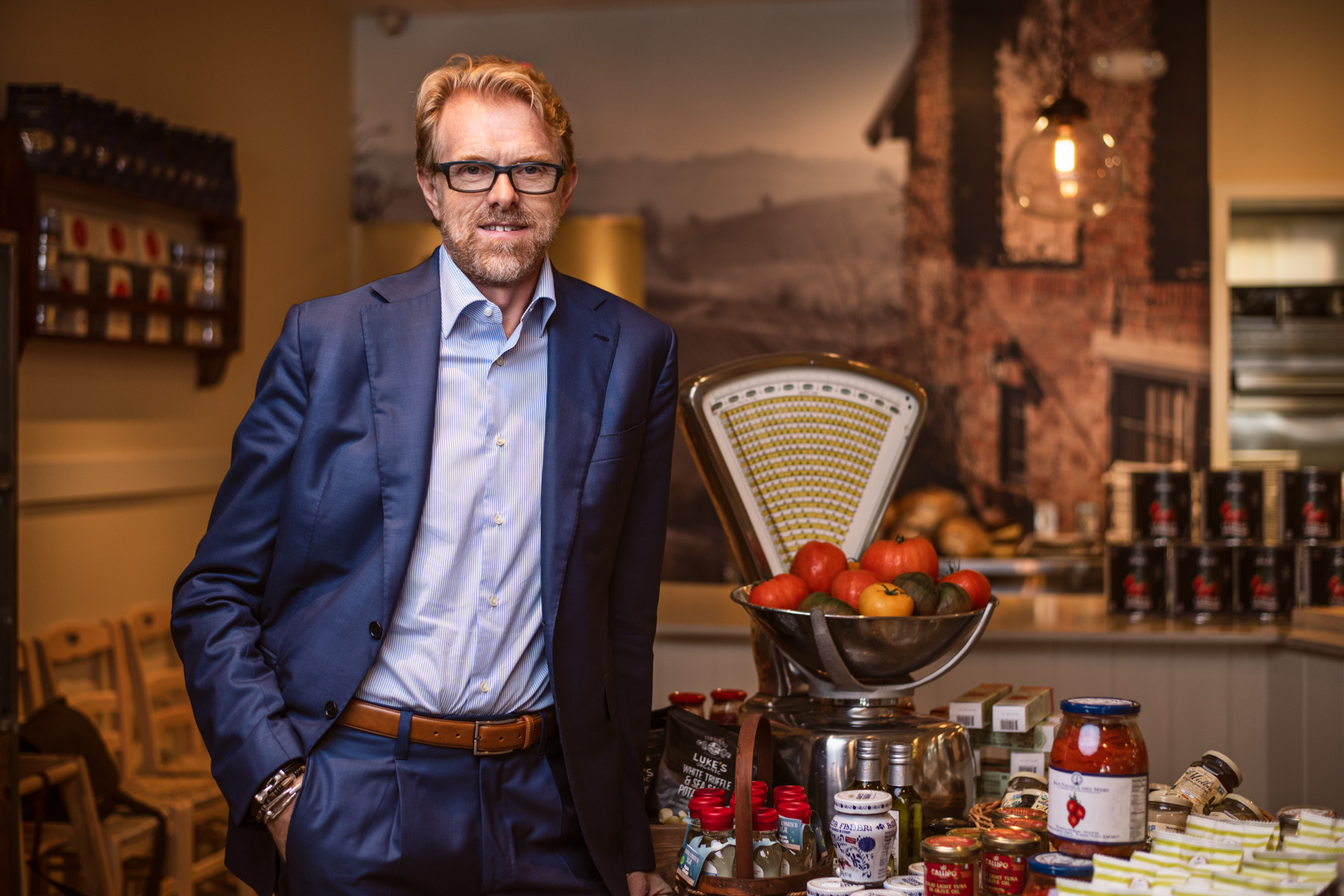

We’re excited to introduce you to the always interesting and insightful Graziano Sbroggio. We hope you’ll enjoy our conversation with Graziano below.
Graziano, thanks for joining us, excited to have you contributing your stories and insights. Often outsiders look at a successful business and think it became a success overnight. Even media and especially movies love to gloss over nitty, gritty details that went into that middle phase of your business – after you started but before you got to where you are today. In our experience, overnight success is usually the result of years of hard work laying the foundation for success, but unfortunately, it’s exactly this part of the story that most of the media ignores. Can you talk to us about your scaling up story – what are some of the nitty, gritty details folks should know about?
People love the idea of overnight success.
But in business, especially in restaurants, overnight success almost never happens overnight.
When a business suddenly “takes off,” what you’re really seeing is years of mistakes, failed attempts, and quiet adjustments that finally line up.
When I opened my first restaurant on Lincoln Road, it looked like instant success. The place was busy from day one.
What nobody saw was the restaurant I had run for years on Ocean Drive—with the same name—where success never really came.
Same concept. Same food.
Different result.
So what changed?
I did.
At the beginning, like many stubborn Italians, I believed great food was enough.
I wanted to impose our way of eating, our way of cooking, the Italian way.
Authentic? Yes.
Hospitable? Not always.
We weren’t rude on purpose. We were just… inflexible.
And customers don’t come to restaurants to be educated.
They come to feel welcome.
The moment I understood that customer service is just as important as the product, everything shifted.
We kept the authenticity, but we learned to listen.
We learned to say “yes.”
And that’s when customers became clients.
And clients became regulars.
And regulars became the foundation of the business.
My journey really began in 1990. I started as a manager, then became a partner, and eventually opened multiple concepts, three of them on the same street, within walking distance of each other.
That forced me to do something uncomfortable:
I had to differentiate, or I would compete with myself.
So each place had a clear identity:
A classic Italian restaurant.
A wood-fired pizzeria, one of the first in Miami Beach.
And an Italian café and bar.
The café, in particular, surprised me.
What was meant to be a simple daytime spot turned into a social hub, before dinner, after dinner, a meeting spot with music, and was often called the best people-watching place in Lincoln Road.
So the original idea was modified; along with my partners, we just listened, and the guests decided what the concept would become.
Another key lesson?
People.
The right team changes everything.
Some of my best partners started as waiters.
Then managers.
Then owners.
I trained them to run each restaurant as if it were their own business.
That sense of ownership became our secret weapon.
Today, we operate 12 restaurants with more than 300 employees.
And the hardest part wasn’t opening the first location.
It was letting go.
As the business grew, I could no longer be at the front door every night.
Customers would call and say,
“I went to your restaurant, but you weren’t there.”
And they were right.
But growth requires trust.
Trust in systems.
Trust in people.
Trust that the culture you build can survive without you in the room.
So if there’s one thing I’ve learned, it’s this:
Success doesn’t come from forcing your vision onto others.
It comes from listening, adapting, and empowering people to grow with you.
And overnight success?
That’s just what persistence looks like after a very long time.
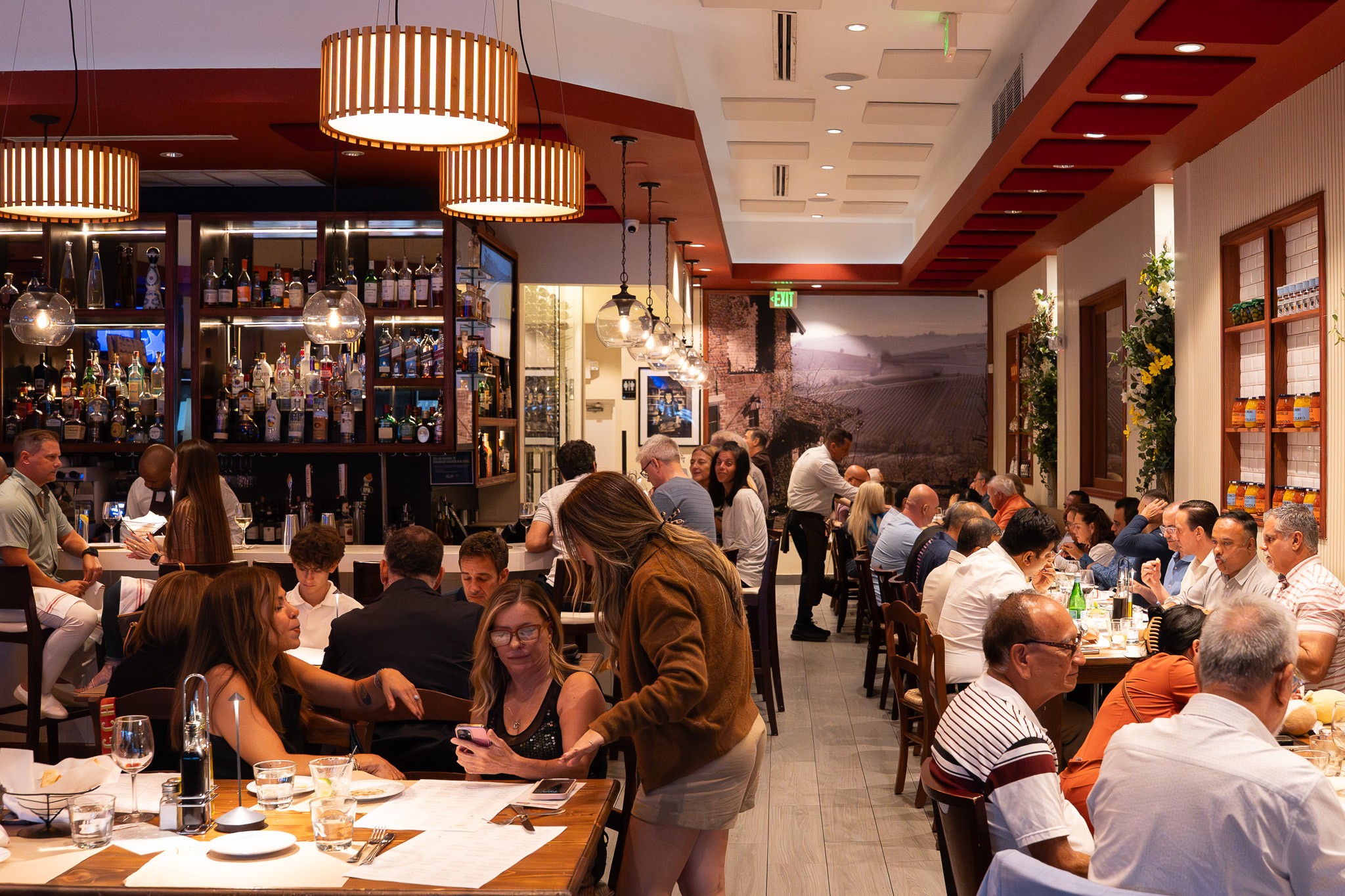
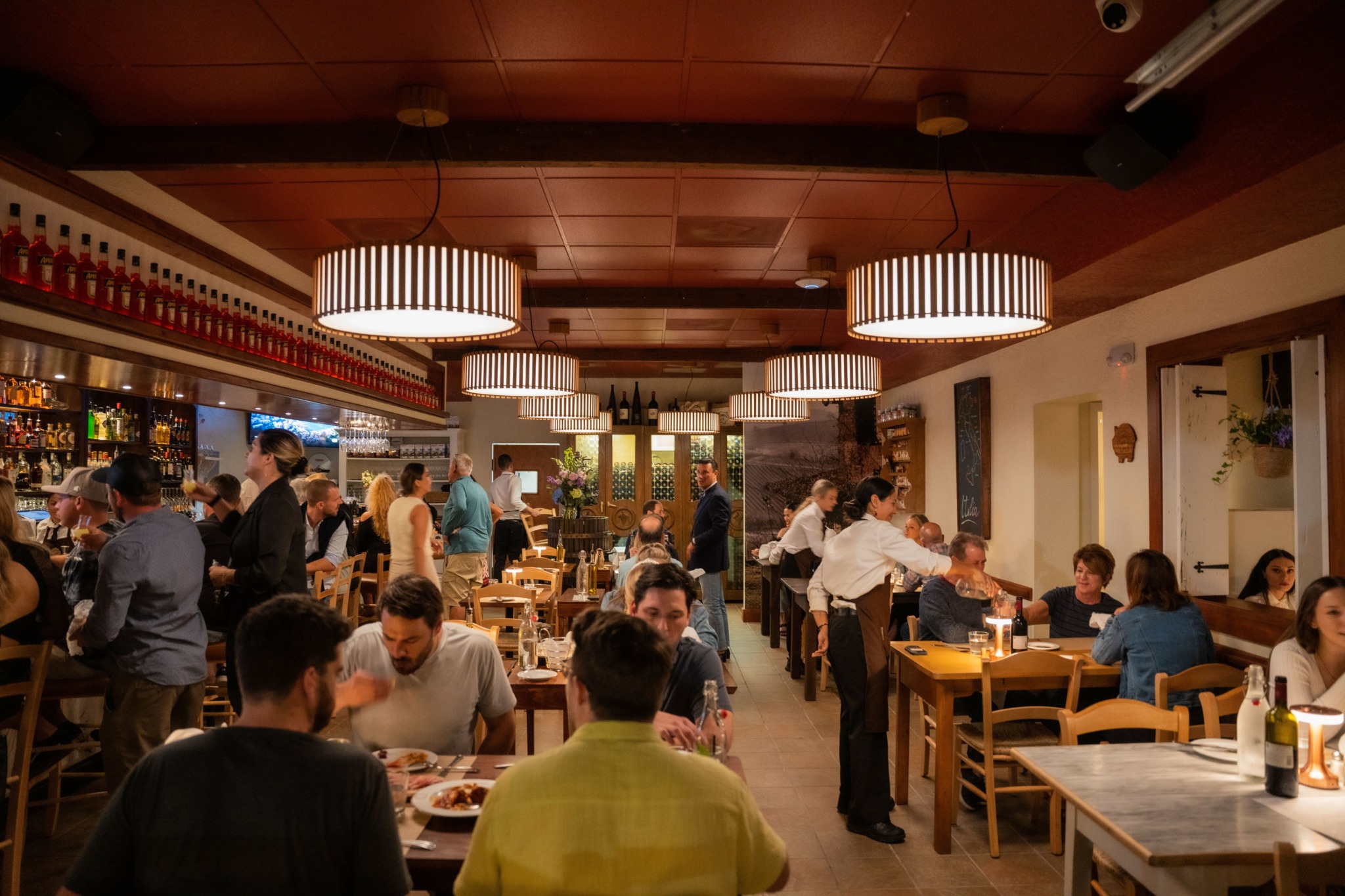
Graziano, love having you share your insights with us. Before we ask you more questions, maybe you can take a moment to introduce yourself to our readers who might have missed our earlier conversations?
I’m Italian. I grew up in a restaurant, literally.
My parents owned one in Italy, and from a very young age, it was my world. I never worked in any other industry. At fourteen years old, I left school and went full-time into the restaurant with my parents.
It was one of those places with no menu.
Every morning, my father, who was the chef, went to the local market, saw what was fresh, and decided what we would cook that day. Guests didn’t choose from a list; they trusted us. That’s where I learned respect for ingredients, discipline, and hard work.
At twenty-seven, something unexpected happened.
One of our best clients, Mr. Fregonese, made me an offer. At the time, he owned a company that built retail interiors around the world for a major fashion brand. Together with a group of friends, he decided to open a restaurant in Miami Beach—as an investment—and send young chefs and managers from Italy to run it.
I remember the first meeting clearly.
He said, “Graziano, I need someone like you in my restaurant in Miami.”
I had never worked outside my parents’ restaurant.
I came from a small town near Treviso.
I didn’t speak English.
I didn’t speak Spanish.
But I was young, insecure, and incredibly excited by the idea of Miami, the city of Miami Vice.
So I said yes.
When I arrived, reality hit hard.
Even though I had always worked in restaurants, this was a completely different world. I couldn’t communicate with anyone. I felt lost. To survive, I started doing manual work, tasks that required very little speaking. And yet, I was supposed to be the manager.
I wasn’t very effective.
And honestly, not very liked.
Many times, I thought about giving up and going back home to Italy. But my stubbornness—something Italians are very good at, kept me going. I decided that if I was going to stay, I had to adapt.
So I enrolled in English classes.
Every day, I drove from Miami Beach to Kendall. I don’t even remember why the school was so far, but it changed my life. Slowly, I gained confidence. I learned how to communicate. I learned how business worked in this part of the world.
The restaurant had been open for years. The food was excellent, but the service, the décor, the ambiance it all missed the mark. The business never truly took off.
After seven years of running the restaurant, I called a meeting with the owners, who were all living in Italy. I told them something bold:
Ocean Drive is no longer right for us. If we move to Lincoln Road and open a classic Italian trattoria, it will work.
They trusted me completely. And I trusted myself enough to invest all my savings and become a partner.
We found a space at 721 Lincoln Road. It had just been vacated by an art gallery. The space was long, narrow, and difficult, but it had a beautiful outdoor area. Five months after receiving permits, we opened.
It was December 1997. The restaurant was an immediate hit, many clients who were not coming to the old location they all show up to see what we did in the new location and remained impressed.
In less than a year, we opened Spris.
By 2000, I opened Segafredo Café, in partnership with Mark Soyka, the owner of News Café and Van Dyke.
Mark saw what we had built at Segafredo, and a few years later, he invited me to become his partner at Van Dyke. Together with my newest partner from Segafredo, Luca Voltarel, we took over the restaurant and successfully ran it for eight years.
That journey, from a small no-menu restaurant in Italy to running multiple concepts in Miami taught me something essential:
Talent matters.
Hard work matters.
But adaptation, humility, and trust are what truly change my life.
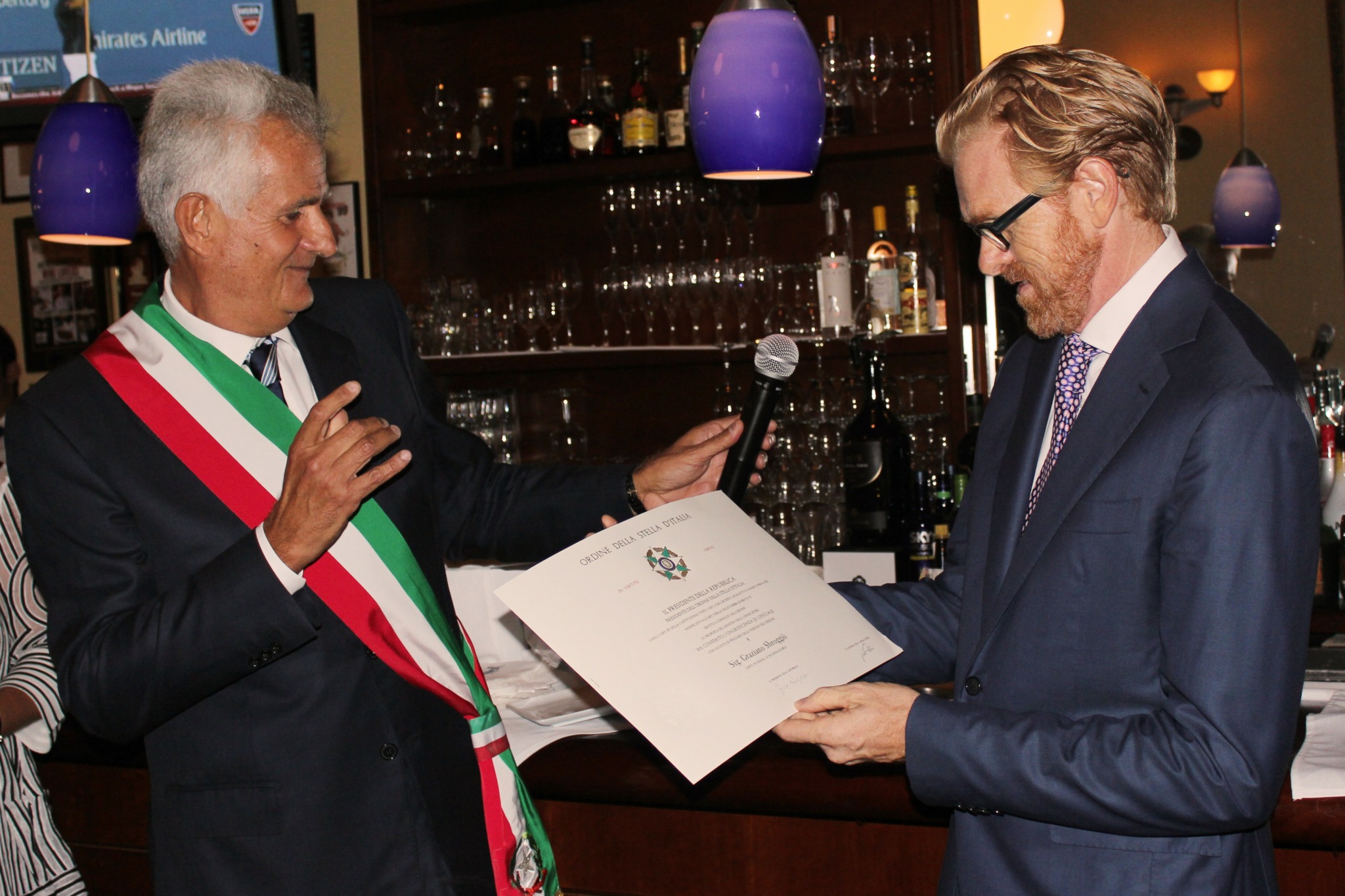
Have any books or other resources had a big impact on you?
Learning the restaurant business in my family’s place in Italy was an incredible foundation, but it also planted an early question in my mind: was there a better way to do this elsewhere? I was always curious about how successful restaurateurs operated in other parts of the world and what they were doing differently.
That curiosity pushed me to constantly look for inspiration, especially through books. Whenever I travel, I try to visit places where I know I can learn something. The first time I went to New York, I was struck by the city’s energy. I came across the work of Danny Meyer and visited his restaurants—and it was immediately clear they were run better than mine.
I started reading about him, and at that time his book Setting the Table had just been released. I bought it, read it, and immediately implemented several ideas from it. I found it so impactful that I went back and bought 20 more copies and gave one to every manager we had.
Another major professional influence came from an Italian consultant who later became a close friend and business partner, Paolo Ruggeri. He had published a book called The New Leaders, which I read at the beginning of our relationship. It resonated deeply with me, and I hired him right away to coach me on becoming a better leader and to run seminars with my management team.
Fast forward to today: as our organization has grown, we’ve adopted the EOS system, which has been a tremendous help in bringing structure, clarity, and alignment to our business
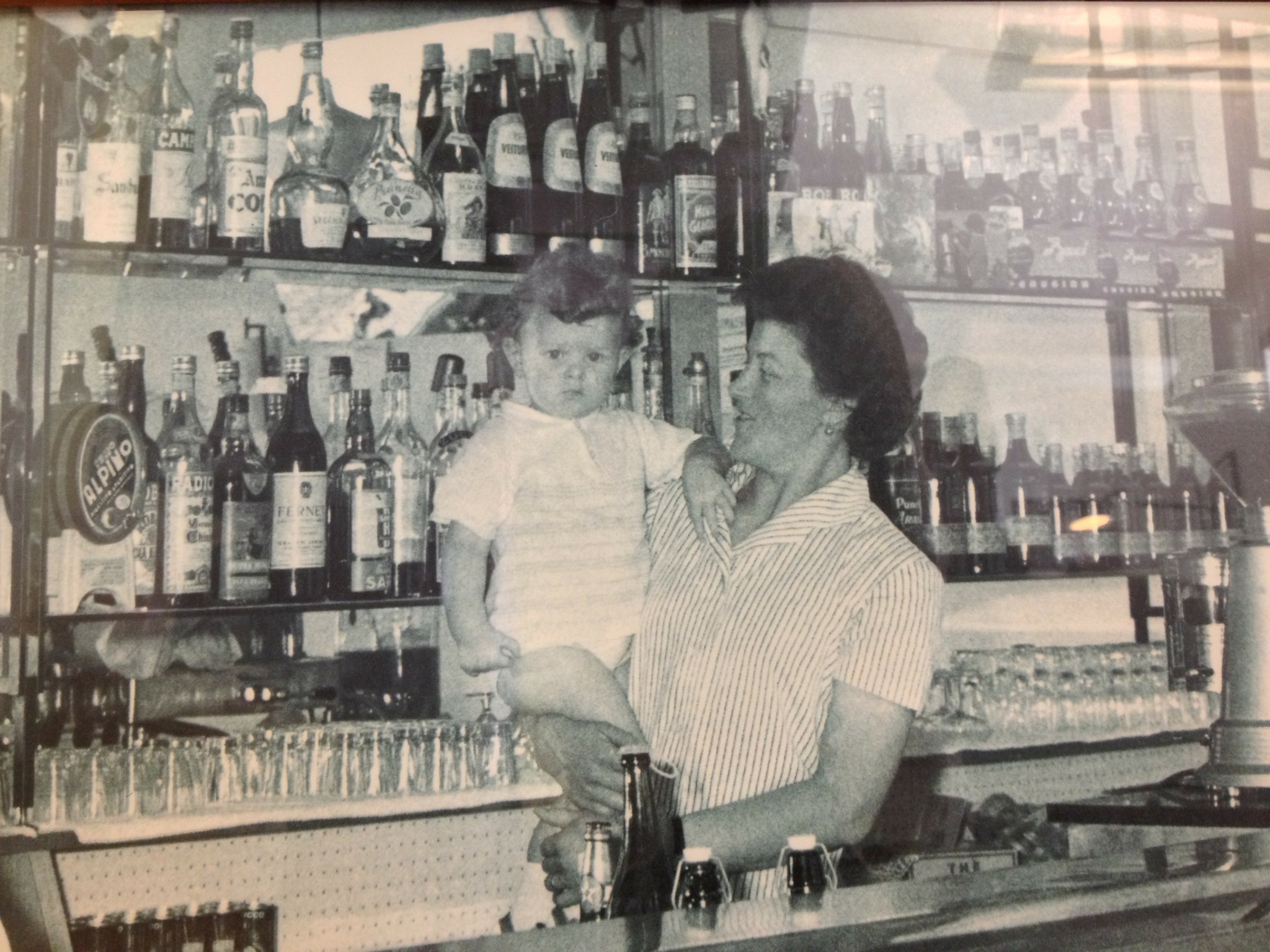
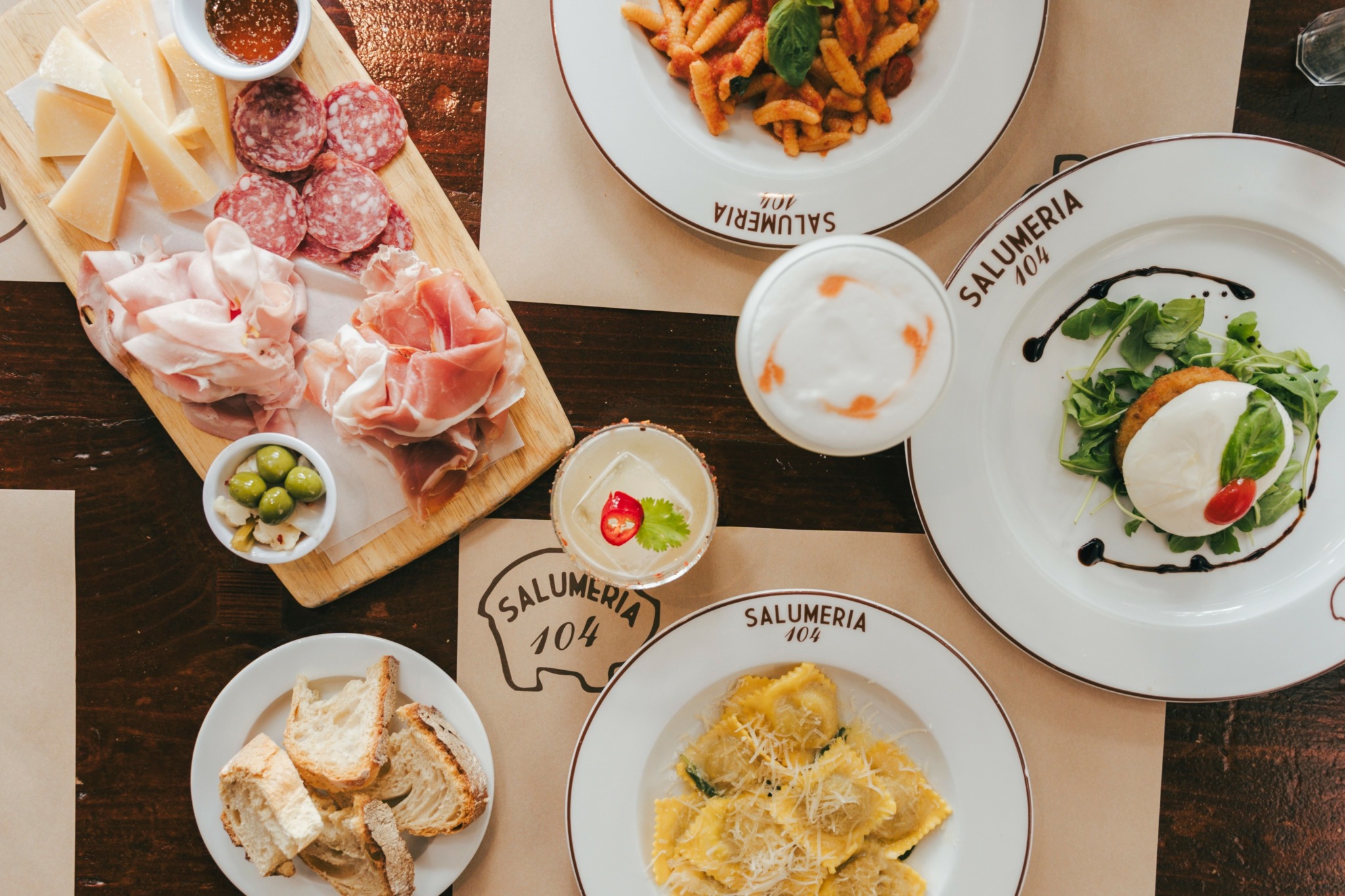
We’d love to hear about how you met your business partner.
After seven years working as a manager at the Ocean Drive location, I was effectively running the restaurant inside and out, as if it were my own. The owners, the Fregonese brothers, were living in Italy, and the responsibility was fully on my shoulders. At that point, I felt strongly that if we wanted to take the business to the next level, we needed to make a bold move and start from scratch. I told them clearly: we needed a new location, and I wanted to become a 50% partner.
I showed them Lincoln Road, which at the time was still under renovation. I had found a space that came with its challenges, but it had strong potential, modest in size indoors, yet with a great number of outdoor tables, which I believed would be key to its success.
When the time came to discuss how to finance the new restaurant, I made a decision that changed my life. I told them I would sell my apartment and invest every dollar of the proceeds into the business. Whatever amount was still missing to cover construction and opening costs, they would need to contribute, since my resources were limited. They agreed without hesitation. That was the biggest sign of trust anyone had ever given me at that point in my life, though, thankfully, it wouldn’t be the last.
Construction began in August, and by mid-December, we opened the restaurant. The fact that my partners were commercial interior designers and builders helped move the process quickly and efficiently. Just a few months later, we met to review the construction costs and the first-quarter results. The restaurant had been profitable from day one, and by the time we reviewed the first P&L, the money they had advanced on my behalf was already back in the bank.
That act of generosity and trust elevated our relationship to a new level. Today, more than 30 years later, we remain partners and call each other brothers.
Contact Info:
- Website: https://graspagroup.com
- Instagram: @graspagroup
- Facebook: https://facebook.com/graspa-group
- Linkedin: https://linkedin.com/company/graspa-group
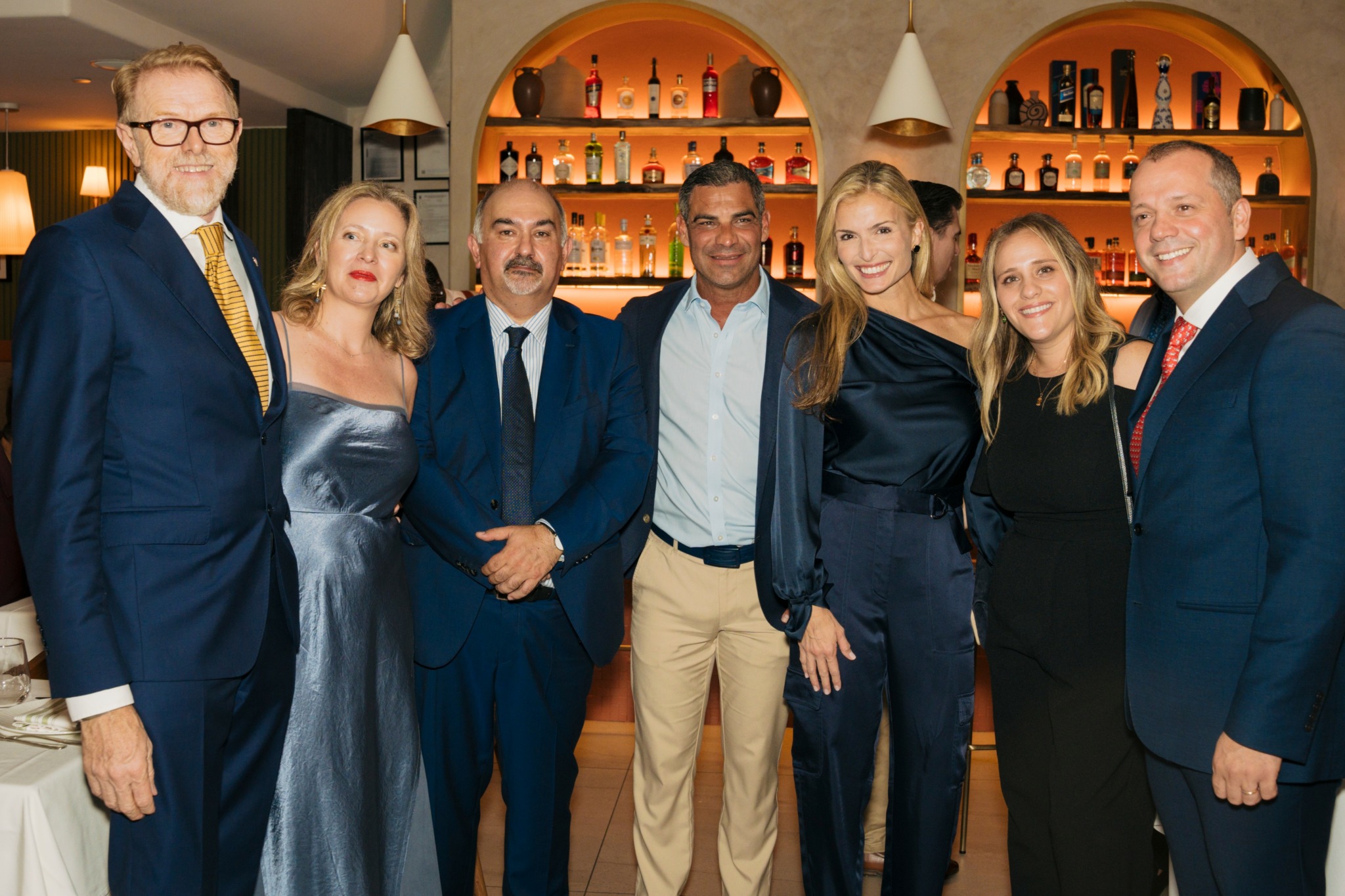
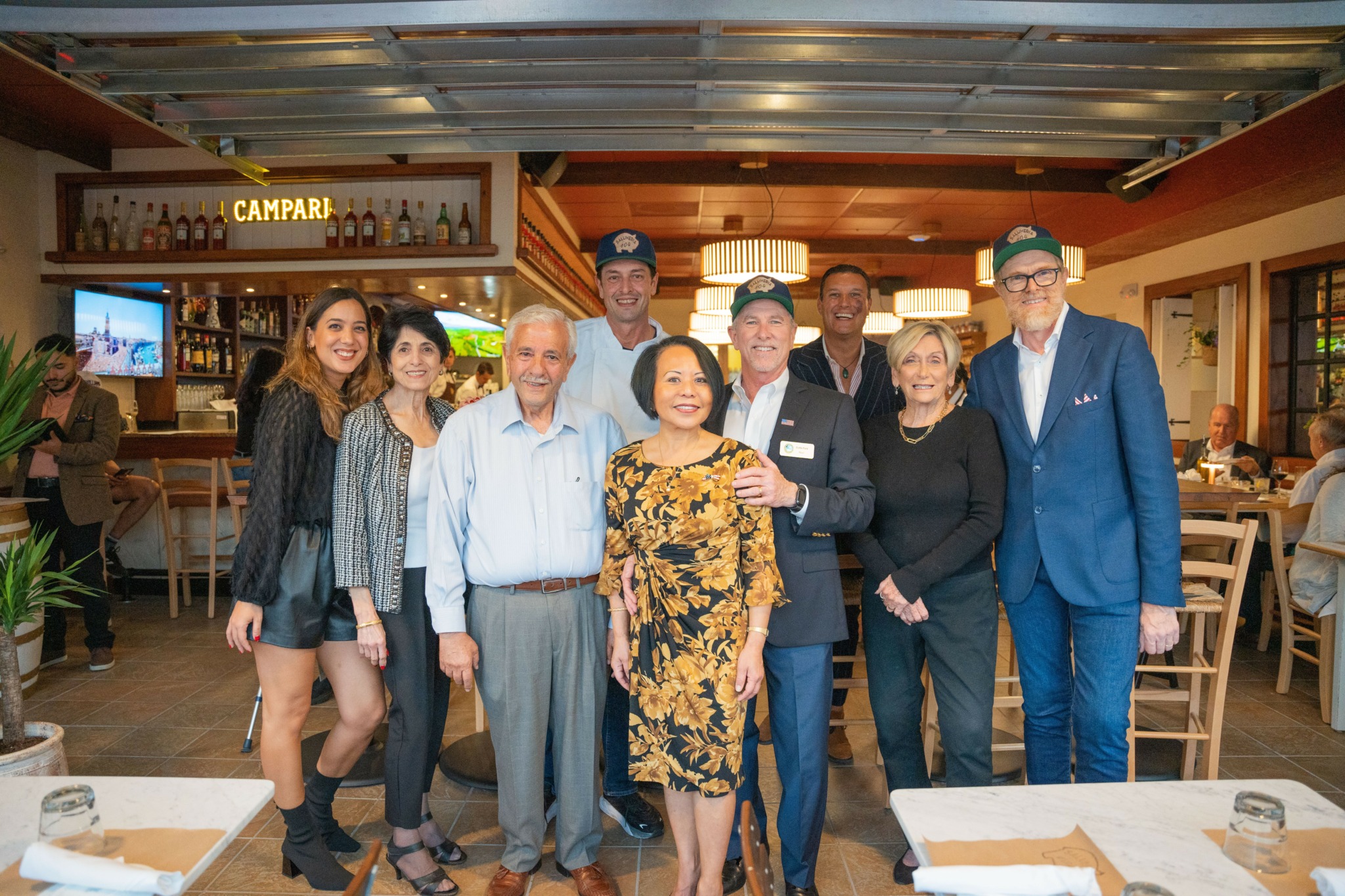
Image Credits
N/A
All photos are taken from our internal photographer of Graspa Group.