
Alright – so today we’ve got the honor of introducing you to Dionte Wilkens. We think you’ll enjoy our conversation, we’ve shared it below.
Dionte, thanks for joining us, excited to have you contributing your stories and insights. What was it like going from idea to execution? Can you share some of the backstory and some of the major steps or milestones?
I did not arrive at my artistic career through a single epiphany, but through a moment of quiet resolve. Art had always been present in my life: drawing, painting, creating in fragments, but in 2024 I made a deliberate decision to stop treating it as something peripheral and begin treating it as a practice, a responsibility, and a calling. That decision marked the true beginning.
The idea was not abstract or romantic. It was practical and urgent: I wanted to tell the truth of my inner life through my work. The very next days were spent gathering what I needed; not only materials, but discipline. I invested in canvases, brushes, paints, and tools, but more importantly, I committed to a structure. Living with bipolar disorder meant motivation was never guaranteed; depression could stall momentum entirely. So I created a routine that supported both my creativity and my mental health.
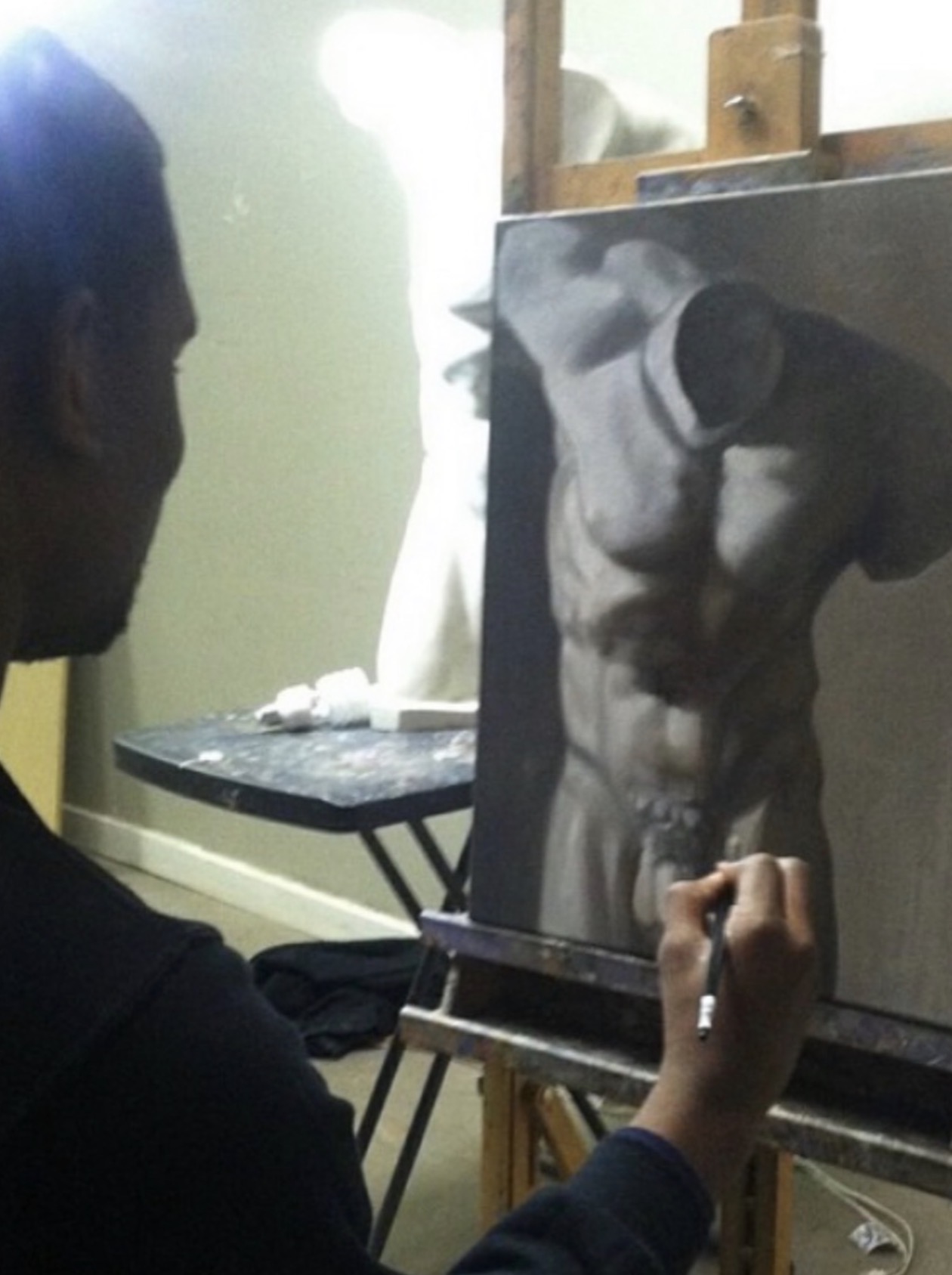
My days became immersive. I painted from the moment I woke up until late in the evening, allowing myself to move slowly when necessary but never to stop entirely. Meditation, grounding practices, and moments of stillness were woven into the process so that creation did not become self-destructive, but sustaining. The work itself emerged as a visual record of my emotional and spiritual journey as a Black queer man in America-grappling with identity, vulnerability, resilience, and faith in my own survival.
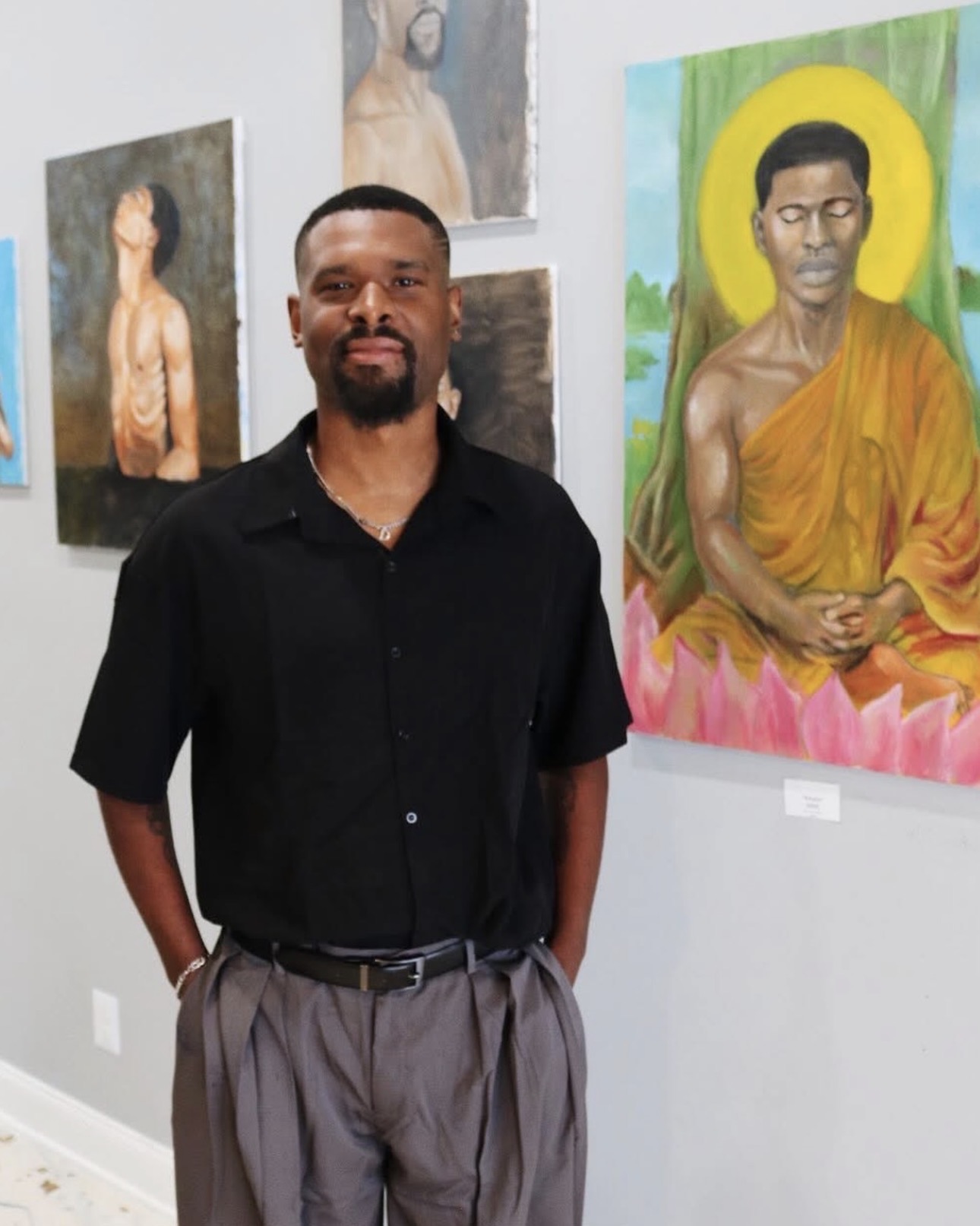
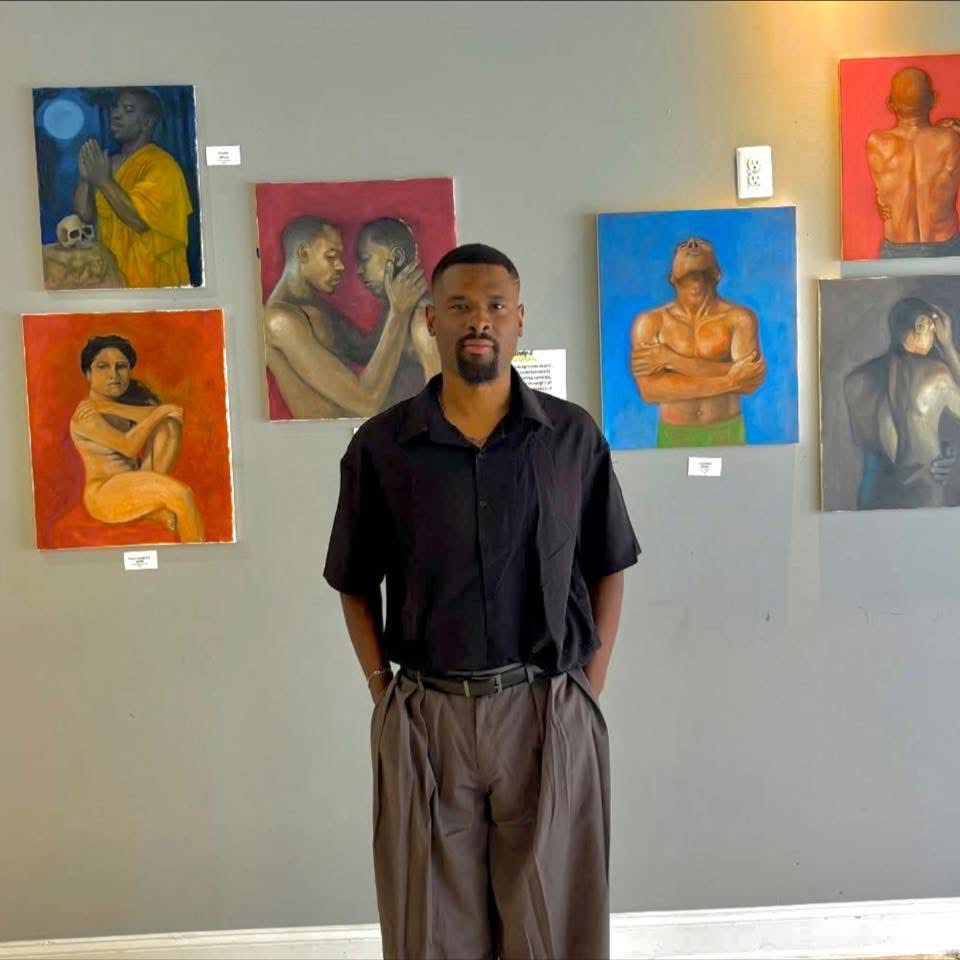
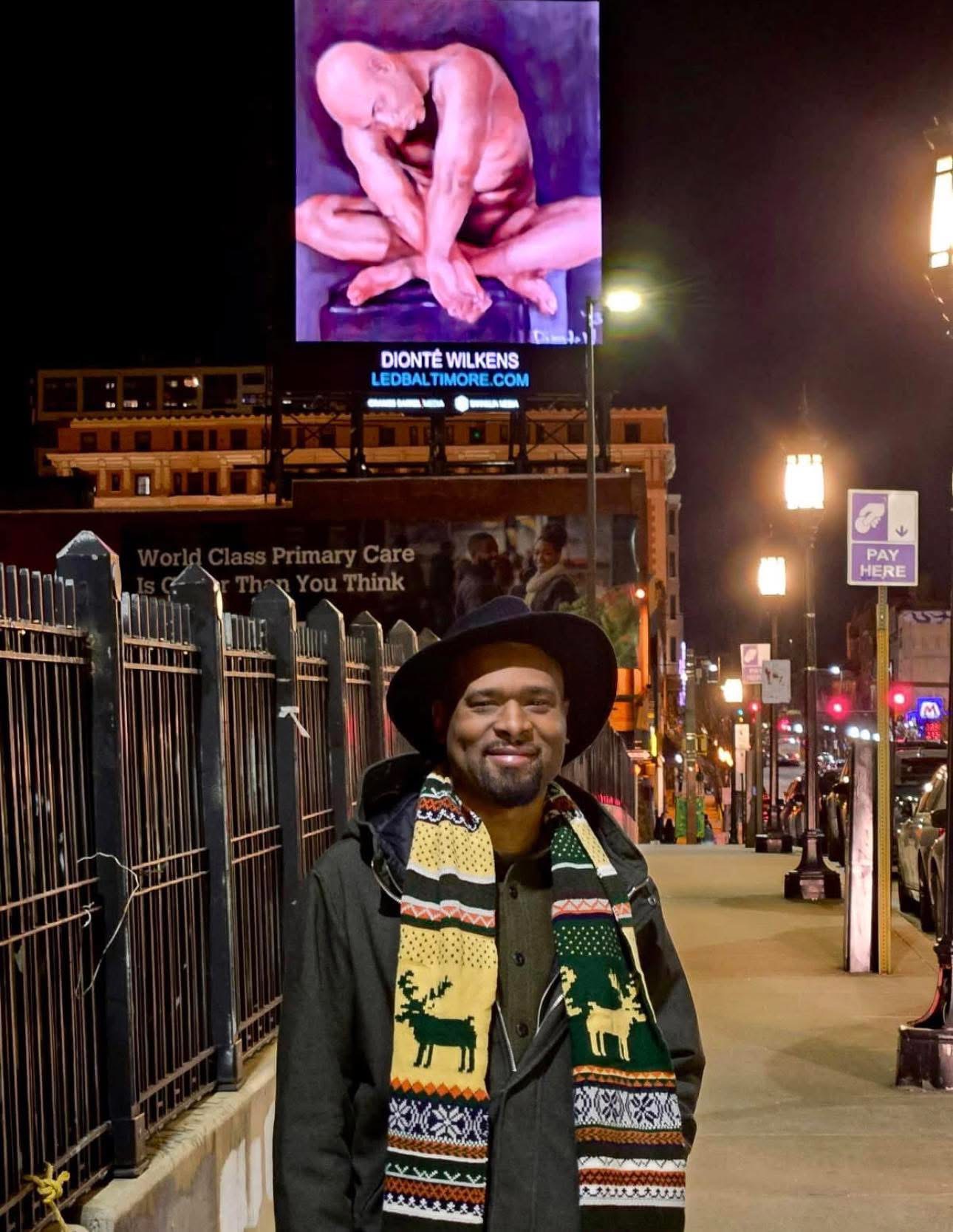
Over weeks and months, the paintings accumulated into a cohesive body of work. What began as personal necessity gradually took the shape of a series. I then had to learn the logistics of being visible: organizing, presenting, and trusting the work enough to let it be seen. This led to my first solo exhibition at Two7 Studio in Baltimore, Maryland. Standing in that space, surrounded by work that once lived only inside me, felt like a threshold moment.
Selling my artwork for the first time was transformative-not simply as financial validation, but as proof that my internal experiences could resonate outward, that my story could hold value for others. From that point on, the path forward became clearer, though not easier.
Since then, I have continued to paint with intention, understanding that sustaining an artistic career also means sustaining myself. Therapy, journaling, meditation, and yoga are not separate from my practice; they are foundational to it. My work continues to evolve, and I am currently preparing for a new solo exhibition, carrying forward the same principles that launched me: honesty, discipline, care, and perseverance.
What began as an idea became a practice. What began as survival became vocation.
As always, we appreciate you sharing your insights and we’ve got a few more questions for you, but before we get to all of that can you take a minute to introduce yourself and give our readers some of your back background and context?
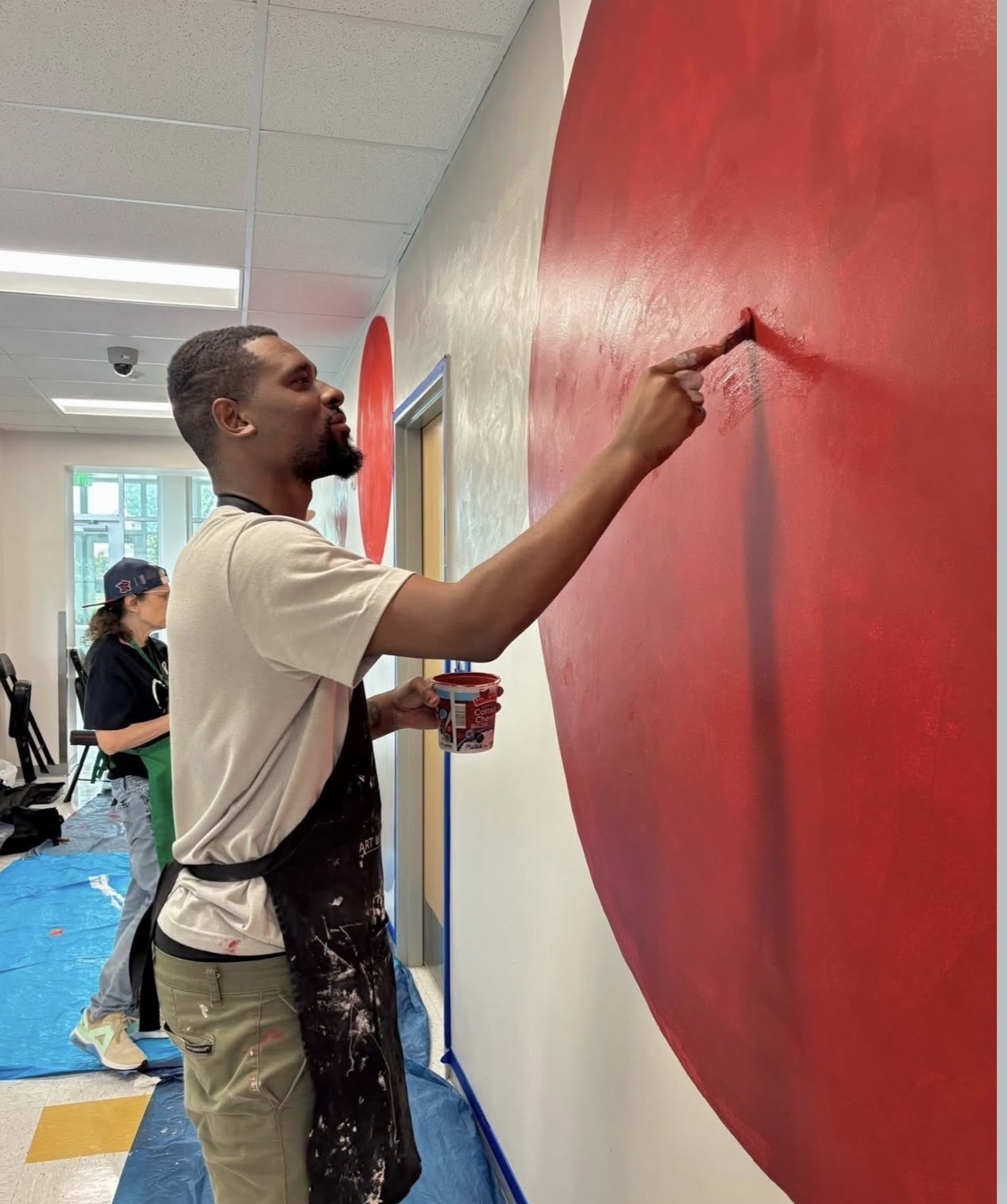
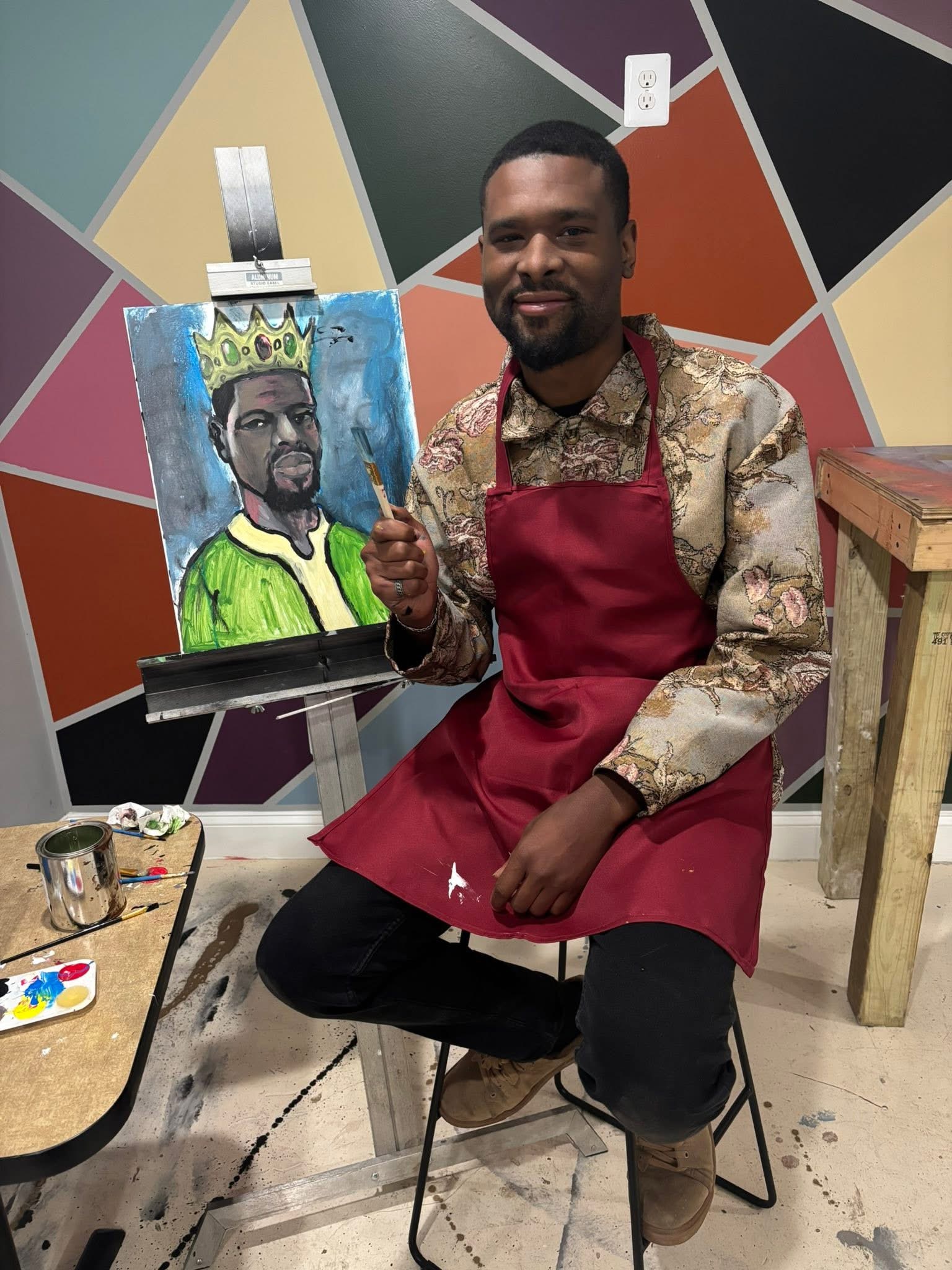
I am a painter and muralist whose practice spans portraiture, landscapes, and community-centered public art. My path into this discipline was not driven by trends or markets, but by an enduring need to translate lived experience into visual language. Art has always been present in my life; over time, it evolved from a personal outlet into a professional practice rooted in service, storytelling, and presence.
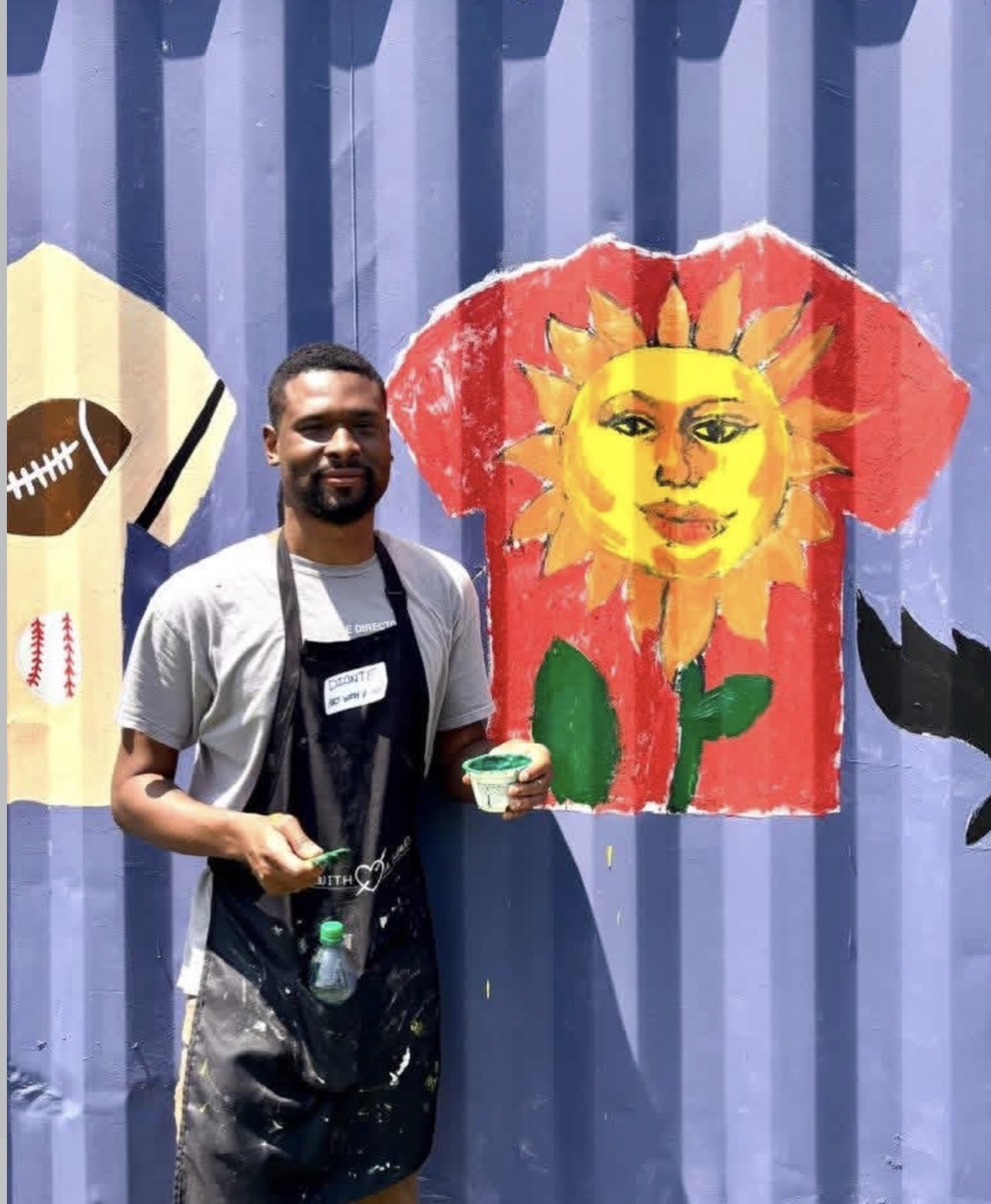
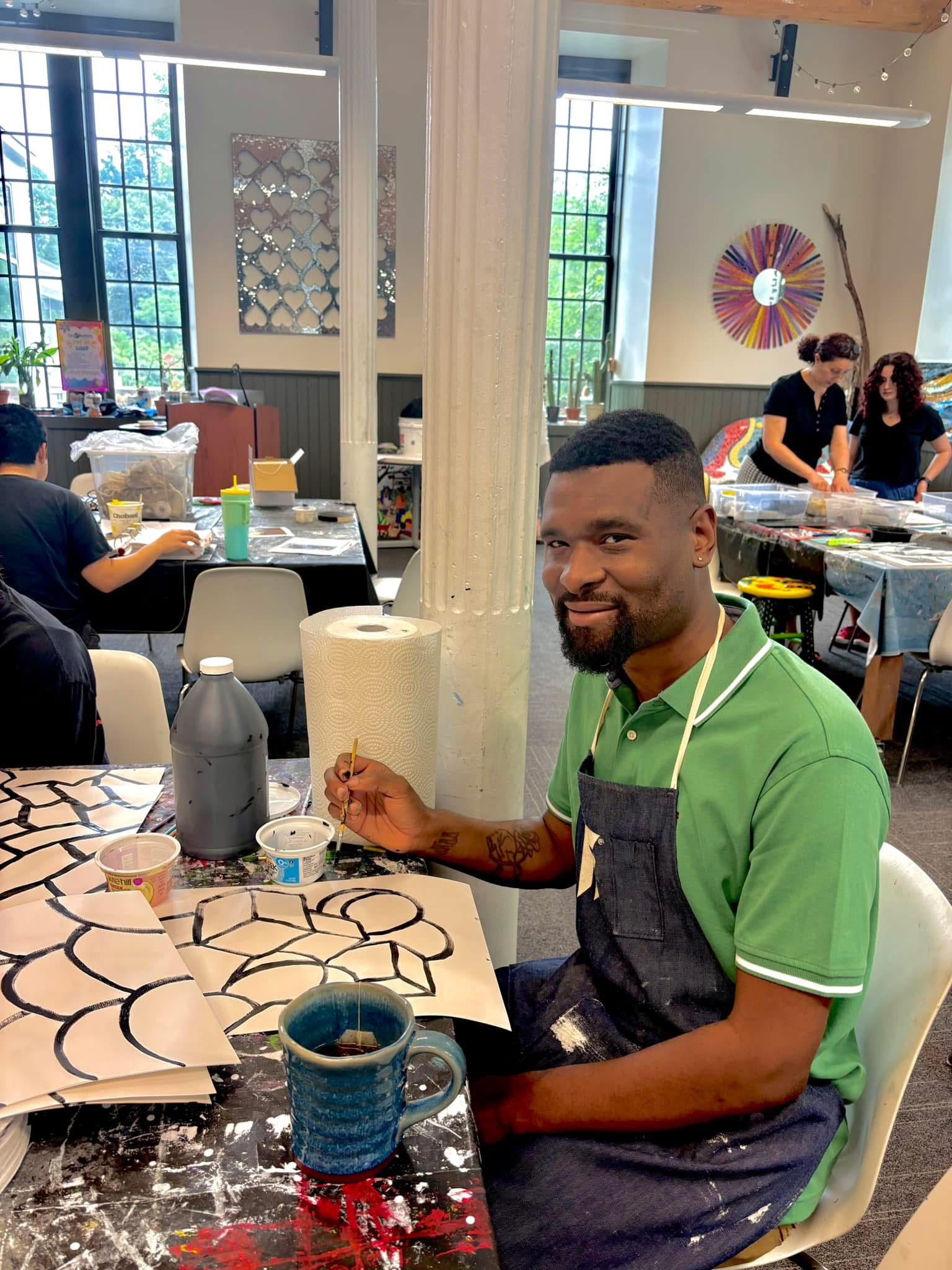
My work exists across two intertwined spaces: personal exploration and collective engagement. On one hand, I create commissioned paintings and murals that respond directly to people, places, and communities. I collaborate with organizations such as Art with a Heart, where I work with youth through murals, arts and crafts, and creative programming. In these spaces, art becomes a tool for connection, empowerment, and shared imagination; offering young people a means of expression and ownership over their environments.
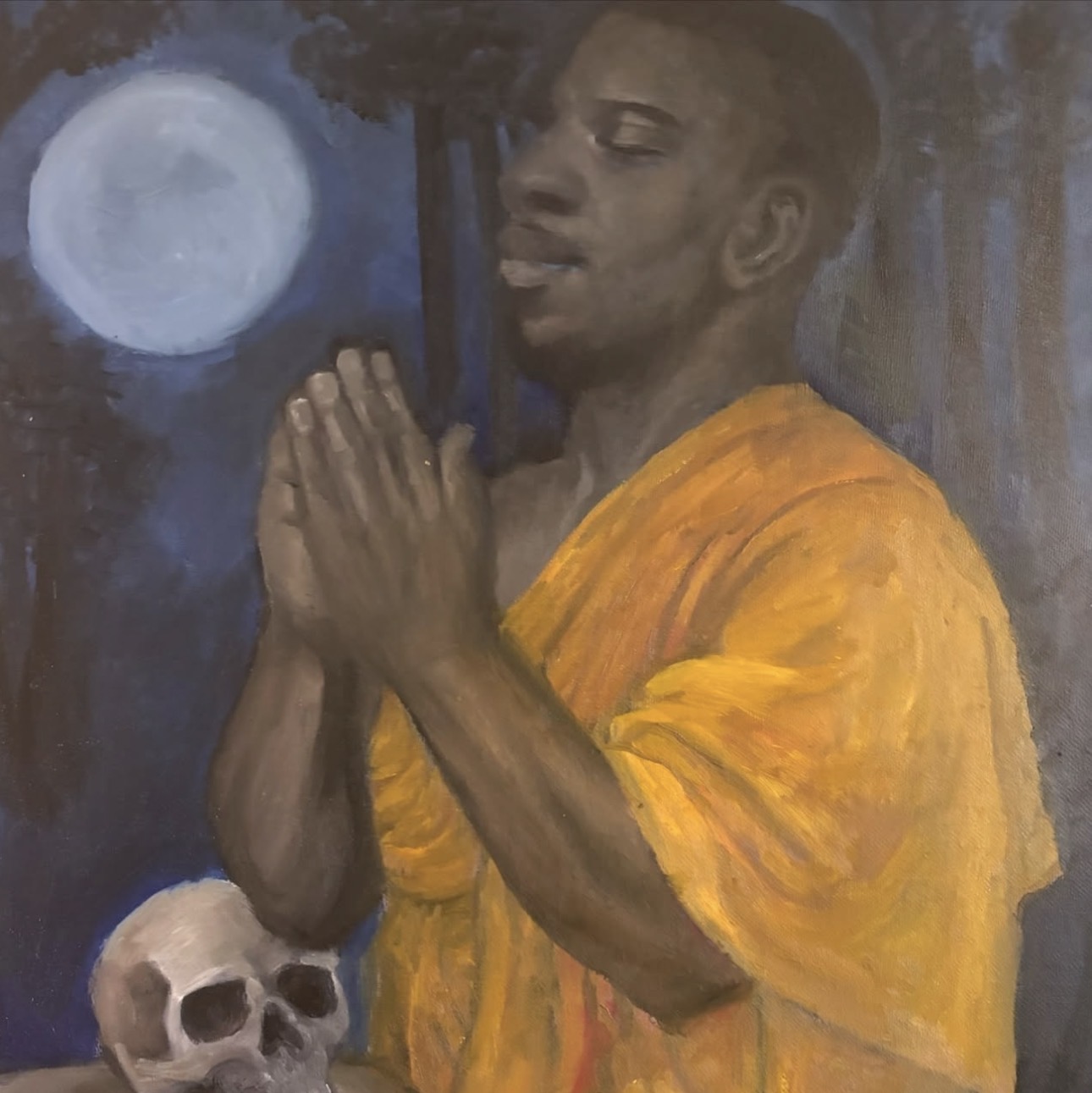
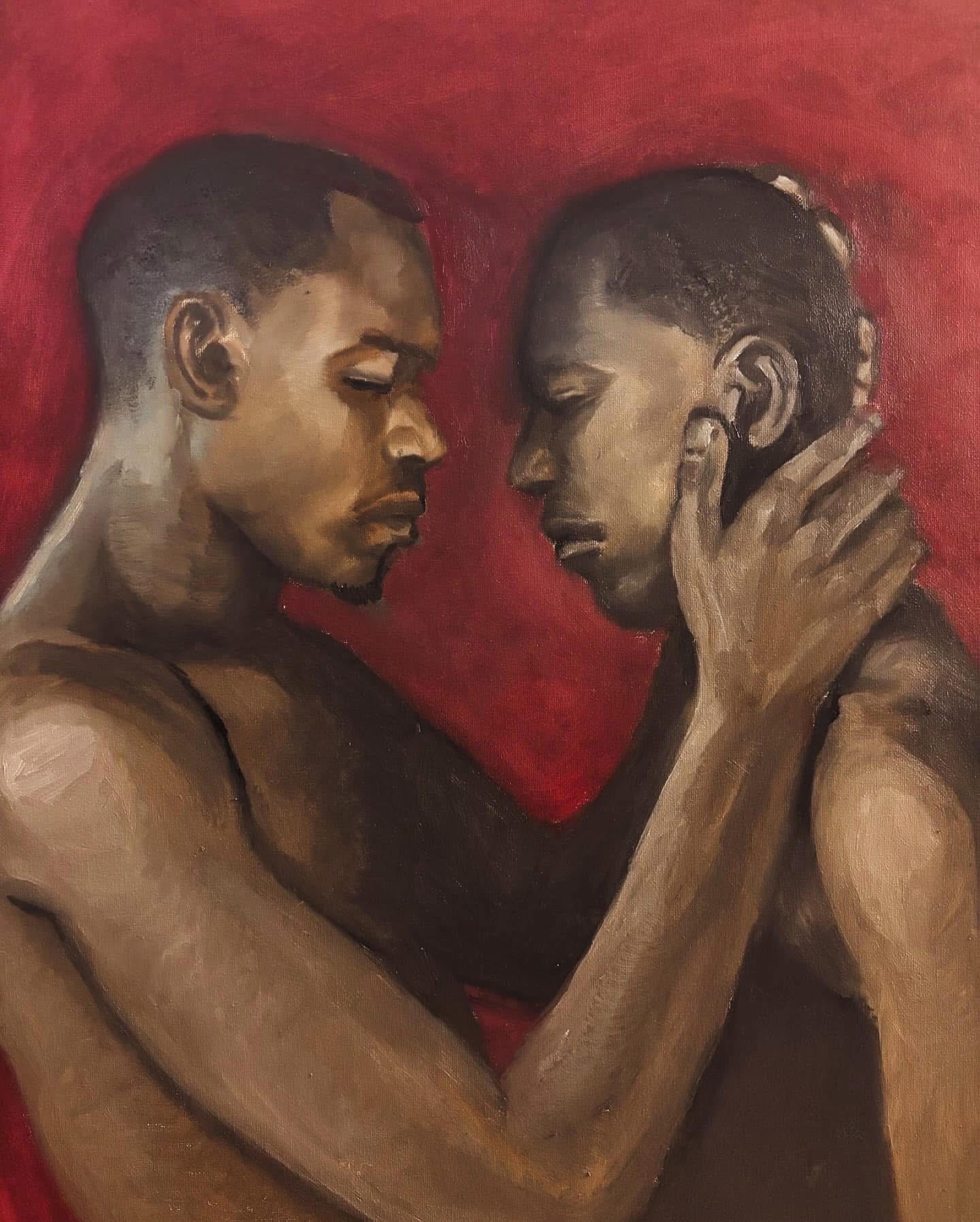
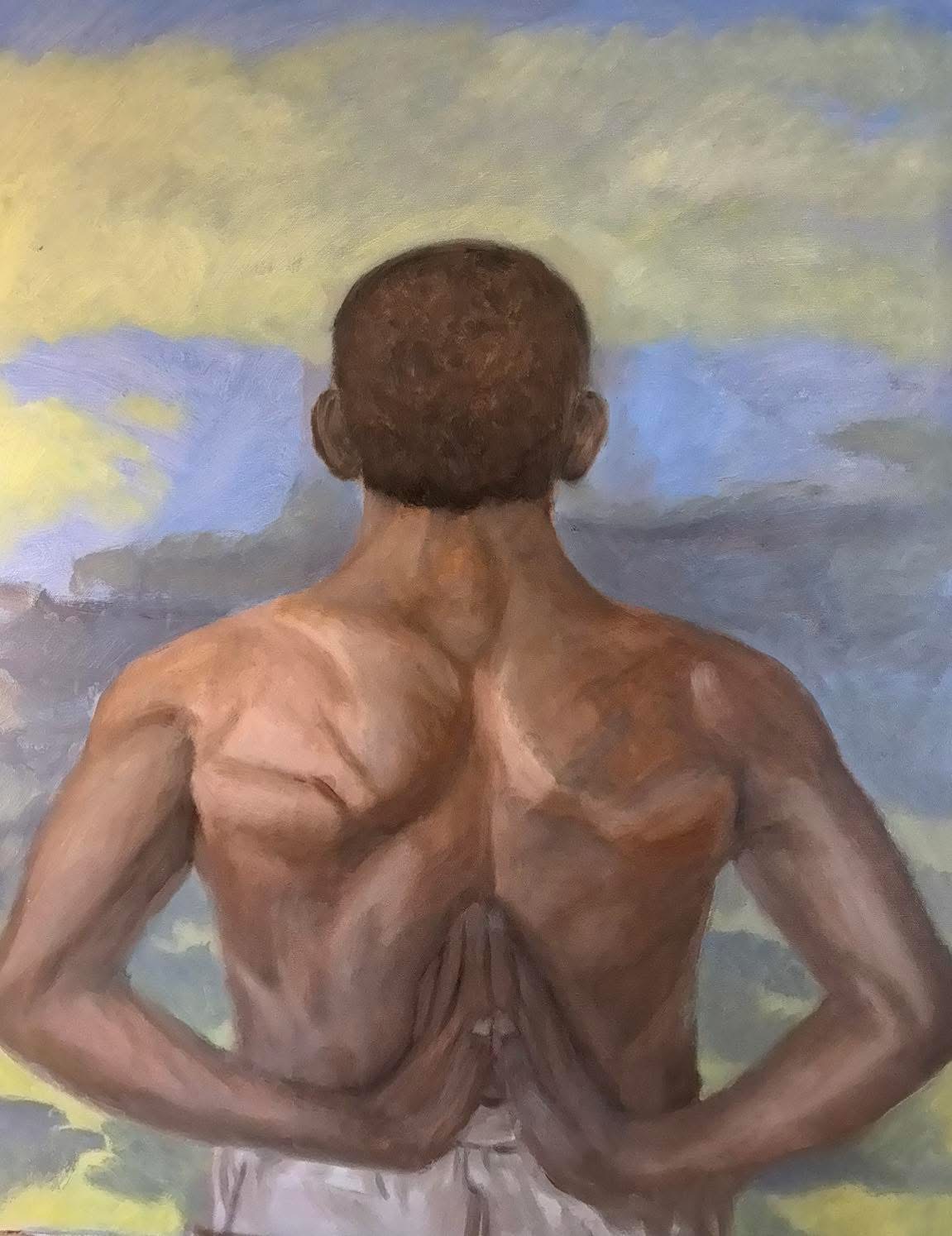
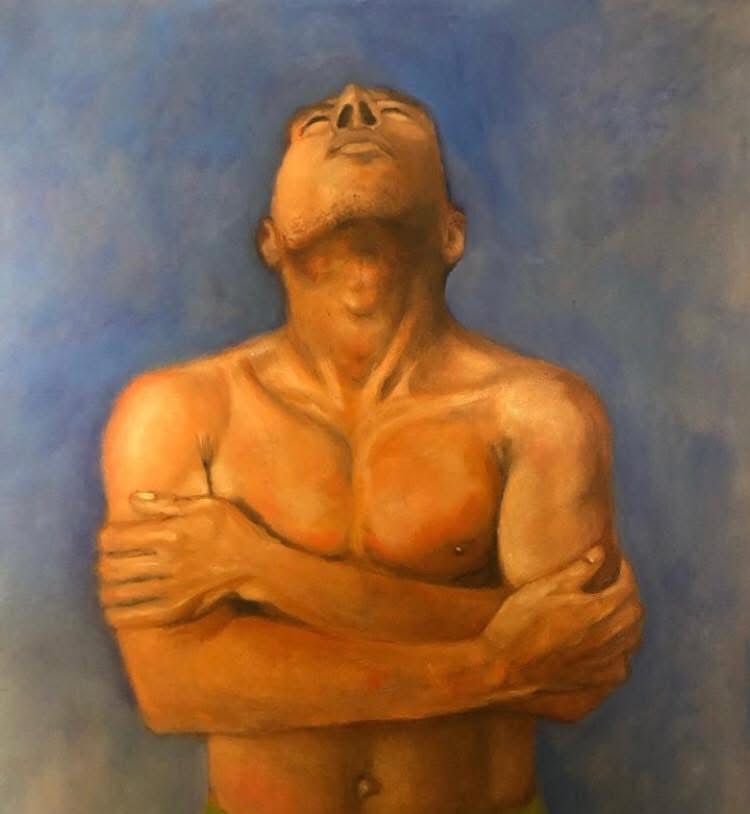
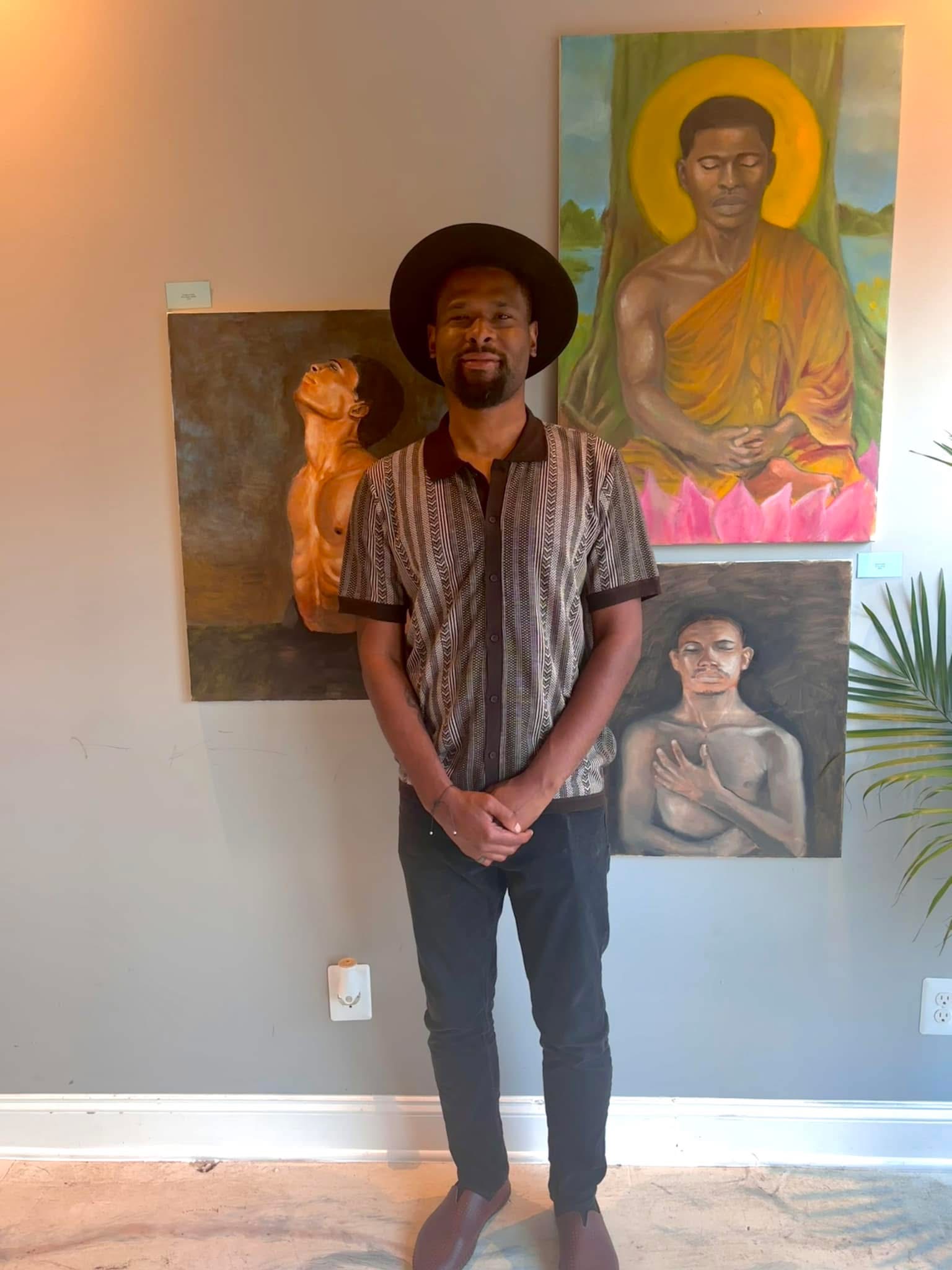
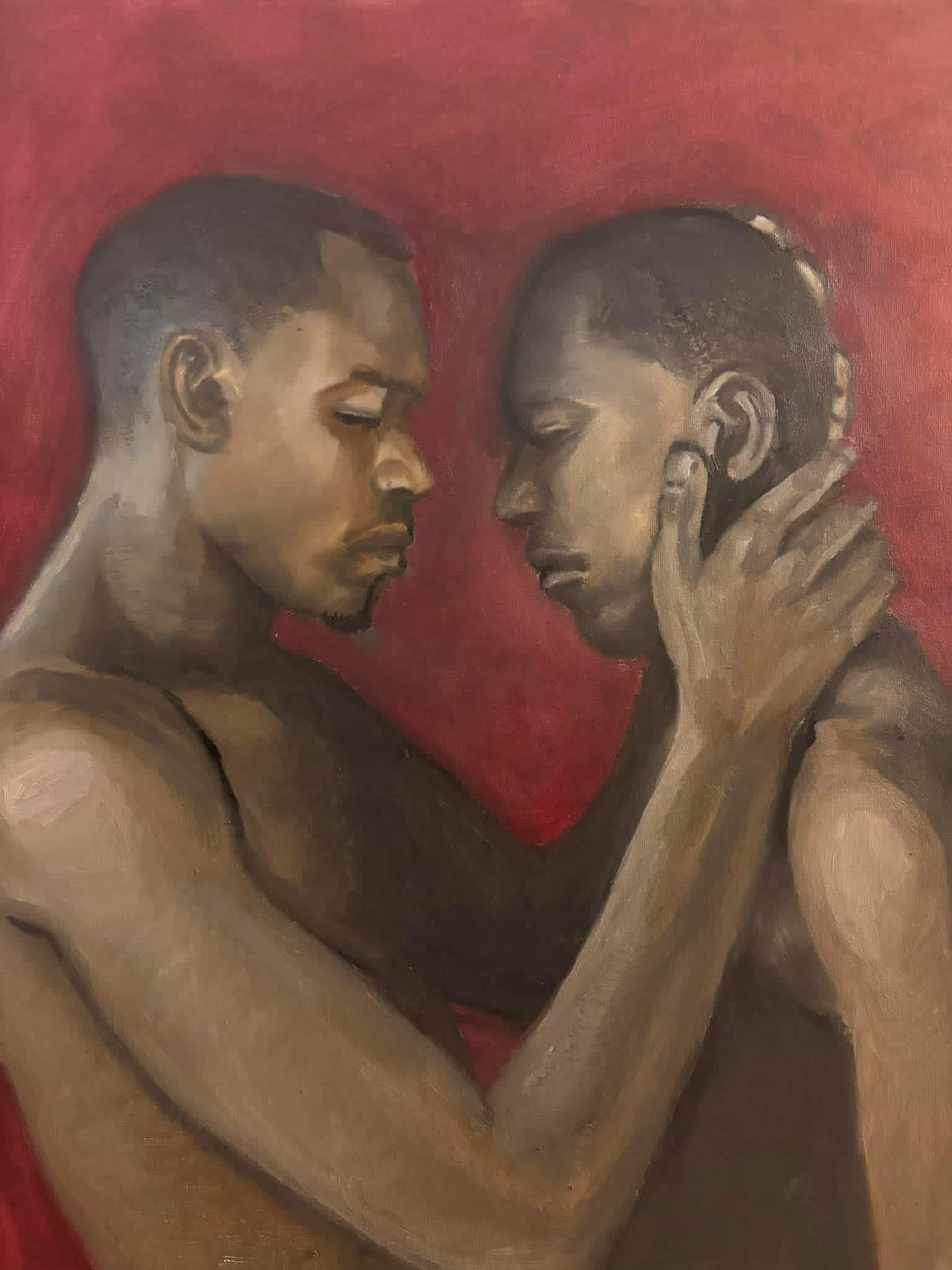
My personal studio practice functions differently. It is a meditation on spiritual and emotional expression through the lens of a Black queer man in America, someone shaped by experiences that are both deeply personal and broadly resonant. The work emerges from an ongoing process of reckoning with mental illness, complex trauma, and identity, held within a body that carries both vulnerability and endurance. Rather than offering resolution, the paintings hold space for complexity.
Visually, these themes manifest through the human figure placed in dialogue with charged environments and symbolic forms. Gesture, posture, and spatial tension operate as emotional language. Through juxtaposition and atmosphere, the work invites viewers into layered narratives that unfold psychologically and metaphorically, allowing meaning to arise through interpretation rather than instruction.
What sets my work apart is its insistence on honesty and care-both in how it is made and how it is shared. Whether working with clients, communities, or personal subject matter, I approach each project with attentiveness to emotional resonance, cultural context, and the humanity of those involved. I see art not as decoration, but as a site of reflection, witnessing, and connection.
I am most proud of exhibiting my work in my first solo exhibition in 2025 and continuing to expand that presence through upcoming exhibitions in 2026. More than milestones, these moments affirm that work rooted in vulnerability and truth can find its audience.
What I want potential clients, collaborators, and viewers to know is this: my practice is grounded in intention, empathy, and dialogue. I create work that listens as much as it speaks and I believe art is most powerful when it allows us to see ourselves, and each other, more clearly.
We’d really appreciate if you could talk to us about how you figured out the manufacturing process.
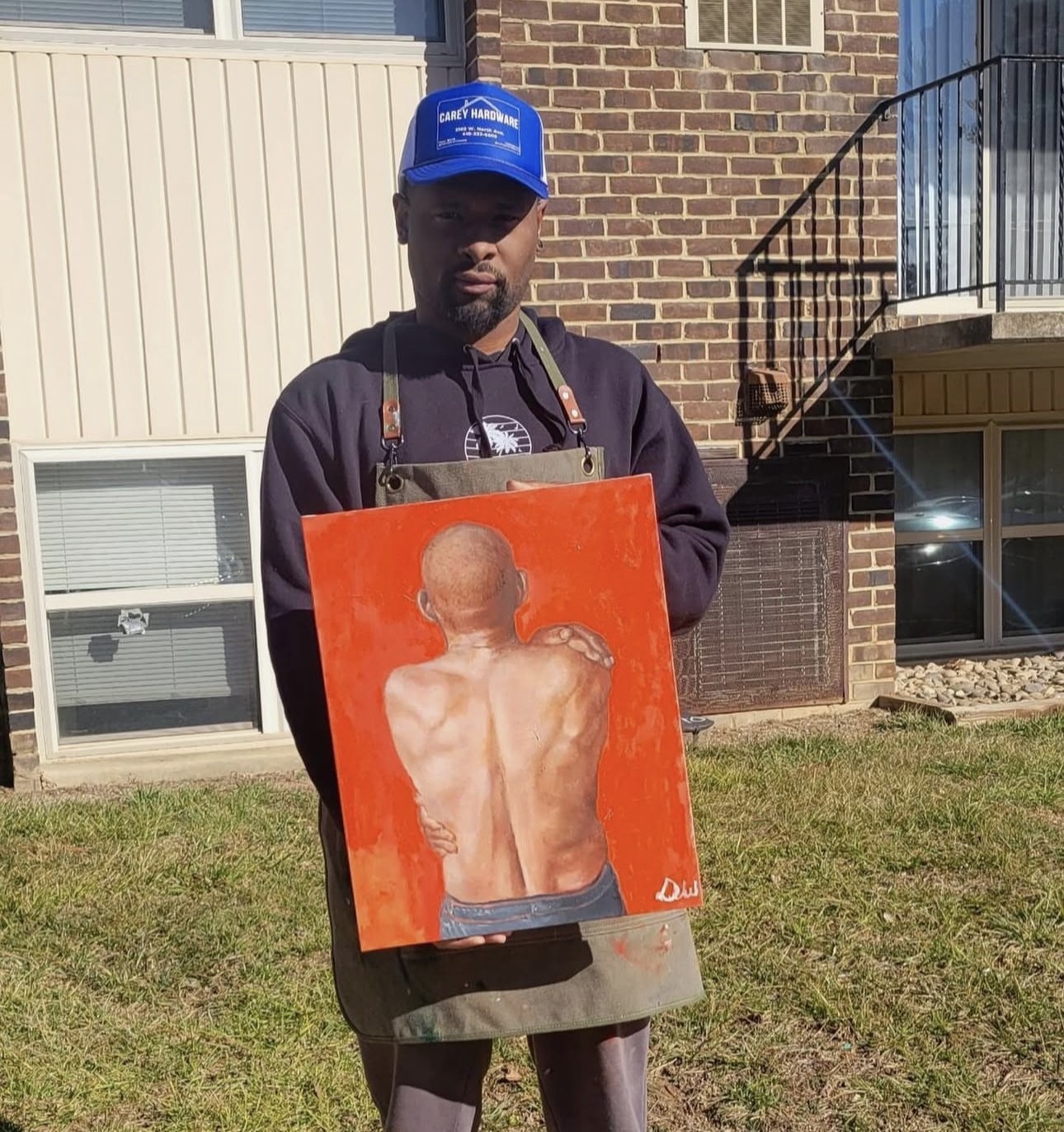
I approach manufacturing not as mass production, but as translation, an extension of the original work into forms that can travel, endure, and reach wider audiences without losing their integrity. At present, my primary focus remains on original paintings, which I sell directly through social media platforms, Facebook Marketplace, and online listings. These works are singular objects, carrying the physical record of time, labor, and presence.
Alongside this, I have begun producing fine art prints of select works through platforms such as FineArtAmerica, with plans to expand into collaborations with local print businesses and online art galleries. I did not begin this process with formal training in print manufacturing; instead, I approached it as I approach my studio practice; through research, experimentation, and discernment.
The earliest step was learning what it meant to reproduce an artwork responsibly. I had to understand paper quality, color fidelity, archival standards, and scale—how an image shifts when it moves from canvas to print. This led me to seek out vendors whose technical precision aligned with my artistic values. I explored printmakers who prioritized high-quality materials and ethical pricing, learning to ask the right questions about longevity, texture, and finish.
Finding the right partners has been less about speed and more about trust. I’ve learned that manufacturing creative work requires patience and intention; not every printer is right for every artist. The process has taught me to protect the emotional and visual integrity of the work while making it more accessible to collectors who may not be able to acquire an original piece.
One of the most important lessons I’ve learned is that manufacturing is not separate from authorship. Every decision, from where a piece is printed to how it is presented-becomes part of the artwork’s story. My goal moving forward is to continue expanding access to my work through high-quality prints, while remaining rooted in the values that guide my original practice: care, authenticity, and respect for the work and the viewer.
In this way, manufacturing becomes not a compromise, but a continuation of the conversation my art begins.
Can you share a story from your journey that illustrates your resilience?
Resilience, for me, has never looked like constant strength or uninterrupted momentum. It has looked like continuity, choosing to remain present even when forward motion felt nearly impossible.
Living with bipolar disorder means that motivation, energy, and emotional stability are not consistent or predictable. There were long stretches throughout 2024 and 2025 marked by depressive episodes, health challenges, and an ongoing struggle to complete even basic daily tasks. Creating art during that time was not fueled by inspiration alone; it required patience, self-regulation, and an acceptance of my own limitations without surrendering to them.
What sustained me was a commitment to return to the work, even in small increments. Some days that meant painting for hours; other days it meant simply standing in front of a canvas and allowing myself to remain engaged. Over time, those moments accumulated into a body of work-several paintings created under conditions that did not favor productivity, but demanded endurance.
That persistence ultimately led to my first solo exhibition. Seeing those paintings displayed together was not only a professional milestone, but a quiet affirmation that consistency, when practiced with care, can outlast adversity. Each piece carried the residue of long nights, emotional weight, and the deliberate choice to continue despite exhaustion and doubt.
This experience taught me that resilience is not about overcoming vulnerability, but learning how to work alongside it. I did not create in spite of my condition; I created while tending to it. Remaining stable, centered, and committed to my practice, while navigating depression and uncertainty-became an act of devotion to both my art and my survival.
Contact Info:
- Website: https://bakerartist.org/portfolios/diontewilkens
- Instagram: https://www.instagram.com/dionte_wilkens
- Facebook: Dionte Wilkens
- Twitter: Diontewilkens