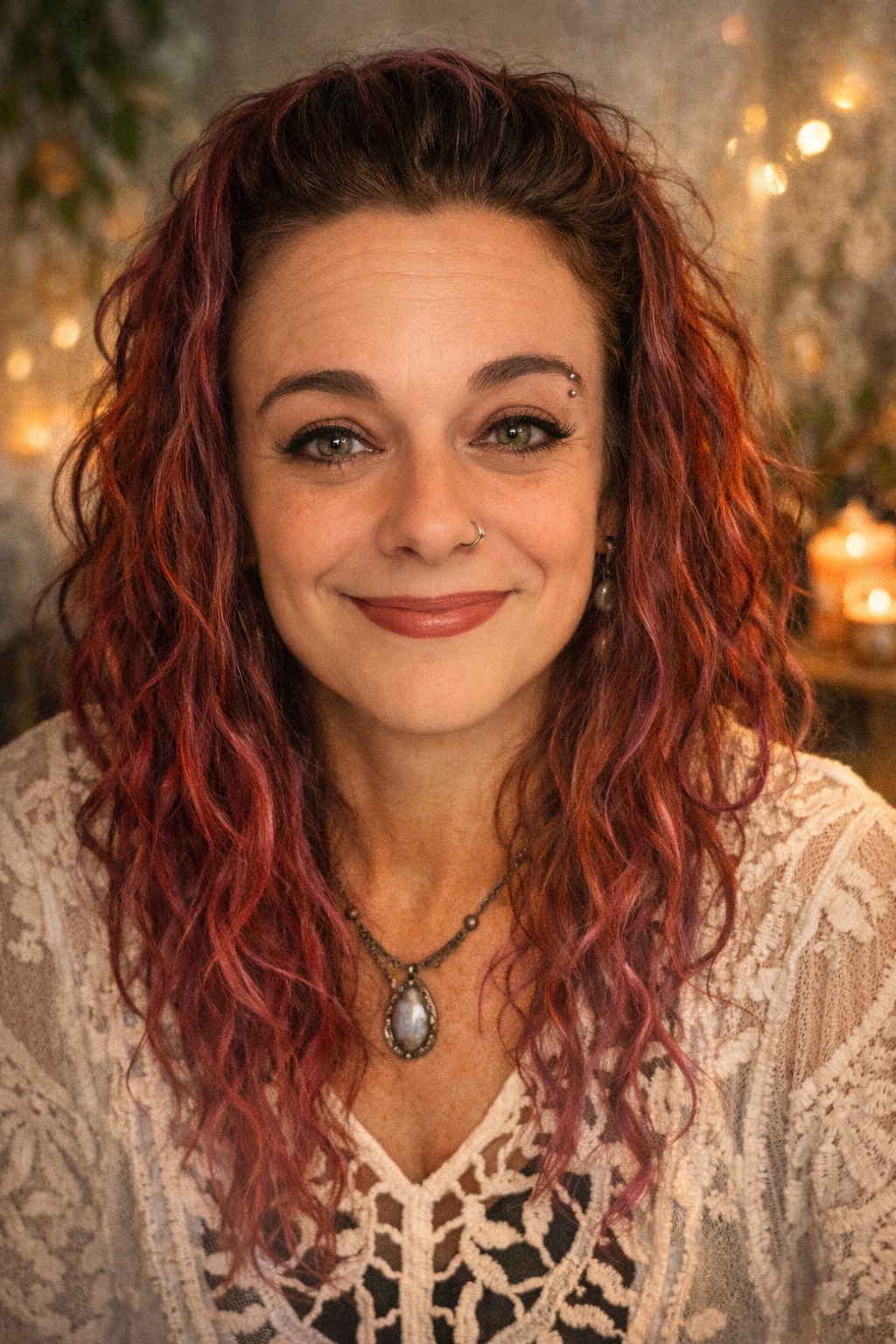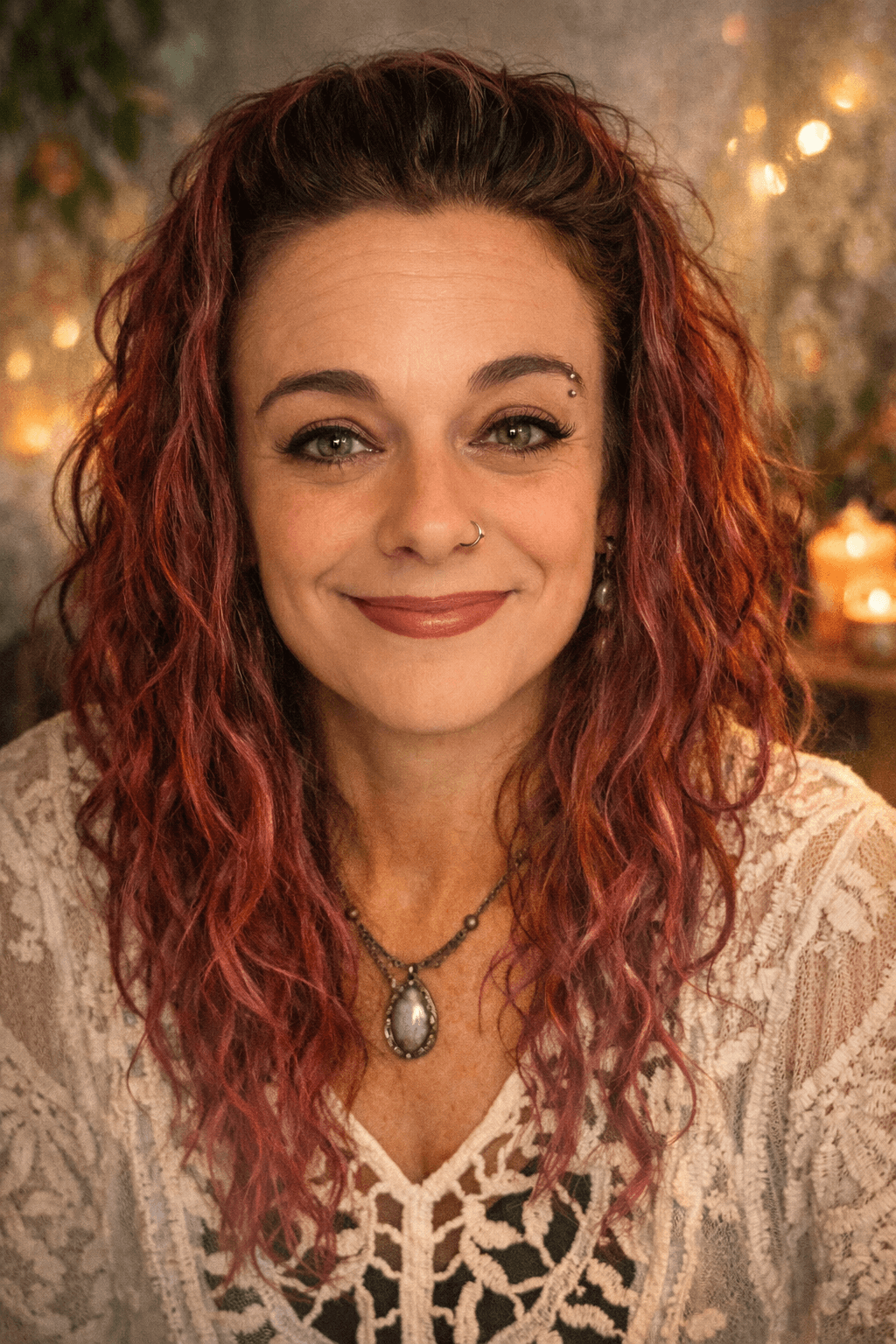

We’re excited to introduce you to the always interesting and insightful Samantha Mahon. We hope you’ll enjoy our conversation with Samantha below.
Samantha, looking forward to hearing all of your stories today. We’d love to hear the backstory behind a risk you’ve taken – whether big or small, walk us through what it was like and how it ultimately turned out.
One of the biggest risks I’ve taken in my life hasn’t been just one moment—it’s been a series of intentional and risky leaps “of faith” where I felt called to “build the plane while flying” and chose alignment over comfort, and integrity over fear.
I will set the stage, over 10 years ago, while working at two different counseling practices, I made the decision to start my own group therapy practice. On paper, it didn’t make a lot of sense. I was already stretched thin, financially cautious, and very aware of the risks of burnout in this field. But I also knew that I had a clear vision for how I wanted to practice—trauma-informed, integrative, and human-centered—and that vision didn’t fully fit within existing systems. Starting my own practice meant juggling long days, late nights, and a lot of uncertainty. There were moments where I questioned whether I was being reckless or brave. In the end, that risk paid off. The practice grew, I found my leadership voice, and I created a professional environment that aligned with my values rather than forcing myself to shrink to fit someone else’s model.
Around the same time, I took an even more personal and life-altering risk: leaving my marriage. Choosing to leave meant dismantling the life I had built, facing financial and emotional uncertainty, and sitting with the fear of being judged for choosing myself. It was one of the hardest decisions I’ve ever made—and also one of the most clarifying. That risk didn’t just change my circumstances; it fundamentally changed my relationship with myself. It taught me that safety, authenticity, and self-respect are not negotiable.
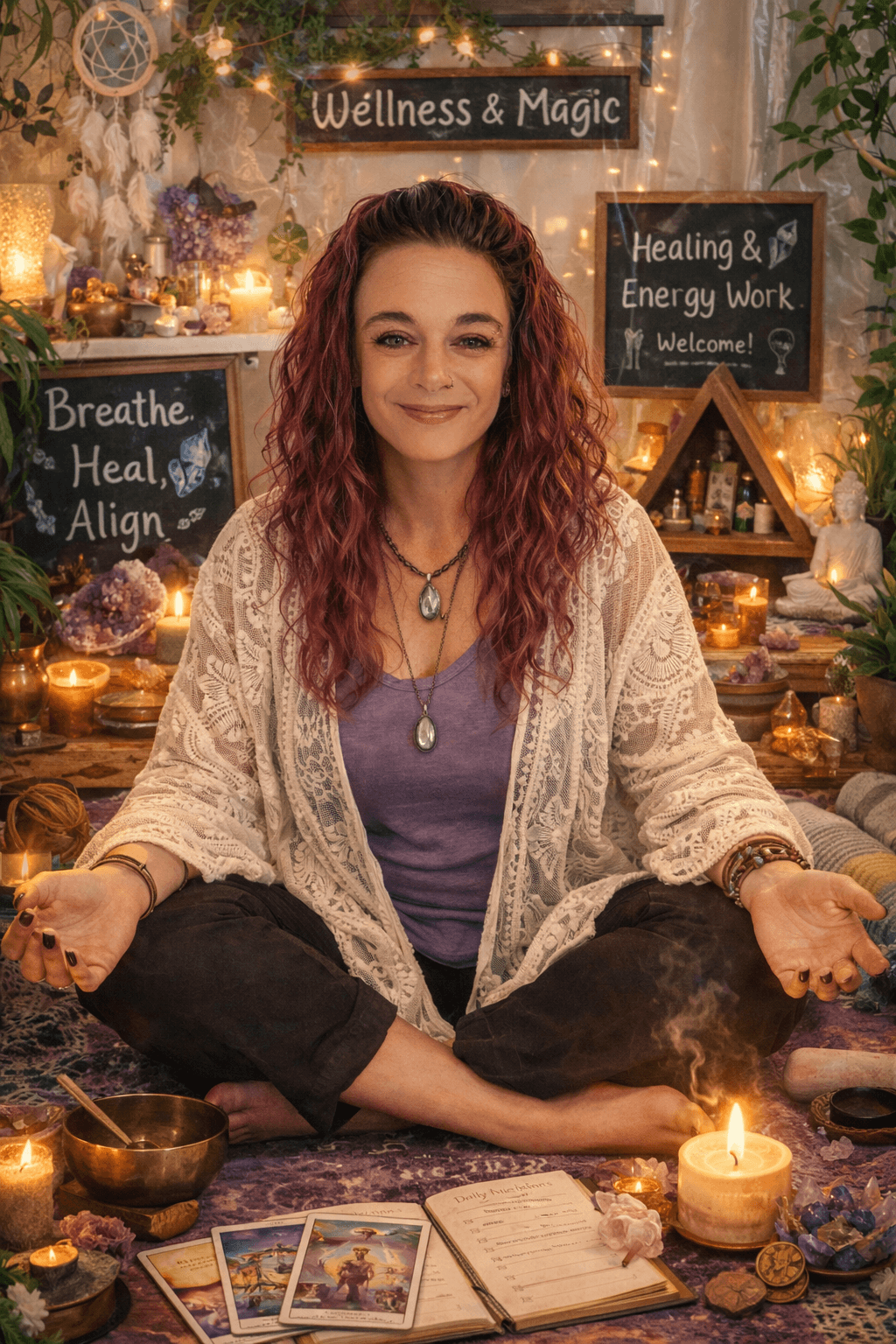
More recently (almost three years ago) I took another significant leap by opening a metaphysical store and holistic wellness center in Sanford, North Carolina—a community where this kind of space didn’t really exist yet. It was a risk both financially and culturally. Blending mental health, energy work, spirituality, and community care meant navigating skepticism, zoning issues, funding challenges, and the very real work of educating the public while building trust. Getting it off the ground has been far more challenging than I anticipated—there have been moments of exhaustion, doubt, and “what was I thinking?” clarity at 2 a.m. But it has also been deeply rewarding. The space is now a place where people come to exhale, heal, and reconnect with themselves in ways they didn’t know were possible.
Each of these risks required me to trust my intuition, tolerate uncertainty, and move forward without guarantees. Not all of them were clean or easy, and none of them were taken lightly. But every one of them brought me closer to living in alignment with who I actually am. Looking back, the greatest risk would have been staying where I was simply because it felt safer.
Great, appreciate you sharing that with us. Before we ask you to share more of your insights, can you take a moment to introduce yourself and how you got to where you are today to our readers.
I’m a licensed mental health counselor, clinical supervisor, and holistic practitioner who works at the intersection of psychology, trauma healing, spirituality, and embodiment. At my core, I’m someone who has always been deeply curious about how humans heal—not just how we cope, but how we truly come back home to ourselves.
I entered the mental health field through a traditional path: education, licensure, and years of clinical work in counseling settings. Early on, I noticed a disconnect between what many clients needed and what the system often offered. While talk therapy is incredibly valuable, I saw again and again that insight alone wasn’t enough—especially for people with trauma, chronic stress, or long-standing nervous system dysregulation. The body, the energy system, and the soul were often holding pieces of the story that words couldn’t fully reach.
That realization shaped my professional path. Over time, I pursued advanced training in trauma-informed care, somatic approaches, hypnotherapy, sound healing, Reiki, and other integrative modalities. Rather than abandoning clinical rigor, I chose to expand it. My work blends evidence-based mental health practices with holistic and spiritual tools, always grounded in ethics, consent, and client autonomy.
Today, I offer a wide range of services, including psychotherapy, clinical supervision, hypnotherapy, nervous system regulation work, energy healing, sound-based experiences, and integrative wellness offerings. I also own and operate a metaphysical store and holistic wellness center that serves as a community hub—bringing together therapists, healers, creatives, and practitioners under one roof. In addition, I mentor and train other clinicians who are seeking to practice in ways that are more authentic, embodied, and sustainable. I also own and operate a successful counseling practice!
The problems I help clients solve are often complex and layered. Many of the people I work with feel stuck—despite being insightful, capable, and deeply self-aware. They may struggle with anxiety, trauma, burnout, relational patterns, or a sense of disconnection from themselves. My work helps people understand why they’re stuck, but more importantly, how to move forward in a way that feels safe, integrated, and aligned. I don’t believe in one-size-fits-all healing. Instead, I help clients build an individualized path that honors their mind, body, nervous system, and inner wisdom.
What sets me apart is my ability to bridge worlds that are often kept separate. I speak the language of clinical mental health and the language of spirituality. I understand systems, diagnoses, and nervous system science—and I also understand intuition, symbolism, and the healing power of presence. Clients often tell me they feel deeply seen and respected in my work, not analyzed or “fixed.” I don’t position myself as the expert on someone else’s life; I see my role as a guide, translator, and steady companion in the process.
What I’m most proud of is building spaces—both literal and relational—where people can be fully human. Spaces where professionalism and softness coexist. Where healing doesn’t require perfection. Where authenticity is valued more than performance.
For anyone encountering my work for the first time, the most important thing I want you to know is this: you don’t have to choose between being grounded and being spiritual, between being strong and being sensitive, or between healing and living a full life. My work is about integration—helping people reclaim all parts of themselves and learn how to live from a place of truth, regulation, and self-trust.
That philosophy isn’t just something I teach. It’s something I live, every day, through my work, my leadership, and the communities I help build.
If you could go back in time, do you think you would have chosen a different profession or specialty?
Yes—I would choose the same profession again, but I would choose myself sooner within it.
I don’t regret becoming a therapist, business owner, or holistic practitioner. This work has given me deep purpose, meaningful relationships, and the privilege of witnessing profound human transformation. What I would change is how long it took me to trust my own instincts and stop trying to contort myself to fit systems that weren’t designed for the kind of work I was meant to do.
If I could go back, I would still enter the mental health field, still pursue advanced training, and still build the businesses and community spaces I have today. But I would release the belief that I had to “earn” my right to innovate by overworking, overgiving, or silencing parts of myself. I would honor sooner that my sensitivity, intuition, and integrative approach weren’t weaknesses—they were the very strengths that now define my work.
Choosing this profession has required resilience, adaptability, and a willingness to evolve. It has also taught me how to lead with integrity, create boundaries, and build work that actually supports a sustainable life. Knowing what I know now, I wouldn’t choose an easier path—I would choose a more aligned one from the start.
And ultimately, that’s what this work has been about: learning how to do meaningful, impactful work without abandoning myself in the process.
Have you ever had to pivot?
One of the most defining pivots of my career happened in a matter of hours—when the world shut down in March of 2020.
At the time, I was running an entirely in-person counseling practice with a growing team of clinicians and a full caseload of clients who relied on consistent, face-to-face care. When it became clear that we could no longer meet in person, there was no runway, no slow transition period, and no clear roadmap. We had less than 24 hours to completely reimagine how care would be delivered—without interrupting support for clients who were already navigating fear, uncertainty, and crisis.
The immediate priority was continuity of care. We rapidly transitioned the entire practice to telehealth—setting up secure platforms, updating policies, communicating with clients, and ensuring clinicians felt competent and supported using new technology. It was intense, fast, and imperfect. But it worked. Our clients didn’t lose access to care during one of the most destabilizing moments many of them had ever experienced.
What became just as important, though, was how we supported our clinicians. We weren’t just professionals holding space for others—we were humans living through the same collective trauma. Anxiety, grief, uncertainty, and exhaustion were present on every level. As a leader, I made a conscious decision to shift the focus from productivity to sustainability. We emphasized self-care not as a buzzword, but as a professional responsibility. Caseload flexibility, mutual support, frequent check-ins, and permission to slow down became part of our culture.
That pivot reshaped how I lead. It reinforced that effective leadership isn’t about having all the answers—it’s about creating safety, clarity, and trust in moments of uncertainty. It also permanently changed how I view systems of care. The experience expanded my understanding of accessibility, adaptability, and the importance of tending to the nervous system of the caregivers as much as the clients.
What started as an emergency response became a long-term evolution in how we practice, support one another, and define success. The pivot wasn’t just logistical—it was relational. And it remains one of the moments I’m most proud of, because we didn’t just survive the shift—we stayed connected, grounded, and human through it.
Contact Info:
- Website: https://www.alchemywellnesscenter.org
- Facebook: www.facebook/alchemywellnesscentersanford
- Other: https://www.peakprofessionalgroup.com