

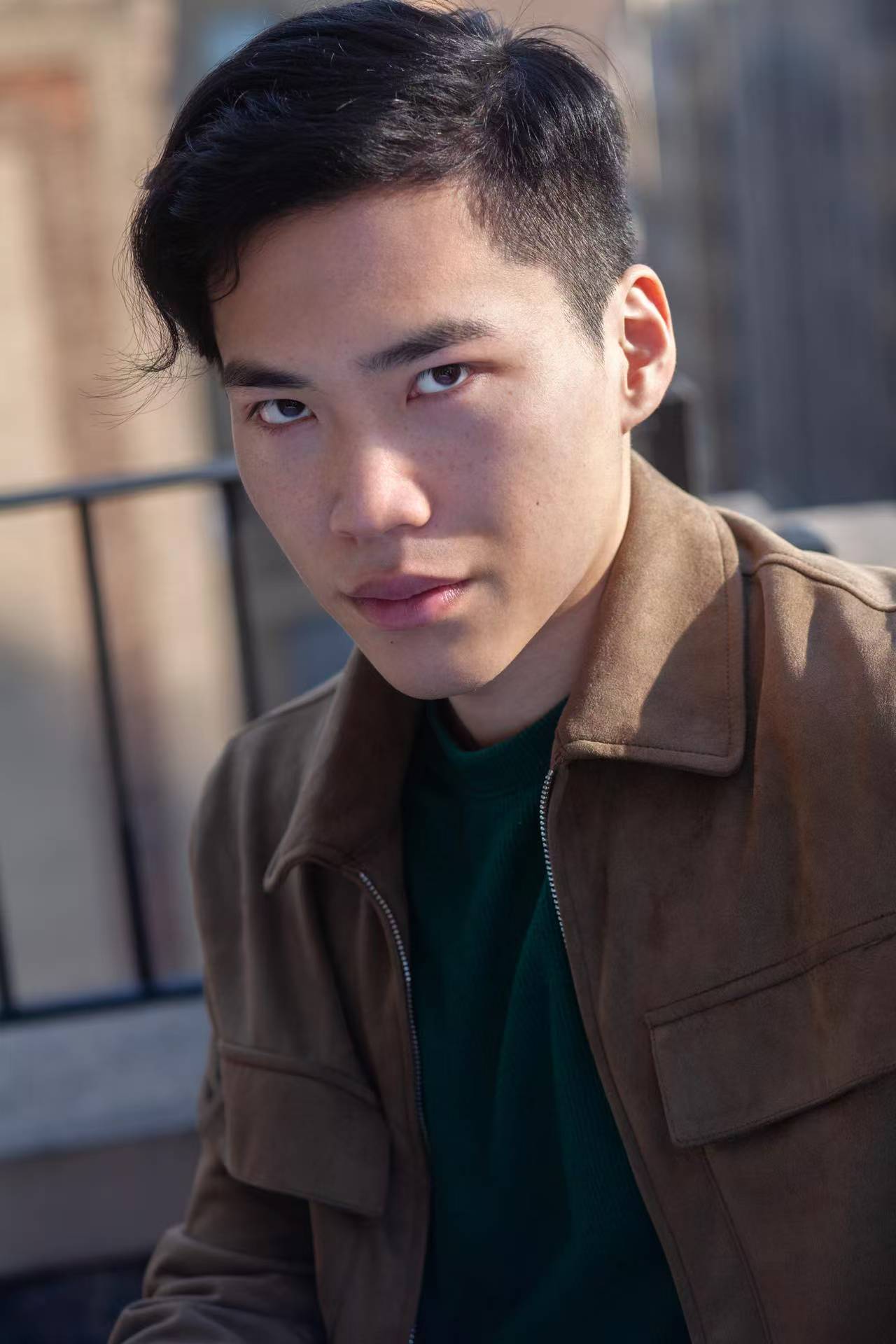

We’re excited to introduce you to the always interesting and insightful Boyu Chen. We hope you’ll enjoy our conversation with Boyu below.
Boyu, looking forward to hearing all of your stories today. Has your work ever been misunderstood or mischaracterized?
When I first arrived in the United States, I was eighteen. My English wasn’t strong. I didn’t understand the culture. I didn’t understand race in the way America talks about race.
I auditioned for a school production and was cast in the ensemble. I was genuinely happy. It felt like a beginning.
During rehearsals, there were conversations about casting and representation. There was a role that the director specifically wanted cast a certain way racially. People were debating whether it was appropriate. I didn’t fully understand what was happening — where I grew up, almost everyone looked like me. Race wasn’t something I had to think about.
Then I realized something: I was the only East Asian-looking male actor in the room.
I began to wonder — was I cast because of my work, or because I added “diversity” to the room?
I asked the director directly how the casting process worked. He told me I was doing well. He also emphasized that he valued having a diverse classroom.
That answer didn’t comfort me.
It was the first time in my life that I felt reduced to how I look.
Back home, I was just myself. Here, suddenly, I was “Asian.” A category. A minority. A visible difference.
And that shift was painful.
Not because diversity is wrong — but because I didn’t know how to separate my craft from my identity. I had always believed you earned something purely because of merit. Suddenly I was confronted with the reality that social context, representation, and politics exist in the same room as talent.
I cried. I talked to my roommate. I kept asking:
If someone casts me, is it because of who I am inside — or because of what I represent on the outside?
That experience didn’t give me answers. It gave me questions.
For the first time, I had to examine who I am in a society where I am visibly different.
Am I performing a version of “Asian” that people expect?
Or am I allowed to simply be myself?
That moment was heartbreaking — but it was also the beginning of a deeper awareness. It forced me to see that identity is complicated. That being seen is not the same as being understood.
And I’m still navigating that.
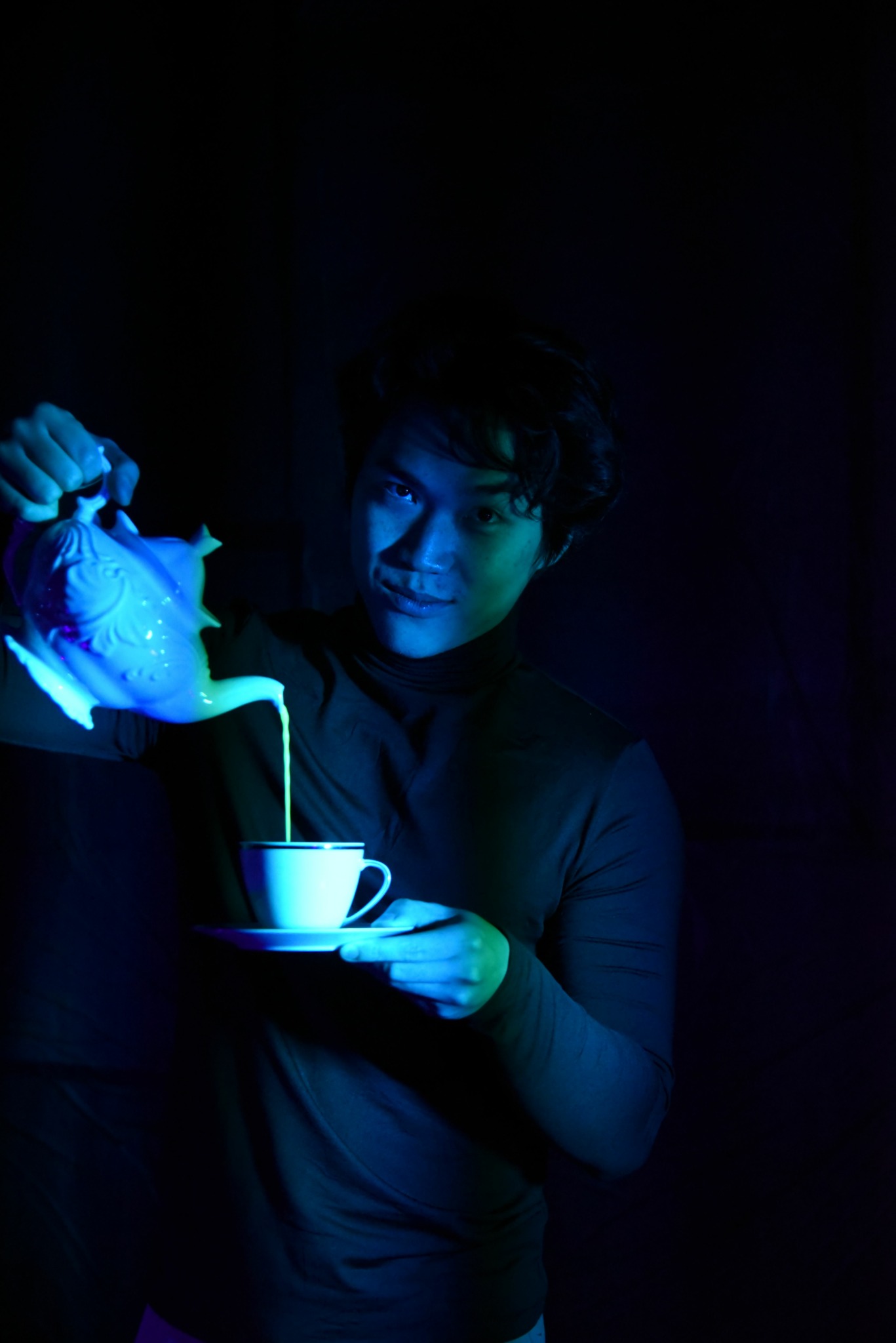
As always, we appreciate you sharing your insights and we’ve got a few more questions for you, but before we get to all of that can you take a minute to introduce yourself and give our readers some of your background and context?
I’m an actor originally from China, and I moved to the United States about five years ago. I graduated from the three-year conservatory program at the Stella Adler Studio of Acting.
I actually found acting completely by accident.
In high school, we were required to join an after-school activity. I joined the drama club for a very serious artistic reason — I liked a girl who was in it. By the time I showed up, they were already three weeks into rehearsal. For them, it was normal. For me, it was day one. I didn’t even know what was going on. They handed out sides and told us to read. I picked the role with the fewest lines because I wanted to do the least amount of work.
That role was Sky Masterson in Guys and Dolls.
A few days later, I was called into a room to sing scales. I had no idea how musicals worked. Somehow, I ended up playing the lead. That was the beginning.
After that, I made a decision. I moved to New York to pursue acting professionally and trained seriously. After graduation, the work became less about “becoming an actor” and more about figuring out who I am — in this society, in this industry, in this world.
So I audition. I experiment. I stay open.
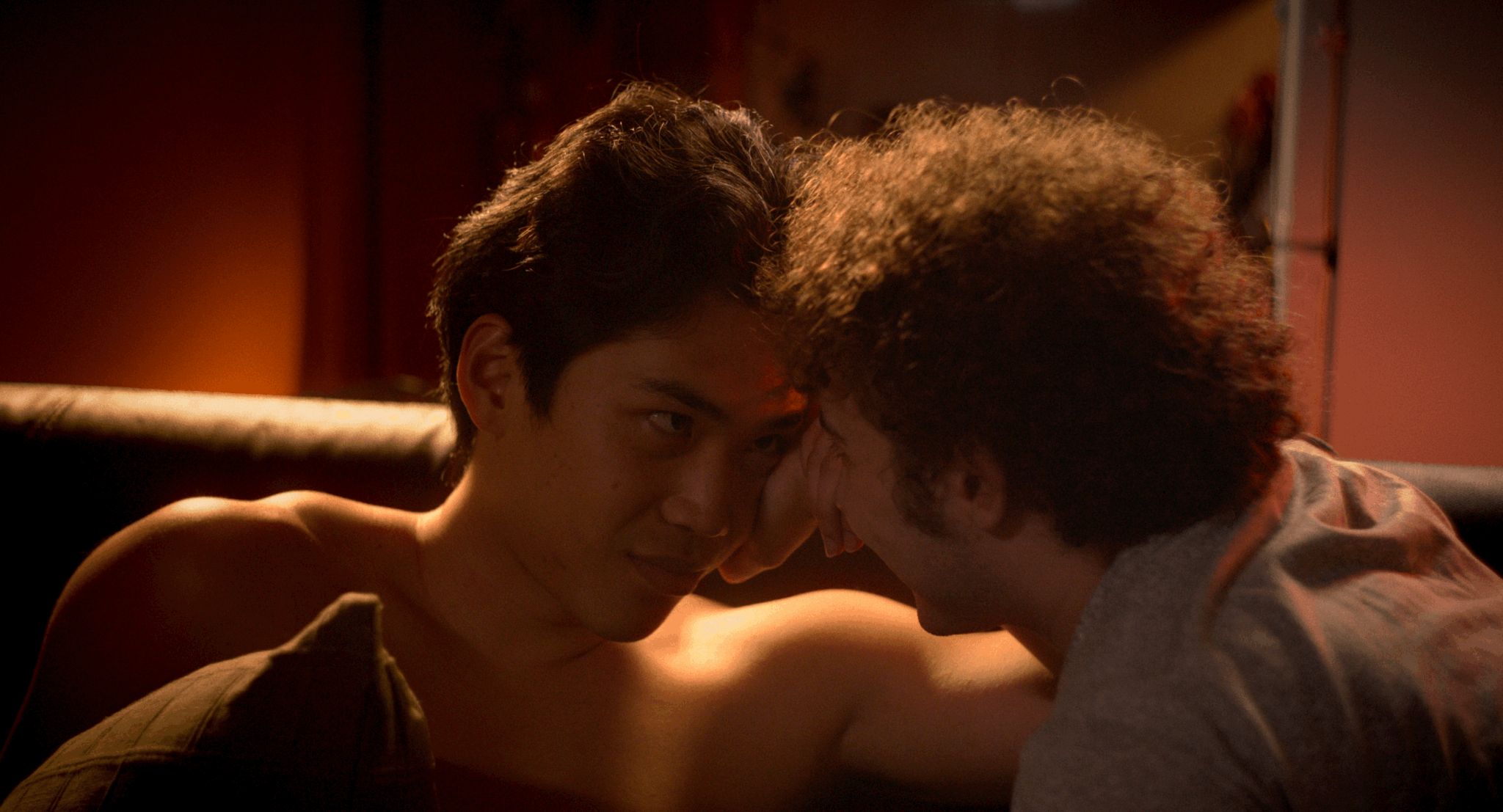
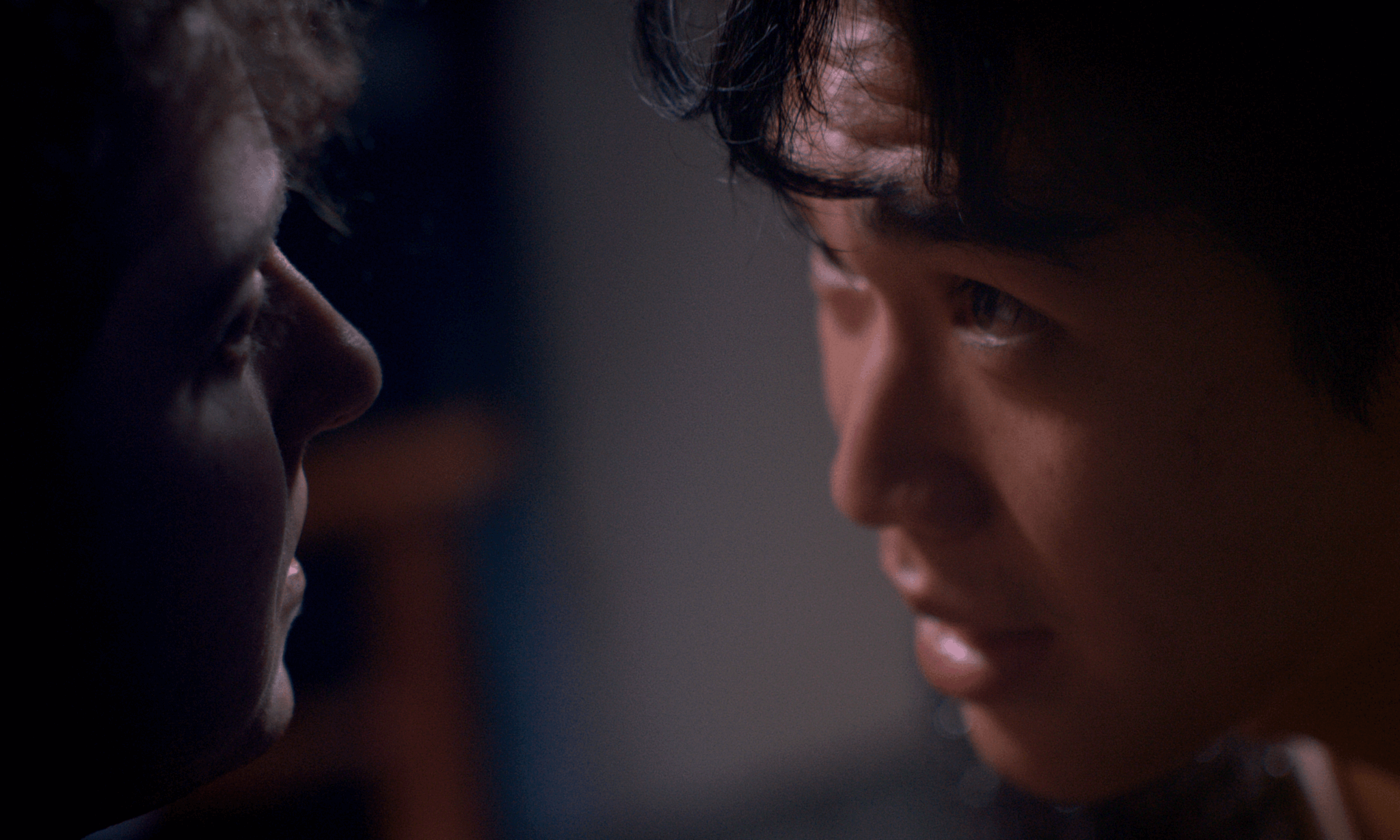
I’ve played Russians. I’ve played British roles. I’ve played a queer boyfriend in an indie film. I’ve stepped into characters that, on paper, look nothing like me. And I’m interested in that. I don’t believe identity is a fixed box where someone hands you a label and that’s it for life.
I don’t believe there’s a single, static version of who we are.
Everything is shifting. The world is shifting. Culture is shifting. If we don’t evolve, we become rigid — and when you’re rigid, you break.
For me, acting is part of that evolution. Every role is an opportunity to test something — to stretch, to question, to discover another angle of myself. Not because I’m trying to escape who I am, but because I think who I am is always in motion.
I don’t think the journey of figuring yourself out ever ends.
And I hope it doesn’t.
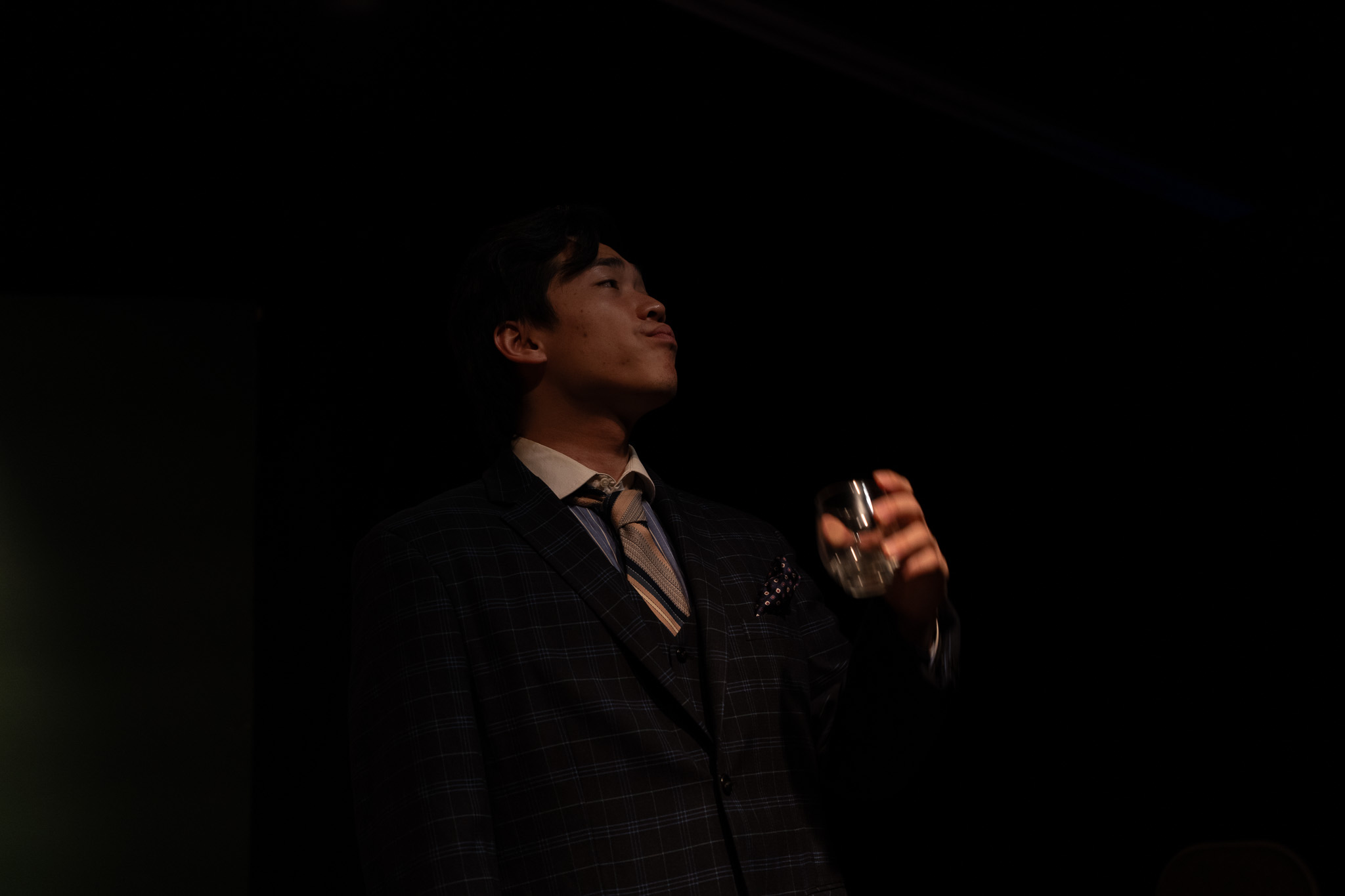
Learning and unlearning are both critical parts of growth – can you share a story of a time when you had to unlearn a lesson?
One lesson I had to unlearn was the idea that being strong means being invulnerable.
For a long time, I believed that moving through life required toughness — that you endure, you don’t complain, you don’t ask for help. You just push through.
That belief was tested when I left a small college upstate and decided to pursue acting seriously in New York. I chose to train at the Stella Adler Studio of Acting, and that decision created a fracture with my parents. Around the same time, I also came out about my sexuality — which was deeply difficult for them to accept.
The combination of those two things — leaving school and revealing who I was — led to conversations that were painful and, at times, devastating. I had never felt so helpless or alone.
For the first time in my life, I sent a message in a group chat asking for help. I was scared of my own thoughts. I was scared of what isolation might do to me.
Ironically, that moment — which felt like weakness — became a turning point.
People showed up.
Classmates I had only known for a few weeks responded with care. Friends offered space, time, and presence. I realized something I had never allowed myself to believe before: asking for help does not make you weak. It makes you honest.
I had to unlearn the idea that strength means emotional silence.
Now, I see strength differently. Strength is the ability to stay open when it would be easier to shut down. Strength is allowing yourself to feel hurt, joy, fear, and love — without pretending you are unaffected.
I don’t judge people who survive by hardening themselves. Sometimes life demands that. But for me, I’ve chosen another way.
I would rather move through life open-hearted than armored.
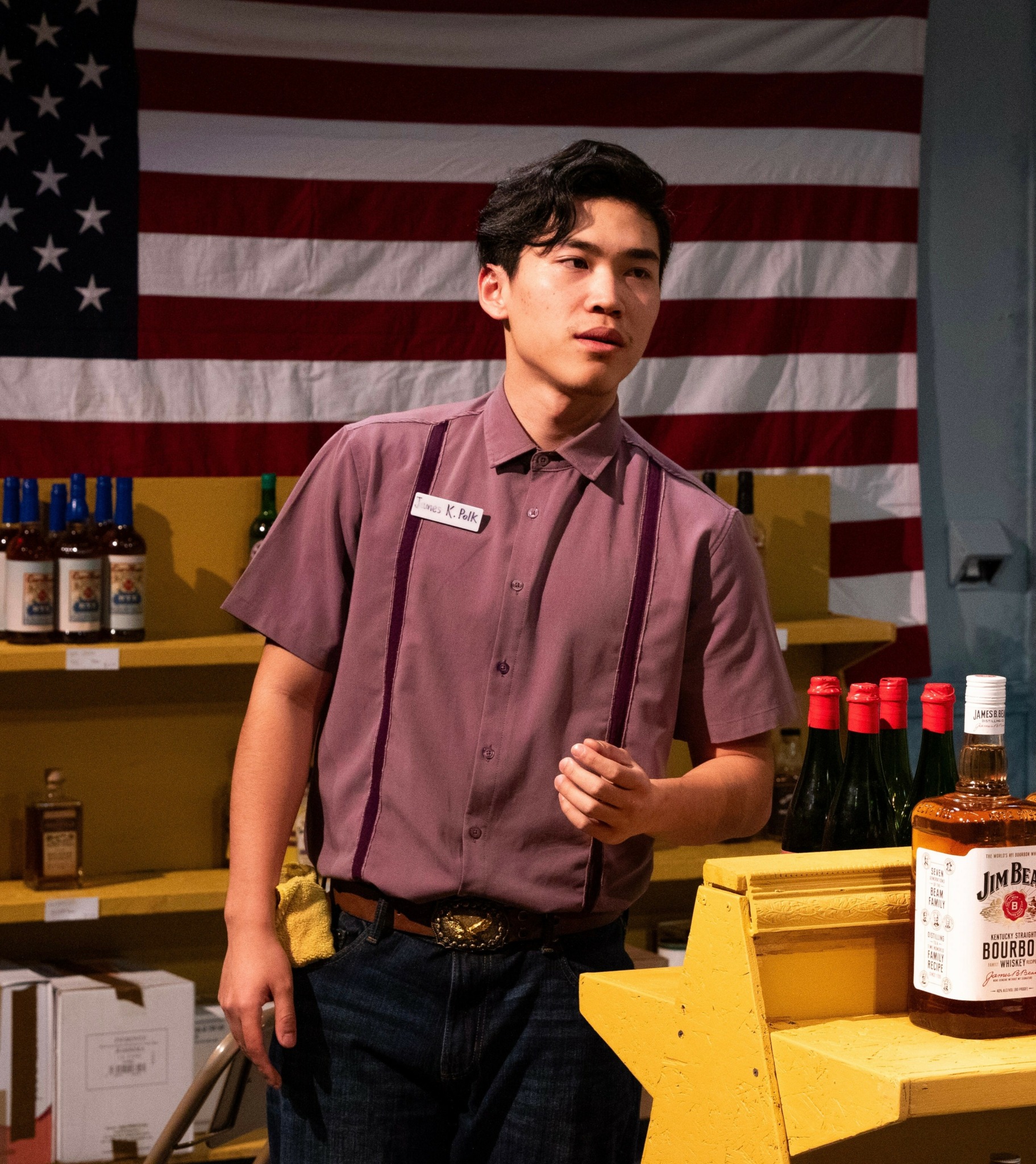
Is there something you think non-creatives will struggle to understand about your journey as a creative? Maybe you can provide some insight – you never know who might benefit from the enlightenment.
One thing I think non-creative people sometimes misunderstand is that acting isn’t as glamorous or mysterious as it sounds. When I tell someone I’m an actor, they often react like it’s this dramatic, adventurous life. And in some ways, it can be. But at the end of the day, it’s a job.
We audition — which is basically a job interview. Sometimes we get it, sometimes we don’t. If we do, we prepare, we show up, we do the work, and hopefully we get paid. Structurally, it’s not that different from any other profession. It just looks different from the outside.
I do it because I genuinely love it, and over time I’ve realized it’s something I’m well suited for. I think people either romanticize it too much or feel intimidated by it. But it’s not that far away from anyone. It requires discipline and consistency — it just happens to involve playing other people.
And honestly, the most important part? It’s fun. Have Fun!
Contact Info:
- Instagram: boyuxue2002
- Other: Email: boyuxue20020912@gmail.com
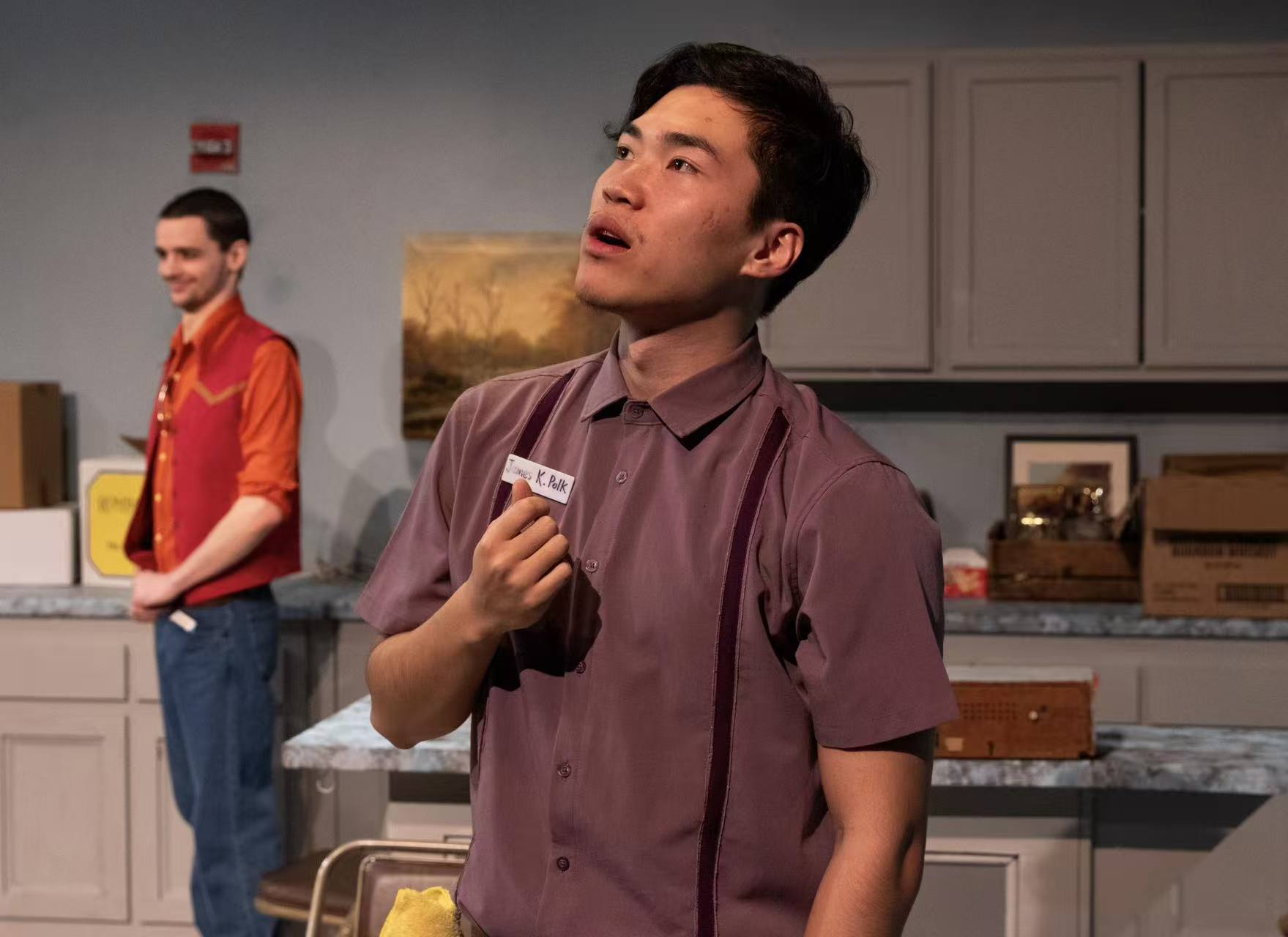
Image Credits
Jeffrey Hornstein
Rowan lin
Jessica Allers
Anna Kuzmina
Big Merce