

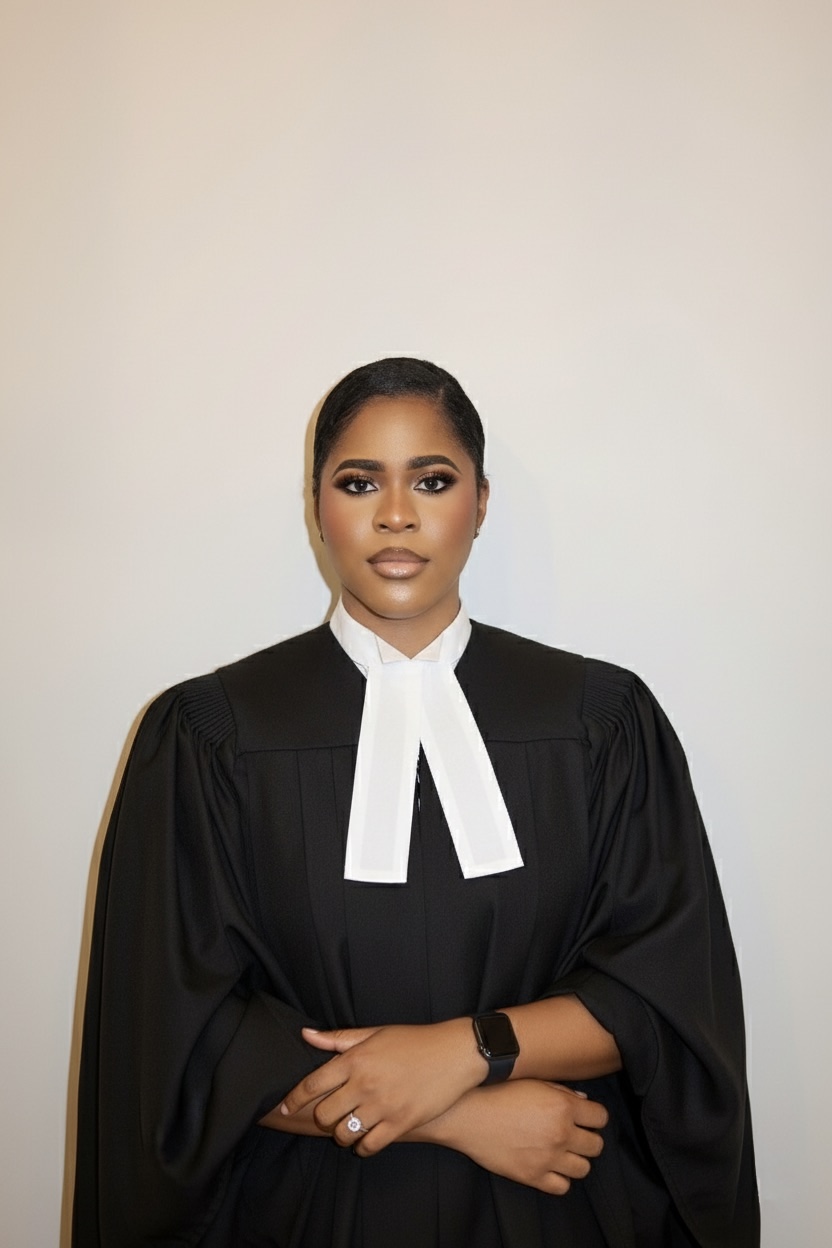

We’re excited to introduce you to the always interesting and insightful Summer Okibe. We hope you’ll enjoy our conversation with Summer below.
Summer , looking forward to hearing all of your stories today. Can you recount a story of an unexpected problem you’ve faced along the way?
The most unexpected problem I ever faced had nothing to do with law.
It was becoming invisible.
I came to Canada for my Masters. I had already built a career back home in energy law, policy, and regulatory issues. I knew how to hold a room, how to argue a position, how to navigate systems that didn’t always want to be navigated. I was good at my job. I had evidence of that.
So I finished my degree, started my PhD and started applying for a permanent job. I applied for over 500 jobs.
Not 50. Not 100. Over 500.
And I wasn’t getting interviews. Or I would get to the final stage and lose it. Repeatedly. If I’m being honest, I could handle the rejections. What I wasn’t prepared for was the silence. The final round interviews that ended without explanation.
At some point, you start questioning your competence, relevance, even your identity. You go from being confident in rooms to wondering if you belong in them at all.
That was the part nobody prepared me for. I thought the challenge would be adapting to a new legal system. I didn’t expect that the real challenge would be being invisible in a system that doesn’t immediately recognize your value.
So, I had to make a decision.
I stopped applying like someone hoping to get lucky and started thinking like someone trying to solve a problem. I studied how hiring actually worked here, how experience is interpreted, what “Canadian experience” really signals. I rewrote my resume and started showing employers what I could solve for them specifically.
I also started reframing my story. Instead of saying, “I have international experience,” I translated it into language the market already understood. It took time, but it eventually worked. I secured a role, where I’m doing exactly the work I had been trained for years to do.
But more importantly, I came out of that experience with a completely different mindset.
I learned that competence alone is not enough. You have to understand the system you’re operating in and learn how to position your value within it.
And I also learned that the biggest challenge isn’t that you’re not good enough. It’s that you’re in a system that doesn’t yet know how to read you.
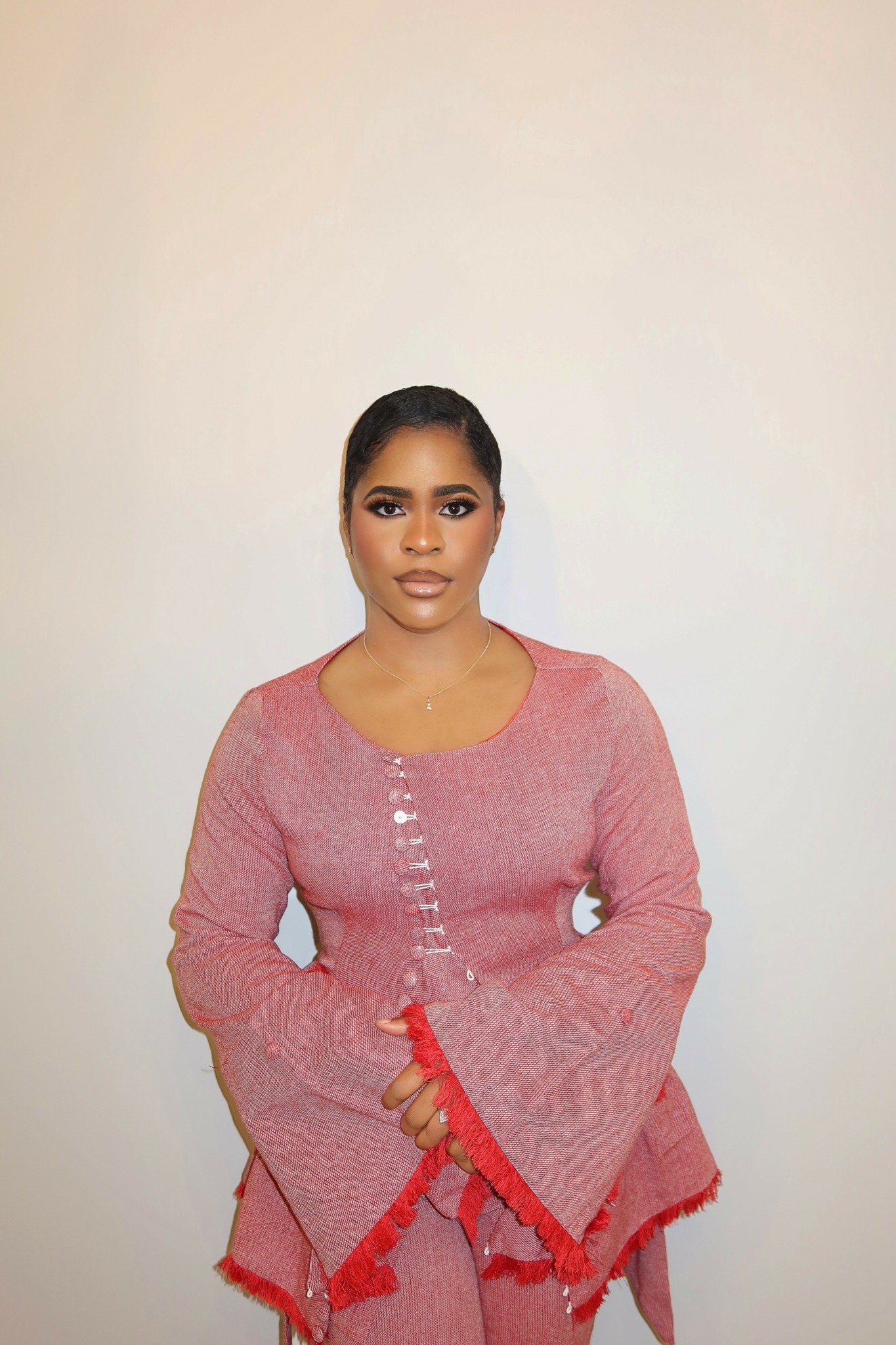

As always, we appreciate you sharing your insights and we’ve got a few more questions for you, but before we get to all of that can you take a minute to introduce yourself and give our readers some of your background and context?
Aside from being an Energy Regulatory and Environmental Lawyer, I’m someone who has spent a significant part of my life trying to solve one question: What does it really take for people like us to consistently access opportunity?
Because I didn’t grow up in systems where things were handed to you. I grew up in Nigeria, where you quickly understand that talent is everywhere, but access is not.
That one observation became the thread running through everything I’ve done since.
I went into law because I wanted to be inside the rooms where decisions get made. I focused on energy, environment, and policy because those aren’t abstract topics where I’m from. They affect how people live. I moved to Canada, did my Masters, and I’m now doing my PhD. That side of my life is serious and I take it seriously.
But if you only look at my career from that angle, you’ll miss the bigger picture.
Parallel to that, I’ve been building something that matters just as much to me.
Through my foundation, To Support Young Kids Foundation and personal initiatives, I’ve funded scholarships for children, supported widows, and helped students who had no clear path find one. I’ve also mentored thousands of young Africans into global opportunities.
I’ve seen what happens when a capable person is given one real chance. I’ve also seen what happens when they never get it.
That’s what keeps me moving.
So my work lives in two places at once. Inside systems, understanding how decisions get made and who they affect. And outside those same systems, working with the people those decisions are supposed to serve but often don’t reach. That gap between policy and person is where I’ve always been most awake.
What am I most proud of? That I didn’t quietly close the door behind me. I’ve been deliberate about turning everything I’ve figured out into something other people can use. Every scholarship, every mentorship conversation, every student who got in somewhere because someone walked them through the process; that’s the work that will outlast any position I hold.
Are there any books, videos or other content that you feel have meaningfully impacted your thinking?
There are a few resources that have shaped how I think about discipline, growth, and building anything meaningful.
One of the most impactful for me is Atomic Habits by James Clear.
What stood out to me was the idea that outcomes are a lagging indicator of habits. That shifted how I approach both my professional work and my philanthropic efforts. Instead of focusing on big, dramatic milestones, I became more intentional about small, consistent actions. Whether it is mentoring students, building initiatives, or advancing in my career, I focus on systems and consistency rather than motivation.
Another influence has been the broader body of work around long term thinking in development and policy spaces, particularly resources and discussions connected to organizations like UNDP. That exposure reinforced the importance of thinking beyond immediate results and understanding how decisions affect people over time, especially in vulnerable communities.
I have also learned a lot from lived experiences and informal knowledge sharing. Conversations with mentors, observing how people navigate systems, and even my own journey starting over in a new country have shaped my thinking just as much as formal resources.

Can you talk to us about how you funded your business?
In the early stages of my work, there was no external funding, no grants, and no formal structure.
It was just me, my income, and a decision.
I was already mentoring students and guiding people through applications, and over time I started seeing a pattern. The issue was not always lack of information. Sometimes people had done everything right but were blocked by something very small.
Application fees. Acceptance deposits. Basic school needs. International passport.?Amounts that might seem minor in one context, but were enough to stop someone completely.
So I started using my own money to step in where I could. Paying for an application here. Supporting a student there. Helping someone cross that final barrier.
At that time, I was not financially settled myself. I was still figuring out my own path, especially after moving to Canada. So every decision to give required some level of sacrifice or adjustment.
But I had seen what those small interventions could do.
I have seen a single application fee turn into a full scholarship. I have seen one opportunity change the trajectory of an entire family.
That is what made it worth it.
Over time, what started as informal support became more intentional. I began structuring how I selected and supported people, and thinking more seriously about sustainability and scale.
But the foundation has not changed. I understand the responsibility that comes with supporting someone’s future.
Going forward, I am exploring ways to expand this through partnerships and structured funding, but I will always be grounded in that original approach.
Start with what you have. Do what you can. And do it consistently.
Contact Info:
- Website: https://www.thesummeryouknow.com
- Instagram: https://instagram.com/thesummeryouknow
- Linkedin: http://linkedin.com/in/summerokibe
- Twitter: https://twitter.com/thesummeruknow
- Youtube: https://youtube.com/@TheSummerYouKnow
Image Credits
Shot by Chelsea