



Often there is no book or course to learn how to do what you want to do – so how artists and creatives overcome such challenges? How have some of the most talented artists and creatives in the community managed to learn their craft?
Jayson Doss
I think like most things it starts with a fascination that slowly turns into a passion. I learned to write, record, producer etc. simply by doing them and eventually I was able to hone my skills well enough to do them at a high level consistently. Aside from writing, every skill i’ve learned has been something I didn’t have a choice to learn because I either didn’t know anyone who could do it or I couldn’t pay to have it done. I think I could’ve accelerated my learning process by never seeking out anyone to do those things for me in the first place and instead focused on raising my own skill level to be able to do them in a way I would be proud of. I think the most essential skills I’ve learned are probably being able to communicate through the language of music and audio and mastering the use of my DAW’s. Those are two skills you will never be able to operate effectively in a professional musical environment without. I was fortunate enough to have my biggest obstacle be myself. Read more>>
Kyle Gaynier
I have done a lot of creative things over my career — the many nuances and specialities of game design, being a creative leader, director, and consultant, writing and storytelling — but I have learned mostly through doing. Learning by doing is the most effective way to gain progress. More importantly, you need the feedback loops; that is the complete form of learning by doing. It is easy to believe that the most essential skill to being a creative is creativity, I found that it is not. The most essential skills are soft skills — how to communicate effectively, how to navigate conflict, how to bring objectivity to subjective conversations, and how to inspire others — those are often much more important than being a creative. Read more>>
Roobens Richard

The biggest thing for me is practice! Nonstop practice! To me Graphic Design is an industry that is constantly evolving, just now we are seeing the rise of A.I and how those software could help us in the industry. Keeping up with industry trends. I wish that in my freshman year of high school, I would spend more time learning about the business of design. As a creative, I always believed that creating things was all I needed to do to succeed, but understanding how to manage the business aspect would have helped me grow a lot faster. The most essential skill for a Designer and this is gonna be surprising for some people, is communication. In the field, it is all about how to sell an idea. No matter how great my designs are, if I cannot explain why it is useful for the client then the project is a failure. Knowing how to properly communicate why this design will serve the client can make or break everything. Read more>>
Lil Mik_e
I grew up teaching myself how to play guitar and write songs from 6 years old all the way to my senior year of highschool. Then I went to Northern Arizona University to obtain a bachelor’s degree in Music Performance with Emphasis in Classical Guitar – this is where my professor Tom Sheeley taught me how to play guitar beautifully. Professor Sheeley was taught by Manuel López Ramos, who is one of my favorite guitarists of all time, and we studied the Segovia method. Professor Tim Smith taught me music theory – I learned so much from him regarding harmony, Bach, and beauty – we would even meet for tea every Thursday at Dunkin Donuts so I could pick his brain more and get advice on pieces of music I was composing at the time. Outside of college I was constantly recording in Los Angeles with mixing engineer JJ Catalyst (credits: Hollywood Undead, MOTHICA, phem, Max Bennett Kelly, Papa Roach) and song writer Seth Smades (credits: Emma Stone, Dylvn, Beleganas). Read more>>
Michael Kiser
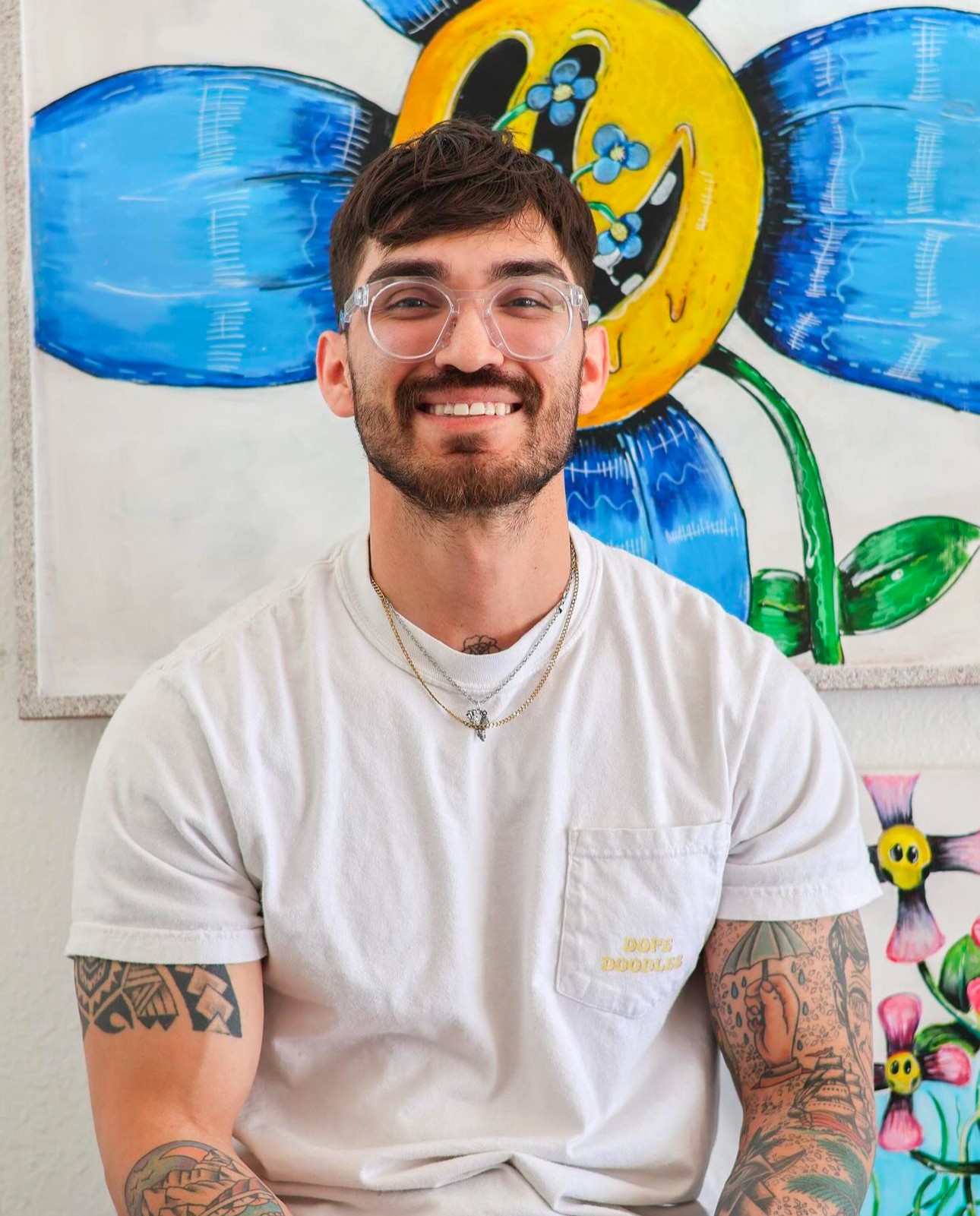
I consider myself a newer artist. I’ve always been creative, but I didn’t start doing “art” until 2020. I am a self-taught artist. I began by experimenting on my iPad with an app called Procreate, and I was able to navigate the system pretty quickly thanks to my prior knowledge of photography and photo editing. I’ve always been a creative person, but this is when I was able to start expressing myself more freely. I was invited to create some physical pieces for a fashion show hosted by Momentum of Roses, which helped me break into the physical art world. Since then, I’ve been experimenting more with painting and have showcased my works at a few art shows. One of the most essential skills I’ve developed is consistency. I try to create something every day, whether it’s doodling on my iPad or painting. This constant practice helps me continue growing as an artist. Read more>>
Nodebechukwu Paully-umeh
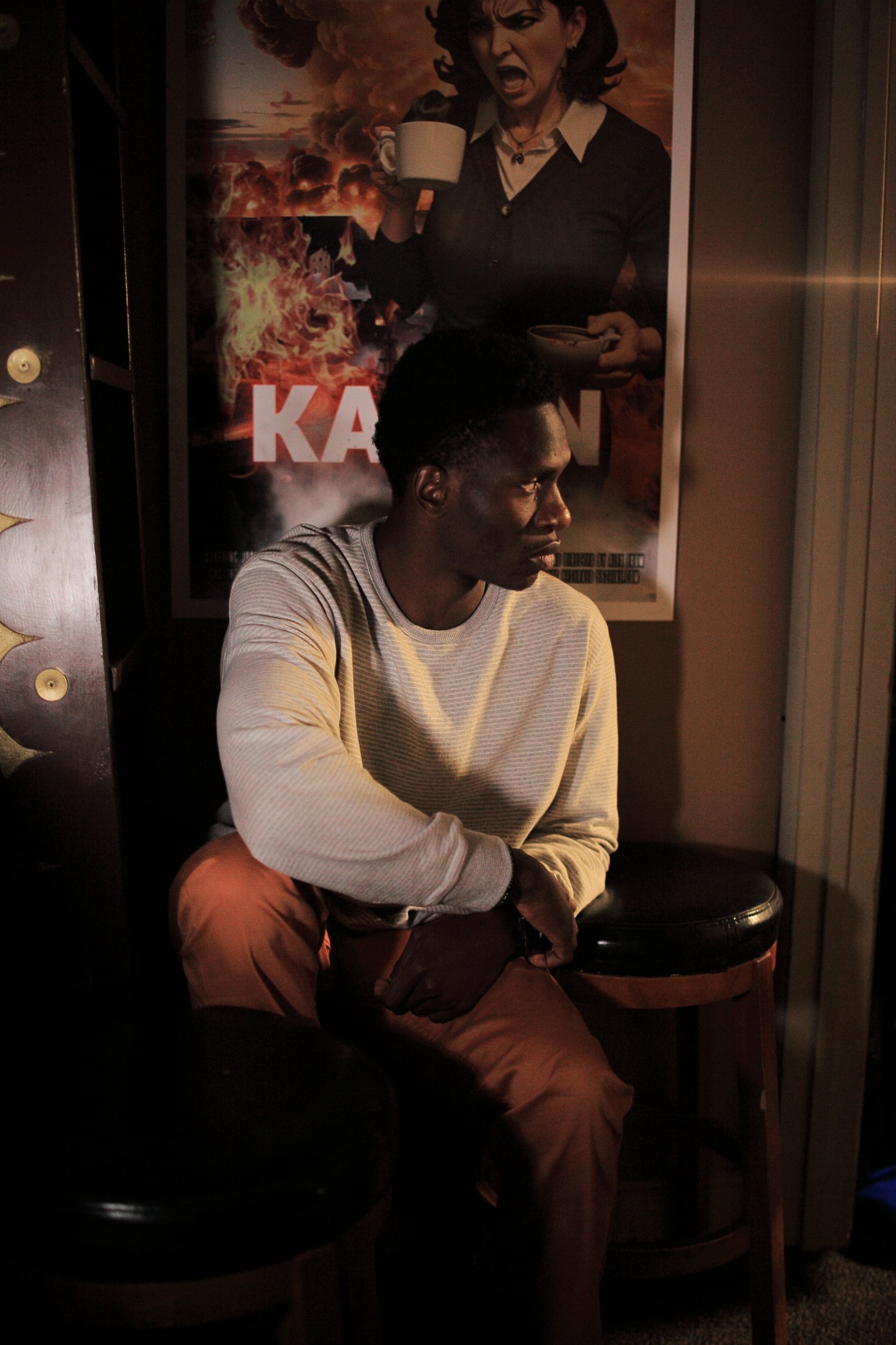
My creative journey has been a transformative experience. Growing up in a family that prioritized education over creative or athletic pursuits, exploring what I truly enjoyed was a challenge. My hobbies were confined to what my family deemed appropriate, and with limited finances, there wasn’t much room for anything beyond the basics. Still, I always gravitated toward activities outside the traditional classroom setting, finding joy in participating in school plays, joining the school band, and singing as a chorister at church. After graduating college in Fall 2021, I found myself with more free time to revisit my childhood passions. I dove headfirst into learning and rediscovering skills, including theater, cinematography, and fashion. By 2023, I added DJing to the mix as a hobby, which became a particularly exciting avenue of expression. Read more>>
Márcia Baptista
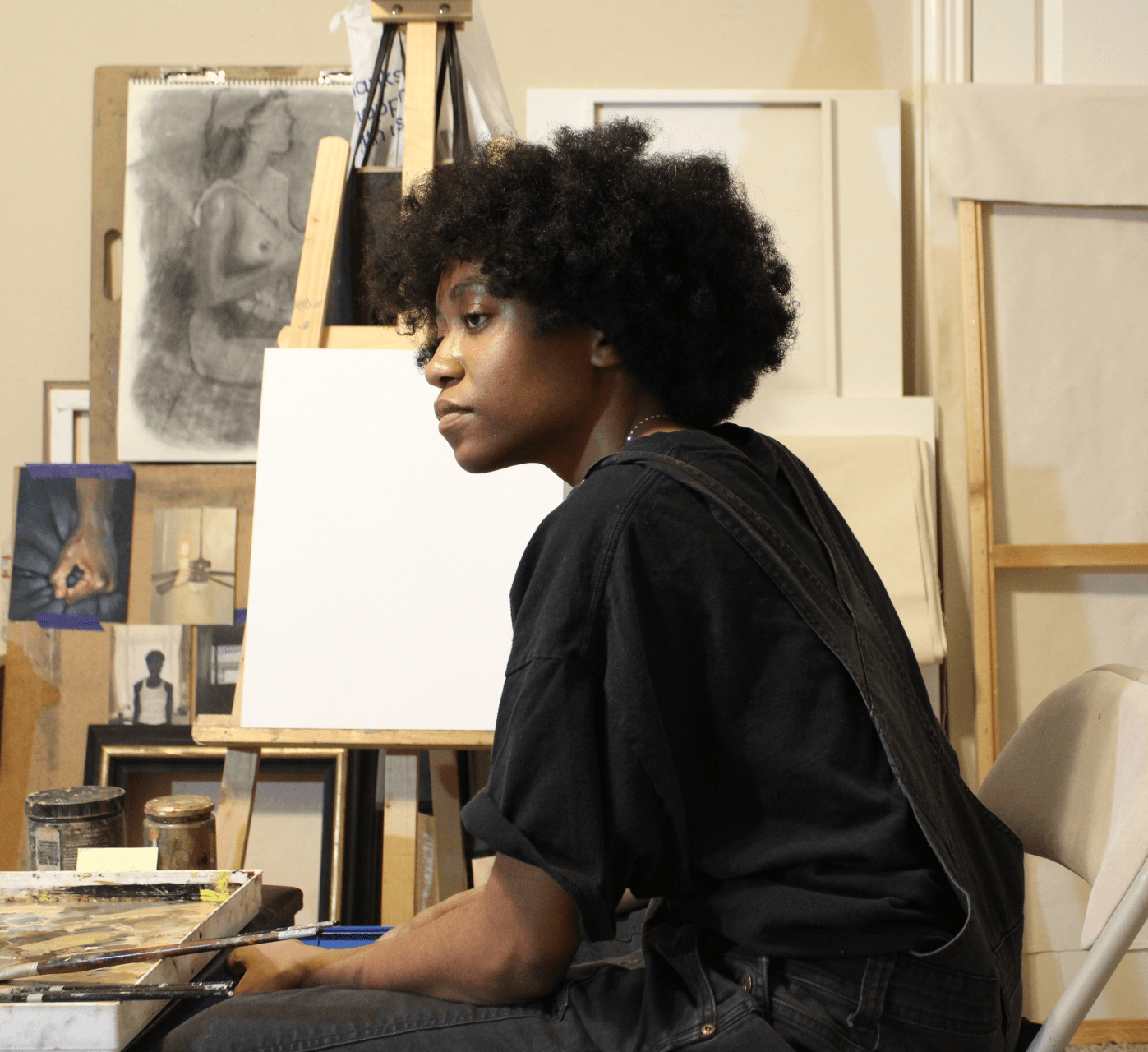
I learned to paint through practice and great mentors/peers. I am very grateful to know and have been around such an amazing group of artists. Knowing what I know now, being less afraid could have sped up my learning process. I have a small note written by one of my professors taped to my easel that reads “Cure for fear = action” as a reminder to myself. I learned to plan, execute, explore, experiment, and most importantly persevere through doubt. These were all essential skills that have helped me continue my practice. The obstacle that has stood in the way of learning and growing as an artist has been myself. I can only learn if I allow myself to fail. Read more>>
Sara Farrell
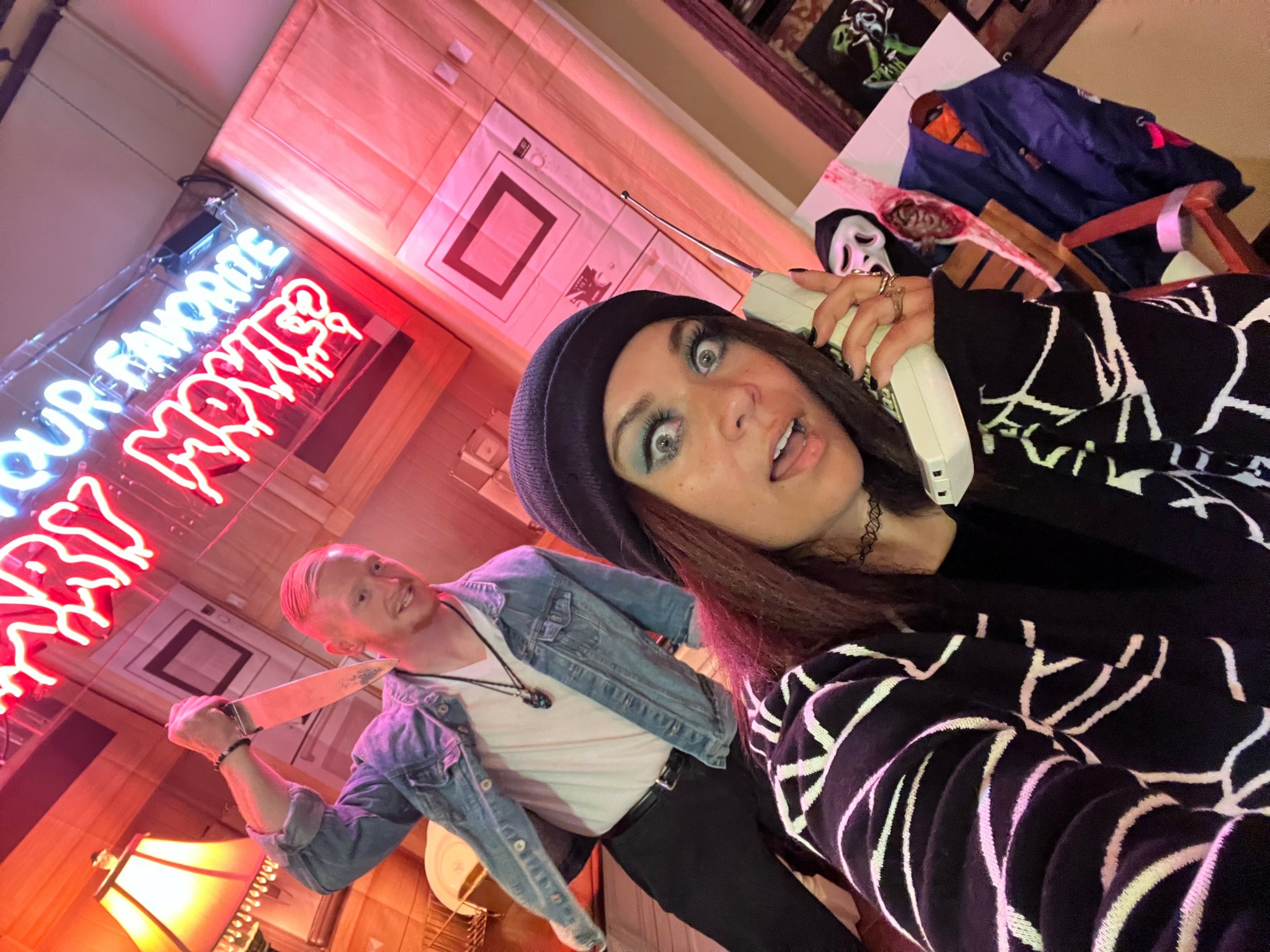
I didn’t realize all my random creative pursuits were setting me up for my dream career and for perfecting a craft that I accidentally fell in to. I grew up studying music composition; playing drums and random instruments for over a decade. I was a stage actress and that follow me into college. But I left school with new passions, primarily filming, writing, directing and editing. Composing the stories I wanted to tell through cinematography consumed me. I wanted to find new ways to bring together everything I’ve learned and being a digital creator was my answer. My cinematography experience taught me new ways to tell enticing stories through the use of quick moving and abstract camera angles. My love of writing and acting set me up for narrating work and my years of music study helped me with synchronizing the music, narration and editing together. I fell in love with composing my own creative stories by combining multiple mediums into one. Would I have loved the chance to speed up my learning process, of course. To know how to do this ten year sooner and to not face any roadblocks I’m sure would be something, but there would be many. Read more>>
Vincent Taylor
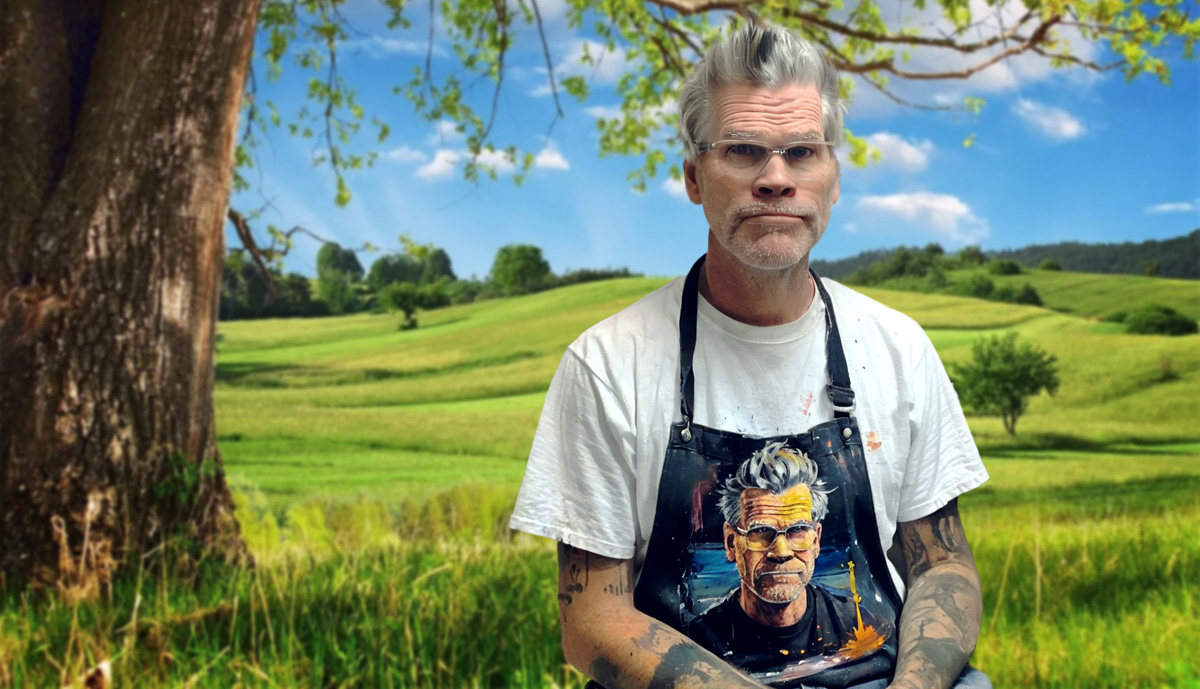
I learned my craft as a colorist through a combination of formal education and hands-on experience in the film and television industry. My journey began as a cinematographer, where I developed a strong understanding of light, shadow, and color theory—skills that became the foundation of my work in color grading. When I first ventured into post production I trained as a Telecine operator which, these days, is an old fashioned term for a colorist. Back then we were still lacing up film on a telecine machine which allowed us to color grade directly from the film out onto tape. Over the years, I immersed myself in learning and mastering tools like DaVinci Resolve and Baselight, experimenting with how colors can shape emotions and enhance storytelling. Read more>>
Mae Seven
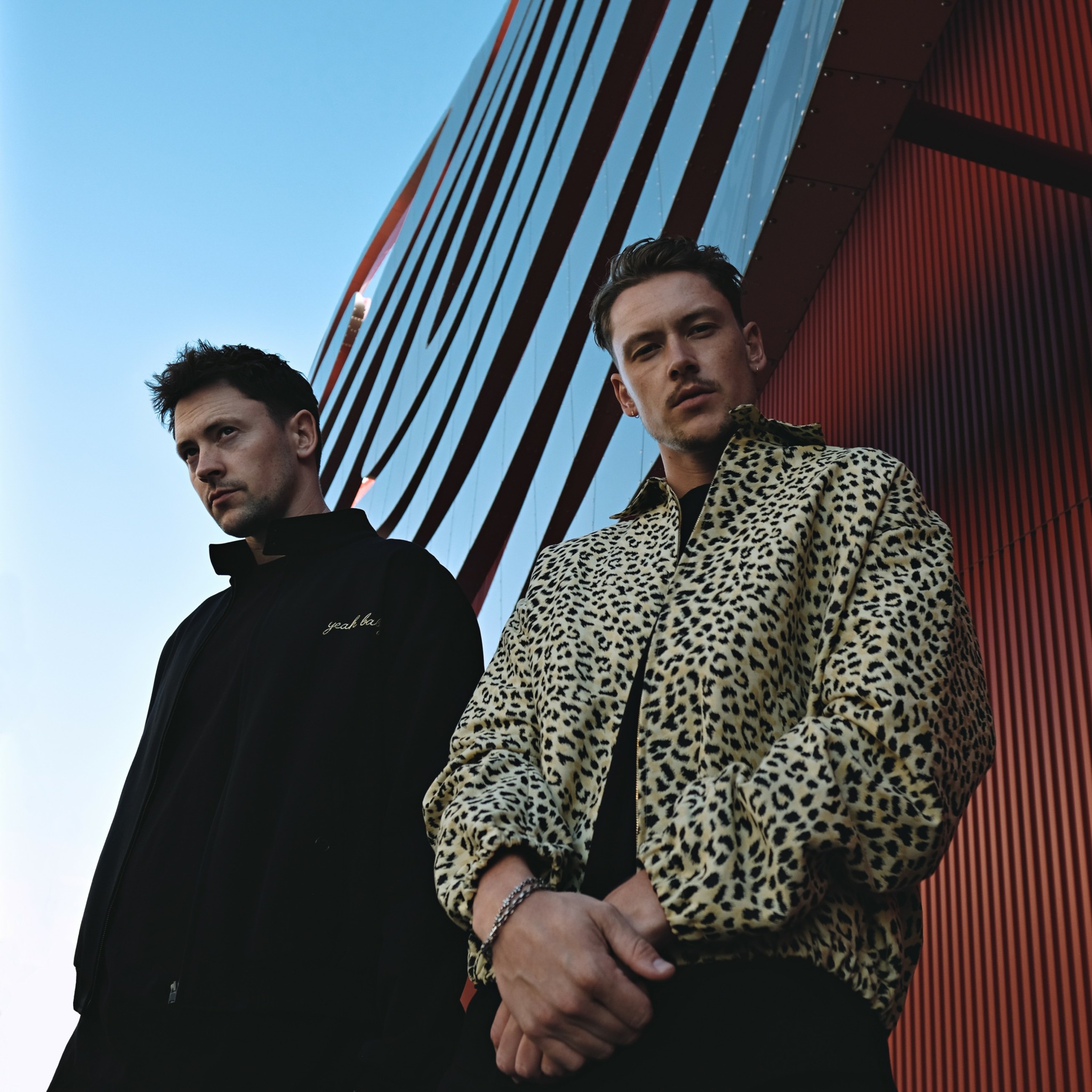
Growing up in a musical household, we listened to a lot of different genres as kids. Winter began his musical journey at the age of 8 with classical piano, while Styn explored songwriting and singing. After our Dad, an avid guitarist, introduced us to Logic Pro we started producing our own compositions. While our meticulous approach has its benefits, we’ve learned the importance of setting deadlines and embracing imperfection. In the early days, we often spent excessive time perfecting tracks, delaying their release. We now understand that sometimes it’s better to fail early on and learn from our mistakes than to strive for unattainable perfection. Read more>>
Evan Sanchez
As a YouTube prankster, my journey began with a lot of trial and error. I learned primarily by watching other creators, studying their techniques, and understanding what made their content successful. Cocking my ears to audience reactions, both positive and negative, played a crucial role in shaping my style. If I could go back and speed up my learning process, I would focus more on networking with other pranksters and content creators earlier on. Collaborating with others in the field would not only provide new insights but also expose me to diverse styles and ideas that could enhance my own content. Read more>>
Daniel Rodenhizer
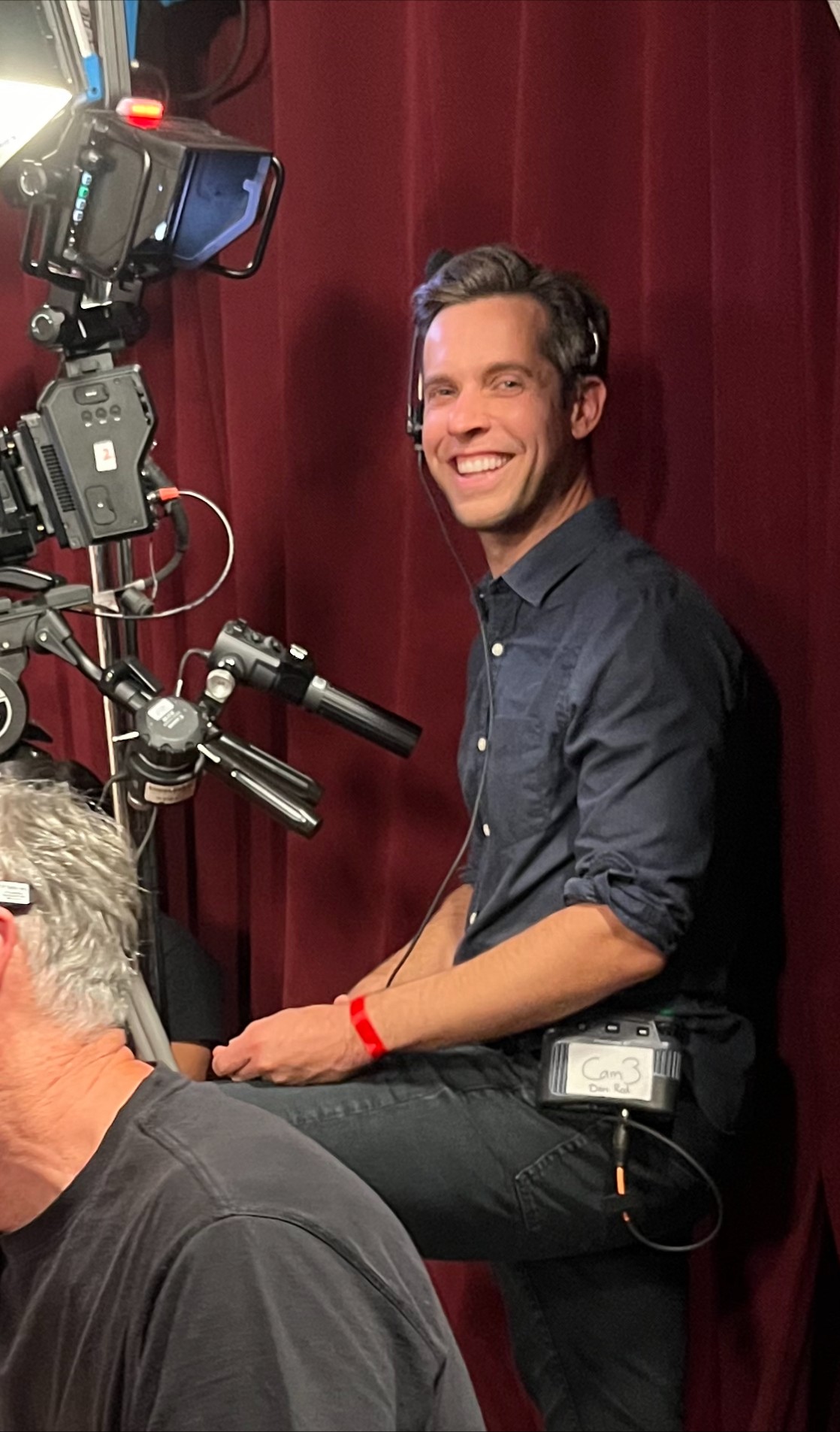
I’ve learned most of the skills that have helped me grow in my career by taking on new & challenging projects (even when I didn’t feel 100% “ready”) I don’t know that I could have done anything to “speed up” the process of learning. It’s an organic process that takes time. Rushing doesn’t help. What does help is being open, working diligently towards goals that are specific to your own endeavors and being confident you can be an asset to a new client. The most essential skills have honestly been working hard, being kind and generous, having a good attitude, and staying committed to learning and adapting. Pretty much everything is an obstacle, haha! But when you realize that you can thicken your skin, buckle down, and make real headway. Read more>>
Leah Wenger
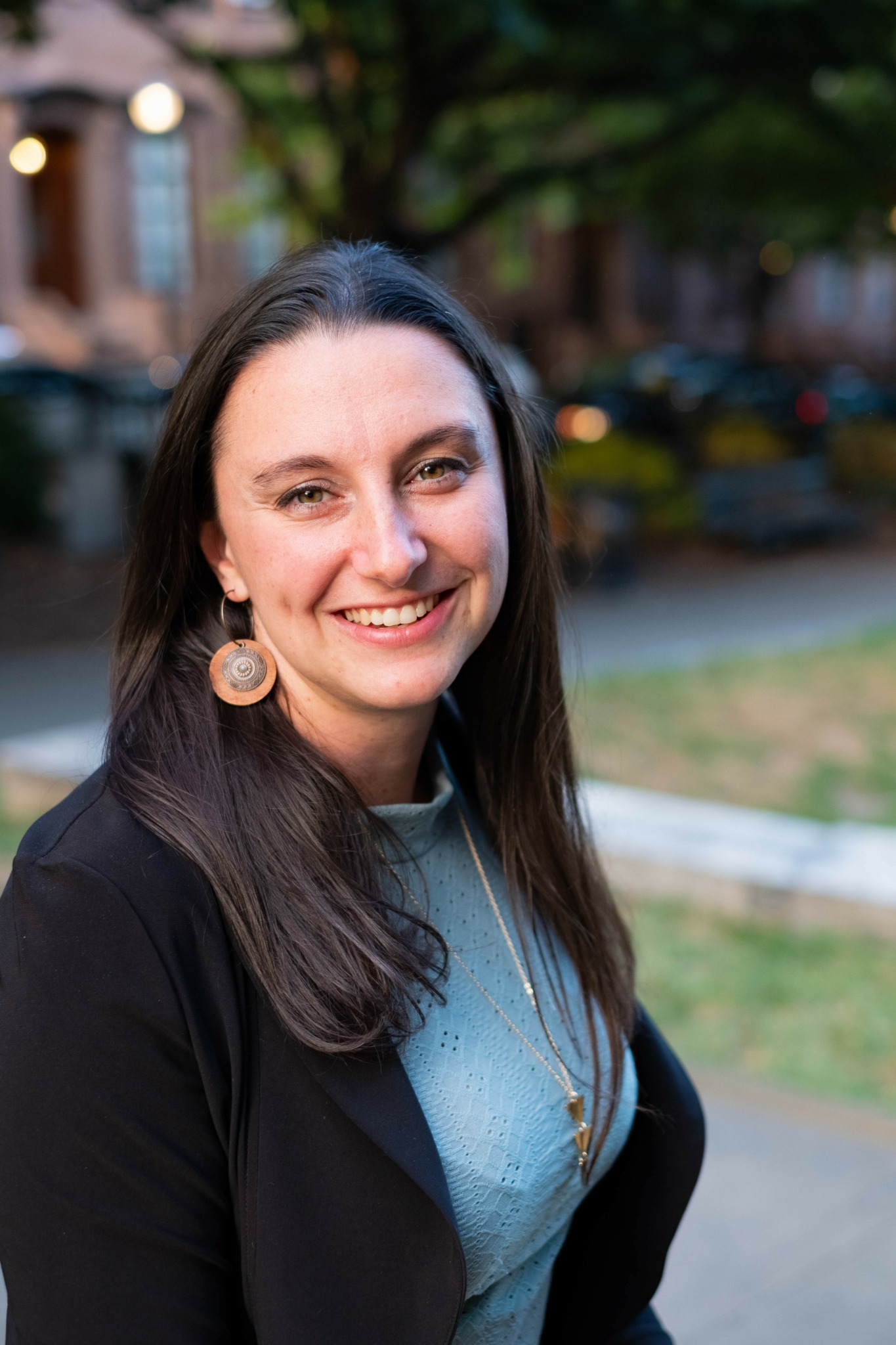
My first memories of singing were for my dad’s video camera. We have so many videos in storage of me singing the ABCs or presenting a little dance I made up. I would come home from school and sit my family down to perform for them. Performing fed my soul. I’ve been curious about creativity ever since then. A combination of passion, curiosity, resiliance, and joy has brought me to where I am today. And those are the things that will continue to carry me. I have a strong commitment to interdisciplinary education, and to me that means that every single thing I do or hear or learn must be inform the other. The things I’ve learned by keeping an open mind and exposing myself to new forms of expression have opened many doors for me. These things, along with truly overcommitting myself at points, has begun to teach me my personal direction, my limitations, and has invited me to be firm about my own self care. Read more>>
Sidney Evans

I learned by skillset for engineering and editing audio initially from Youtube. My initial inspiration was to make music, but my intent wasn’t for that to turn into a career pursuit. Though I got my degree in Mass Communication from Fayetteville State University in 2013, i was working in hospitality after graduation to make a living but kept feeling this pull to at minimum have a creative hobby. But when I attempted to make music, though I did take time to learn the fundamentals of audio, I became frustrated bc the inspiration I was having didn’t reflect in the music. And around this time I had discovered that podcasting was becoming a very big deal, so i shifted my focus to pursuing that path once I discovered there was a market for talent who could help edit and produce audio content not related to music. Read more>>
Kelsor Jaquan

Beginning my acting career in 2019, my initial objective was to master the craft, discover the most effective techniques for myself, learn networking, and identify opportunities, The obstacles surrounding this issue include a multitude of options, some legitimate and some dubious. Little did I know that this very set of questions and obstacles would guide me to my true calling in the entertainment industry: devising more efficient methods to manage its various facets!I believe that the most essential skill is strong persistence, the ability to persevere against the multitude of ‘No’s’ one encounters daily, as it reflects the nature of our industry! Read more>>
Nic Hale
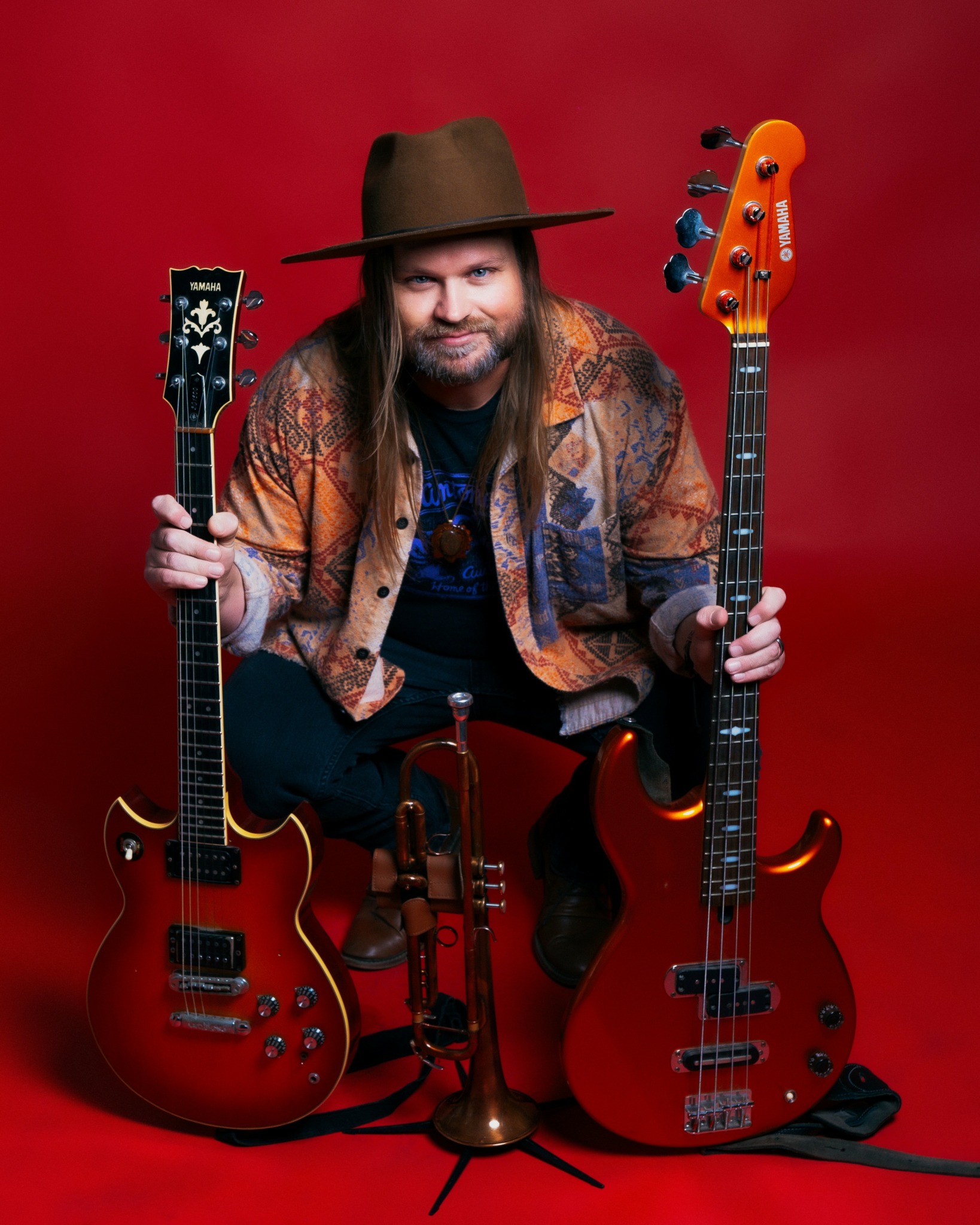
I’ve been through all the traditional forms of studying music. I started taking trumpet lessons when I was a kid, went to music school, got a college degree in jazz studies and composition. That all laid a really solid foundation for me with my musical skills and knowledge. But honestly, the biggest growth I’ve ever experienced came when I was out of school and starting my career, from getting thrown in the fire on gigs and having to figure things out quickly! When you’re a young professional trying to make a name for yourself, you wind up saying yes to a lot of things that you might not feel completely confident in, and you have to prove real fast that you belong in the room. Maybe that’s what they mean by ‘paying your dues?’ Read more>>
Zachary Burrell

As an actor, I’ve spent my career bringing others’ stories to life, but I always felt a pull to create something of my own. For years, though, the time and resources just weren’t there. Then, while playing in a Dungeons & Dragons actual play podcast, it hit me, the answer had been right in front of me all along: an audio drama. So, I gathered a few actor friends, bought a microphone, and started writing. If I could go back, I’d have taken the time to learn podcast editing and producing before diving in. But maybe that leap-before-you-look approach is why I’ve learned so much along the way. Pushing myself to improve, especially in sound design and podcast production, has been a constant and rewarding challenge. And I might not have started if I didn’t start when the motivation was there! Read more>>
Kimber Dulin
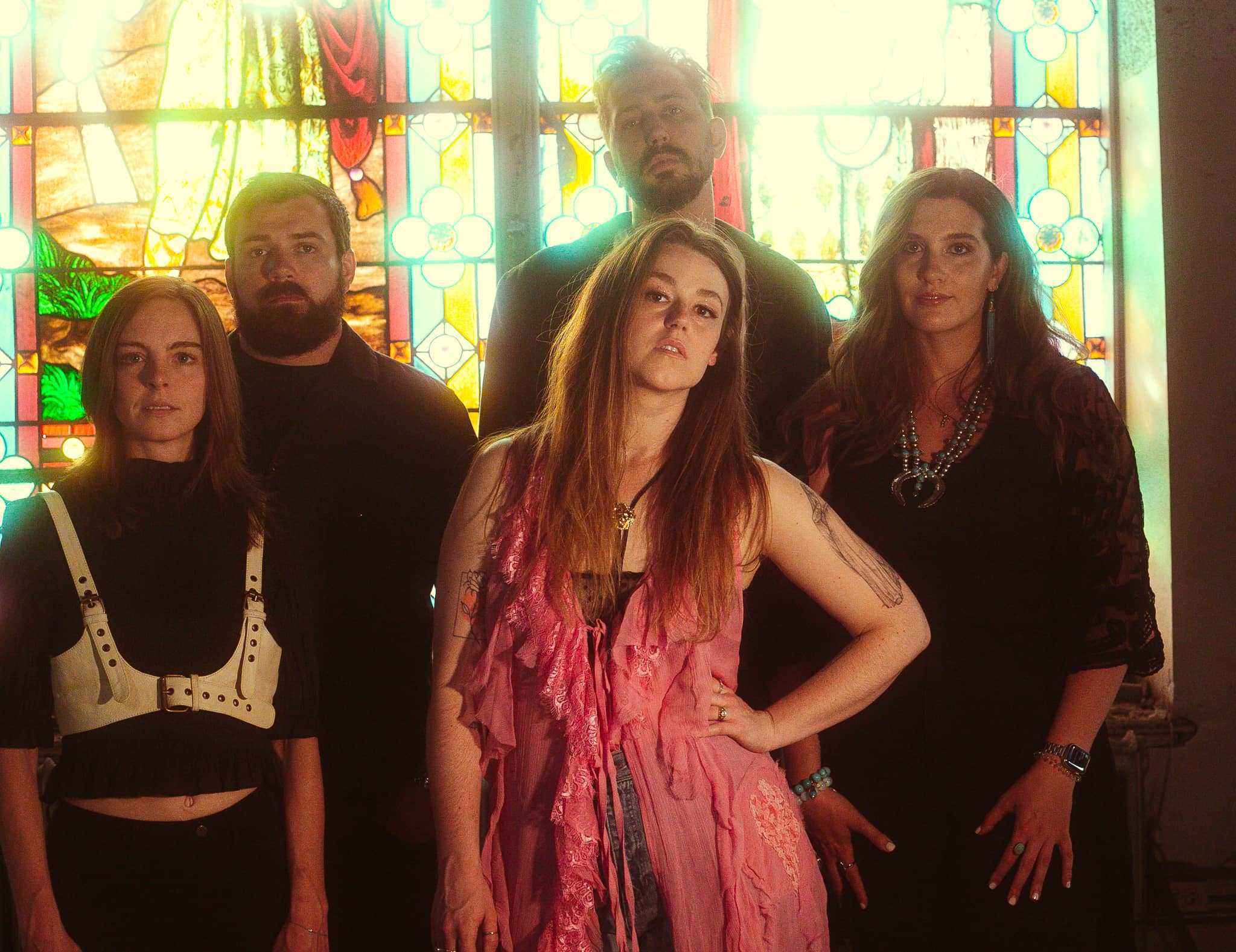
I’m pretty sure I was learning and practicing to sing while in diapers. I distinctly remember seeing photos of myself putting on performances for my parents while standing atop a kitchen counter (I guess I was always doing precarious things for my art!). When I was 9, I started taking vocal lessons and continued to train classically through my collegiate career. When I started singing for 49 Burning Condors, I wasn’t thrilled with the tone of my voice for the songs. I wanted to be Beth Gibbons with a cigarette hangin’ out my mouth. My classical training was doing me a disservice from being able to chameleon into other genres. I found a vocal coach that specialized in blues and rock to help me UNlearn much of what I had spent my life learning – and it took years to do. While the physical basics were the same (supporting my vocal muscles with good breathing techniques is genre-agnostic), I traded round, open vowels and high palettes for more nasal-focused, oftentimes airy, shouting-at-the-gods sounds. Read more>>
David Stanton

I started out playing music in crappy rock bands in Indiana. So sometimes plugging in gear to see if it worked together was all trial and error. (thankfully I didn’t blow up too much gear) When I got to high school I started working in the theater doing tech work for choir/band/musicals/plays and had sooo much fun with all aspects of production work, but making the music sound just right was my passion, so I gravitated towards the audio aspect. While still in high school I convinced a local small sound company owner to let me shadow him and I would just show up to street concerts or concerts in the park where I knew he would be doing them. Smith Sound in Lafayette, IN would eventually take me in as basically an apprentice where I would go and learn more about audio from him. During this time I got a job working at Walmart during the week, so I could do shows on the weekends. After I would get done with a shift at Walmart I would just try to glean whatever information about gear, how to use it, how to make it sound musical, how to troubleshoot it if and when things went wrong. Read more>>
Mary Hermans

Ironically, the first natural dye classes I took didn’t ignite much of a spark. It wasn’t until a couple of years later, when I stumbled upon eco-printing, that everything changed. The sight of crisp, delicate impressions of real flowers transferred onto fabric inspired a deep sense of wonder and awe. In that moment, I thought, “I have to do that!” and felt utterly compelled to learn how. From there, it’s been a deep dive into organic chemistry, gardening, foraging, pre-treatment processes, and endless experimentation—a captivating blend of curiosity and discipline that keeps me fascinated and always yearning for more. Each teacher, book, botanical discovery, and whimsy-filled “mistake” has added another patch to the ever-evolving quilt of my self-taught skills. Like any quilt, the imperfections and irregularities are what make it uniquely mine, stitching together moments of discovery, frustration, and delight—mostly delight! Read more>>
Oscar Ayala

Really, I practiced everyday. Starting off I wasn’t as nice as I am now but I was genuinely always interested in music and that kept me wanting to try more and work to be better. I used to freestyle all the time, everyday, and any chance I got I would write. Knowing what I’ve learnt over time, I could honestly say that I could’ve been more open to working with and reaching out to other artists/creatives. It’s obvious that majority of this work takes skill, and some would also say it takes a lot of creativity as well. I say both statements are true, but skills such as having an ear for the art you wanna make is vital. Just as vital as penmanship, just as important as flows/vibes , just as crucial as the hunger and hard work that is required. A few things that I can admit to being obstacles, really, I used to be insecure about my work, wasn’t as confident about my career and used to always want others to validate me. That resulted to a lot of bodies of work either not ever coming out or being finished. I also wasn’t used to going to actual studios at all at first, and times I would go it would be so foreign and overwhelming cause I wasn’t use to it yet. When first starting to take music serious I used to depend on my friend to do alot of my work, him being my first main producer and at the time my only engineer (P2ACurlii), so the knowledge I had for engineering and production was bits and pieces of what I could remember my homie do before or I had none at all and learning from scratch seemed really intimidating at first. Read more>>
Deejay Shakeelo

I never realized that I could become a DJ; I was simply a music collector. It was around 2013 when I started experimenting with virtual DJ software after seeing my cousin blend tracks. I thought, why not learn to use it and mix my favorite songs as well? I used the software occasionally since I didn’t have any equipment. In 2015, I purchased my first piece of hardware—a controller—and transitioned to a different software called Serato. I started playing music in my room as a hobby. After the tragic loss of my mother, this new hobby became a form of therapy for me. I began to immerse myself more deeply in it, spending countless hours researching and watching YouTube videos from DJs like DJ Angelo, Rob Swift, DJ TLM, and DJ Shortee, to name a few. Through this journey, I learned how to count bars, beat match, scratch, and more. Read more>>
Robert Lavett Smith
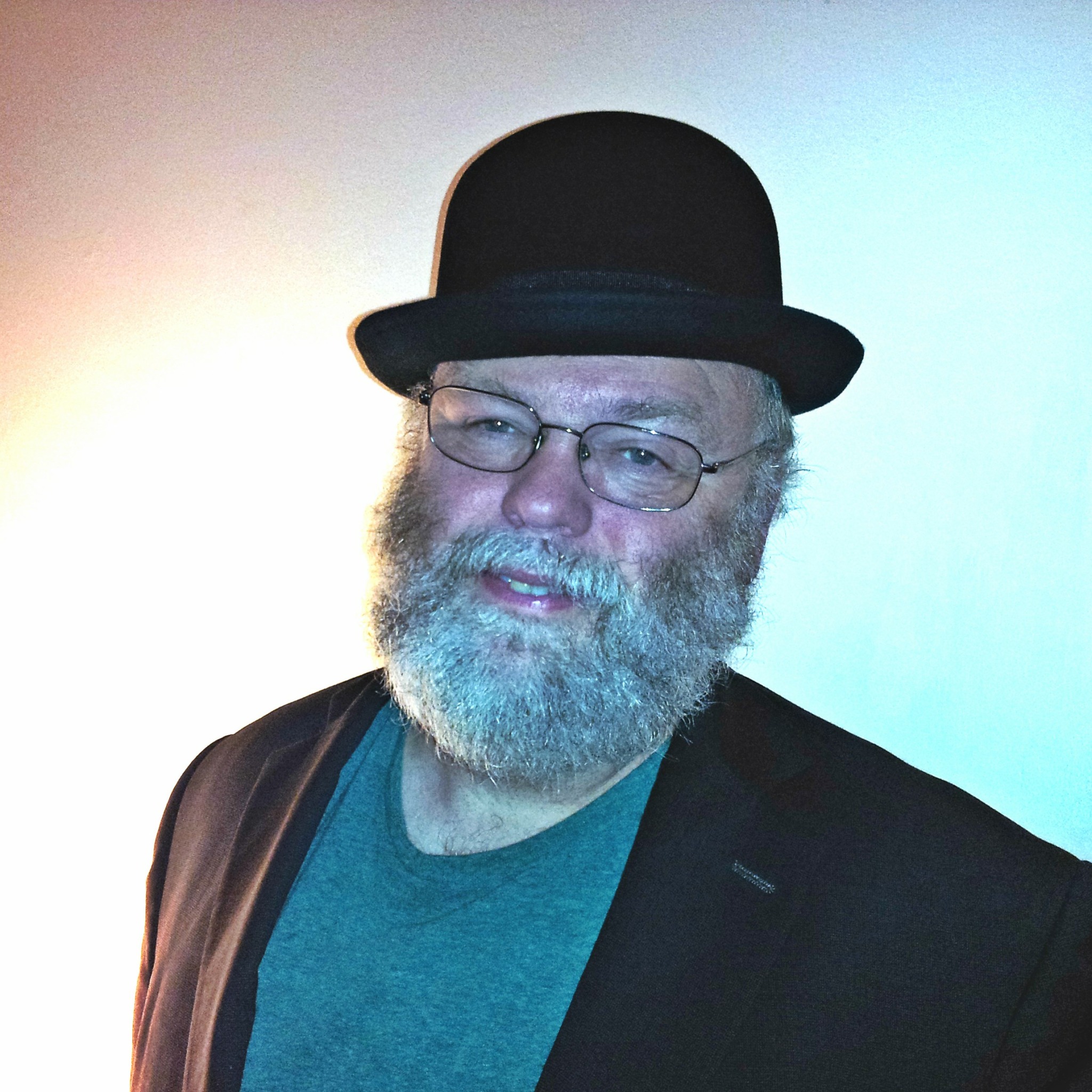
I first began writing poetry when I was fourteen, initially to impress a girl. (It didn’t work.) My early poems were the typical saccharine rhymed love poem that teenagers tend to write. In those days, I read a lot—as I still do—but was mostly exposed to nineteenth century books which had belonged to one of my great grandfathers. I began by imitating what I read there. In retrospect, I now see this as unfortunate. I would have developed a mature style more quickly had I spent more time carefully observing the world around me. Read more>>
Tehsuan Glover
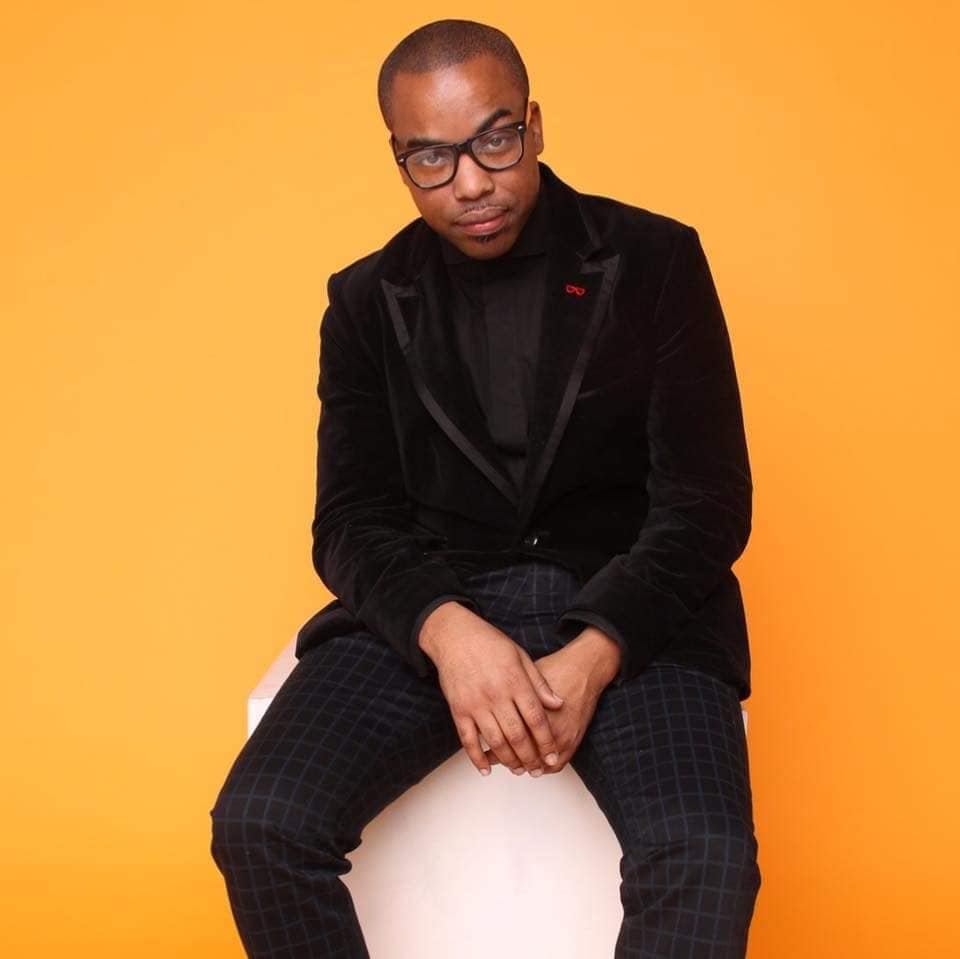
I had the good fortune to be taught so many of the things that I do now from people who gave freely. I’ve also had the good sense to aim myself up, and place myself in line for opportunities to grow. If I knew then what I know now, I would have been a savage about creating more teachers, guides, and mentors for my interests and endeavors. I would have partnered up more, and taken advantage of the proximity of those more advanced that I. I think healthy humility, curiosity, and being competitive with myself were incredibly essential in my experiences. Most usually, limiting beliefs were all that ever stood in the way of me learning more. Read more>>
Donte Cuellar
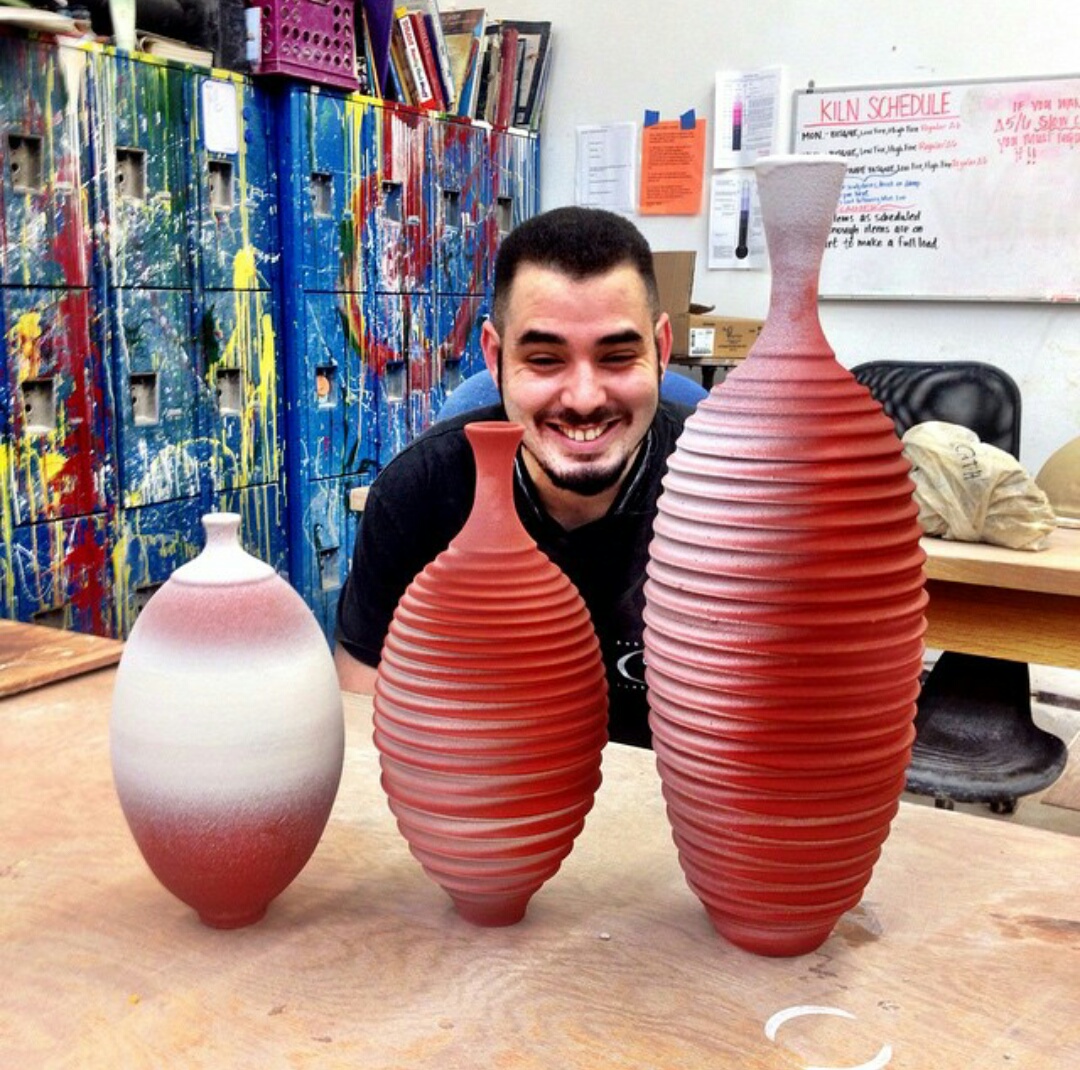
Ceramic art seems relaxing at first sight. The practiced make it look easy, serene, meditative. That’s the lie though. In truth for the first year or so it’s relatively difficult. Learning how to center can at times take a month or two; And that’s it you have a teacher. Like any skill it takes dedication, lots of practice, and an openness to learn. These are basic hurdles. Internal motivators are self driven. The more difficult discussion and reality is that this art form is an expensive and at times exclusionary one. Not by way of personal choice, not many are the gatekeepers of ceramics, but by way of economic, class, and moreover racial inequalities that people have been effected by historically. Read more>>
Laura Grillo

I have always been a visual person and spent my entire life involved in the arts. I learned my skills as a photographer simply because I was passionate about creating art, which drove a relentless pursuit to master the craft. My older brother, who is a highly decorated photographer & videographer, was certainly the person who has taught me the most about the industry. From the very basics of using a camera to the intricacies of editing and ultimately building a business, he’s been my built-in mentor. He’s always encouraged me not just to be good at what I do, but to strive to be GREAT at what I do. Read more>>
Sandra Jabbour

I began drawing and painting early in my childhood and I quickly developed a passion for it. Learning to create impactful artworks required a balance between learning to apply the basic fundamental skills and elements of design, while also allowing myself to experiment and play with different mediums. I learned the core foundational art skills by taking several different art classes throughout my life, and while those skills are crucial to the creation of fully developed works of art, it is understanding when and how to intentionally break those rules to convey the concept you are trying to express that elevates the work from a technically well-executed artwork, to a work of art that creates commentary or evokes emotion in the audience. Read more>>
Olumide Oyebode
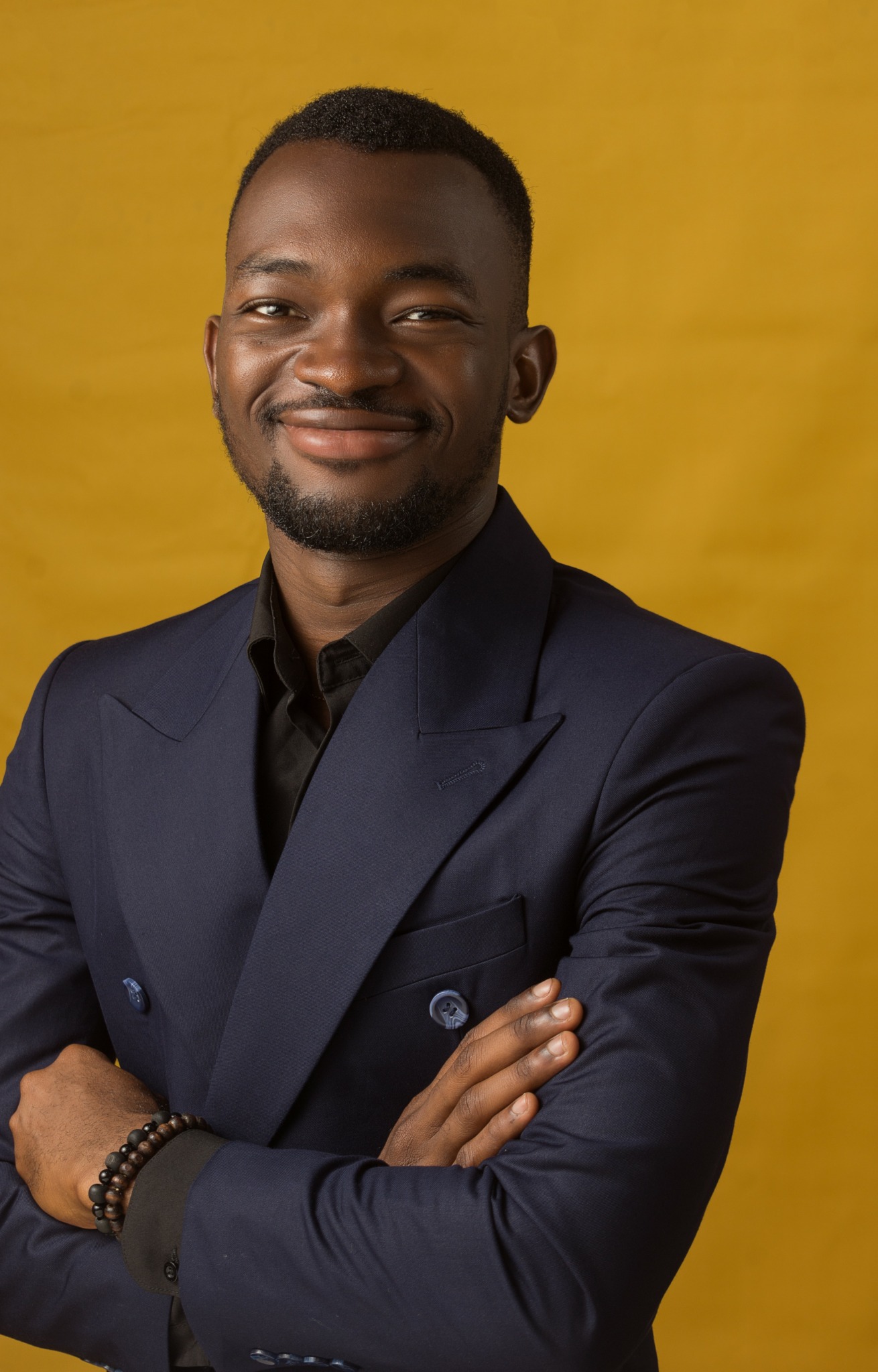
During my undergraduate program in med school, I had some free time and I thought I could maximize that time by learning the art of graphic design. It was a one-month break from school and it just felt like the perfect time for me to attend a 6-week training. I remember how I couldn’t even afford to pay the fees for the design school, I had to request for some support from my mom and she gladly helped out. One of the requirements of learning asides from an eager spirit which I clearly had, was a functioning laptop which I also didn’t have at the time. I had every reason to give up, but I reached out to a friend to borrow her laptop for the period of my training and she was kind to let me use it. Read more>>
Eduardo Flores
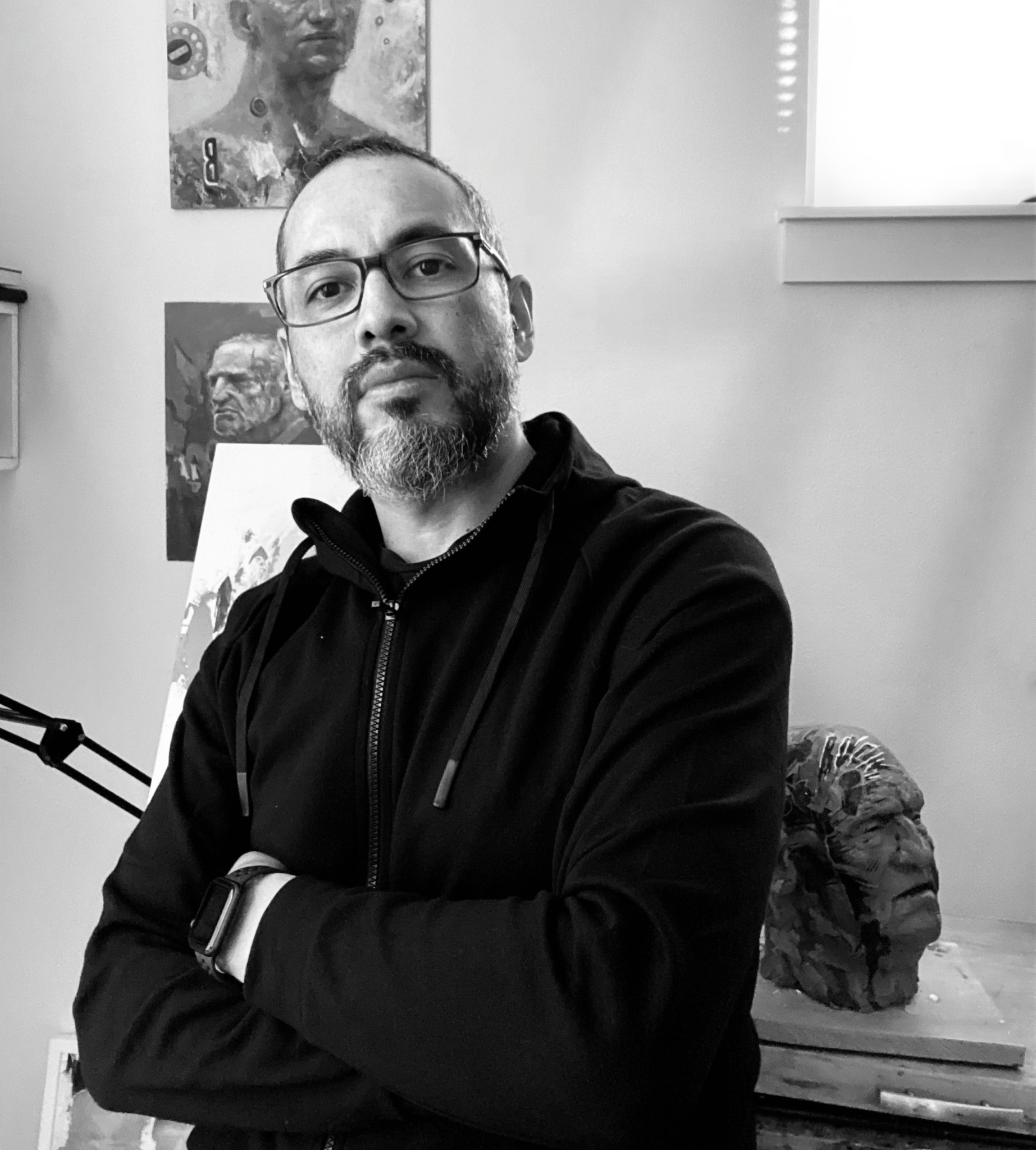
Ever since I can remember I like to draw. As a kid there is always the need to be good at something, to stand out and be recognized for a unique talent or ability. That is what I chose drawing, Growing up, spending hours doodling, sketching or even copying cartoons felt extremely rewarding. Pretty much like everyone else, I started with colored pencils because it was convenient. As you start learning to observe the world around you, you quickly realize that in order to keep progressing, you need to learn more and more. And with that comes the inevitable frustrations and the Impostor syndrome. All the hours at night trying to figure out how to work with color, how the lights affects the temperature, and countless other challenges I faced. Obviously, there was no internet back then, so the options for learning were limited. My main resources were comic books and art history books. It was impossible to get answers right when I needed them, so I made the most of what I had, aiming to absorb as much as possible. Eventually I switched to graphite and charcoal with some color accents. The color seemed to divert attention away from the concept I intended to highlight. Read more>>
Yulia Lopardina
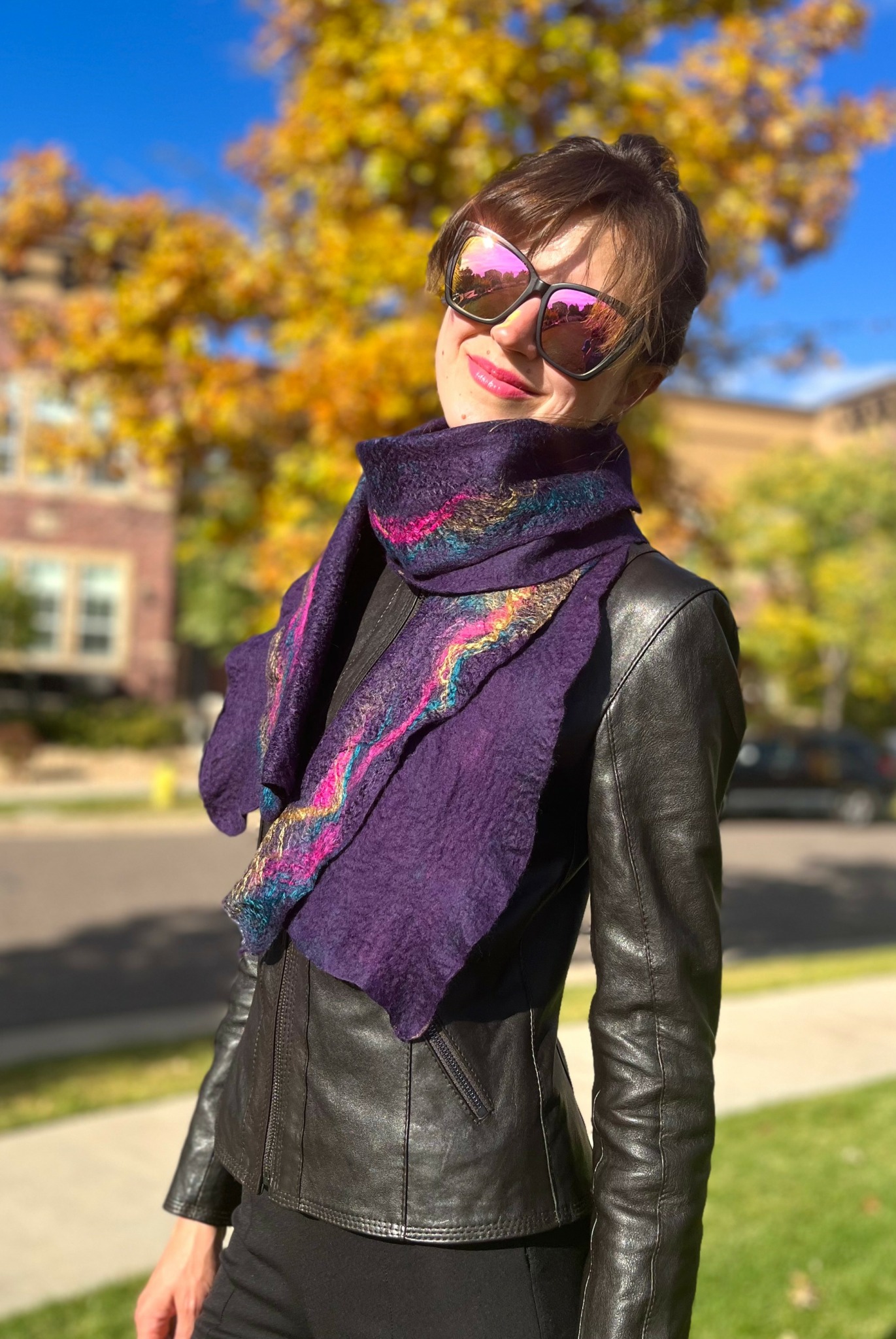
I never believed I could create in its classic interpretation of art. I could not draw or sculpt and was a constant target for jokes from my art teacher at school. But I could appreciate the beautiful and unique things around me. One day I stumbled upon a mutual friend who is a goddess of felted wool art in the USA. Not only she spent several days teaching her technique to me, but reminding me: “just let it go, enjoy the process”. And I did. A result-oriented, organized, math-dominant hemisphere let it go. Wool felting became a form of art therapy for me: there is no right or wrong, i dissolve in the colors that speak to me that day. Read more>>
Stormi Kelley

Beginning my career as an artist/educator, unknowing the possibilities of where it could lead, I dedicated my life to learning and perfecting my craft. Beginning in my hometown Tulsa, Oklahoma, driven by purpose and passion, I moved to Southern California to further my education and business skills, working under Paul Mitchell’s Global Artistic Director, Education Director, etc. and gaining a mentorship with one of the most renowned Barber Educators in our industry. I don’t believe there’s anything I didn’t take advantage of throughout my learning process which, I’m still learning. That’s one of my greatest qualities, being a student, there’s always more to learn, if you’re not learning, you not growing. All of the skills are essential, growing confidence and realizing the power within myself has been one of the most essential to me. ( I still struggle with this one, being celebrated is the hardest thing to do for me.) I ran across many challenges during the process; being a black woman, a female hair cutter, being authentic and inquisitive gave me great deal of challenges. I went homeless and hungry, thankfully there was free coffee at the salon. But, everyday I woke up I made the decision to keep going, I was fueled with determination. With having a small taste of the freedom I felt in having something to believe in and something that believed in me was incomparable to anything I’ve ever felt, I didn’t want it to ever leave. So I stuck with it and I’m forever grateful for those times and the amazing people I met along the way, who encouraged me, feed me, gave me a wam place to lay when I needed it. I never had the courage to ask anyone for anything, people seen a need and filled it, which taught me a great deal of humility and the belief of unconditional love. Read more>>
James Brennan

Moving to Los Angeles after having studied improvisational blues and jazz piano in North Carolina, I became immersed in the Latin Jazz scene in Southern California. I was drawn to the musical and percussive sound of the Afro-Cuban conga drum. I purchased my first drum at McCabe’s Guitar Shop in Santa Monica and determined I would teach myself to play it. Getting on the Internet, I found there were plenty of tutorials on how to play the conga. Gradually I picked it up and began to feel confident in my skills. At some point I learned about an Afro-Cuban drumming workshop in Los Angeles and brought my drum one evening for a group session with master Cuban conguero Lazarro Galaga. As he led us through some basic rhythms it became very clear that he was not approving of how I was playing the instrument. Read more>>