

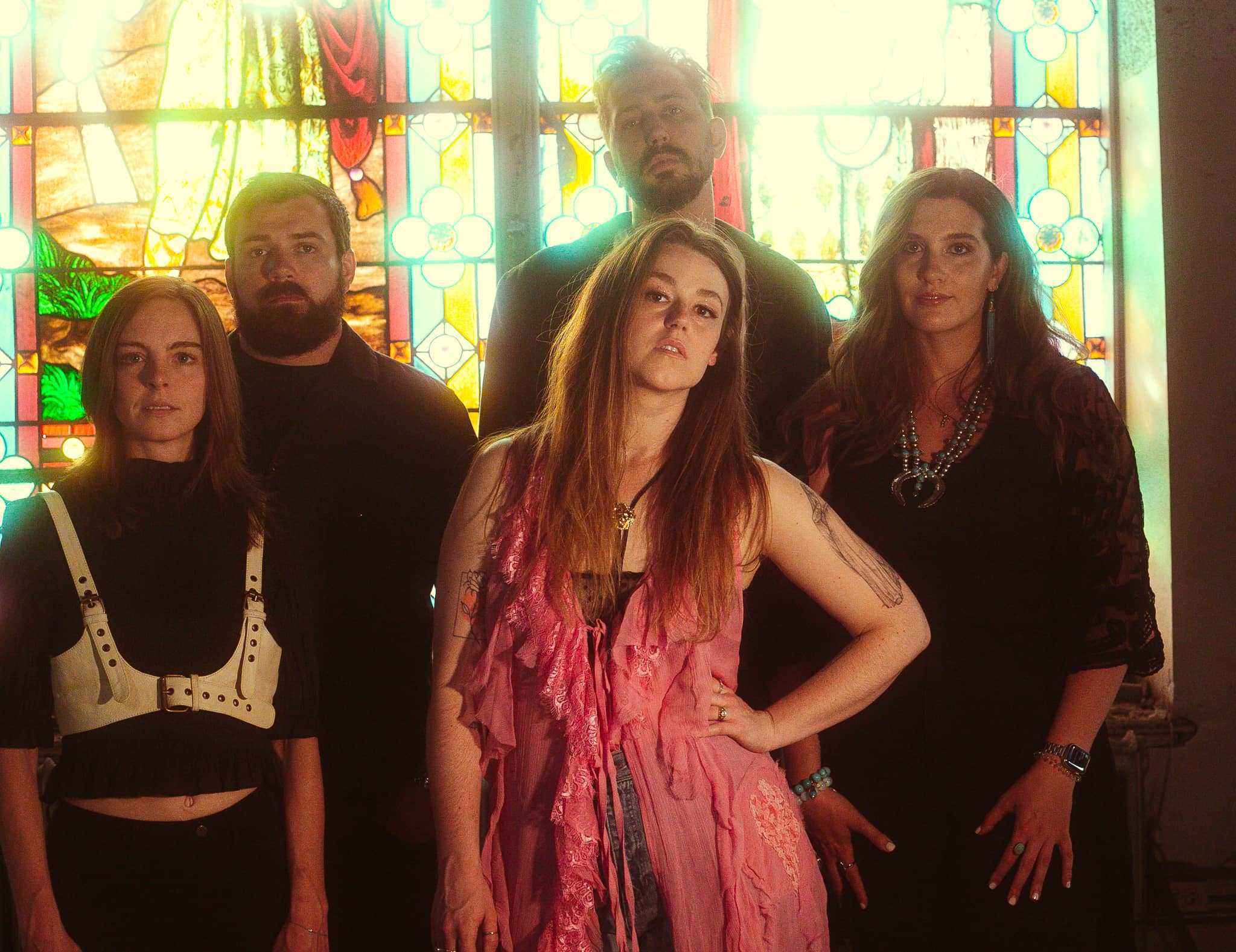

We’re excited to introduce you to the always interesting and insightful Kimber Dulin. We hope you’ll enjoy our conversation with Kimber below.
Hi Kimber, thanks for joining us today. How did you learn to do what you do? Knowing what you know now, what could you have done to speed up your learning process? What skills do you think were most essential? What obstacles stood in the way of learning more?
I’m pretty sure I was learning and practicing to sing while in diapers. I distinctly remember seeing photos of myself putting on performances for my parents while standing atop a kitchen counter (I guess I was always doing precarious things for my art!). When I was 9, I started taking vocal lessons and continued to train classically through my collegiate career.
When I started singing for 49 Burning Condors, I wasn’t thrilled with the tone of my voice for the songs. I wanted to be Beth Gibbons with a cigarette hangin’ out my mouth. My classical training was doing me a disservice from being able to chameleon into other genres. I found a vocal coach that specialized in blues and rock to help me UNlearn much of what I had spent my life learning – and it took years to do. While the physical basics were the same (supporting my vocal muscles with good breathing techniques is genre-agnostic), I traded round, open vowels and high palettes for more nasal-focused, oftentimes airy, shouting-at-the-gods sounds.
Had I broadened my horizons when I had first started taken lessons – found an array of vocal coaches that couch teach me various skills from Day 1 – I would have been a more well-rounded singer much earlier and prepared to tackle greater challenges in singing earlier on.
I can tell you a piece of advice I am glad I did NOT take. In my first round at studio, I was chatting with the producer about my vocal coach. He said “You don’t need a vocal coach.” While the intent was good – I believe he meant to praise my natural ability – I absolutely believe even the best of singers need vocal coaches. You will learn stamina. You will learn how to take care of your voice. And if you have a good teacher, there will always be vocal mountains you can continue to climb. My next one? A high E in a chest voice. Wish me luck.
The most ESSENTIAL part of learning the craft of singing is the proper physical support. If you learned nothing else, it would be that. Your body is capable of incredible things – both great and awful. If you don’t know how to not blow your voice out during a set, your voice will burn out.
As for performing, I followed three simple tactics for focusing and improving my performances:
1) Copy and paste from the greats. Study them. How do they move? How do they interact with the crowd? What do they do between songs? Are they putting on a character or are they just themselves? What do they do with their bodies when they’re not performing? When do they step in the spotlight? When do they reserve their energy? How do they build tension? Watch how they do it, pick out the pieces that feel authentic to you, and replicate.
2) Be prepared for every outcome until one day you are so prepared you can improv. Write down everything you’ll say between songs. Plan for the hiccups: what happens if a guitar string breaks in the middle of a song and you have to change the string (has happened to me!), if the crowd is mild, if the crowd is raucous, if the monitor isn’t hot enough and you can’t hear yourself, if the sound engineer is terrible, if it’s god awful hot on stage and you’re sweating through all your clothes, if you forget the lyrics to start the song, if you have to cut a song, or several, to fit into a time slot, how you will transition between songs so there is no dead space. Your shoes are way more painful than you anticipated. Plan it all out, alongside your bandmates. It will make your band look that much more polished and professional.
3) Rehearse and record yourself. Accept the cringe-worthy moments. What is awkward in how you move? What is something you think you should do more of? You’ll be surprised at how often you use your hands to pull at your clothes, fiddle with your hair, look to your bandmates for support, say ‘uhhh’ and ‘like’ and ‘so um’.
A little fun hint from my theatrical days: go big. ‘Half’ movements look awkward and show a lack of confidence. Audiences won’t buy that you believe what you are singing. If you want to reach your hands towards the sky like you’re pulling the angels down to the earth – raise your hands high, twist your fingers, open your mouth like a demon – open and ugly – and tear at the air. Even a bar performance is theater. Take the audience with you and do so with gusto.
As for writing lyrics, I have relied on, and still do to this day, basic writing exercises that you can easily find online to spark creativity and get the juices flowing. Word associations. Writer a letter to your past self about where you are now. Write a short song about a random object in the room that you’re in. Pick a random word in the dictionary and write a poem.
The lyrics writing process is the one that brings me the most joy and comes the most natural to me. I do wish I had learned much earlier on that 1) writing is not for when you feel motivated, sitting with your piano in a quiet room. Write when you don’t. Keep a Google doc of random ideas that pop into your head when you least expect it. Everything can be fodder for a song – be prepared to capture an idea on the go and keep a good recording app on your phone 2) Rhyming is okay. Rhyming is great. I don’t know why rhyming gets so much hate.
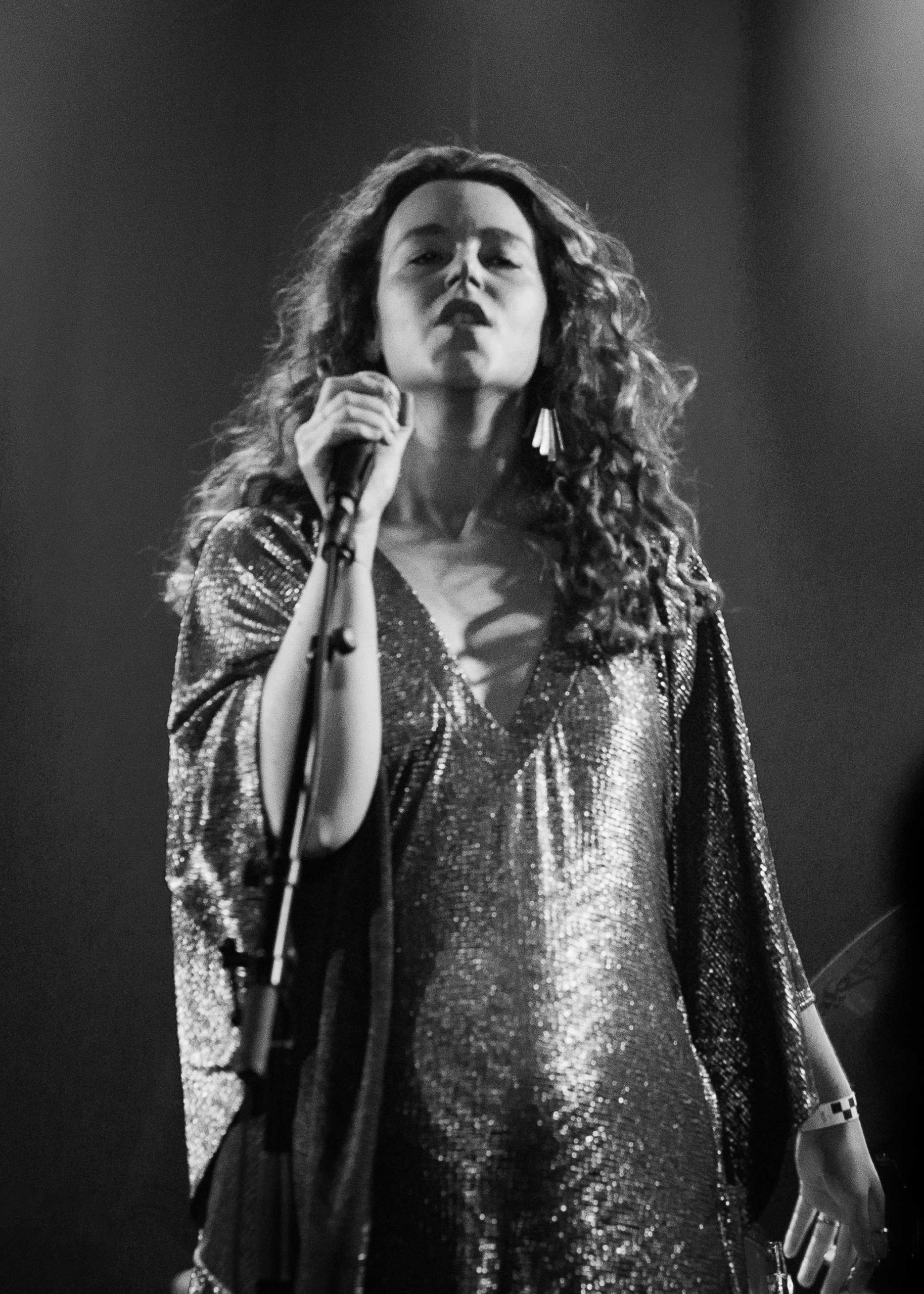
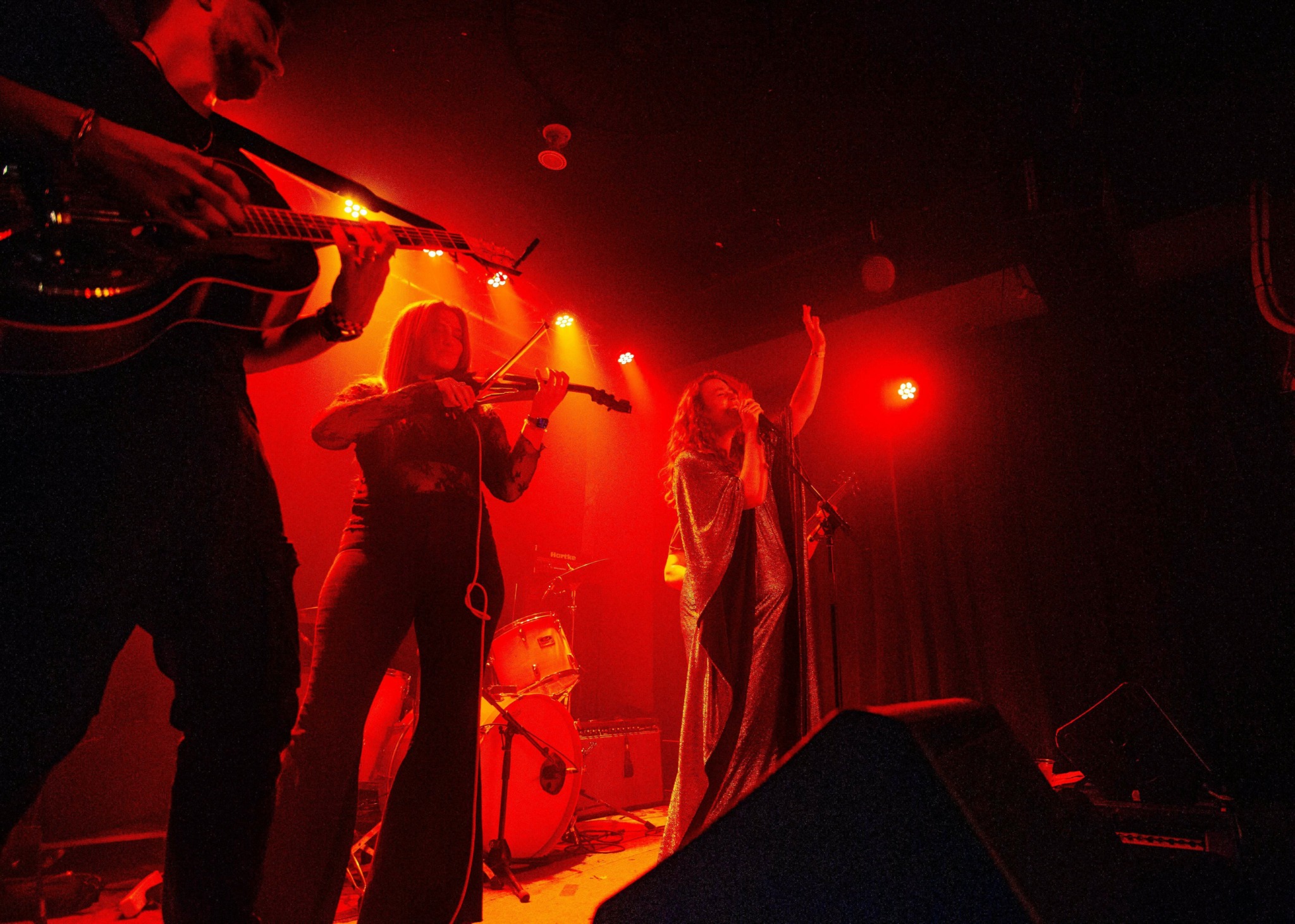
Great, appreciate you sharing that with us. Before we ask you to share more of your insights, can you take a moment to introduce yourself and how you got to where you are today to our readers.
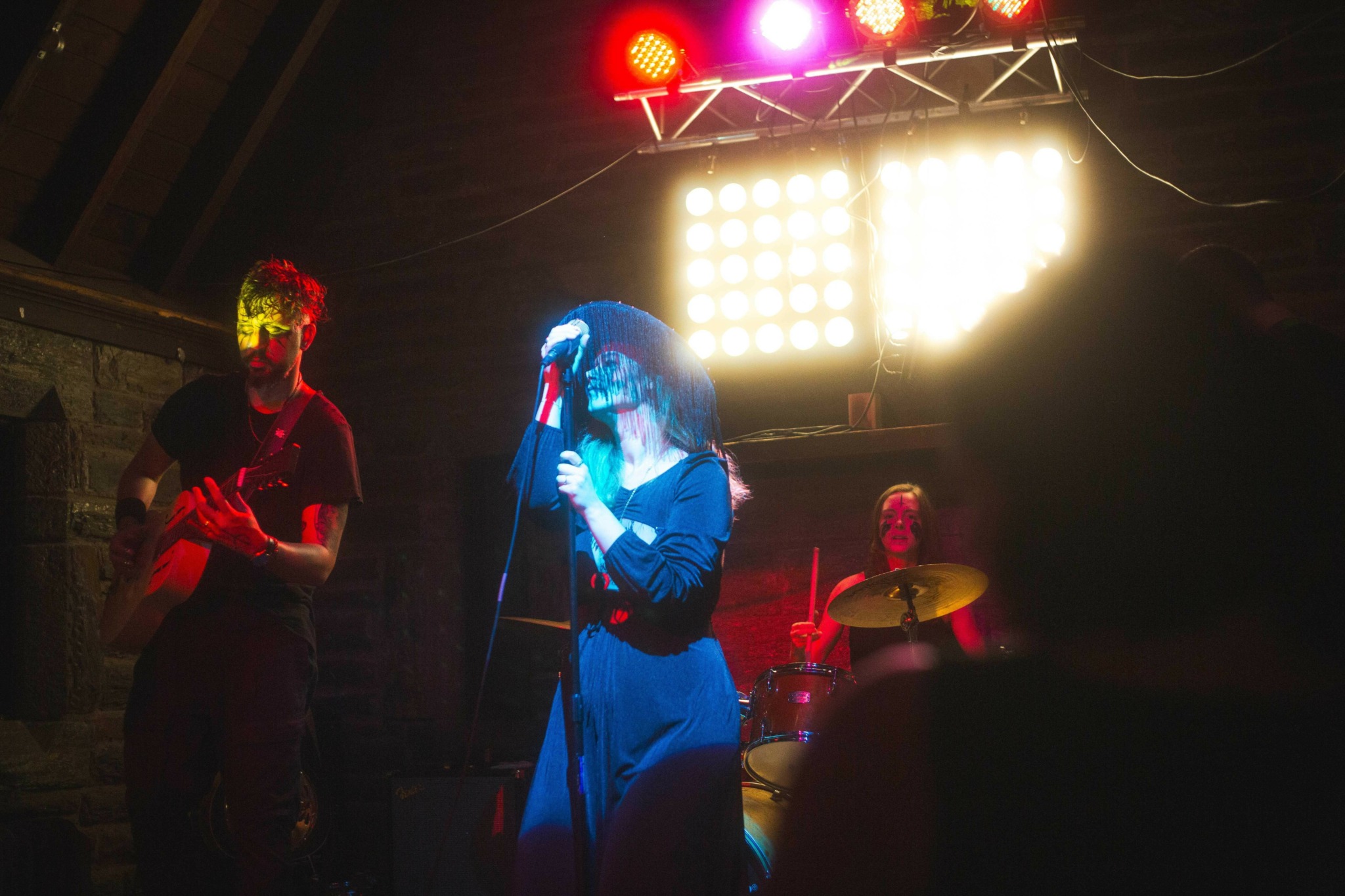
I’m the lead vocalist and lyricist for the gothic, witch rock band, 49 Burning Condors.
If you happened upon me on the street, you would likely never guess that I spend my weekends singing about vengeful witches, demon hauntings, murderous sirens and sultry man eaters. I am a pretty spunky, perky, curly-haired blonde and a new mom that always has some sort of liquid spilled on her. I love pink, friendship bracelets (wink), and have a tattoo of a woman eating strawberry ice cream.
And that’s what I wanted our music to be about — the breadth and depth of being a woman. Historically, in media, women have often been pigeon-holed into one of four boxes: the whore, the virgin, the mother, or old maid. I have found that horror was one of the first mediums to explore beyond these tropes and dig into the duality of a woman: We are vengeful and sorrowful. We are hateful and we are lovely. We are vindictive and we are giving. We are angry and we are forgiving.
I wanted to write songs that celebrated ALL that a woman could be. And yes, I wanted to live vicariously through these women in our songs that oftentimes get some really, glorious revenge on the men that mistreat them. Or just for fun. Our songs are written about women and for women.
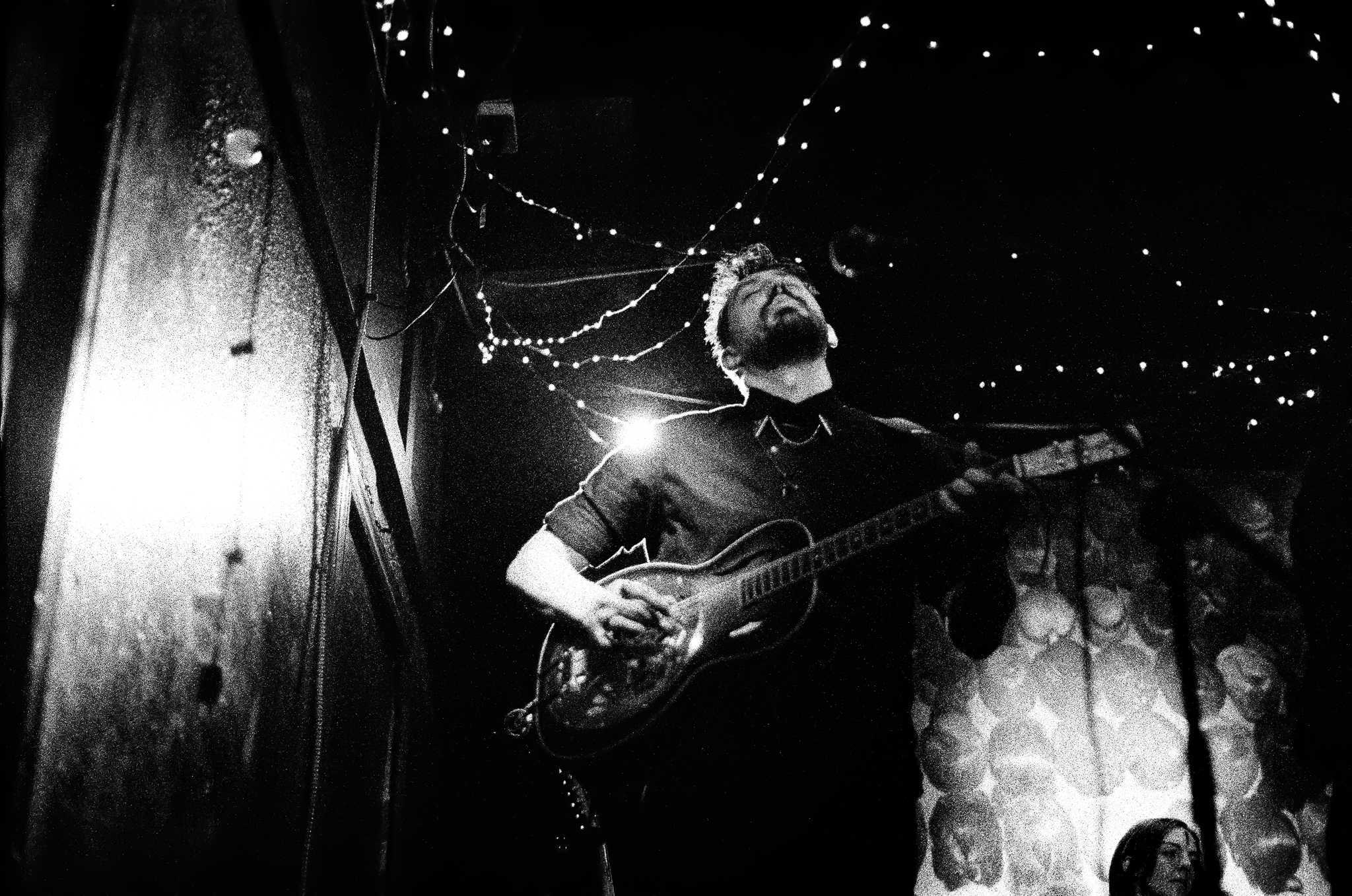
Everybody in our band comes from such varied backgrounds, and it was important to us to blend all these pieces together. My background is musical theatre (guilty!), our drummer, Kat, has a background in jazz. Chris, our guitarist, comes from blues and Zach, our bassist, comes from death metal. Our violinist, Andriana, comes from a country backdrop.
If you listen closely to a single album, you’ll hear all of these pieces ebb and flow into one another. It is certainly one of the components of our music I’m most proud of. There’s a little something for everyone on each of our albums with one common thread: women gettin’ their own.
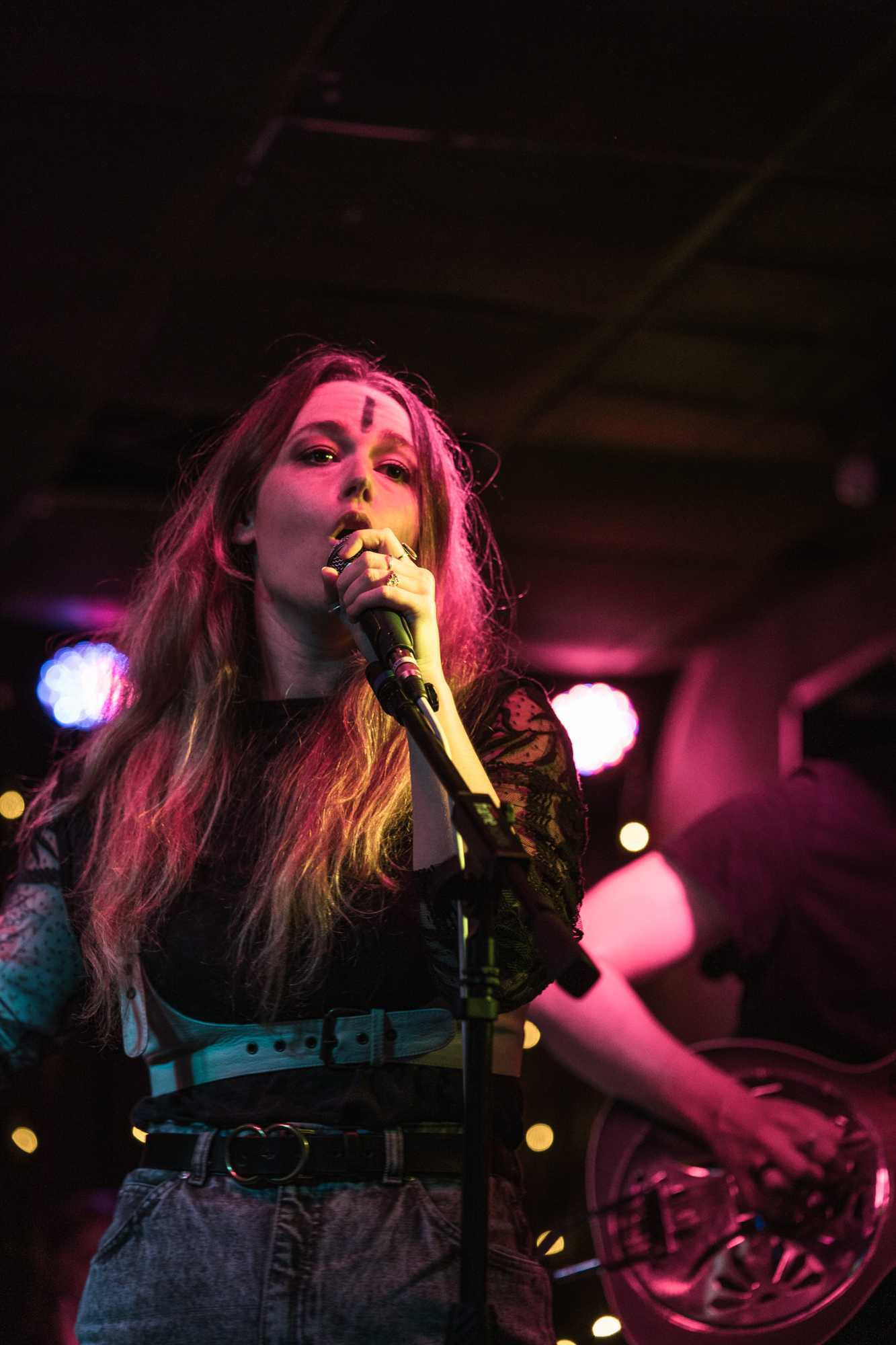
What can society do to ensure an environment that’s helpful to artists and creatives?
Nobody outside of the creative sector would expect a person to work for free. And yet, it is asked of young artists at every turn.
Here are all the costs associated with an artist releasing a single song:
– Studio costs for recording
– Sound engineer for mixing
– Mastering
– Art for cover, thumbnails
– Content creation for social & the software needed to create it
– Distribution and licensing
– Promotion and pre-saves
– Merchandise creation & print
– Promotional cost for shows
– Transportation, room and board to travel for non-local shows and/or festivals
– Occasionally booking costs for venues or tour agencies
– Equipment
– Equipment care and tune ups
– Vocal or instrumentation coaching
And those are just the costs I can think of off the cuff.
Working as a small artist is essentially like working for a startup with no seed money. Some festivals pay pennies and lure artists with the dangled carrot of ‘increased visibility’. Some venues require payment up front of ticket sales. Some booking agencies require exorbitant up front costs with no guarantee of ticket sales.
And for the many venues, booking agencies and festivals that genuinely care about small, up and coming artists, they’re under water with applications and inquiries and have little funding of their own to hire the resources needed to seek out and manage the talent they’re excited about.
The music industry is a self-eating machine, but the number one way we can support artists right now is to pay them. So they can continue to create. So they can continue to thrive. So they can continue to nourish – themselves and those that listen.

For you, what’s the most rewarding aspect of being a creative?
Realizing that the music I write for my own catharsis, soothes the soul of another. Music really is the great connector and equalizer.
Contact Info:
- Website: https://www.49burningcondors.com
- Instagram: @49burningcondors
- Youtube: https://www.youtube.com/@49burningcondors45
- Soundcloud: https://soundcloud.com/49-burning-condors
- Other: Spotify: https://open.spotify.com/artist/1YE8fFZEvCVHbwny33Lcu5?si=G8RjFgVnRHiJLTuRvthf8g
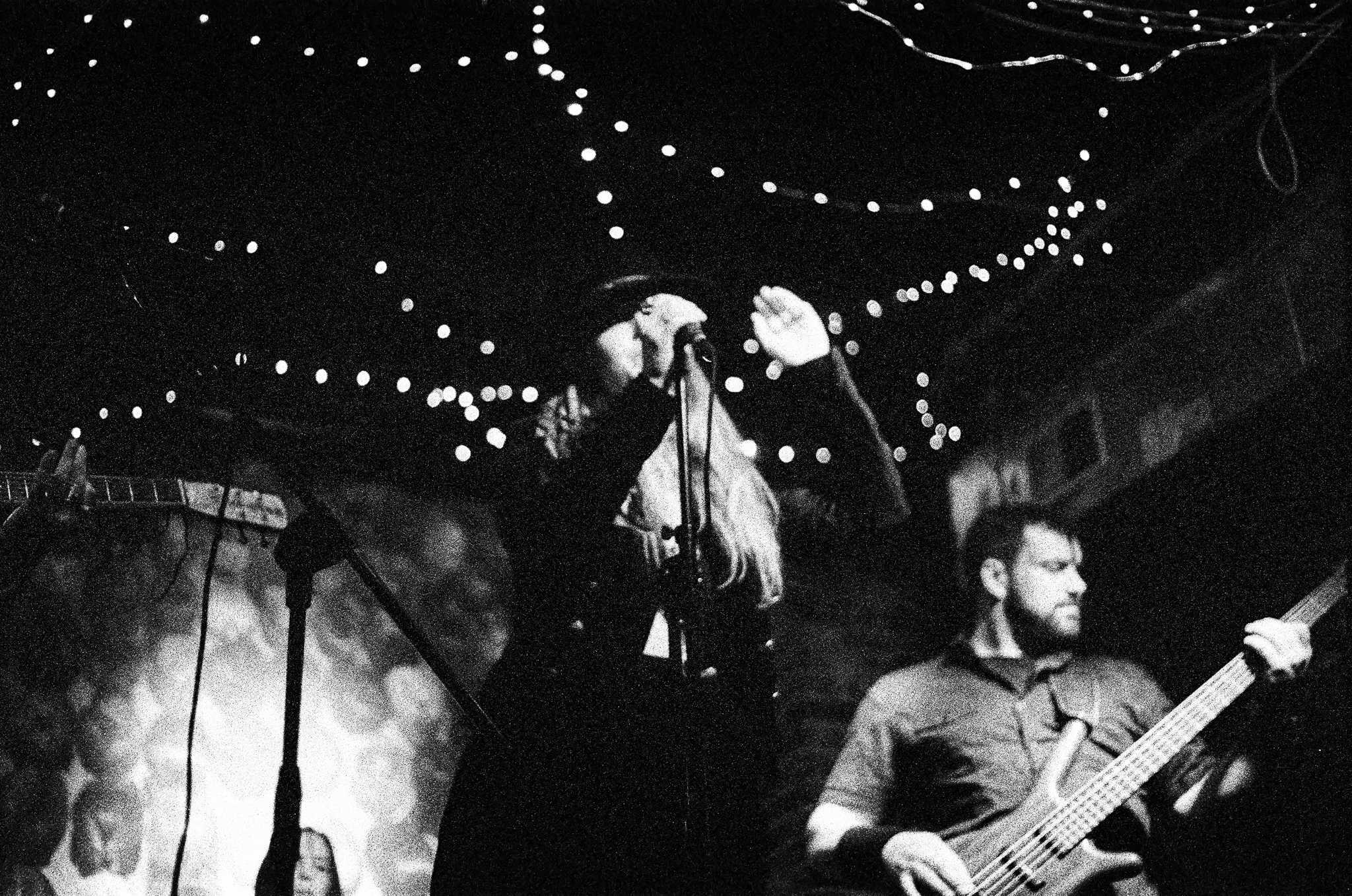
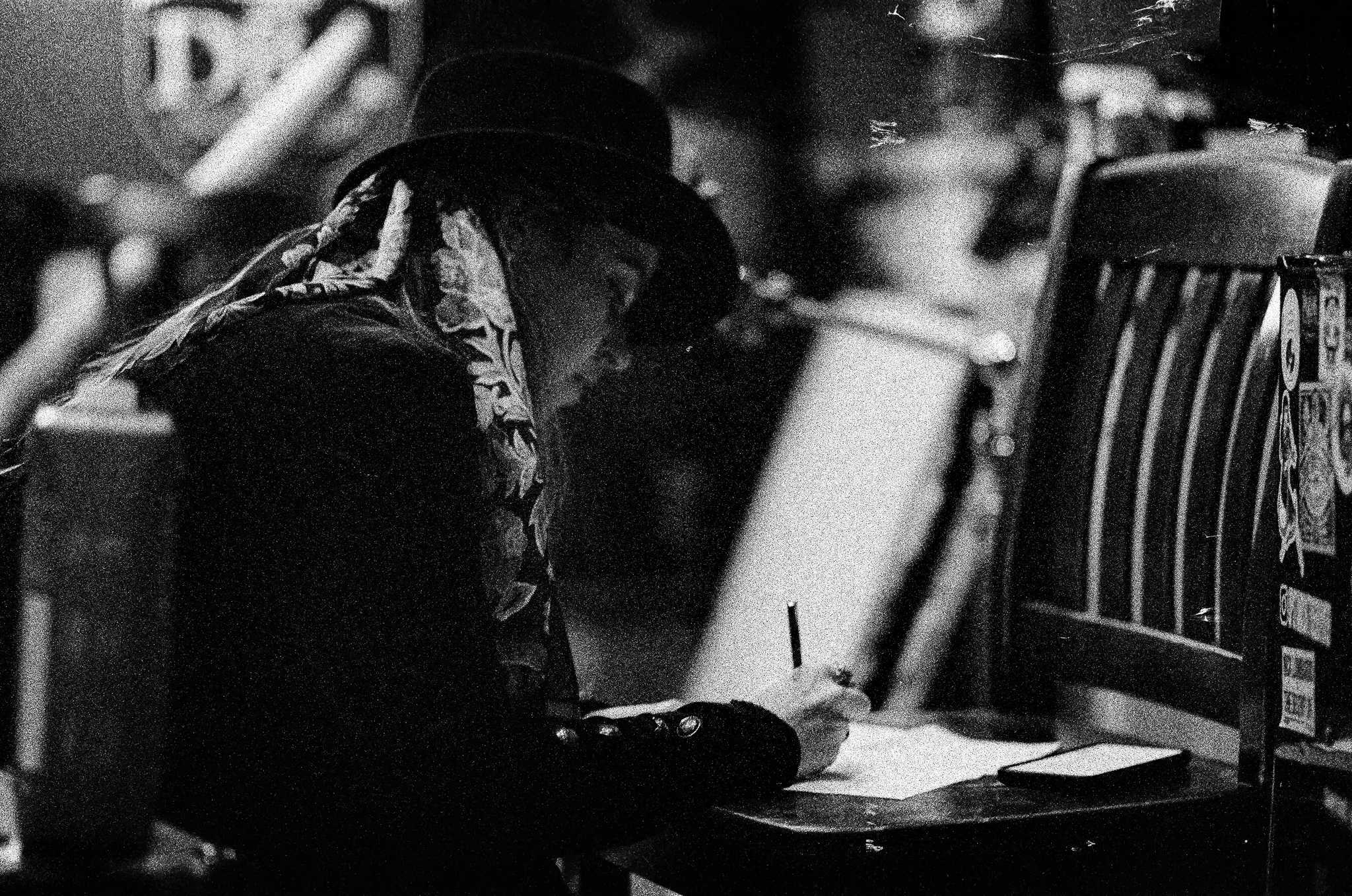
Image Credits
Photography by Eric Schaeffer (@eschaee)