



Often there is no book or course to learn how to do what you want to do – so how artists and creatives overcome such challenges? How have some of the most talented artists and creatives in the community managed to learn their craft?
Phillip Ginn

I grew up wanting to be a comic strip artist, to be in the newspapers alongside Peanuts and Calvin And Hobbes. Of course, I also wanted to be a spy, a superhero vigilante, a genius composer like Mozart, and a rock star. But comic strips were always front and center until I discovered comic books. I showed a natural drawing ability really young. Apparently I was pretty imaginative. My mom used to tell this story of how I was the only pre-schooler in my class that wouldn’t draw stick figures. I’d draw a more “fleshed out” Superman – rectangles for the body, arms, and legs, circles and lines for the hands. Then I’d flip the paper over to draw the cape on the back, because that’s where Superman’s cape goes. As I hit elementary school, I copied pictures I liked from comic strips, comic books, and the cartoons I watched. From what I can remember, they were pretty accurate copies for that age. Repetition naturally helped me develop my innate drawing skills. Eventually, I started to draw from my imagination and created my own comic strips and comics. I also found that I loved making up and telling stories. Writing my own stories was incredible fun, whether I created them as comics or as prose. Read more>>
Nathan Cadis
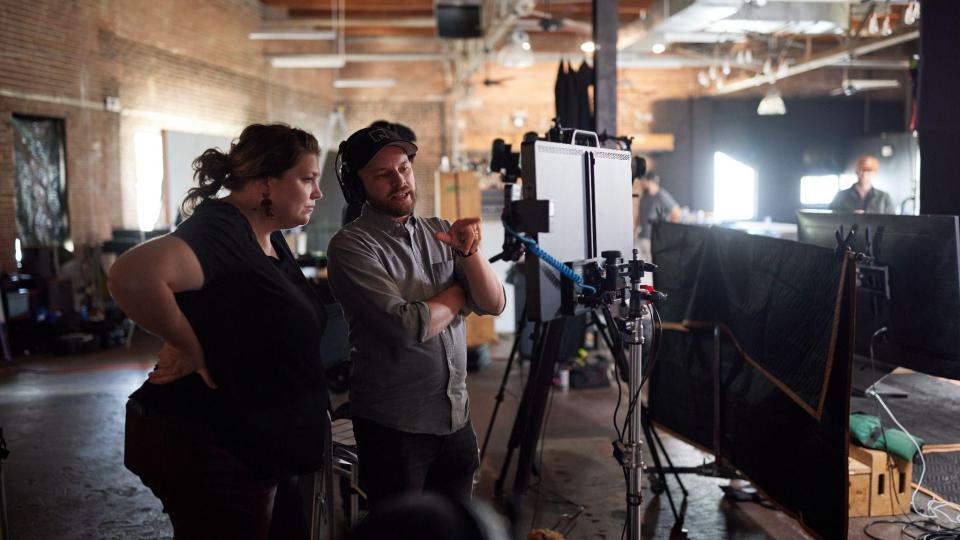
My journey into video production and storytelling began with a genuine passion for expressing myself through the visual medium. Having had a lifelong stutter, I was very shy as a young teen. When I turned fourteen, I started writing and filming projects at my church. This environment proved to be an incredible creative sandbox, allowing me to discover my voice in a new way. I earned a degree in Mass Communications in 2010; however, much of my education came from diving into real-world projects. I started with small freelance gigs, often experimenting and learning on the fly. Each project taught me something new, and I embraced every opportunity to collaborate with talented individuals who inspired me. Knowing what you know now, what could you have done to speed up your learning process? If I could go back, I’d definitely seek out mentors earlier in my career. Connecting with seasoned professionals who could share their insights and experiences would have saved me time and frustration. I also wish I had attended more workshops and networking events to build relationships and learn from others. Engaging with the community would have opened doors to valuable resources and opportunities. Read more>>
Angela Mitchell
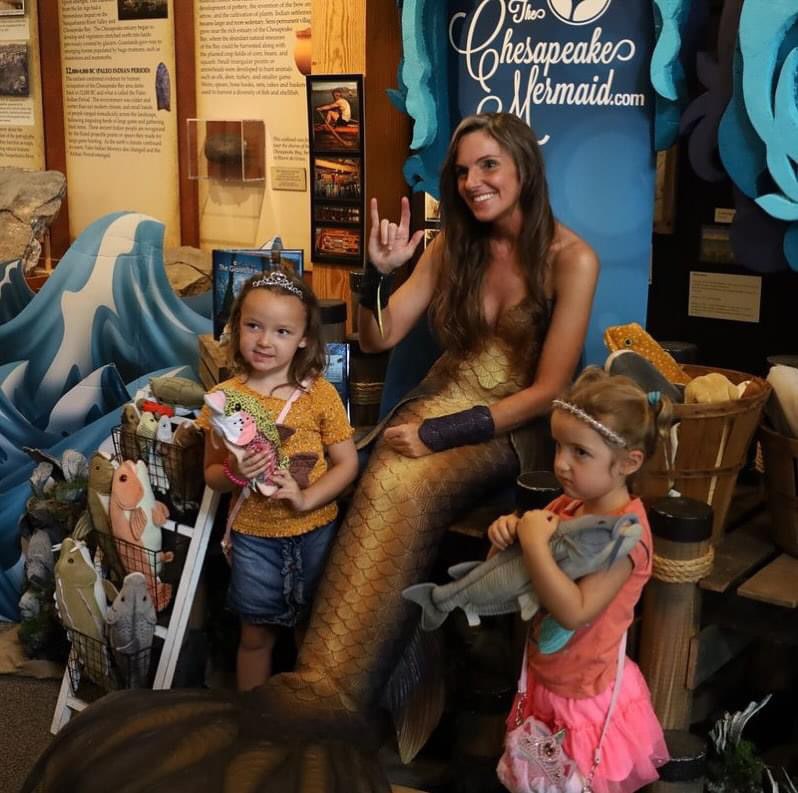
At Chesapeake Mermaid, each member contributes a unique set of skills and talents that strengthen our organization’s mission. We draw from a wide range of creative abilities, such as writing, character development, illustration, set design, and performance. Practical, technical expertise like stage production, sound, lighting, and set construction play an equally vital role, ensuring our shows and presentations run smoothly. Our team also brings essential business skills to the table, including contracting, financial management, and logistical planning. Together, we channel these talents into communicating environmental science and conservation in a way that is engaging, fun, and unforgettable for our audiences. Each of us has developed these skills over years of individual dedication to our vocations, and we continue to enhance each other’s abilities through collaboration and a shared commitment to our mission. Chesapeake Mermaid is dedicated to “creating unforgettable environmental education programs, books, and activities.” Our outreach is specifically tailored to highlight Chesapeake Bay wildlife and habitats, aiming to inspire daily environmental stewardship in our audiences. Read more>>
Lucia Desimone

I took voice lessons and studied Songwriting at Berklee College of Music for 4 years. I learned the ins and outs of music theory and song composition there, and I will be forever grateful for having chosen to study at Berklee at 18 and for the people I met there. But… what really taught me how to write good songs was life experience. Anybody can write a song, but a good song is only dependent on the ability to connect the inner world of the artist to the outside world. Are they expressing how they truly feel or hiding it? Are they getting outside and seeing the world to enrich the verses and choruses with new eyes, new colors, new ideas? If you do not fully live your life then the things that you write about are always going to sound “empty”. Your voice is not going to have the depth that people need in order to be able to connect to you, to the story that you are telling through your art. The biggest obstacle is fear, and if you are afraid of living then you are not going to be a great artist. A great artist is someone who has the capacity to use their emotional depth and be of service to people. A great artist is someone who has seen it all… and chooses to express it in one of the most vulnerable ways, for everyone to see. Read more>>
Destiny Harris
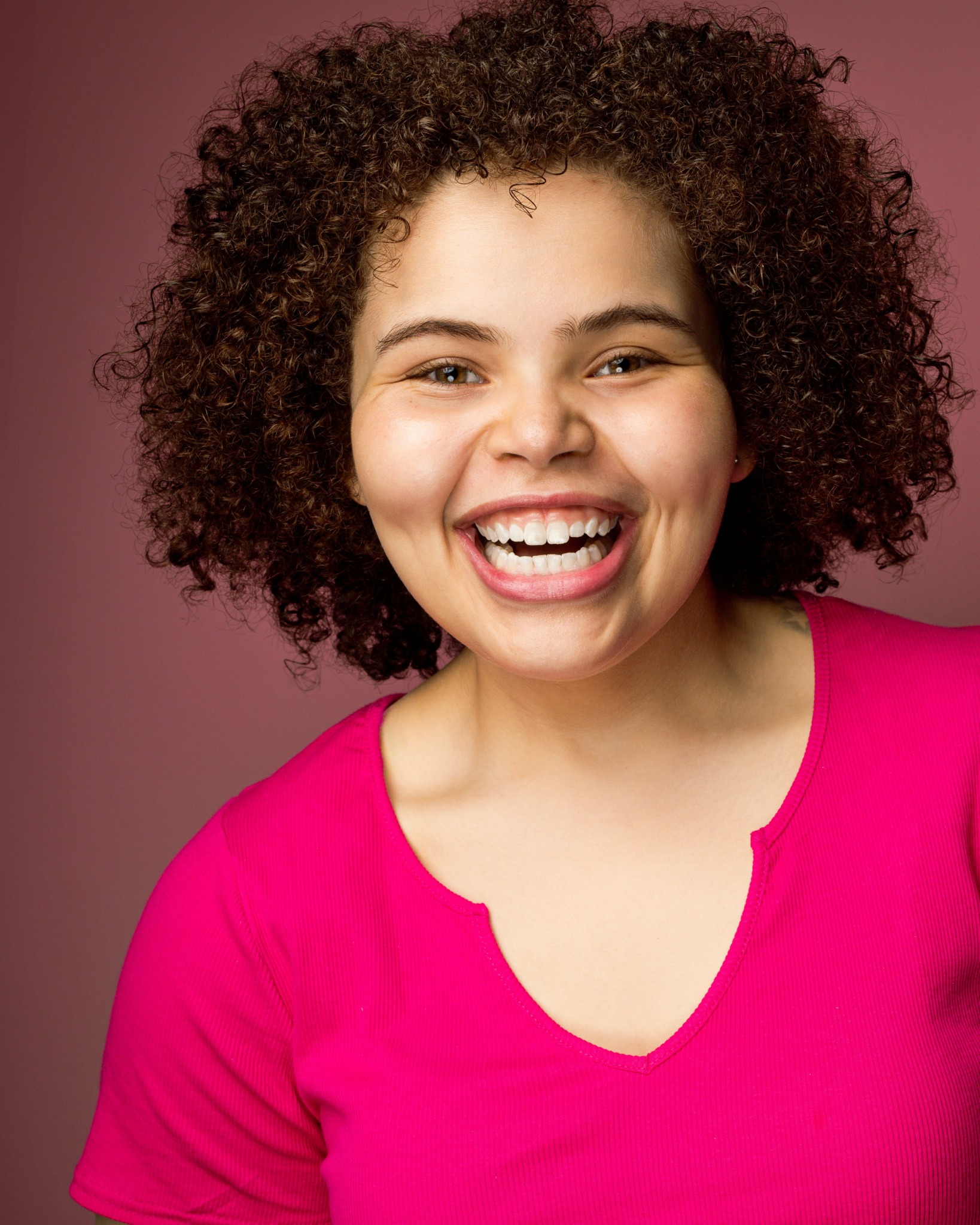
The sentence “How did you learn to do what you do?” when discussing acting is well … very, I don’t know… it seems as if I “finished”. To let ya’ in on a little secret, I didn’t ! EVERY SINGLE DAY I am still learning my craft and quite frankly, I don’t think an actor’s craft should come to a Finish. From being on Broadway, having your show’s posters all around Times Square — with flashing lights around it, and having your audience wait for you afterwards just to get your scribble scrabble signature. Or from being in front of the camera, having the movie premieres, streaming on Hulu, Netflix, and all the other many streaming networks. Now this is the magic moment, an actor’s “promotion” or some label it as “luck”. But what’s dropped from all of this “luck” are the years of preparation it takes an actor just for one of these opportunities. With knowing all that I know now, what could I have done to speed this up? Well, in simple terms go to THERAPY. Jokes… that was just a joke… However, as demanding as it is to be an actor from YEARS of training in everything and somehow having a full time job on the “side” of that, being told “No” 97% of the time, and OH YEAH wait one huge thing: Read more>>
Nancy Sheehan

I took the first step of becoming who I am now without even realizing what path I was walking on at the time. What I mean by that is I had gotten so bored in a class in freshman year of high school, that I just began drabbling about a film I had watched the night before. Without even realizing, I had created a whole new character and the backbones of a narrative. I have not stopped writing since, and the rest of my interests developed along the way. I do not really consider what could have been done differently in order to speed up my learning process anymore, only due to the fact that I had been following such a different dream for a very long time before discovering my passion. For a while as well, I did carry regrets of not taking advantage of what I had in certain times in my life, so I instead have focused more on building the habit of being grateful for where I am now rather than wishing to be farther. Read more>>
Jackie Mccarthy

I had always been acting purely based on instinct (as that’s how any actor initially starts out), but it wasn’t until I went to a performing high school that I learned real technique. I learned you can’t always rely on just “instinct”- you have to have a tool box of things to draw upon based on the specific role or project you are undertaking, I then went to study at an amazing BFA program (shoutout Montclair State), where I dove head first into movement, voice, and various acting techniques (Viewpoints, Stanislavski, Practical Aesthetics, Suzuki, to list a few). I do think there has to be a fundamental love for the craft of acting, or you’ll find a lot of the “homework” to be quite boring. I always loved creating characters and creating story, so when I started learning techniques, it’s like I had a filter, or channel, where I could put all this creative energy into. It’s like being a naturally talented painter. You have to then learn different mediums of painting, or how to use different brush strokes to get the effect you want. Read more>>
Ashla C.r.

I suppose I learn best by example; being present in the various music scenes of Los Angeles has taught me most of what I know when it comes to musicianship, taste, performance, and production. It’s an ever-present teacher, if you remain open to its changing state and allow yourself to move with it organically. I wouldn’t have sped up the process if given the opportunity to. There should be an emphasis on patience, it’s a powerful tool. Sit with what you are doing, let it evolve. Read more>>
Yi Ding

As a creative practitioner, the simple beauty of manufacturing has become no longer scarce. I began to think about reconstructing some traditional crafts that were about to disappear through a modern aesthetic perspective from the perspective of cultural inheritance. Through a large amount of literature reference and study, I carefully understood the stories behind each ancient totem, and also appreciated the important role that women play in creation and the inheritance of skills from some old handicrafts. Read more>>
Jordyn Snyder

I have a little bit of a head start on my writing since I have been “attempting” to write books since I was eight years old. I say “attempting” because wow those run-on sentences really ran. Like did I not know what a period was? However, something I wished I would have changed is the idea that it’s just a hobby. I had my first chapter of one of my books published while I was in high school and I had lots of family and friends say I needed to make it a career. Of course, my response was, “No Mom, it’s just something I do for fun.” So I didn’t let anyone read my work and I didn’t even tell people I liked writing–it was like a secret for some weird reason. Looking back I realized I was just scared of failure. Writing was something that was just so passionate for me and I put my heart and soul into it… what if someone didn’t like it? What if they told me to change it? What if, what if, what if! It was a lot of “ifs.” I made a lot of excuses. Read more>>
Allison Brown

I have pursued the visual arts most of my life starting in highschool at several art programs and then attending college with a focus in ceramic sculpture. When I decided to change my media to jewelry I had little experience in metalwork so I took several workshop with professional artisans and craftschools to fill out my knowledge. I also pursued my own research to learn what I needed. I have always been interested in different medias and crafts so I have found that learning the basic principle of designs, perfecting my creative process, and learning strong problem solving skills during my early arts education allowed me to develop into the artist I am today. After those 3 skills were solid, it was possible to learn anything else I would need to move my creative practice in the direction I wanted. Business skills are another matter. I think that academic art can be very impractical in some ways, not focusing on aspects of business that are necessary to be a full time production artists. I found it much easier to be successful finically after I had some distance from the academic arts organizations. Looking back I would have pursued business classes and apprenticeships with successful [production artists/craftsman earlier in my career. Read more>>
7star
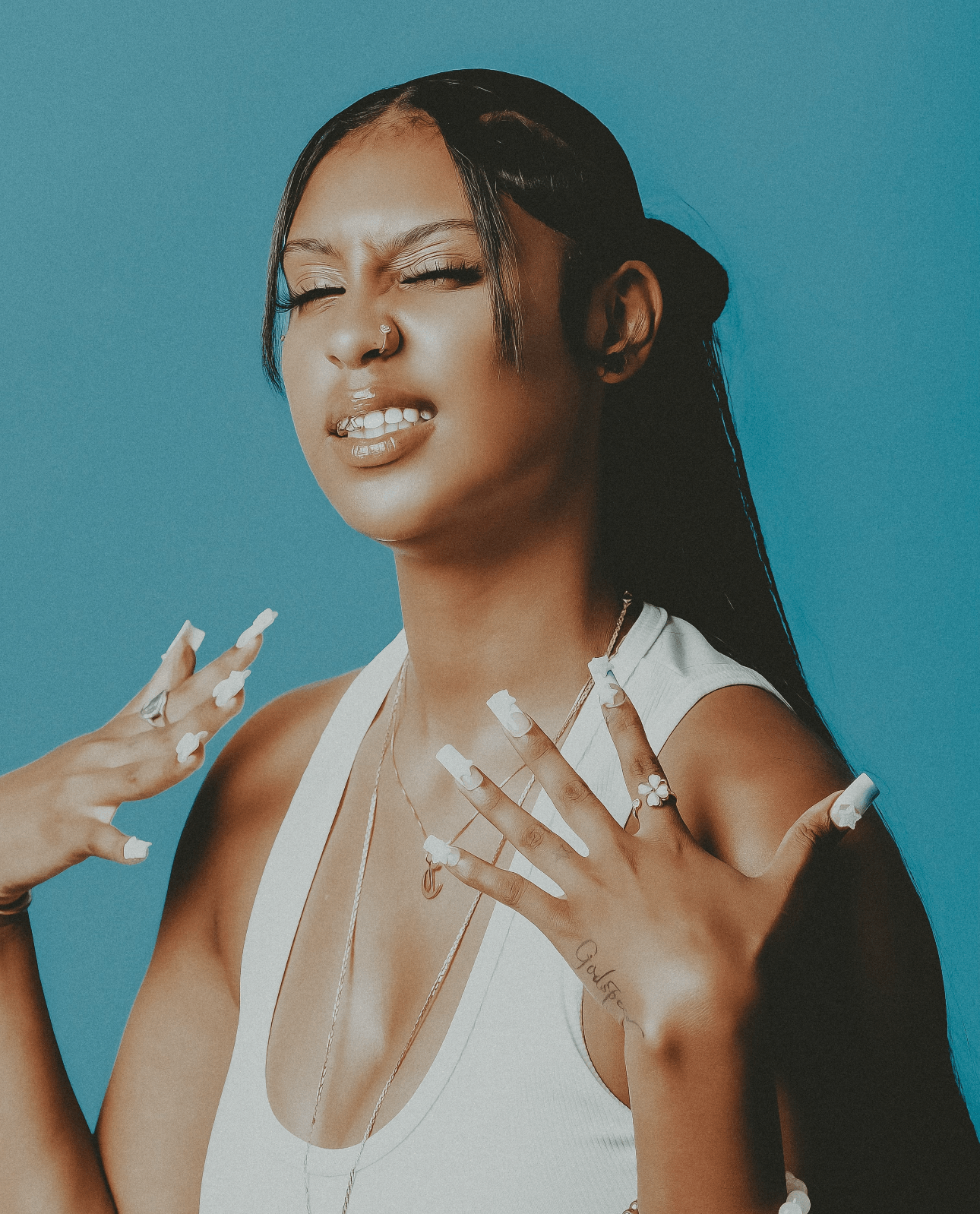
I learned a lot of musical, creative, and artistic skills from my father, like counts, beats, and rhythm. From then on, I worked with as many artists, producers, and musicians as possible to gather different perspectives and see what artistry is about. Interestingly, to speed up my process, I realized I needed a stable, full-time income to support my music and truly invest in myself. Also, I realized the importance of a team to build a foundation, recognizing that although I am very independent, I couldn’t do everything on my own. An essential skill is to be resilient. Making art is a challenge that requires artistic skill, but also an introspective mindset, discipline, and self-belief. An obstacle that really challenged me was being isolated; once I found a community of similar women who are entrepreneurial and in the creative field, that really helped me to push forward. Read more>>
Alea Valadez

I have a bad habit of jumping into new things without doing much research. The excitement of finding a new way to create gets me so feverish to start that I get ahead of myself. As a result, I end up having to learn a lot of lessons the hard way. When I dove into resin I had not wisened up to this pattern at all, but even so, the difference in pieces I made just a year ago compared to now is incredible. Each batch is a learning experience. You just have to note what actions created what results and remember to utilize that information for the next time. I probably could have saved a lot of resin by reading up on it earlier; it is good to go at your own pace and learn by doing but in the case of things like resin, that can risk wasting materials. Some lessons can only be solidified by first-hand experience though, like understanding patience and how important it is to let the resin set properly and to not disturb it too early. Read more>>
Austin Peyton
For most industries it seems as though there is a clear cut method on how to become successful in your field. Acting isn’t like that at all, in fact it feels like quite the opposite. Everyone’s process is different, everyone’s education is different, everyone’s background is different. I started in musical theatre at a very young age and that is how I feel in love with this industry. I threw all of myself into musical theatre. I worked at a community theatre as a choreographer and assistant director all through middle school starting at 12 years old. I then decided to attend a performing arts high school that was an hour from my house, so I would take the train to school and home every day. However, like any artist, my interests involved and towards the end of high school I began to fall in love with tv and film. When I started applying to colleges, I decided I wanted to be in LA and pursue screen acting, which lead me to the school I am at right now, The California Institute of the Arts. I’ve also trained many other places. I spent 5 summers training at Stagedoor Manor, a performing arts summer camp. I also spent a summer training in Shakespeare at The Royal Academy of Dramatic Arts in London. In order to hone my craft as a screen actor, I have done numerous short and student films to learn the differences between stage and screen and really prepare to step into the professional world. Read more>>
Hunter Farrell
I started learning the skills I use today from a young age. In 4th grade, my art teacher noticed that I had a natural gift for drawing in perspective. I ended up teaching the rest of the class how to do it, which gave me an early taste of explaining ideas visually and helping others grasp concepts—a skill that’s essential in architecture. That experience ignited a love for art, and over time I explored multiple mediums, including photography, pottery, sketching, and painting (though painting never became my strong suit). Beyond art, I intentionally sought hands-on experiences in other areas. I learned welding, woodworking, electrical work as an apprentice, and practical business skills like networking, marketing, sales, public speaking, graphic design, finance, and accounting. These skills may seem outside the scope of traditional architecture, but they have been invaluable in making me a well-rounded architect. They gave me a deep understanding of how things come together, both in design and in the realities of the business side of the profession. Read more>>
Kinsey Ranee

From a young age I always was fascinated with clothes from what my parents wore to what I saw on tv. I loved experimenting with trends and took every opportunity to test the limits of my small town in Texas – even if this did serve me some dress code violations and detentions at my private school. From Rachel Zoe’s reality show to E News and Project Runway, I was obsessed. As I grew up and graduated high school ,there was no question at what I wanted to do with my future. I craved being a part of the fast paced life of the fashion industry. For me, that looked like going to the Fashion Institute of Design and Merchandising in Los Angeles. While there is no right or wrong way to get your start in the creative fields, there is no doubt that grit, determination, and connections are the way to go. During my time at FIDM, I found the people who gave me that heads start while being able to be given opportunities to try new things and make mistakes. My biggest advice to anyone in this industry is truly that – don’t be afraid to fail. I no doubt would be where I am without asking questions, making mistakes, and just saying yes to whatever came my way. Read more>>
Edith Belmont
I became an editor purely by chance. I walked out of film school and got a job as an executive assistant at an ad agency. I learned a lot during my years at these huge agencies in NYC, including…that my heart wasn’t in advertising. I got laid off in 2015, and while it was stressful at the time, it’s the best thing that ever happened to me. An old college friend who was a digital producer in the health space offered to help me get some work by asking if I wanted to help edit some simple 2-minute interviews. I jumped at the opportunity, telling myself I could just figure out how to use the software, and also asking him if I could borrow a machine as I was “in between laptops.” I quickly fell in love with the craft, and spent the next several years building my portfolio and branching out to different types of work including documentaries, music videos, and narrative short and feature films. Read more>>
Craig Robb
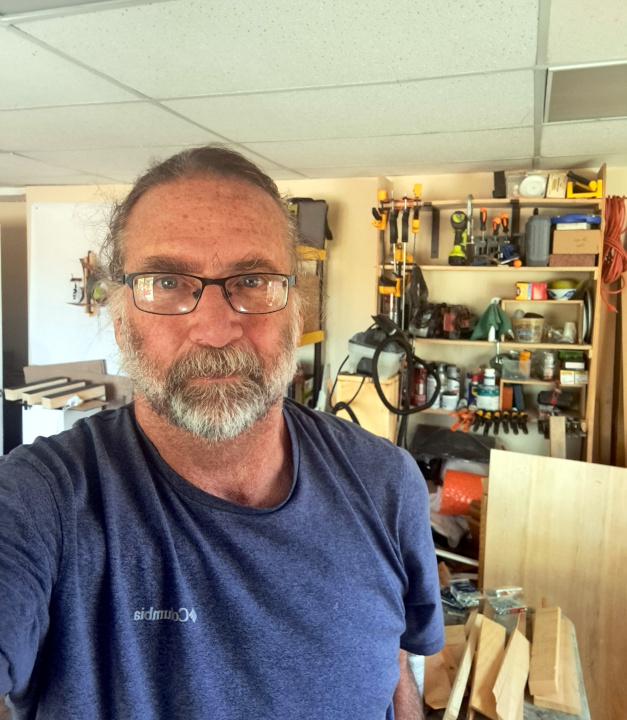
The sculptures I create use a wide variety of materials which translates into a need to have an understanding of a many different fabricating practices. But in making art, craft is more than understanding and knowing how to use the tools. It is also involves problem solving. When a situation occurs, how do we adapt or decide which tool would be best. This education started early for me. When I was young, I spent a lot of time visiting my family on their farm/ranch. Theoretically, these were vacations but on a farm, there are always chores to be done and we were a good source of cheap labor. This is where I was introduced to tool usage and problem solving. My first formal introduction into how to use the implements that I would later depend on to make my art was in my Junior High shop class. Here is where I learned how to use the equipment and learned about materials. I mostly remember the metal side learning gas and stick welding and forging techniques used to make my own tools. I still have a screw driver made from scrap pieces. We also learned how to work with wood and all of the saws used in processing it. The teacher also introduced Plexiglas and tin where as teenagers, we made our Ninja throwing stars. (not a class project). We even had to tear apart and re-assemble a small motor. Read more>>
Fili Filizzola

I’ve been in love with music ever since I can remember. I started playing guitar when I was 11 and haven’t looked back since. It wasn’t just the music that appealed to me, it was the attitude, the visuals, the self expression that was possible on stage or when performing. Learning something as complex as the guitar, or any instrument really takes a lot of dedication. You have to really want it. The motivation has to come from within or else it will just seem like too high of a mountain to climb. The more I studied guitar and the more I learned, the more I wanted to learn and the more I wanted to master it and become better. The challenge excited me. A big part of learning a craft is setting goals and putting in the work every day. Every single day. Knowing what I know now, I would definitely be able to tailor my practice and my music journey in different ways. But that comes from experience. I would have most likely put more emphasis on learning more music and expanding my repertoire more and more from the beginning. There were a few years that I dedicated a lot of time to technique and exercises to improve my technique, which is ultra essential and everybody should do it but I was spending more time practicing the guitar technically than learning music and playing other artists’ music to improve my songwriting/music knowledge. Read more>>
Cole Goodwin

I believe listening and studying all types of music and song structure through my childhood really shaped me as a songwriter. I spent the first few years of my journey writing alone with no cowriters. I think this helped me shape who I am as a writer first and really helped me focus on my craft. My belief is that every songwriter should be able to write a good song by themselves. I still make time to write by myself and continue to hone in on my craft as a songwriter. Looking back on how I have progressed over the years, I think time has been essential to my success. Crafting a skill takes time and work, and I think that combination has really played a big role in my progression as a songwriter. I also think being open to learn and grow is necessary for self-development in this business. On a different note, finding myself as an “artist” has been essential to me. It is important to know what you want to look and sound like from the outside looking in, and I think it is essential to be secure in that before anything else. As far as obstacles along the way, I try to look at them as challenges to get better. I have been fortunate throughout my journey and haven’t really had to navigate many obstacles, and I think that is a due to the great support system I have had since I started. Read more>>
Natresha Moore

I have learned my skills from several ways. I make it a habit to keep myself trained with some of the best. I have been blessed with some great opportunities to be in rooms learning from some of the best and I take those experiences to shape myself and career. Knowing what I know now, I don’t think I would have sped up my learning process because I believe timing is important on life’s path, Having skills to be willing to listen, and remain teachable are valuable in the industry. So having this mindset has taken me far. Obstacles that I have encountered is sometimes distance or time. Some opportunities require travel so timing and distance are important factors. Read more>>
Blindfish

I think anyone creating a graphic novel for the first time probably learns best by reading graphic novels. We all have our favorites writers and artists and there is a lot to learn about plot, pacing, character development, page layout, etc. simply by absorbing the craft from those who seem to know what they are doing. I try to be consciously aware of how other story-telling media works—graphic novels often closely parallel movies in the way they advance a narrative. I’ve previously worked on storyboards which helps one consider how to construct a narrative, how long to run a scene, or where and when to leave the viewer in suspense. I think there is a great advantage to both writing and drawing the panels. this allowed me to rely on my drawing skills to drive the narrative. more often than not I would draw the scene first without really knowing what the text would be. I felt this helped in keeping the action fresh from page to page. Read more>>
Renee Chase

I’ve had a number of careers thus far. It seems that one thing always led to the next and I learned to trust the “conveyor belt” approach to life. I taught myself to sew when I was eleven years old, I never knew if I was doing things correctly, I just did them my way. This carried through when many years later, I switched to working with clay. The skills I used as a patternmaker and fashion designer were transferrable to clay. I have developed an idiosyncratic system to developing my work that I believe in. Now, I feel ready to learn the traditional and “proper” ways of working as I have the experience to use or not use what I learn. I spent 35 years as a teacher of design and only after starting my career in sculpture do I truly understand the impact that a teacher has on a student’s work. My ceramics teachers told me that I could not do what I was doing. They sometimes stood as obstacles to progress. They sometimes stood as examples of what I did not want to create. My stubbornness and ambition was and is my greatest attribute. Read more>>
Danielle Derosa

When I was younger, learning art was never a straightforward process for me. Since art has always interested me, I found new ways to teach myself more about drawing, whether by experimenting, following tutorials, or illustrating as much as possible. Creatively, I was initially directionless, but over the years I learned where to focus my attention. I feel that art grows up with you – you only truly learn more about it once you learn more about yourself. I believe that anyone would agree that if they could go back and change how they approached learning something new, they would. Knowing what I know now, focusing on the fundamentals should have been a bigger priority earlier in my artistic journey. Mastering the basics not only builds a strong foundation but also allows you to take on more complicated artistic concepts. If I had spent more time focusing on the fundamentals, I would have saved myself a lot of frustration along the way. Read more>>
Dara Ricketts

I created my first painting during the pandemic, but my passion for art has always been a significant part of my life. Before then, I primarily focused on drawing with graphite, coloured pencils, and pastels, despite my dislike for the sound of these materials against paper. When the lockdown began, I seized the opportunity to explore painting. I was in my final year of secondary school when COVID struck Ireland, prompting my return to Nigeria for an indefinite break. I used this time to teach myself to paint, recognising that I often fell behind in class because I was limited by the slow process of using pencils. Once I began painting, I quickly fell in love with the medium, especially acrylics. Since then, I’ve devoted most of my time to honing my craft, even enrolling in one of the best art schools in America. Read more>>
Danny Gussman

I started learning to play guitar when I was about 6 or 7, borrowing my dad’s guitar and learning to play some rock and roll. I say “started learning” because I am still learning guitar to this day; music is a lifelong journey with so many genres to explore and master! I picked up a lot of basics back then. I never had formal lessons; my Dad showed me the G, A, and D chords, and I took off from there. I wasn’t consistent about practicing until after high school. Music was something I did to have something to talk about with other musicians in school. Plenty of others knew more advanced things about music, but I was just happy to be part of the conversations! I wish I had started using a metronome sooner. It improved my rhythm and feel immensely; as my friends say, “If the body doesn’t move, then it’s got no groove!” Using a metronome earlier would have been a huge help, but I’m lucky to have caught on sooner rather than later. Read more>>
Marsha Larose

I have been interested in working in media for most of my life. I began my journey in film production, assisting on indie sets, while simultaneously building my career as a model by collaborating with talented photographers. Every project I’ve worked on has shaped my vision as a photographer, and the connections I’ve made have been invaluable for both technical advice and networking opportunities. I don’t feel the need to rush my learning process, I believe I’m progressing at the right pace because every setback has been a chance to gain insight. The ability to connect with people is the most essential skill for me, as I couldn’t achieve my work without the support of my peers. My biggest obstacle has been self-doubt, which often leads creatives to play it too safe or hesitate to share their work out of fear of not being well received. Moving forward, I hope to raise greater confidence in what I create and share. Read more>>
Jamal Smith

I learned photography through YouTube and by going outside and taking photos everyday. I could have sped up that process by talking to other photographers around my area and learning from them. I think some of the most important things I take out of learning the way I did is to just take risk and not be afraid to take a bad photo. An obstacle I faced was imposter syndrome and it really got in the way of getting myself out there and meeting new people and learning. Read more>>
Mark Driver

Learning music production had always been an off-and-on pursuit as long as I can remember, but it wasn’t until I was introduced to digital and electronic production that it really clicked. Back in high-school, I was really into the idea of playing guitar, and my parents were super encouraging. They bought me my first Stratocaster, and I spent hours after school trying to learn songs through tablature. I was also surrounded by friends that were very musically talented. We would jam together and I’d be amazed at the things they could do that felt like a real struggle for me. Though I always had the desire to play and write songs, there was something that just didn’t jive with me trying to be an instrumentalist. It wasn’t until a couple years ago I met a really talented electronic producer, and they opened up a whole new world of computerized production for me that felt immediately natural. Read more>>
Margie Dotson

Learning the photography industry has been quite the adventure, and there’s always more room for growth! I learned photography over the last 10 years through a mix of formal education, countless hours of practice, and a whole lot of trial and error. One pivotal step in my journey was completing a year-long boudoir certification program, which really honed my skills and deepened my passion for empowering women. Looking back, I wish I had known that it’s okay to make mistakes – they’re just stepping stones to greatness! If I could go back and give my younger self some advice, I’d say: ‘Girl, invest in workshops and mentorships earlier!’ Connecting with experienced photographers and learning from their journeys could have fast-tracked my growth. Also, I’d tell myself to embrace the digital age sooner – those editing skills are gold! Read more>>
Timothy Marley

I’ve been a student of hip hop since a kid. Growing up listening to Biggie and Jay Z really inspired my creative side. My mom said that I always wrote poems when I was a kid, so I was kind of a natural so to speak. The skills I picked up were from recording in high school, working as a DJ, and a board op at our local radio station. I’ve been fighting the feeling for so long, and finally gave in. I started taking my craft seriously a year or so ago. The only obstacles that I’ve found was my ego and self doubt. Once I learned how to deal with that, I started making progress in the craft. Read more>>
Kai Mitchell

I first got into producing music in my Junior year of high school. My friends and I would experiment with different softwares such as FL Studio, Logic, and Ableton. For a few years before college, I was primarily self-taught, YouTube tutorials quickly became my best friend. I got accepted into the music program at Elon University, and continued to teach myself production methods during my time at school. I studied Music Production and Recording Arts at Elon. This major program helped me learn a great deal about the ins and outs of recording studios, digital and analog production processes, live sound mixing, and much more. With my time at college, I continued to educate myself in my free time about my DAW (Digital Audio Workstation) of choice: FL Studio. I became quite proficient at producing electronic music, beats, lofi, and film score/cinematic works. I also discovered a new passion of mine: Audio Post Production. There were several classes in the music program that helped me to discover this, and continue to practice with sound design, film score, foley, and dialogue recording. Read more>>
Dr. Del Aight

I learned to do what I do from childhood—there was always music playing at home, neighbours and the streets. Those early experiences shaped my love for music and inspired me to explore DJ-ing and producing. It’s been a meaningful journey, and I’m grateful to carry that passion into my work today. Knowing what I know now, I realise that having better access to funds, equipment, and support could have really sped up my learning process. It’s all part of the journey, like any other. Those resources make a big difference, but I’ve learned so much along the way, and I wouldn’t trade that experience for anything. I think the most essential skills for me have been creativity and adaptability. Being open to new ideas and willing to experiment has really fuelled my growth. On the flip side, some obstacles included access to quality equipment and sometimes feeling overwhelmed by the sheer amount of information out there. It’s easy to get lost in the details, but pushing through those challenges has been a crucial part of my journey. Read more>>
Ashley Breshears
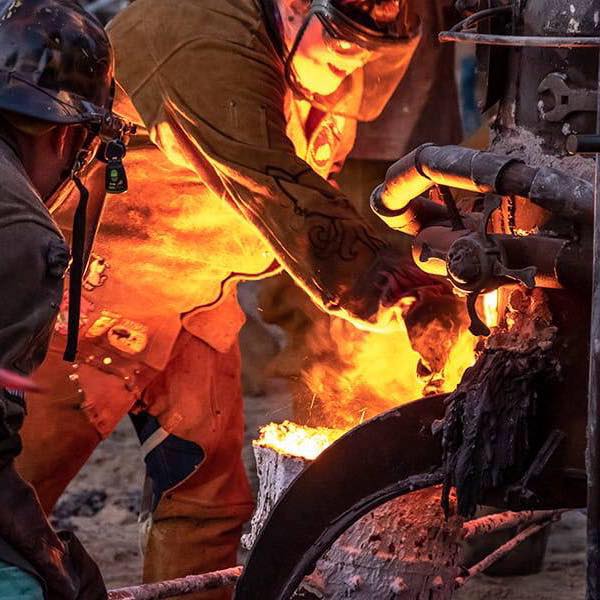
I learned my blacksmithing and metal casting during my undergraduate exploration for my major. I found that the feral nature of the material of iron casting fulfilled my soul and drove my creative interests. The skills I developed through blacksmithing and metal casting I found the most essential is the art of patience. The metal casting process is very time consuming and comes with many steps, so rushing it leads to poor results. The same can be said about blacksmithing, if you rush the smithing process your material will look battered and not clean. Knowing that, there isn’t really anything I could do to speed up the learning process because the way sculpture is made you have to be patient and methodical about the work. The only obstacle that ever got in my way for learning more was my own self-doubt and the lack of confidence in my work. Read more>>
Julian Jones

My quilting practice was born during my graduate studies at Cranbrook Academy of Art. I came with no understanding of textile arts and never knew I would transform into a textile artist literally overnight. I lacked knowledge of the sewing machine, quilt construction, and the lineage behind African American quilting and how my family roots play a vital role within the context. I learned through practice, and an eagerness to thrive within the medium that your art defines your perspective, and no one can confirm that but yourself. My comprehension of art is discovered at my speed. I feel like my understanding of quilting came to me at the right time. I have no regrets about the time spent with discovering my voice within the quilting medium. The skills that were most essential to execute my craft is understanding the theory behind composition and using a sewing machine. I would say that there are no obstacles standing in my way to learn more. I would describe myself as a “go-getter”. If I want to learn a new skill and don’t have the resources, I will figure out a way to learn those skills to the best of my ability. Read more>>
Madhurima Ganguly

Knowing what you know now, what could you have done to speed up your learning process? Nothing. I think I am where I am supposed to be. I chose this profession as part of my life. However my family, my daughter all these plays an important role and how to earn money to sustain the practice is another important factor. So all these teach you a lot with time. What skills do you think were most essential? How to sell your craft. No matter how talented you are you need to beat your own drum and networking networking networking. Learning the logistics. all these are more important than the actual craft itself. What obstacles stood in the way of learning more? Moving. I immigrated to the USA from India in 2011. I didn’t go to college in USA. So I didn’t have any connections or friends. It took severe determination and luck to reach where I am today. You need to know people. But in a continent where you don’t even speak your language it’s so hard to tell your story. Practical obstacles of visa, money, paperworks all these takes your sleep away. Although I feel like I am learning more and more every single day. With each show, each work you learn and implement that to your next project. Learning is forever. Nothing can stop you from learning more. It is just how you approach the process. Read more>>
Spencer Hawkes

I’ve always been interested in illustration, drawing in particular. My first drawing instruction came from my father who is also an illustrator. He showed me how to draw trees, pointed out that the sky is almost always lighter than the ground (even at night) and often asked what I’d done recently in my sketchbook. After high school I decided to study more seriously and I got a degree in illustration. In 2015 I designed my first patch and through trial and error developed a technique and process that I’m pretty comfortable with now. I think I lacked stamina earlier in my career. I moved on from one project to another quite quickly and I think sometimes the designs were worse because of that. Fortunately I have the patience to redraw lines until I’m satisfied, or adjust colors until they’re just right. It would have been great to have more of that care when I was a student, but I don’t think I could really develop it in any other way than through experience over years of drawing. Read more>>
Harley De Oliveira

In my twenties I worked in the fashion industry as an assistant designer at a small design studio in the garment district, where they went the traditional way and I saw how the process is to get a garment in the hands of the consumer. As you probably know, the process goes from: studio, factory, showroom, store and finally to the consumer. In the sustainable world this trajectory is altered because the first obstacle encountered is that most of us fashion designers will never use a factory. The second concern would be the price because each garment is individually crafted by hand and therefore much more time is consumed in production, making the price of this item very high. Besides this, the financial side of going that route is very high and I did not have the budget to follow that structure. I am finding ways to develop a more viable route to come up with solutions for these issues. I knew this type of structure I did not want to follow and that’s when I started making my own path in the industry. Read more>>
Delphine Lippens / Shungi Ono

For self-publishing, and writing children’s books, YouTube has been my go-to resource. One video led to another, raised a question that needed to be addressed in another video, and that kept going. It took hundreds of hours of research, watching videos, learning new skills, new programs, and more to start this journey. There will always be people more intelligent than I am, more talented, more clever, more savvy, more lucky, more successful … so what! I do what I can, with what I can, within my own limited capacities, and create through my own lense. And that’s ok. That’s enough. There is space in the world for what I bring. Even if it can be better and is imperfect! I sometimes need to be taught like a 5 year old, then go from there. Trying to pretend I am more intelligent than I actually am does not serve me or my process. So, what is the actual goal? And that’s how I approach a new craft. Read more>>
Nick The Mystic
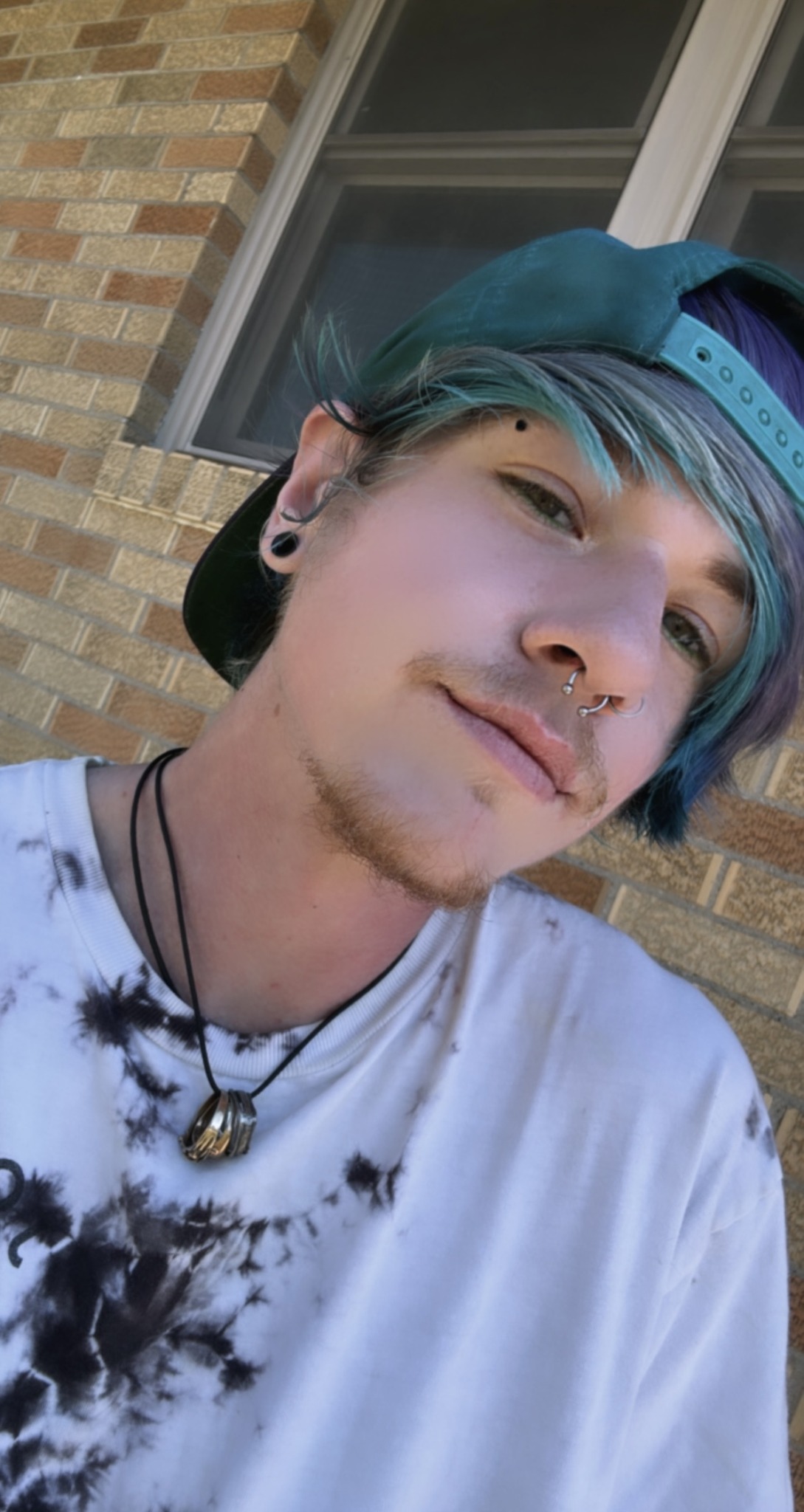
Learning how to be a professional witch embodies many roles, and every practitioner is different! For me, I’ve always felt particularly drawn to the Spirit realm, as well as the energies of the elements and earthly Spirits such as crystals and herbs. While this connection has come naturally to me, learning about spellwork, discovering metaphysical associations to different spiritual materia, and finding divination methods that align with my energy are some of the ways I’ve grown into the practitioner I am today. There are certainly many things I could have done differently to speed up my learning process, but I have enjoyed taking intentional time to nourish and expand my small business and spiritual practice over time with my community. The most monumental ways I’ve learned during this journey have been through connecting with others, finding books and authors that I feel inspired by (Juliet Diaz is my current favorite author!), and practicing divination with my Spirit team. Read more>>
Lucia Rodriguez Perez
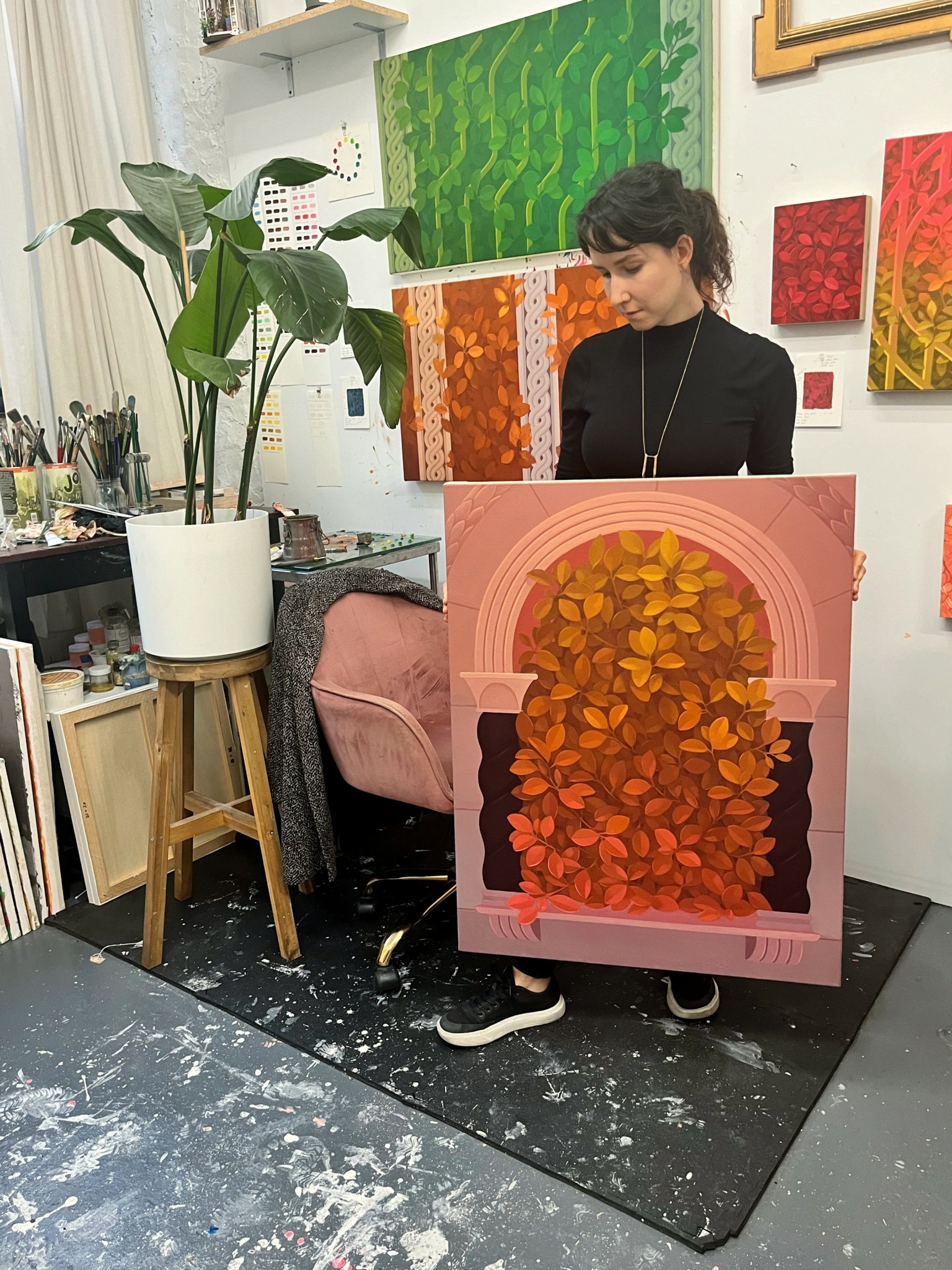
One of the things I love about being an artist is that it is a never-ending learning process. I believe that the hardest part is reaching a point where you know enough to create work that truly reflects what you want to communicate. This involves not only acquiring technical skills but also developing critical thinking. I have been fortunate to participate in programs that encouraged my growth in both of these areas. As a college student, I attended Universidad Católica de Chile in Santiago, where I learned to think about visual communication and artistic processes. Later, I earned my MFA from the New York Academy of Art in NYC, where I had the opportunity to learn from fantastic instructors about drawing, painting, and the broader context of these disciplines. However, my learning did not come solely from traditional programs. A significant part of my development as an artist has involved viewing a lot of art, discussing it with fellow artists and thinkers, allowing other disciplines to influence me, and remaining open to learning and improving. Read more>>
Vanessa McKernan
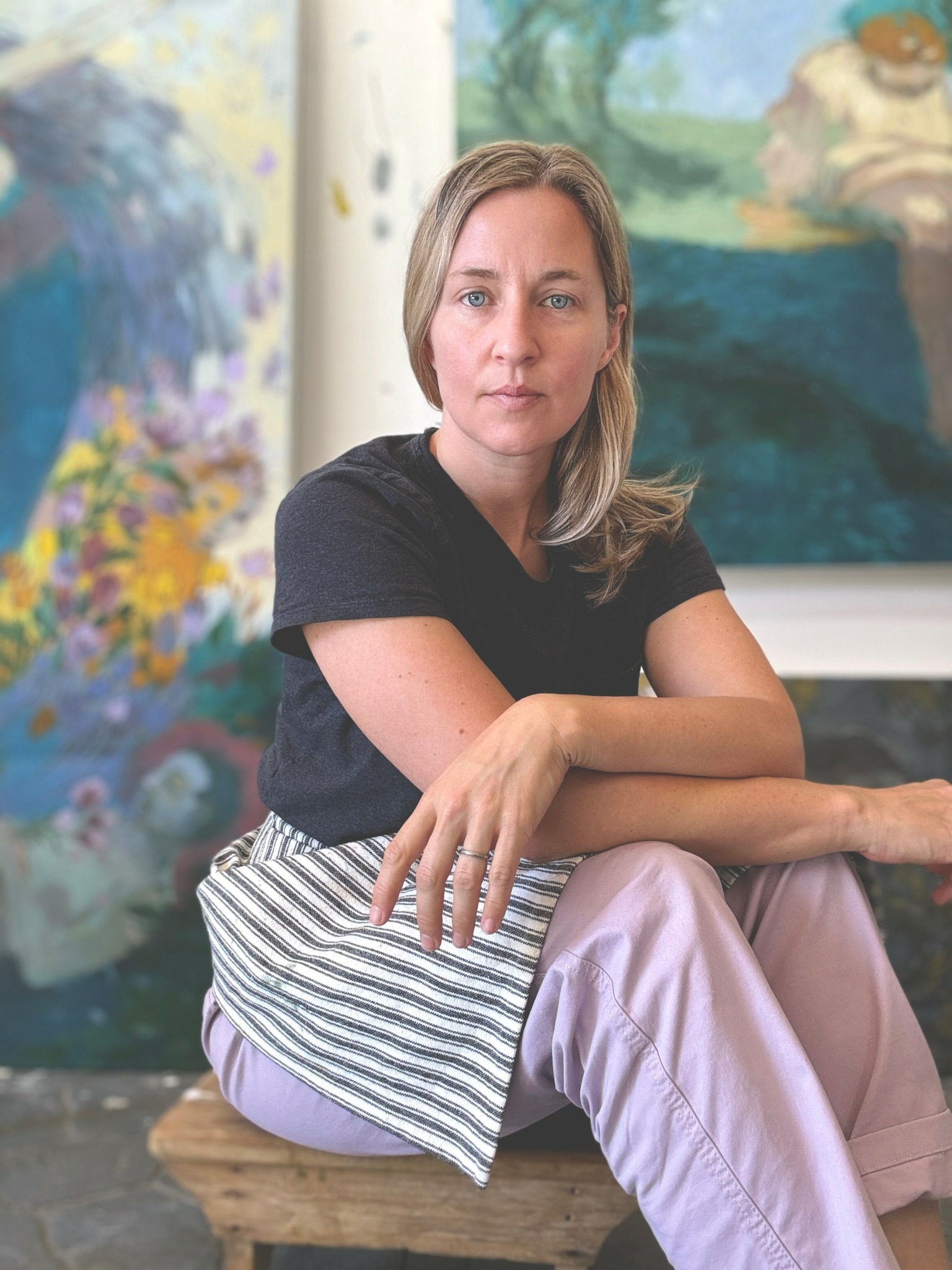
During my undergraduate studies I took a course called materials and methods of the artist with Susan Scott. We learned traditional old school techniques in the class; egg tempera, fresco secco and silverpoint. We also made our own gesso and oil paint. As opposed to making me feel like I had more control over my materials this class really taught me how little I knew. It opened my eyes to the endless possibilities that can come from material exploration. Even now after 20 year of working with oil paint I still feel like I am learning, especially when it comes to color. I don’t think I could have dome anything differently to speed up the process of of learning to paint. I am someone who learns only through doing and that takes the time it takes. Read more>>