


Often there is no book or course to learn how to do what you want to do – so how artists and creatives overcome such challenges? How have some of the most talented artists and creatives in the community managed to learn their craft?
Caito Aase
I studied theatre and performance from a very young age and pursued my bachelor’s in Theatre Arts and French. After graduating, I auditioned a lot for Chicago storefront theatre and had quite a few shows on my resume. While I was doing that, I was taking on-camera classes, as I had never done any film or TV work. I really enjoy taking classes. It keeps you sharp. One of the most crucial elements I learned from my time working as a professional actor is that you really must lean in to being yourself. I think there’s a misconception that actors are completely blank canvases and need to remain so. I worked so hard for so many years at being commercial or mass-market ready – which there’s absolutely nothing wrong with that! – it just isn’t who I am as a person. Allowing myself the freedom to lean in to my edginess opened up a world of performance opportunities for me that I never would have dreamt of. I think if I had hit the ground running just being myself, I may have sped up my learning process more. But hey, that’s just part of it! Read more>>
Rebel Phoenix
I began doing shorts on Facebook about recovering from PTSD and SA and a few went viral. I received an email about a test shoot to start modeling and building a portfolio. I had always had a passion for music, dancing, and had other artistic inclinations, but I saw myself in a new way for the first time. I dove in head first to learn as much as I could about the modeling and fashion world. I learned that a big part of the job is research! I researched every resource I could find. Joining Facebook groups, creating an IG, going to open castings and putting myself out there! Building connections all along the way Read more>>
Yara Estrada Lowe

The moment I realized that I wanted to learn how to make films, I was aggressive in getting on any independent film set I could get my hands on. Over time, I spent a number of years learning various position on “crew.” That’s when I caught the directing bug. Not only because I fell in love directing, but because I felt that it was my biggest strength when it came to working behind the scenes. I don’t think I could have done anything to speed up the learning process. There are so many facets when it comes to the art of filmmaking. When you are first starting out, you really want to soak up all the information and have fun trying out different scenarios to see how things play out. Read more>>
Amy Sawyers-williams
Here is a link to a copy of the below text with links: https://docs.google.com/document/d/10ekYj9wxKktJCSSDK7gePiBAg0A3RjZwsxi_HuYXywE/edit?usp=sharing I am a 40-year-old social practice theatre artist, improv comedian, and mother. By day, I work in college arts administration to pay the bills. If I could travel back and tell my 15-year-old self that, in 25 years, I’d be a social practice artist, she might have rolled her eyes and asked why I didn’t chase Broadway. I’d have to sit her down and explain, as I’m telling you now, what a rich, exciting, and creative journey it’s been—and how I wouldn’t change a thing. As an artist, I identify as an applied theatre artist-practitioner, though I also call myself a social practice theatre artist. Essentially, I co-create artistic experiences with people who crave creativity but may not have access to professional arts opportunities. Using improvisation, storytelling, theatre-making, and poetry—all art forms I deeply love—I help open doors to artistic expression. Read more>>
Jason Lung
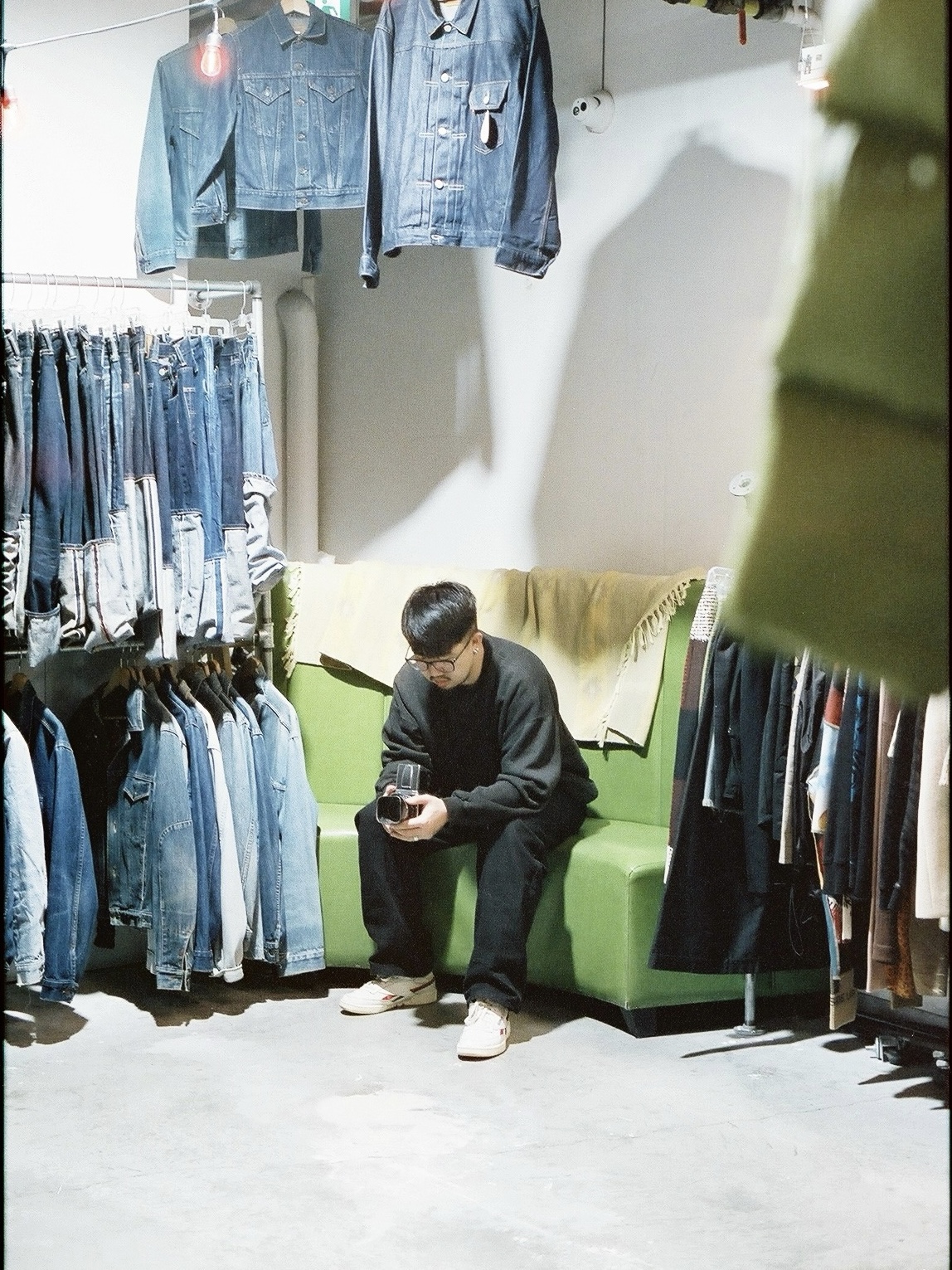
Most of what I currently utilise in terms of technique and skill, especially in music production and writing, are purely a byproduct of my environment. Whether it be the music I listen to, artists I’m inspired by, or the talents of friends I surround myself with. I feel like you have to open up your door to be susceptible to learning and analysing in order to truly grow. I’ve never taken any instrument or production classes outside of/prior to my college classes in Berklee. Yet, I still feel as if 80% of what I actually utilise in my artistry came from analysing the music that inspires me and experimenting with different techniques, whether it be successful or not. There’s no drawbacks to experimenting or stepping out of the box; one can only find their middleground once they’ve reached the edges of their limit. Knowing what I know now, I do wish I experimented more in the earlier stages of college as I didn’t start producing my own music until the third year. Read more>>
Rohan Mudgal
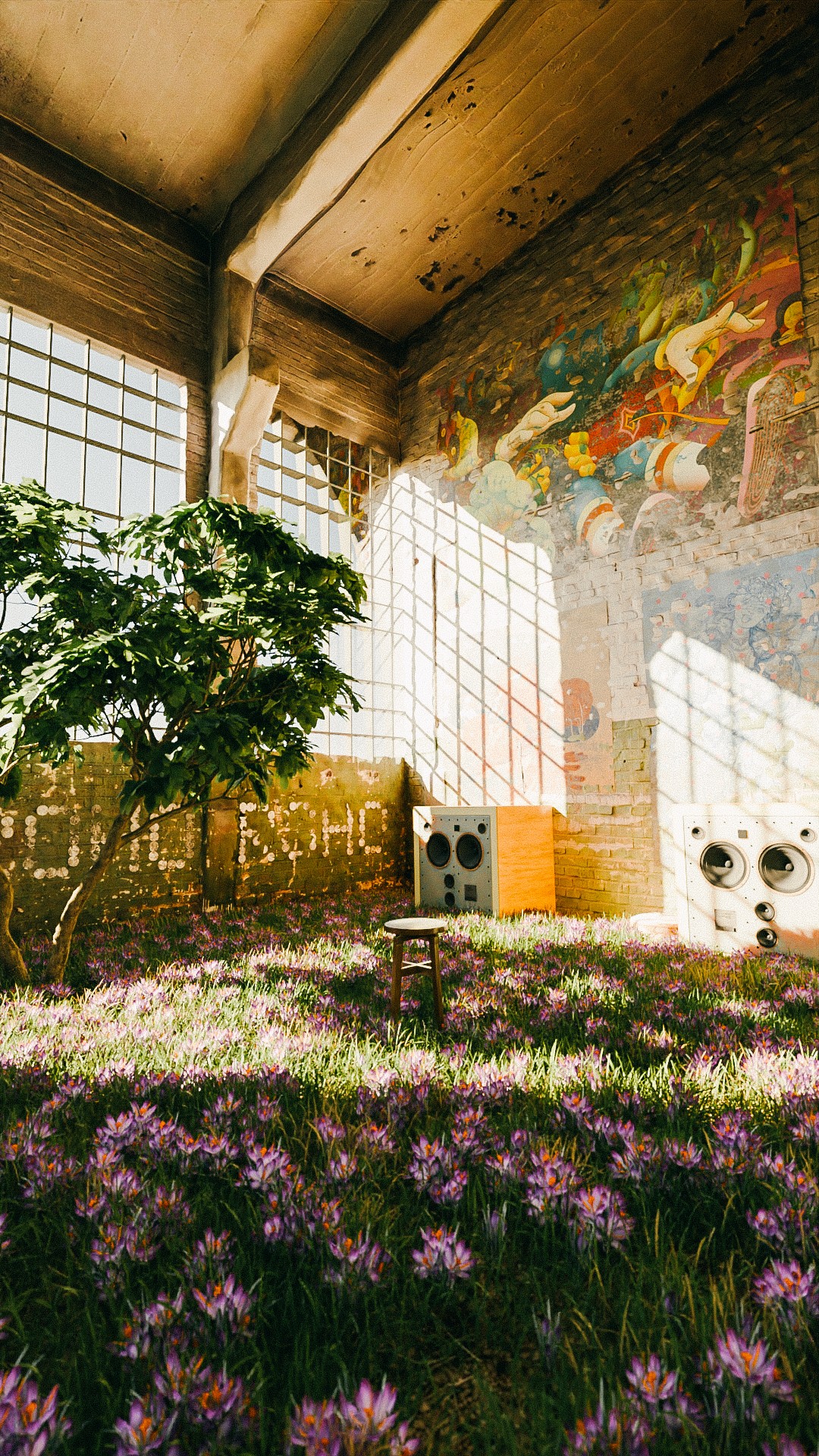
Aside from classical+jazz piano lessons that I took when I young, I am an entirely self taught producer and designer. I learned most of what I know through two methods: Youtube and self exploration. When youre attempting to teach yourself a craft but you suffer from being impatient like I do, it can be tough to follow in depth tutorials or commit yourself to really diving into one specific topic – what I did find endless patience for though was the process of exploring creation softwares on my own and coming to my own conclusions, while developing my own approach. In retrospect, I think I could have benefitted from learning foundational knowledge with a little more discipline so that I would not have wasted as much time learning basic features of my softwares, and so that I would be creating in a more efficient way. The skills that have been most essential to me are deep focus and patience. When you first start out learning to use new mediums to create art through, theres a huge gap between what you would like to make, and what you are actually able to make. The frustration that comes from this divide can definitely discourage artists and convince them that maybe things should be coming more naturally to them, but by remaining endlessly patient and committing to closing the gap between ideation and execution, I slowly but surely found myself feeling more and more in tune with my brain. The obstacles that most often stood in the way of learning more was school & work. As a student in a major completely unrelated to my passions and a worker in a position that didnt fully leverage my creativity, I found it difficult to balance getting my essential work done and still finding time to create from an inspired place. Read more>>
Lard Humungus

I started drawing at a young age, I’ve been doing it my whole life. Once I started, I never stopped. My earliest memories involve drawing with crayons and paper while watching Pee-wee’s Playhouse. All the wacky visuals and random scenarios fueled my creativity. My biggest obstacles were the adults telling me that I would never be able to make a career of my art. I should have told them to go fuck themselves. I wish I had listened to what was in my heart, to keep practicing and pushing myself artistically. I didn’t. I slowed down because I “had to” go to college. I learned soon after graduating, that really wasn’t true. I had the talent all along. The most essentials skills for my artistic growth have been drive and determination. I feel like both came naturally for me. I love art and making art. I always want to get better at making it. Once I realized my art was a tool I could strengthen, I prioritized doing just that. Read more>>
Emily Poli
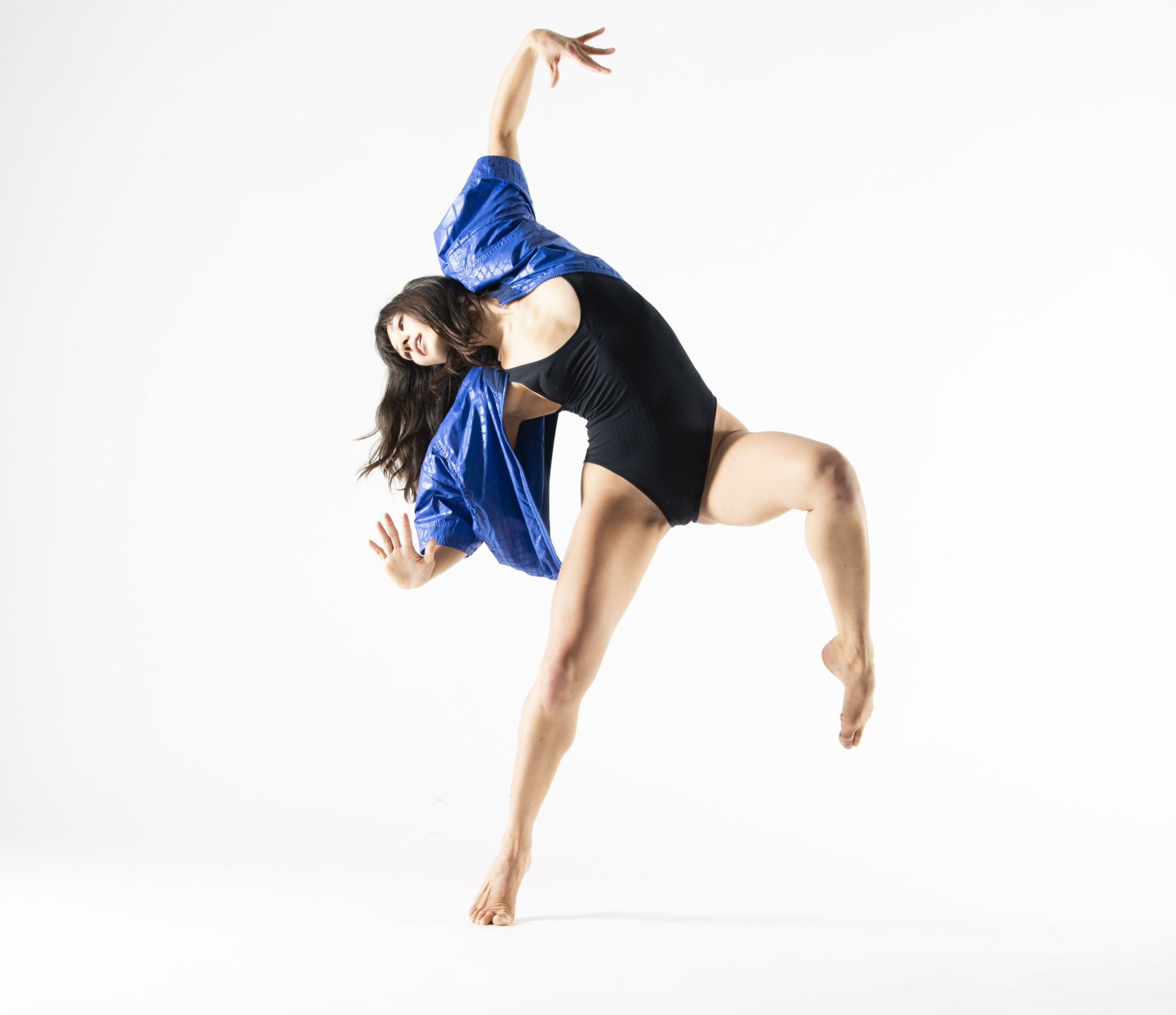
I learned the technical side of dance through attending regular weekly technique classes at a dance studio after regular school, starting around the age of 12 and continuing even now as an adult in the professional level. I started with Jazz and Ballet, eventually adding in Pointe technique, Modern, and Tap. The first 3-5 years of my dance training was focused primarily on the technique and skills, with the annual studio recital at the very end of the year which introduced me to the performance side of dance. I then took the next step by auditioning for collegiate dance programs, which allowed me to continue refining my technique in Ballet, Modern, and Jazz but also introduced me to new dance styles. College also gave me the opportunity to perform more, with multiple show dates and 2 different dance concerts a year. Read more>>
Leuras
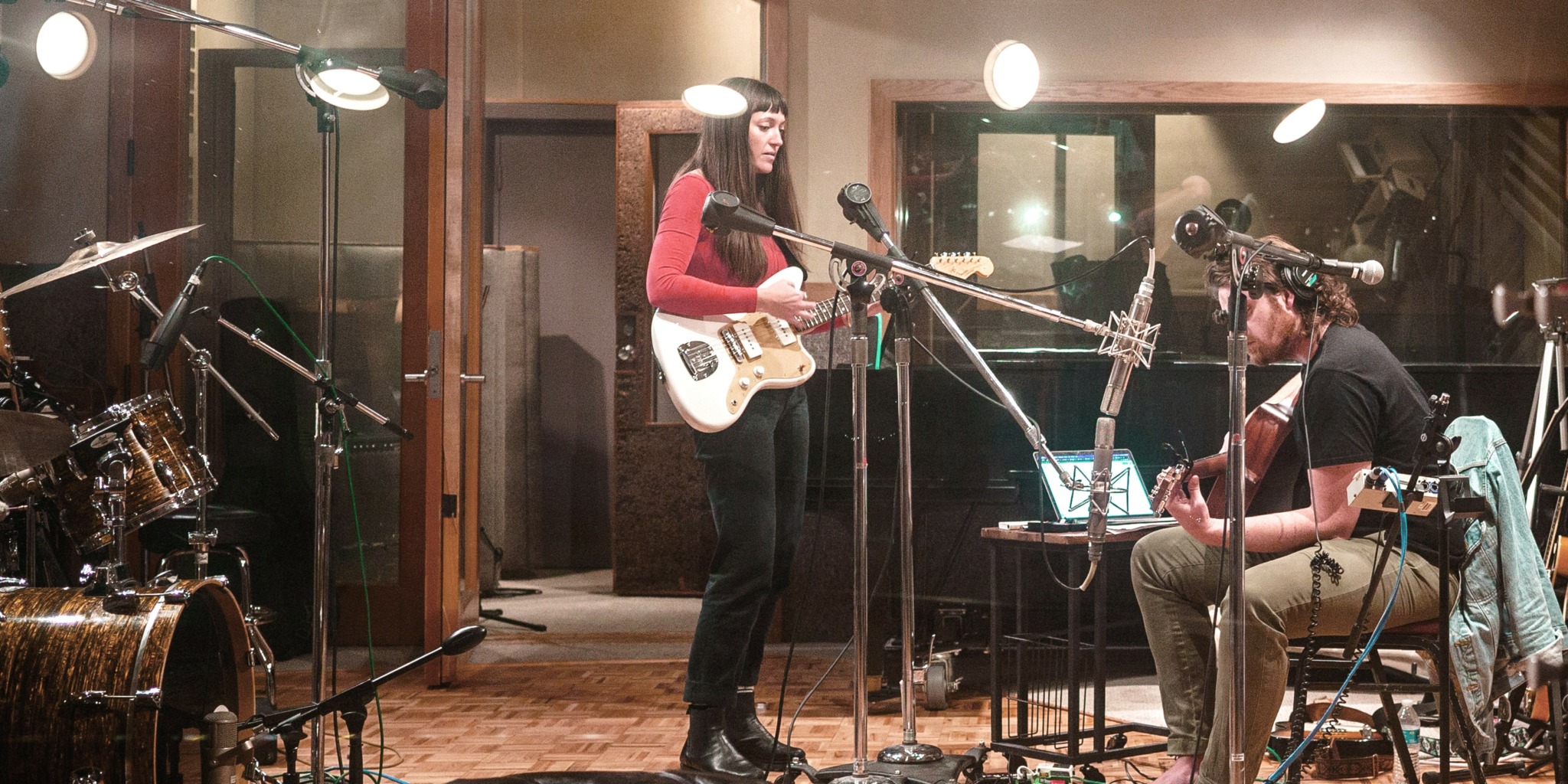
I started playing music at a very young age. Our sunroom was the music room in the house. We had a standup piano, guitars, accordians, a clarinet, saxophone, recorders, bongos, and a few other types of percussion instruments. I learnt how to read music from about the age of five at home through lessons on the piano from my mum. I then moved onto clarinet in primary school in the school band, and then drums in my high school music class, and I did music exams on the saxophone until I was about 16. It wasn’t until my late teens that I started to focus on the guitar and I taught myself how to play by learning Bob Dylan songs, luckily I only needed a few chords. Singing was something I came to later on, and it’s probably something I wish I had started earlier, though songwriting and the stories I tell through my songs are things I probably couldn’t have written at such a young age. They are stories of experience, of adventure. They have come about after reflection. I’m not sure I reflected much as a late teen. Read more>>
Benjamin Beak
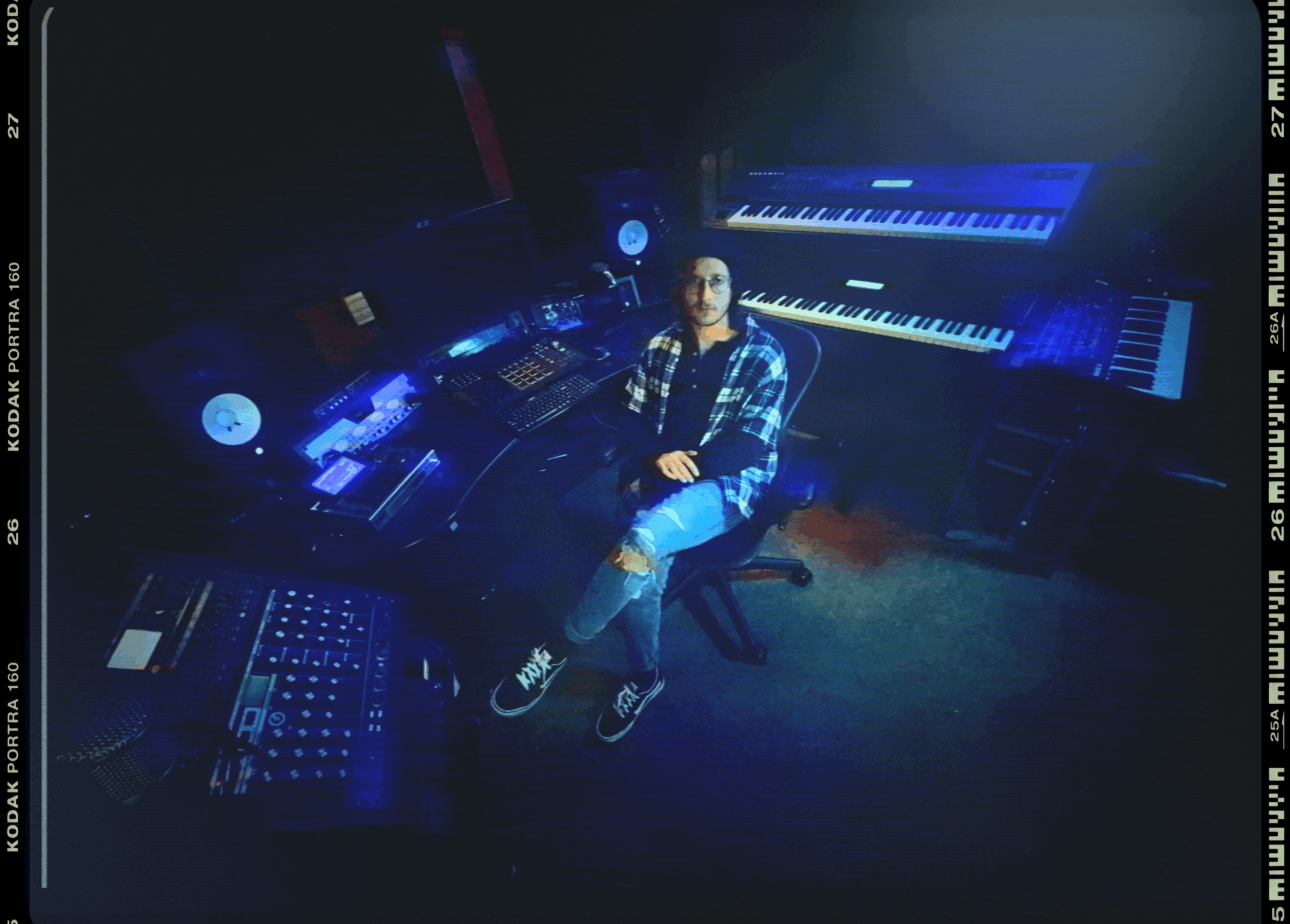
It’s starts from a thirst for knowledge, and the finding of the first seed. You need a foundation, and that can be acquired from school, mentorship, conversations with peers etc. Once that foundation is built, it’s up to you to grow your own tree. When it comes to music, and music production there is a long desert of obscurity that you have to traverse through to create something meaningful, and to capture your own voice. You have to sit in that uncomfortable chrysalis, and really transmutate from within, or you are bound to follow the path of others and echo the same song. Each new skill you hone serves multiple functions, interweaving the web that makes up you as a creative, and serving as inspiration for the next project you bring to life. So you have to be constantly learning and acquiring new methods to actualize your vision, Manuals are your best friend, they don’t beat around the bush. Reading a manual is like Neo learning Kung Fu. You read it, you apply it, and the knowledge is yours. Ask the internet questions, move socratically, and with every answer, a new question will arise that will lead you closer to understanding. Do it everyday, and don’t make excuses. Work on it, and silence the voices around you. Don’t spend all of your time cross training, and just do the thing! The pebbles will form stones, and the stones with create a path, and after a long time crossing the sandstorm, you’ll see the light, and become yourself. Read more>>
Amanda Dwyer
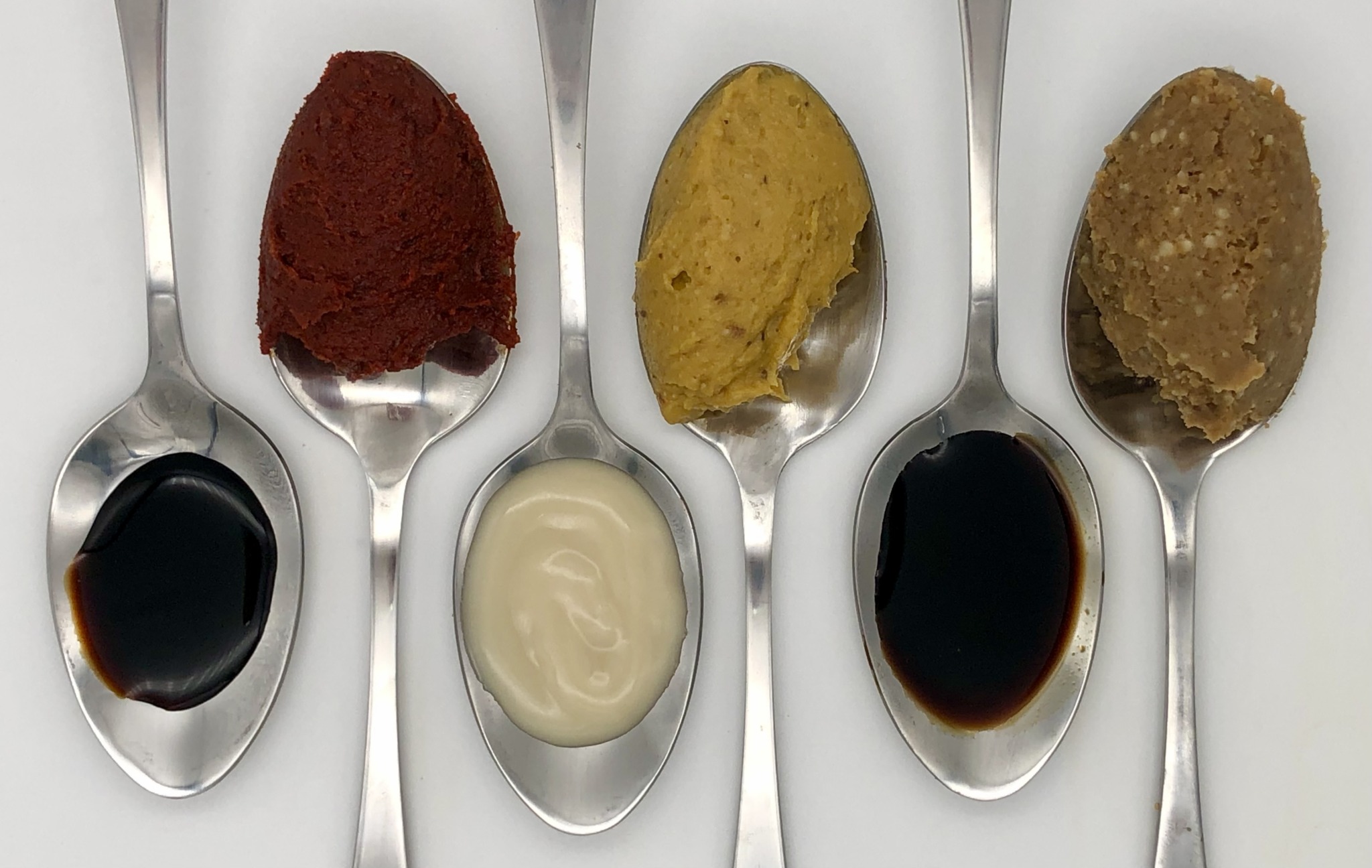
I got into mushroom farming and fermenting miso and soy sauce at the same time, in 2021. My educational background is in clinical lab science, and Mushrooms Naturally, an urban farm that I followed on Instagram, posted an opening for a position in their lab. Luckily they valued my lab experience over the fact that I knew nothing about growing mushrooms! I started learning on the job and reading the big foundational books about mushroom farming, and wrapping my head around cultivating fungus. Then I snagged a book called The Noma Guide to Fermentation off the bookshelf of a chef family member, and was super intrigued to learn how a fungus called Aspergillus oryzae (nicknamed “koji”) can be grown and used to power the fermentation process that makes miso, soy sauce, and sake. I was already growing fungus for my day job, and I started growing koji in my spare time. It’s wild to look back at my first few koji batches, which were incubated on cookie sheets in my oven using the pilot light to maintain temperature and a bowl of water to maintain humidity. Now, I grow koji in a clean lab on 50 pound batches of rice, in a dedicated incubation chamber with heat and humidity controls. Read more>>
Aroj Ahmad
Becoming an influencer kind of just happened to me. I’m so grateful for the journey, it’s been an independent one. I’ve never had any social media manager of any kind or a team to help me. It goes to show all you really need is an iPhone and being authentic to gain a following. People love you the most when you’re just you. Read more>>
Peter Howard
I can honestly say much of my skill set originates from before my leap into film scoring. I was a singer/songwriter for years – as one can probably imagine, the skills involved in songwriting overlap significantly with the skills required to write songs. It actually wasn’t until I moved to Los Angeles in the winter of early 2023 that I decided to make that transition. At the risk of sounding reductive, I think something that could’ve sped up my journey would’ve been to just have *done it* earlier. I’d waffled around with the idea of scoring for years before I finally began to do it, and I imagine if I started dabbling seriously at the age of 20 or 21, I’d be even further along in my career than I currently am. While I think the musicality I gained from songwriting smoothed over the learning period significantly, the ability to analyze and translate a scene into music is something you can only really learn by doing it, and it’s the most important skill in the scoring universe, in a way. Read more>>
Daniel Hutchison
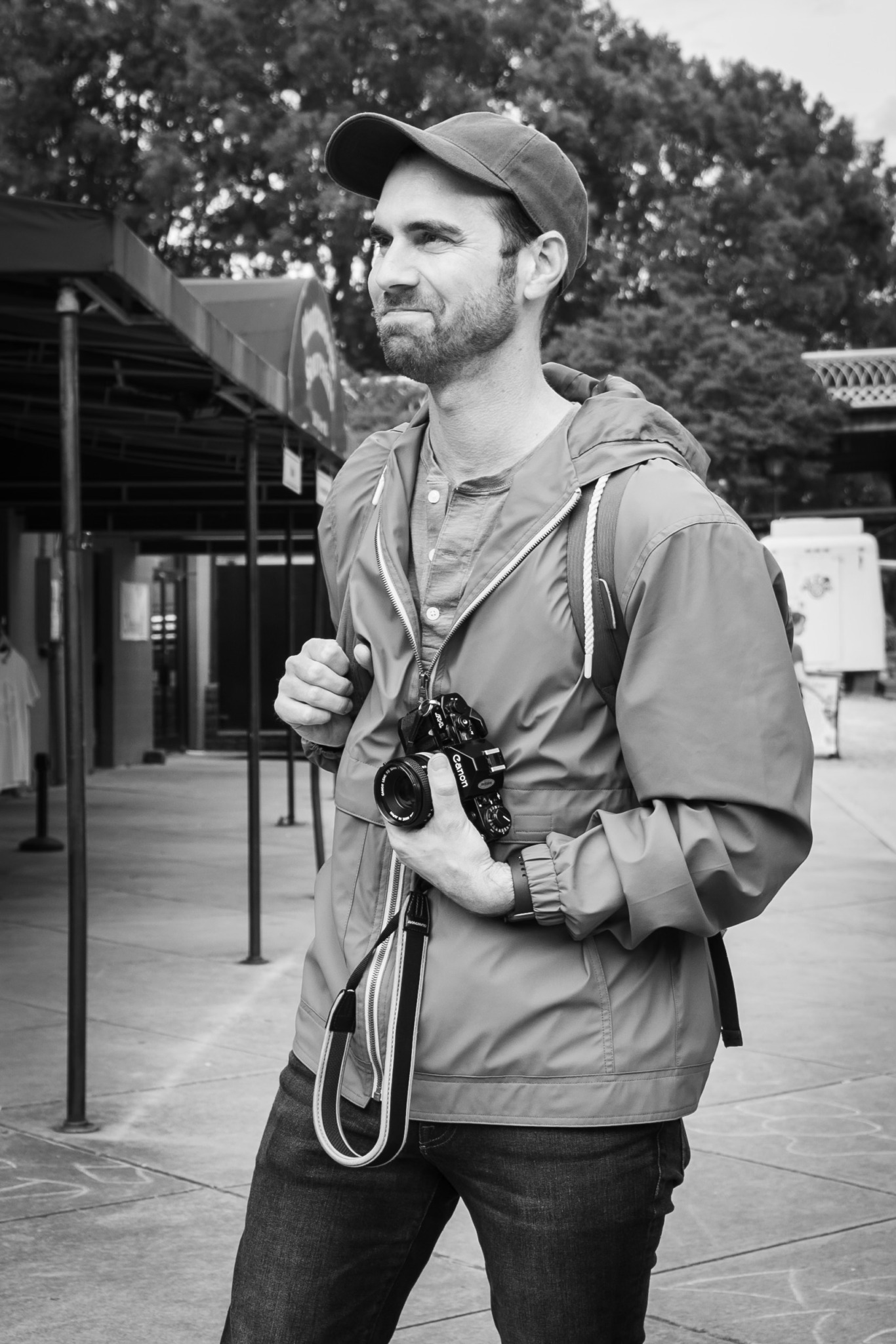
Having only dabbled in film photography, I was surprised to find a small but passionate community in Chattanooga dedicated to film photography and printmaking! I learned from a local photographer how to develop black and white, got a membership to the darkroom here, and started experimenting with color, and – soon – slide film. Having a local darkroom was great for the learning process since I could get (almost) immediate feedback on how my film was developing. I find that looking objectively at your own work along with getting feedback from a supportive community, are some of the most important skills needed. The only thing standing in my way is time to shoot more at this point! Read more>>
Victor Castro

I taught myself photography one summer on a faux La-Z-Boy at the 86th Street Barnes & Noble. After a suicide attempt in college, I spent my outpatient recovery immersing myself in design principles and composition. I devoured books on art history and camera mechanics, and this journey into photography became an essential part of my healing. Besides saving my life, photography became a way to process the pain and events that had left me feeling aimless and disconnected for so long. I believe that people’s talents and awakenings unfold in their own time. Looking back, I see how working on my self-esteem and consistently challenging myself helped my art flourish. How I saw myself affected my self-worth, which, in turn, affected the opportunities I felt I deserved. Breaking that cycle and stepping into situations where I had to adapt and react quickly transformed me into the best version of myself—both as an artist and a person. Read more>>
Jerome Vivona
This is such a complex question. There are so many stages of development and learning and all of that started with a desire to have something uniquely my own that would challenge me and provide opportunity to commit deeply and passionately to the discipline of learning and expanding my own limits. When I was in elementary school, I had a wonderful teacher who saw something in me and placed me into a traveling theater group – we would put on educational plays and musicals based upon fables or short stories and present them in neighboring school districts and community centers; it gave me an understanding of how things were put together and the joy of performing on a stage and for others. Later, in High School I began auditioning for Commercials and Films – requiring me to travel to the city often for “go-see’s and auditions. I had the opportunity to read for the likes of Francis Ford Coppola and Taylor Hackford – but I didn’t have a lot of training at that time my results were mixed. Read more>>
Aviana V
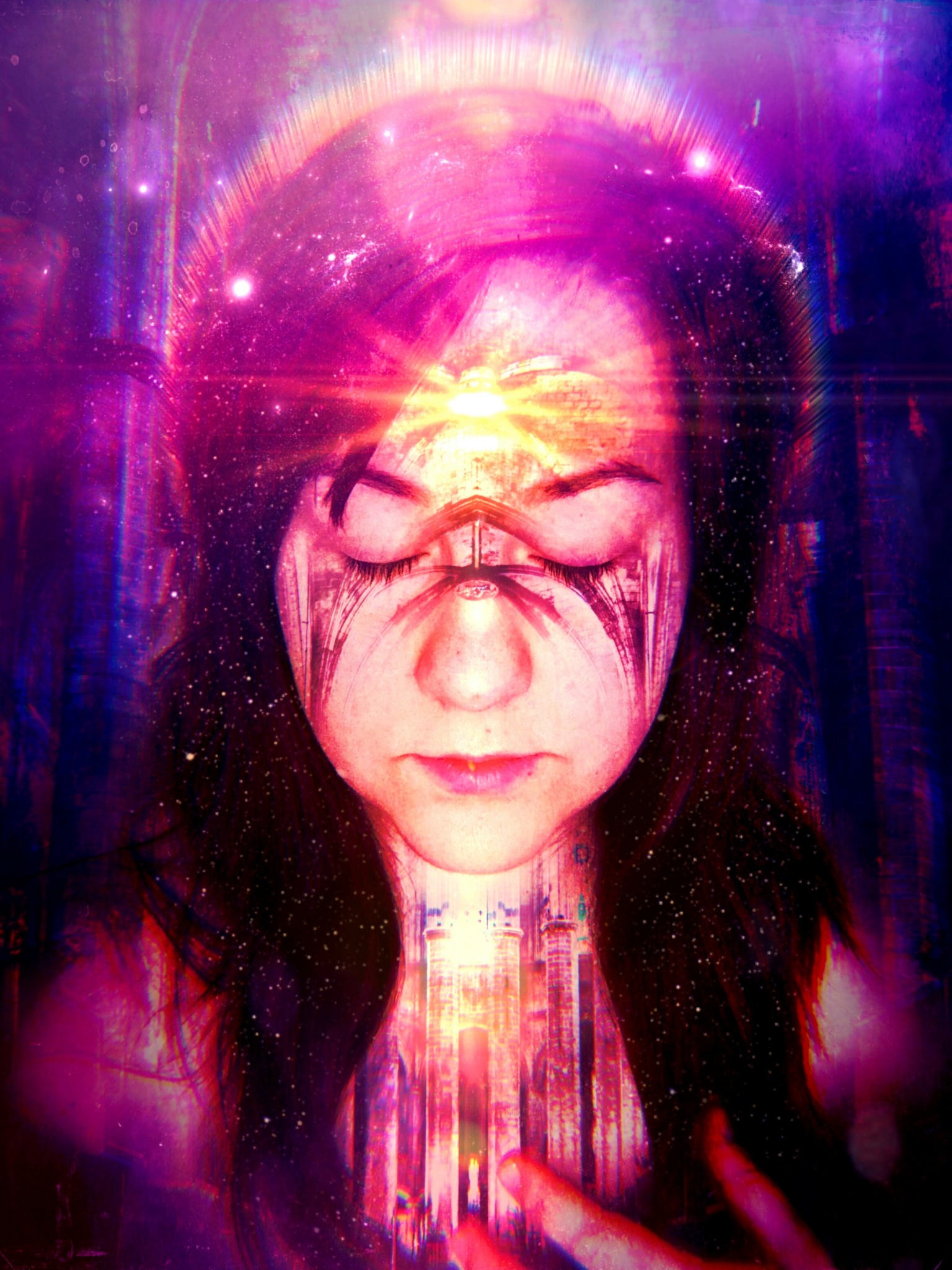
My unique childhood catalyzed an all-in creative~spiritual awakening at 20. We moved often, from Eastern Europe to England to across America, and each year (on average) I started a new school. I had no real sense of home, my connections to people were short-lived, and the world around me seemed perpetually foreign. People shared religious beliefs, cultural and social values that felt like the antithesis to everything I knew to be true. I cared about things like innovation, future technology, and re-imagining society. And at the time, it was rare to find anyone with similar interests. So I began “streaming” my thoughts vocally. I developed a practice I called “Me. Here. Now.” and allowed the constant flow of ideas and insights to find a physical anchor in freestyle audio recordings. Speaking INTO something allowed me to feel heard and more grounded. As a result, I activated my own Genius. After a few minutes of simply speaking out loud the next word that arose on my breath, I would access heightened states of Divine Revelation – and I grew up an Atheist! Over the years, I took the practice of tuning my thoughts to the best possible variation very seriously. Read more>>
Rachel Nerdahl
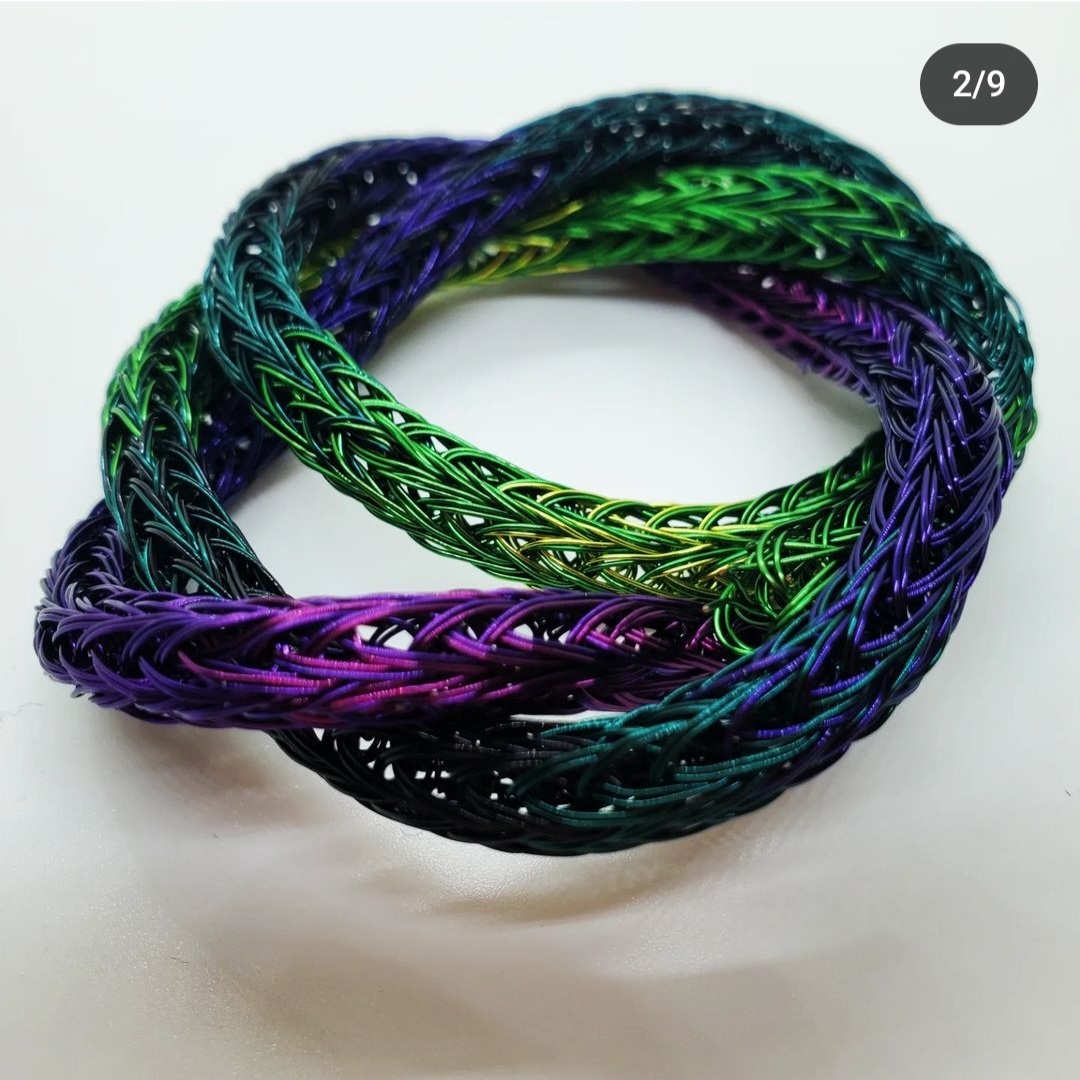
My most unique craft is Viking Knit or Viking Weave. I learned how to do it about 15 years ago from my Grandma and I loved the craft right away. The skill of looping and pulling wire was probably made more intuitive by my youthful love of friendship bracelets and knots, In high school I remember sitting around at a dining table full of boys and teaching them how to make their own. I’ve always loved art and took as many classes as I could in my school days, staying busy with ceramics, beading, or simply doing my nails. As I started learning Viking Knit I had so many ideas but unfortunately there weren’t any websites or videos offering techniques or even photos so I just had to figure it out! Now maybe I could be a resource for someone else. Read more>>
Jessica Lauren
I learned how to style wardrobe by expanding my imagination through playing with Barbie dolls and dressing up in my mom’s and aunt’s clothes and jewelry when I was a little girl. I also found inspiration through the wardrobe selections for Whitley Gilbert’s character in “A Different World.” Representation is so important because I could see myself in Jasmine Guy, who played Whitley Gilbert, and I loved the chic selections she wore as a college student. I also grew up during the era of America’s Top Model and I was so fascinated with the behind-the-scenes aspects of beauty and fashion. I’ve always enjoyed the art of conversation, and I have a genuine curiosity for people and their stories; I was talking before I was walking. As I grew into an adult, I intentionally sharpened my listening skills with the intention of giving people the space to share themselves with ease. With each of these things combined and my discovery that something was missing in the podcast world for the conversations I desired to hear, my podcast was created.
Nichole Meyer

Many people assume that being a Freelance Social Media Specialist is straightforward, but it’s far from simple. Social media involves so much more than just posting regularly. It’s about developing an efficient workflow, crafting unique campaigns, adapting your communication style for different audiences, and constantly thinking outside the box. To fast-track my learning, I immersed myself in online courses on social media marketing and sought inspiration from other entrepreneurs. Early on, I was fortunate to work with some incredible female entrepreneurs who helped shape my skills and approach. The essential skills for social media marketing include graphic design, copywriting, video editing, strategic thinking, community management, and strong communication. One major challenge for social media marketers is navigating the constantly evolving trends and platform updates. Staying current is crucial, and it can be a real hurdle, especially for those just starting out. Read more>>
Joseph Coraggio
I’ve always been extremely into music from a very young age. My Dad showed me lots of different songs/artists growing up, and he noticed I had a good ear for it and that I would pick up on things very quickly — so he ended up getting me started with Piano lessons when I was about 10 years old, and that continued throughout my teens. This led to me being able to play tons of different songs I enjoyed, but it also got me started in writing some of my own songs as well. Writing was the part that was super exciting for me because you can really let your creativity come through. From there I just had to figure out the technical side of music production, get all the software/instruments I needed, then start to learn. From a production standpoint I learned mostly from various tutorials on the internet & through trial and error — it took a while for me to be able to consistently produce professional sounding tracks from the production side, but luckily for me I already had the music/writing side of things down, which allowed me to progress much quicker than someone who would need to learn both from scratch. Read more>>
Fernando Escobar
I believe I’ve learned my craft by a combination of research, being hands on and knowledge from others. Some obstacles I endured during art college is that I couldn’t learn and stay focused in a traditional classroom environment. During these years I experimented more and realized I excelled by learning with a hands on approach versus a lecture or homework assignments. I noticed I could complete projects faster by making quick mistakes and improving, along with communicating with classmates and understanding their mistakes and improvements. This allowed me to have more time to be creative with my projects and for them to stand out. I was a shy kid growing up so I wish I had my current confidence level growing up, I believe it would’ve helped me speed up the learning process. These skill sets have helped me with the projects I’m currently collaborating with other community members. Read more>>
Rey Fernandez Jr
My journey began early on at El Conservatorio de Las Rosas in Morelia, Mexico, where I studied violin, piano, and trumpet. I was also a part of Los Niños Cantores de Morelia, which really honed my understanding of vocal and choral music from a young age. Later, I moved to the United States to study audio engineering and music production at Miami International University of Art & Design. The transition included tutoring under Narciso Valdes and taking Master Classes from notable figures like Norman Ludwin and Conrad Pope, which deepened my expertise in composition and orchestration. Some obstacles that I had was that from an early age I had to start working to pay the bills, my family was in another country and I was studying while also working, it was a great learning experience because I feel that eventually everyone has to face the challenges of life, some do earlier than others which was my case. Read more>>
Jenna Vannest
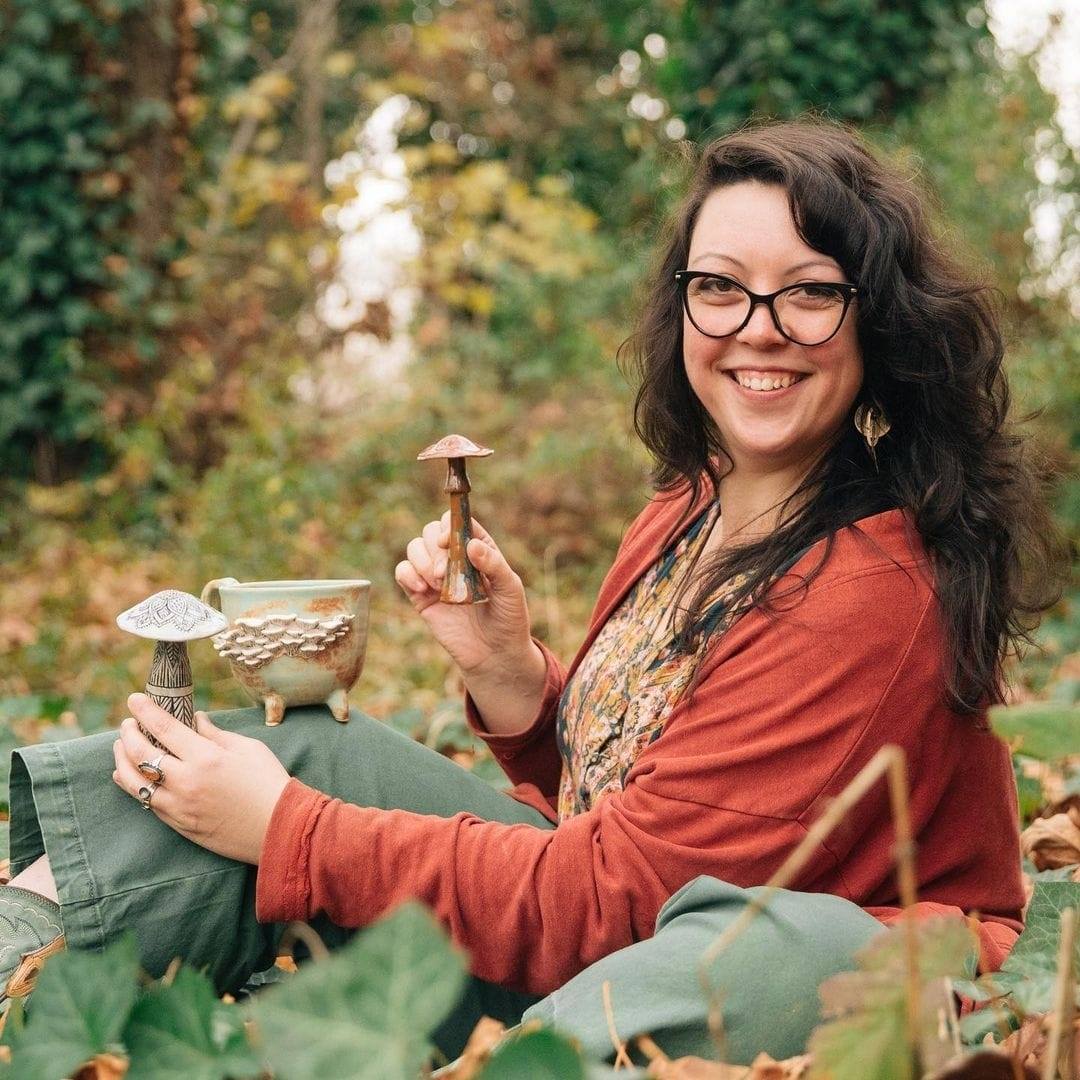
Growing up we are asked by adults: “What do you want to be when you grow up?” My answer has always been “An artist”. At the start of my artistic journey I had learned to knit, crochet & sew by the age of 8 though the urge to learn about other mediums never stopped. At the age of 13 I took my first pottery class and made several ugly little vases and begged my family to let me take more classes but they were too expensive for my family at the time. So I carried on with my other artistic pursuits, but was swayed by family to pursue many other jobs rather than get an art degree. Cut to in 2017, some 16 years after my first ever pottery class, now at the age of 29 I found myself in a new town, had recently lost a close family member and was in need of some grounding. At a local market I saw a flier on a community board for pottery classes. Almost immediately I signed up for the 8 week wheel throwing course. I cannot recall ever picking up a hobby so easily, it feeling so natural while offering a deep therapeutic grounding that I’d so been craving. Read more>>
Aaron Latta-morissette
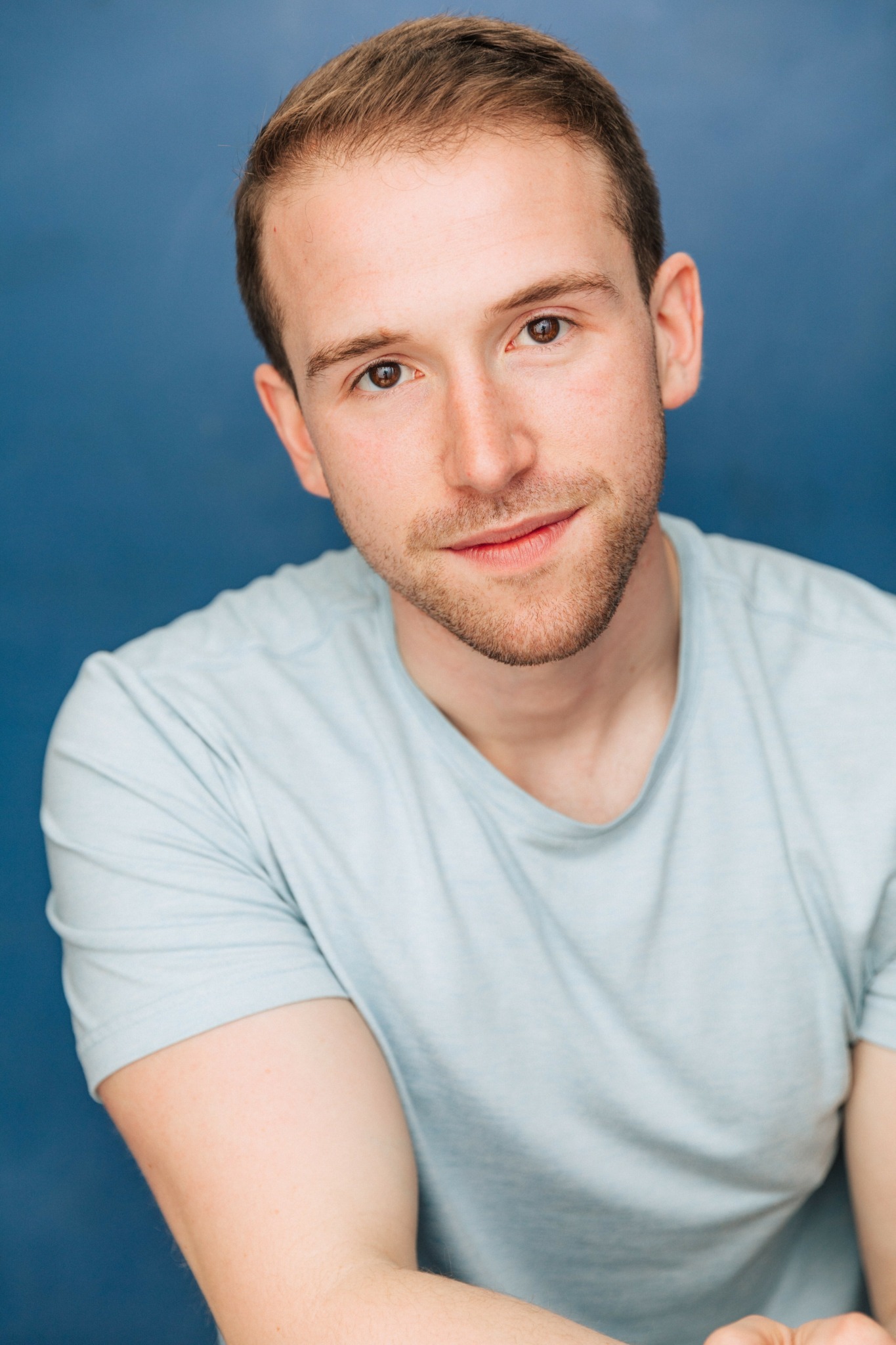
When I first told my Mama that I wanted to be in movies, it was with an air of “…but I know no one can really do that.” Luckily, I was talking to someone who not only saw my true calling from a young age, but also longed for me to pursue it. She sprung into action immediately. Step One for journeying down this uncertain road together: Learn from those that have walked before you. My Mama wanted me to be as prepared as possible for when I left the high school theatre behind me, and began driving me up and down the East Coast (on the weekends and on school days) for me to meet with working actors, filmmakers, and industry professionals across the board. I was soon taking audition classes with my new manager, submitting myself for roles online, and looking into conservatories to further my acting training. The beaches of Delaware where replaced by the city of New York, and the real education would soon come from outside the classroom. Read more>>
Tarek Ziad
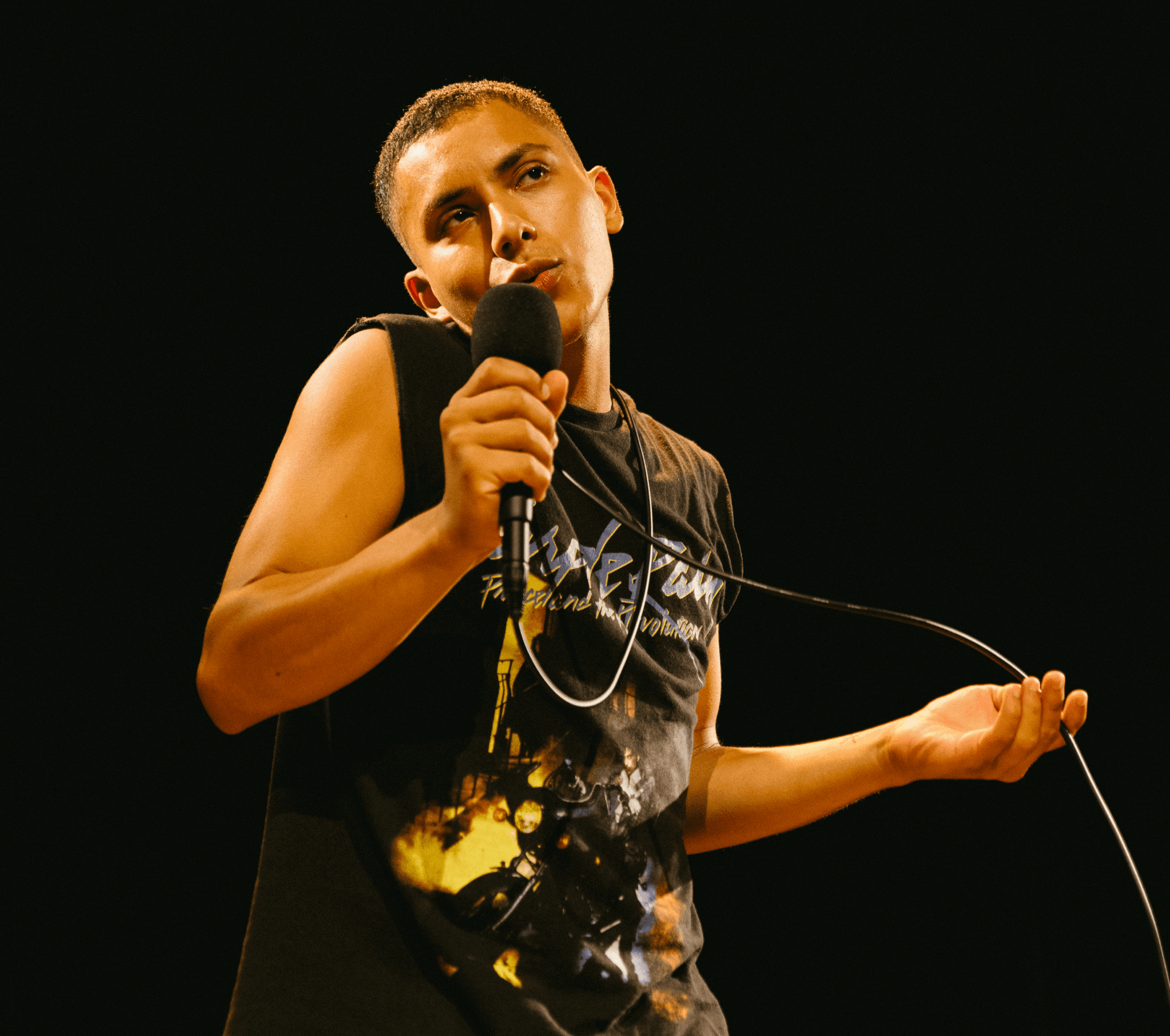
Attending Yale really helped me tremendously. Getting to study under professors from the Yale School of Drama in Shakespeare, Chekhov, Scene Study, Clowning, and more really gave me an insight to the highest caliber of possible performance. While it’s true that the translation from stage training to screen requires some tweaking, it was still an amazing foundation to be given. After graduating into a pandemic, I basically had to figure everything with self taping out on my own, and it was a slow trial and error process of about two years. Only now do I feel like I really have my self taping skills down which are ultimately the most essential in today’s field. If I could have afforded it I’d have loved to pay a coach or class of some kind during the pandemic to teach me everything I needed to know about self taping, but that wasn’t my situation—as is the case for many young actors. Ultimately, as an actor out of school, usually the biggest obstacle to “learning” across the board is money. The industry just has all these cost barriers to entry that can be hard to navigate if you’re not a nepo-baby or don’t come from wealth. But you figure it out! Read more>>
Deshawn Rivers
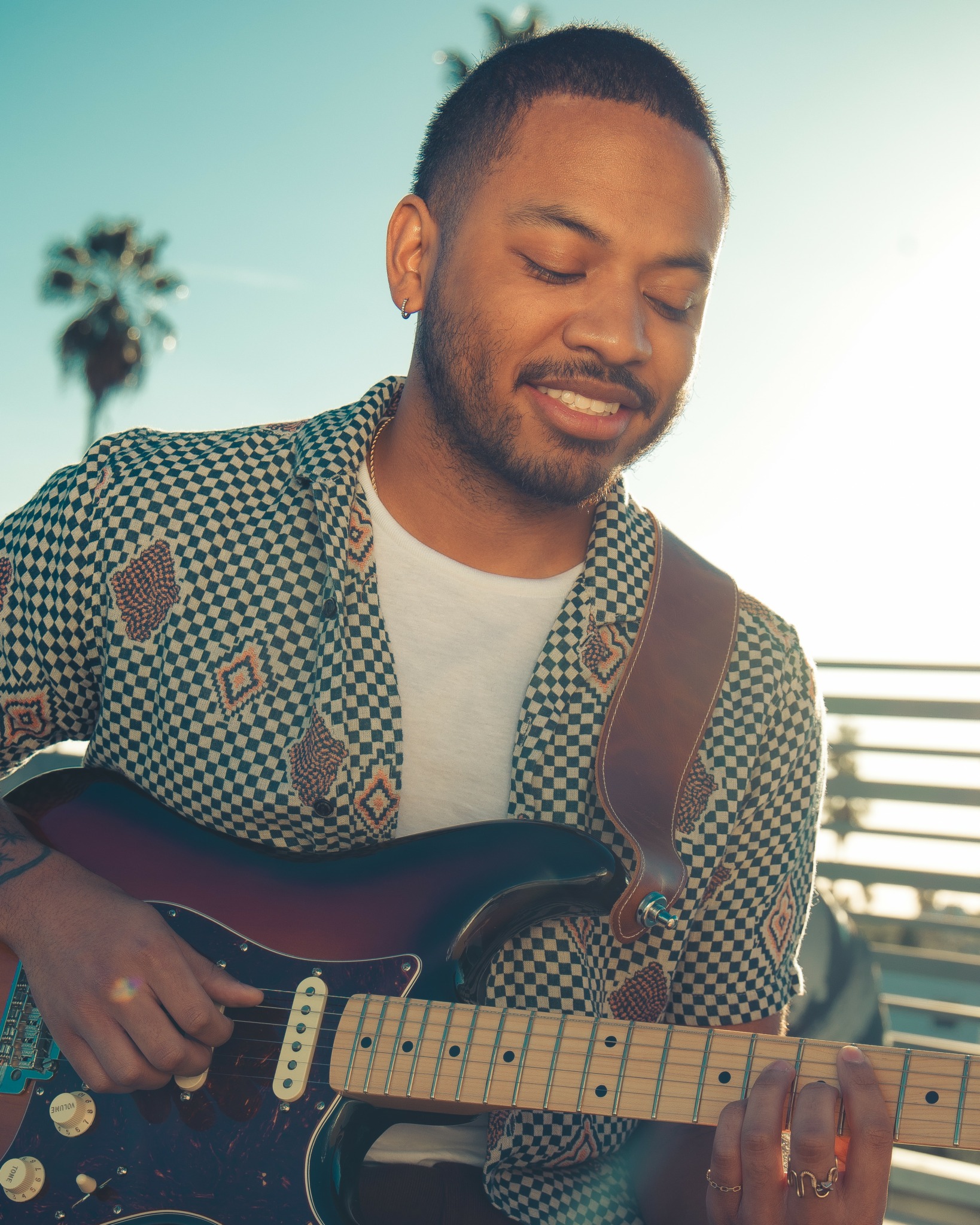
My first introduction to music production was in college when I joined a student organization for electronic producers and DJs. We would meet every week and show our various projects. From this, I learned how to write and produce music from endless experimentation and chasing the fun. It was a highly unstructured process but ultimately essential to my growth because I would not have continued pursuing the craft if the beginnings were filled with rigorous study. The most essential skills I developed were proficiency with Ableton, my digital audio workstation (DAW) of choice, and learning recording techniques. The main obstacle that stood in my way was myself. Feelings of self-doubt have a way of halting progress. In my personal experience, I have found the most growth when I have full confidence in my ability to learn. Once that is satisfied, I will find a way to achieve my learning goals. Read more>>
Atlanta Carrera
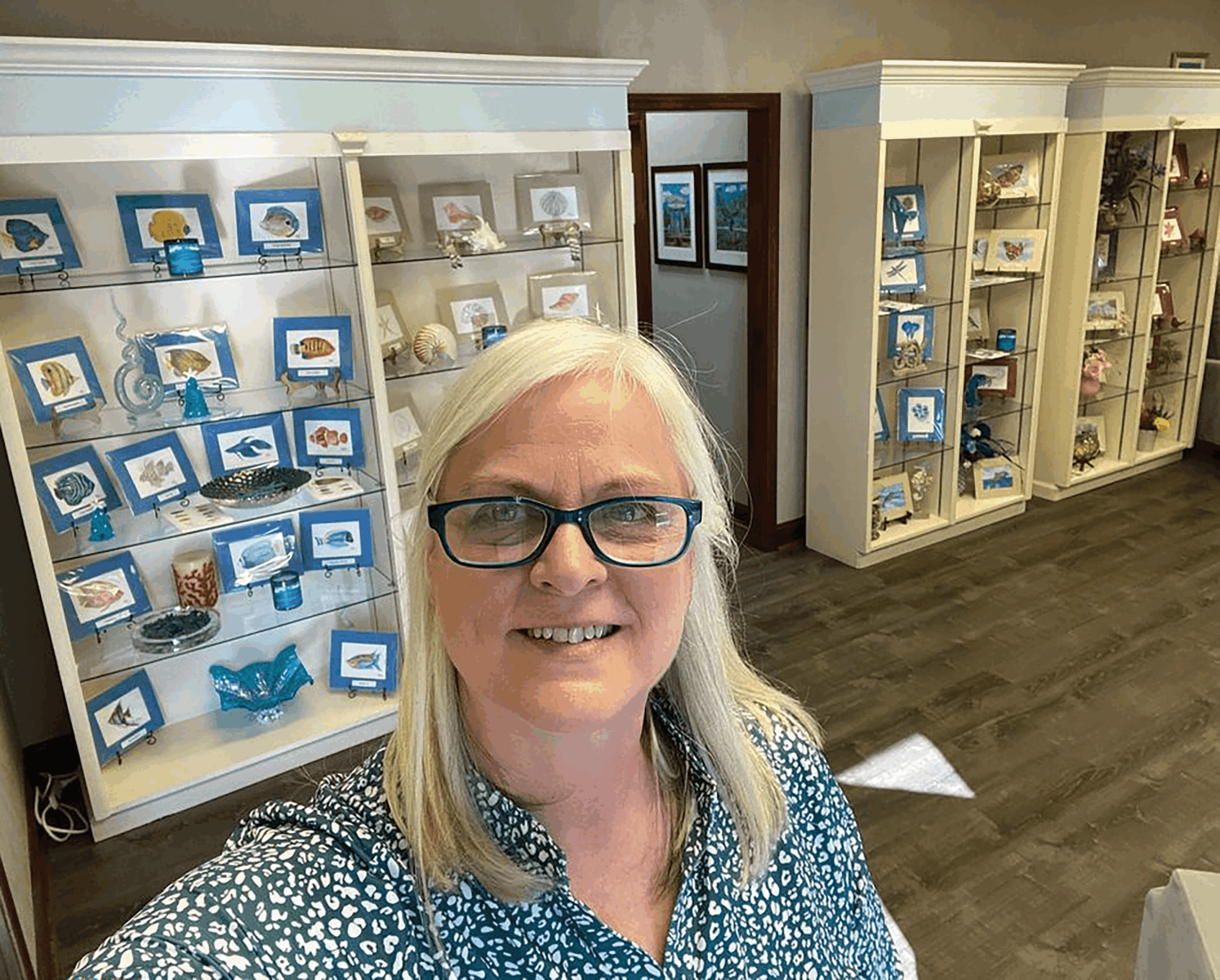
Initially, I would tell people I was self-taught in art, but looking back on it now, I think watching The Joy of Painting with Bob Ross on television was my introduction to the world of painting. I was amazed at how quickly he could produce a painting with the right brush, and even now, I often refer to my own technique as “speed painting.” I attempted my first painting when my oldest daughter was in middle school and needed a family member to also paint something in order to enter the two pieces in the Family Art show at her school. One of my sisters was an artist, so during our weekly lunches, I would bring my painting and get tips from her on what to do next. After that, I was hooked. I would spend any spare time I had on weekends or vacations just trying to paint a little something. Since finding time was my biggest deterrent, I would work art into my lifestyle: drawing and painting while watching television, searching for YouTube videos while on my exercise bike, and planning what art projects to bring on family vacations. Read more>>
Noelle Adedoyin
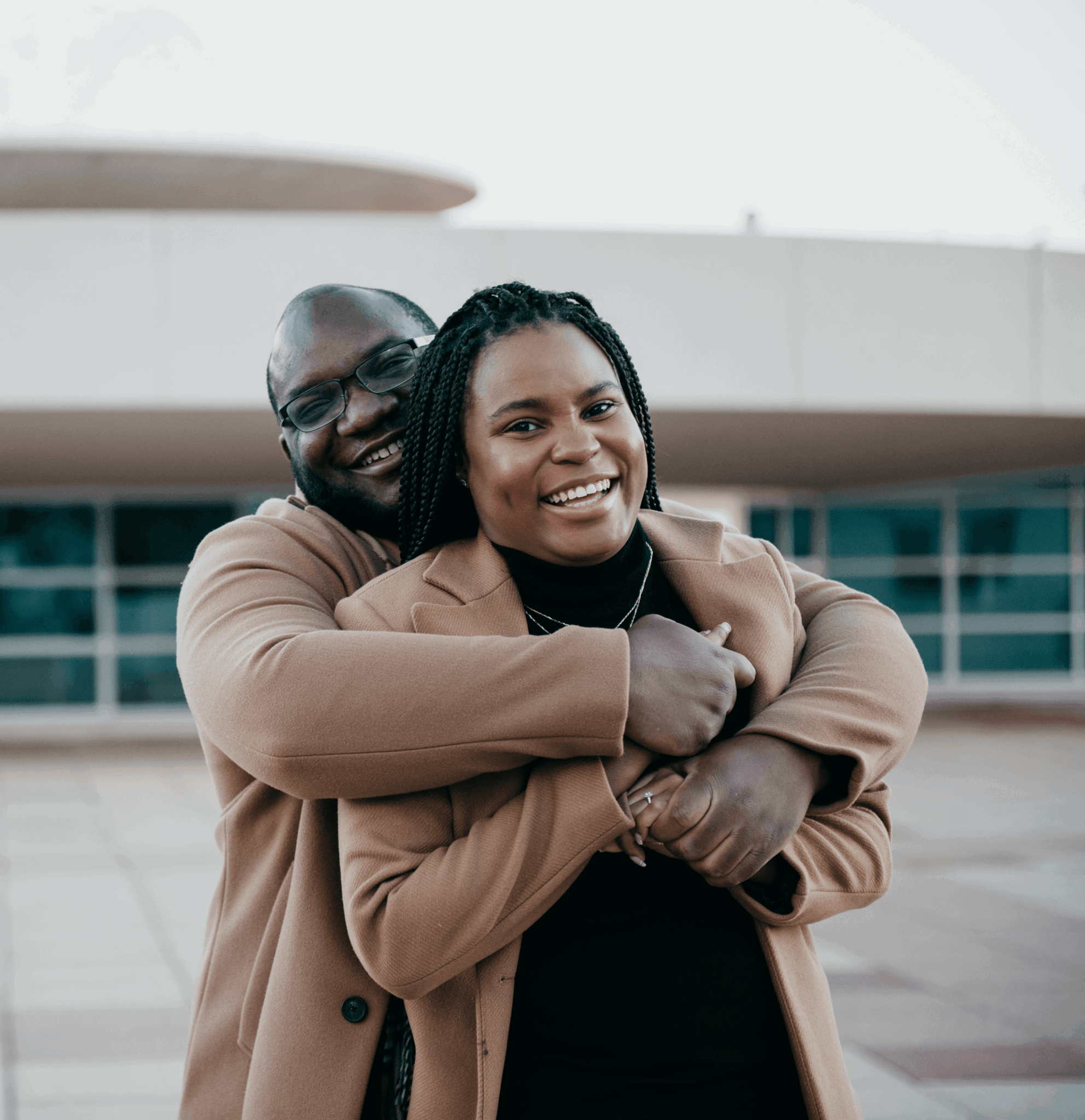
When we created our first reel we felt old. It was hard to understand how edits, what types of footage worked best, and how to make authentic yet engaging content. To speed up our learning process we wish experimented more without fear of posting. Essential skills are creativity, discipline/consistency but also not taking ourselves too seriously Obstacles that stood in the way off learning were time, since we both work full times jobs. Read more>>
Dave Niemitz
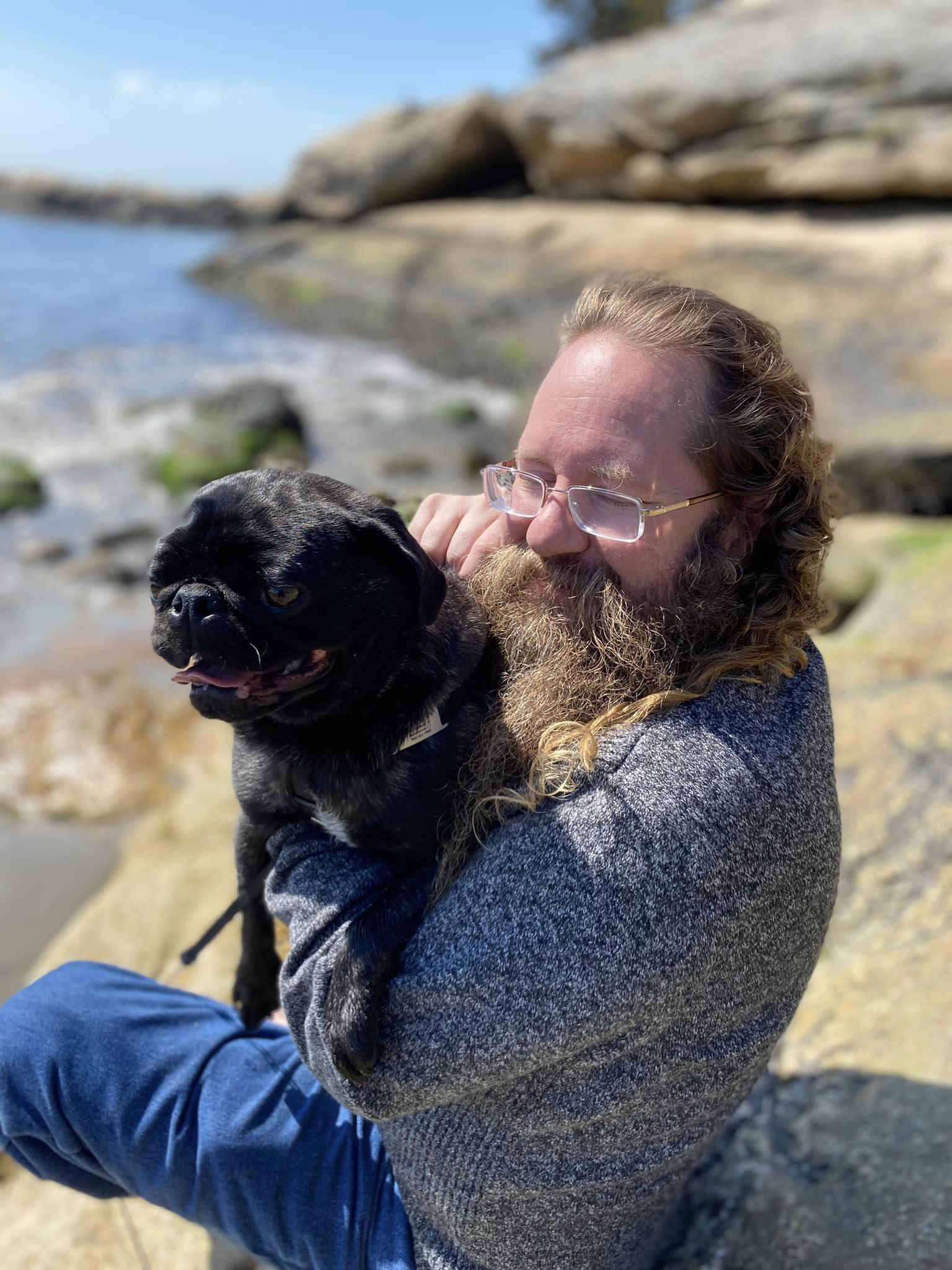
The first piece of learning to write is reading, widely, and understanding your own taste. Engaging with stories told by other people is the first step in creating your own style. The second step, of course, is writing, and I’ve been doing that for thirty years now. I can remember as far back as 4th grade taking a short story assignment from my teacher and turning it into an epic! -in nine year old terms. I took creative writing classes for a minor as an undergrad, and tried to learn from every professor I had, even when we disagreed. As a teacher, I spend much of my time modelling literary analysis for my students, and of course sustained, close study of meaningful texts naturally leads to reflection on your own writing. When I went back for my masters, I chose to study Creative Writing at a graduate level, and my first novel, A Sea Cold and Deep, germinated in New Jersey during a summer weekend at Fairleigh Dickinson. Read more>>
Hayden Boutwell
I’ve been mostly self-taught when it comes to managing my social media and creating content. I didn’t take any formal courses or hire an agency to manage my socials. Instead, I started by observing other successful influencers, analyzing their content, and using resources like YouTube and Instagram to learn the ins and outs of the platforms. I’m still learning every day, as things are constantly evolving. Read more>>
Benjamin (ben) Tuber
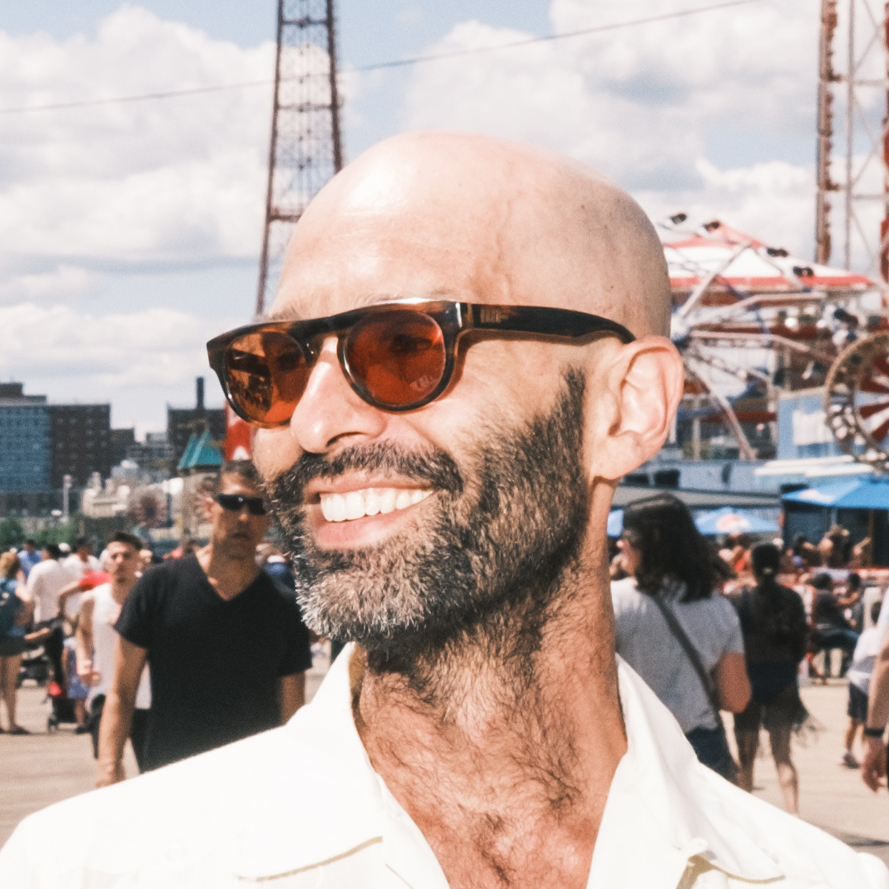
Throughout high school and college, I never thought I would – or could – pursue graphic art as a career. This was partly due to me not having gone to art school, and also due in part to a feeling that graphic art wasn’t a “serious” use of my time but rather just icing on the cake, mere decoration, something my hand did idly while my head spaced out. (I am a compulsive doodler and every time I’ve had to take notes I’ve invariably filled the paper with anything but.) It wasn’t until I was several years out of college and floundering in random day jobs that I showed a notebook full of doodles to a friend, and he, kinda surprised, asked me why I wasn’t doing this for a living. Having no good answer for him, I turned my attention to it. Read more>>
Kara George

– I learned primarily through hands-on experience, managing Opal’s social media accounts. Experimenting with different types of content and seeing what resonates with her followers has been a significant part of my learning journey.
– Additionally, I utilized online courses and resources specifically focused on social media marketing and influencer strategies to build my skills. – Engaging with online communities and networking with other dog influencers provided valuable insights and inspiration. Read more>>
Margarita Bourkova
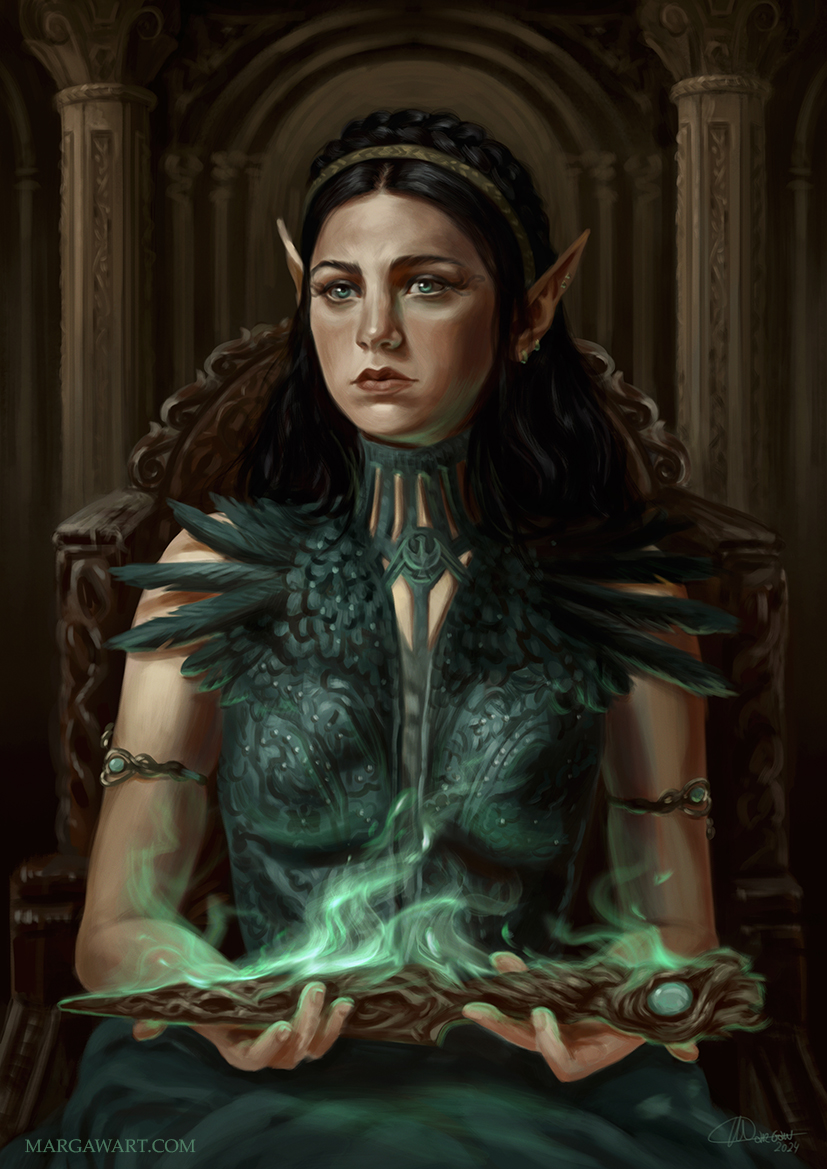
I used to think of myself as “self-taught” because I didn’t go to art school and simply tried to learn how to paint by doing (and failing, a lot). But looking back, I was never quite alone in my pursuit. There was always an art community I could engage with, get support from and where everyone would celebrate each other’s achievements. But it took me some time to realize how precious that is. Read more>>
Giorgio Albanese
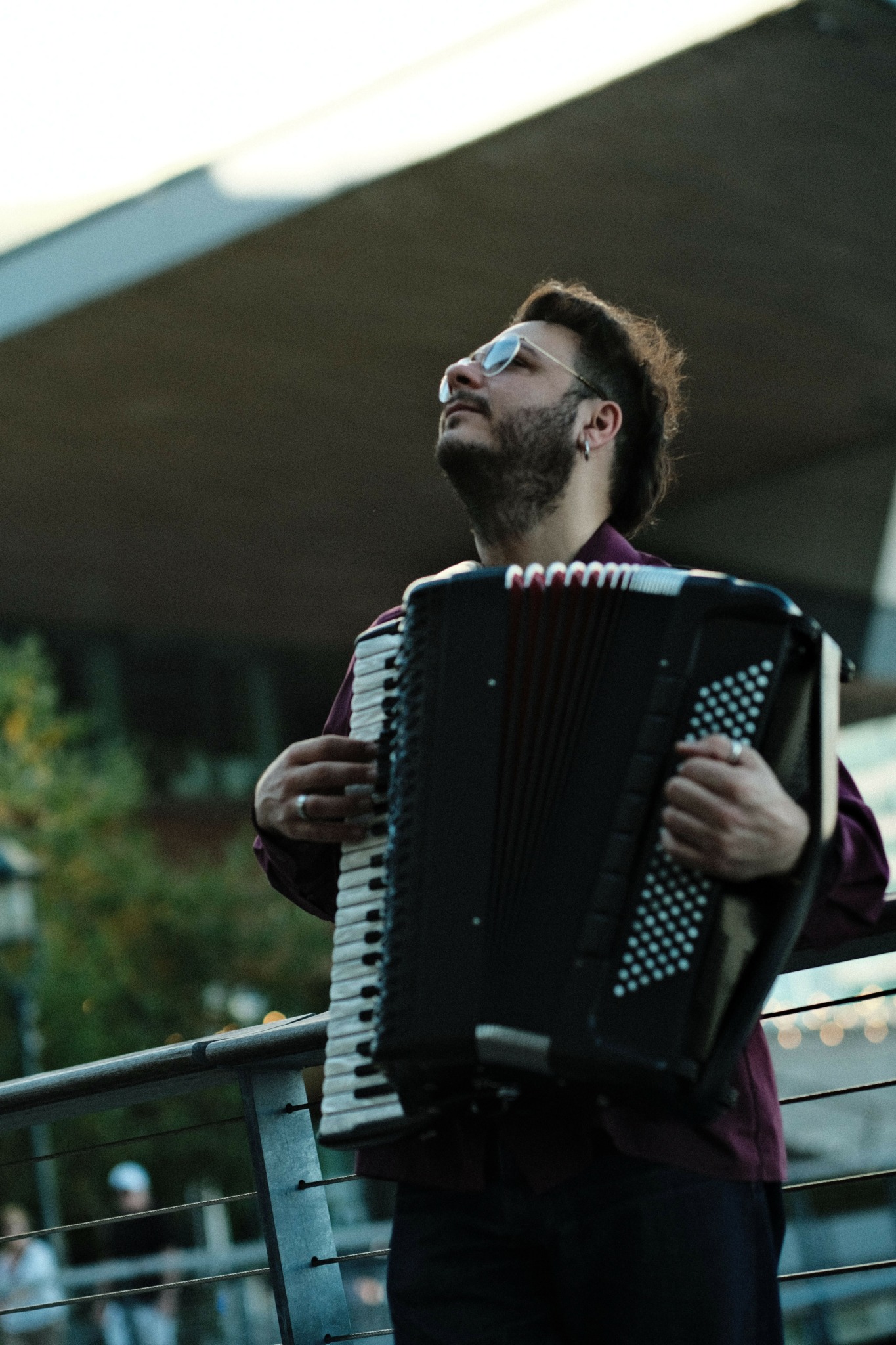
I’ve learned that in music, as in life, you never stop learning. True growth comes from acknowledging that each milestone is just the beginning of a new journey. My path began almost by chance, exploring music for fun, but soon turned into a lifelong pursuit. I took my first steps with the accordion under the guidance of a few teachers, but over time, I realized that I had to become my own teacher. Looking back, I don’t believe there are shortcuts in learning a craft—everyone learns at their own pace. There were moments when having mentors or advisors might have helped me find direction more quickly, especially when I felt lost or uncertain. Working things out on my own slowed down the process at times, but it ultimately deepened my understanding of my craft and shaped my perspective on life. Read more>>
Sydney Tate
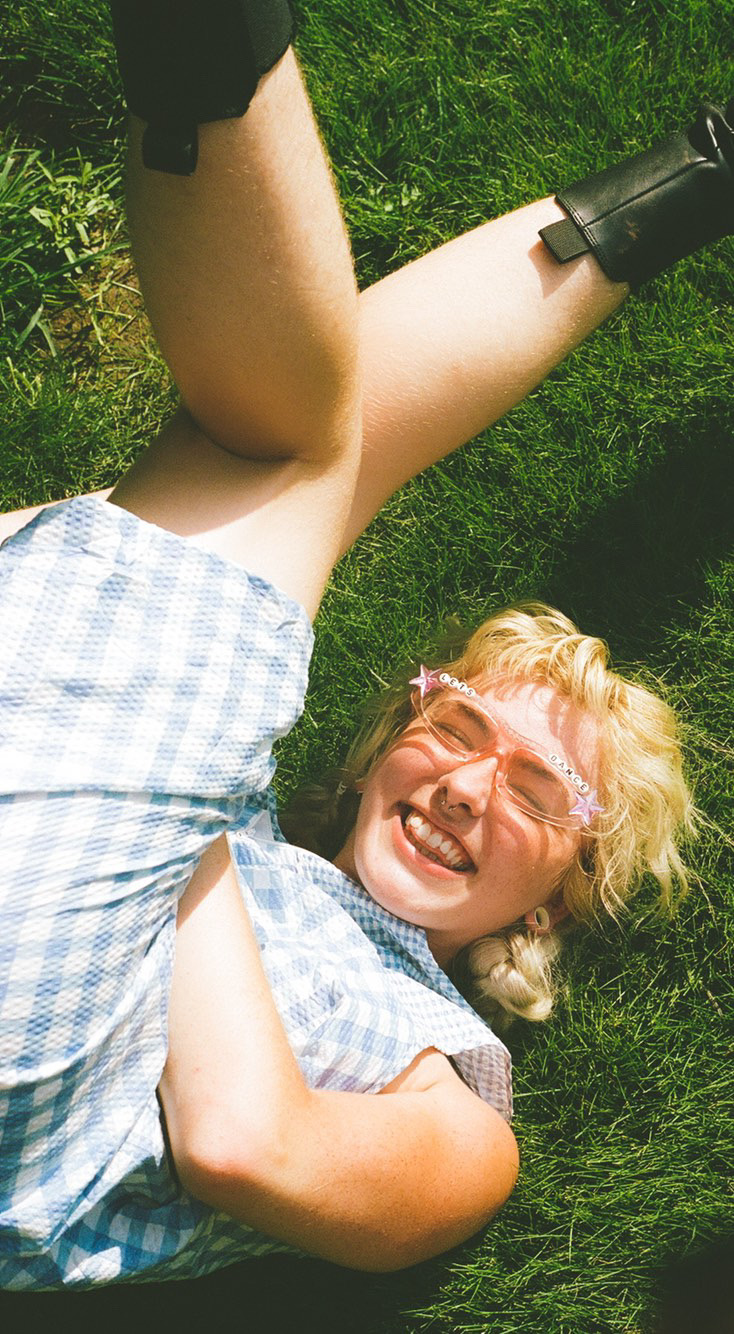
I learned my way into photography, video, and writing by pouring all my discomfort in. When I felt the most emotional turmoil, each outlet acted as catharsis, as I’m sure many other people relate to. I mostly learned by doing. I would sometimes watch tutorial videos or read articles about certain techniques, but I have gained the majority of my knowledge in any field by truly f*cking around and finding out. I’ve always wondered where I would be if I had been able to afford art school or just generally had access to more resources. I have teetered between letting myself feel inspired and wanting to be more diligent, because I think if I took photos every other day, naturally, I would improve a lot faster. Read more>>
Miles Mendenhall
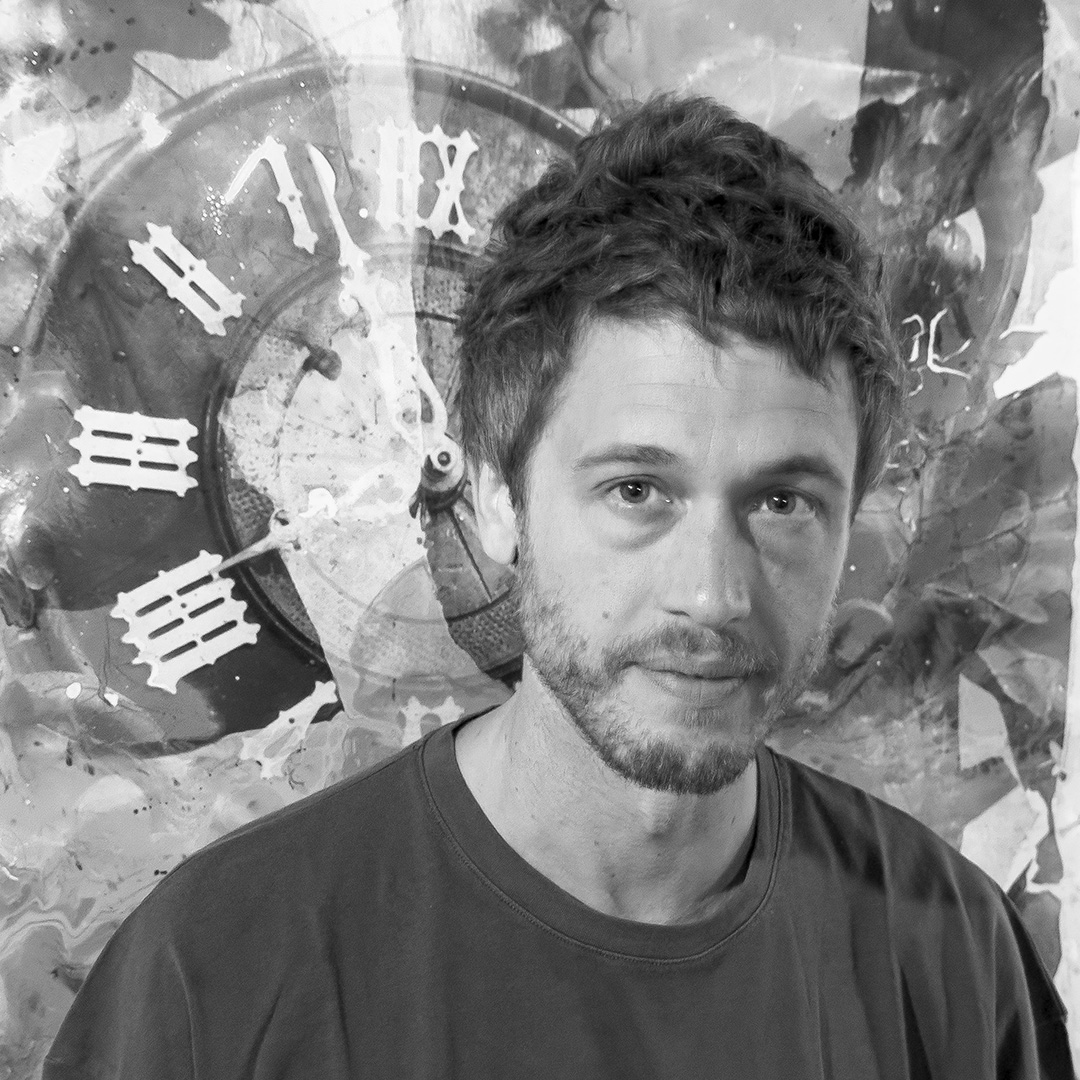
My practice came into being through intensive studies with great teachers. I sought out time and knowledge from a variety of sources, internalized the information and then made my means of production my own. There is little you can do to speed this process up, it took ten years of dedication for me. There is only the hope to lighten the burden of the journey by enjoying your failures, your dead ends – they are necessary parts of your push forward. Celebrating mistakes is a great skill to cultivate, as is your ear for critical dialogue surrounding your work. My most consistent obstacles faced were challenges related to these skills. Read more>>
Aaram Chase

A lot of what I’ve learned came from the art of “trial and error.” When I started making music, it was just me and a couple friends, formerly known as Third World Records, in a closet rapping over the beats either one of us made or beats given to us by Seth Boogie. I learned how to make beats by watching my friend The MZA. He could flip a sample up to par with any of the greats in my opinion. Thus that’s how I started my beat-making journey. I’d grab samples here downloaded and try to do my own thing with them. The first few came out TERRIBLE, but as I grew more accustomed to the program…they got better. I don’t like to say my beats are good because I hate to come off pompous; but some people like them, some artists have recorded over them. I mostly used them to have something rap on when the time came and to grow more accustomed to the FL Studio program. Read more>>
Jake Schneider
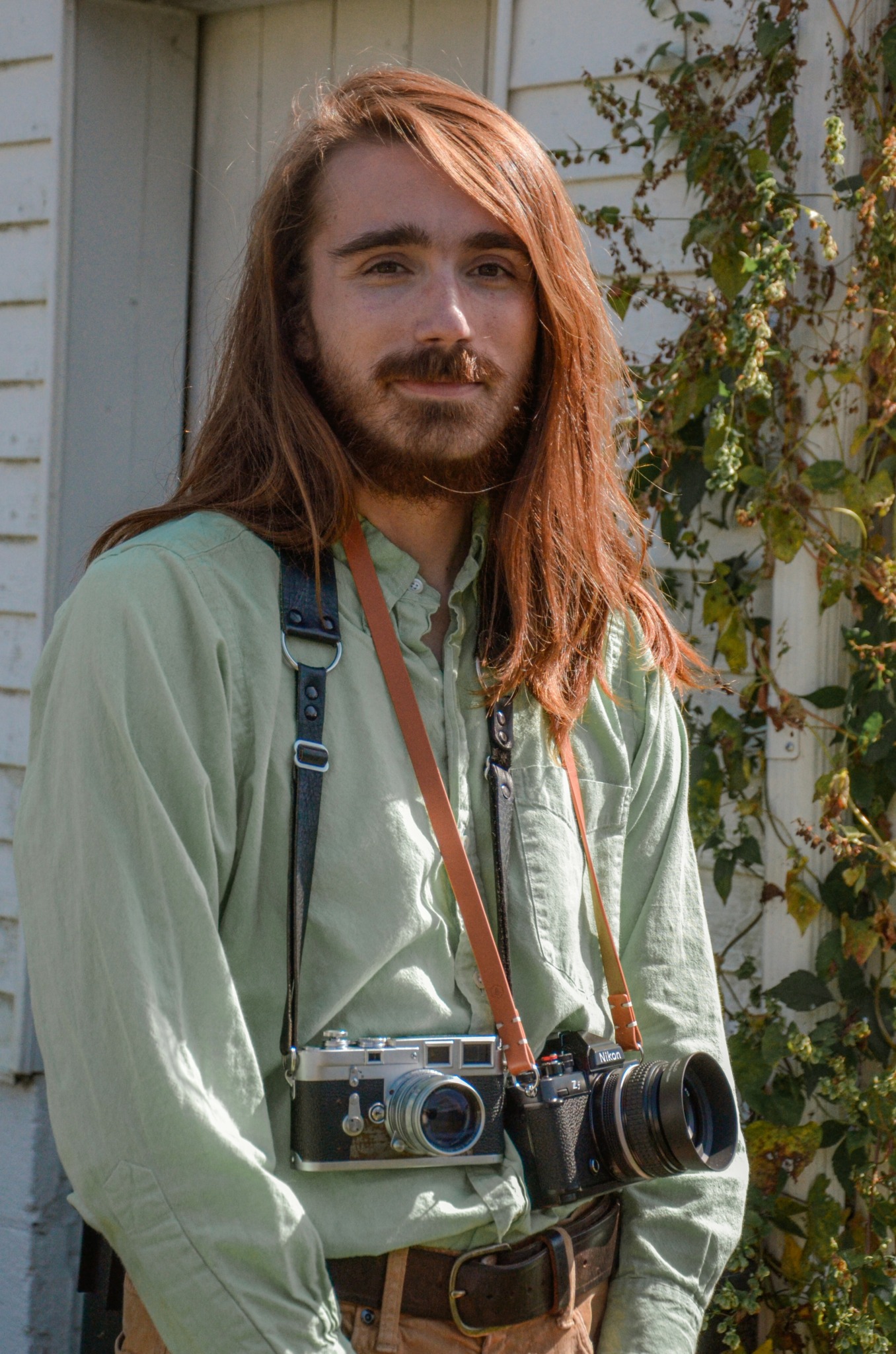
I learned by the works of other photographers, and even artist. Looking at prints of famous photographers like Mary Ellen Mark, Larry Burrows, and Jill Freedman really helped me learn more about composition and framing than taking courses online or reading textbooks. I also found that attending workshops really helped progress my photography skills! In the beginning, I did not have a lot of people to share my photos with. I was lacking critiques which I found really helped me progress and find a style that I’m enjoying! I found that having a very outgoing and great customer service skills are what are essential. I found that taking the photos is important, but having a great time and talking to people really makes the whole experience great for both the client and photographer! Read more>>
Rasheed Wesley Jr.

Thanks to the college I went to, Millersville University of Pennsylvania, I got a crash course in comedy. I joined our improv troupe, which helped me learn timing and feeling the room. Then, after getting essentially thrown into our semesterly comedy showcase, I did stand up for the first time. Lucky for me, they had essentially a bootcamp in stand up basics – writing, re-writing, punching up jokes, trimming fat, and letting your voice speak. But college doesn’t last forever. After I graduated, I thought it was done – I had my fun, time to grow up. But thanks to my ex-wife (shoutout Kim), she found an open mic, where I kept going and made friends who could teach me more finer points to my craft. The one thing that I thought was lacking in my personal voice was the one thing no class and no person could give me – life experience. Read more>>
Y. Jay Lai
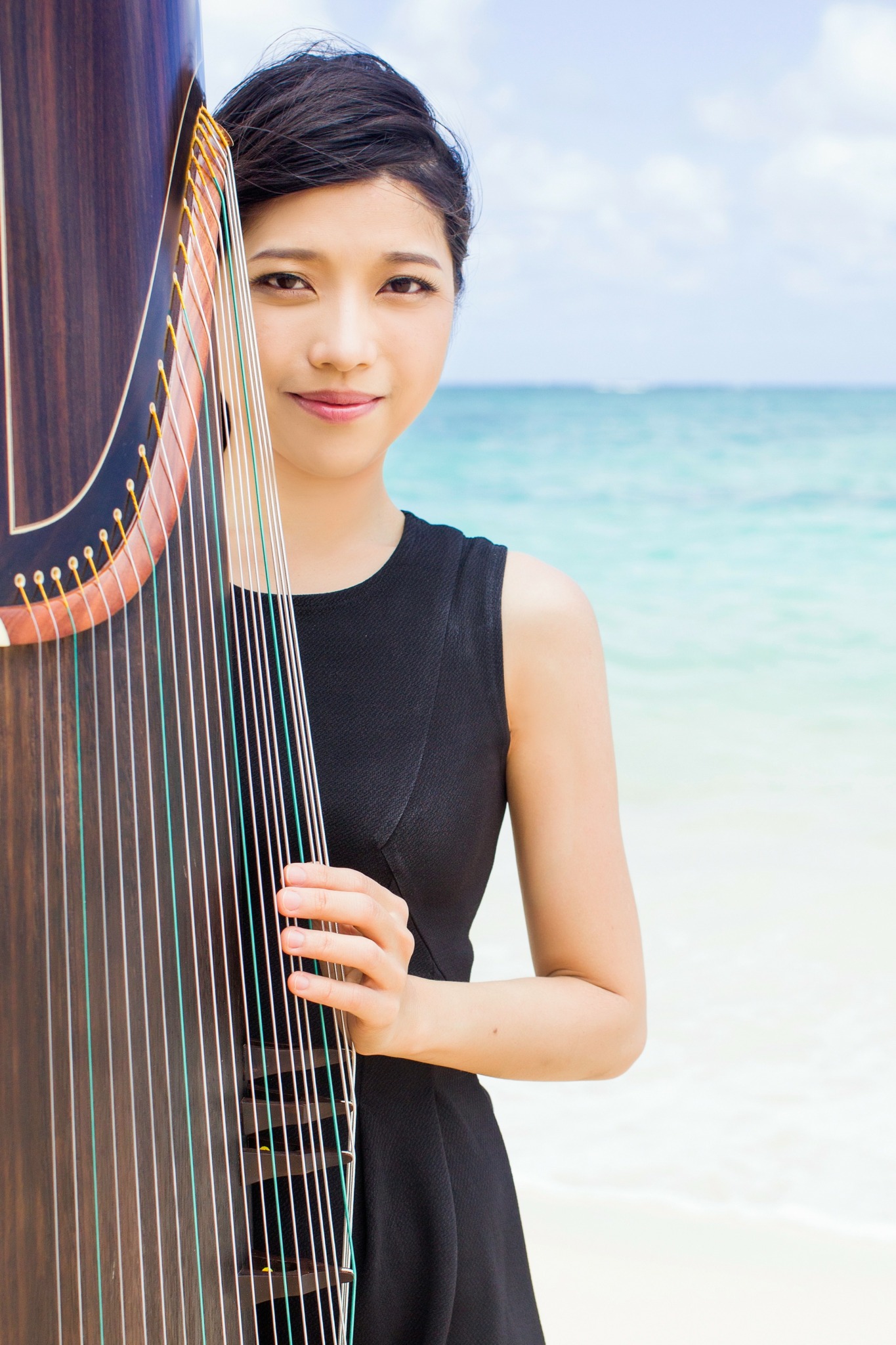
I began learning piano at age five in Taiwan, establishing a foundation of discipline and technique early on. At twelve, I added the guzheng—a traditional Chinese plucked string instrument—to my studies, choosing music as my major from middle school onward. While classical piano strengthened my foundational skills, the improvisational aspect of guzheng opened me to a freer, more expressive approach to music. My studies in guzheng took me across Taiwan and mainland China, ultimately leading to a bachelor’s degree in guzheng performance from the National Taiwan University of Arts. As my music career took off, I joined the China Found Music Workshop. Simultaneously, I sought ways to make Chinese culture resonate more broadly by collaborating with diverse artists, blending tradition with contemporary perspectives. This journey led me to the ensemble IIIZ+, where I performed alongside musicians from the U.S., Germany, Japan, and Korea. Although we brought different languages and musical heritages, English—and music itself—served as our shared language. This experience sparked my interest in the dialogue of cross-cultural communication through music, eventually guiding me to complete a master’s degree in musicology at Taipei National University of the Arts (NTUA). Read more>>
Fadil Inceoglu

I have been passionate about visual arts since my late teens, following a pivotal event in my life that took place in Turkey. This experience led me to explore myself and what I wanted from life more deeply, beginning my artistic journey with painting. My early inspirations spanned from the Golden Age to the Modern Era, including movements such as Impressionism, Surrealism, Modernism, and Expressionism. Influences like Gustav Klimt, Amedeo Modigliani, Frida Kahlo, Monet, Hiroshige, and Rembrandt shaped my perception of emotions—both my own and those of the people around me—and how they express them. Later, I discovered great photographers, including Vivian Maier, Imogen Cunningham, Helen Levitt, Fan Ho, and Saul Leiter, who inspired me to use photography as a medium to convey my perspective of the world. To achieve this, I studied light, shadow, contrast, and color theory and listened to lectures, freely available online, on topics ranging from the principles of cameras to techniques in color and black-and-white photography. My background in physics and a Ph.D. helped me focus on the techniques and mechanics behind light, color, and sensor functionality. I also studied many, many photographs taken by my personal idols. Read more>>
Elias Hereña

I got into illustration in a similar way to many of my peers—drawing anime fan art as a teenager and posting it on DeviantArt for my 3 dedicated followers. I started as a self-taught, fiercely independent kid, and I took pride in the fact that I was the only artist in my family of doctors and engineers. Although I was proud, sometimes to a fault, I couldn’t shake the feeling that I was alone in this, that I had to learn to do it all by myself. I took a handful of art classes here and there throughout high school, but that feeling that something was missing didn’t go away. That is, until I took my first year of classes at the Savannah College of Art and Design. Being surrounded by other artists felt like a dream come true. I had never been able to immerse myself in creativity like that before, and it felt like every second I was learning something new. Listening to my classmates and professors describe their creative process, being exposed to mediums of illustration I’d never even heard of, and having access to an entire library of textbooks and resources was absolutely mind-blowing to me after having spent my childhood imagining that I’d have to teach myself forever. Read more>>
King Gonzo
I’m 100% self taught on the DAW that I use (Logic Pro) but I started out on GarageBand using loops that I would chop, reverse, add effects to and then chain together to create the textures and rhythms in my music. I’d then pair that with beats that I would handcrafted and sometimes build chord progressions or synth leads as well. This is one of the more unique aspects of my music and sound design. I’m also heavily influenced by other artists such as Flume, Skrillex, Zedd, Avicii, the list goes on. A few obstacles I had to face as a young music producer (I started at 14 years old) was money of course. So I had to use free versions of music production softwares and free plugins (which is why I ended up using GarageBand heavily until upgrading to Logic Pro). To this day I still do not use midis or beat pads to make my songs even though I am interested in incorporating those into my live shows soon! A couple skills that were most essential and I think are a great prerequisite are: Read more>>