


We were lucky to catch up with Amanda Dwyer recently and have shared our conversation below.
Amanda, looking forward to hearing all of your stories today. How did you learn to do what you do? Knowing what you know now, what could you have done to speed up your learning process? What skills do you think were most essential? What obstacles stood in the way of learning more?
How did you learn to do what you do:
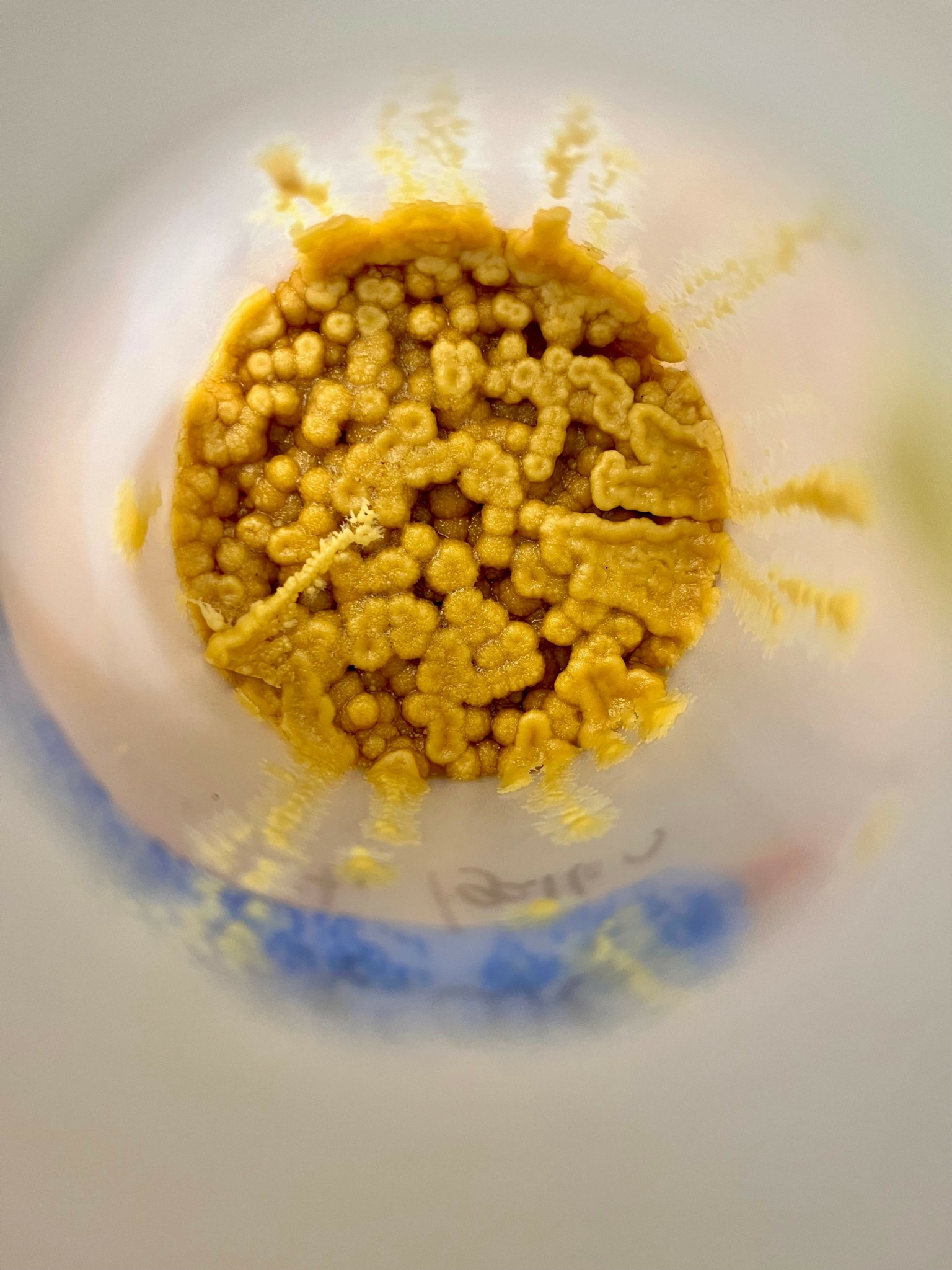
I got into mushroom farming and fermenting miso and soy sauce at the same time, in 2021. My educational background is in clinical lab science, and Mushrooms Naturally, an urban farm that I followed on Instagram, posted an opening for a position in their lab. Luckily they valued my lab experience over the fact that I knew nothing about growing mushrooms! I started learning on the job and reading the big foundational books about mushroom farming, and wrapping my head around cultivating fungus. Then I snagged a book called The Noma Guide to Fermentation off the bookshelf of a chef family member, and was super intrigued to learn how a fungus called Aspergillus oryzae (nicknamed “koji”) can be grown and used to power the fermentation process that makes miso, soy sauce, and sake. I was already growing fungus for my day job, and I started growing koji in my spare time. It’s wild to look back at my first few koji batches, which were incubated on cookie sheets in my oven using the pilot light to maintain temperature and a bowl of water to maintain humidity. Now, I grow koji in a clean lab on 50 pound batches of rice, in a dedicated incubation chamber with heat and humidity controls.
Knowing what you know now, what could you have done to speed up your learning process?
Honestly, not much! That’s a feature of koji- it only takes a few days to grow the actual fungus, but the real magic comes when you mix it into the food you want to ferment and that fermentation takes months or even years. Making miso and soy sauce is as much a process of trial and error as anything else, but waiting a year to figure out if your work was successful means that your learning process is just going to be slow. Most of the misos that we make at Mushrooms Naturally are light misos, so they “only” take three months from start to finish. That still feels like forever!
What skills do you think were most essential?
As a lab rat, I’m used to working largely on my own. To be successful in fermentation, you need to learn how to network! You need to be chatting with all the other fermenters out there, learning from their techniques and getting ideas for cool stuff to try out. And you need to become buddies with all the farmers out there growing interesting and heritage crops. The best ferments start with the best ingredients, so go find them.
What obstacles stood in the way of learning more?
Learning to grow koji right now probably feels like learning to farm mushrooms did 15 years ago- the info is out there, but it’s decentralized and you’re going to have to dig through a lot of internet forums and social media posts to find it. This is especially true in America, where we don’t necessarily have a long culinary history of koji-based fermented foods. There’s a modest circle of koji pros, mostly chefs and small miso/soy sauce producers, who are leading the charge and doing amazing education work on social media (check out the hashtage #kojibuildscommunity on Instagram!). There’s even a yearly online Koji Con with presentations on koji fermentation from cultural, scientific, and manufacturing perspectives. I’ve learned everything I know about koji directly from people who make it and cook with it.
Awesome – so before we get into the rest of our questions, can you briefly introduce yourself to our readers.
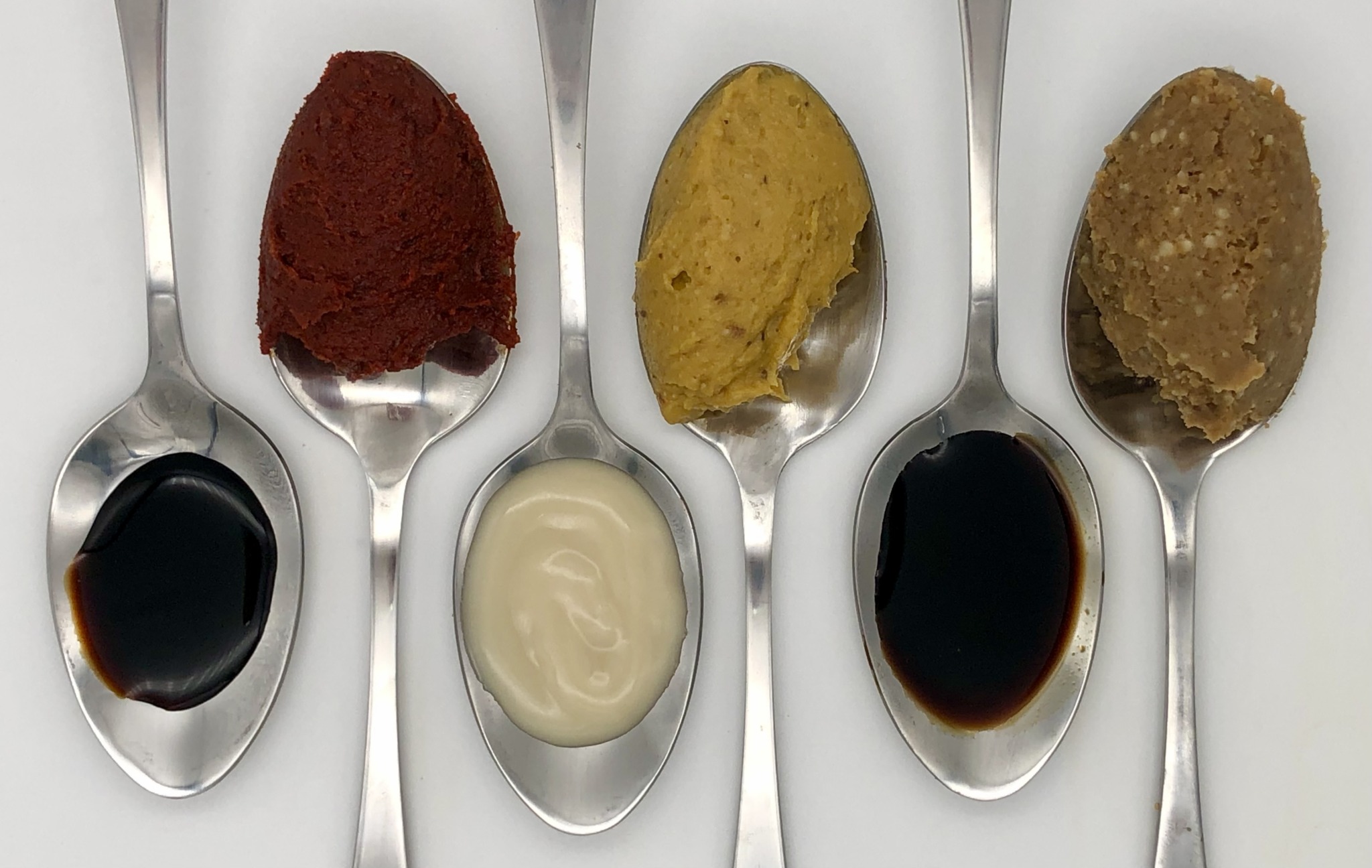
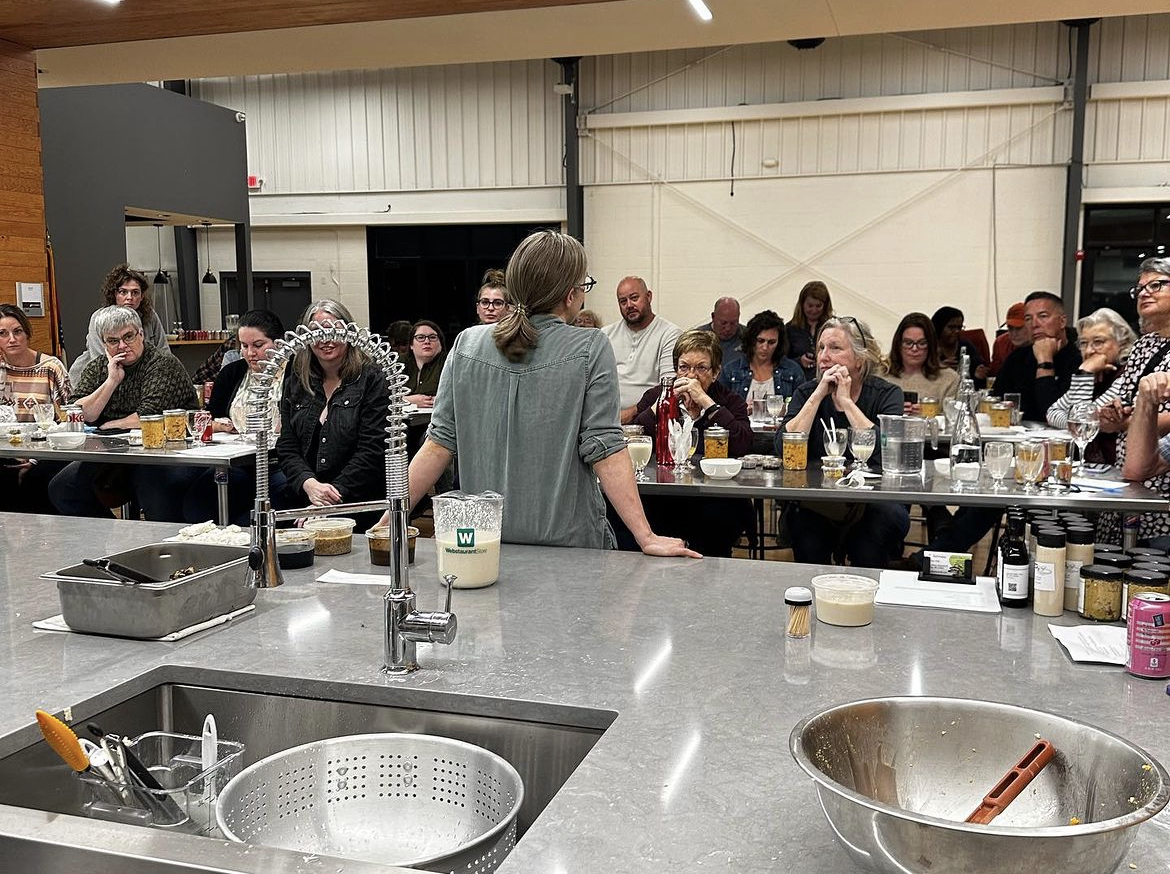
My name is Amanda Dwyer and I’m the lab manager at Mushrooms Naturally, an urban mushroom farm in O’Fallon, Missouri. As lab manager I’m responsible for the first half of the mushroom cultivation process: my team and I take care of our culture library, produce grain spawn, inoculate our mushroom substrate, and incubate that substrate until it’s ready to produce mushrooms. A few years ago we also started producing koji and koji-based fermented foods like shio, miso, and soy sauce. Koji is the nickname for a fungus called Aspergillus oryzae. Unlike the rest of the fungus we grow, koji doesn’t produce mushrooms. What it does produce is a huge amount of digestive enzymes, and when you mix koji with other foods those enzymes go to work and make some extremely delicious fermented products. Our misos and soy sauces have become the thing I’m most proud of, and such an exciting project to work on!
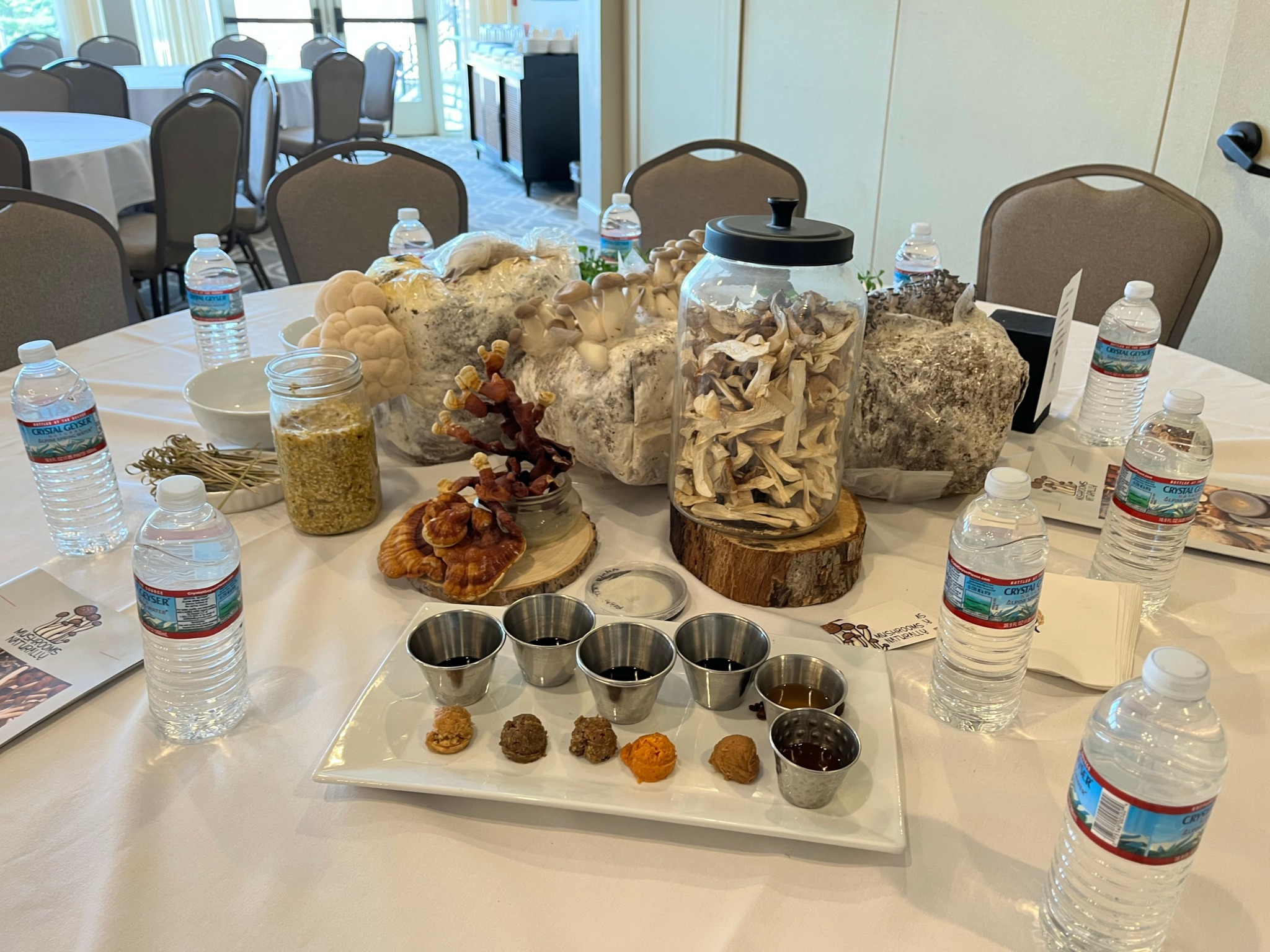
As a company based in the midwest, we’re the introduction to miso for a lot of our customers. They come to us for gourmet mushrooms, so we already know they’re interested in cooking and playing around with savory flavors. Suggesting they marinate those mushrooms in shio and then whisk some miso into a simple salad dressing is such a simple step to level up their cooking. We also use this as an opportunity to make some really creative non-traditional misos. If you’re just starting to cook with miso, you’re probably not going to want to shock your palate with an uber-funky three year old black miso. So we partner with our favorite local farms to make light, sweet misos that highlight local produce. One of our most popular fall/winter misos is a sweet potato miso- it’s delicious, it’s versatile, it’s got a nice punch of umami, and it came from the farmer down the road. What could be an easier sell? We all want simple ways to eat local and add more nutritionally-dense fermented foods to our diet.
Our soy sauces follow the same philosophy, with the added benefit of being an ingredient our customers already cook with. I keep our retail space stocked up with testers of our different sauces, because it’s such a joy to let people try a soy sauce that’s made from traditional ingredients, fermented in small batches, and is full of aromas, flavors, and nutrients that the stuff on the grocery store shelf just doesn’t have. And occasionally we get wild with the flavor profiles- we’re on our third batch of a soy sauce that’s fermented with smoked roma tomatoes and chicken of the woods mushrooms. Those mushrooms are forage-only, and they truly have the taste and texture of chicken breast. They make the meatiest, tastiest sauce. Add in the glutamate from the tomatoes and it’s a true umami bomb. And when we ferment our soy sauces we do so in an incubation chamber set at 140 degrees Fahrenheit. This temperature speeds up koji’s digestive enzymes to the maximum, and keeps away contamination. This allows us to produce soy sauces with much lower salt levels. Friendlier to your palate and your health!
While there are some really impressive miso and soy sauce producers across the country, we’re the first in Missouri. We see it as a huge opportunity to get more people cooking with and appreciating koji ferments. The growth we’ve seen in just the last two years is incredible, and it’s allowing us to do bigger and better things all the time!
Are there any resources you wish you knew about earlier in your creative journey?
Social media! I started learning to grow koji from books, specifically The Noma Guide to Fermentation and Koji Alchemy. Then I started attending KojiCon every year, and soaking up info from the presenters. But what’s been most helpful, especially once I was no longer a beginner, was the network of people on social media platforms who are growing koji in their restaurants and homes and food labs. It’s still a very niche hobby, so there’s no standard set of equipment and ingredients. We’re all working with what we’ve got local access to and building our own incubation chambers and fermentation spaces. That means we’re all frequently bouncing questions and ideas and recipes and surprise successes/failures off each other. There’s nothing more helpful than having what you think is a genius original idea, mentioning it, and hearing from someone else that they’ve already done that and to make it work you actually need to boil that specific ingredient for 20 minutes or the whole thing will fail. Saves a lot of time! Having a large network of buddies who do the same work as you do is invaluable.
We often hear about learning lessons – but just as important is unlearning lessons. Have you ever had to unlearn a lesson?
The biggest lesson I had to unlearn in order to get better at fermentation was “the more research, the better”. When you’re doing detailed lab work, heavy research is your friend. Deep dives on intricate bits of info can make you a better and more knowledgeable worker. This often isn’t the case for fermentation! You can better serve your goals by knowing your food safety basics backwards and forwards, doing some light research on the ferment you’re interested in, seeing how other people have done it, and then just giving it a try. Fermented foods can seem intimidating because ultimately they are a delicate balance of microorganisms, often growing in waves. For example, when you’re making vinegar you start with a high-sugar liquid and add yeast. That yeast thrives, eats the sugar and produces alcohol, and eventually the amount of alcohol in the liquid kills off the yeast. Then you or the natural environment introduce acetobacteria, which eat the alcohol and produce acetic acid. Microscopically, it’s a complicated process. And yet people have been making vinegar for centuries, without checking scientific databases.
When we were considering adding tomatoes to one of our soy sauces we knew it would increase umami because tomatoes contain a lot of the amino acid glutamate, which our tongues and brains register as tasting savory. I started doing a little bit of research to see if there was any published scientific info on how koji might interact with tomatoes, and three hours later I snapped out of a research haze in the middle of reading a scientific paper from the 1960s about msg in canned food. We already knew what we needed to know! And tasting the tomato soy sauce would tell us everything else. For me, research is always fun but not always efficient. I’ve had to learn to keep it efficient, and to learn from the real-world results of my work. I find that teaches me lessons faster and better than anything else.
Contact Info:
- Instagram: ald.stl
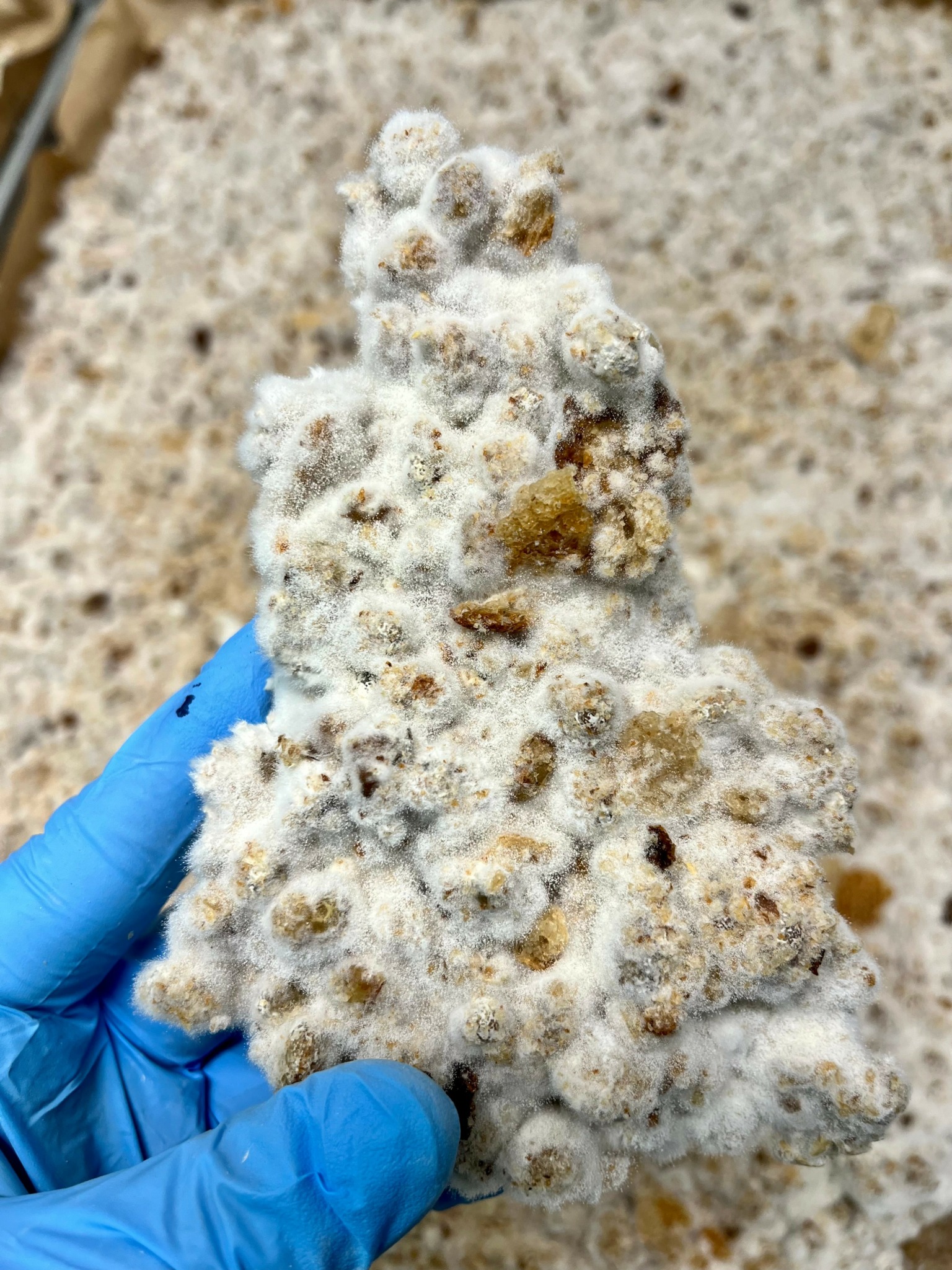
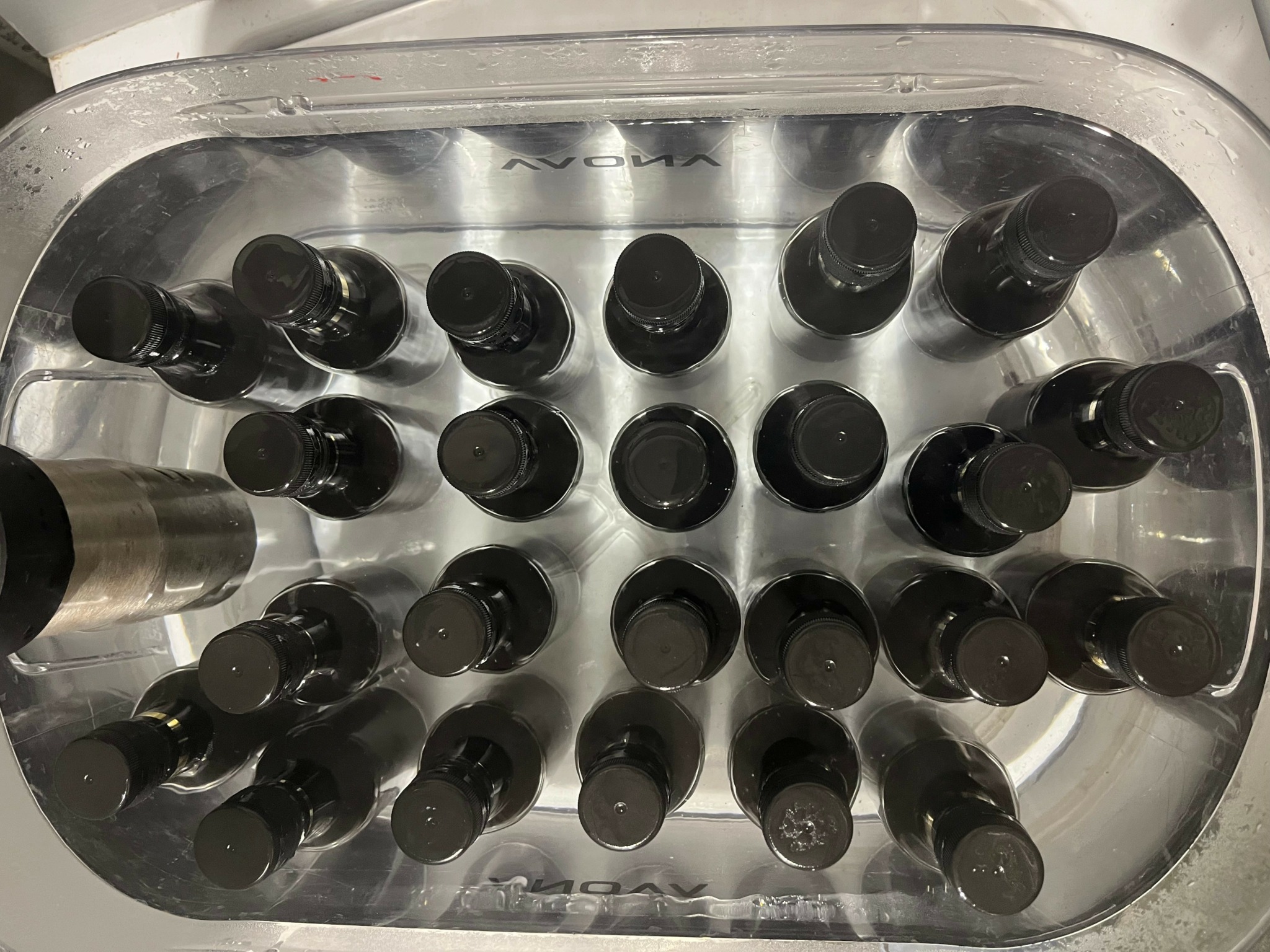
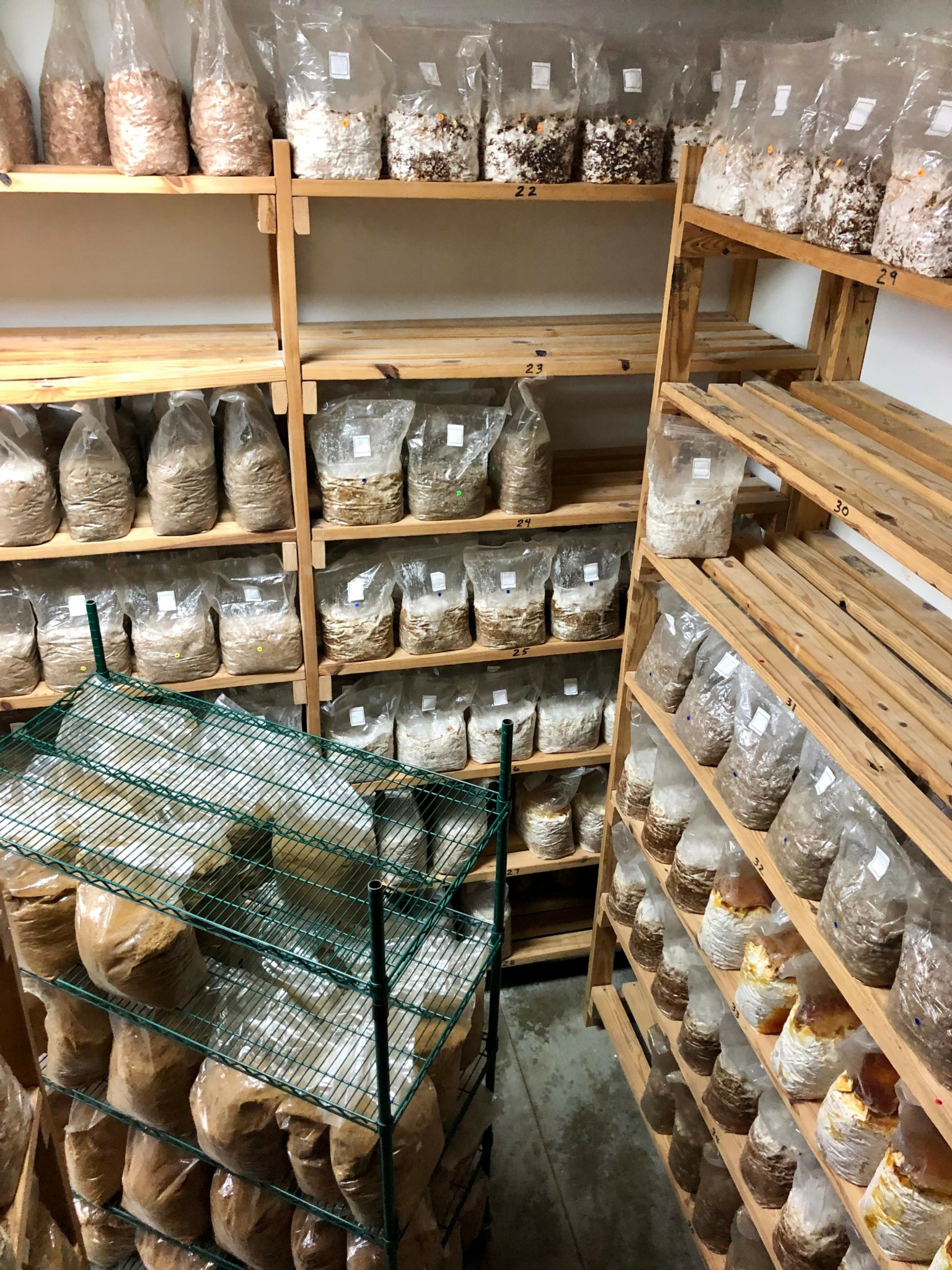
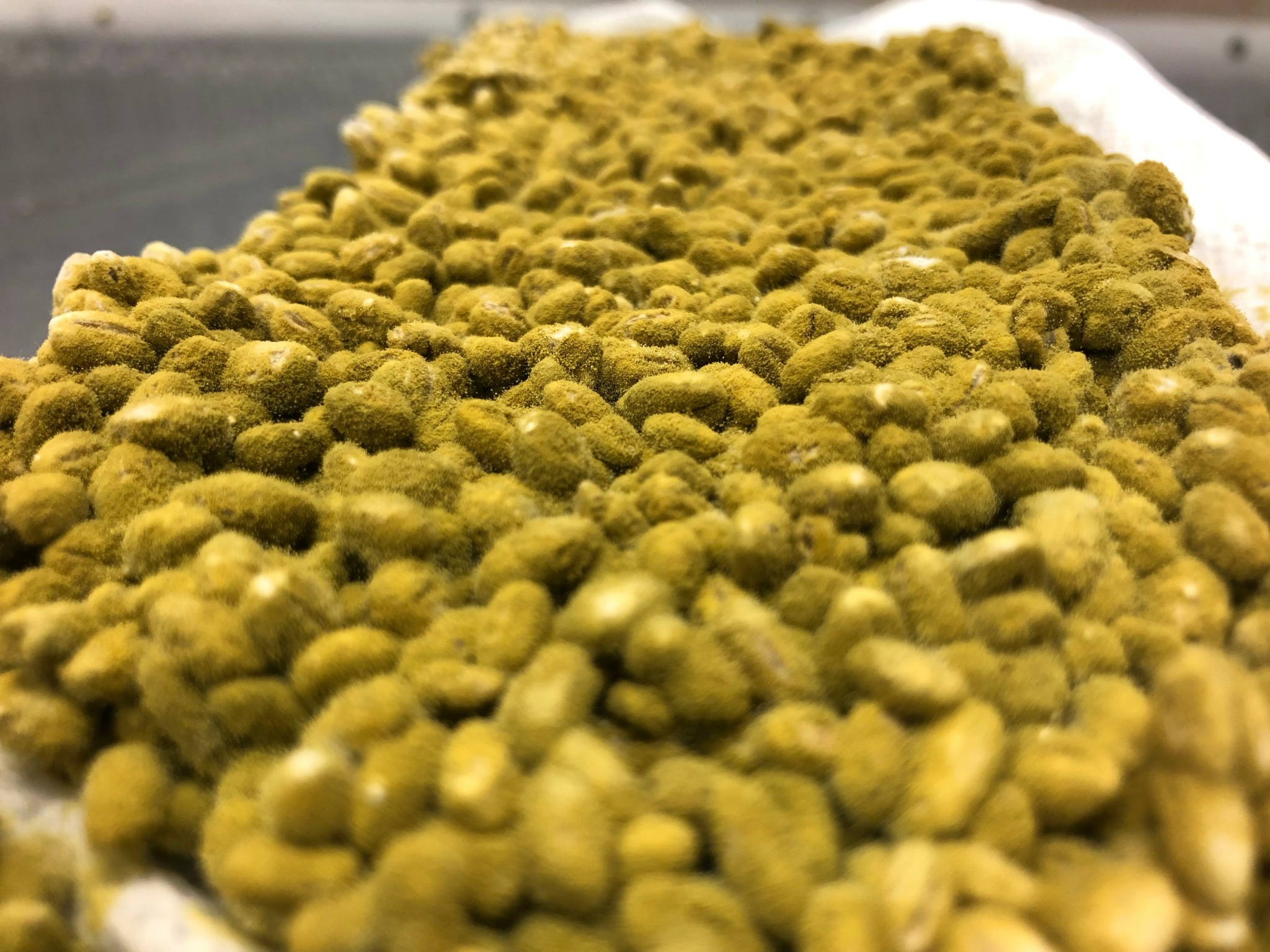
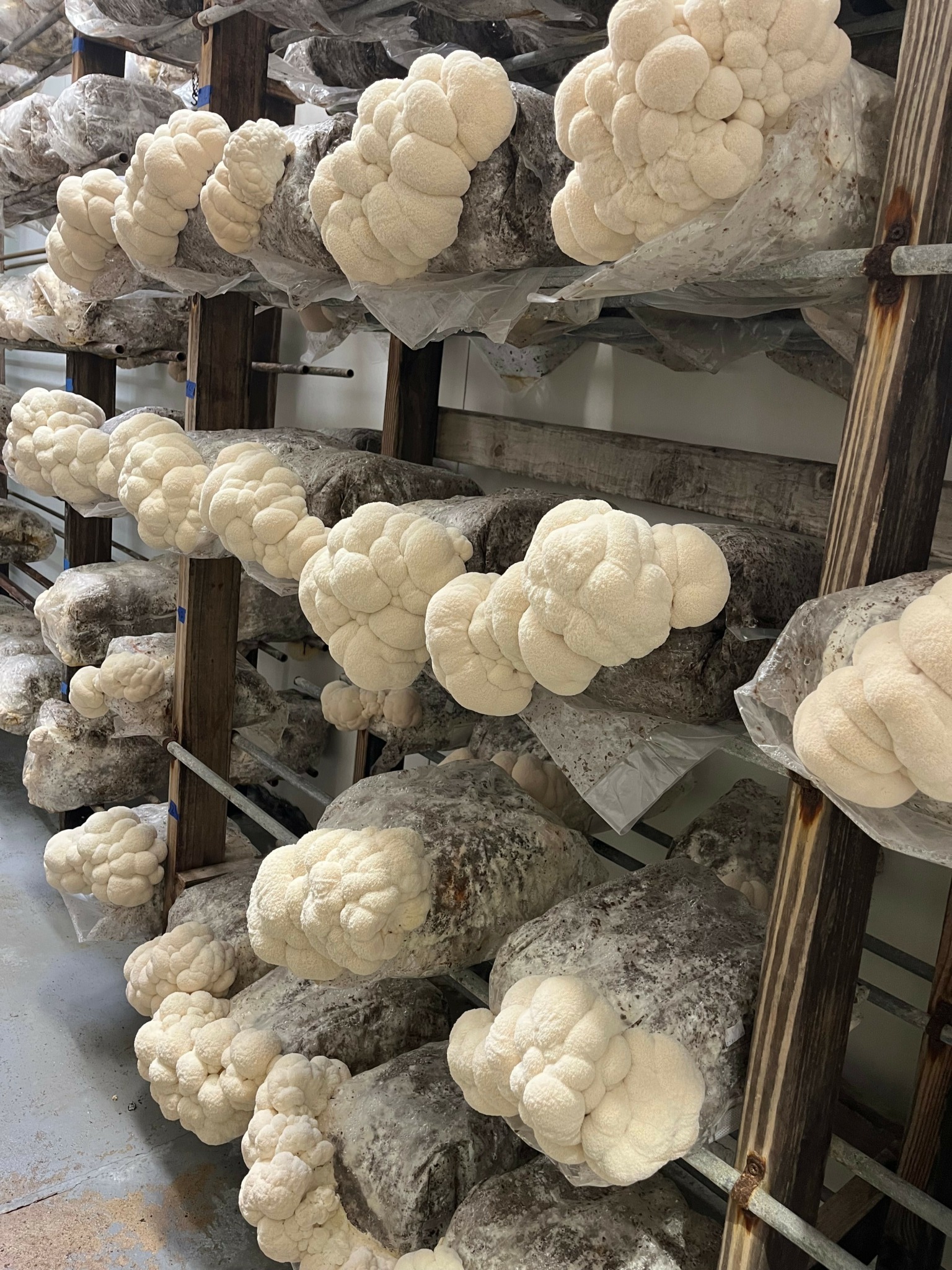
Image Credits
Alex Burchardt, Amanda Dwyer, Jenna Gelineau