


We asked some brilliant folks to tell us about the best advice they’ve ever given to a client and have highlighted some of the responses below.
Amber Baker
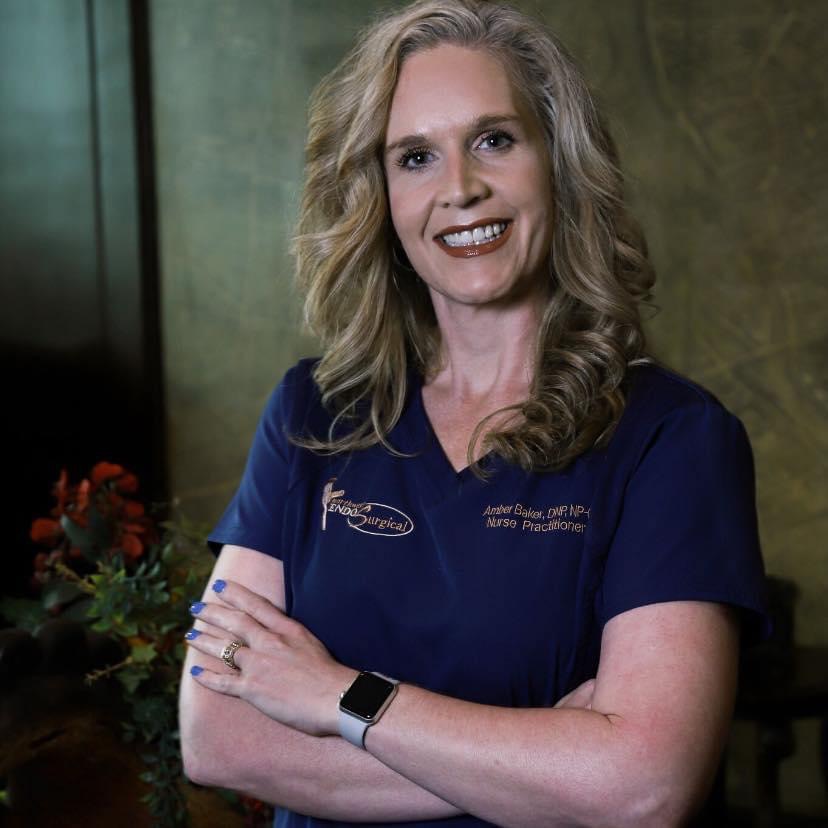
One of the best pieces of advice that I give clients, especially those over 40+ is to focus on exercise, specifically strength training. The scientific benefits of strength training are unequivocal. Muscle is the currency of aging, especially for women in menopause and anyone taking a GLP-1 medication, which are the majority of my patients. Muscle maintains your resting metabolic rate, improves insulin sensitivity (preventing diabetes and prediabetes), lowers stress and cortisol, and improves cardiometabolic health. Exercise is also the #1 predictor of weight maintenance. As we age, we lose muscle and become less metabolically fit. Start small. Consistent work, even 10 minutes a day, 5 days a week is better than nothing. The more muscle you have, the more calories you burn! Read more>>
Megan Negendank
This sounds counterintutive, but the best advice I’ve ever given a client is no advice at all. When clients come to therapy, they are working through painful experiences, emotions, and beliefs. Out in the world with their friends and family, if they turn to others for support they are often met with advice. People love to give advice to each other. This can sometimes be helpful and is usually well-intentioned, but on a deeper level we humans like to give advice because it is uncomfortable to see someone we care about in pain. By giving advice to our loved ones, we may be sending them messages like “you need to fix this” or “I know better than you” or “it’s not okay to feel this way you feel right now, do something about it.” Read more>>
Eileen Borski
One of the most impactful pieces of advice shared with a client was this: “You don’t have to climb the whole mountain today—just focus on the next step.” The simplicity of this concept helped transform a client who was overwhelmed by their journey with PTSD and anxiety into someone who could embrace steady progress and achieve remarkable results. This particular client came to me feeling stuck in a cycle of avoidance, fear, and low self-esteem. They struggled with intrusive memories, nightmares and debilitating anxiety and believed that their challenges were too monumental to overcome. Each day felt like a battle, and the idea of healing seemed like an impossible goal. Read more>>
Shaunessy Thompson

One of the most transformative moments in my mindset coaching journey was with a client named Lisa (name changed for privacy). Lisa was a single mother of two, barely making ends meet, and drowning in self-doubt. She came to me not because she believed coaching could help her but because she felt like she had exhausted all other options. Her words during our first session struck me: “I just want to feel like I’m enough—for my kids, for myself. But I don’t think I ever will.” Read more>>
Qolett Richardson

The best advice I’ve ever given a client is this: Stop following other archetypes and become your own. It resonated so deeply that I’ve since shaped a large part of my coaching practice around this principle. In today’s world, there’s no shortage of messaging about how to fit into someone else’s mold. Especially for women. There is a continued push to make sure we remain “agreeable” and “compliant.” Whether it’s being ‘high value,’ hyper-feminine, or another prescriptive archetype, the focus tends to be on adopting an external identity rather than cultivating authenticity. I realized early in my career that these approaches were missing something crucial—teaching women how to optimize and trust their unique, inner power. Read more>>
Colin Wirth

Sometimes advice that seems so obvious is actually not that obvious to the client until you mention it. There may be things they mention repeatedly that they aren’t totally aware of until you repeat their own words back to them (for example: “You have told me several times how you think your diet needs work, but so far you haven’t taken any steps. It’s obviously important to you, and we need to make it a priority”). Read more>>