

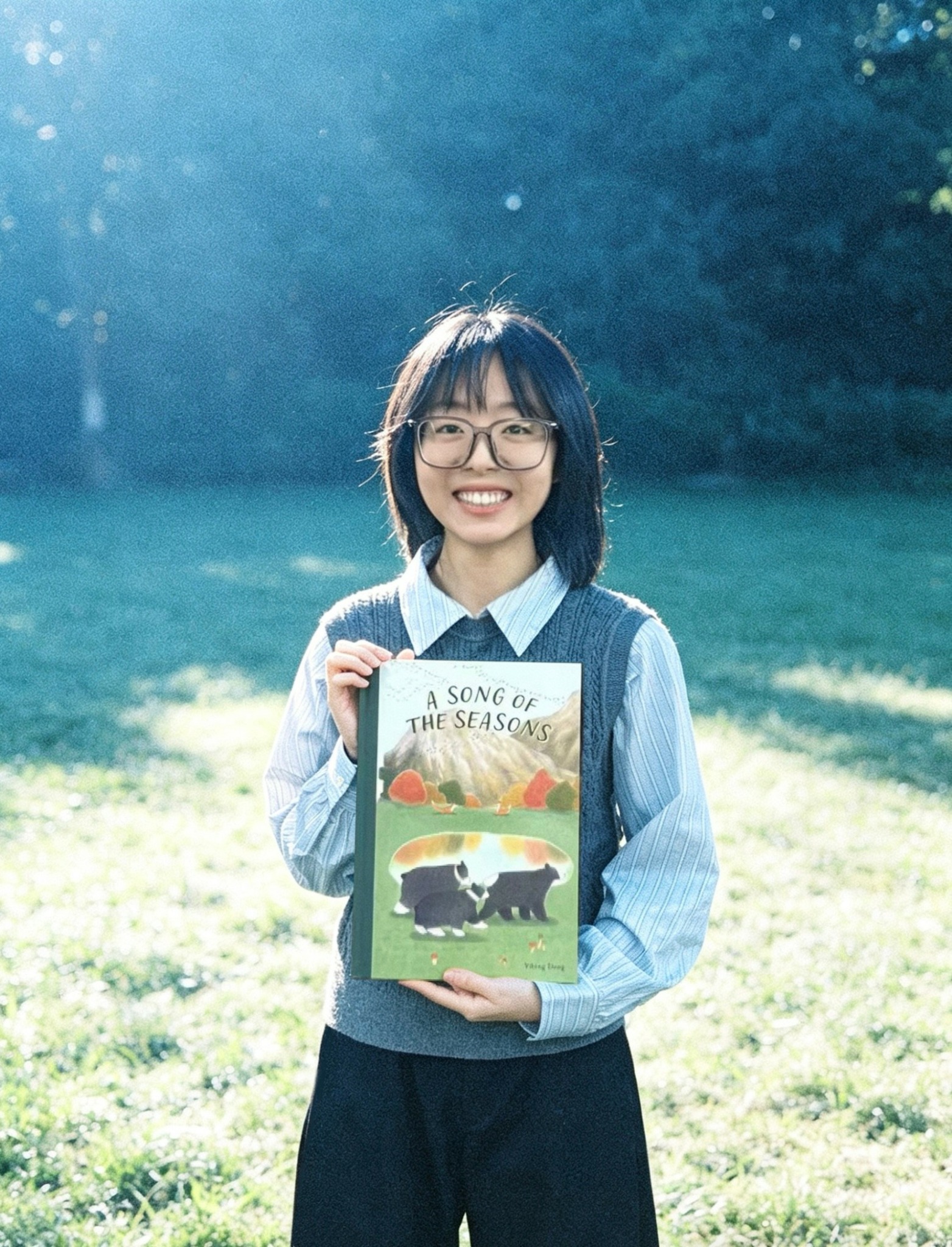

We recently connected with Yibing Deng and have shared our conversation below.
Yibing, looking forward to hearing all of your stories today. What’s been the most meaningful project you’ve worked on?
As a young artist, the most meaningful work to me is my first cross-border picture book, A Song of the Seasons.
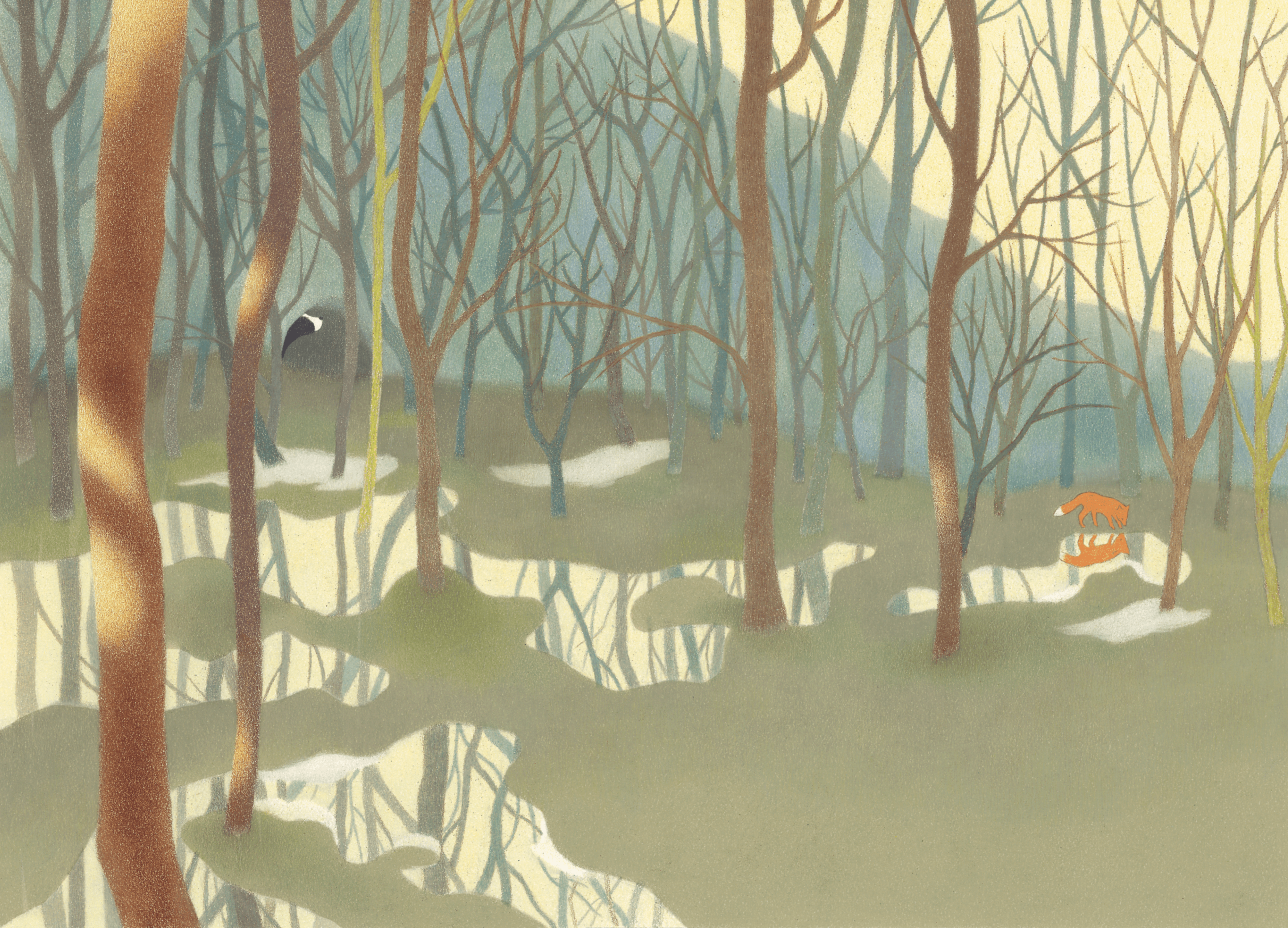
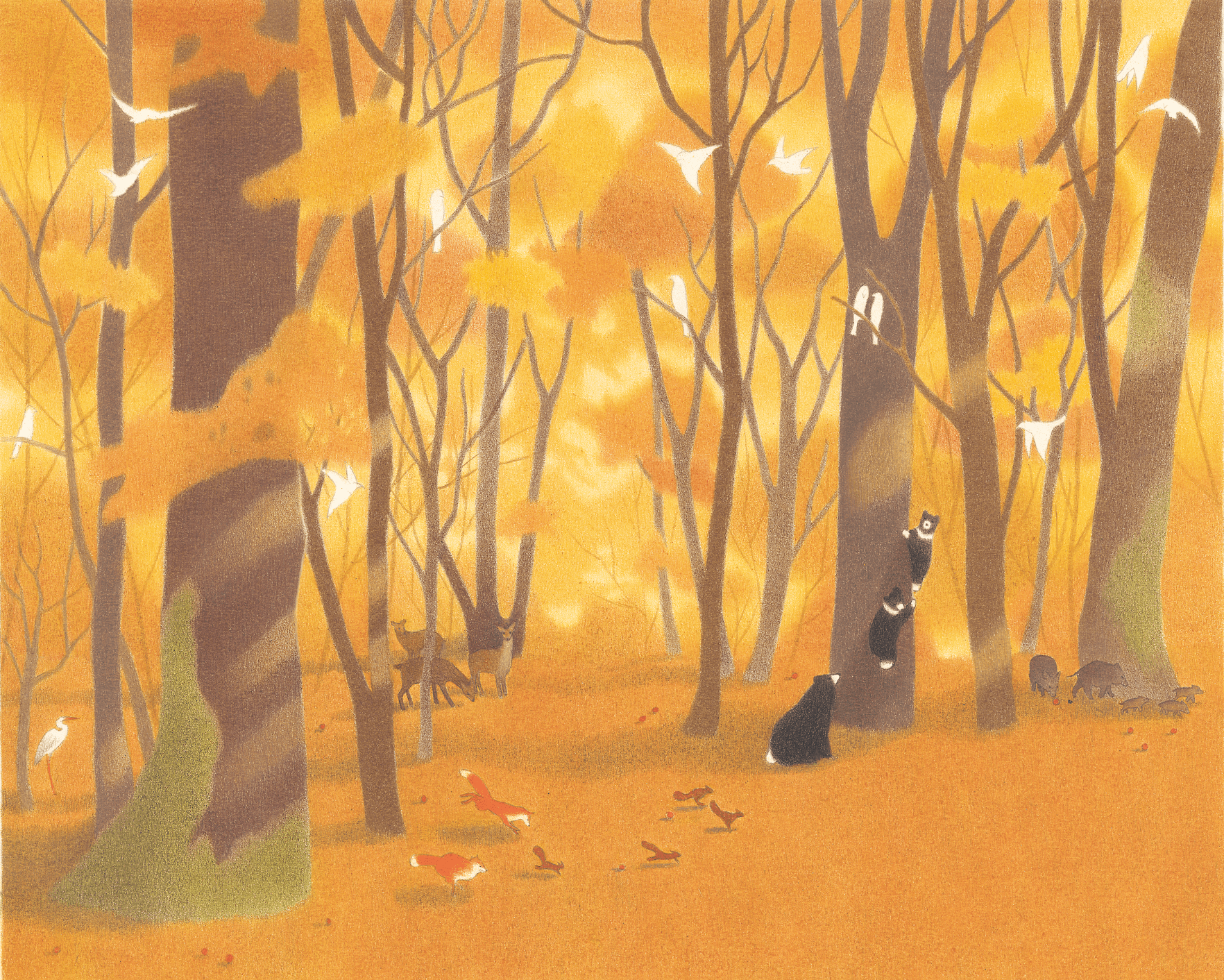
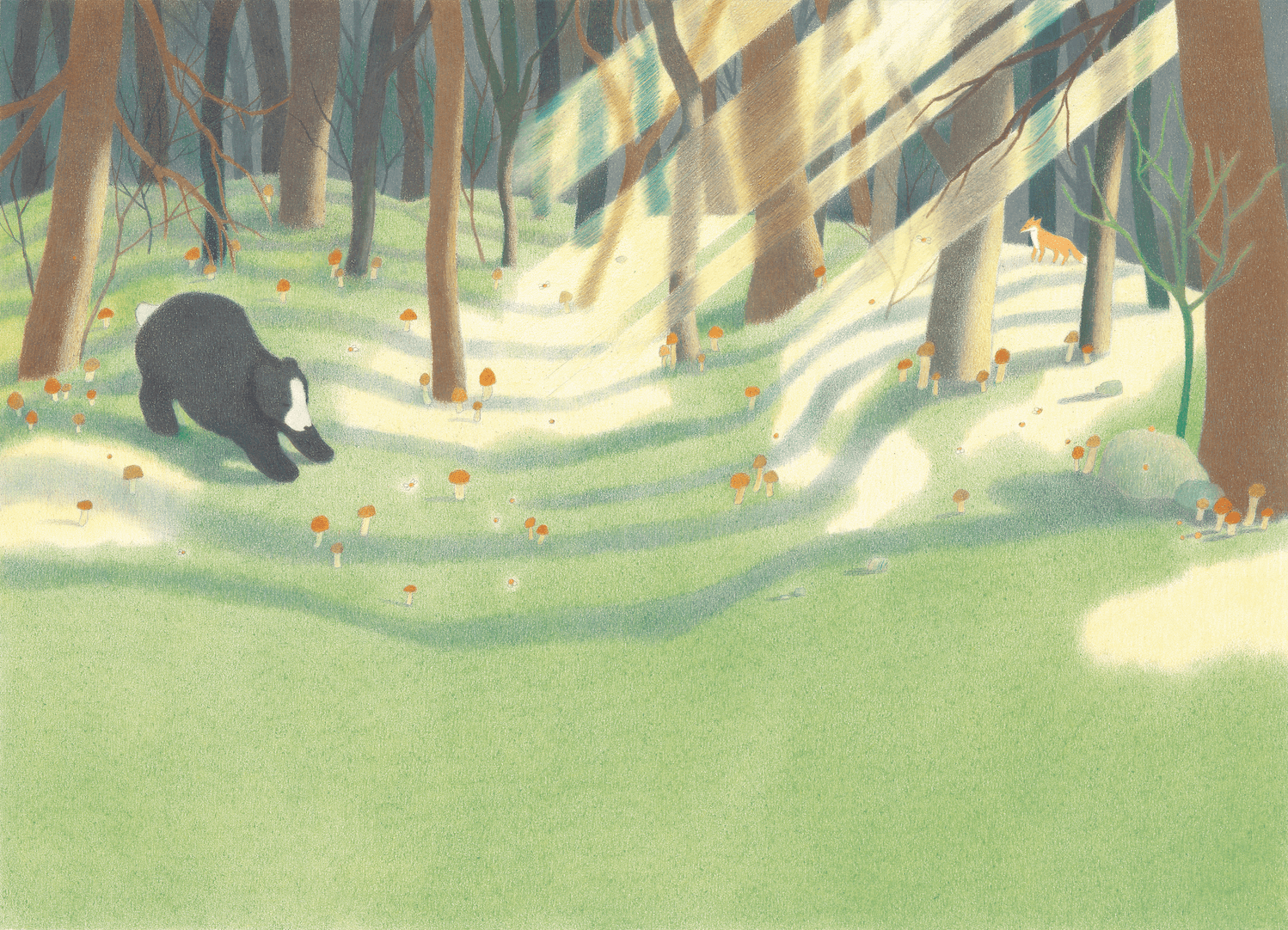
This book portrays the growth and cycle of life witnessed by a forest: as the winter snow melts, a mother bear awakens from her long slumber and welcomes two newborn lives into the spring forest. They wander beneath the summer sky and play in the warm autumn sunlight, walking together through the seasons until winter returns once more.
This is my first attempt to combine poetry with colored pencil, allowing a subtle and quiet atmosphere to fill the pages and presenting readers with a natural world of time and life. It is also my first opportunity to see my work travel across the globe in different languages and forms, sharing the beauty of nature with more people.
Yibing, before we move on to more of these sorts of questions, can you take some time to bring our readers up to speed on you and what you do?
I am a picture book author and illustrator from China. I spent my undergraduate journey at the Central Academy of Fine Arts in China, and later completed my postgraduate studies at Goldsmiths, University of London. I specialize in colored pencil and pastel illustration, and I am passionate about conveying the beauty of the natural world through my work.
My connection with picture books feels almost destined. I first encountered them as an undergraduate and have loved this art form ever since. To me, picture books are not only a way for children to explore the world, but also a means for adults to nurture their inner selves. Over time, my creative vision has evolved from making books “just for children” to creating places for metaphor and philosophy.
The inspiration for this book came from my experience as an international student in the UK. Living alone in an unfamiliar city, surrounded by a different language and culture, I was often overwhelmed by complex emotions. What brought me the most joy during that time was going with friends sketching animals and trees that were everywhere. They were so vibrant and full of life, breathing energy into the city. That was when I first had the idea of creating a book about nature.
Unlike my previous works, this book uses poetry as its narrative form. It observes the changing seasons, the birth and departure of life, from the perspective of the forest—depicting the beauty of nature with a calm, third-person gaze. The real challenge was how to visualize that poetic quality without losing the reader’s interest. In the early drafts, there was no bear family storyline, but only the forest and the seasons. I tried countless versions of storyboards and visual languages. It was a very painful process to be honest. I am grateful for my teachers’ advice. We came to realize that when the text is relatively abstract, the visual storytelling must remain clear, and there needs to be a character the reader can connect with. That was how this book finally came to life.
I saw possibilities of picture books during my studies, and I am eager to explore different themes and styles in the future. This book will travel the world in different languages and forms. I hope the warmth it carries, along with a broader Eastern perspective on change and constancy, stillness and eternity, will offer comfort to readers and show the world the power of Chinese creators.
Is there a particular goal or mission driving your creative journey?
I look forward to exploring different themes and creative means. Though there are already so many wonderful picture books in the world, who would ever say no to a book? Lately, I’ve been working on a picture book about feminism. As a woman, I see the struggles we face as individuals, and I hope to use my voice as a creator to speak up and contribute to a better world.
Additionally, I want to find subtle ways into familiar subjects. For example, with the feminist picture book I’m working on, instead of being accusation or manifesto, I hope to approach it through small, everyday moments. This will allow readers to feel the imbalance of gender structures around them within scenes that feel familiar.
In your view, what can society to do to best support artists, creatives and a thriving creative ecosystem?
I believe aesthetic education is a fundamental issue. In my home country, there is still significant room for improvement in this area. This includes some decision-makers, who also need more support in this regard.
As society progresses, younger generations are developing increasingly refined aesthetic sensibilities. However, there is sometimes a gap between their perspectives and decision-makers’, which can result in design concepts lagging behind changing aesthetic values. To better support artists and a thriving creative ecosystem, the first step is to strengthen aesthetic education at all levels. When more people in positions of influence have a deeper understanding and appreciation of the arts, it becomes easier for artists’ work to reach the public, and for cities to cultivate a more vibrant creative environment.
Furthermore, a healthy creative ecosystem also requires respect for artistic independence and creative freedom. By establishing more transparent funding mechanisms and reducing excessive intervention in creative content, society can better protect the diversity of the arts.
Contact Info:
- Instagram: https://www.instagram.com/yibing_deng?igsh=NzJ6cmU4YzlnZ3B5&utm_source=qr
- Other: Rednote (xiaohongshu): 609651661
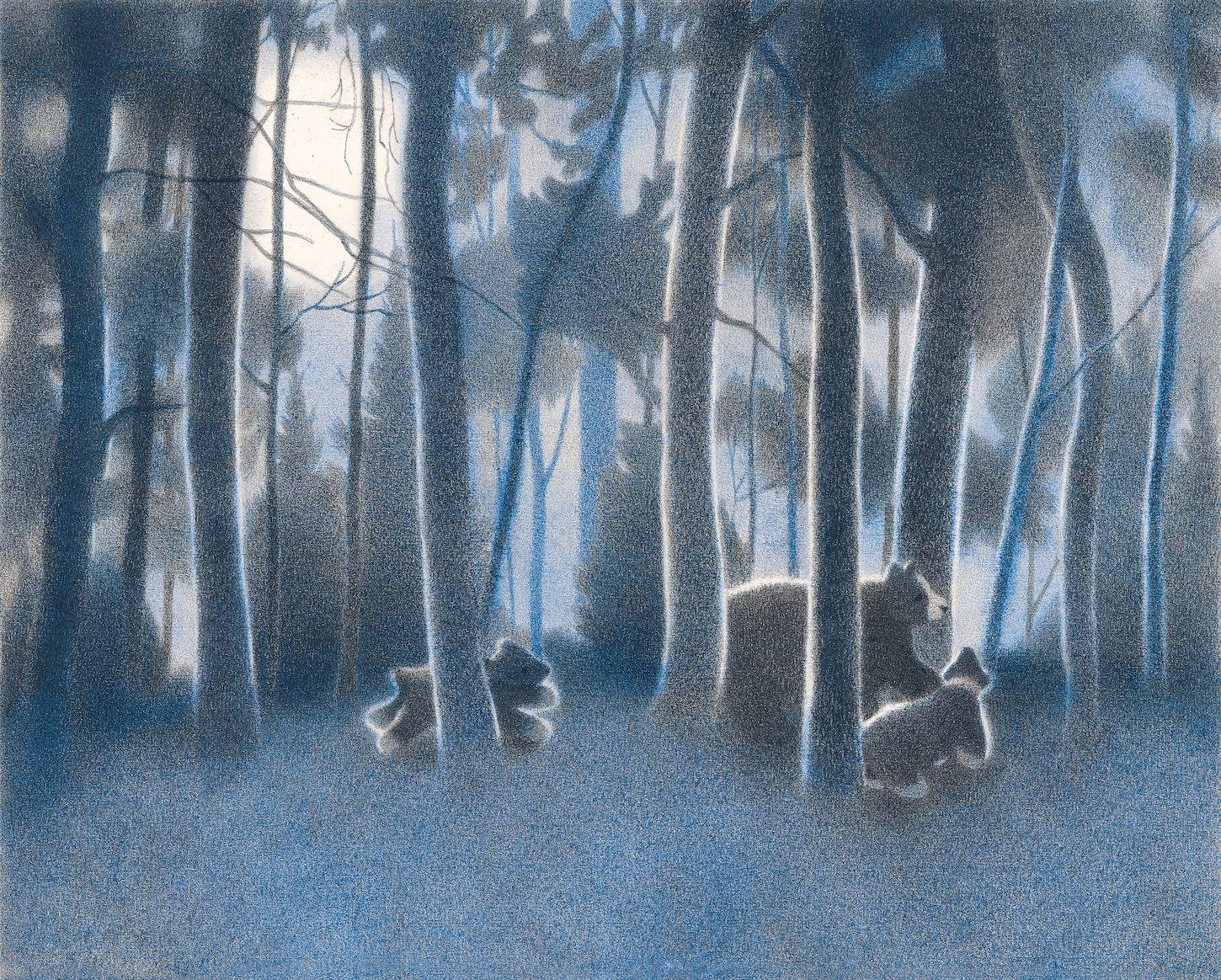
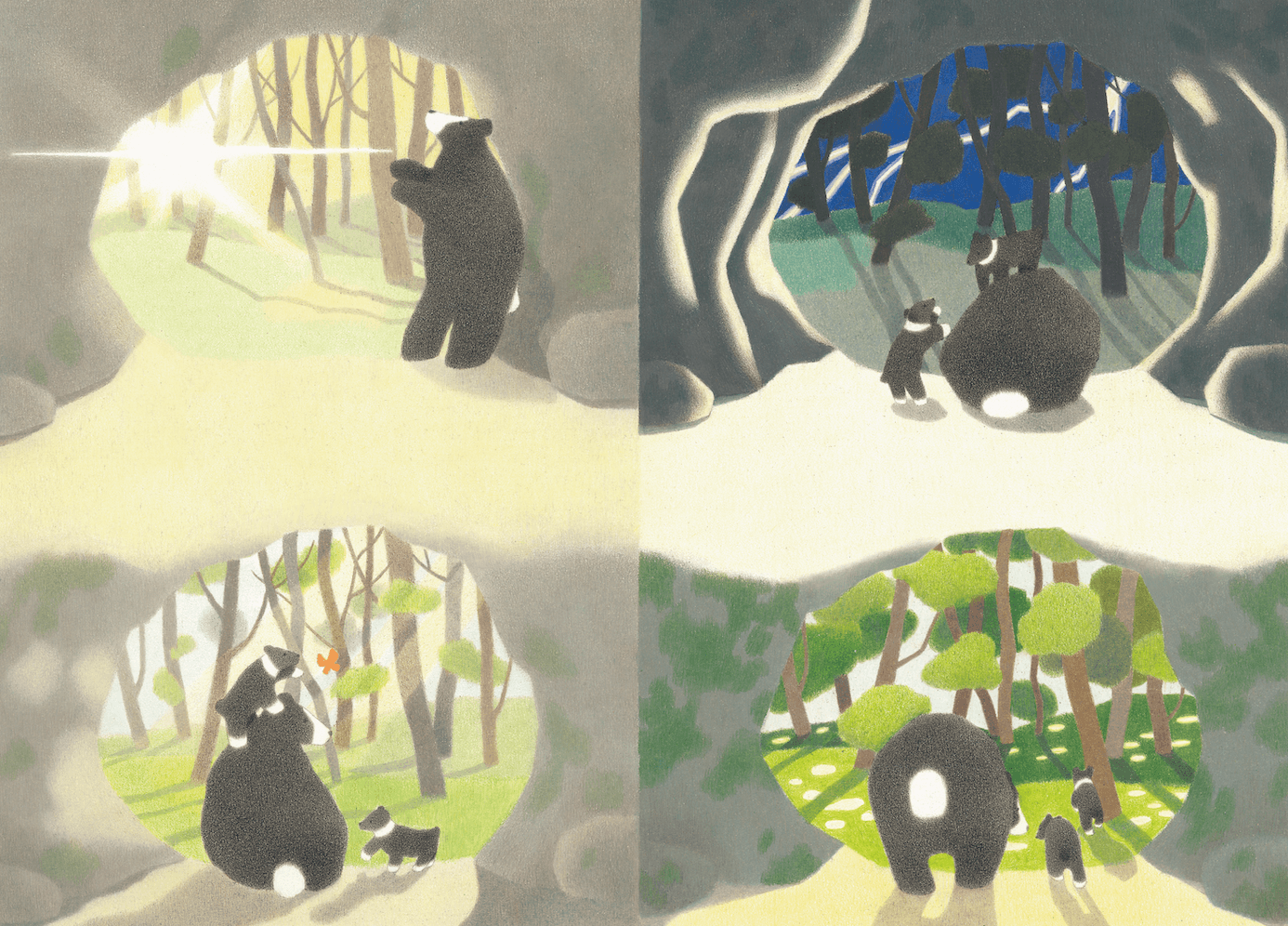
Image Credits
A Song of the Seasons