

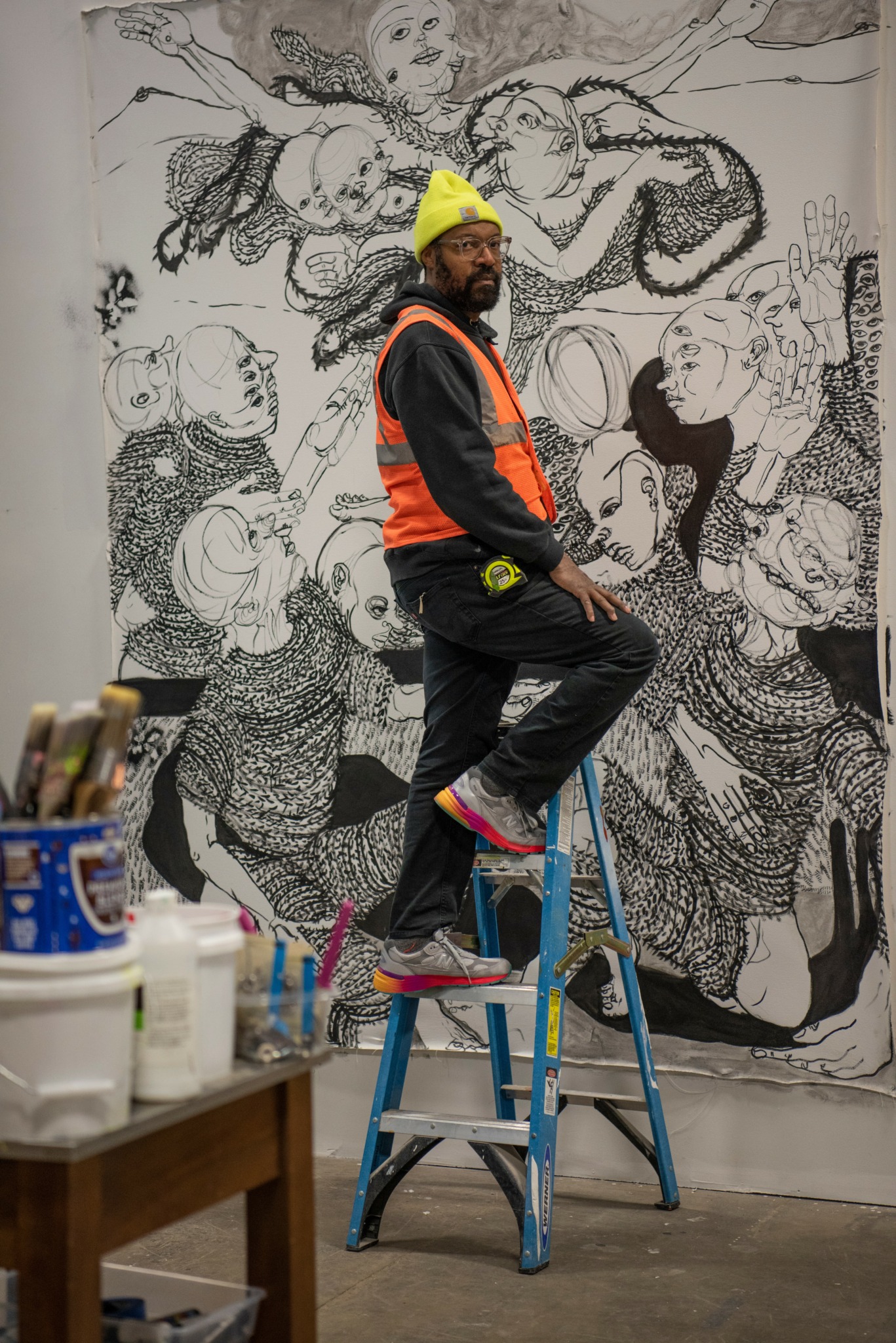

We caught up with the brilliant and insightful William Downs a few weeks ago and have shared our conversation below.
Alright, William thanks for taking the time to share your stories and insights with us today. When did you first know you wanted to pursue a creative/artistic path professionally?
It wasn’t a single, cinematic moment so much as a slow recognition that never really left me. Early on, I noticed that drawing wasn’t just something I enjoyed it was how I made sense of the world and a form of communication. I kept returning to the line as both a tool and a question, something that could describe reality while also undoing it. Over time, that curiosity became a kind of commitment.
The turning point came when I realized I wasn’t willing to give that process up—that making had shifted from habit to necessity. Choosing to pursue it professionally felt less like a decision and more like acknowledging something that had already taken hold.
As always, we appreciate you sharing your insights and we’ve got a few more questions for you, but before we get to all of that can you take a minute to introduce yourself and give our readers some of your background and context?
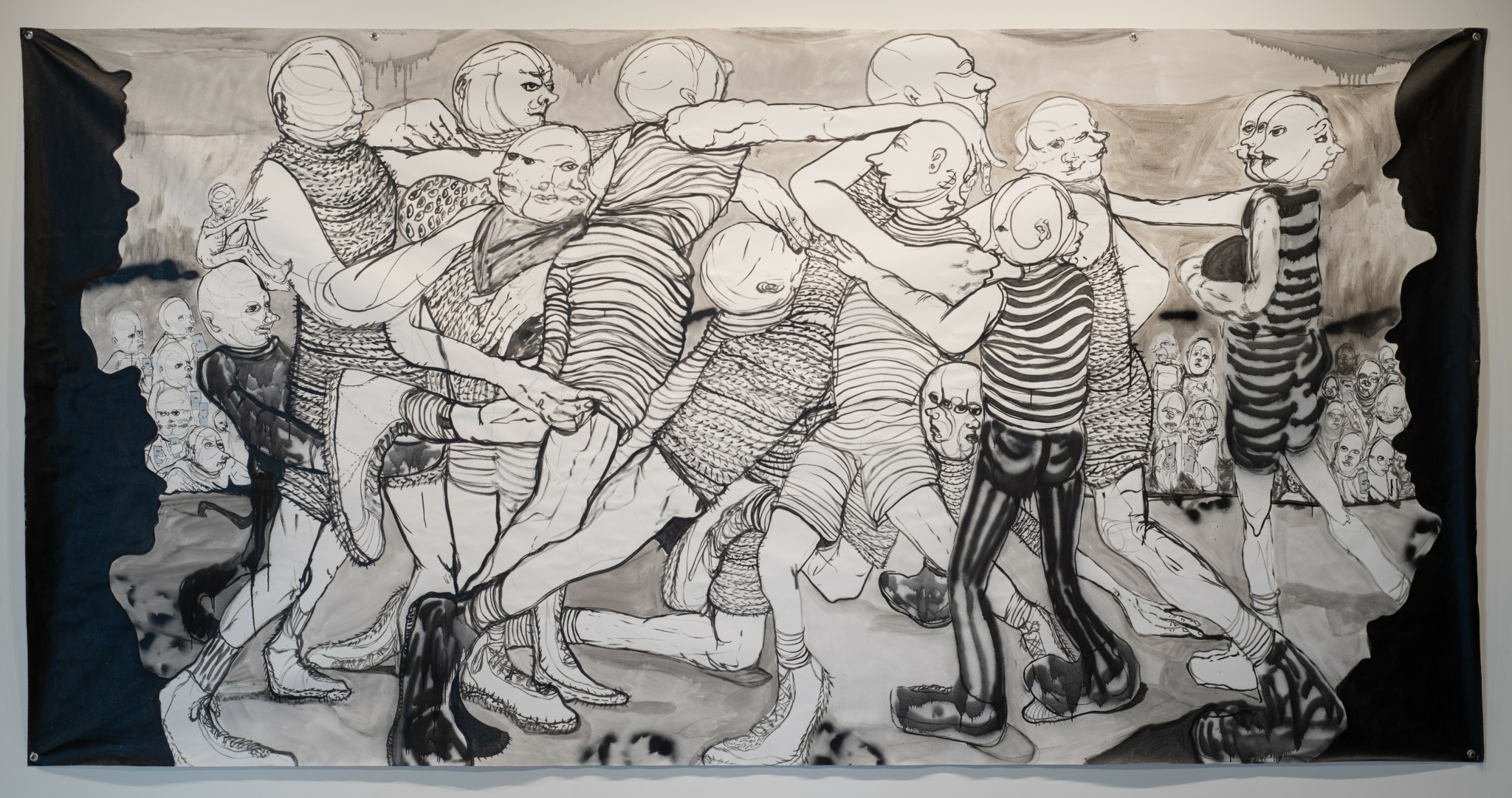
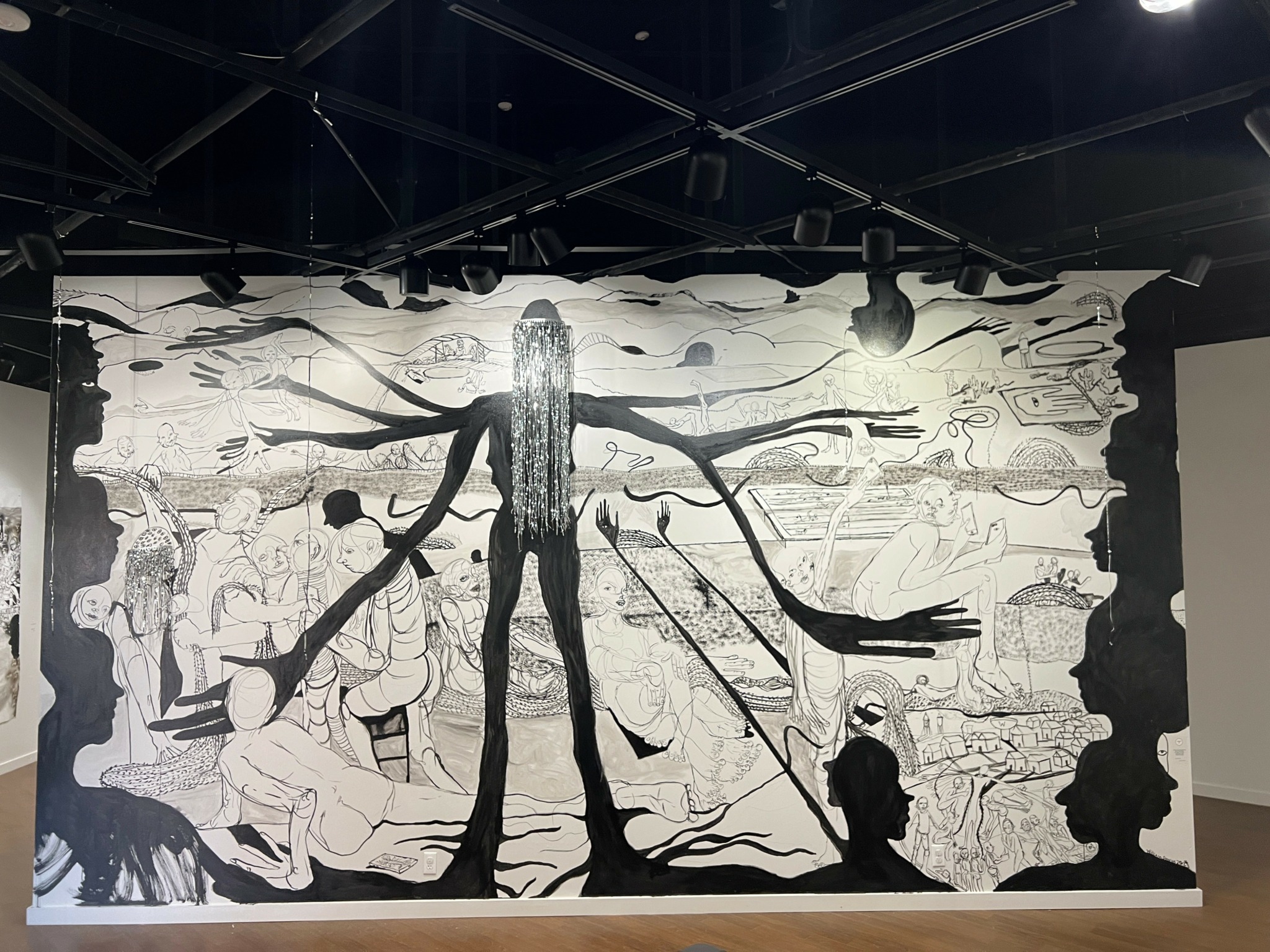
I’m a multidisciplinary artist whose practice moves through drawing, painting, and printmaking, rooted in a deep, ongoing investigation of the line. I came into this work less through a formal decision and more through a persistent return—drawing was always the thing I trusted to think with. Over time, that instinct evolved into a rigorous studio practice and, eventually, a professional path that has allowed me to exhibit, teach, and engage with broader creative communities.
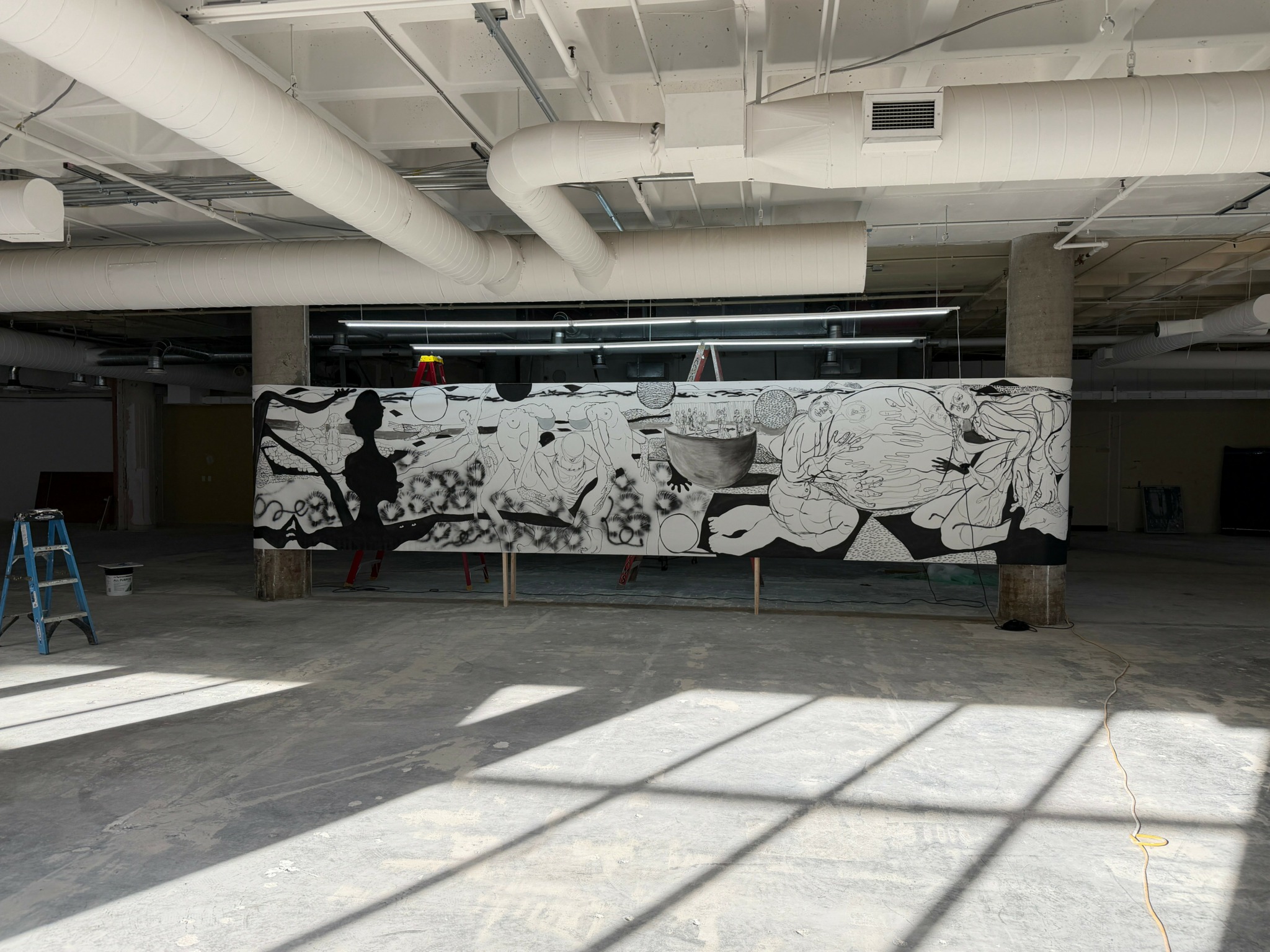
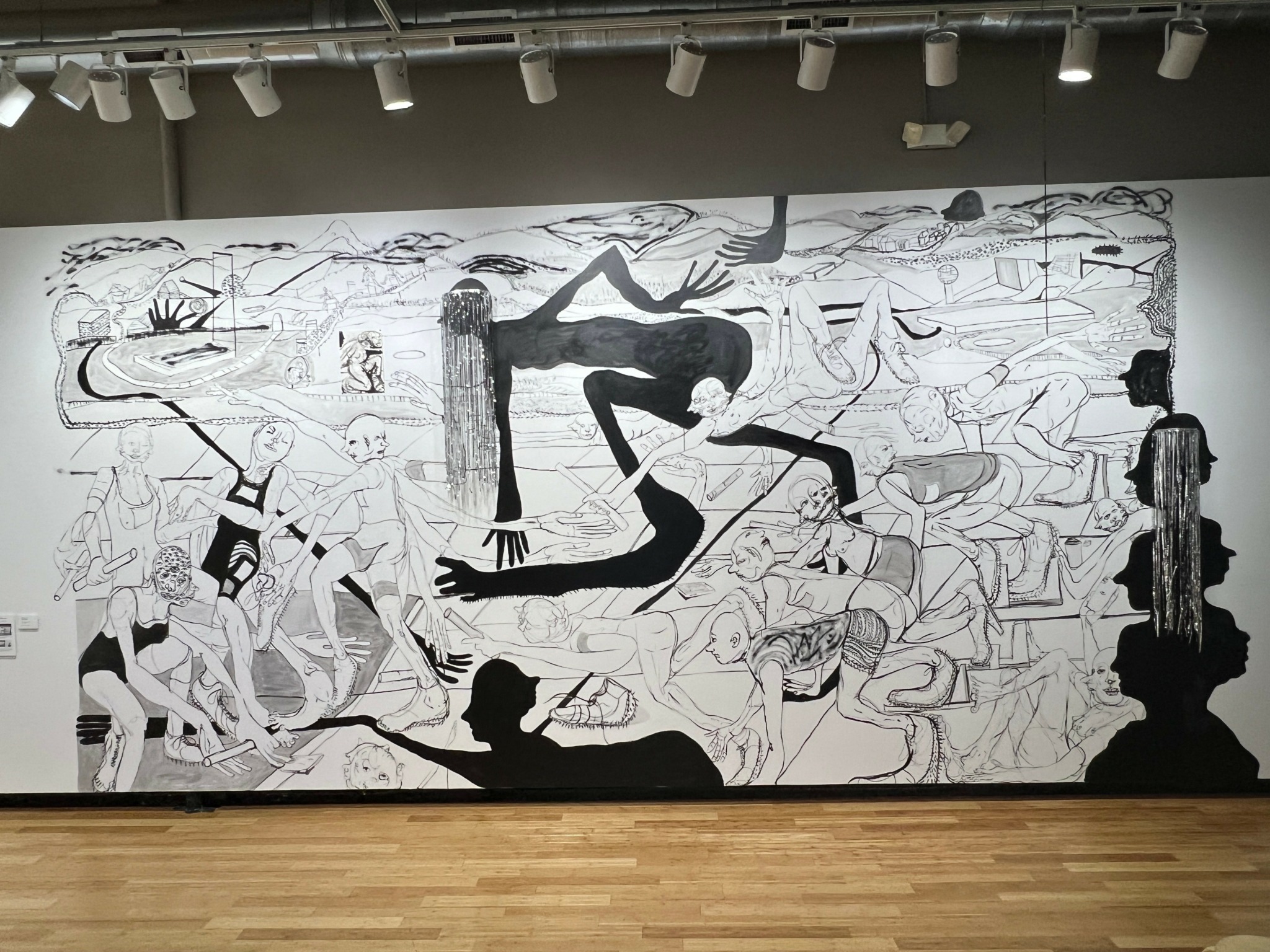
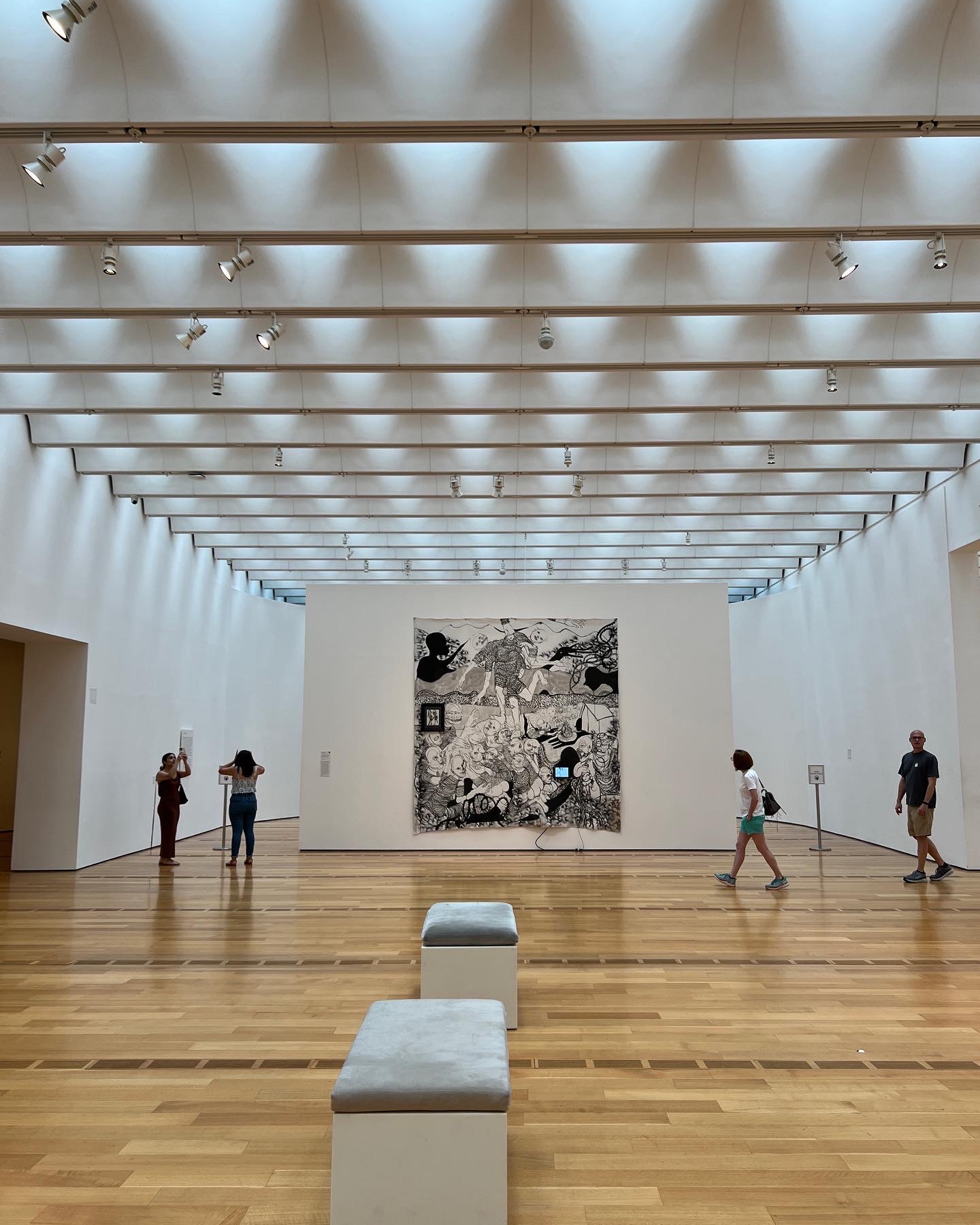
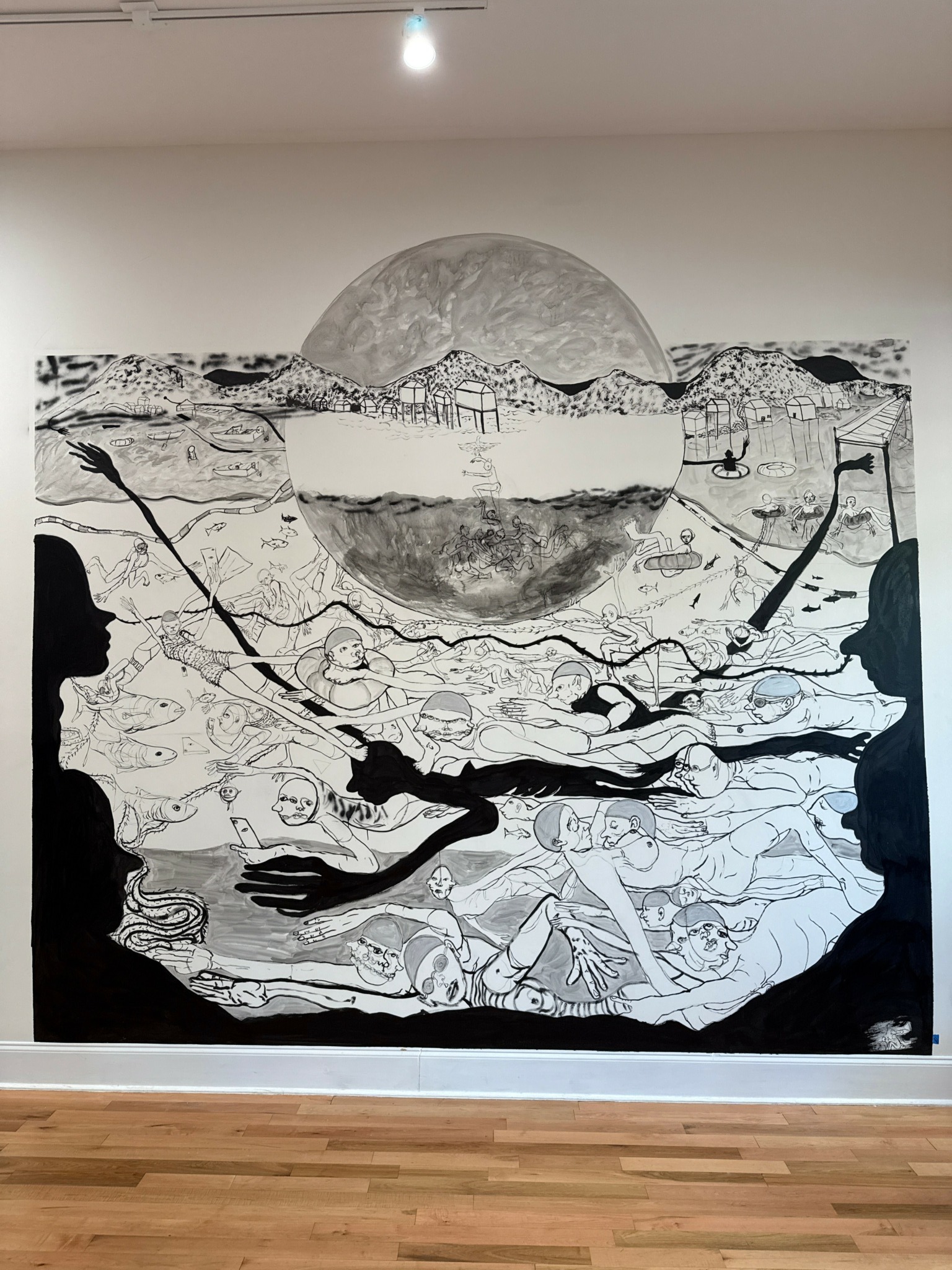
My work sits in a space between the familiar and the surreal. I’m interested in how common forms figures, gestures, fragments of environments can be reconfigured through line into something psychologically charged and slightly disorienting. The line, for me, is not just descriptive; it’s active. It builds, erodes, questions, and sometimes contradicts itself. That tension is where the work lives.
In terms of what I offer, it ranges from works on paper and canvas to prints and drawing directly on the wall, as well as teaching drawing and printmaking. For collectors and clients, the work often resonates on a conceptual and emotional level it invites a slower kind of looking, one that rewards ambiguity and personal interpretation. In that sense, I’m not solving a conventional “problem,” but I am creating space for reflection, curiosity, and a deeper engagement with visual language.
What sets my practice apart is this sustained focus on the figure using line as both subject and method. I’m less interested in resolution and more invested in possibility how far a simple element can be pushed before it becomes something else entirely. There’s also a commitment to process that remains visible in the finished work; you can see the thinking, the revisions, the searching.
What I’m most proud of is maintaining that integrity over time staying committed to the work as an evolving inquiry rather than settling into repetition or expectation. I want viewers, collectors, and students to understand that the work is grounded in exploration. It’s not about arriving at a fixed meaning, but about opening up a space where meaning can shift, expand, and even resist certainty.
What’s the most rewarding aspect of being a creative in your experience?
The most rewarding part is the moment when something internal something vague, unresolved, or even unknowable takes on a form and begins to exist outside of me. There’s a kind of translation that happens in the studio, where thought, feeling, and instinct move through the hand and become visible. That shift, from internal to external, still feels a bit like discovery every time.
Equally important is what happens after the work leaves me. When someone else encounters it and finds their own meaning sometimes something I never intended that exchange becomes a second life for the piece. It confirms that the work isn’t fixed; it’s active, relational, and open.
There’s also a quieter reward in simply sustaining the practice over time. Showing up, working through uncertainty, and continuing to ask questions without clear answers that endurance, and the growth that comes with it, is deeply fulfilling.
Is there mission driving your creative journey?
Just..simply sustaining my practice over time!
Contact Info:
- Website: https://www.williamedowns.com
- Instagram: wdowns.studio
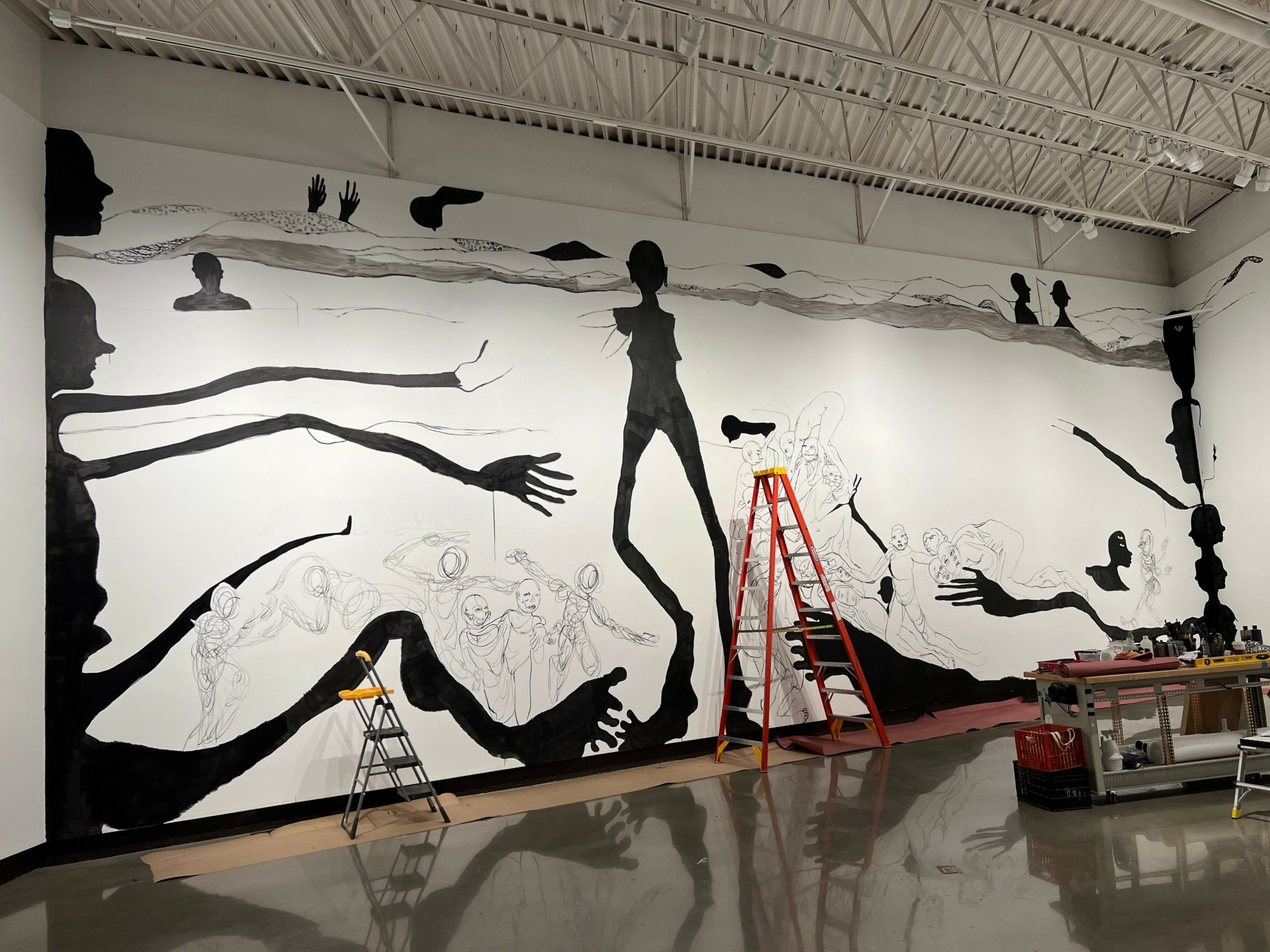
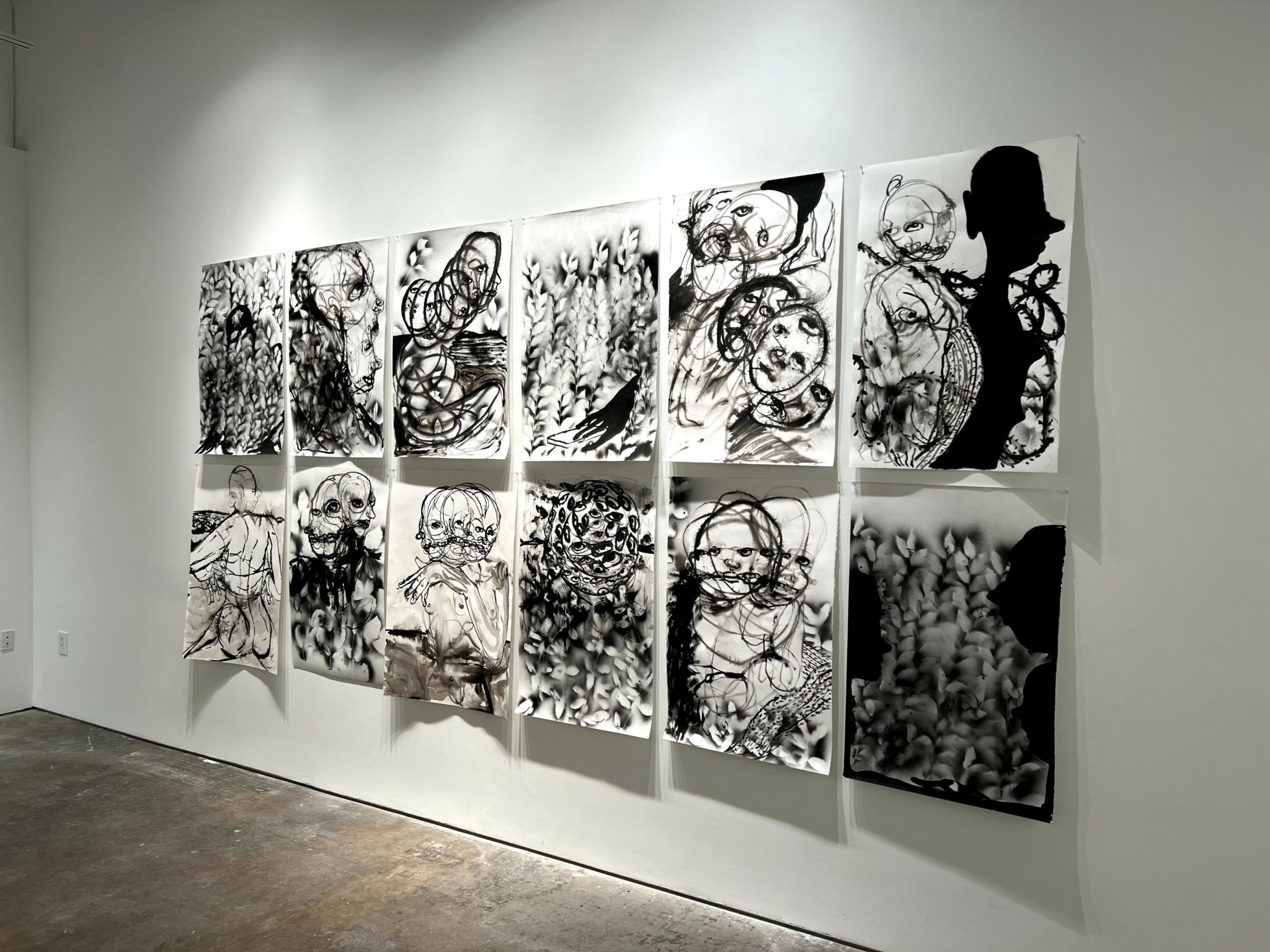
Image Credits
Jill Frank
Fredrik Brauer