
We caught up with the brilliant and insightful Walid Chaya a few weeks ago and have shared our conversation below.
Walid, appreciate you joining us today. Have you been able to earn a full-time living from your creative work? If so, can you walk us through your journey and how you made it happen? Was it like that from day one? If not, what were some of the major steps and milestones and do you think you could have sped up the process somehow knowing what you know now?
Yes, I’ve been able to build a full-time living as an artist—but I’ve always approached it as an actor first.
I grew up just outside of Washington, DC, and early on I understood something that’s true across the entertainment industry: no actor is working all the time. There are always gaps between projects. Instead of seeing that as a setback, I started to build a career that could support me creatively and financially during those in-between periods—while still keeping acting at the center.
Even during my formal training, I didn’t follow a traditional path. In school, I was encouraged to focus solely on acting, but I always had a strong interest in directing and creating my own work. Over time, a few professors supported that curiosity and allowed me to explore both. Looking back, I’m incredibly grateful for that, because today’s industry really rewards artists who can wear multiple hats—whether it’s self-taping auditions, creating original content, or understanding the business behind the work.
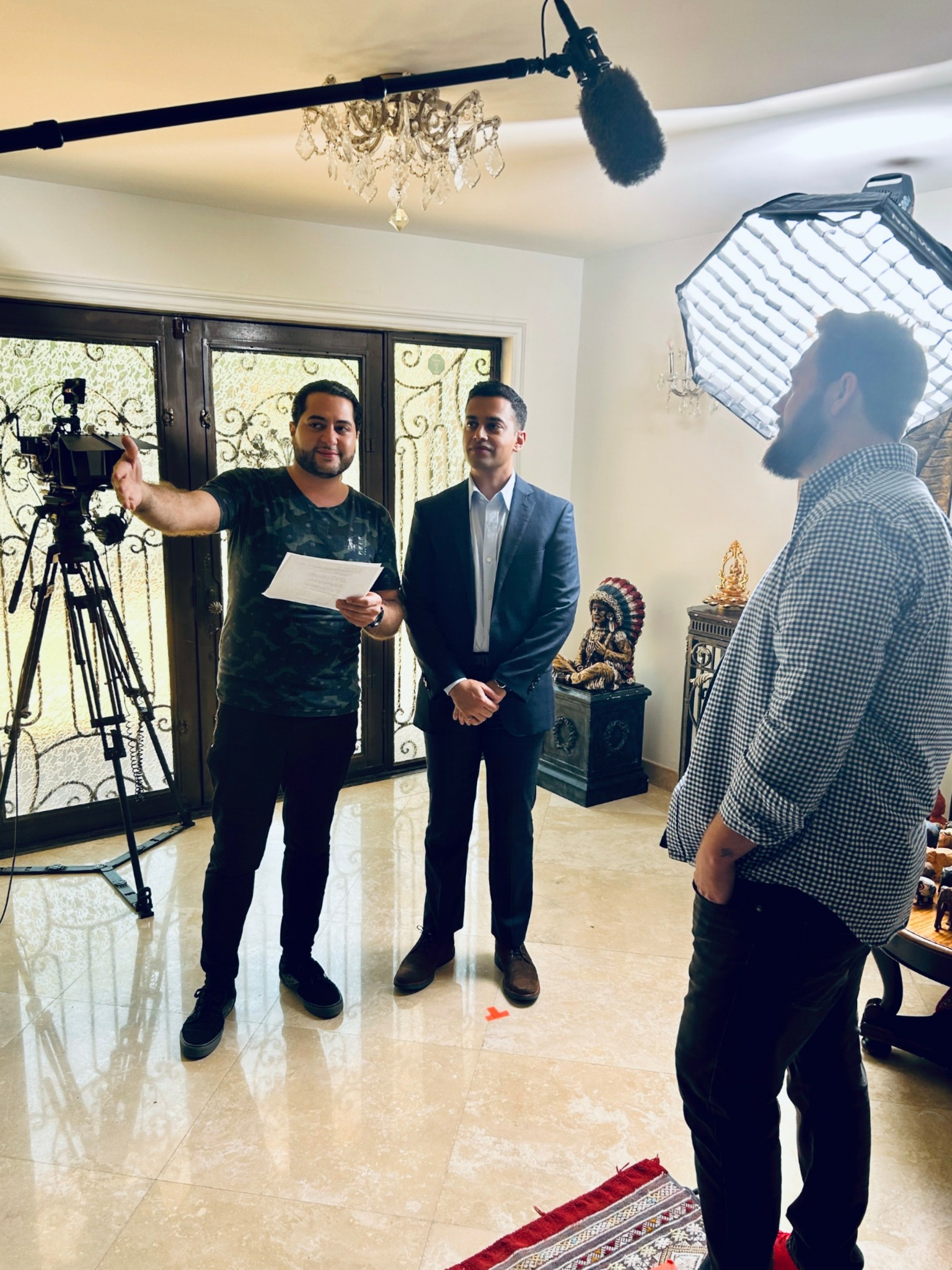
At 18, I founded Moonlit Wings Productions, where I began directing and producing theatre and educational programs. That wasn’t a pivot away from acting—it was a way to stay in it. I was creating opportunities for myself and other performers while developing my voice as a storyteller.
After several years in the DC area, I moved to New York City, where I spent nearly eight years continuing that balance. I taught acting at various studios—focusing on both technique and the business side of the industry—while pursuing my own work as an actor. During that time, I booked co-star roles on network television including The Blacklist: Redemption and Madam Secretary, as well as a film with A24, which led to joining SAG-AFTRA. My work in theatre also deepened during this period, and I became a member of the Stage Directors and Choreographers Society.
That momentum brought me to Los Angeles, where I’m now based. Here, I expanded into founding Studio for Performing Arts LA and the Studio for Performing Arts Foundation, creating training programs, industry showcases, and community-driven opportunities for actors.
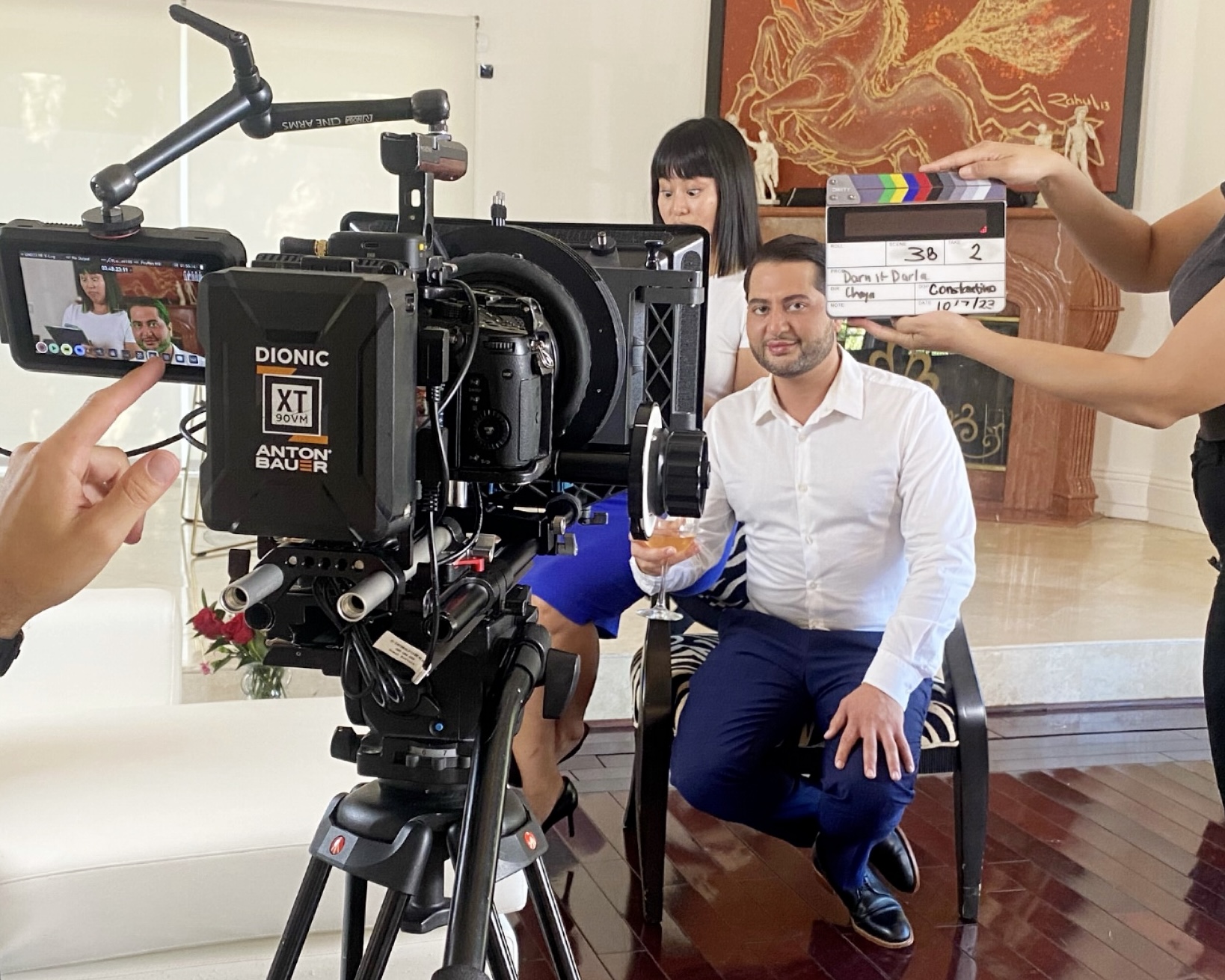
Alongside that, I’ve continued building my work as a filmmaker. My original films, including Driving Ms. Saudi and Darn It Darla!, have screened internationally and received multiple awards at film festivals. I also host the podcast Lights Camera Conversation, where I interview creatives and industry professionals, which has become another extension of my work in storytelling and community-building.
What’s also helped me sustain a full-time career is developing the business side of being an artist. From building and managing my own websites, to handling accounting, to overseeing and paying a team of 50+ independent contractors across my programs, those skills have allowed me to operate not just as a creative, but as an entertainment entrepreneur.
At the end of the day, none of these paths are separate from acting—they all feed into it. Whether I’m creating my own projects and casting myself, or bringing in casting directors, agents, and industry professionals through my studio, everything I do supports and elevates my work as an actor.
That’s ultimately how I’ve made it sustainable—by building multiple, aligned creative streams that reinforce each other. It’s still evolving, and I’m continuing to expand my work nationally across both coasts, but I’m grateful to be able to build a full-time career doing what I love while creating opportunities that keep that passion moving forward.
Walid, before we move on to more of these sorts of questions, can you take some time to bring our readers up to speed on you and what you do?
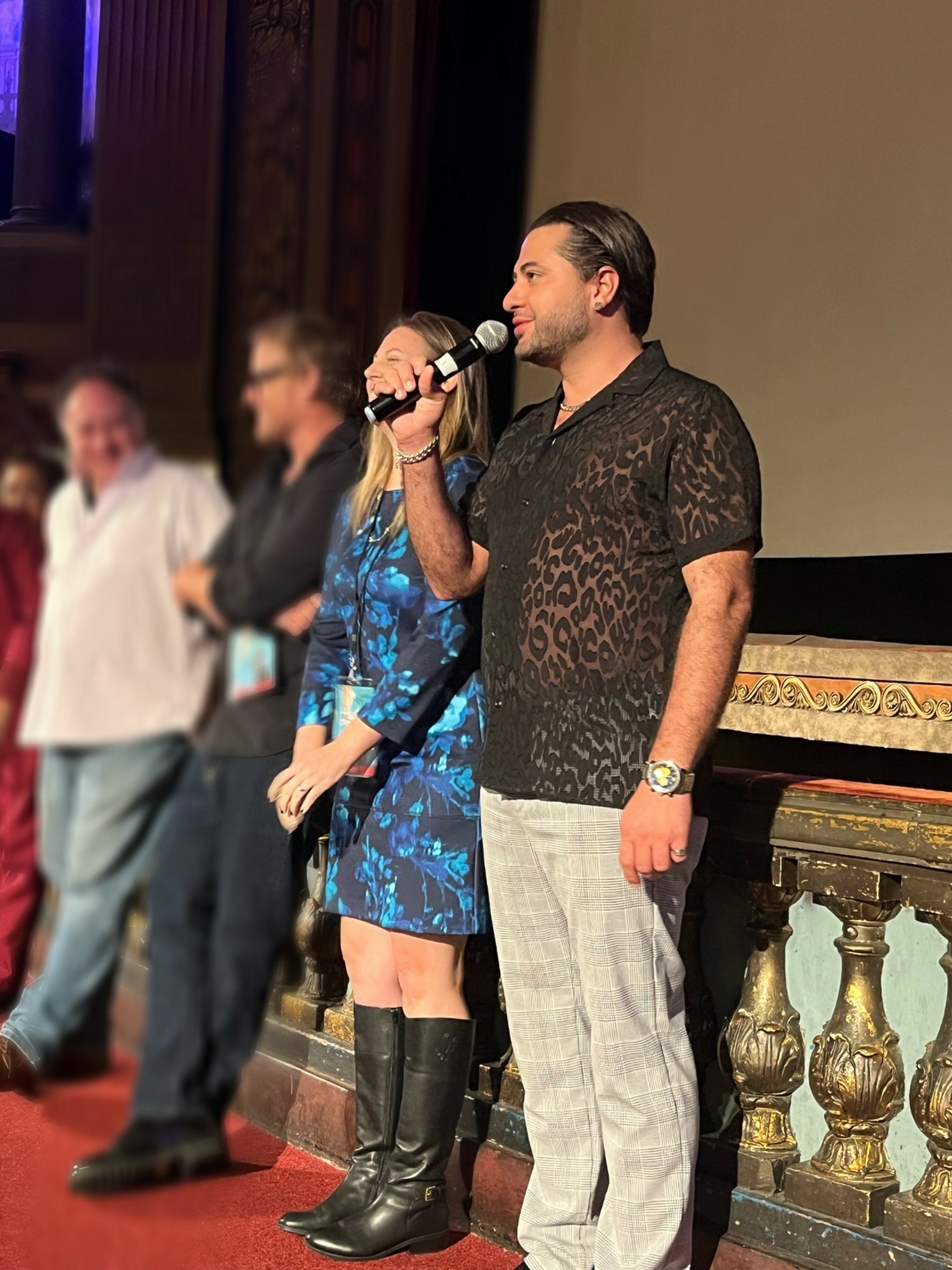
I’m an actor, director, and writer based in Los Angeles, and everything I do stems from that foundation as a performer.
I got into the industry through acting, but very early on I realized that to build a sustainable career, you can’t rely on just one lane. That led me to expand into creating my own work and eventually launching Moonlit Wings Productions, which started in the Washington, DC area and has since grown nationally. From there, I continued developing my career in New York City and now Los Angeles, working across television, film, and theatre, with credits including The Blacklist: Redemption, Madam Secretary, and The Looming Tower, along with award-winning films like Driving Ms. Saudi and Darn It Darla!.
Today, my work lives at the intersection of professional acting and artist development. As an actor and filmmaker, I create original projects for film and stage. At the same time, I run Studio for Performing Arts LA—an acting school in Los Angeles offering professional acting classes, on-camera training, and scene study—alongside the Studio for Performing Arts Foundation. Through these programs, I provide industry workshops and showcases that connect actors directly with casting directors, agents, and managers.
What sets the training apart is that it’s rooted in real, current industry experience. I’m teaching what I actively do on set and in my own work. At Studio for Performing Arts LA, the curriculum is built on a blend of Uta Hagen and Stanislavski-based acting techniques, specifically adapted for on-camera performance. That means actors are not only developing strong, truthful acting technique, but also learning how to apply it in auditions, self-tapes, and professional film and television settings.
I also host the Lights Camera Conversation podcast, where I interview actors, filmmakers, and industry professionals, extending that same mission of giving artists access, insight, and clarity about how the entertainment industry actually works.
The main problem I focus on solving—especially for actors—is the gap between talent and opportunity. Many performers are skilled, but don’t always know how to position themselves, get in front of the right people, or build momentum in their careers. My work is designed to bridge that gap through high-level acting training, career strategy, and direct industry exposure.
What I’m most proud of is building an ecosystem where everything supports each other. My work as an actor informs how I teach, my acting studio creates opportunities for other performers while expanding my own network, and my creative projects allow me to continue telling stories I care about. It’s not just about building a career—it’s about building something that has real impact for other artists as well.
For anyone discovering my work, the biggest thing I’d want them to know is that I approach this industry from both sides: as a working actor and as someone who actively creates opportunities. That combination is what defines my brand and continues to shape everything I’m building.
Have you ever had to pivot?
For me, pivots have often been tied to geography—and each place I’ve lived has built on the last in a very intentional way.
The first was moving from Beirut to the United States at three years old. I grew up just outside of Washington, DC, and even at a young age, I was learning how to adapt between cultures, environments, and identities. That ability to adjust and find my footing in new spaces became a through-line in both my life and my career.
The next major pivot was moving from the suburbs of DC to New York City. That was the first time I fully stepped into pursuing this as a professional actor. New York sharpened me—it gave me discipline, resilience, and real-world experience. I trained extensively, taught acting, and started booking professional work in television and film. It was a critical chapter that helped me grow both creatively and in understanding the business side of the entertainment industry.
But I always knew that Los Angeles was the long-term destination. It’s the center of the film and television industry, and if I wanted to expand my opportunities in on-camera acting and filmmaking, I needed to be here.
Making that move was the biggest leap for me. Up until then, I hadn’t really lived beyond the East Coast aside from visiting Lebanon. LA felt like a completely different world—exciting, but also unfamiliar. What helped me take that step was reminding myself that nothing is permanent in a negative way—you can always adjust, pivot again, or even go back. That mindset gave me the freedom to go for it without fear of being “stuck.”
By the time I made the move, I also knew I was ready. Every previous chapter had built toward it—DC gave me my foundation, New York gave me my training and early career momentum, and Los Angeles became the place where I could expand everything I had been working toward, both as an actor and as a creator.
That pivot opened up new opportunities across acting, directing, and building Studio for Performing Arts LA—an acting school in Los Angeles focused on on-camera acting classes, scene study, and professional demo reel production. It allowed me to operate on a much larger scale while staying rooted in performance and creating opportunities not just for myself, but for other actors as well.
Looking back, I see that each move wasn’t just a risk—it was a step forward. Every city added a layer, and each chapter prepared me for the next.
Can you share a story from your journey that illustrates your resilience?
A big part of my resilience comes from my family and the perspective I was raised with.
My parents immigrated to the United States from Lebanon with very little—around $2,000—and a vision for a better future. I was three at the time, and a year later my sister was born here. They built a life from the ground up. They put both of us through school, continued educating themselves, and eventually were able to buy a home—all starting from scratch in a completely new country.
Seeing that firsthand shaped how I approach everything.
They didn’t come here so I could play it safe—they came here so I could have the opportunity to pursue something bigger, even if it meant choosing a path that isn’t always considered “secure.” In many parts of the world, pursuing a career in the arts isn’t always viewed as practical—stability and survival take priority. So the fact that I get to work in a creative field, even with all its uncertainty, is something I never take for granted.
That perspective has only deepened in recent years. With the ongoing instability in Lebanon, including bombings and violence that have affected people close to me, there’s a constant reminder of how fragile normal life can be. We’ve experienced loss, fear, and the emotional weight of watching events unfold from afar while knowing family and loved ones are directly impacted.
When I face challenges in my own career—and there are many in this industry—I come back to that. I remind myself what my parents went through to get us here, and what people we love are still navigating today.
That’s where my resilience comes from. It’s not just about pushing through rejection or staying motivated—it’s about honoring the sacrifices that made my life possible and carrying that perspective with me in everything I do. It’s also what drives me to create opportunities for others through my work, knowing how meaningful access and support can be.
It keeps me grounded, focused, and grateful—and it gives deeper meaning to the work I pursue.
Contact Info:
- Website: https://walidchaya.com
- Instagram: https://instagram.com/walid.chaya
- Facebook: https://facebook.com/walidc
- Linkedin: https://www.linkedin.com/in/walidchaya/
- Twitter: https://twitter.com/walidchaya
- Youtube: https://youtube.com/@walidchaya
- Other: studioforperformingarts.com
moonlitwings.org
lightscameraconversation.com