


Alright – so today we’ve got the honor of introducing you to Veselina Hristova Jones. We think you’ll enjoy our conversation, we’ve shared it below.
Veselina, thanks for taking the time to share your stories with us today Let’s go back in time to when you were an intern or apprentice – what’s an interesting story you can share from that stage of your career?
A story that has stayed with me comes from my second-year internship in a DBT partial hospital program in Boston. I had the opportunity to work with an incredible supervisor who gave thoughtful, balanced feedback after each group.
He would often highlight both what went well and what could be improved. And almost every time he complimented something I did, my response would sound like this:
“Yeah, but I could have done it better…”
or
“That part wasn’t great, here’s what I should have done…”
One day, he stopped me mid-sentence and said, “The only response to a compliment is thank you.”
That moment stuck with me.
He explained that when we deflect a compliment, we are not being humble. We are actually rejecting it. We don’t allow ourselves to take in our strengths, and we unintentionally make the other person feel dismissed.
That was a turning point for me. It helped me see how automatic self-criticism can be, even in moments of success.
Over time, that lesson became deeply connected to my work around self-compassion. I have seen how difficult it is for so many people to acknowledge what they are doing well. Instead, they move the goalpost, minimize, or focus on what’s missing.
Learning to pause and simply say “thank you” may seem small, but it’s often the beginning of a much bigger shift. It creates space to recognize your strengths instead of constantly questioning them.
That’s something I now help my clients practice every day.
Veselina, before we move on to more of these sorts of questions, can you take some time to bring our readers up to speed on you and what you do?
What brought me to this field is both personal and professional.
I grew up in Bulgaria in an environment where mental health support was not readily available, and I saw firsthand how mental health and substance use challenges can impact individuals and entire families. At the same time, taking a psychology class in high school opened my eyes to the idea that there are ways to understand behavior, patterns, and emotional experiences.
That curiosity stayed with me.
I continued studying psychology in college and through hands-on experiences in community settings, including shelters and clinical programs. Eventually, I pursued a master’s in social work because I was drawn to its holistic lens, not just focusing on the individual, but also the systems and environments that shape how we think, feel, and behave.
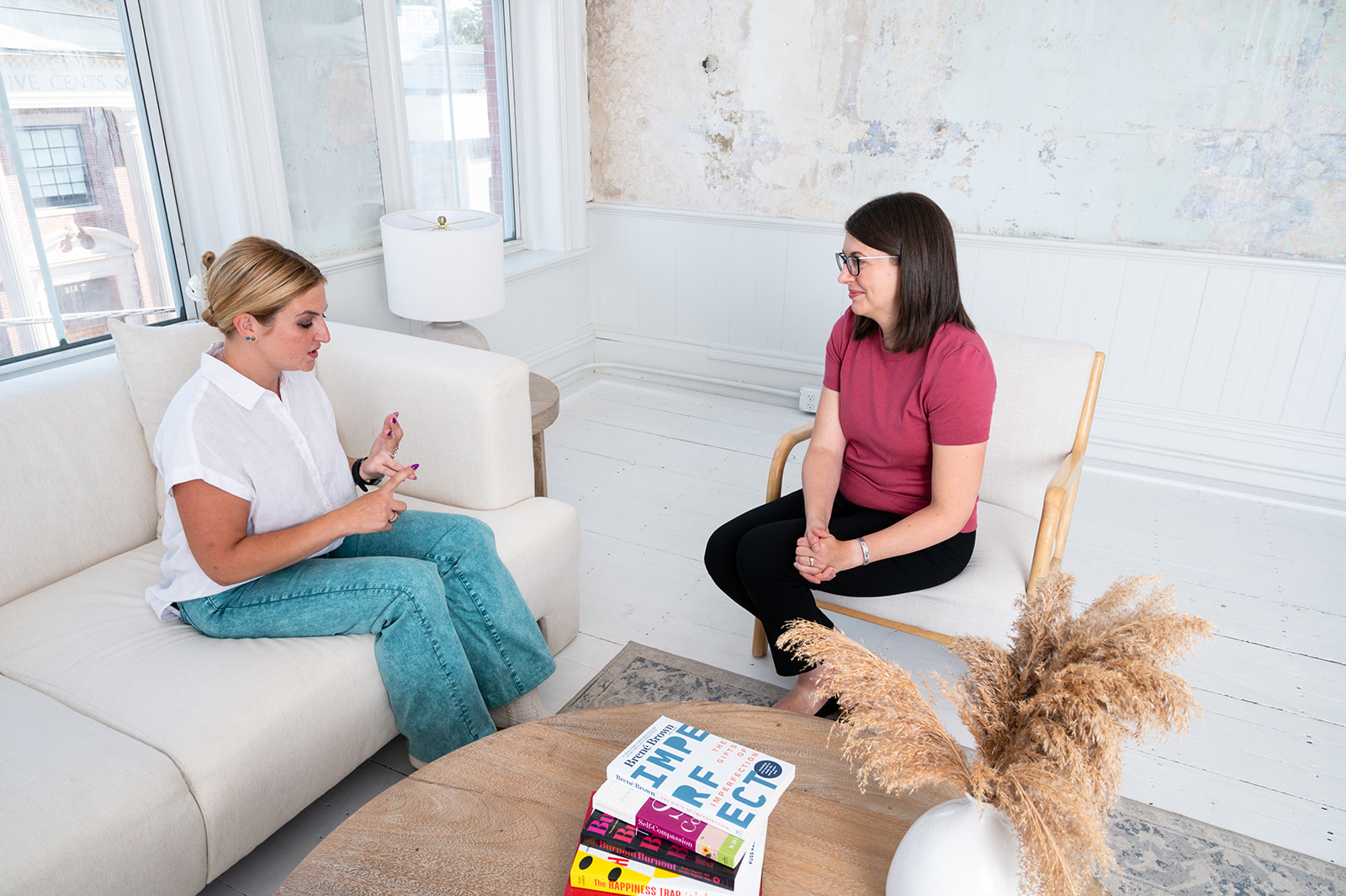
Today, I am a licensed clinical social worker in private practice in Wellesley, MA, and I primarily work with women who feel overwhelmed, anxious, and stretched thin.
On the outside, many of them look like they are doing everything right. They are capable, responsible, and high-functioning.
But internally, they often feel stuck.
They struggle with perfectionism, people-pleasing, negative self-talk, and difficulty asking for what they need.
A lot of our work is about helping them step out of the life they feel they should be living and move toward a life that feels aligned with who they are.
What sets my work apart is the balance I bring into the room.
I am warm, compassionate, and deeply supportive. And I am also direct.
I don’t believe therapy is just about talking. I actively help clients notice patterns, challenge the narratives that keep them stuck, and practice new ways of responding to themselves and others.
My goal is not just for someone to feel better in the moment, but to walk away with tools they can use in their daily lives.
Let’s talk about resilience next – do you have a story you can share with us?
One of the most defining moments in my life was getting on a plane for the first time and flying halfway across the world to attend college in the United States.
Even though I had studied English in school, speaking and understanding it in real life felt completely different. I remember sitting in lectures and struggling to follow what was being said, spending hours trying to get through readings, and feeling a constant sense of doubt about whether I belonged there.
There were moments when I truly didn’t know if I would make it through that first semester.
What made the difference was support. Professors who were patient, classmates who were encouraging, and a willingness to keep going even when it felt uncomfortable.
Over time, things started to shift. My understanding improved, my confidence grew, and I found my footing.
That experience taught me something I still carry with me today:
Growth often feels like uncertainty before it feels like confidence.
And just because something feels hard, it doesn’t mean you are not capable of doing it.
Putting training and knowledge aside, what else do you think really matters in terms of succeeding in your field?
Beyond training, one of the most important things in this work is self-awareness.
Being honest about my strengths, my blind spots, and what might get activated for me based on my own experiences is essential. This work requires you to show up fully, and that means continuously reflecting and growing.
It also means practicing what I teach.
I can’t ask my clients to slow down, set boundaries, or approach themselves with compassion if I’m not willing to do that myself.
So, I focus on small, consistent practices:
– Taking care of my own well-being
– Using the same stress management tools that I teach
– Catching my own inner critic when it shows up and replacing it with self-compassion
Because sitting with someone while they share their most vulnerable experiences is a privilege.
And I want to meet them with presence, honesty, and care.
Contact Info:
- Website: https://www.vhjoneslicsw.com
- Instagram: https://www.instagram.com/vhjoneslicsw/
- Linkedin: https://www.linkedin.com/in/vhjoneslicsw/
- Other: https://www.vhjoneslicsw.com/7-ways-to-prioritize-yourself
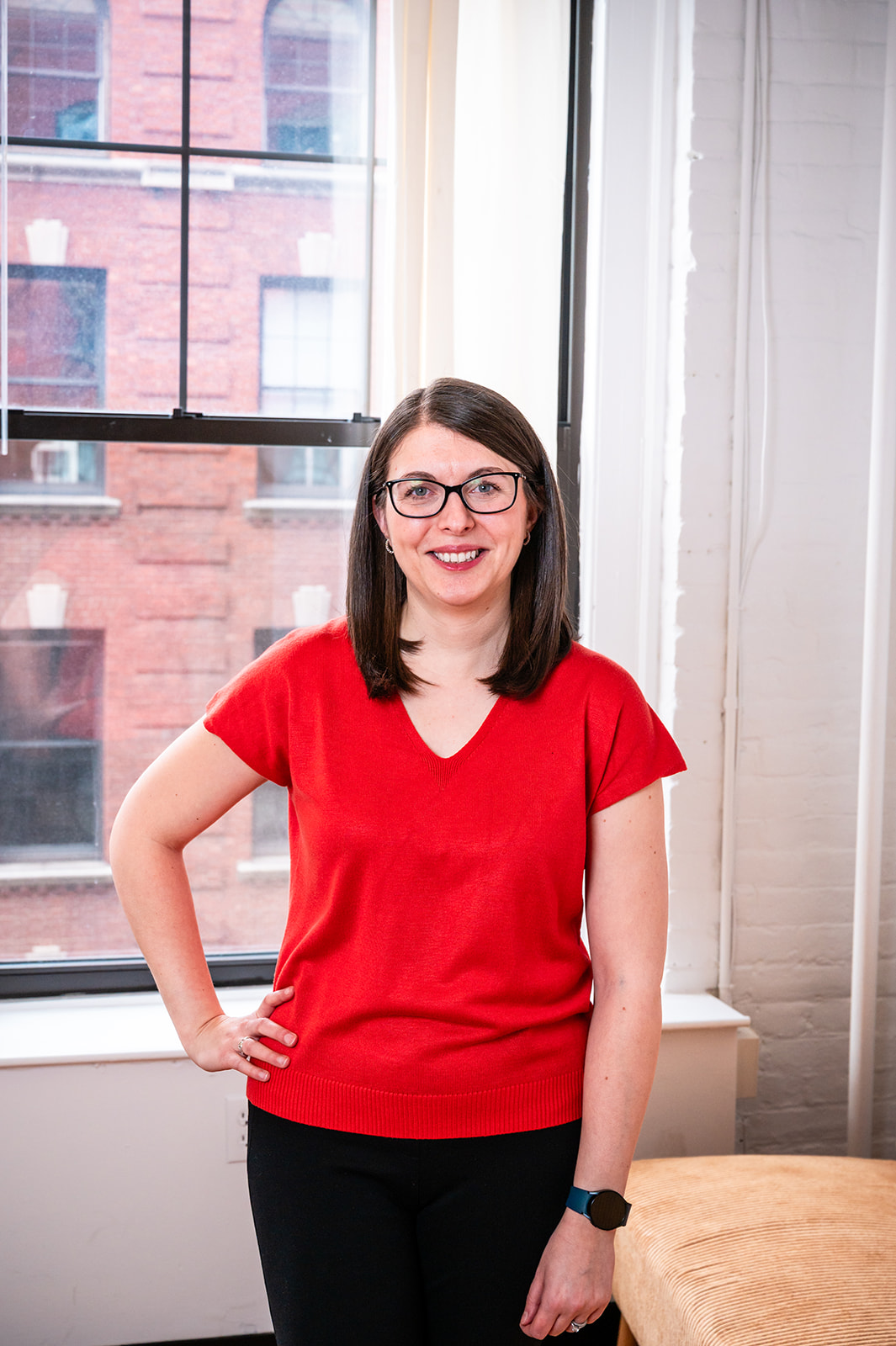
Image Credits
Amber Leilani Photography