

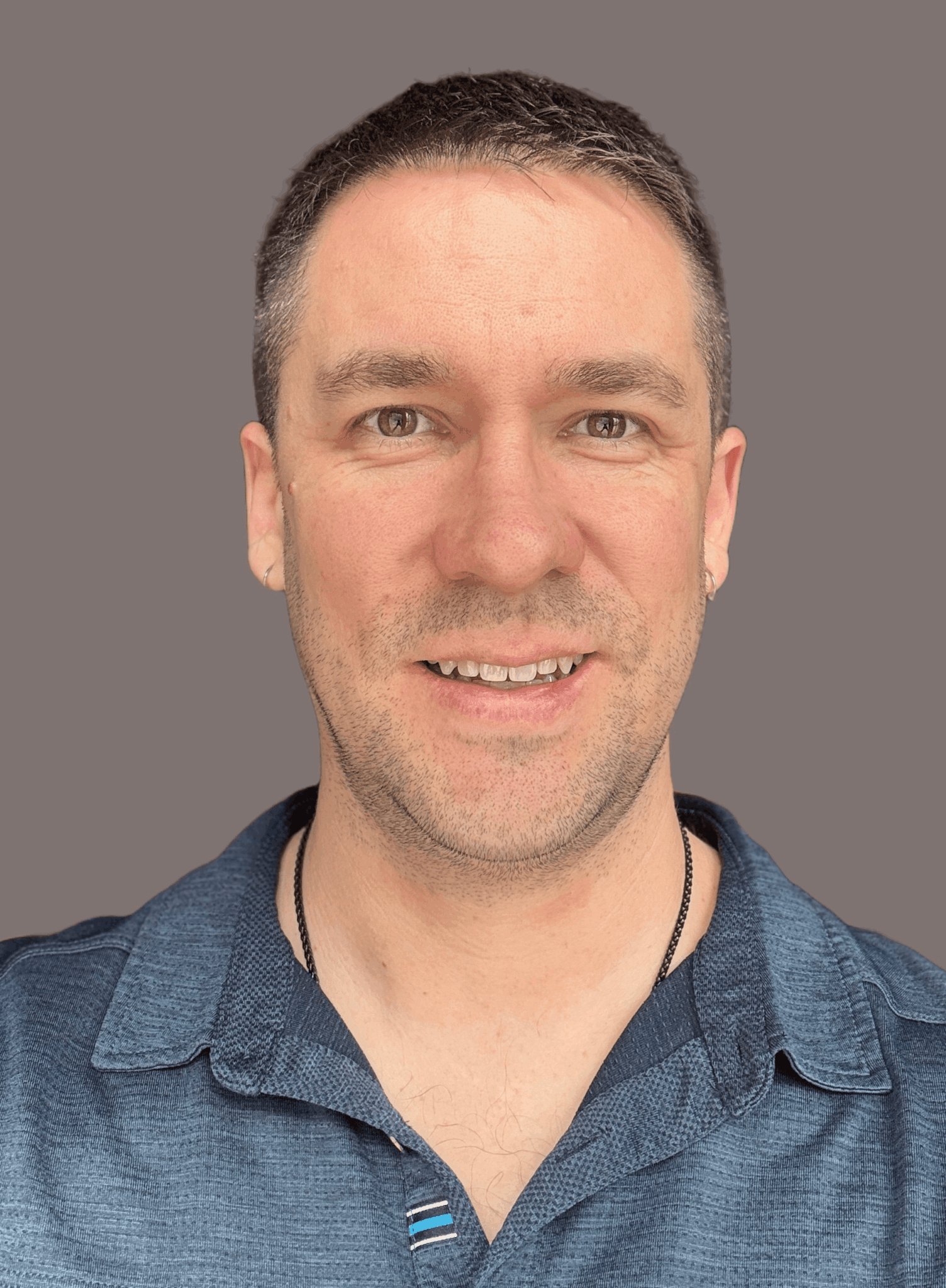

We caught up with the brilliant and insightful TJ McSherry a few weeks ago and have shared our conversation below.
TJ, thanks for taking the time to share your stories with us today Can you walk us through some of the key steps that allowed you move beyond an idea and actually launch?
I bought my first “real” camera during Covid. I was on lock down in Central California, a state that took its response to the virus very seriously. I placed an order for pickup, and grabbed the only kit camera in stock – a Fuji X-T100 with two lenses. Many parts of the beaches were closed to the public, to deter large gatherings, but I found a few spots with good access and begin practicing. As restrictions lifted, I got out more and more to learn my tools. Not long after, I moved to Georgia and begin taking portraits and documenting local arts events – live performances (with permission), gallery openings, and festivals. Photography still isn’t my main source of income, but I am building valuable connections and a strong reputation that I will rely upon as I lean more and more on my artistic skills for income.
As always, we appreciate you sharing your insights and we’ve got a few more questions for you, but before we get to all of that can you take a minute to introduce yourself and give our readers some of your back background and context?
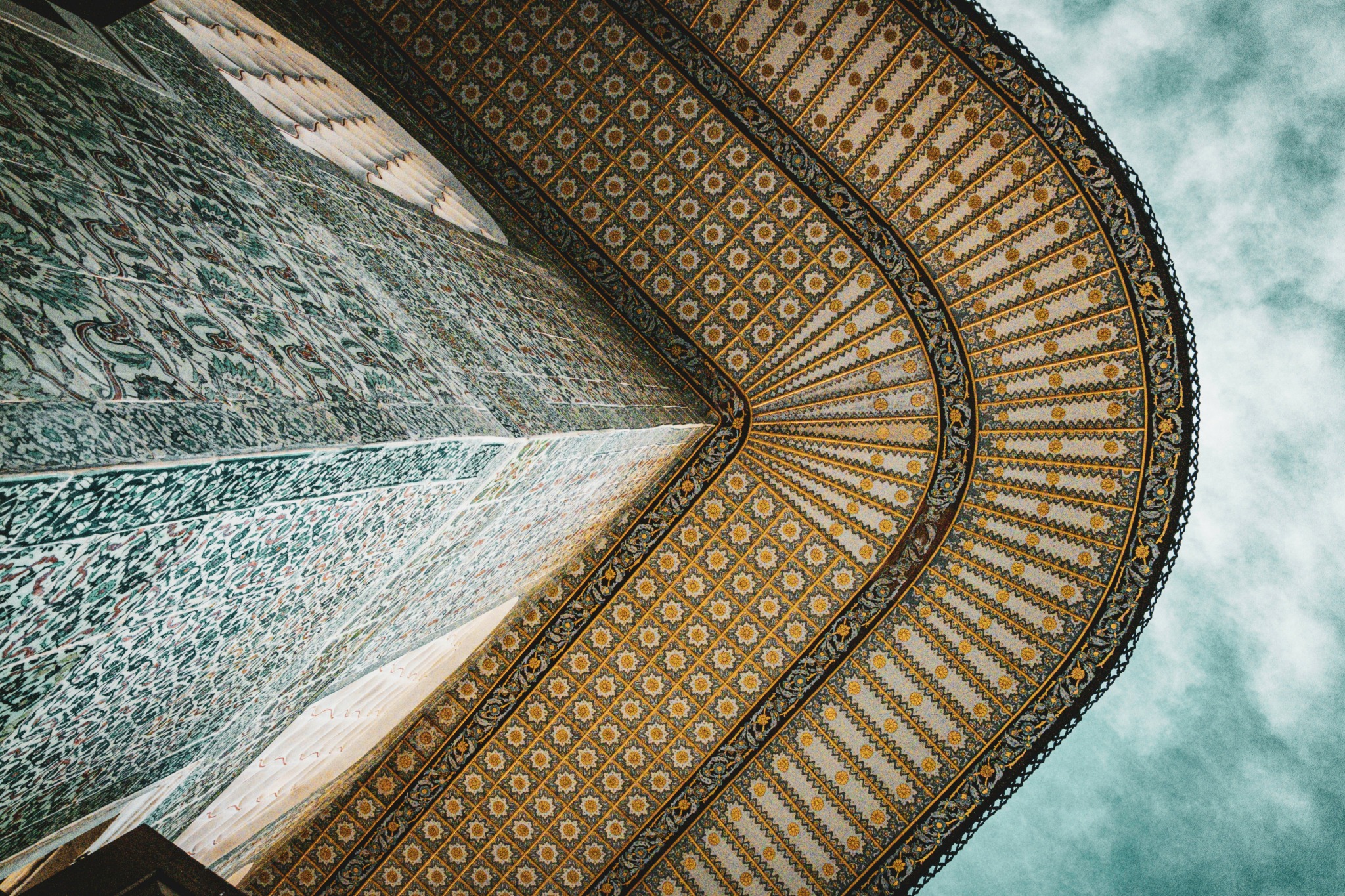
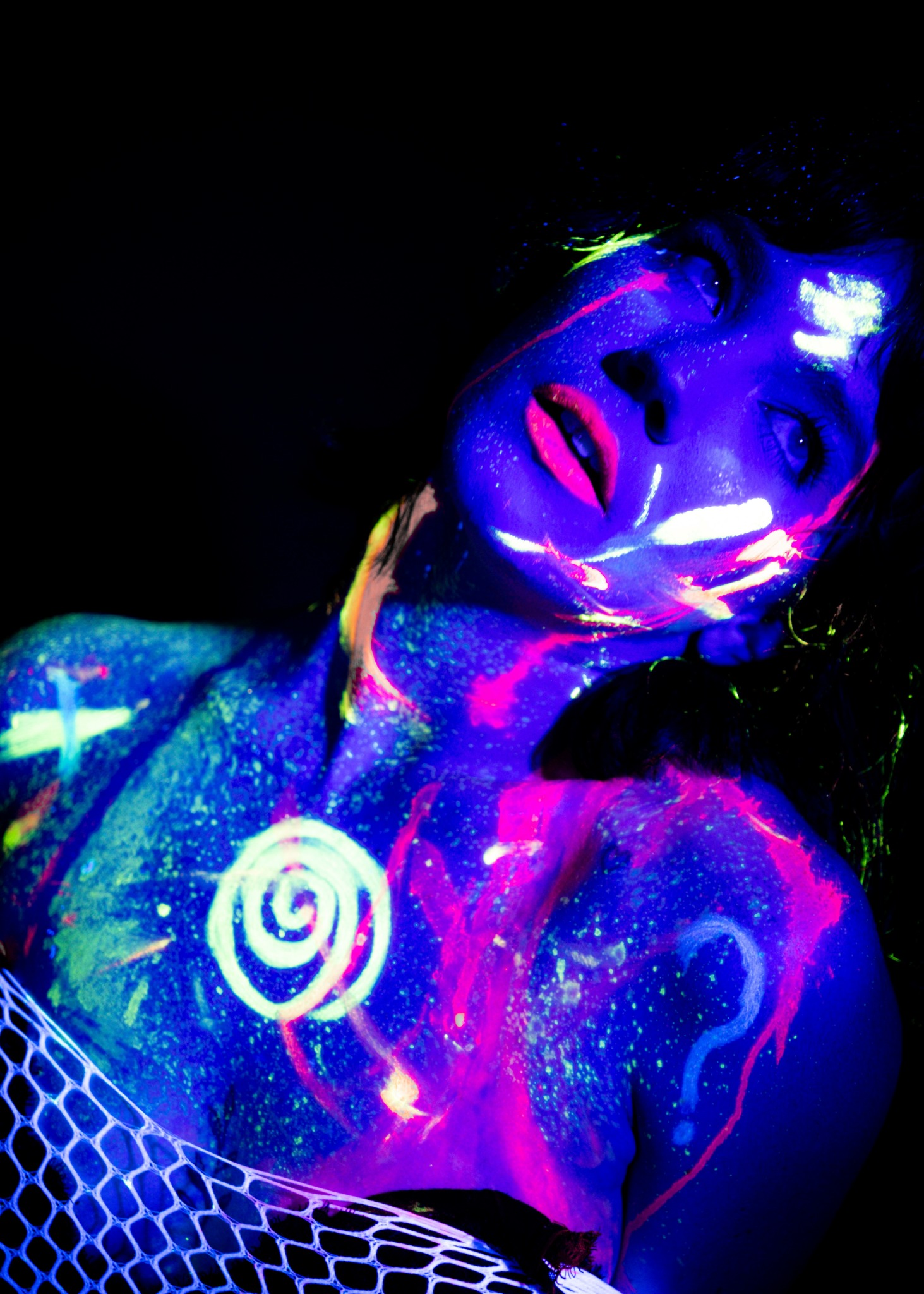
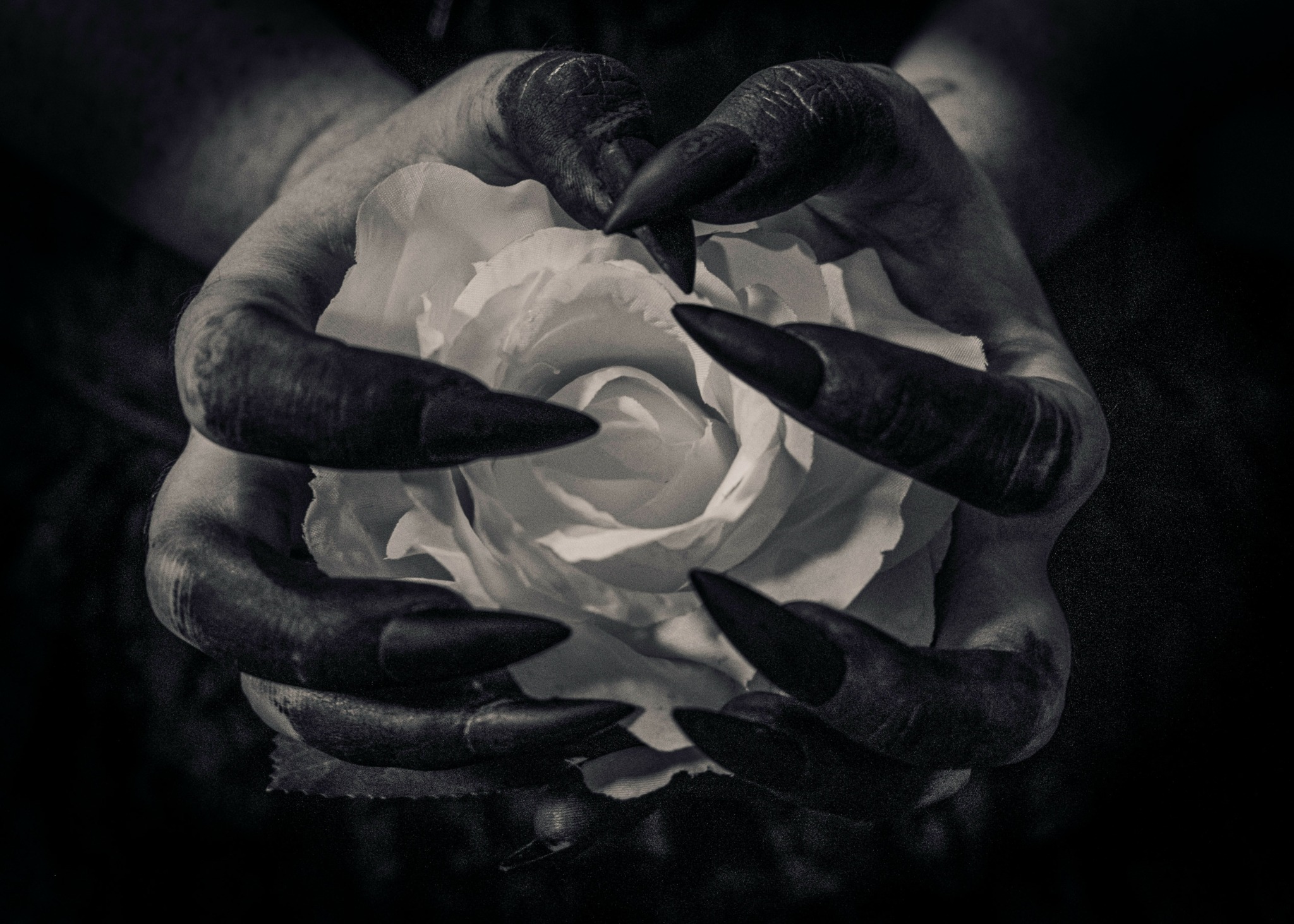
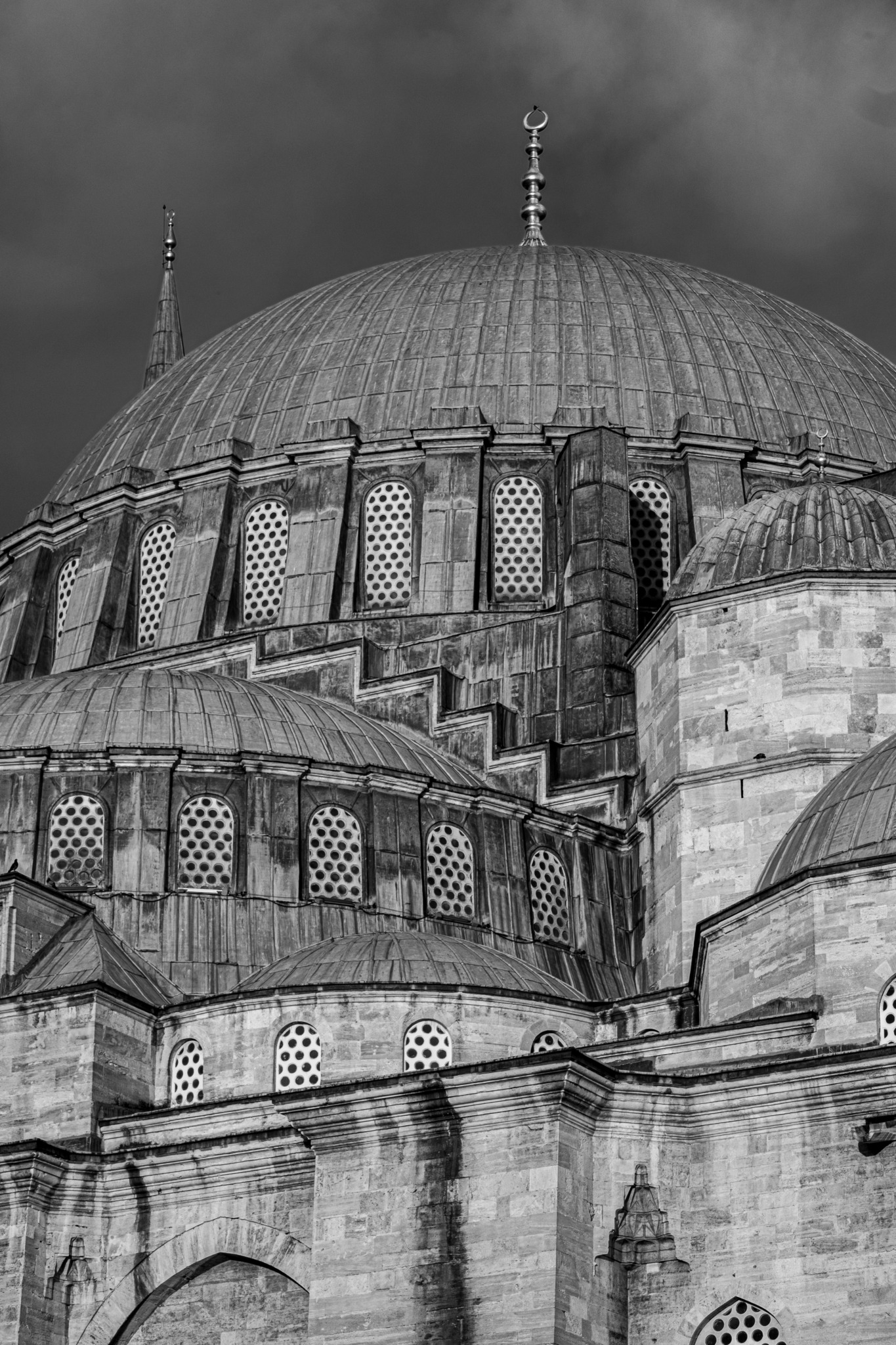
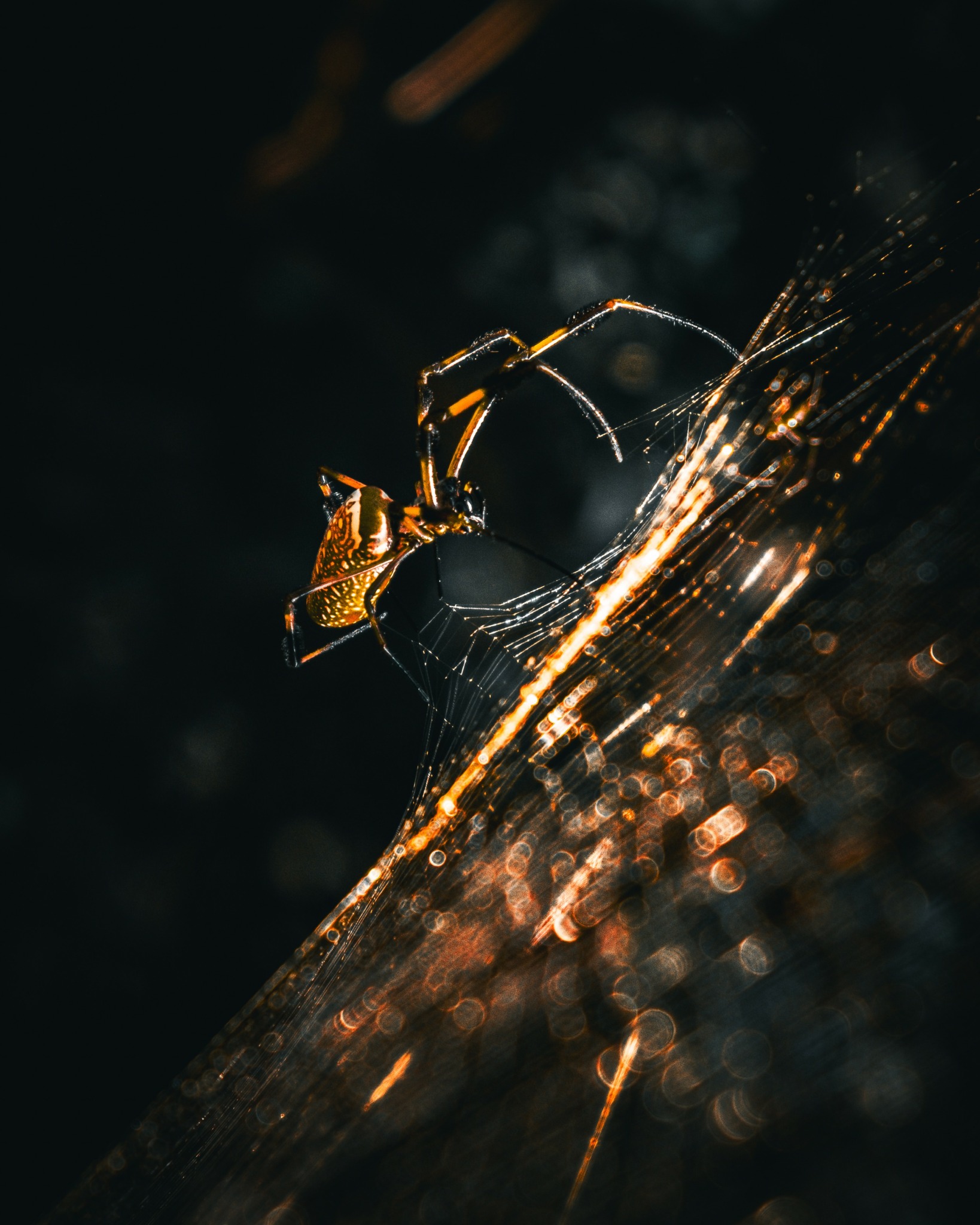
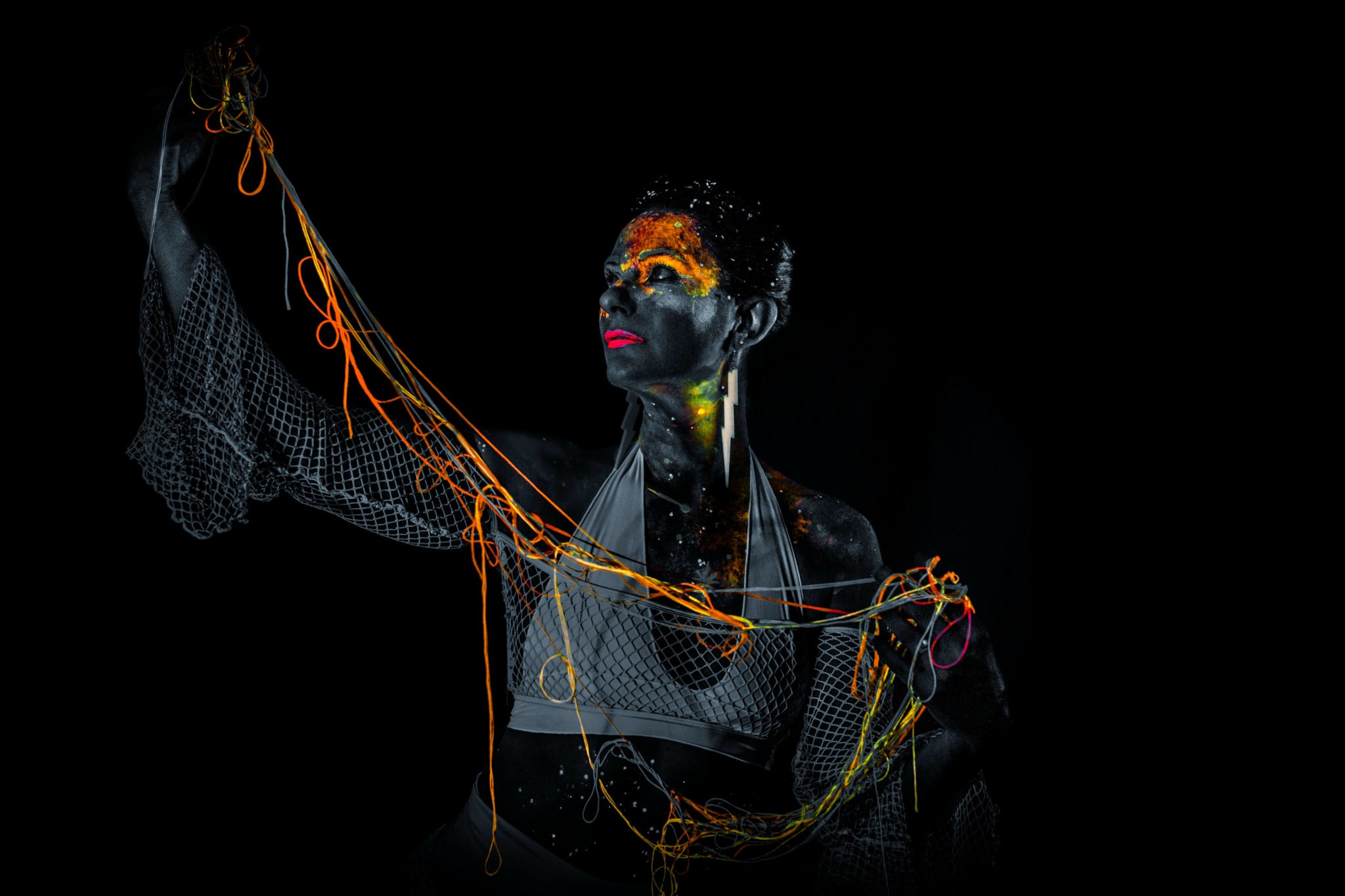
I grew up doing theater, both performing on stage and working backstage to do lighting design and set construction. In college, I began adding film to my repertoire. My eye for lighting, color, and setting a tableau have been instrumental as I develop my own photography style. I think that what sets me apart from other photographers right now is my tendency toward the fringes of art. So many photographers make their money doing family portraits and weddings and lean into the trend of warm light and soft features. Since I don’t rely upon photography as my main source of income right now, I get to experiment and take on projects that are exciting and expressive in different ways. I’ve included a few of my favorite images here. You’ll see some architecture shots from a trip to Istanbul including the underside of a roof. That shot was actually selected to be on display at the Marietta Cobb Museum of Art for a temporary collection. Another favorite is a striking image of a spider at sunrise arranging her web for the day that I call “Keeping House”. But the project you’ll see here that I am most proud of is my series of portraits lit ONLY with blacklight. That is certainly not something available anywhere else in my region, that I know of!
What do you think helped you build your reputation within your market?
The biggest thing that has helped build my reputation in my market is that fact that I show up. Not just to my own obligations, that goes without saying. But in a small market like Augusta, Georgia, it is important for creatives to support each other. We have to show up for each other with enthusiasm. That means celebrating each other’s successes, going to the shows and performances that others put on and enjoying them as a patron. We have film festivals, art shows, buskers, burlesque, and a wide variety of other events. Supporting them is a great way to meet people, get new ideas, and share enthusiasm. It also helps build a reciprocal relationship so people will want to support your work as well. I found new models and been hired to photograph events because people know me, recognize my style, and see me as a familiar face in the arts community.
Is there something you think non-creatives will struggle to understand about your journey as a creative?
There are two things I think non-creatives don’t understand about the journey of creating art. First is the schedule. As I mentioned above, staying involved in the community is important. Additionally, almost none of my photo gigs are during the business day. Events and performances are in the evenings, on weekends, and modeling sessions usually have to happen when the model is not working their day job. Between my own gigs, and supporting those of others, I have something going on most nights and weekends, leaving little time for regular socialization.
Second, is that people only see the finished product, so they tend to underestimate the time and effort that went into getting that polished portrait. The session may have only taken 45 minutes, but what they don’t see is the hour of set-up ahead of time, the hours of editing after the fact, and the years of experience (and gear purchases) that led to that moment. A lot of effort goes into, and follows, a single session.
Contact Info:
- Website: https://mcsherrystudio.mypixieset.com
- Instagram: @mcsherry_studio
- Facebook: https://www.facebook.com/p/McSherry-Studio-61551413570687/
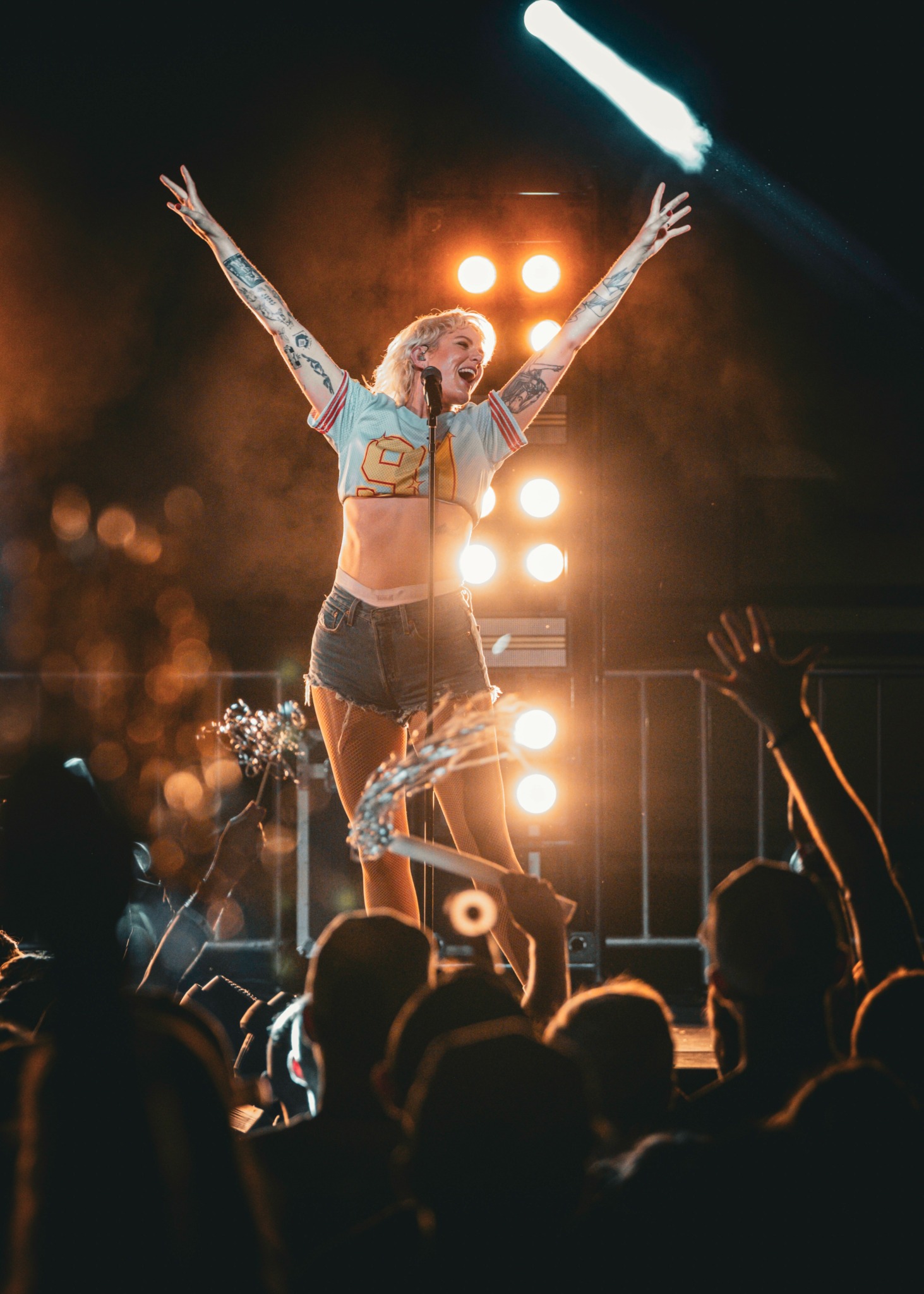
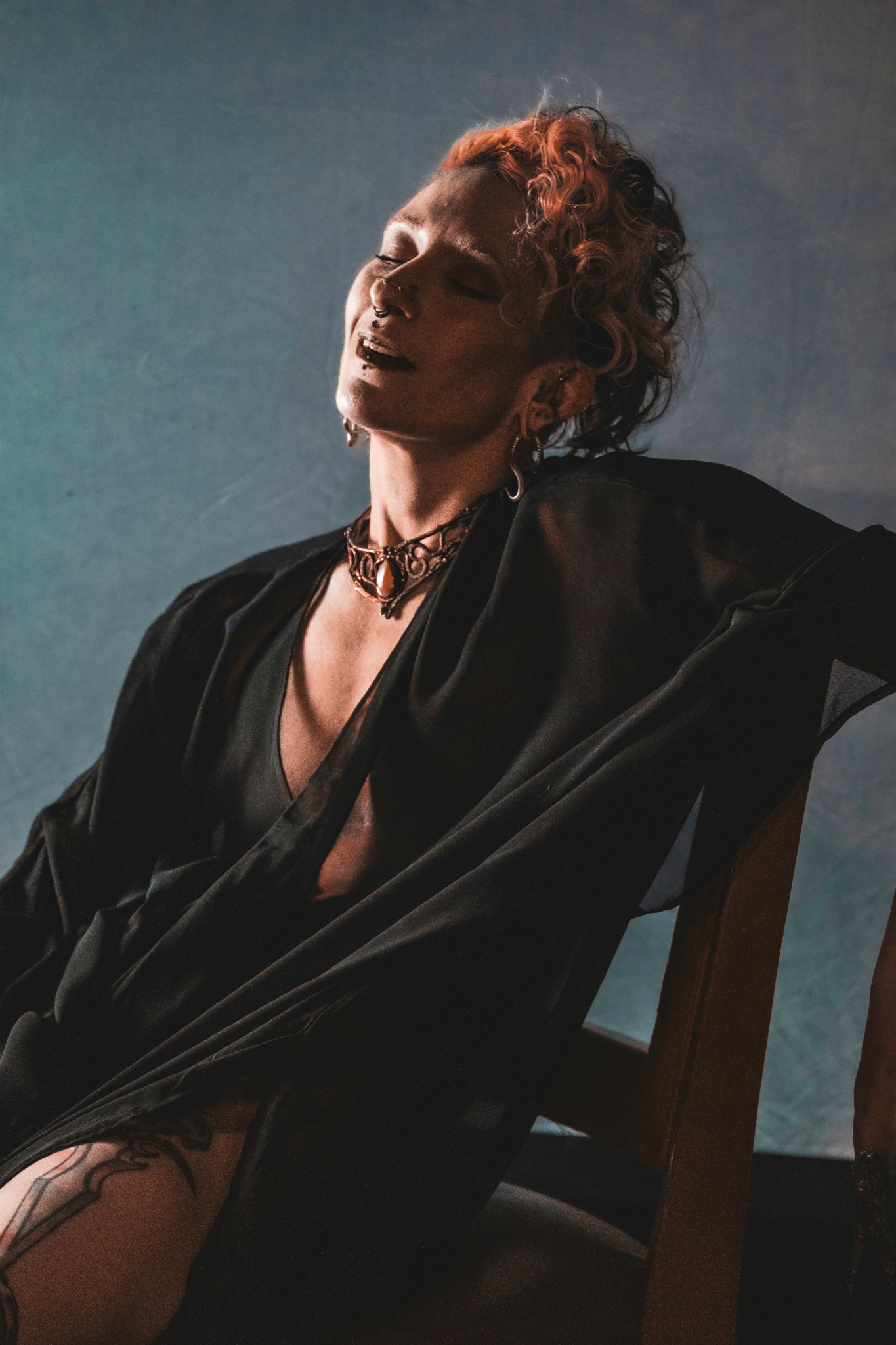
Image Credits
All images provided by TJ McSherry of McSherry Studio