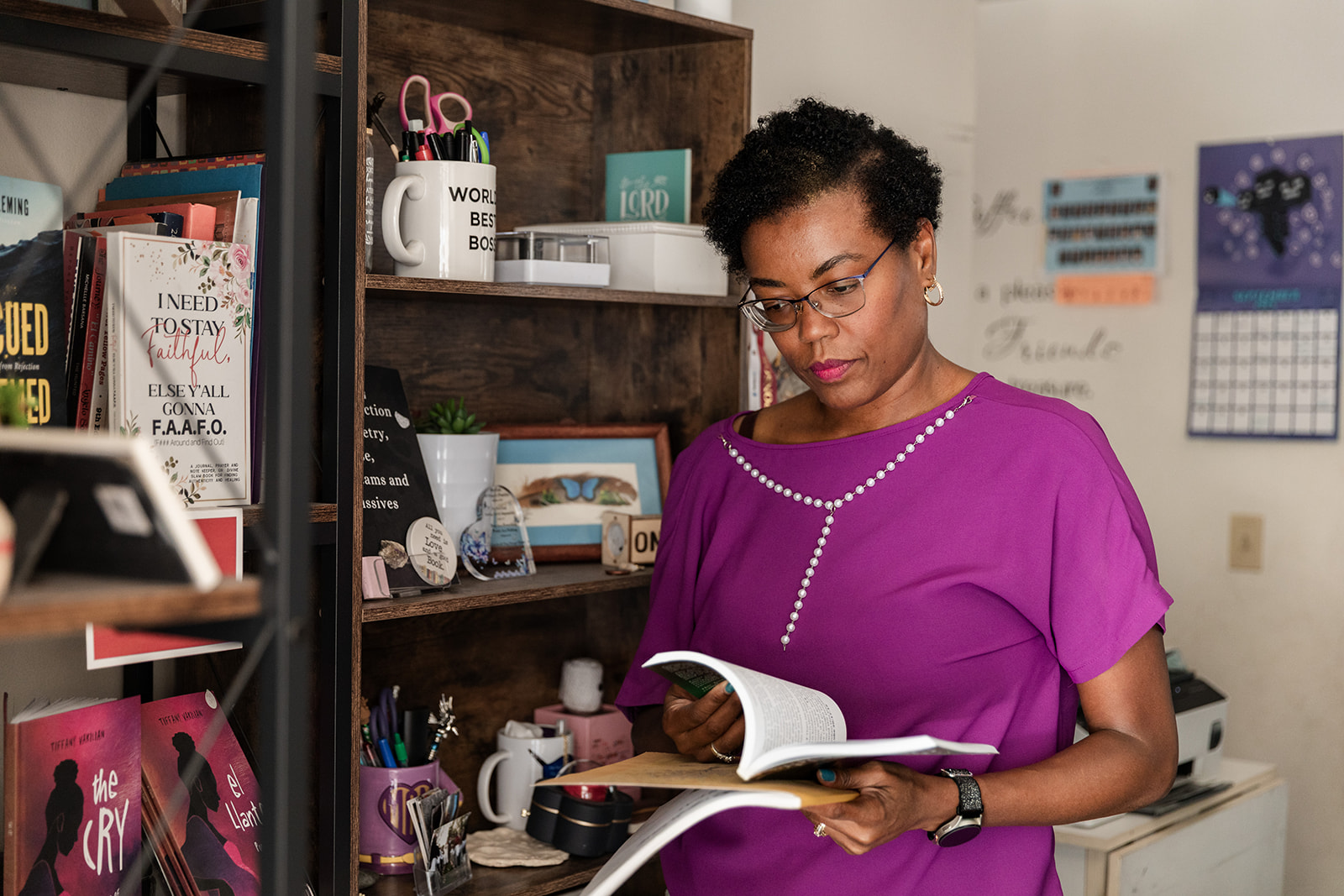
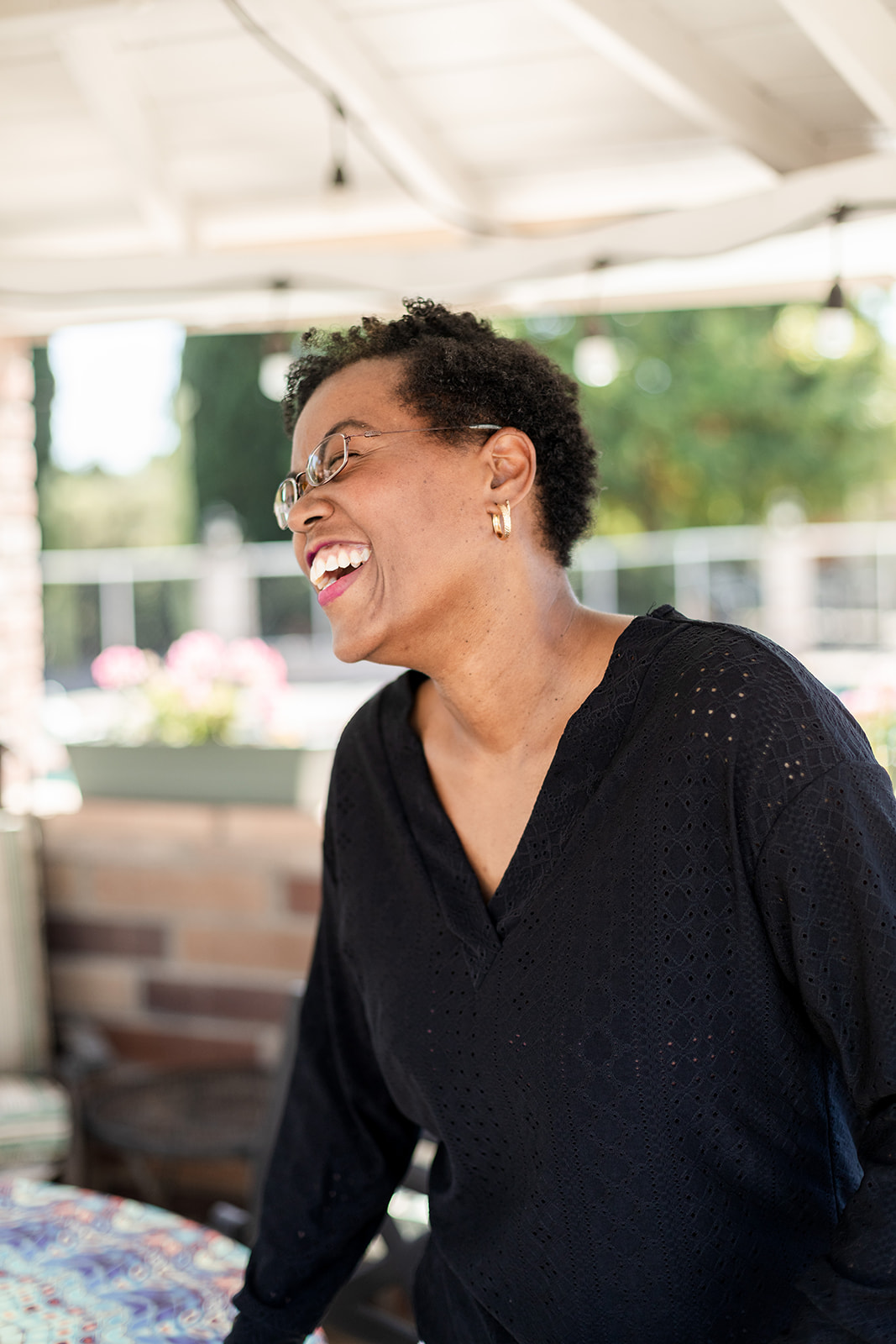
We caught up with the brilliant and insightful Tiffany Vakilian a few weeks ago and have shared our conversation below.
Tiffany, thanks for taking the time to share your stories with us today Are you able to earn a full-time living from your creative work? If so, can you walk us through your journey and how you made it happen?
When I think of how creative I was and how hard it was to function without giving outlet to my creative juices, I almost laugh (almost). I was still working in Maryland at a credit union with the C-level executives. I could not find any joy in it, even when they gave me five different departments to assist. On a whim, I started a newsletter. Once I did that, I realized it was vital to my being. I needed to write more. I needed to create more. I also learned that, for me, it wasn’t just about writing the articles. It was about formatting the layout, choosing the color scheme, fonts, and the words on the page. All of it served my soul and felt amazing to do. That spark fueled me, and made me so happy that I had no choice but to extricate myself from the corporate mindset. Within a year, I left that corporate job.
Awesome – so before we get into the rest of our questions, can you briefly introduce yourself to our readers.
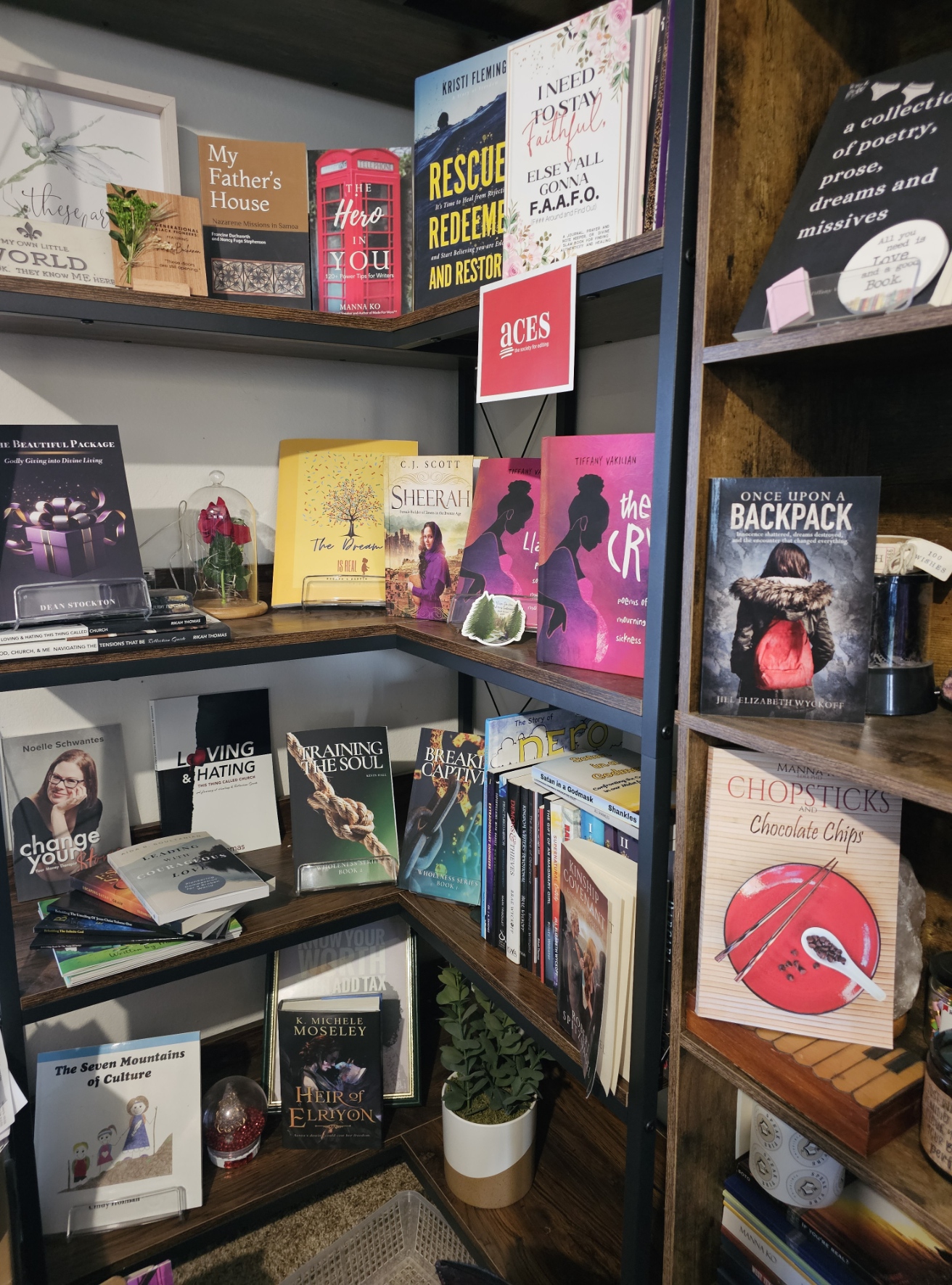
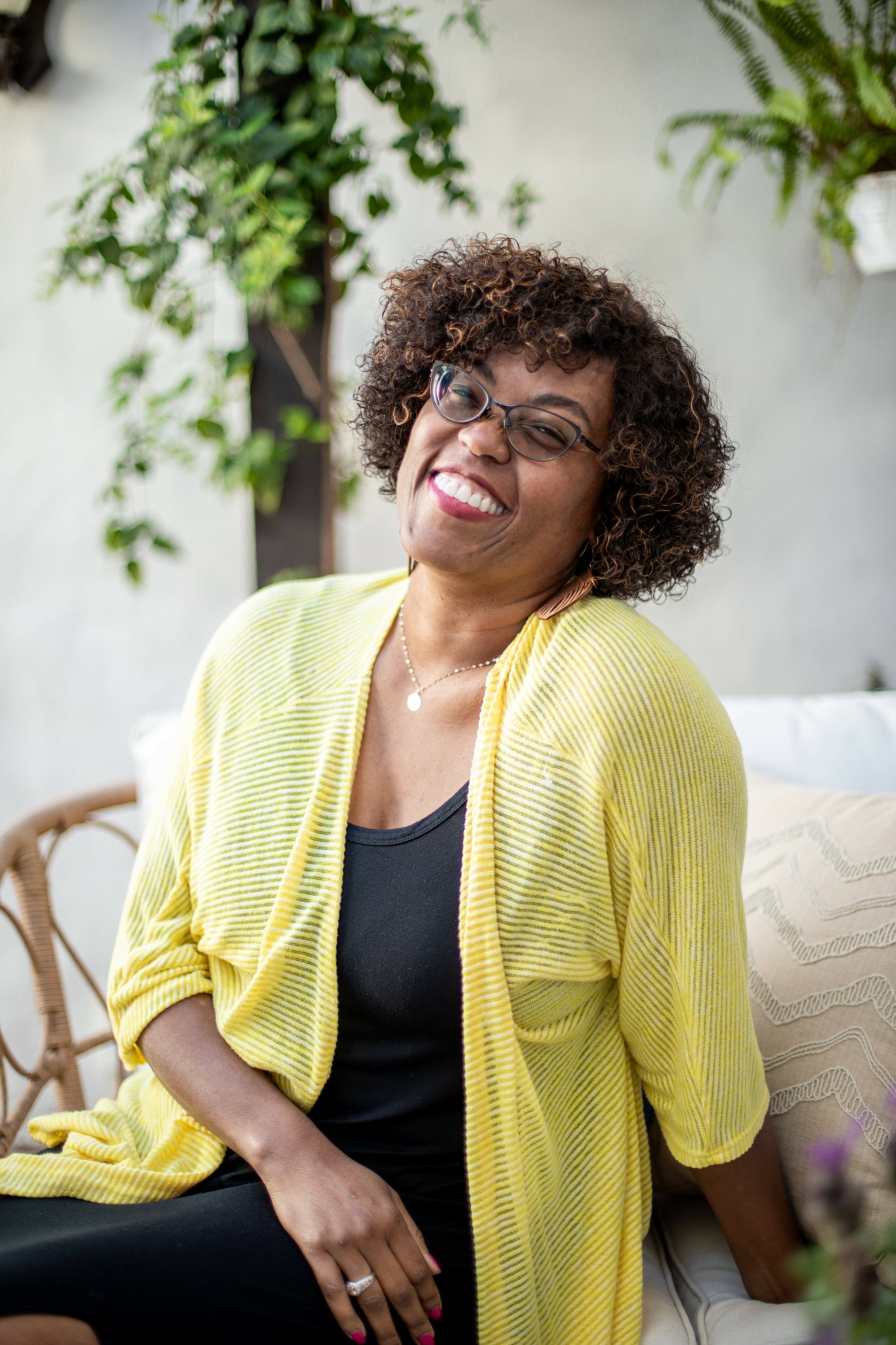
I’m a San Diego based editor, writing coach, publisher, and speaker. I entered the industry first through editing resumes as a side hustle before I left the corporate world. As I transitioned, I wrote press releases and did market research for a PR firm. From there, I pivoted into my own business of editing, which eventually turned into publishing. It was natural for me to become a publisher once I saw how I could help new and experienced writers. As I networked in the industry, I was invited to teach and speak about writing and editing. I took everything I learned from those first days of publishing (how ignorant, alone, and scared I felt entering this huge world called the publishing industry) and became a coach. With my education and experience, I walk people through the process, from manuscript to market, so they can speak with fire about their subject matter and books. After working with me, my clients are confidently ready for the international publishing stage, whether independently, with an agent, or direct to a publishing house. I have multiple best sellers on my “Pride wall,” which I constantly update with books from my new and repeat clients.
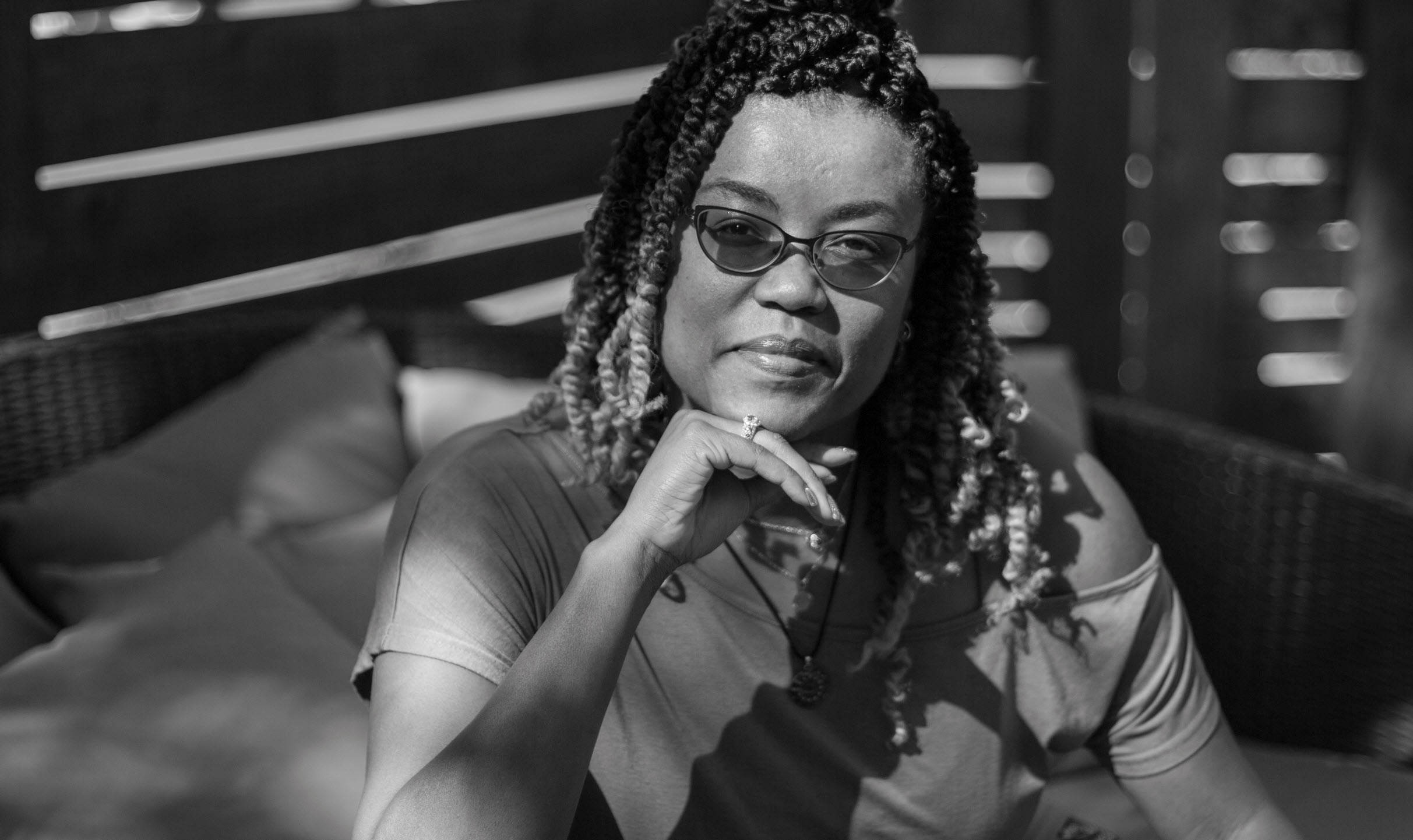
In your view, what can society to do to best support artists, creatives and a thriving creative ecosystem?
To put it frankly, society should give more deference to those who have actually, respectfully studied an artistic craft. If you don’t understand the details of a specific artistic process, give your opinion less weight. Art is predominantly in the eye of the beholder, but I do believe that there are some tried and true methods of genius that bless the receiver as much as the creator; the reader as much as the writer; the social media influencer as much as the person reacting; the movie goer as much as the filmmaker.
We exist in balance. So, when that balance is off, unfortunately, so is society.
Any resources you can share with us that might be helpful to other creatives?
There are a lot of career networks I wish I had joined when I first started as an editor (The Editorial Freelancers Association, The American Copy Editors Society, The San Diego Professional Editors Network, to name a few). All over the country, there are wriing/editing/publishing networks that I could (and should) have reached out to. There are niche networks as well.
Here’s why.
When you join a network specific to your career or hobby, you find something of a support group. Not only are you helping others grow businesses, there is a language that helps you. In those networks, you can offload the frustrations that inevitably come. For example, the price of paper has skyrocketed over the past years. There are a number of reasons why. Because I’m in a network of editors and publishers, I can have amazing conversations about how to work within the new pricing structure. We speak the jargon that helps us carry the load together, and that makes us better able to do our jobs as individuals. Another example is Artificial Intelligence (AI). When it comes to AI, there is a lot of controversy, which affects an editors with a different level of specificity. The networks I am in are all having really important policy conversations that put us as the cutting edge of both the innovation and the regulation. We are in it together, and it feels good to have linked arms with my fellow artisans.
Contact Info:
- Website: https://www.speakfirepublishing.com
- Instagram: https://www.instagram.com/tiffanyvakilian
- Facebook: https://www.facebook.com/TiffanyVakilian
- Linkedin: https://www.LinkedIn.com/in/tiffanyvakilian
- Other: The Cry – https://amzn.to/3FBzp7W eBook