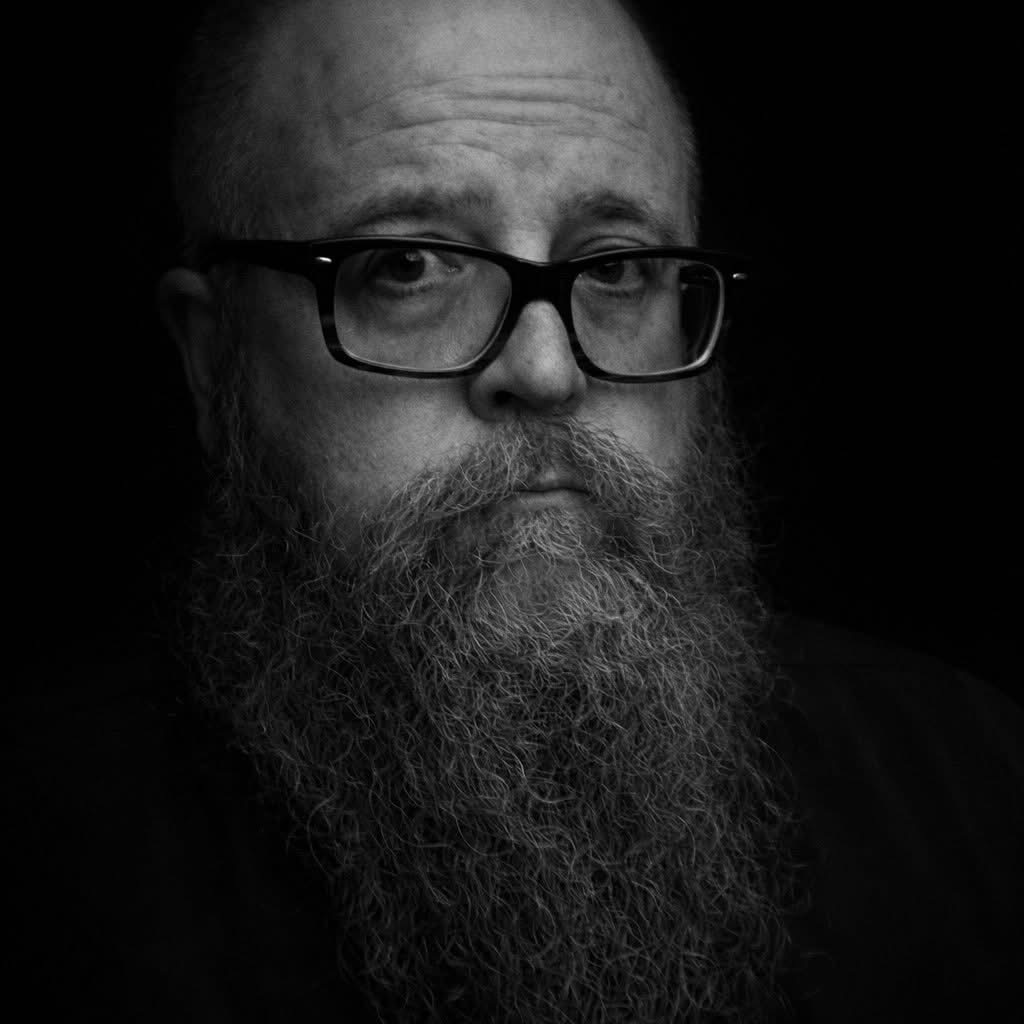

We were lucky to catch up with Thomas Johnson-Medland recently and have shared our conversation below.
Hi Thomas , thanks for joining us today. We’d love to hear about when you first realized that you wanted to pursue a creative path professionally.
I knew from an early age that I loved art and writing. At five I used to try to sell paintings to our neighbors up and down the street. Sometimes I would write a poem or a line or two to go with these paintings. It was at that point my parents realized my love of the arts. When I was old enough, they enrolled me in a local art school run by Mrs. Burford in Churchville Pennsylvania. I loved attending these classes with some of our family friends. I still remember some of the projects we did over the years. And, just the thought of the studio barn brings a smile to my face. She used to have a cigar box sitting at the door. We were to sign in and put our five dollars in the cigar box and then head upstairs to the studio. I could’ve stayed in those classes forever.
I took art and writing with me all through my life as a young person. It has always been in the background; in college as I studied medieval art and literature, and then in my vocation as a member of orthodox priesthood, and my career in hospice (for the last 29 years).
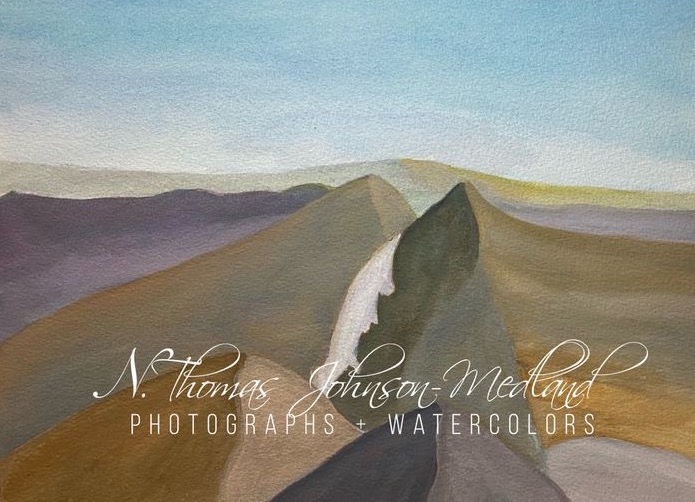
Since 2008, I have had 26 books published – and a majority of them have been poetry. In the last eight years, I have returned to watercolor, which led me to learning how to do mono-prints and subsequently collages from those mono-prints. I am using my art, my writing, and my abilities as a public speaker to forge my retirement years; to provide a creative outlet and a supportive career that does not revolve around my work in hospice or the ministry.
As always, we appreciate you sharing your insights and we’ve got a few more questions for you, but before we get to all of that can you take a minute to introduce yourself and give our readers some of your back background and context?
I got into public speaking at the age of 15 when I was sent to a lay preaching school for our church. After that, I was given responsibilities in local churches to preach when local clergy went away on vacation. I continued to learn more about public speaking as I went through high school, in college, and eventually in seminary classes I took. I spent a lot of time in our youth group, helping to lead workshops and was a co-leader of a coffee house in the mid 70s. So engaging the public around ideas and art has been a part of my life since I was young.
Obviously, public speaking became really important once I was ordained, but also in my career as a hospice professional. I spent a lot of time providing educational trainings on end-of-life and care of dying patients, also on the spiritual and emotional needs of the dying. All the while I was writing articles on end-of-life and spiritual care, which eventually let me into publishing books on those topics as well as my poetry.
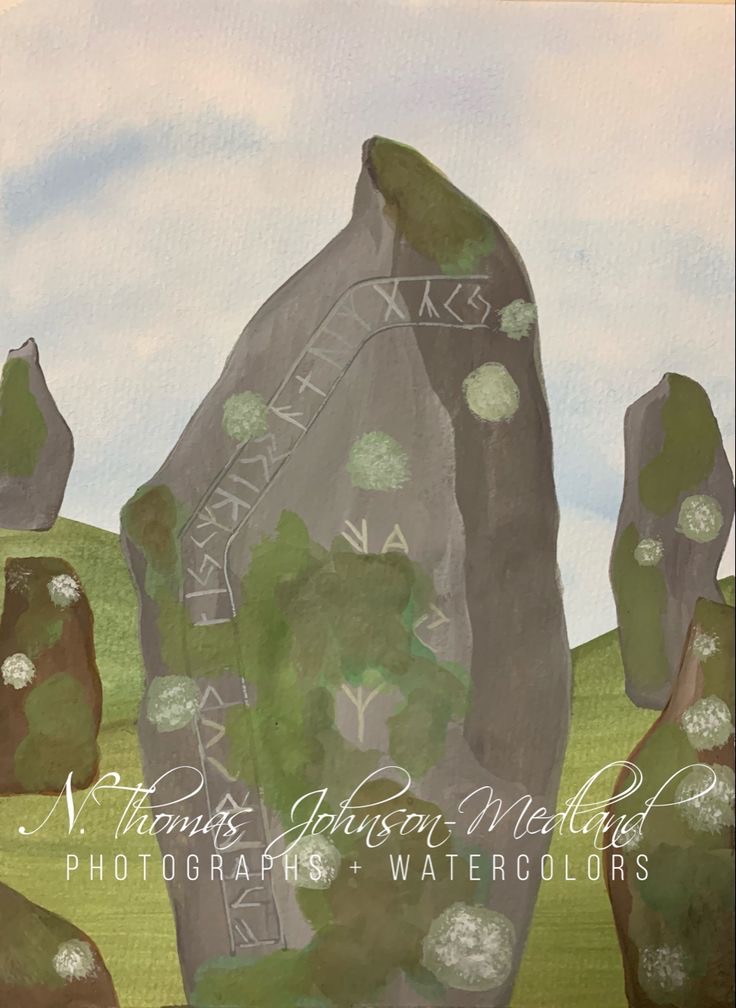
Watching my two sons engaged in their own forms of artwork encouraged me to get back into painting again about eight years ago in a more serious way. I had dabbled with it off and on in my journals or sketchbooks, but it took hold again and gave me solace and repair at the end of long days of caring for the dying. My friend in end-of-life care – Elisabeth Kubler-Ross – encouraged the use of art in our work. A therapist I had – early in my adult life – encouraged art as well. So, it blossomed quickly and deeply from the childhood root that had lay quiet for many years.
Out of all my work I am proudest of my skill at being able to cross mediums and synthesize human feeling and expression creatively in written, spoken, and visual craft. These art forms are brothers in the creative world and inhabit my artistic consciousness and psyche.
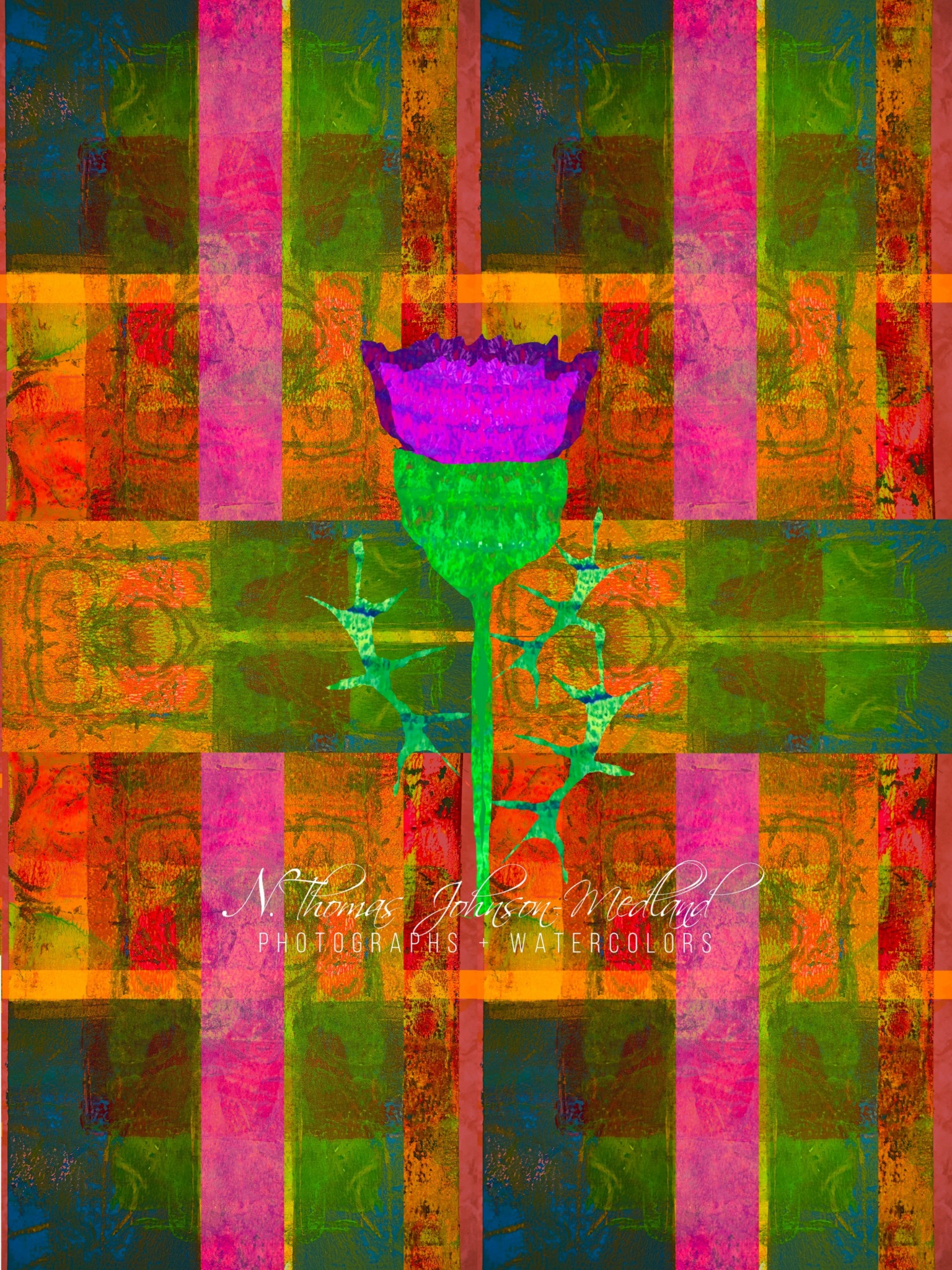
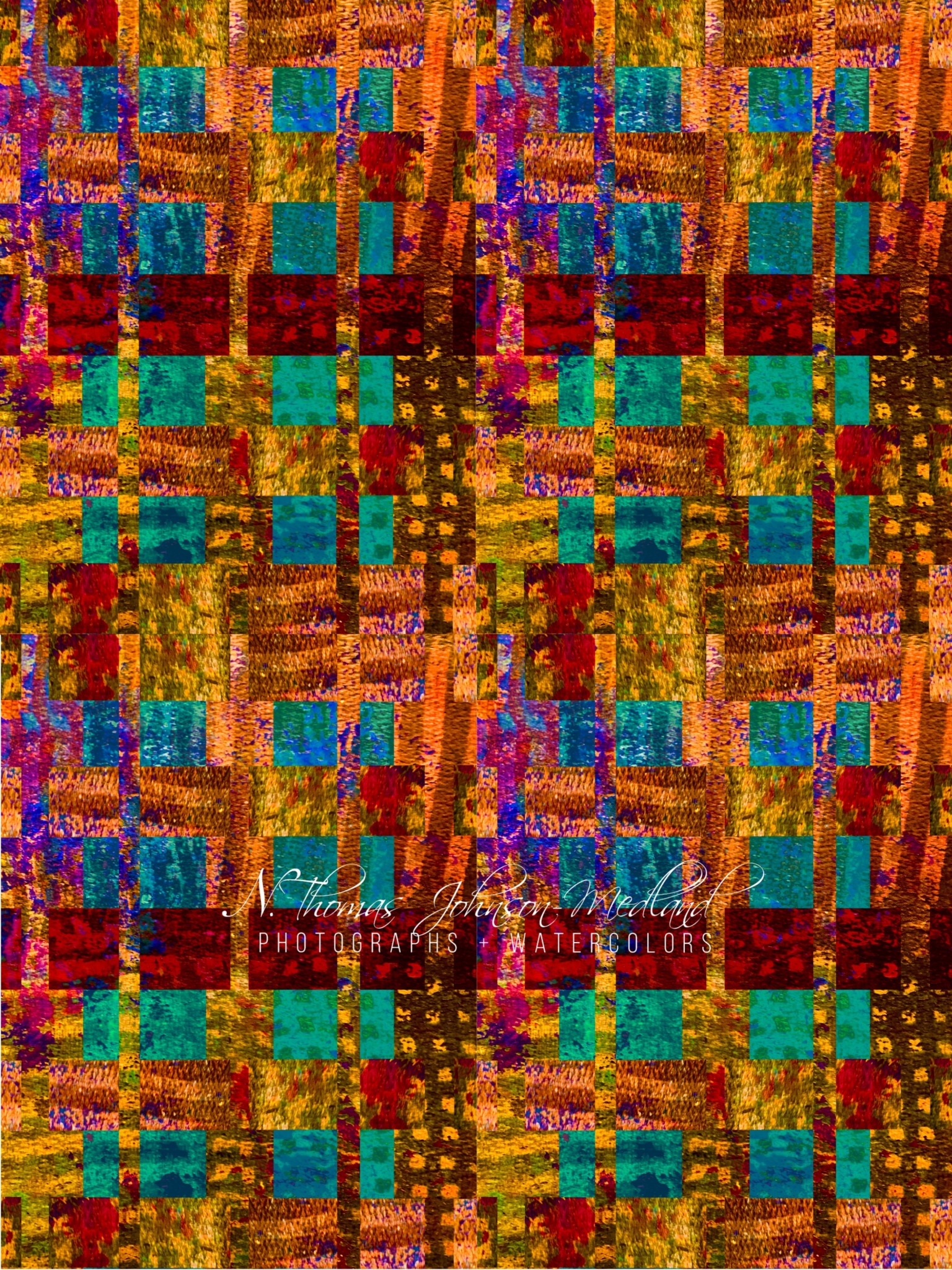
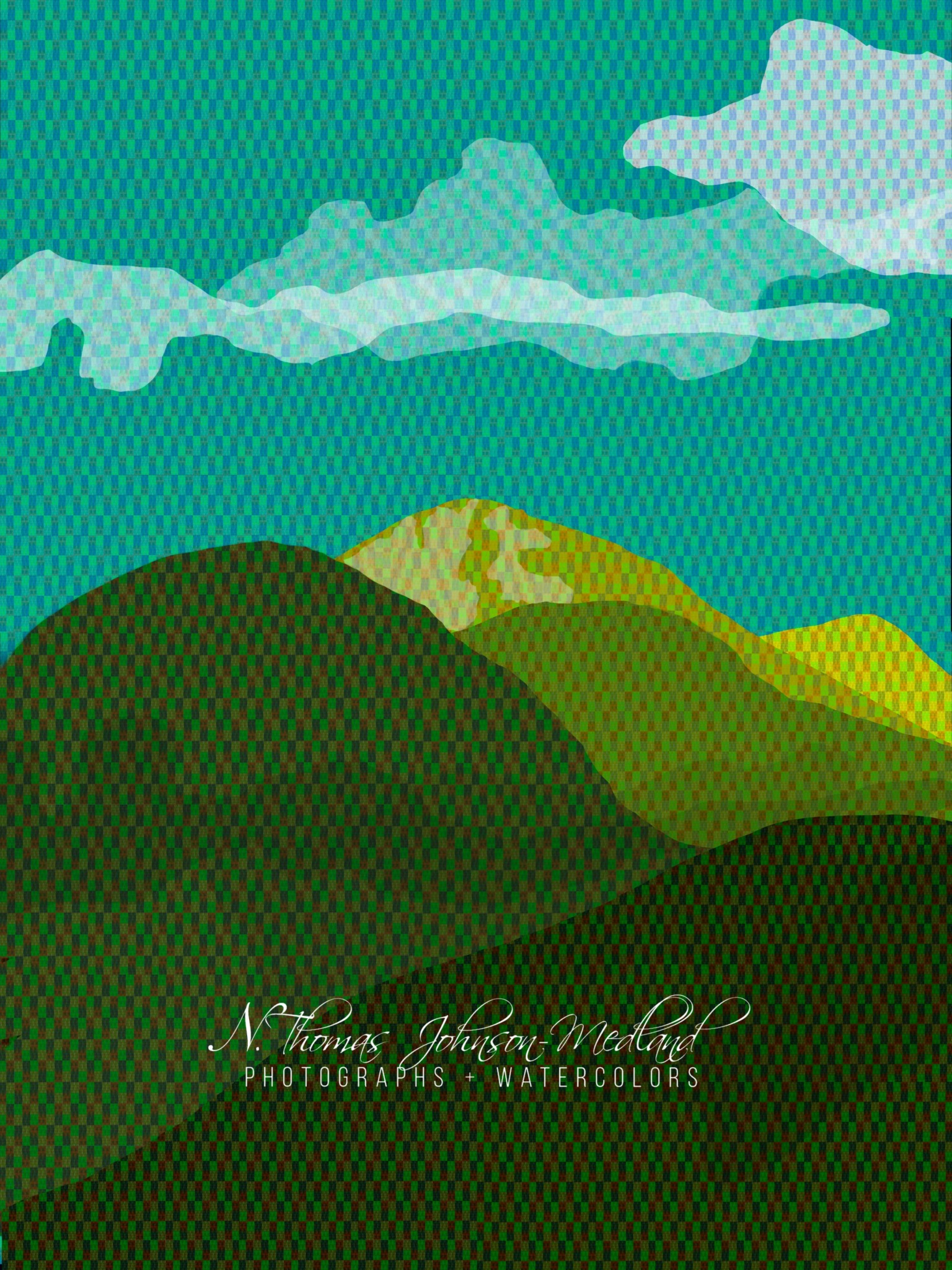
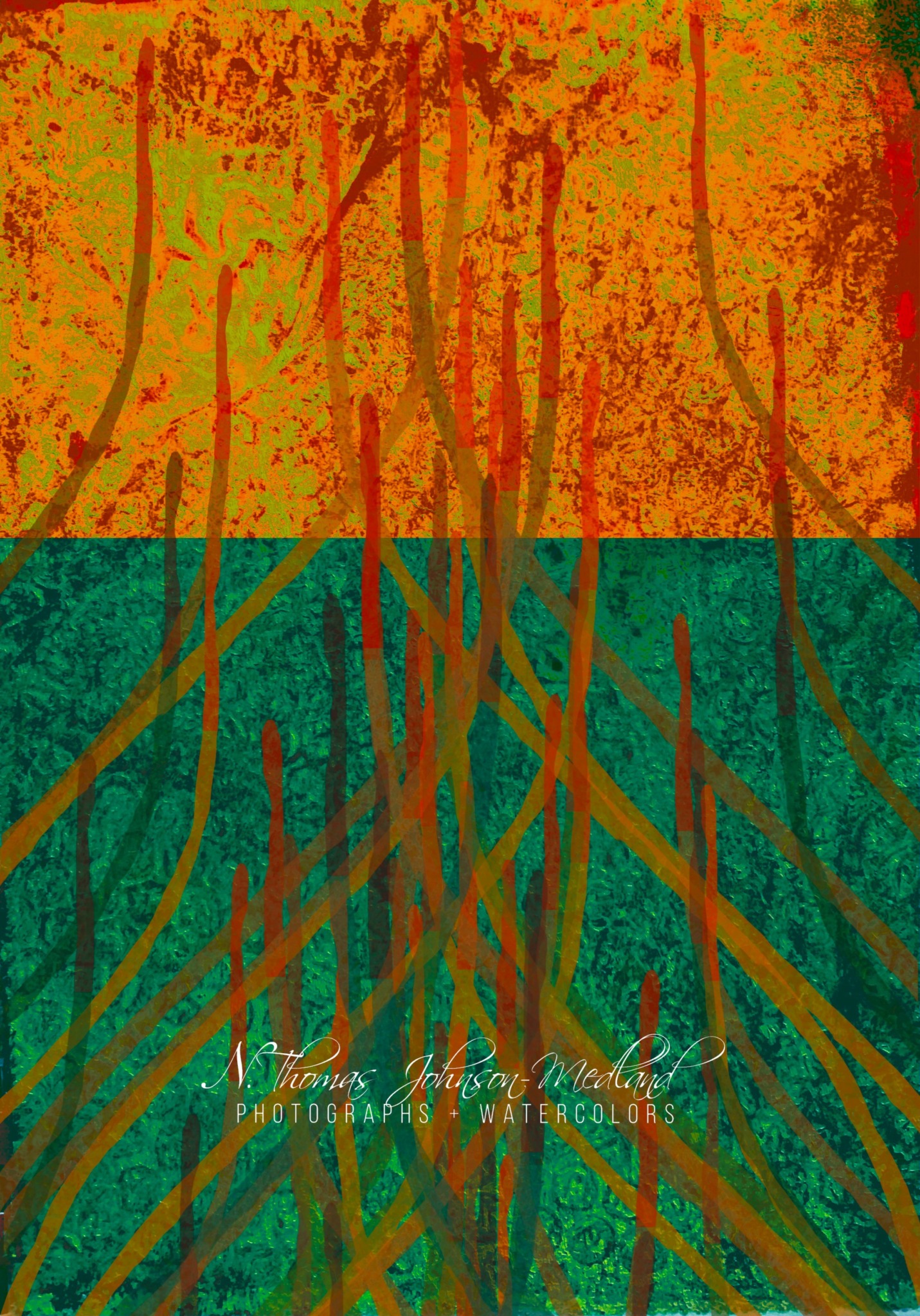
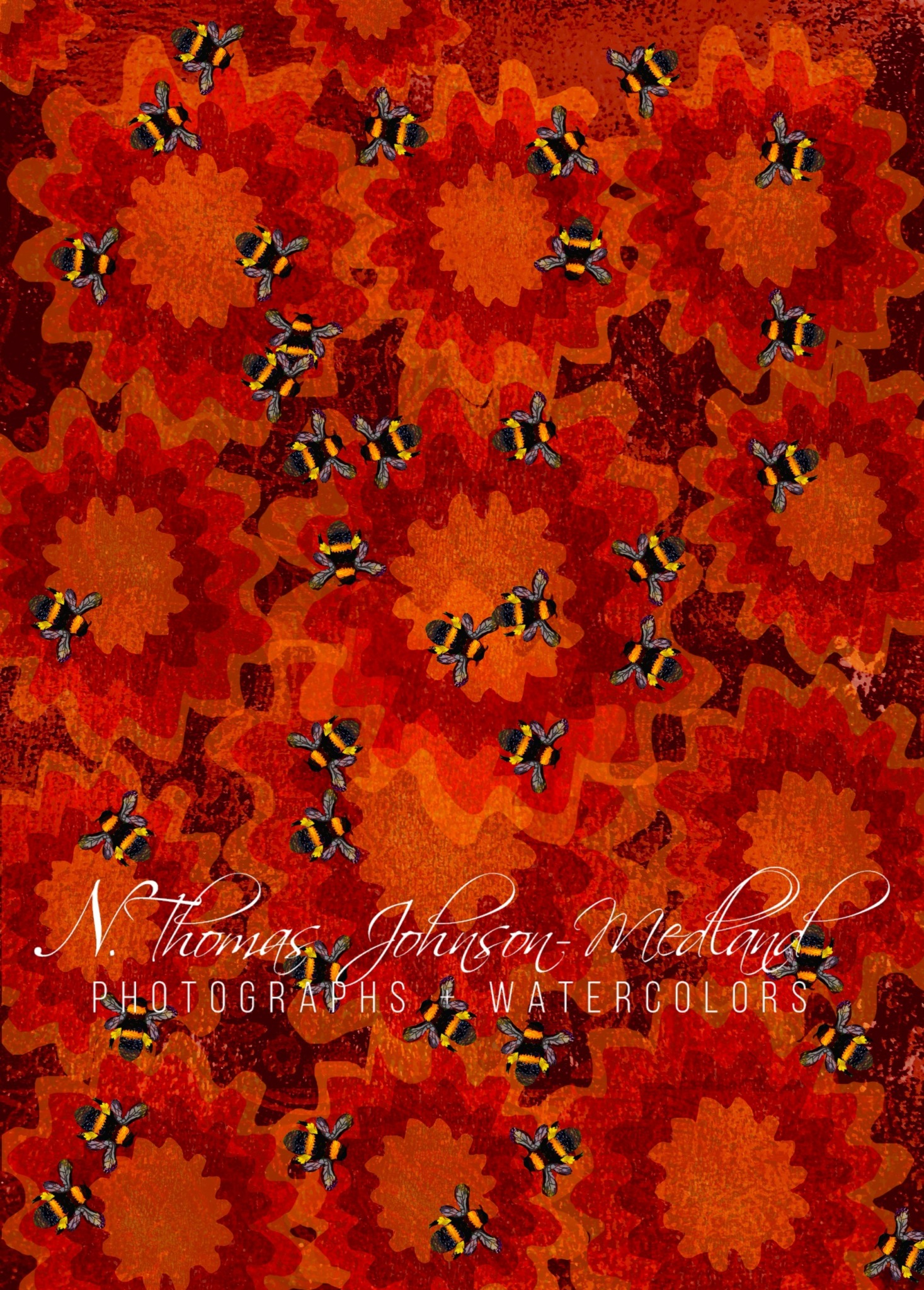
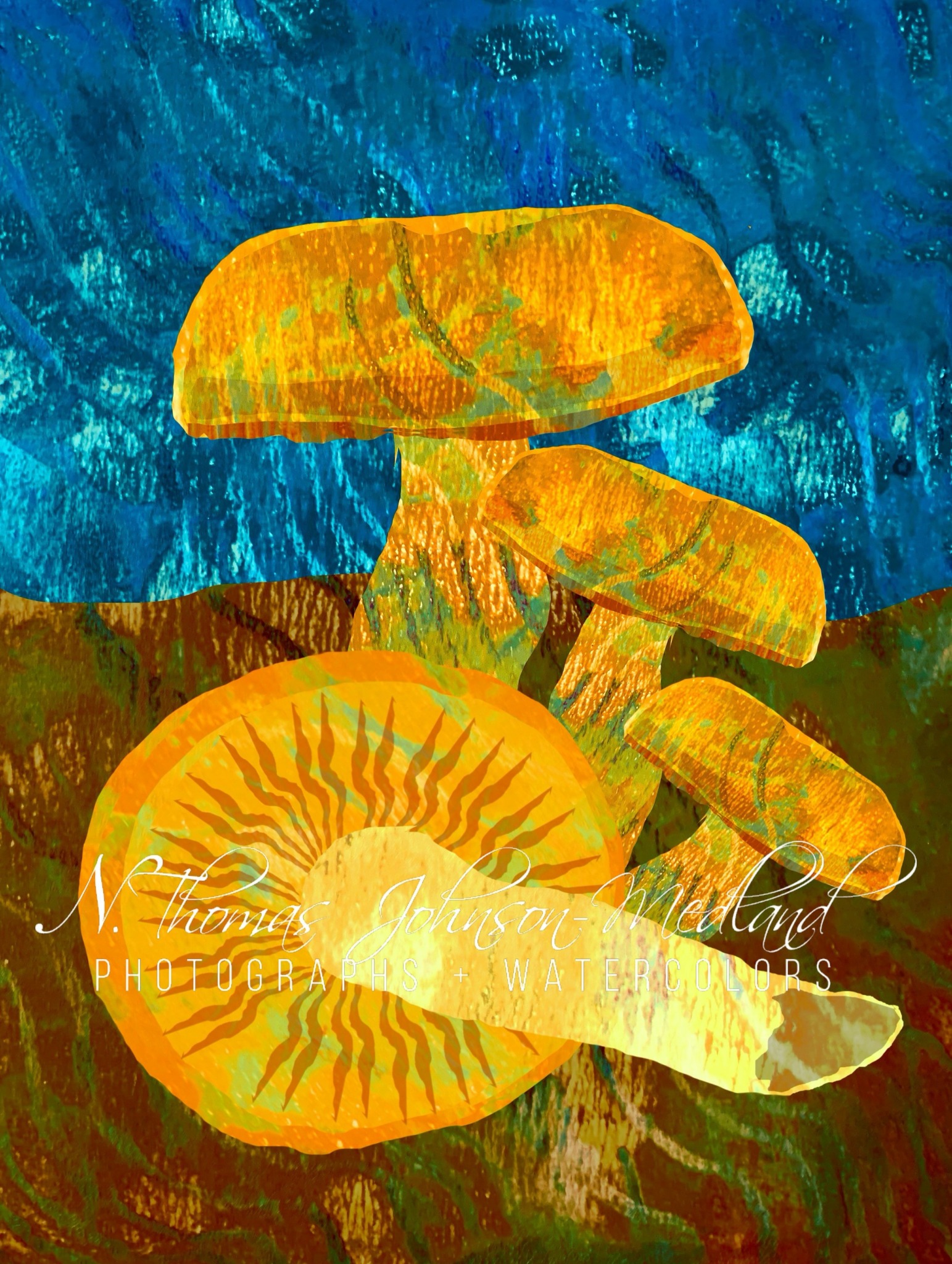
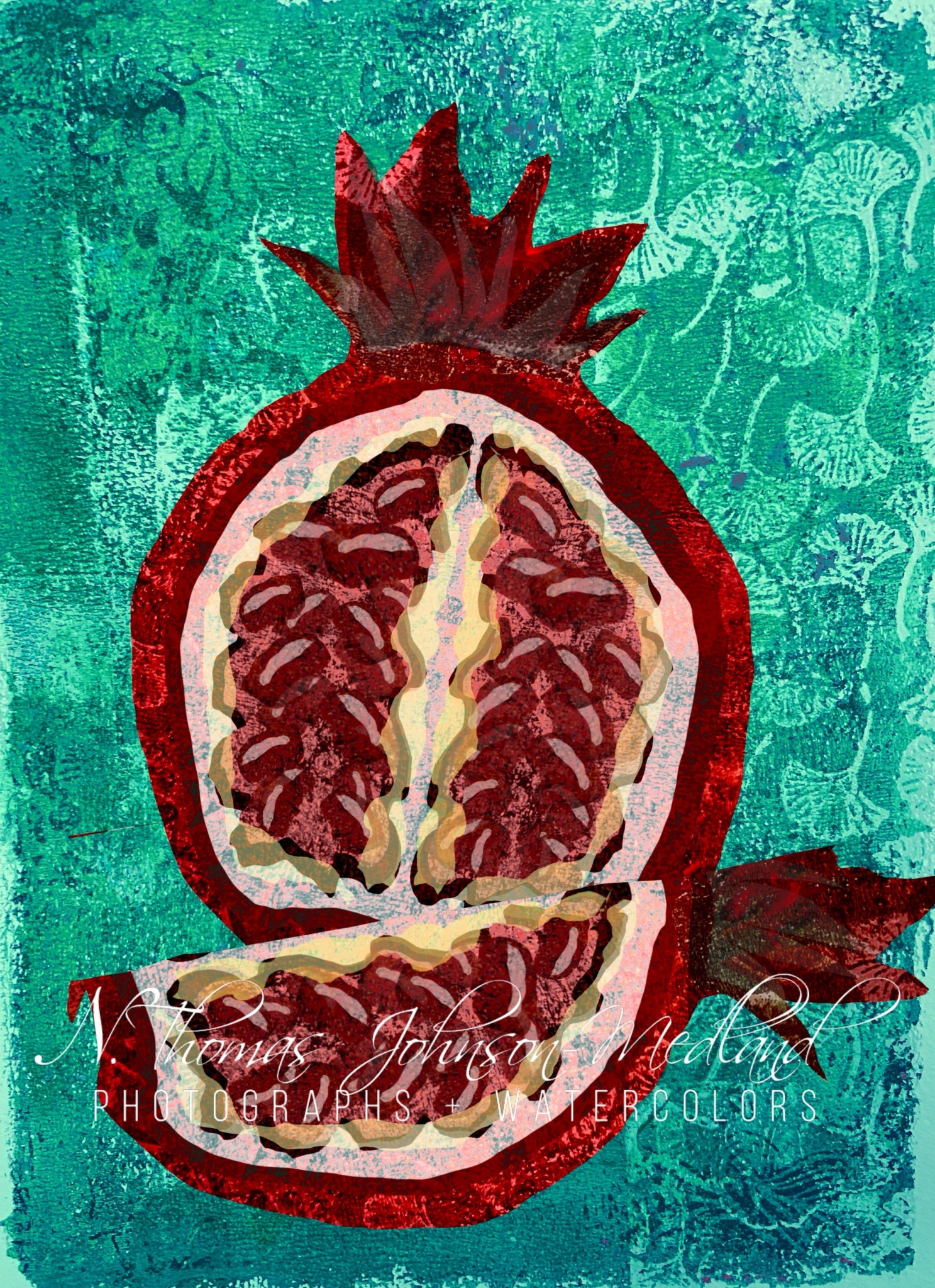
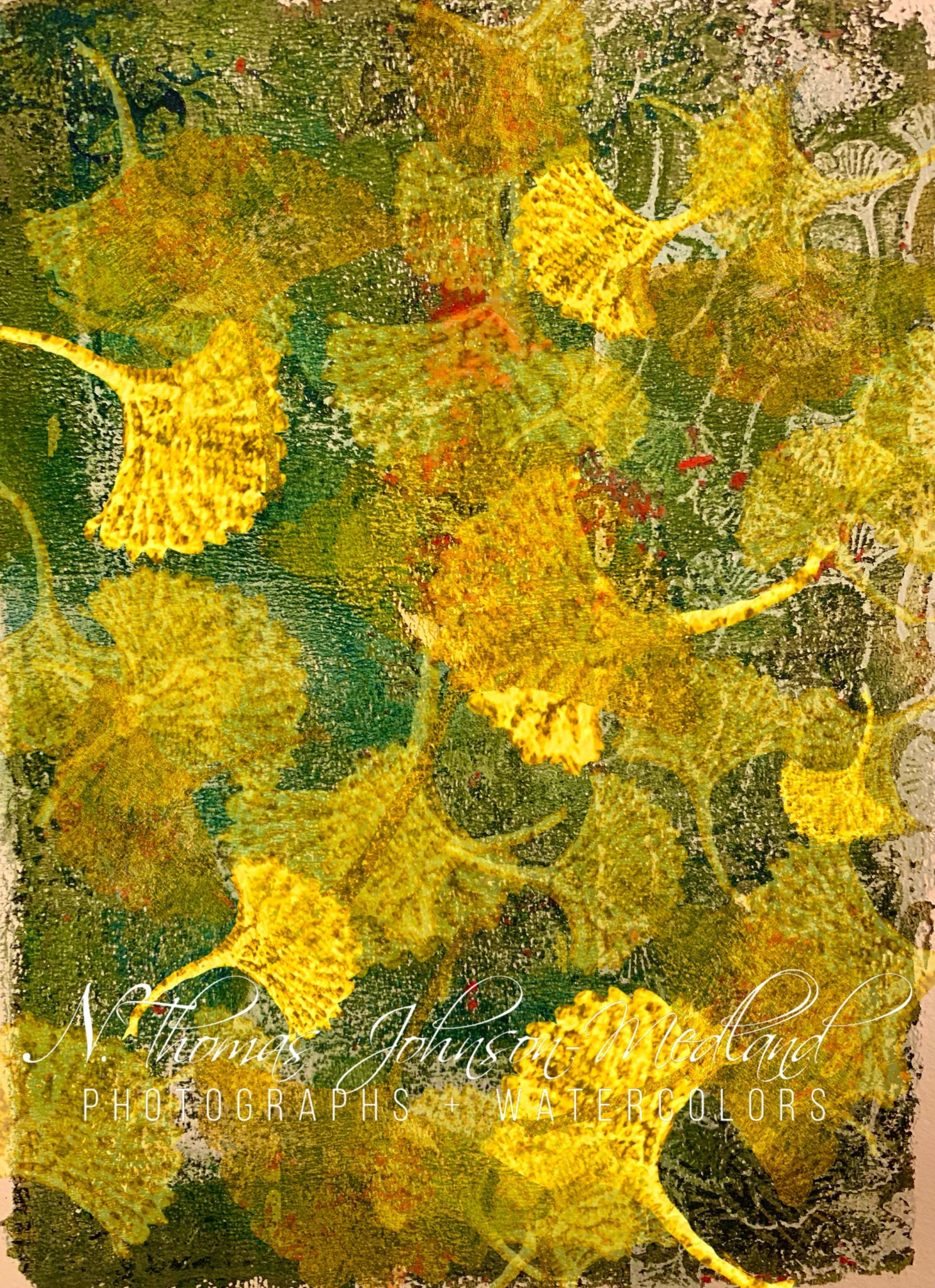
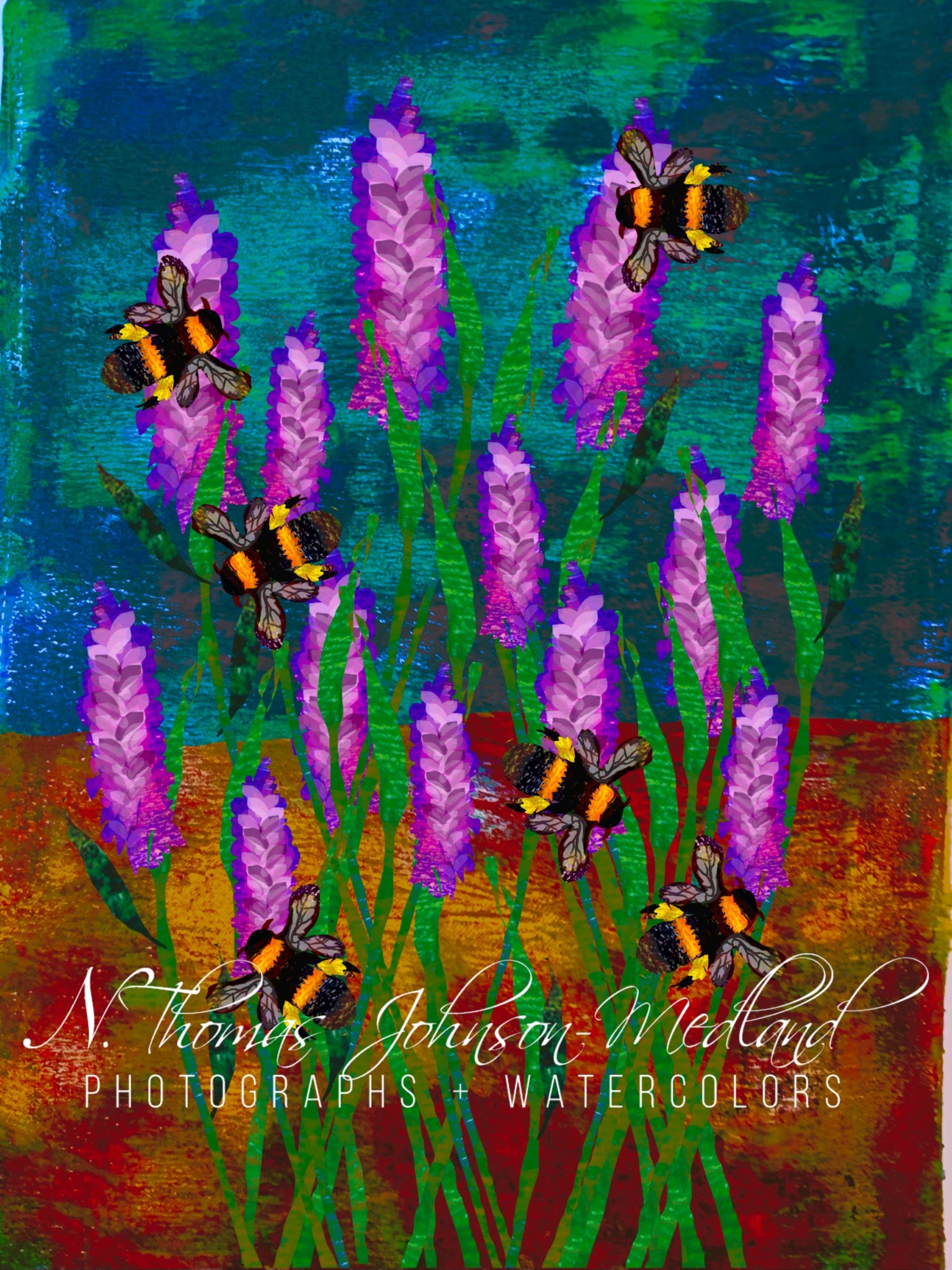
My latest form of art to take me by surprise is collaging (digitally and in analog form as well) from mono-prints I make with a Gelli pad. The Gelli-pad is a gelatinous block you roll paint and inks on to take an impression from. It may invoke the use of many layers on top of each other and the use of objects or stencil like designs to enhance the colors you are working with in the print. While you have a fair amount of control over the prints, a large amount of the work is quite random. From those prints I love collaging designs or scenes that are often called whimsical, but that I find comforting. Things that spark in me a sense of wonder and awe.
I really love speaking on topics related to creativity, whether that be printing, painting, drawing – art of any kind – writing, and poetry, or the creating of depth and character in our own spirits and souls as individuals. All of life is creativity, and we ourselves are a part of the work we are crafting in this great art called life.
In your view, what can society to do to best support artists, creatives and a thriving creative ecosystem?
I think the greatest thing that society can do to support artists is to pay more attention to the artistic side of life. Go to readings. Go to openings of artists. Go to plays in the theater. Get out and see other people creating and what they have created and begin to be nourished by that creation. And then, the second stage is start to do something creative yourself. CREATE. Every human being has a creative piece to their life. They may not know what it is, they may not have yet discovered it. They may not have nurtured it, but there is something there that wants to come out. Start out by going to see how other people take what is in them and bring it forth. And then, play around with several forms of art to see which will become your therapeutic connection to your own inner self. There’s a beautiful line from the Gospel of Thomas, which is a text that was found in the caves of the holy land. The line says., “If you bring forth that which is within you, that which is within you will save you. But if you do not bring forth that which is within you, that which is within you will destroy you.” I think a lot of the conflict we see in life – not only today, but throughout history – is related to people, not allowing those pieces of themselves that are deepest in them to have expression. And so we live lives that we know are really not true to who we are in our core and deepest self. Lives that are somehow less genuine than they could be, less beautiful. Allow the deeper self to see the LIGHT outside your body, outside your pondering.
Are there any resources you wish you knew about earlier in your creative journey?
My wife and I started a poetry foundation in Columbia, Pennsylvania about five years ago. I think one of the things I wish I knew about earlier in life were artist collectives. We have seen the work of a lot of poets over the past five years, and we have seen those poets in close relationship with one another as we sponsor events that bring poets together to share their craft. I wish I had spent more time throughout my life getting together with other artists and actually creating and supporting the work we do together. I’ve always known that the fellowship of individuals – together – are supportive, small gatherings meant to nourish and aid one another in spiritual growth. I wish I had had – all through my life – small clutches of friends that met monthly to review the work we were creating as artists and writers. The times that I have done this in my life have been centering and so nourishing. I’m glad that it’s consistently a part of my life now, but I wish it had been there in a steady, consistent fashion all throughout my days.
Contact Info:
- Instagram: tomjm. poems.art
- Facebook: Tom Johnson-Medland
- Youtube: https://M.YouTube.com/@tomjohnsonmedland/videos
- Soundcloud: https://on.soundcloud.com/6B3w8IRkgaMFNaxhTS