

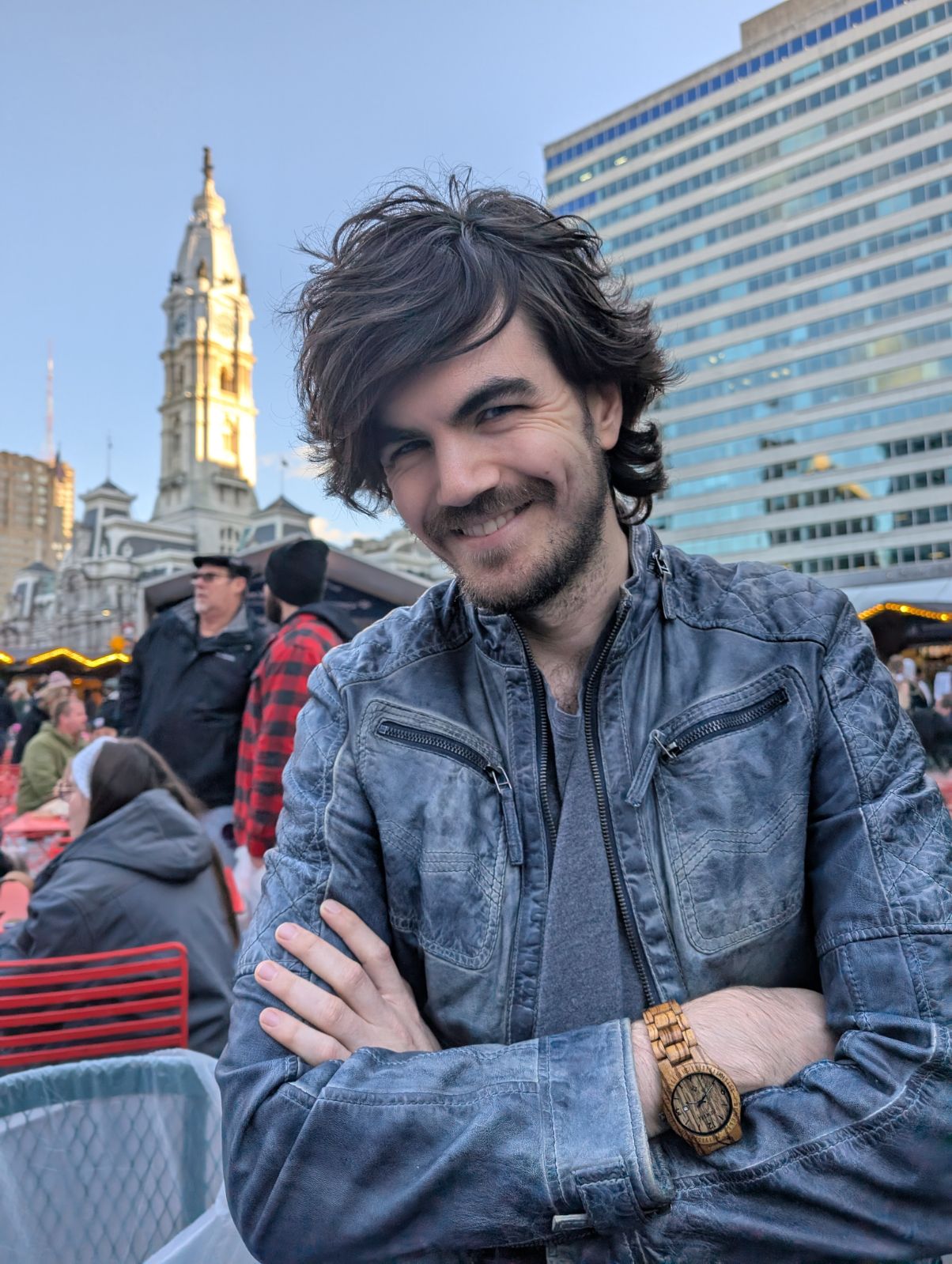

We’re excited to introduce you to the always interesting and insightful Thomas Burns Scully. We hope you’ll enjoy our conversation with Thomas below.
Thomas, thanks for joining us, excited to have you contributing your stories and insights. Can you talk to us about how you learned to do what you do?
Performing started in school for me, like with many people. I was one of the kids who just wanted to be on the stage. Whatever got me there, I’d do it, even if it was the nativity play or a corny 90s kids’ rap show about kindness. I kept putting in time over the years, and people seemed to think I was quite good at it, so they kept challenging me with more difficult material. Working on Shakespeare as a teen was incredibly helpful, then eventually Beckett, Ibsen, and more modern writers. All that got me ready to audition for drama school, which was another gauntlet. Long days, a lot of self-questioning, but ultimately a lot of learning about who I was and am as a performer. I left drama school feeling like I could actually act.
Then I immediately learned that the world didn’t care. The arts are saturated and what you know means nothing unless the person in front of you understands how they can sell you. You have to make people care, emotionally, intellectually, and monetarily. I really wish I had understood that sooner, because I would have spent less time thinking I was the problem for being misunderstood and more time learning how to make the world understand me and what I was doing.
That said, the most essential skill for an actor, I think, is the skill that helps anyone learn anything: Just don’t give up.
No trajectory is perfect, no grand journey is uneventful, you will fail multiple attempts as you try and do difficult things that you care about. However, ultimately, if you get back up, you can keep going. If you gather your pieces, you can keep growing. If you try again, you can keep learning.
Usually the main thing stopping you from going further is fear. I’ve learned lately that most fear is an anxious parent… it doesn’t want you not to do the scary thing. It just wants you to be okay.
Thomas, before we move on to more of these sorts of questions, can you take some time to bring our readers up to speed on you and what you do?
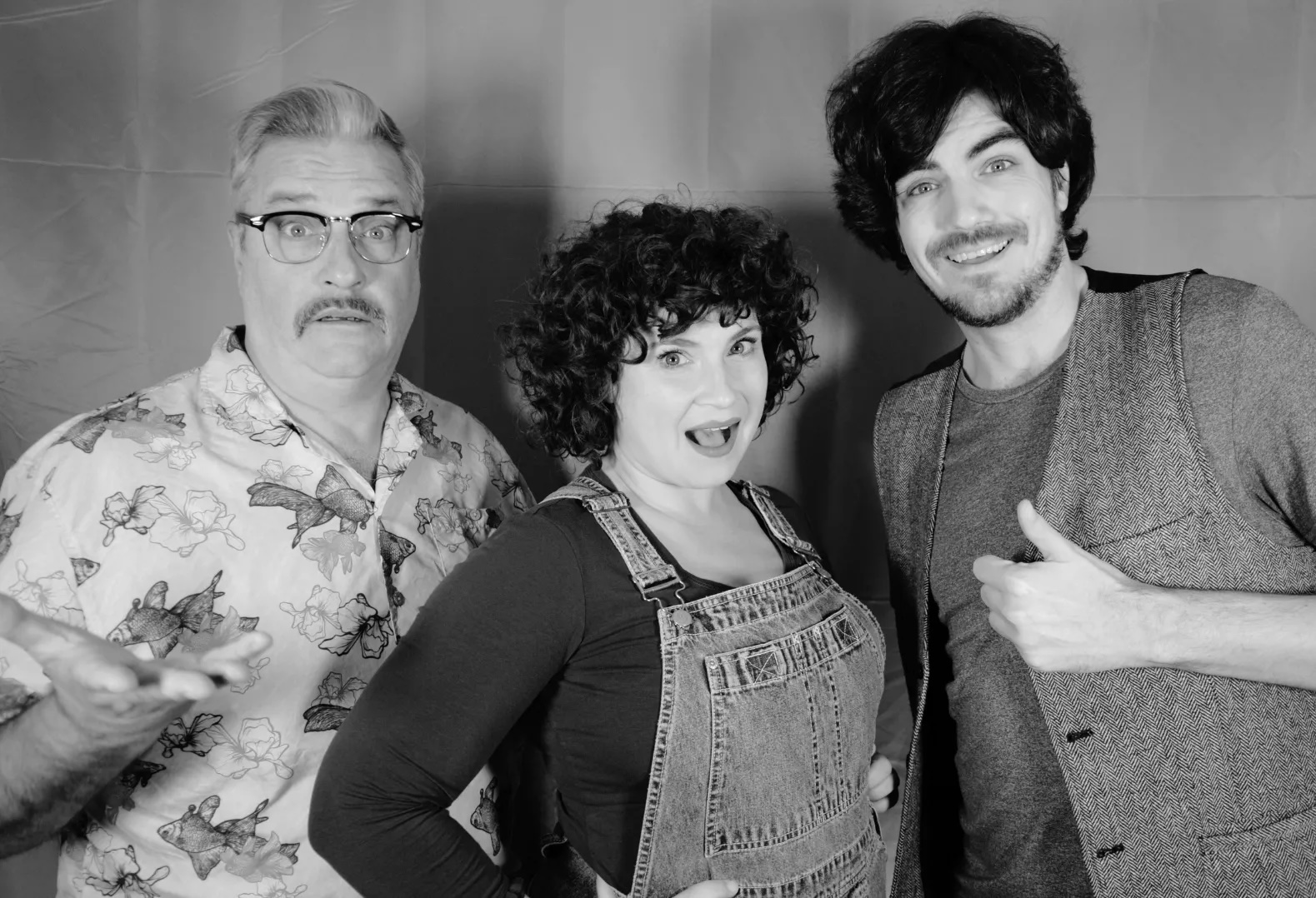
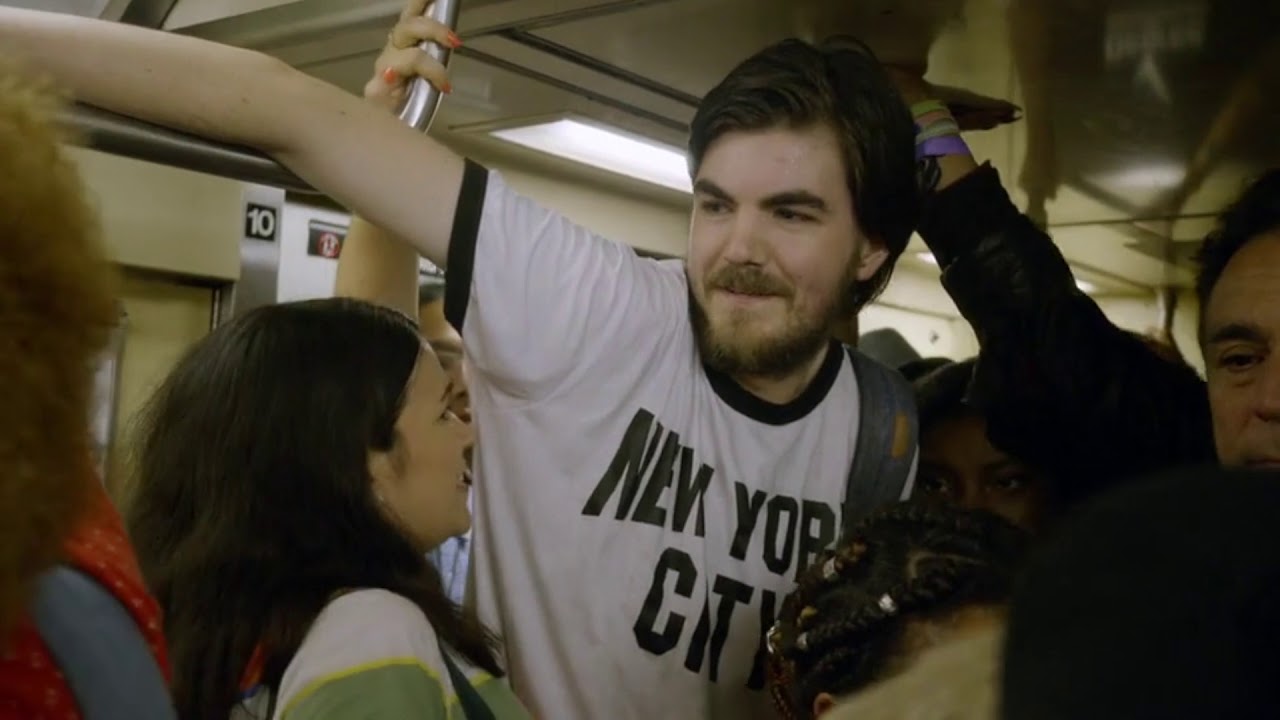
I am an actor, writer, and musician. I trained as an actor for the stage, and have now performed widely across the East Coast, doing improv, Shakespeare, plays, immersive work, and much more. Many people have seen me in Comedy Central’s “Broad City”, in the Off-Broadway show “The Jury Experience”, and the (Golden Muse award-winning) John Wick universe’s “Welcome to the Continental: The Experience”. I am also a writer, working as a for-hire freelancer, whilst also pursuing my own scripts. My play “Dorothy of Nowhere” won the WB Yeats Emerging Playwright Award and the 1st Irish Festival Audience Choice Award, whilst my immersive show “The Fall of Asa Packer” has been running regionally for nearly 3 years. When I’m not doing all of that, I am also a musician, playing guitar, banjo, ukulele, and bass. Primarily you can catch me playing lead electric with the band Hurricane Holly, but I also produce music for hire and am working on my own songs for a solo project.
So I act, I write, and I do music… depending on the day. I often feel like a crazy person, running from one completely disparate gig to the next, but this is the world I find myself in and these are the things that I’m good at.
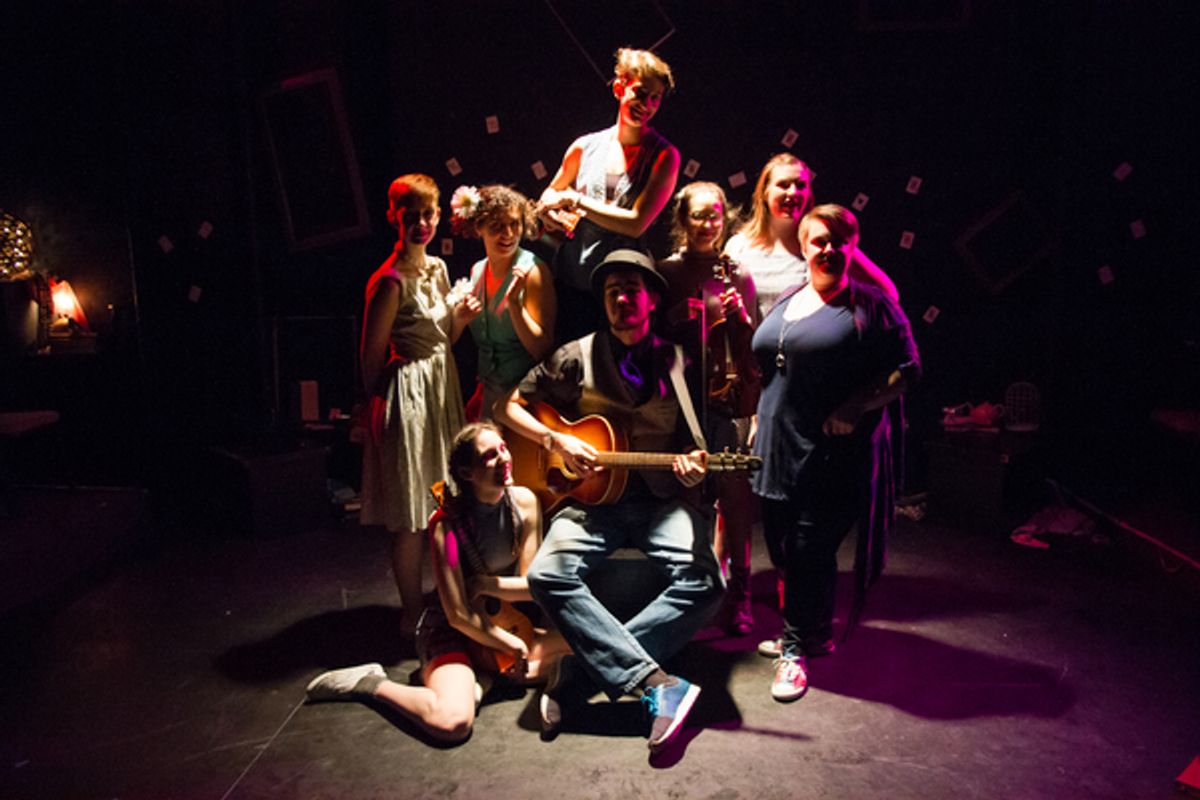
Lately I’ve been funneling a lot of my energy into immersive work. Developing immersive plays with companies regionally and in New York, creating new kinds of theatre that are really resonating with audiences. To me, the beauty of immersive work is the ability to, literally, speak directly to the audience. To involve them. To show them their actions have consequences. I think a lot of us feel disconnected from the outcomes of our actions these days. We send emails that disappear into nothing, we send money to pay bills to faceless corporations, we post online and the world ignores it. Good immersive theatre makes the audience vital. It makes people feel like they are essential in a world that has increasingly been telling them that they are disposable. That has what has made work on shows like The Jury Experience, Roomies, The Murder Game, Murder in La La Land, and more so compelling,
For you, what’s the most rewarding aspect of being a creative?
For me it’s this feeling that I am getting to see, live, and experience as much life as possible. Getting to see and taste as many flavors of joy and love as possible. Getting to feel an emotion from a hundred different sides. Getting to understand why people are the way they are. To look at the world with as many different eyes as possible and see all the hues.
How can we best help foster a strong, supportive environment for artists and creatives?
These days it’s pretty simple. Pay them. Most artists are underpaid.
If you want there to still be art you need to pay for the art you like, or it will die because the artist will starve.
Contact Info:
- Website: https://thomasburnsscully.com
- Instagram: @drthomasdbs
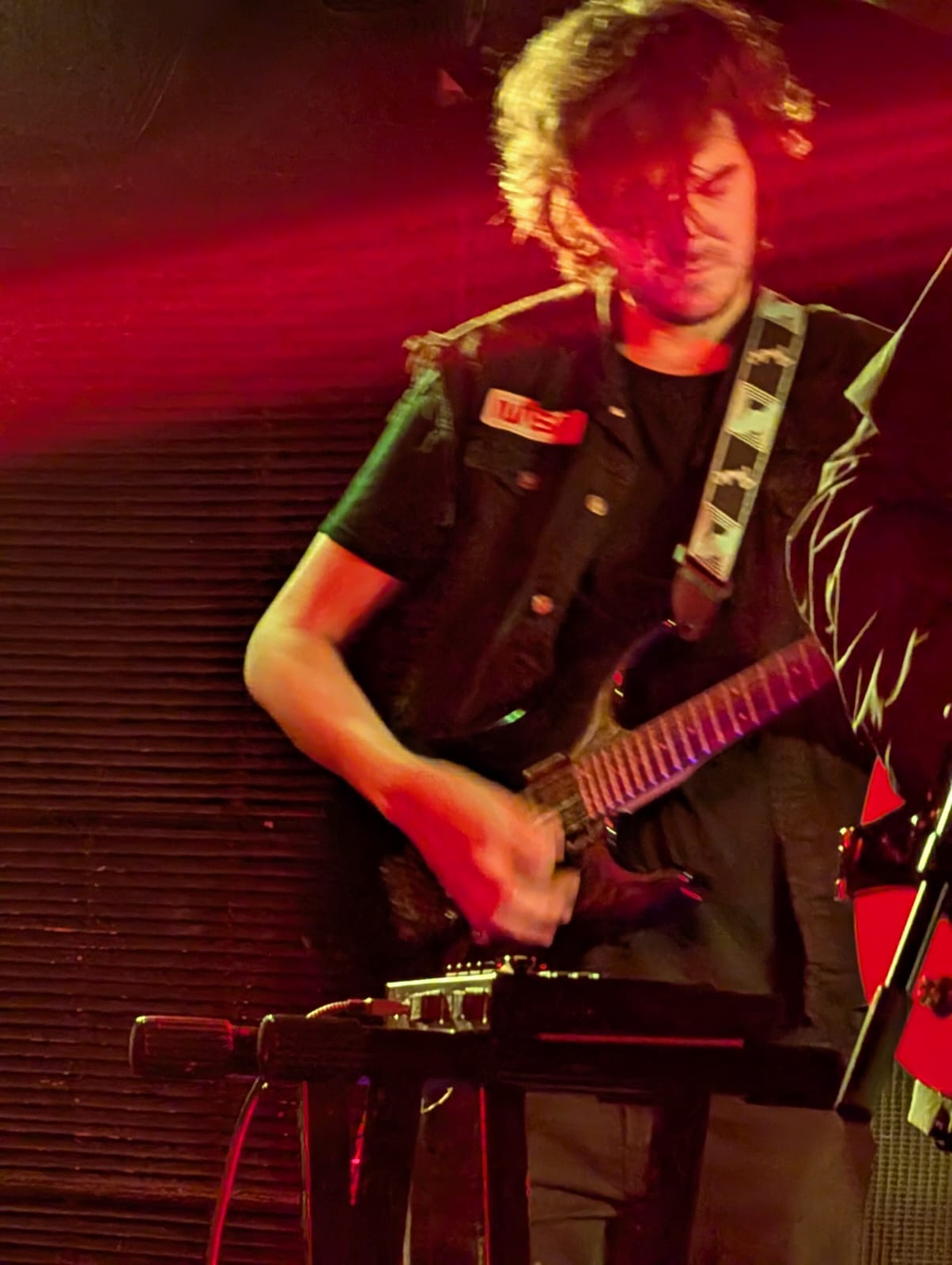
Image Credits
Jackie Salvador
Benji Rivera