
We’re excited to introduce you to the always interesting and insightful Susan Pilato. We hope you’ll enjoy our conversation with Susan below.
Hi Susan, thanks for joining us today. Owning a business isn’t always glamorous and so most business owners we’ve connected with have shared that on tough days they sometimes wonder what it would have been like to have just had a regular job instead of all the responsibility of running a business. Have you ever felt that way?
No, I’ve actually never really questioned it, and I think that comes from knowing pretty early on that I wanted to be a business owner.
That was a goal I had from a young age, so for me, this path has always felt aligned with who I am. It’s not something I fell into it’s something I’ve intentionally built over time.
That doesn’t mean there aren’t challenging moments. There are days where the responsibility is heavy, where a lot is happening at once, and where you feel the weight of leading a team and making decisions that impact others. That’s part of it.
But even in those moments, I’ve never thought, ‘I wish I had a different path.’ It’s more about working through the challenge than questioning the direction.
What keeps me grounded is the ability to build something meaningful to create businesses like PC&A Business Environments and Mantra Inspired Furniture, to support a team, and to have a voice in how things are done in our industry.
For me, it’s not about choosing what’s easier—it’s about choosing what feels right. And this has always felt right.
I think when you’re aligned with what you’re meant to do, even the hard days don’t make you question it they just make you grow through it.
Susan, love having you share your insights with us. Before we ask you more questions, maybe you can take a moment to introduce yourself to our readers who might have missed our earlier conversations?
I’ve spent more than 30 years in the commercial interiors industry, and my path into it really started with a desire to build something of my own. I co-founded PC&A Business Environments early in my career, and through that work, I was able to collaborate closely with clients, designers, and manufacturers. That gave me a full understanding of how everything comes together—from design and specification to sourcing, manufacturing, and installation.
Over time, I started to notice something that didn’t sit right with m
e. We were specifying furniture that looked great on day one but didn’t always hold up over time.
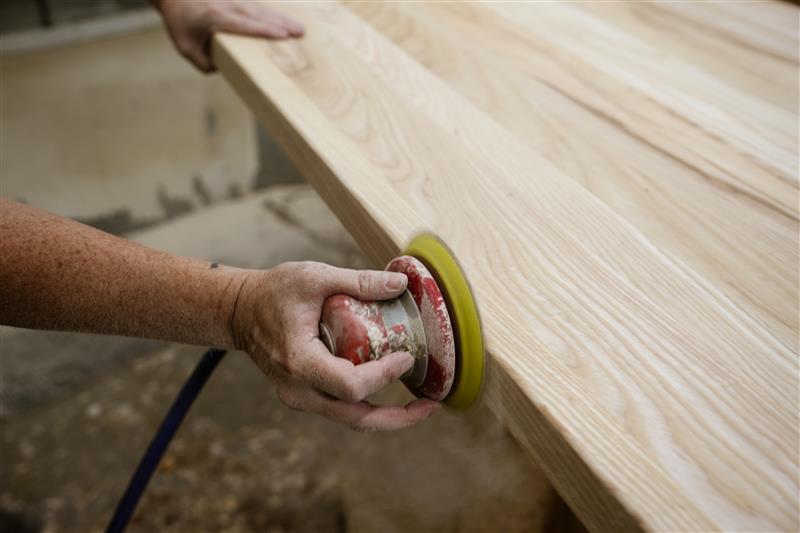
At the same time, we had a client who had standardized solid wood furniture, and that experience really changed my perspective. I’ll be honest—I didn’t know a lot about solid wood at the time. But over the years, I saw how those pieces performed. Twenty, even thirty years later, that furniture was still in use. It could be refinished, repaired, and adapted, while most of the other furniture in comparable spaces had been replaced.
That contrast stuck with me. It completely shifted how I think about durability, value, and what sustainability really means.
That’s what led me to create Mantra Inspired Furniture.
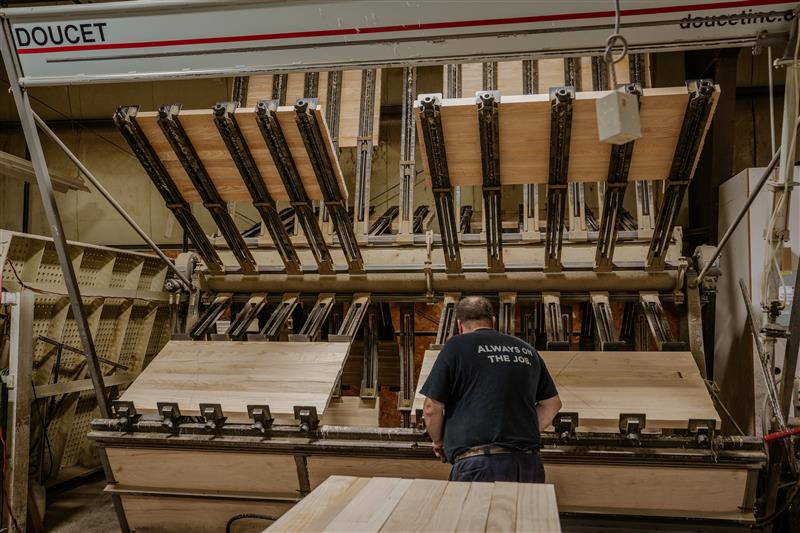
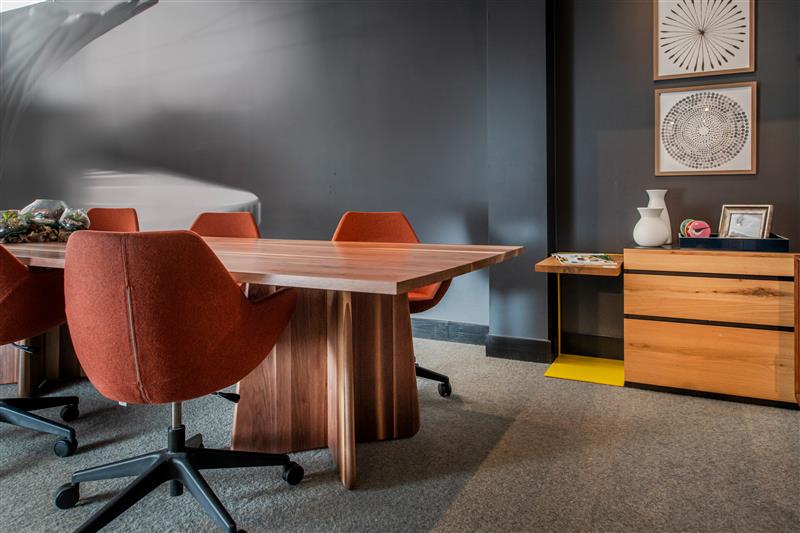
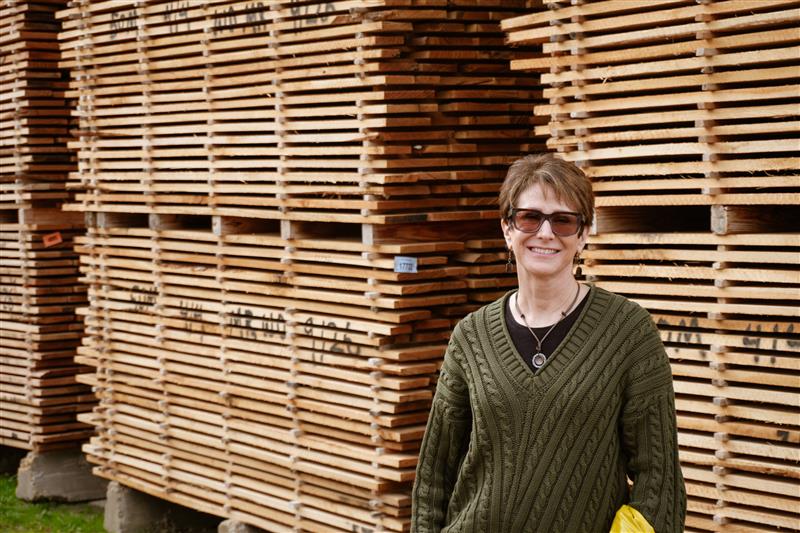
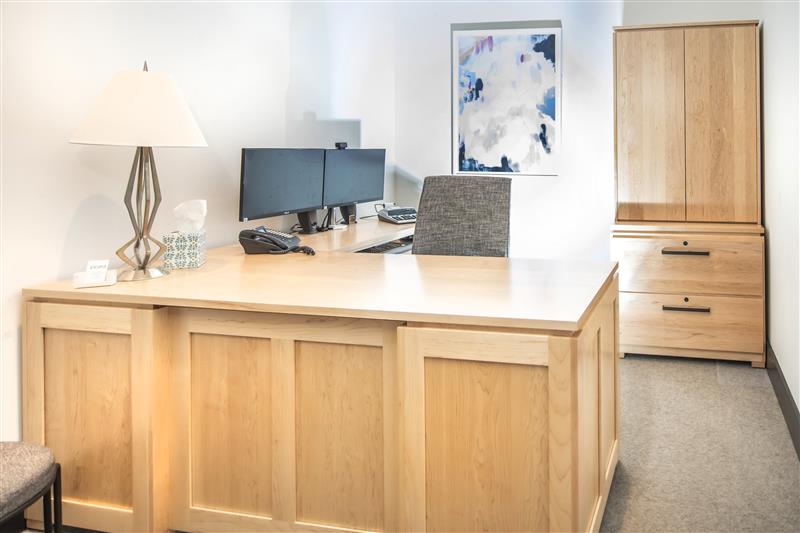
At Mantra, we design and manufacture commercial furniture using responsibly sourced American hardwood, working with skilled Amish and Mennonite craftsmen. Our focus is on creating products that are built to last—not just for years, but for generations. We’re also very intentional about how our products support people, including designing for inclusivity and well-being, because we believe the environments we create should work for everyone.
The problem we’re trying to solve is the cycle of replacement. Too much of what’s produced today is designed for short-term use, and that has a real impact—on the environment, on budgets, and on how spaces function over time. We’re offering an alternative by focusing on durability, material integrity, and transparency.
For me, sustainability is about common sense. It’s not just about how a product is made, it’s about where it’s going to be in 10, 15, or 20 years. If something can be repaired, refinished, and continues to be used, that’s where real impact happens.
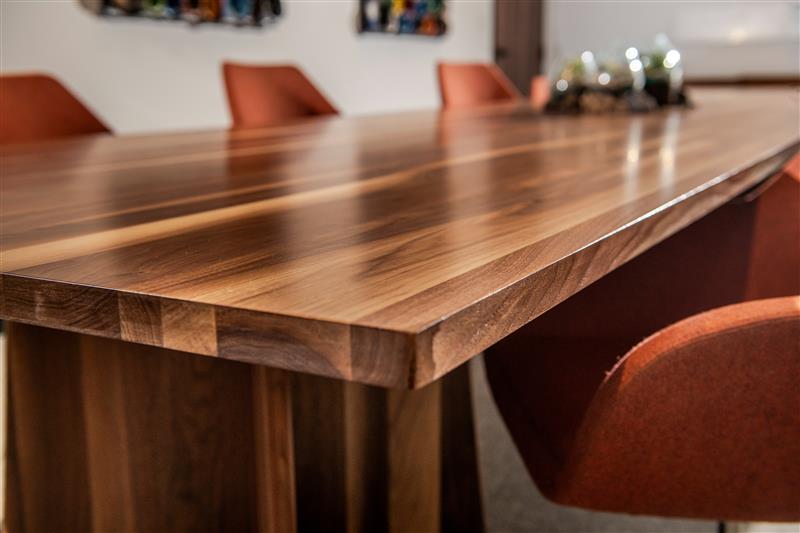
Another piece that’s important to me is the connection between materials and well-being. There’s something about being around real wood that people respond to. It’s calming, its grounding, and it creates a different kind of experience in space.
What sets us apart is that we’re looking at the full picture. We’re not just focused on design or manufacturing, we’re thinking about materials, sourcing, longevity, and how everything connects over time.
What I’m most proud of is that we built something with purpose. We didn’t just follow where the industry was going, we made a conscious decision to do things differently.
We’ve created a company that supports craftsmanship, values long-term thinking, and brings more intention into the way products are made and used.
If there’s one thing I’d want people to take away, it’s that good design isn’t just about how something looks. It’s about how it performs over time, how it impacts people, and how responsibly it was created. That’s what drives everything we do.
Can you share a story from your journey that illustrates your resilience?
I think resilience, for me, has shown up in the rooms I’ve been in and choosing to use my voice in those spaces.
This industry has traditionally been very male dominated, especially on the manufacturing and supply chain side. While that’s starting to evolve, there have been many moments throughout my career where I was the only woman in the room and in some cases, I still am.
Over time, I realized I wasn’t there to just listen or fit in, I was there to contribute. That meant asking different questions, challenging assumptions, and speaking up about things that didn’t always align with what I believed was right, whether that was around materials, sustainability, or long-term value.
That willingness to speak up has shaped a lot of my journey. It’s not always the easiest path, but it’s the one that creates change.
A recent example of that is my appointment with the Board of Directors of the Business and Institutional Furniture Manufacturers Association. It’s an incredible opportunity, and I don’t take it lightly especially knowing that Mantra is still a relatively small company compared to many others in the industry.
But I think that’s part of the point. You don’t have to be the biggest company in the room to have a meaningful voice. Sometimes being smaller allows you to be more agile, more intentional, and more willing to challenge the status quo.
At Mantra, we’ve always taken that approach. We’re a small but mighty team, and we’ve built our company by being clear about what we stand for durability, transparency, and responsible materials and being willing to speak about it.
Resilience, to me, is about continuing to show up in those spaces, staying grounded in your values, and using your voice even when it feels uncomfortable. Because that’s where progress starts.
And if that also helps create space for more diverse voices in the industry, then that’s something I’m proud to be part of.
Any stories or insights that might help us understand how you’ve built such a strong reputation?
I think my reputation has really been built over time through consistency, relationships, and staying true to what I believe in even when it wasn’t the easiest path.
Early on with PC&A Business Environments, it was about showing up, doing the work well, and building trust with clients, partners, and manufacturers. In this industry, your reputation is everything, and people remember how you show up over time.
I’ve also never been afraid to take a long-term view. Whether it’s how we approach client relationships or how we think about products, I’ve always believed in doing things the right way, not the fastest way. That mindset carried into Mantra Inspired Furniture, where we made a very intentional decision to focus on durability, responsible sourcing, and transparency even when the industry was moving in a different direction.
Another big part of it is relationships. This is a relationship-driven industry, and I’ve always valued collaboration whether that’s with clients, designers, or our manufacturing partners. Those relationships have grown over decades, and they’re a huge part of why people trust us.
And I think people can tell when you genuinely care about what you’re building. For me, this has never just been about selling furniture. It’s about creating something meaningful, supporting our community, and contributing to a better way of doing things in our industry.
Reputation isn’t something you build overnight, it’s something you earn, one decision at a time.
Contact Info:
- Website: https://www.mantrainspiredfurniture.com/
- Instagram: https://www.instagram.com/mantrainspiredfurniture/
- Facebook: https://www.facebook.com/mantrainspiredfurniture
- Linkedin: https://linkedin.com/company/mantrainspiredfurniture/