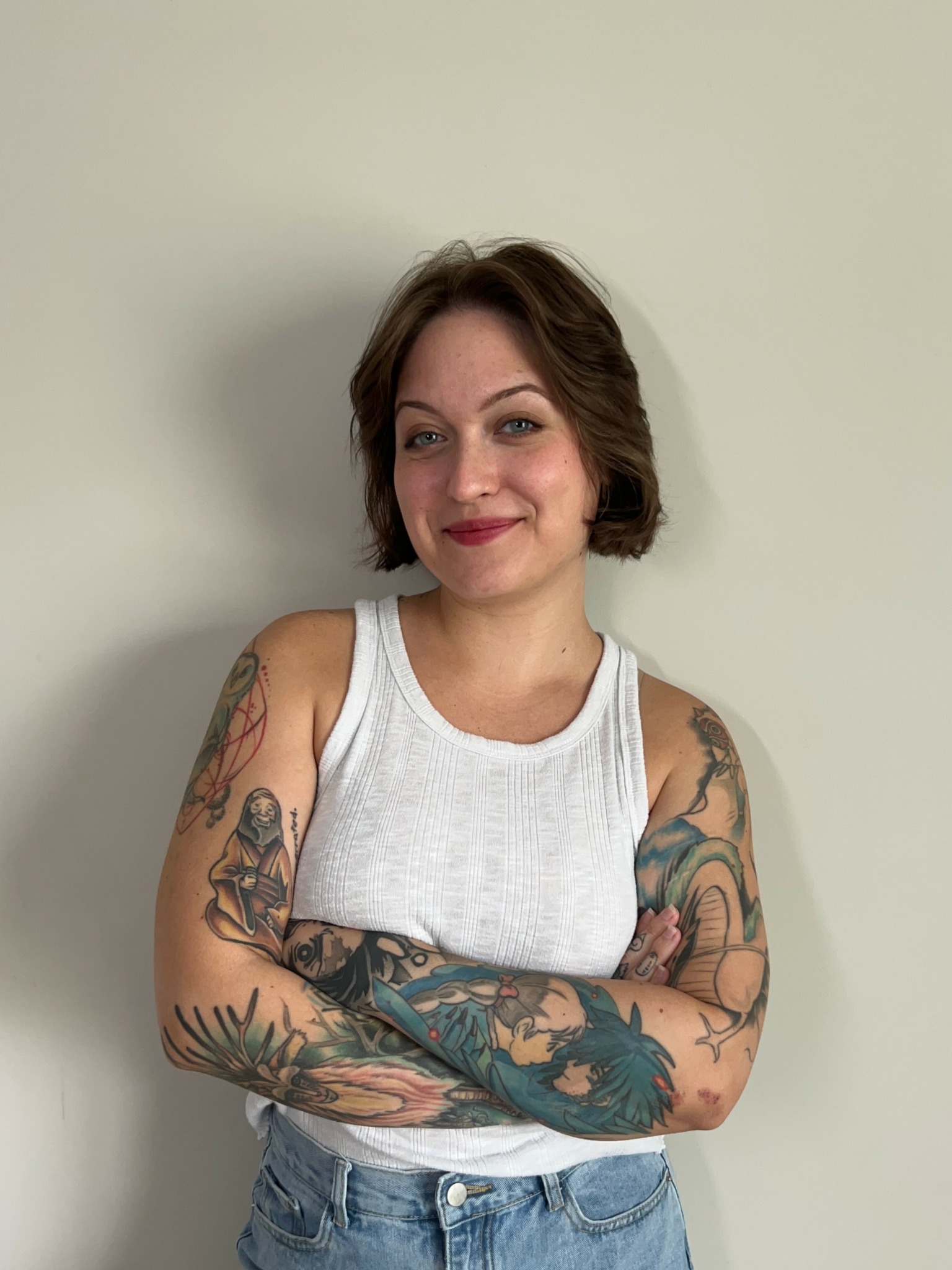

We’re excited to introduce you to the always interesting and insightful Summer Whiteside. We hope you’ll enjoy our conversation with Summer below.
Summer, looking forward to hearing all of your stories today. Have you been able to earn a full-time living from your creative work? If so, can you walk us through your journey and how you made it happen? Was it like that from day one? If not, what were some of the major steps and milestones and do you think you could have sped up the process somehow knowing what you know now?
I have been earning a full-time living from my creative work since early 2022. In my opinion, reaching that point required 3 major things: hard work, perseverance and a little bit of luck. In 2020 & 2021 I was balancing multiple side-gigs to make ends meet. This included working part time as a studio assistant for 2 potters, Liz Kelly & Gretchen Quinn, as well as teaching ceramic classes at 2 different community art centers. In my sparse free time, I created my own body of work and made content for social media. Almost every hour of every day was spent physically working with clay, teaching about clay or creating content about clay. It was round-the- clock hard work, but I could feel that the reward for that effort was around the corner.
Working with Liz & Gretchen definitely opened my eyes to how being a full-time potter was possible, but I also knew that I wanted my business model to be slightly different than theirs. I wanted to have a social media presence which would allow for batch sales that would occur almost exclusively online (whereas Liz & Gretchen both had in-person storefronts and attended markets). This meant that I had to have my “breakthrough” moment on social media.
I tried having a couple of sales before my social media breakthrough and they failed spectacularly. I’m talking- I listed 50 pieces online and only sold 6- levels of failure. It was embarrassing and devastating, but I still held onto the faith that my hard work would pay off if I just kept my nose to the grindstone.
In order to succeed on social media (and as an artist in general), you have to be comfortable with “failing” repeatedly until you find your rhythm and build up your niche audience. You will absolutely have numerous videos that flop with views that don’t even hit the hundreds before you start to consistently make content that catches people’s attention. I believe social media is a skill like anything else, you have to practice with it to become proficient. That being said, there is a little bit of a luck element. You can post a well-crafted video that you are super proud of and it can be a total fail, and then the next day post a random video that you didn’t put much thought into and it can take off. The best skill I think you can have with social media is being able to look back and figure out why that random video performed so well and how to replicate that.
At that time, I was posting multiple videos a week on both TikTok and Instagram, most of which performed poorly, but the videos that failed informed what I should change or fix for the next post. It felt at times that all of my effort was not worth it, and it was easy to get discouraged, but that’s where the perseverance comes into play.
You have to be kind of irrationally optimistic when it comes to social media. Try to believe that your next video will be “it”; the video that finally takes off, goes viral and finds your audience. Each video you make is a building block along the way to finally achieving that “it” moment. For me, that finally happened in late 2021. It was a video featuring a mug with a design from Studio Ghibli’s “Howl’s Moving Castle”. The video blew up on TikTok and seemingly overnight I had find my niche audience.
Of course it takes more than one viral video to make a business and secure an online presence, but it becomes at least marginally easier after you achieve that first breakthrough moment. I had a couple more successful videos in the following weeks and my audience continued to grow. I had an online sale in February of 2022 (my first sale since achieving the handful of viral videos) and it sold out within 7 minutes. Within a week of that sale I found myself with a waiting list for custom orders that was longer than I could keep up with while still maintaining my side-gigs. It felt like the success had come overnight, but in hindsight I can see the steady progression and determination that led to my business finally taking off.
From there I slowly phased out of my part time jobs, until eventually I was working for myself full time.
It’s still been the hardest thing I’ve ever done professionally, but also the most worth it. To any artist just starting out, I really do believe if you are willing to put in the hard work and push through what will feel like a pit of failure at first, you will eventually find your audience, and it’s all uphill from there.
Summer, love having you share your insights with us. Before we ask you more questions, maybe you can take a moment to introduce yourself to our readers who might have missed our earlier conversations?
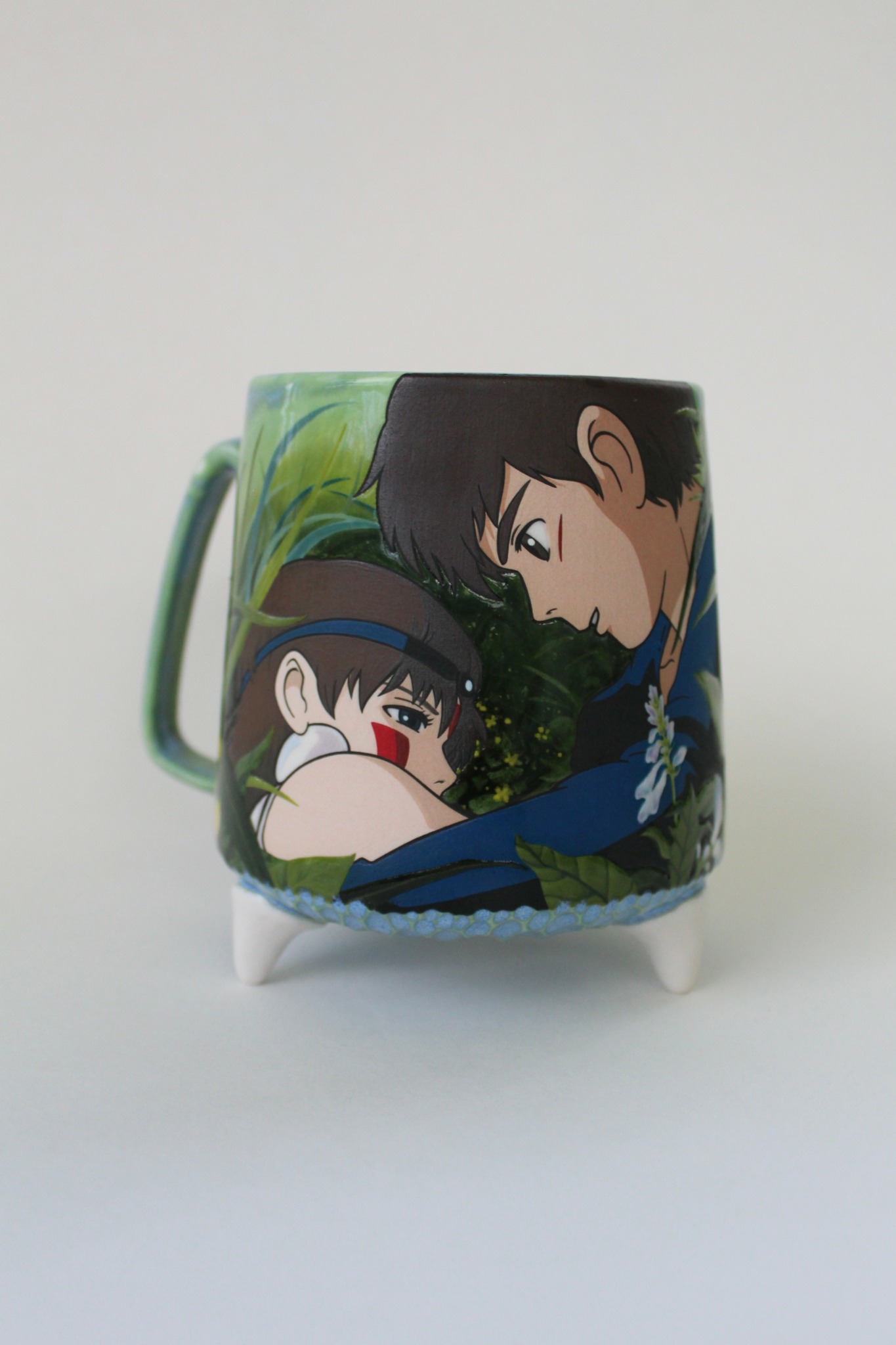
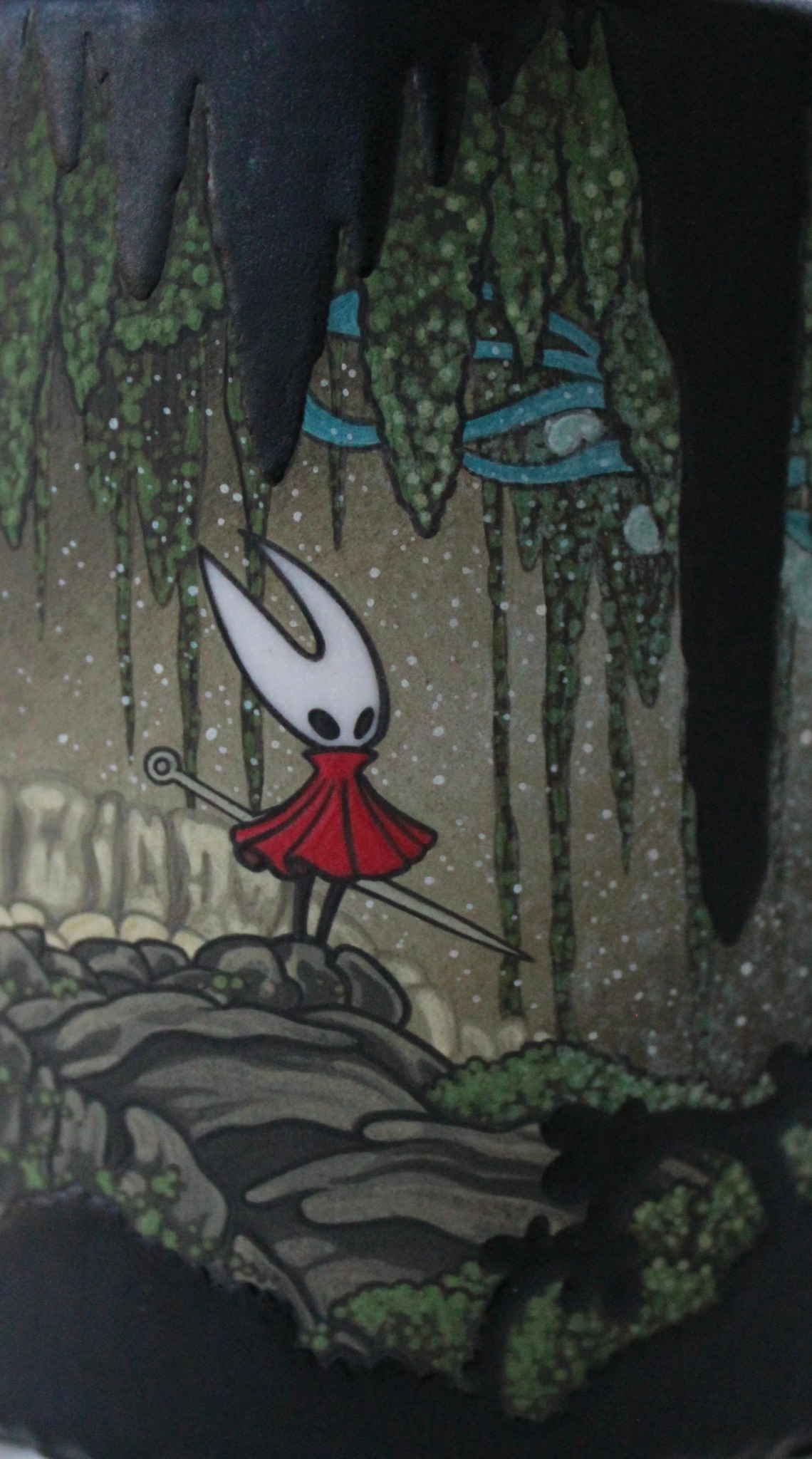
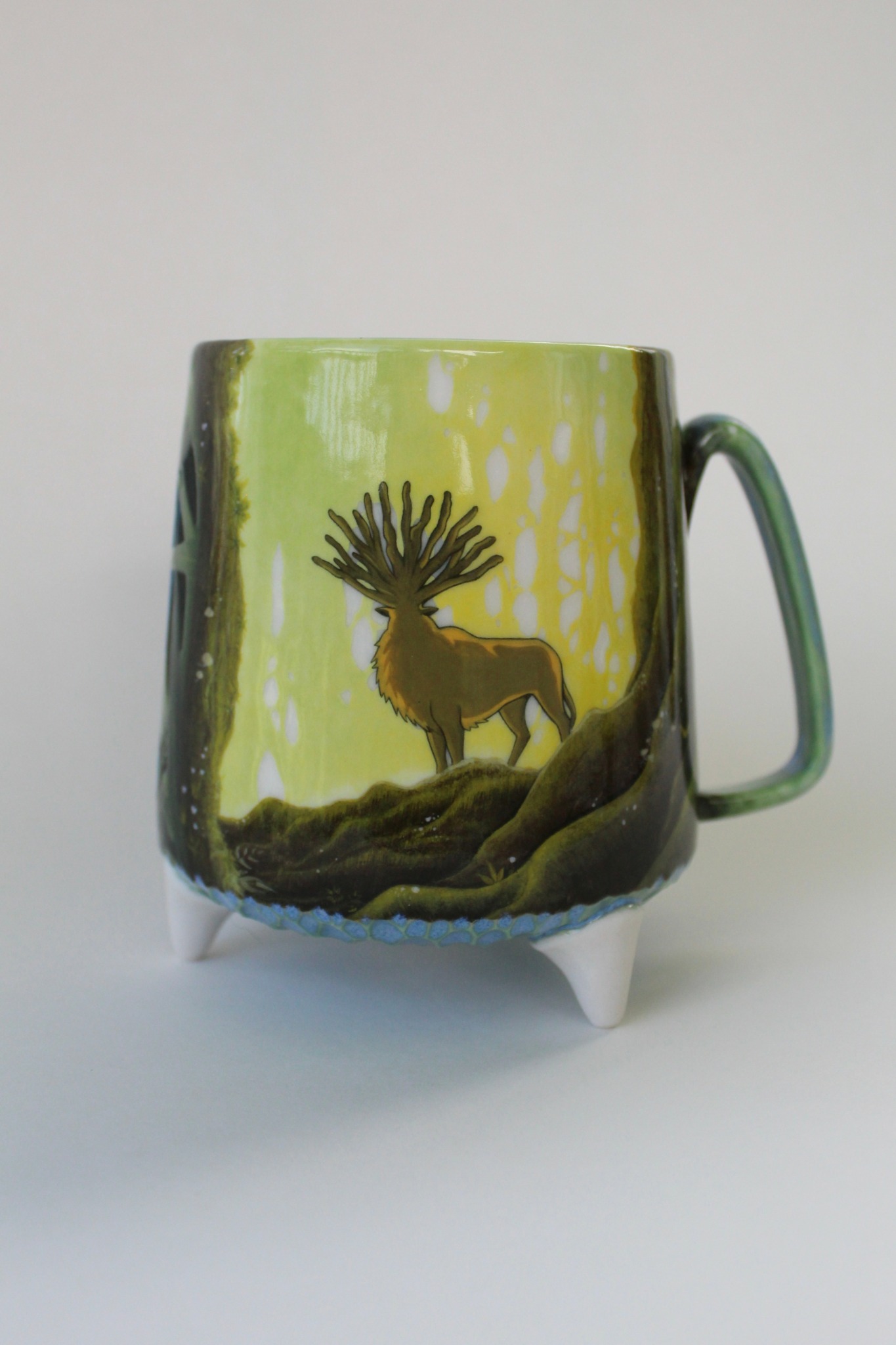
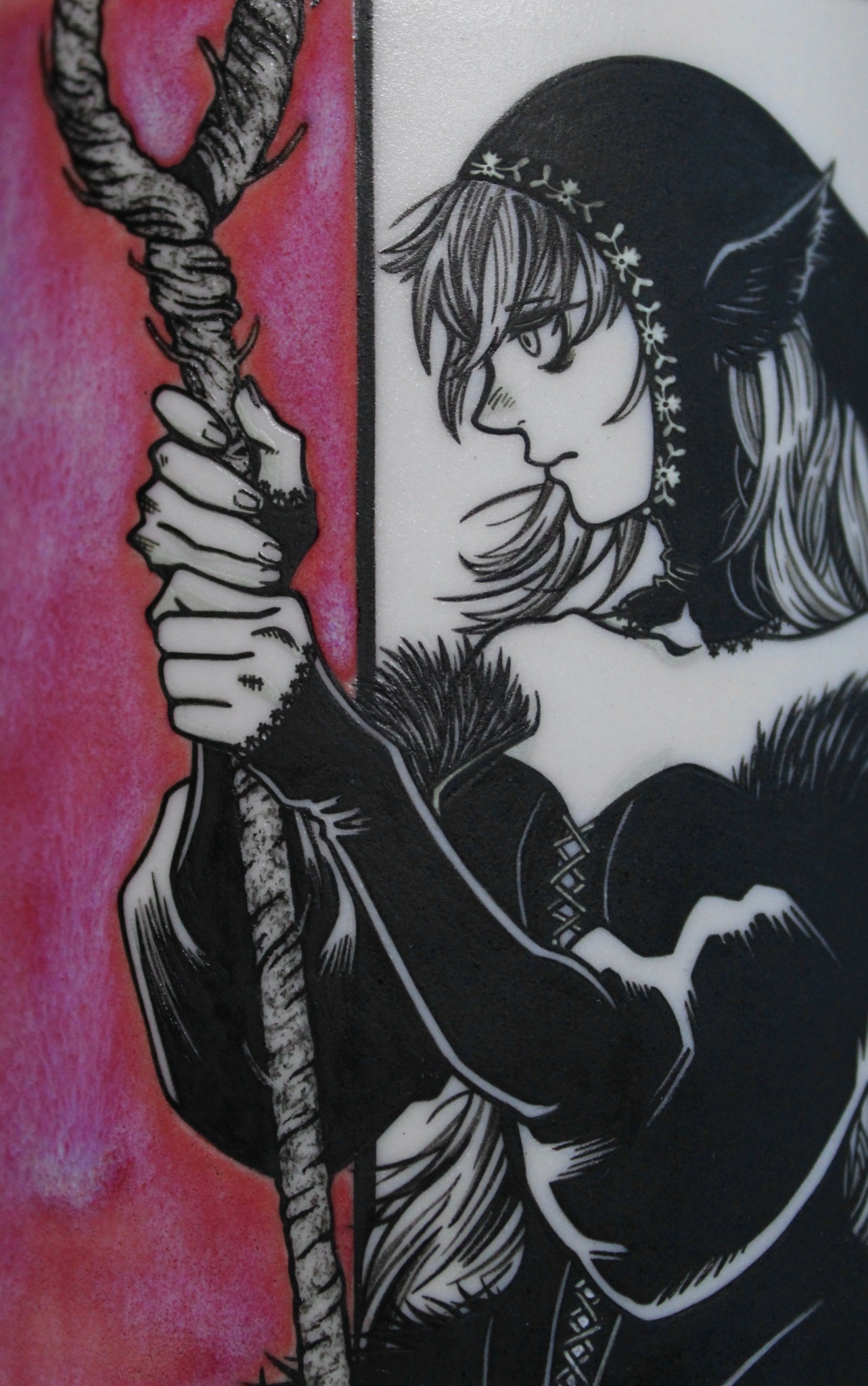
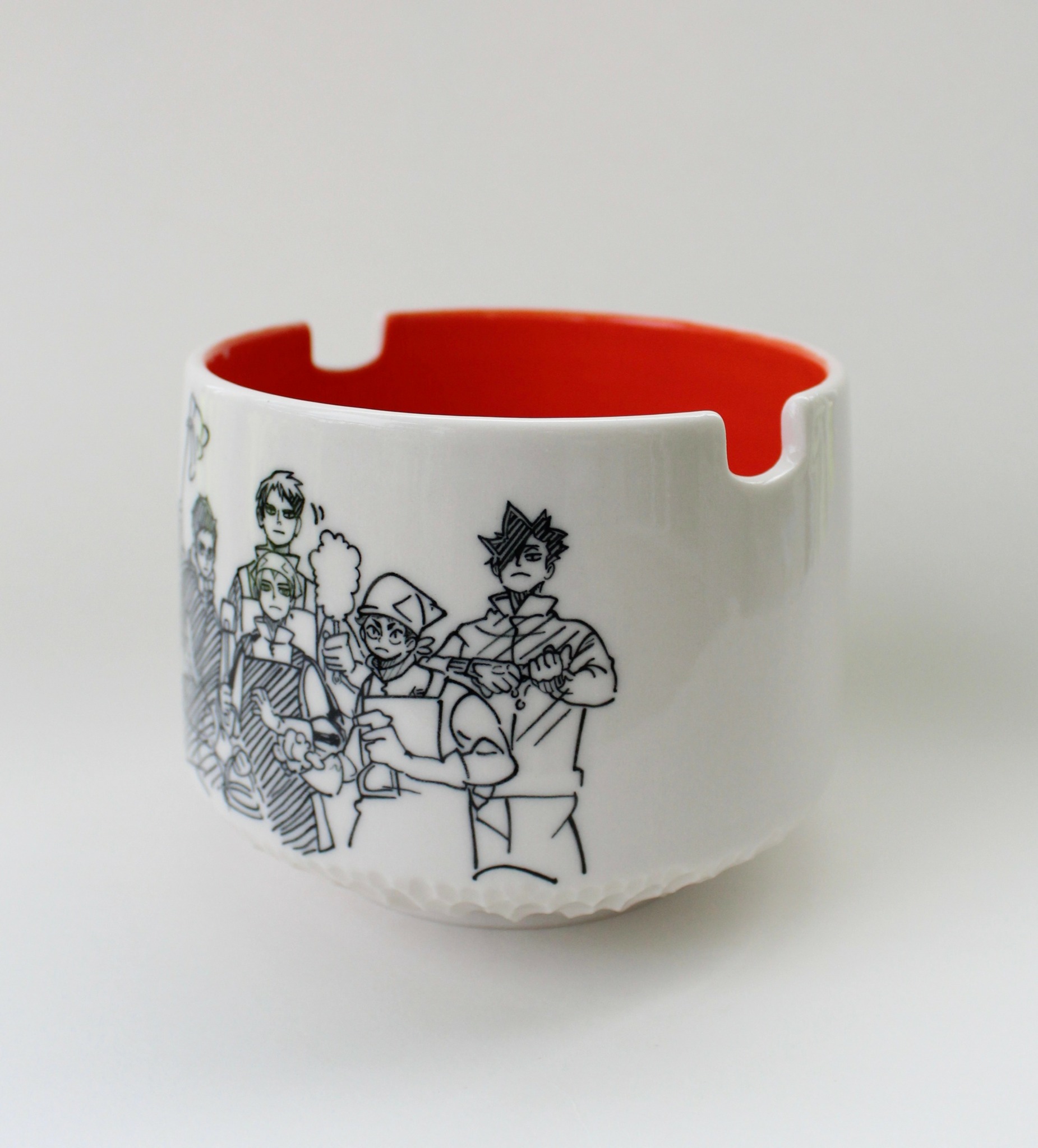
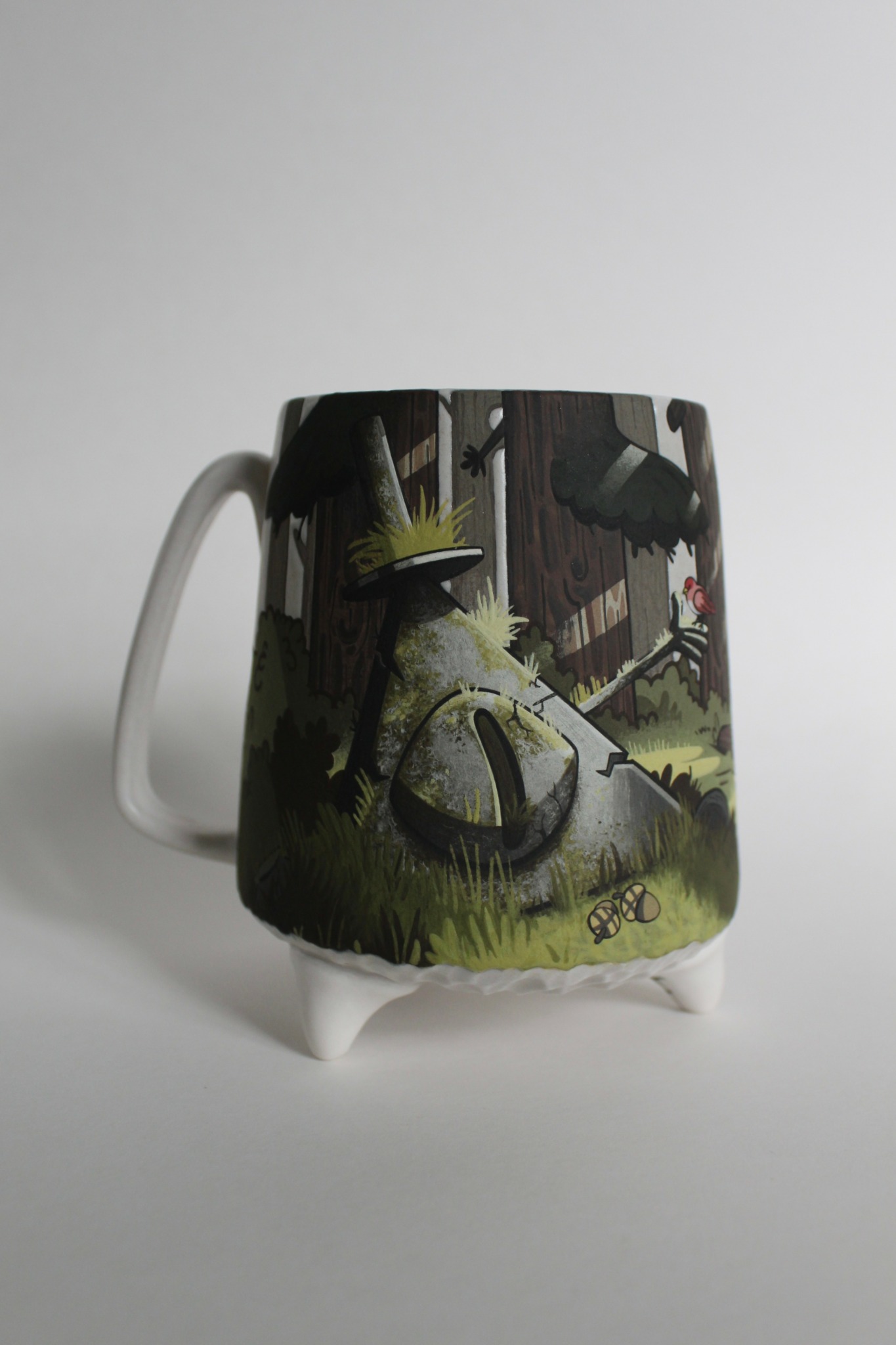
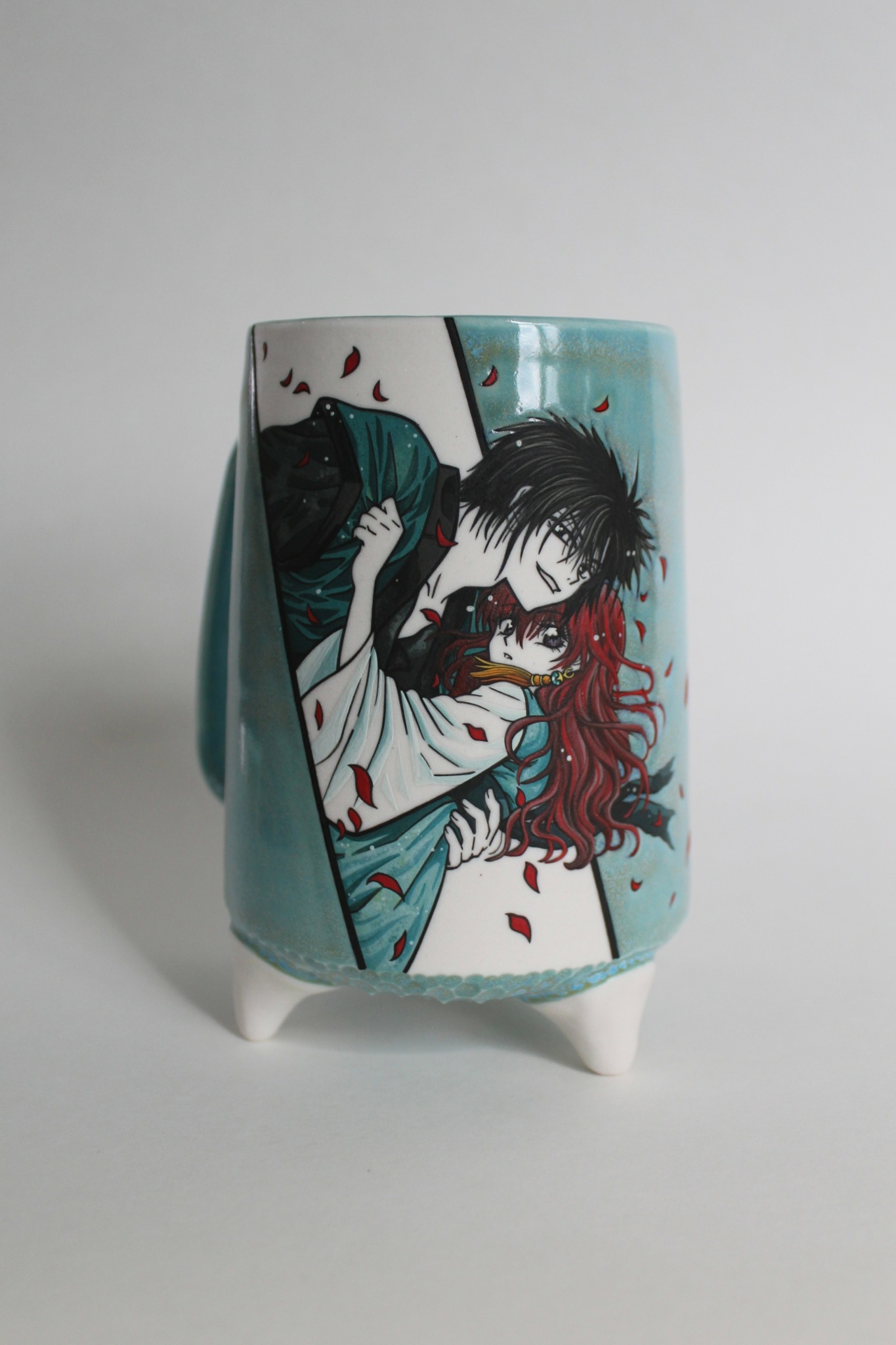
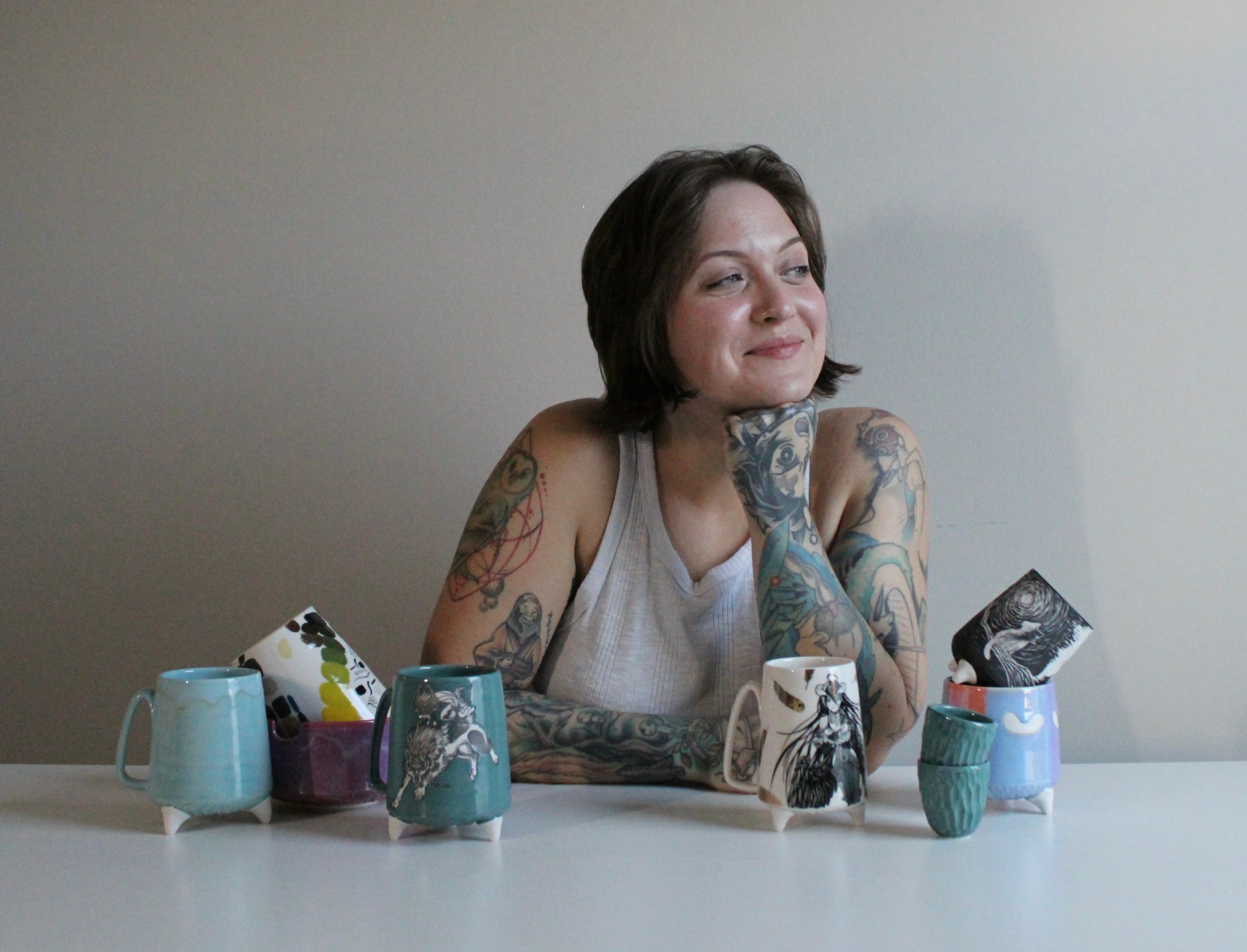
I took my first ceramics course in college, where I was studying at the time to become a watercolor painter & illustrator. I was in my very last semester and only needed 1 more studio credit, so purely for fun, I chose ceramics. I am not exaggerating when I say that I fell head over heels in love with clay from the very first moment that I laid hands on it. Within a few weeks of the course, I knew in my heart that I wanted to work with ceramics for the rest of my life. I had “caught the mud bug” as it is described in the pottery community. I graduated after that semester but stayed in the ceramics studio as a full-time volunteer, where I continued my ceramics education for another year. Eventually I went on to find positions as a studio assistant for a couple of potters and also began teaching at 2 local studios. In 2022 after some online success with social media, I went full time with my own business, Summer’s Ceramic Arts. I’ve been working with clay for almost 8 years (5 of which have been full time), and I’ve been painting for over a decade. I’m known primarily for making functional dishware with hand painted pop-culture designs from Anime, Manga and Videogames. I work exclusively with porcelain and my designs are painted using Amaco Velvet Underglazes which I fire to cone 5 oxidation. I make multiple dinnerware forms but I’m most well-known for my mugs, which are hand-thrown, modern and lightweight in design, with ornately carved bottoms and hand sculpted feet. My mugs are recognizable on their own, but my designs have their hallmarks as well. Even though they are pulled from pop culture references, the quality level of my linework, dynamic compositions and intentionally exposed raw porcelain are all recognizable aspects of my illustrations.
At it’s core my work is fully functional, but it rides the line between being a luxury collector’s item and an everyday mug. There are a handful of other ceramic artists with similar decorative imagery, but I really believe my unique forms and the level of quality that I consistently execute set me apart. Every single detail of my mugs is lovingly obsessed over and my standards are almost unachievably high. My hope is that even if the viewer has no interest in the source material, they would see my work and think “that is a beautiful object”.
In 2026 I have been expanding my business beyond just selling ceramics, and I have stepped back into teaching. I am still a full-time artist, but I signed on with a company to help me create & market an online course that covers my entire surface decoration process. I had been getting requests for such a course for years, and the offer to work with this company sealed the deal that it was time to bite the bullet and make it happen. I am wildly proud of the course and firmly believe that even if your illustration style is vastly different than mine, it will still teach you everything you need to know and more about utilizing underglaze to its full potential. I am also in the process of creating an advanced course which I’m very excited about.
I have always taken great pride in being an artist who never gate-kept my processes, materials, etc. I love sharing my knowledge and helping other artists grow because I wouldn’t be where I am today if other artists hadn’t done the same thing for me.
There’s SO much pottery out there in the world and for that reason I am eternally grateful to have such a dedicated audience of fans & customers who have supported me as my work has grown and changed over the past few years and continued to choose to purchase my pieces. I think the quality of my work speaks for itself in a lot of ways, but I still wouldn’t be where I am today without my amazing audience.
Is there something you think non-creatives will struggle to understand about your journey as a creative? Maybe you can provide some insight – you never know who might benefit from the enlightenment.
Admittedly this may not be the most original answer because I’m definitely not the first person to share it, but it still feels valid to bring up and I think a lot of artists will relate; there is a frequently encountered stigma with full-time artists that our work lives must be quite pleasant and even possibly considered easy because we have achieved our “dream job”. The whole “love your job and you never have to work a day in your life” type of ideology. Anyone who loves their job, has figured out that phrase is simply not true. Hard work is hard work, no matter the field. Of course, I’m not saying you could compare my job to something like a surgeon who works 12 hour shifts, but there is a lot of work that creatives do behind the scenes that gets lost when looking from the outside in. Social media is a big example- in my “free time” I am still responding to messages & comments, editing reels, keeping up with the trends, staying on top of emails. There’s lot of other administrative work in the background, and lots of menial tasks that take up quite a bit of time. Artists are like jugglers, and also often a jack of all trades. We have to be a master of whatever our craft is, but also a photographer, a postal worker, a cleaning clew, an influencer, etc. All of this influences our prices, and I think sometimes that creates a disconnect when non-creatives see our final products, but they don’t see all of the hours of work under the surface of said-product.
What can society do to ensure an environment that’s helpful to artists and creatives?
I think simply interacting with artists (whether that be online or in-person) is a huge help that is often underestimated. If you don’t have the funds to purchase anything, that’s fine! Watch the videos they post, leave a comment every once in a while, share their posts, show up to their market and peruse their booth. These small free actions can actually do a lot for us as far as boosting engagement. All of the social media interactions help us stay relevant, and showing up to their in-person events may boost their morale or even attract more people to their booth. Don’t be afraid to interact with artists even if you cant afford to support us monetarily. Go to your local art market and walk around even if you can’t buy anything- maybe you’ll see something a friend of yours would love and you can pass along a business card, or maybe you can plan out future purchases. At the very least you’ll be 1 extra person showing up and ensuring those type of markets keep happening. Don’t feel like art is off-limits to you just because its out of your budget, it still benefits us when you interact with our work.
Contact Info:
- Website: https://summersceramicarts.com/
- Instagram: https://www.instagram.com/summers_ceramicarts?utm_source=qr
- Facebook: https://www.facebook.com/share/1LPccwbSXJ/?mibextid=wwXIfr