



We caught up with the brilliant and insightful Stephen Mok a few weeks ago and have shared our conversation below.
Stephen, thanks for taking the time to share your stories with us today The first dollar you earn in a new endeavor is always special. We’d love to hear about how you got your first client that wasn’t a friend or family.
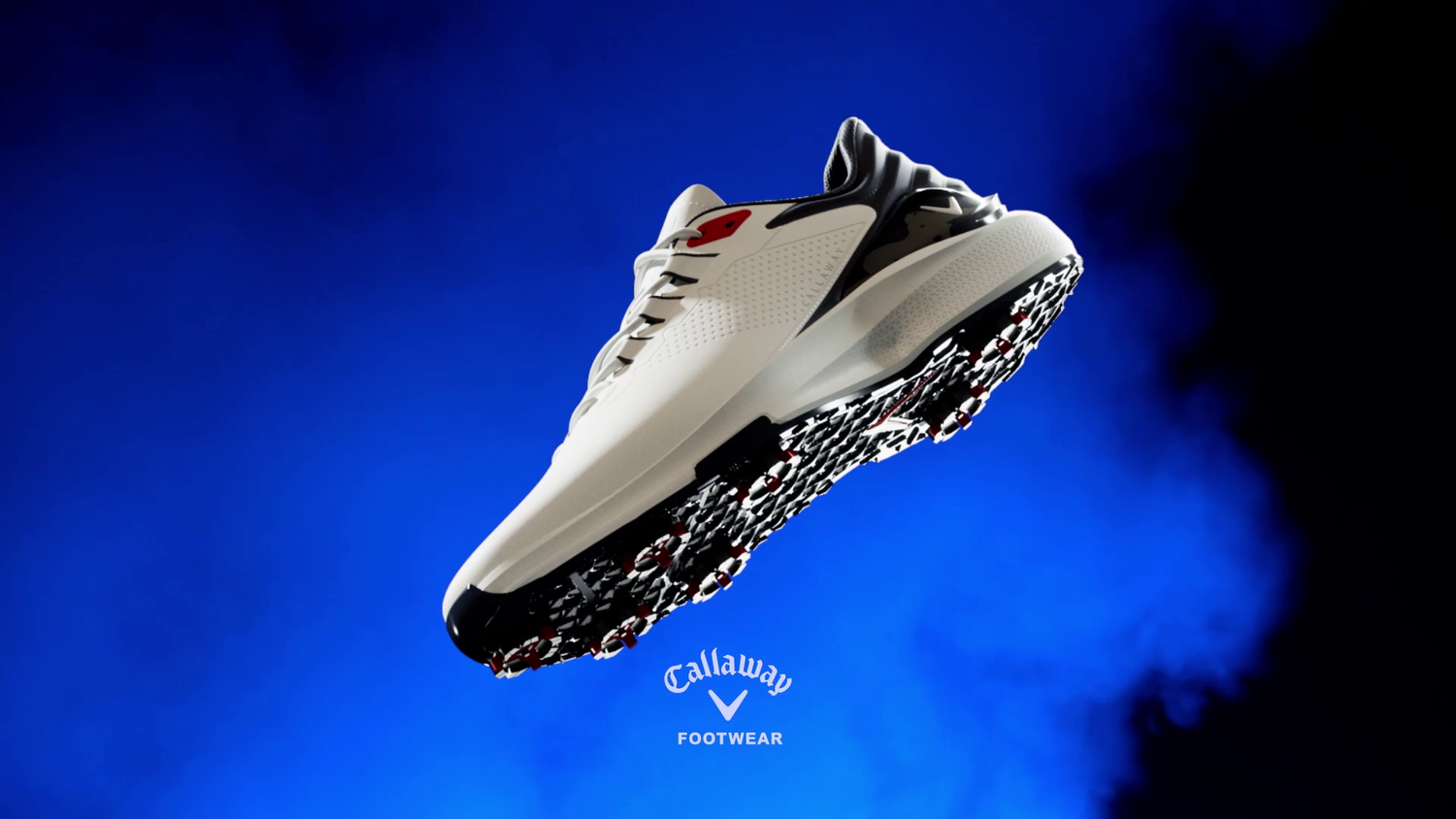
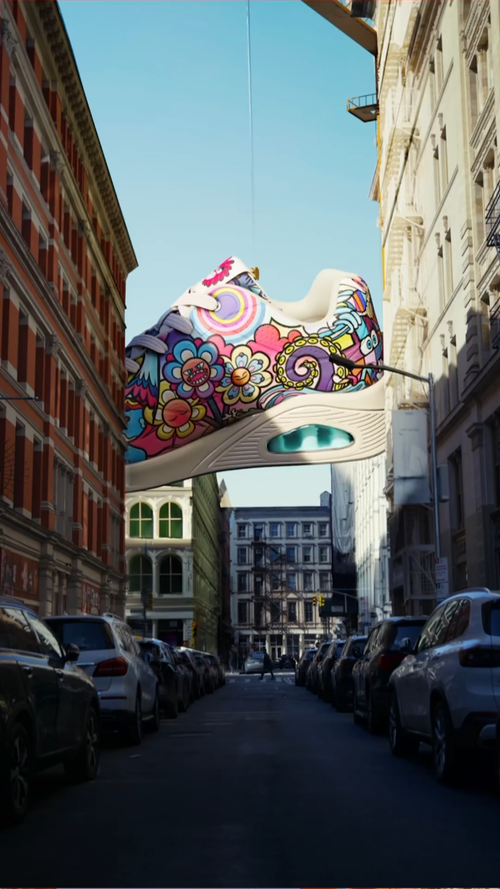
I got my first independent project with a client by pure coincidence. I saw a post by someone (who could eventually become my team lead) that asked if anybody on a job forum that we were both in knew 3D modelling and texturing. There was no build-up or context as to what kind of work I was expected to perform. A peer of mine encouraged me to reach out, so I did. It turned out to be a relatively big footwear brand; they needed some 3D people to help create 3D assets for their advertising team. Despite most of my work being hard-surface at the time, they were impressed enough to offer me a contract.
I was initially contracted for one week as a probationary period of sorts, before being offered an extended contract to continue with them indefinitely. It took me a few weeks to find my footing, but once I did, I was flying. The team was great, and I had a fantastic time working with them. It was completely unexpected, and I could not have been happier with my decision to reach out. This was a watershed moment in my career. Until that point, I had only wanted to work in video games and visual effects. Working with this brand made me realise that my skillset had a lot more to offer beyond these industries. It opened more doors to more work – work that gave me a broad and diversified portfolio.

Great, appreciate you sharing that with us. Before we ask you to share more of your insights, can you take a moment to introduce yourself and how you got to where you are today to our readers.
My name is Stephen Mok. I am a 3D Generalist based in Savannah, Georgia. I specialise in real-time workflows and product visualisation, with a focus on modelling, shading, and lighting. I have worked on AAA video games and some of the biggest footwear brands. With a keen eye for photorealism, I help brands bring their vision to life in 3D space.
I began my creative journey as an illustrator and concept artist, but quickly took an interest in 3D – specifically game art – and decided to pivot to it full-time. I found work as a 3D generalist, which made me a multi-disciplinarian and also taught me that it is possible to branch out to other industries. I still doodle from time to time, as it keeps my fingers active and my creative mind fresh.
I also have a background in virtual production, visual effects, and motion graphics. This helps me adapt to different projects and teams along the production pipeline, from concept & development to design to post-production. I have also helped develop art and rendering pipelines and written process documentation for brands and their internal teams.

What’s a lesson you had to unlearn and what’s the backstory?
Divorce yourself from your professional work. As a creative, it is very easy to be passionate about your work, but you have to understand that every project has a deadline or budget to meet. This will almost always lead to the project falling short of your expectations and standards… and that’s okay! I had a project where I was tasked with making a series of products. I was responsible for modelling and shading, while my peers were responsible for lighting and rendering.
However, as we approached the deadline, we noticed a small shading error in some of the renders. However, it was miniscule and the client was happy with the deliverables and finaled them. It bugged me for a while as I was disappointed in myself for not noticing it sooner, but eventually I accepted that I was brought on to deliver a product, and the client was happy, so I should not be so hard on myself. This realisation took a huge burden off my shoulders and taught me to remove my ego from my profession.
Another time, I was wrapping up a personal project of mine, but I was hesitant to submit it because I was worried that it was ‘incomplete’. It wasn’t a hunch or anything, just anxiety. A friend of mine told me, “There is no such thing as the right time to call a piece of work ‘finished’, only the right time to put the pen down and say ‘enough'”. This completely changed my thought process and judgment of my own work. It gave me the courage to push forward and submit the work, which eventually became one of my most liked pieces on ArtStation.


What’s been the most effective strategy for growing your clientele?
Step out of your comfort zone! This can mean a variety of things: I used to believe that good work alone would get me callbacks on my job applications, but the reality is far from it. A strong portfolio only gets you half of the way; the second half relies heavily on your ability to connect with other creatives. Even if you are not a social person, you need to really put yourself out there to leave an impression. Cold applications don’t give companies much to work with when it comes to knowing who you are, but cold emails can tell them who you are, what you do, and what your availability is. It feels daunting at first, but as long as you are respectful in your email, it really does take you much further as recruiters, producers, and leads will be made aware of you. If they respond to you, fantastic! Time to keep working your charm.
Another thing I meant by stepping out of your comfort zone is to diversify your skillset. At university, I learned polygonal modelling, specifically for real-time. When I first started working in footwear, I made the switch to subd, and I started learning more about the development process of a shoe. This led me down a rabbit hole of industrial design. Shortly after wrapping up a project, with some time before another project started, I began learning CAD because why not? This led to more design-oriented work, where I played a larger role in the design and development of a product. Even though I won’t be able to see the final result for several years, it expanded my skillset and allowed me to work more efficiently in what I already know, and opened up a plethora of new doors for me.
Contact Info:
- Website: https://themokintosh.com/
- Linkedin: https://www.linkedin.com/in/the-mokintosh/
- Other: https://www.artstation.com/the-mokintosh
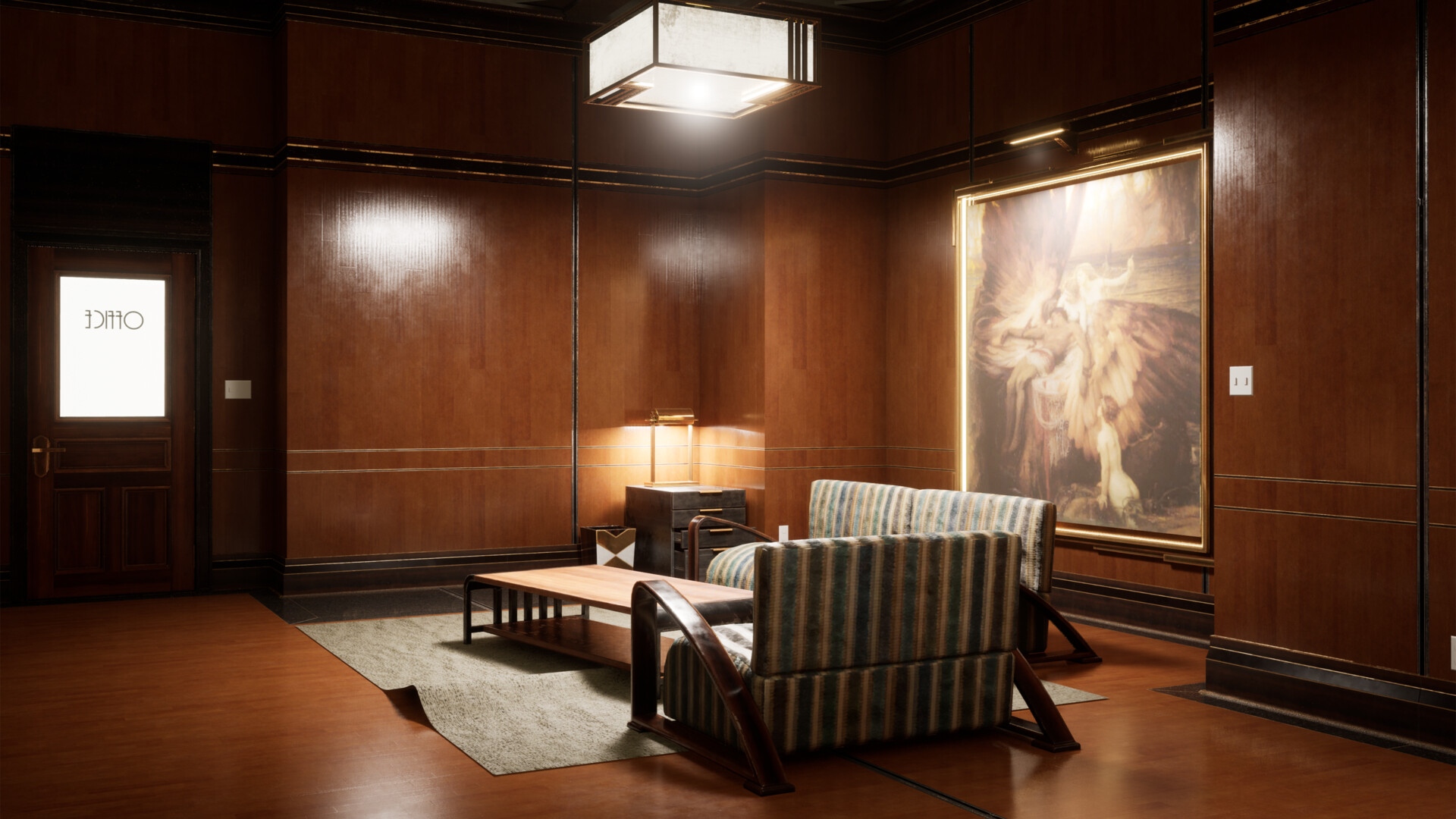
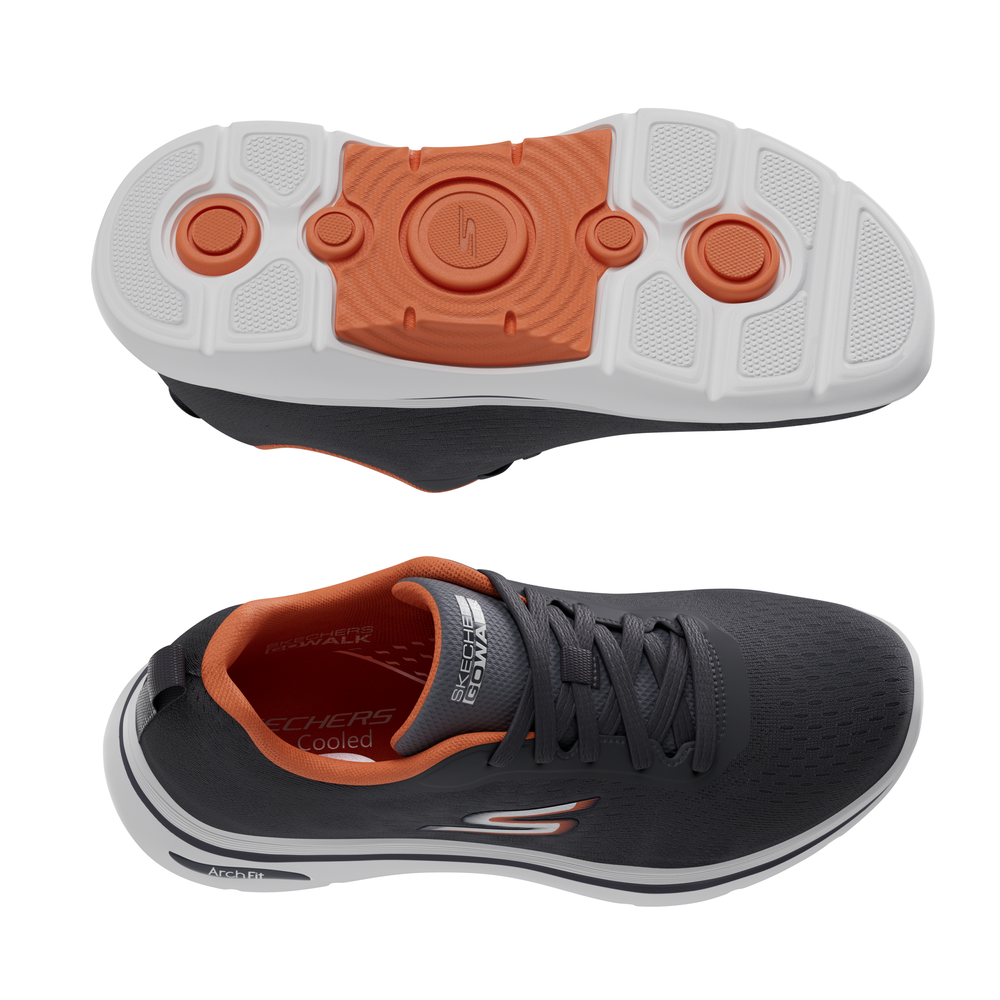
Image Credits
Callaway shoes – credit to Callaway Golf, Wesley Phung
Skechers shoes – credit to Skechers