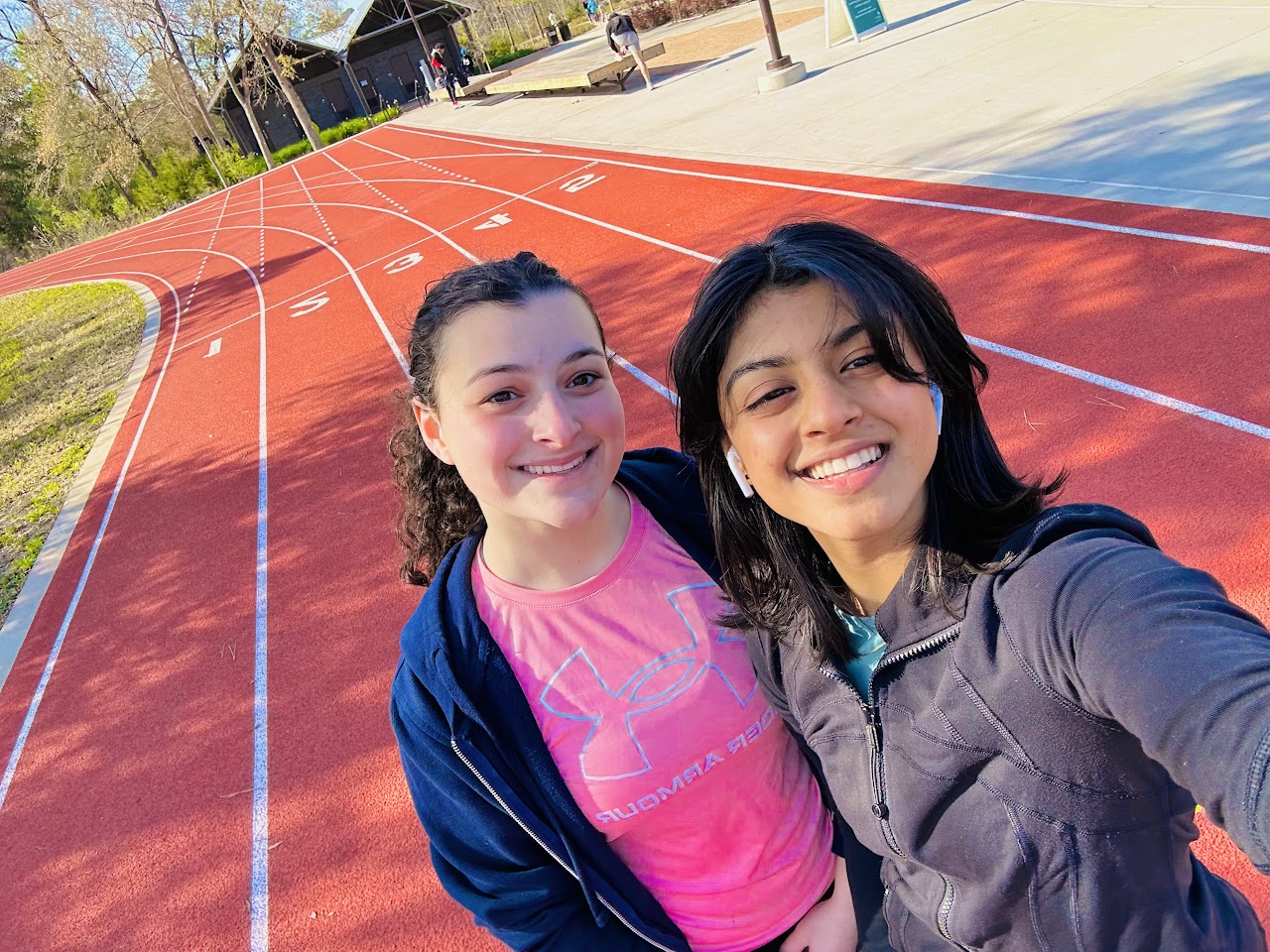

We’re excited to introduce you to the always interesting and insightful Siena and Mahika. We hope you’ll enjoy our conversation with Siena below.
Siena and Mahika, looking forward to hearing all of your stories today. How did you come up with the idea for your business?
The idea for Personal Effectiveness Association (PEA) was born out of a shared realization between Siena Bush and Mahika Joshi—as high school students, we felt firsthand the overwhelming stress, anxiety, and mental exhaustion that came with academic pressure and constant expectations. Like many of our peers, we saw how mental health struggles were common, yet rarely discussed openly. However, we both found a personal refuge in exercise and nutrition, noticing that they weren’t just about physical health but had a profound impact on our mood, confidence, and ability to manage stress. The science was clear—exercise releases endorphins, lowers cortisol levels, and improves overall emotional regulation—but these benefits were not being actively promoted as mental health tools for teens. We realized that if more students understood the physiological link between movement and mental well-being, they could transform their relationship with self-care.
At the same time, we noticed that many existing wellness resources felt inaccessible, intimidating, or impersonal. Therapy could be expensive, school programs were often too general, and fitness spaces were unwelcoming or focused on appearance rather than well-being. Even more importantly, mental health conversations among teens were often isolated or stigmatized, leaving many to struggle alone. That’s when we had a realization—what if we built a space where teens could openly discuss their struggles, connect through shared experiences, and use fitness as a way to strengthen both their bodies and minds? We knew this would work because it wasn’t just another mental health initiative or fitness program; it was a holistic, peer-led approach that made wellness both approachable and community-driven.
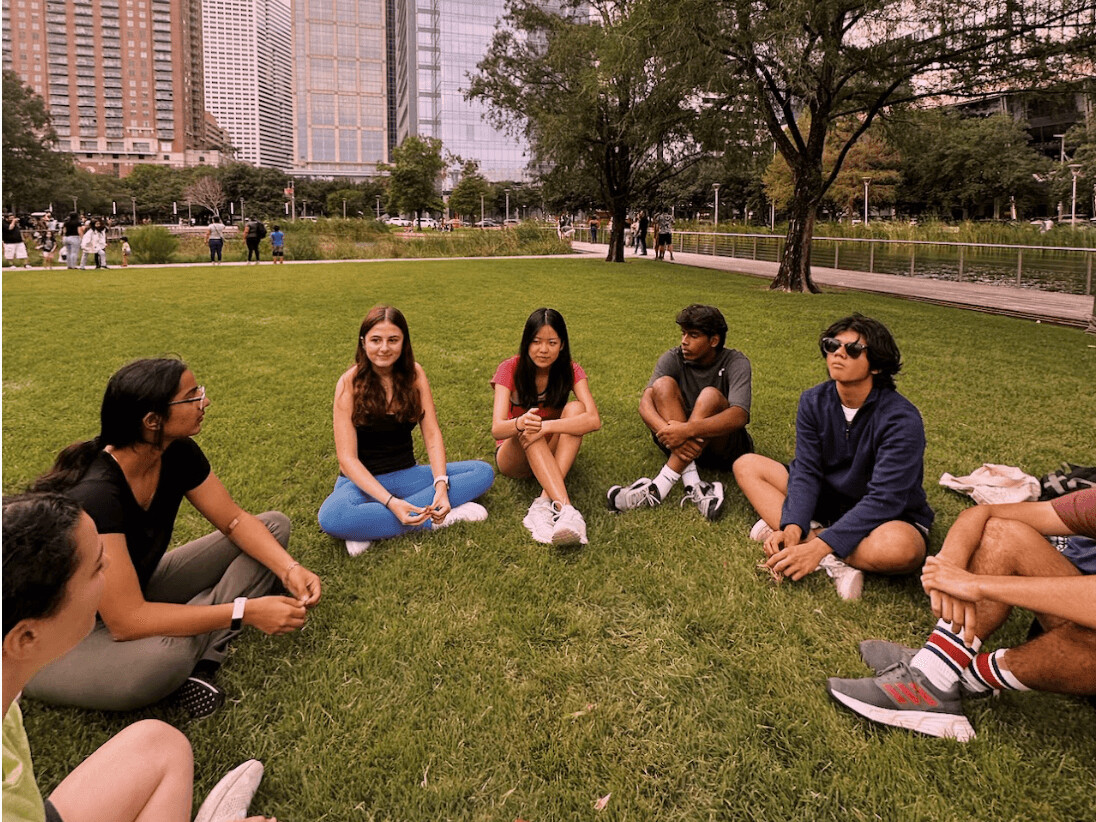
What excited us most was the idea of creating an environment where teens could be vulnerable, uplift one another, and discover the mental benefits of movement together. Through PEA, we not only introduce students to fun, accessible workouts but also encourage open peer dialogue about mental health, breaking the stigma and building a culture of support and self-improvement. Seeing our peers open up, form lasting habits, and experience the power of movement as a tool for emotional resilience reaffirmed that PEA wasn’t just a good idea—it was a necessary one. Today, we are proud to be leading a movement that helps teens take control of their mental and physical health in a way that feels empowering, sustainable, and transformative.
As always, we appreciate you sharing your insights and we’ve got a few more questions for you, but before we get to all of that can you take a minute to introduce yourself and give our readers some of your back background and context?
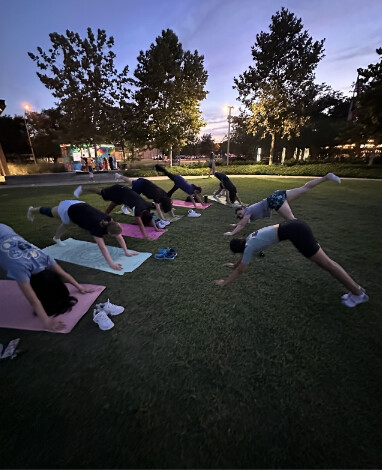
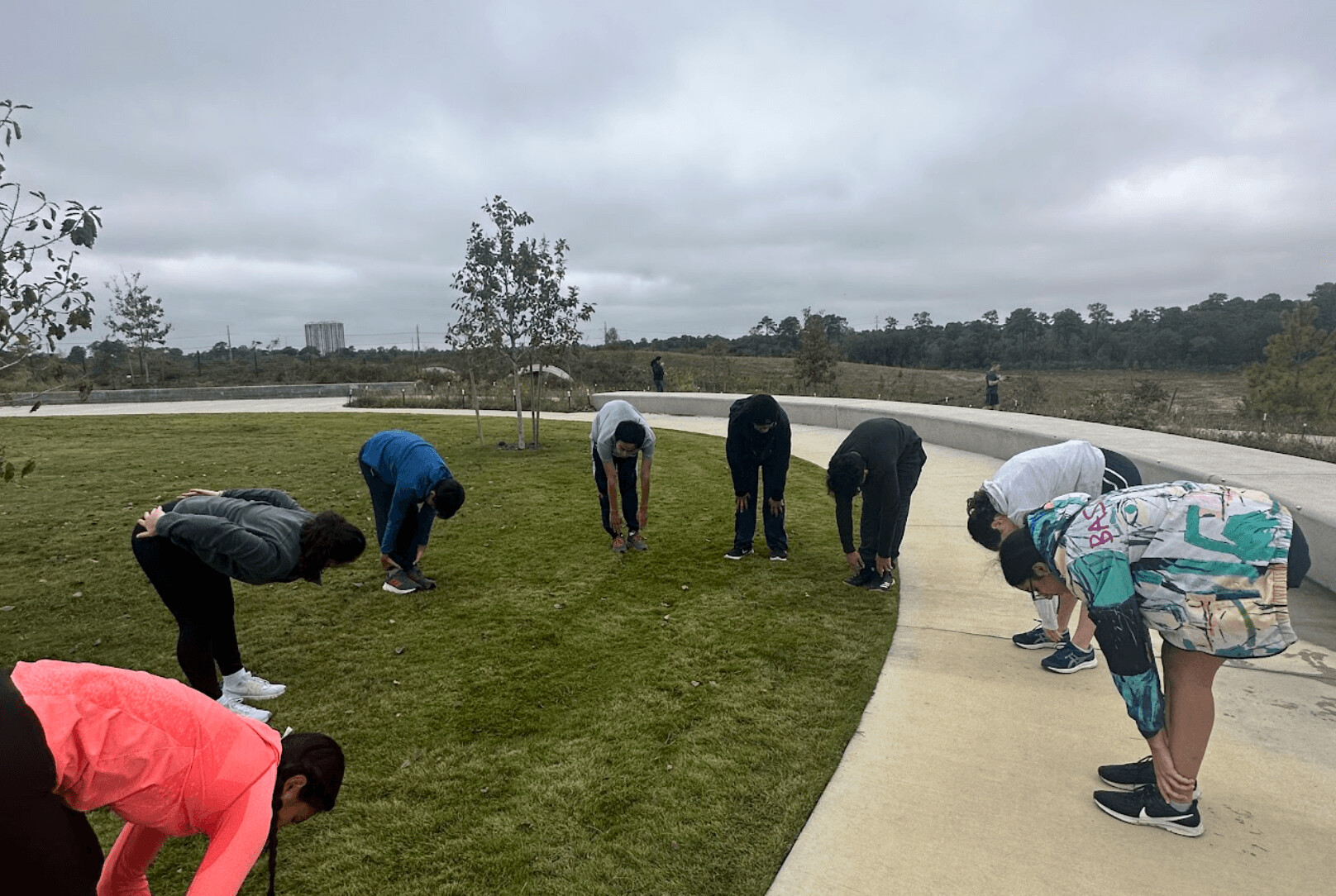
At the Personal Effectiveness Association (PEA), we believe that mental and physical health are deeply connected, yet many teens struggle to find accessible, judgment-free resources to improve both. Founded by high school students Siena Bush and Mahika Joshi, PEA is a 501(c)(3) nonprofit dedicated to helping teens enhance their mental well-being through fitness, nutrition, and peer support. Our mission is simple: to make self-care fun, approachable, and community-driven. Through group workouts, mental health discussions, and educational resources, we provide young people with the tools to build lifelong healthy habits—without the pressure or intimidation often associated with fitness and wellness spaces.
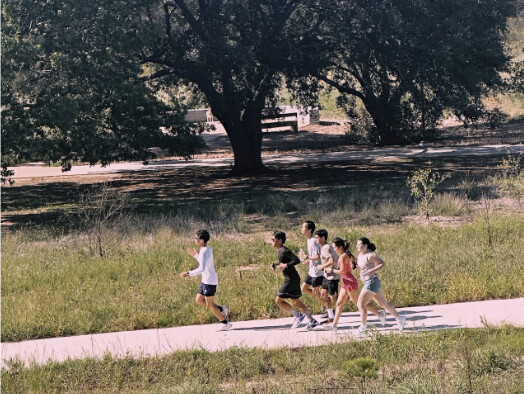
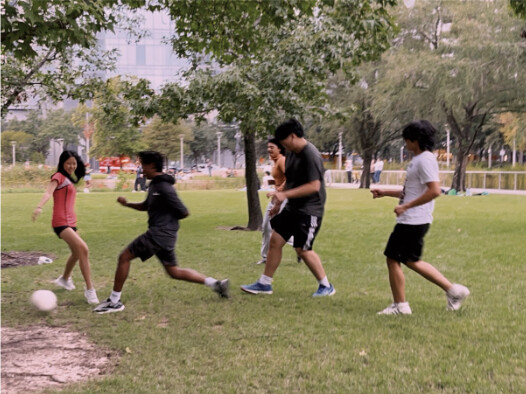
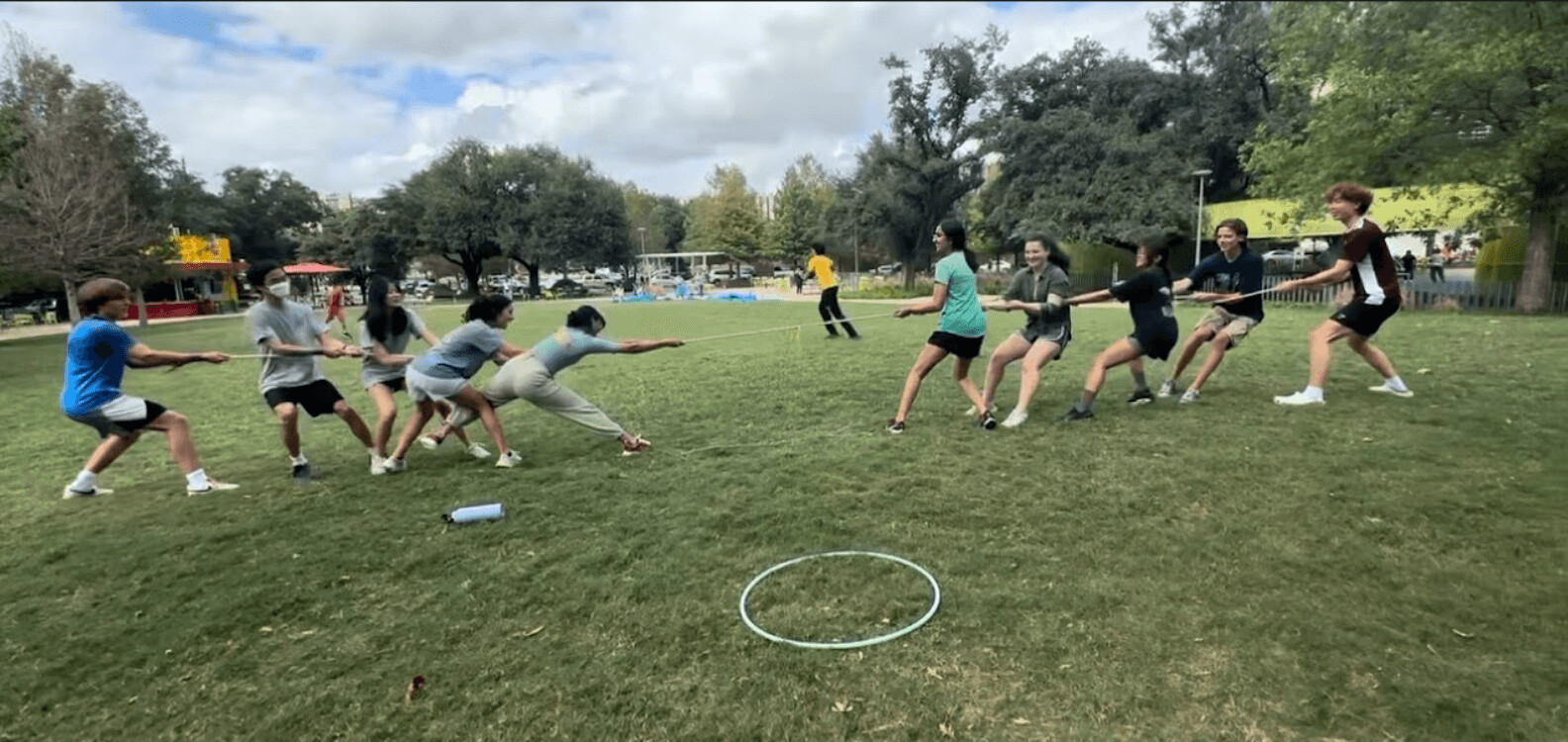
What sets PEA apart is that we are truly for teens, by teens. Unlike traditional health organizations, we understand firsthand the stress, anxiety, and self-doubt that many students face. That’s why we focus on creating a welcoming environment where everyone, regardless of fitness level, can feel empowered and supported. Whether it’s through a community jog, a fun event like “Spooky Field Day,” or a blog post breaking down simple nutrition tips, we make wellness relatable, engaging, and accessible.
We are most proud of the growing community we’ve built—one where teens encourage each other, celebrate progress, and break down the barriers to prioritizing their health. PEA isn’t just about working out or eating better; it’s about fostering confidence, connection, and resilience. If you’re looking for a space where you can explore fitness, mental health, and self-care without pressure or judgment, we invite you to join us. Learn more at happypea.org and be part of our movement toward happier, healthier teens!
How’d you meet your business partner?
Siena and I have known each other since middle school—I had just moved to the U.S., and she was one of the first people I met, as we were in the same homeroom class. Over the years, our friendship grew as we went through school together, eventually ending up at the same high school. During a coding class over one summer, we started talking about the idea of a shared fitness club in our city, since we both saw exercise as a tool that made us feel stronger both physically and mentally. But it wasn’t until Siena came to me with a bigger idea—integrating mental health and fitness into a nonprofit—that the Personal Effectiveness Association (PEA) was truly born. She had struggled with her own mental health due to increasing academic and extracurricular stress and found that movement gave her a sense of control and relief. I, on the other hand, had experienced the pressures of navigating a new culture and the weight of academic expectations. Our shared experiences—both personal and academic—have helped us craft a mission that truly speaks to teens like us. It’s been incredible to grow this organization together, turning something deeply personal into a movement that we hope empowers others.
—Mahika
Any advice for managing a team?
One of the most critical elements of maintaining high morale is keeping a team that is not only passionate, but also dedicated to our mission and the change we’re working to effect. Throughout the many group projects, sports teams, and musical chamber groups in which I’ve participated, I’ve learned that respecting and giving relief to others opens doors to cooperation and makes the world a richer place.
Collaboration is like a repeated prisoner’s dilemma—should you put the interests of others above your own? I’ve learned to achieve a balance that preserves the goals of both parties through managing our non-profit PEA. As teens, we have many time demands, so I experimented with task-managing to create a system that builds wiggle room into deadlines and project timelines, allowing for individual flexibility while also meeting team objectives. However, it quickly became apparent that some had joined our team solely to boost their resume. Because our group’s success depends upon everyone pulling their weight, I prioritized the goals of PEA and those we serve above the desires of undedicated team members and had some difficult conversations with a few friends. Some adjusted; others chose different activities. Through this leadership, I’ve learned how to keep my and my team’s actions consistent with our words and putting the well-being of our community above personal wishes.
Managing PEA taught me that life often requires balancing individual and collective goals—true progress comes from cooperation and unwavering dedication towards our mission.
—Siena
Contact Info:
- Website: https://happypea.org
- Instagram: @pea.exercisetherapy
- Facebook: @pea.exercisetherapy
- Youtube: @pea.exercisetherapy