

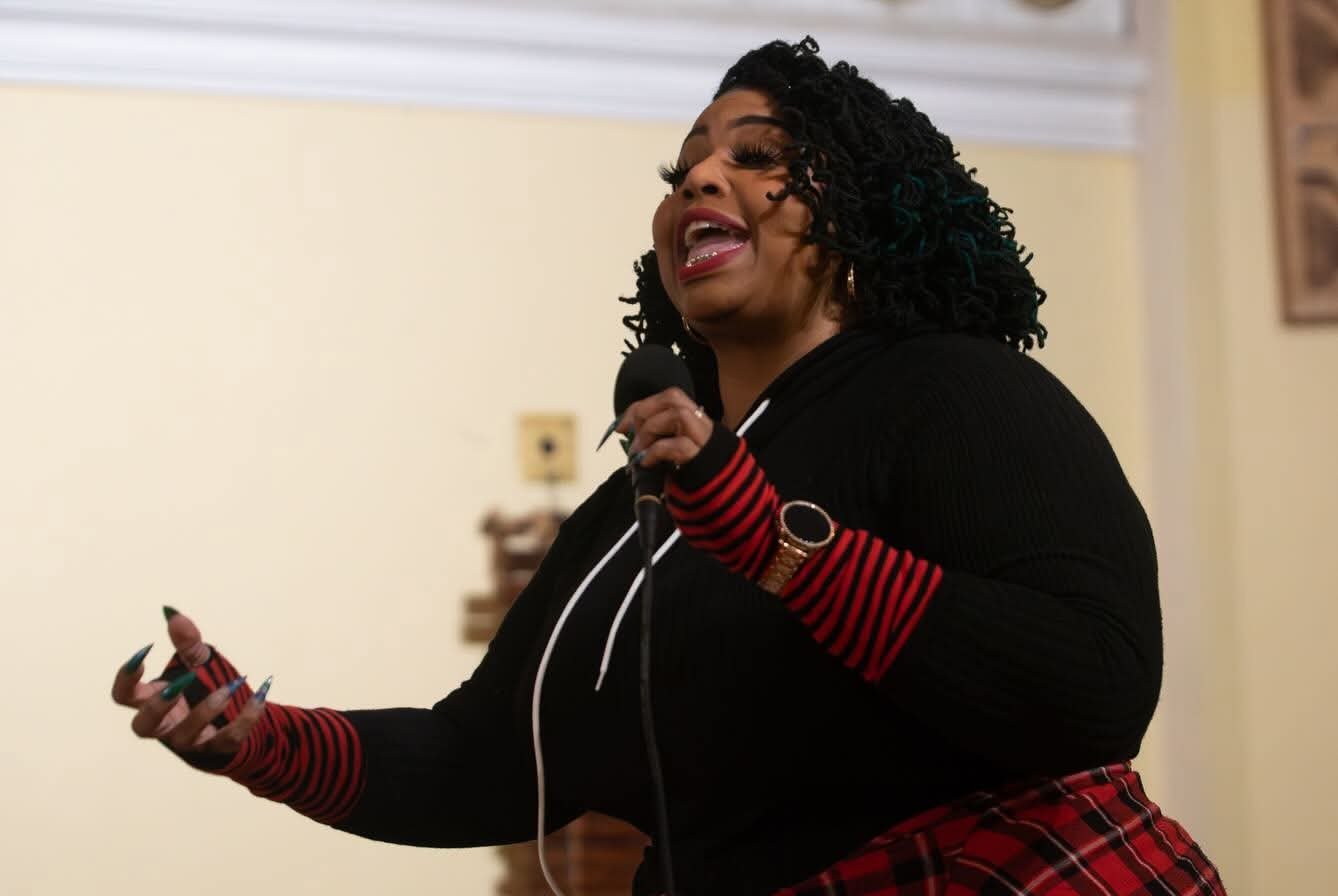

Alright – so today we’ve got the honor of introducing you to Sheri Hall. We think you’ll enjoy our conversation, we’ve shared it below.
Sheri, looking forward to hearing all of your stories today. If you could go back in time do you wish you had started your creative career sooner or later?
If I could go back, I wish I had started my career sooner. I wish I had completely embraced myself as a creative. I have been writing as long as I can remember. The first time that I wrote something was when I was six. It was my grandfather’s funeral. He was the man that I had in my life at that time. That went inside my grandfather’s funeral program. After that, I really wrote to heal and wrote to grieve. I used to say that writing was catharsis, but now I embrace that writing honestly comes from a place of love because I loved my grandfather. I went through my high school years writing poems, keeping journals, writing short stories, and writing plays, but I didn’t take my writing seriously until I was an adult. I often wonder whether I had someone in my life who would have pushed me toward where I am now, whether I had taken this seriously earlier, or whether I had started participating in poetry slams earlier, where I would be with this. There are people from here who were actually on Def Poetry Jam, and others who started during that time. In general, those who have done great things have been on Broadway and have gone further in their careers.
Great, appreciate you sharing that with us. Before we ask you to share more of your insights, can you take a moment to introduce yourself and how you got to where you are today to our readers.
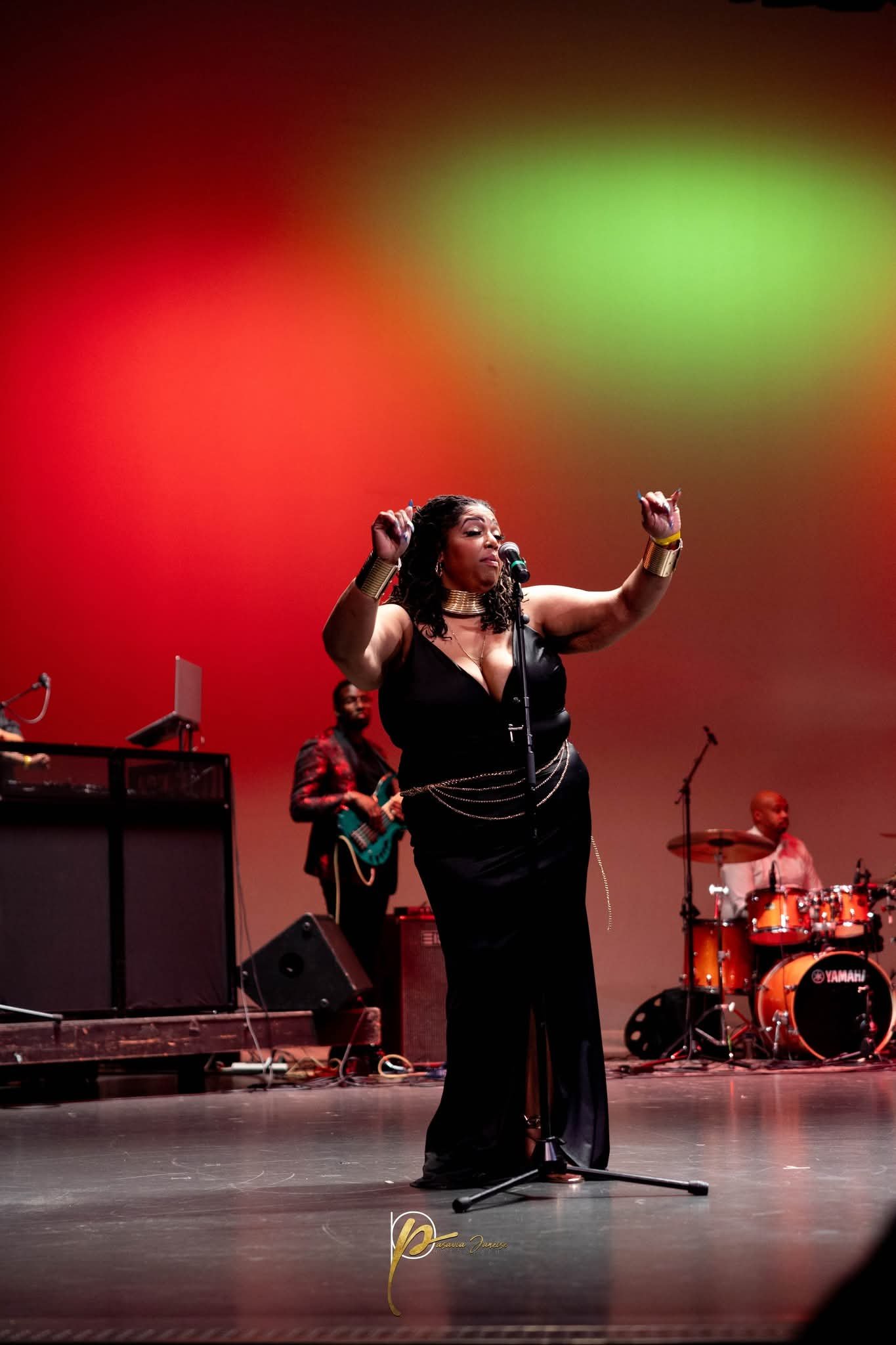
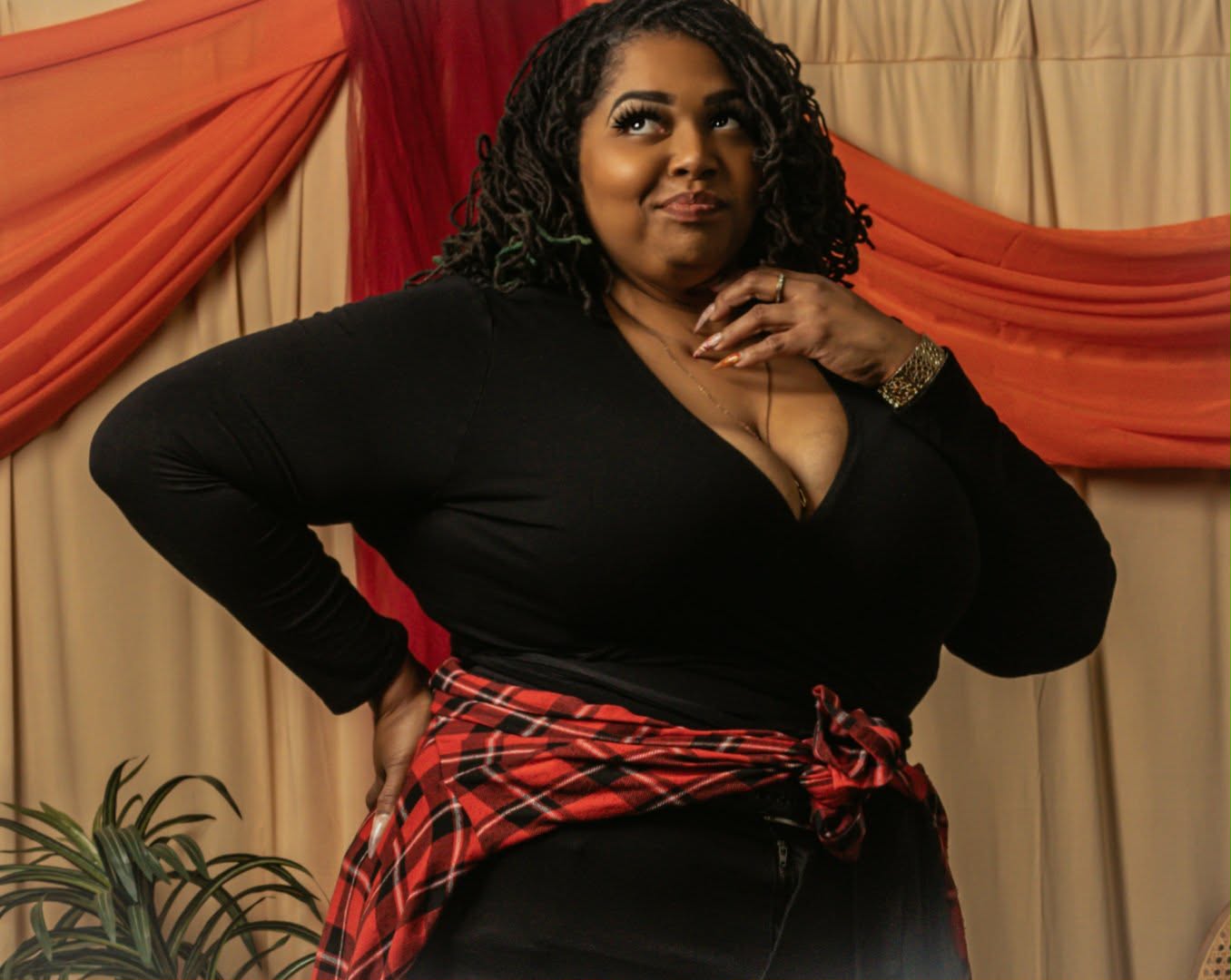
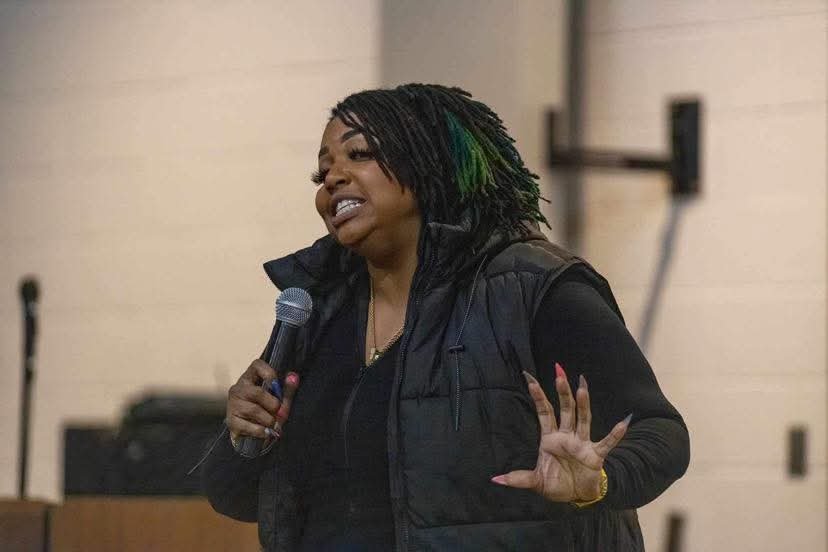
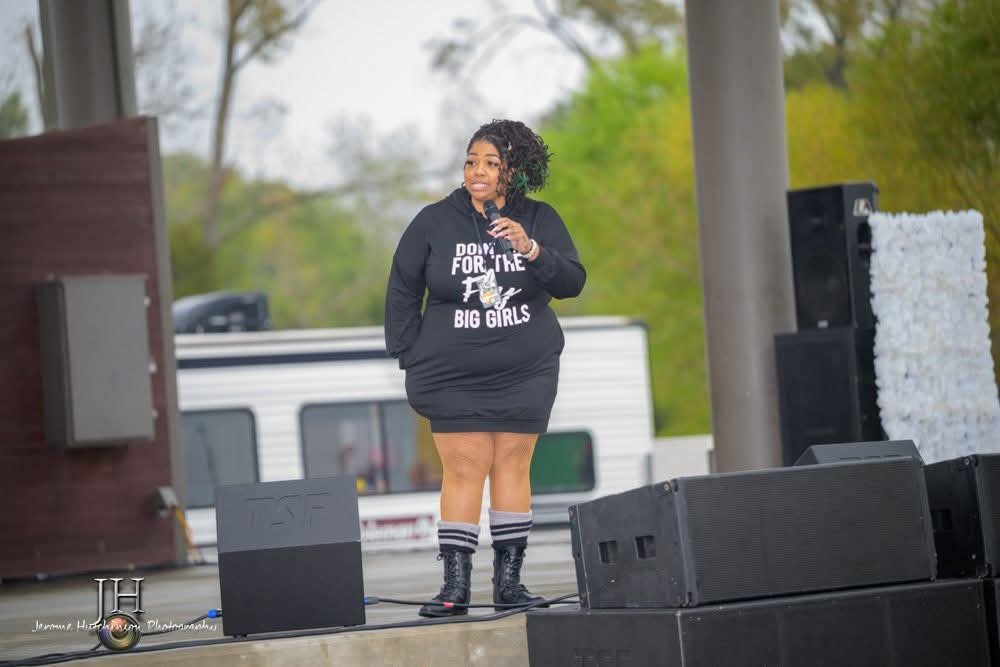
I am an artist, interdisciplinary (multimedia, performance, literary, theater). I am also an advocate. Arts is activism, as we have seen time and time again. I do all I can to help give people a space to use their voice, or be the voice. This means perspective in often unexpected places, whether I am delivering a high-caliber, humorous, profanity-fueled poem, a performance reclaiming sexuality, or a visual art piece reminding people that broken crayons still color. In this artistic and advocacy space, I provide multiple services. One of the most notable services that I provide is publishing. I am an advocate of us owning our own narrative. I thought that was impeccable writing. I started learning how to publish in order to be in control of those words. I am proud of my advocacy and that area, and I’m still learning about the publishing business. As an advocate for mental health and disability, I am proud of the care and training that I give to people, providing peer support for mental health crises. This help applies whether people have a diagnosis or not. It is important that we learn to hear people on their own terms, even inside of crisis. I believe this is especially culturally important. As a black woman, in my community, there is still a tremendous amount of stigma around the mental health industry, and rightfully so. The mental health industry is a part of the school-to-prison pipeline. This has to be recognized, and with less that 2% clinicians of color, it is imperative that we make culturally intelligent Mental Health Services accessible to our people. Black people are a people of the drum, of storytelling, and of the arts. When we are able to provide an alternative way to share our stories and share our pain, that’s in and of itself mental health. When we view mental health through the lens of social determinants and tend to places where people lack, it helps increase hope and resilience, decrease violence.
How can we best help foster a strong, supportive environment for artists and creatives?
I believe that Society can actually respect artists as skilled professionals and stop thinking of us in this weird imaginary cloud space. When you tell a person that you’re an artist, they imagine you as almost like a hippie; they don’t see you as a person who does business. They don’t see you as a person who has children, who sends them to college, who purchases health insurance; they don’t see you even as a responsible adult with a business plan. They don’t see you as a person who has a car note or pays for insurance. The price of performance art includes the creation of generative work, of performance, rehearsal, and the cost of getting there and back home, and the price will go up if you are asking me for specific original work or collaboration for specific events. It also costs to dress and look the part for the event. Also, being fed while you’re there is an awesome perk. However, eating some chicken with your party doesn’t feed the rest of my family at home. I’m quite sure the general public understands that. When they go to work, they earn their paycheck, they come home, they buy their chicken or mushrooms or whatever it is, and fry it up in a pan and feed their family. That’s the same thing I expect to do with my art practice.
For you, what’s the most rewarding aspect of being a creative?
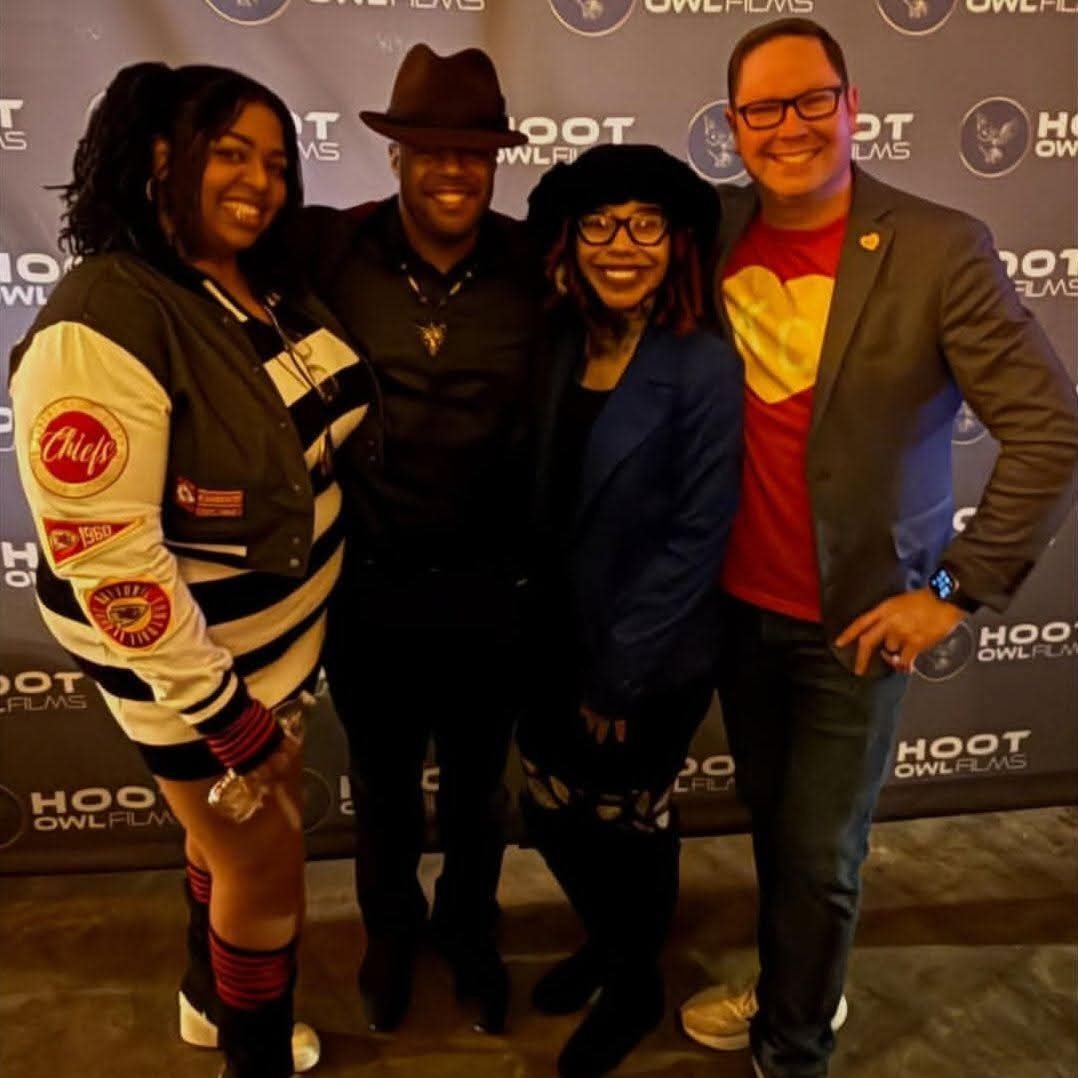
I absolutely love seeing people get free! It doesn’t matter whether they have been in a workshop with me, have been in training and been able to use tools, or have been affected by my artwork; the freedom looks the same. The relief, release, and light that seem to happen are beautiful. I love being a part of, affecting, and being affected by the community. Art and healing do this for people in a healthy, memorable way. People remember how art makes them feel and can easily access that memory, finding safety in it.
Contact Info:
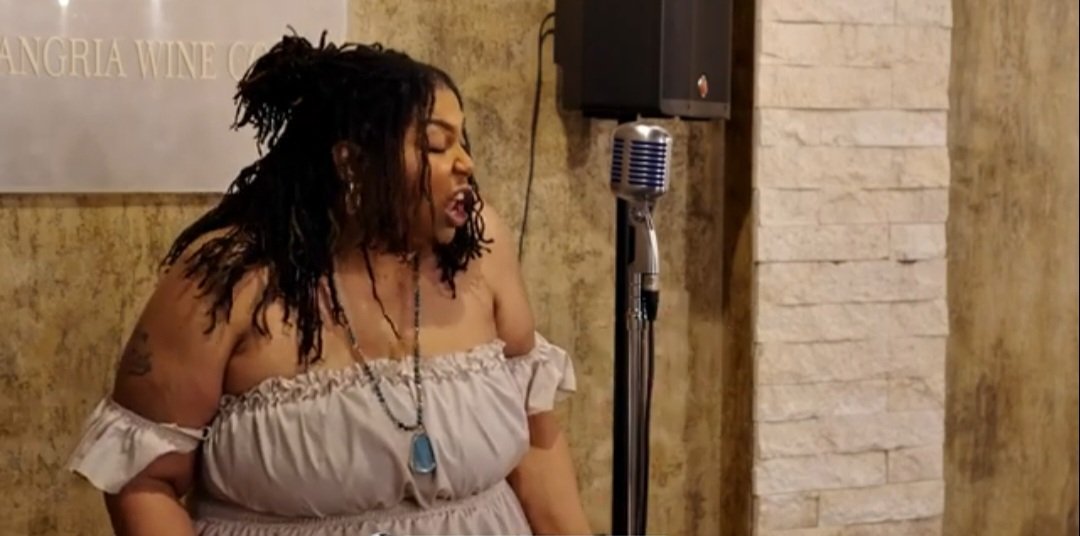
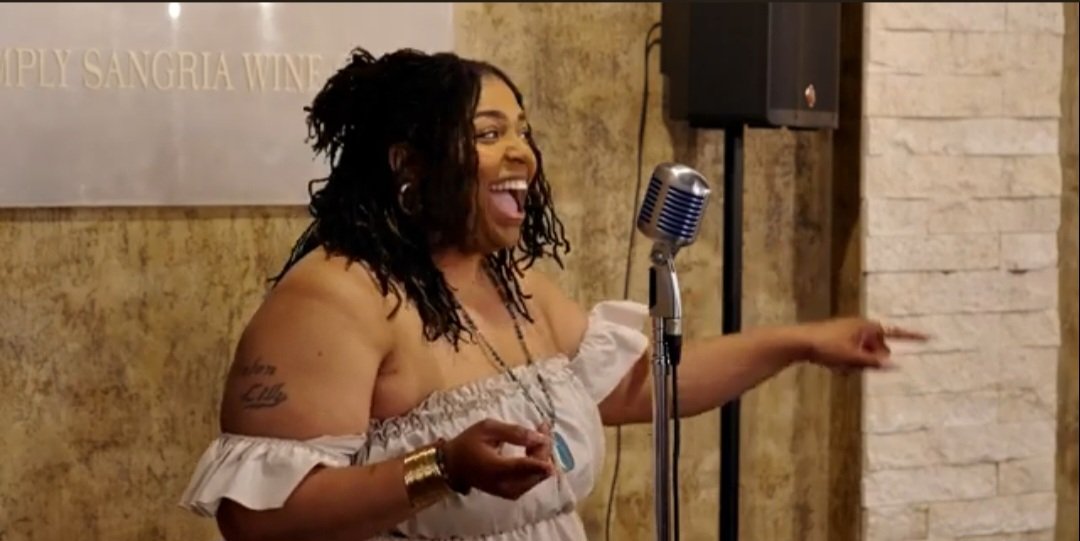
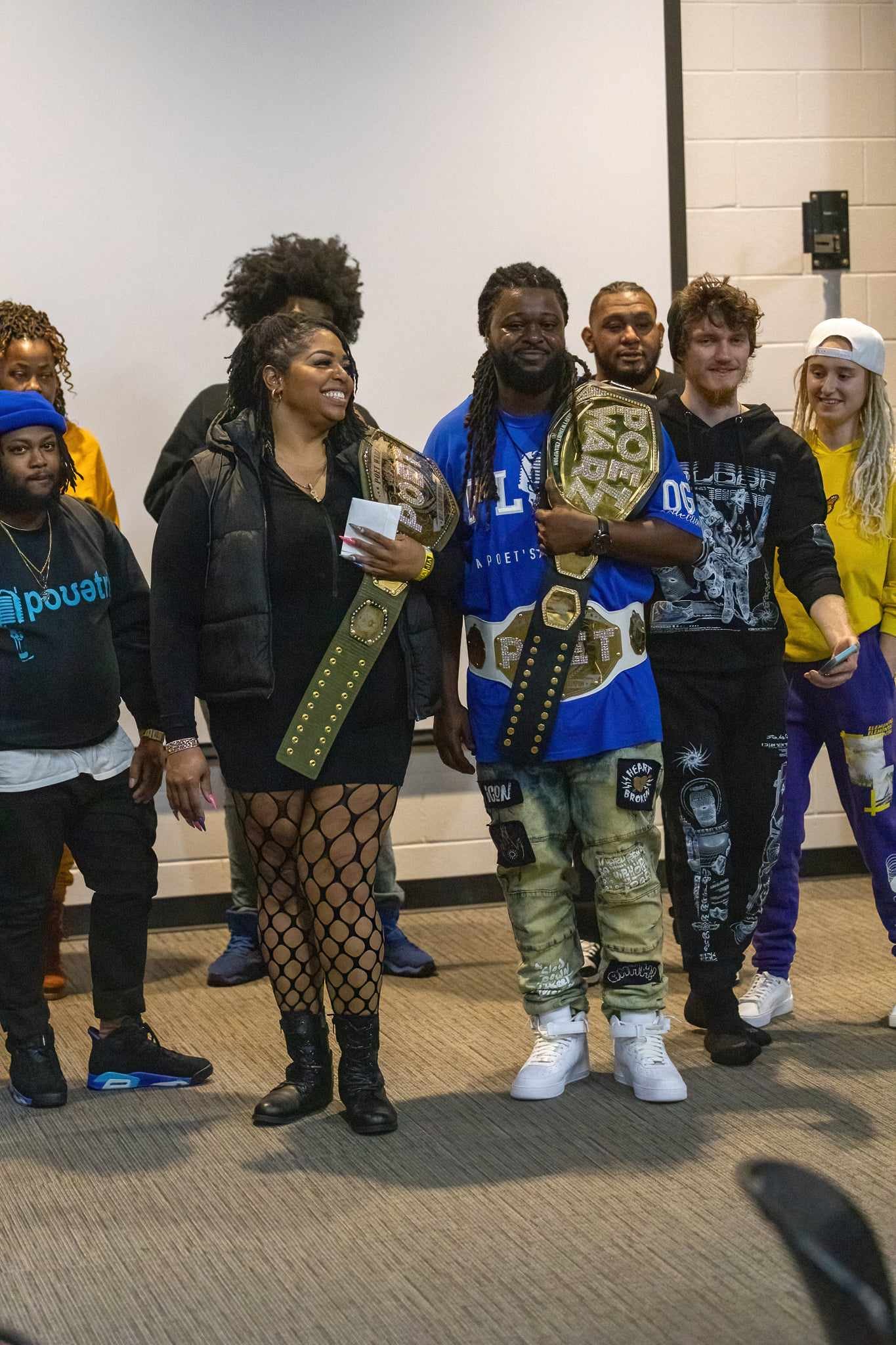
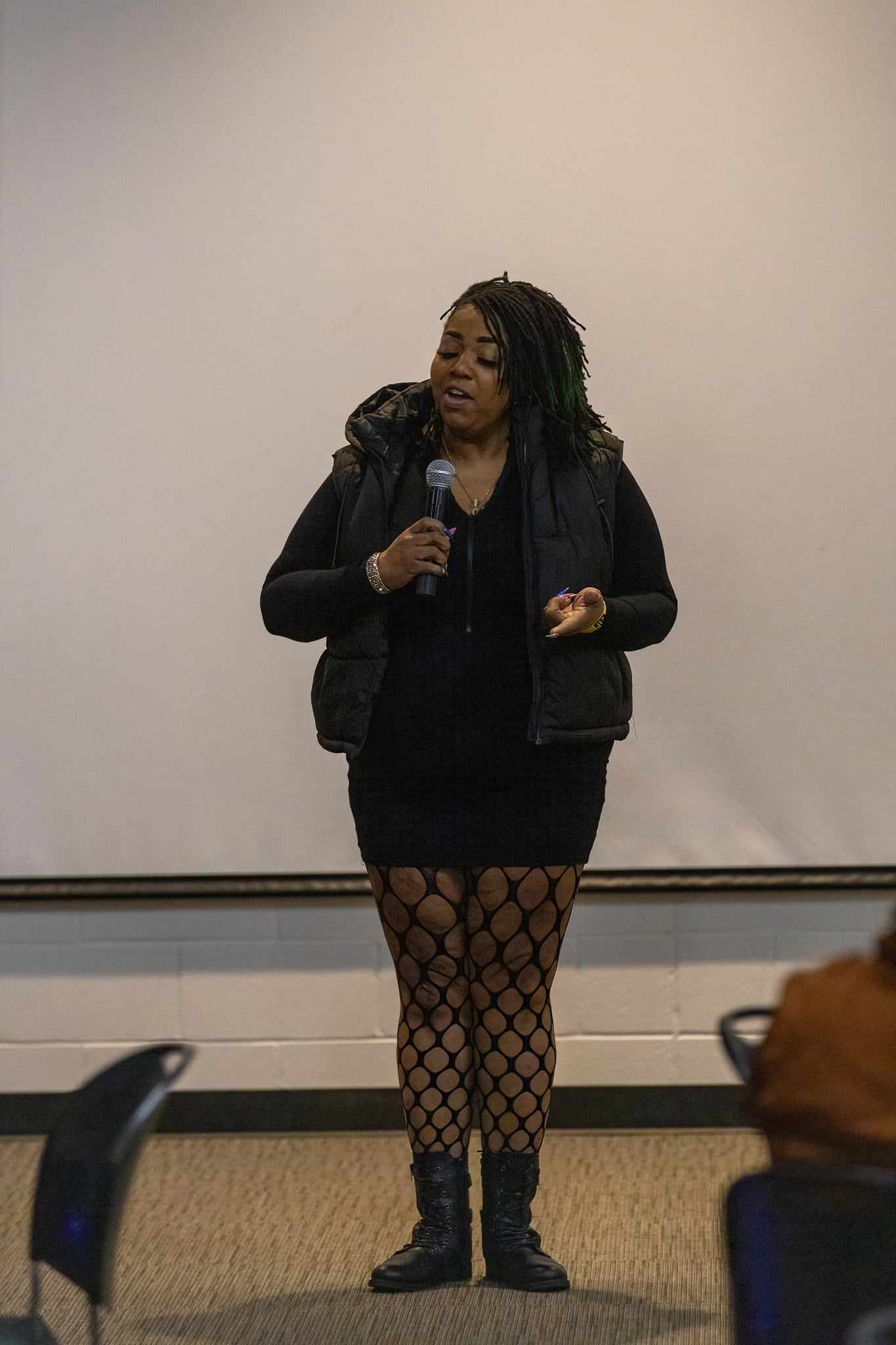
Image Credits
Passavia and Jerome Hutchinson for a couple – they have watermarks