

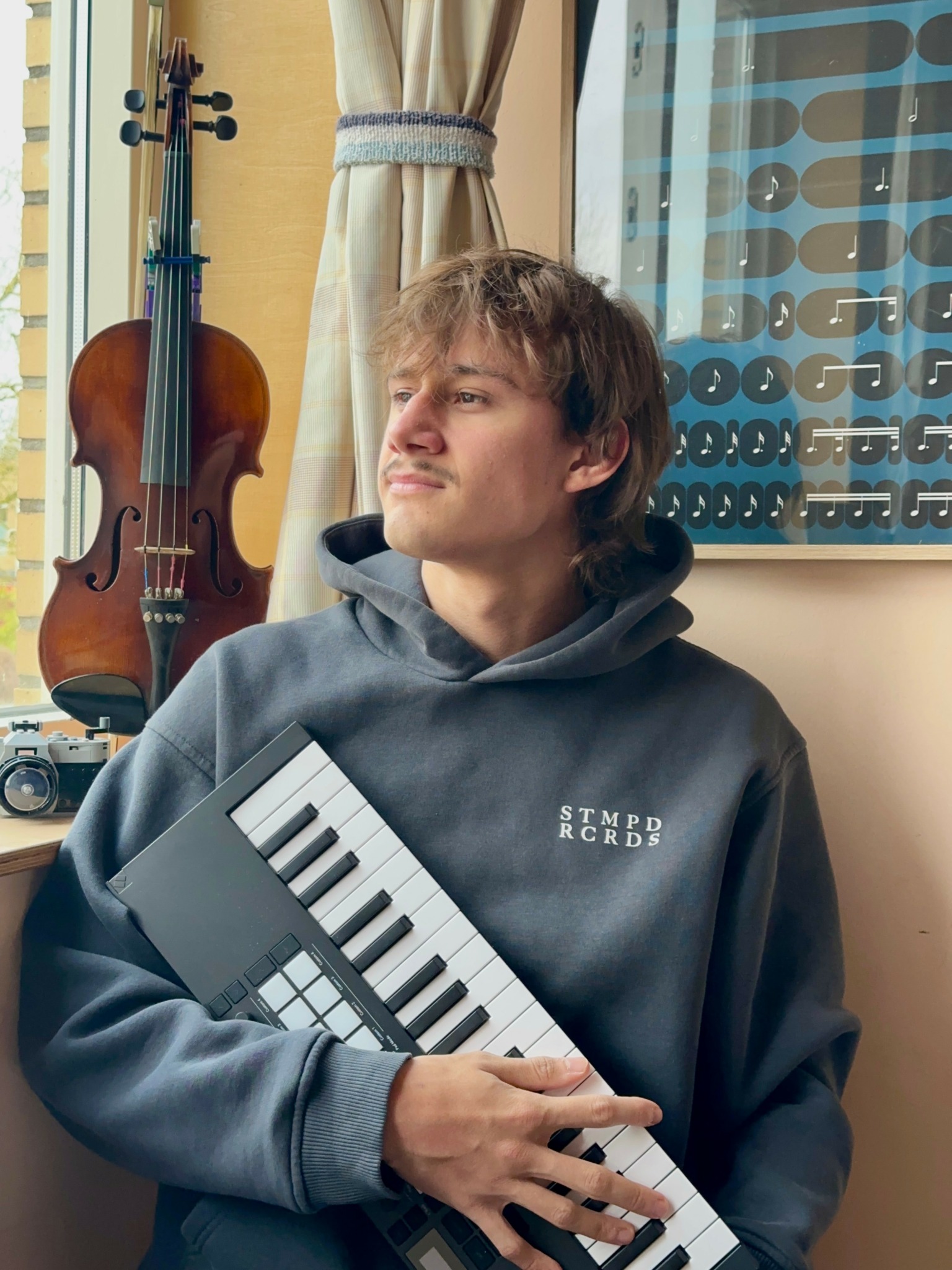

We’re excited to introduce you to the always interesting and insightful Ruben Camacho. We hope you’ll enjoy our conversation with Ruben below.
Ruben, thanks for joining us, excited to have you contributing your stories and insights. Can you talk to us about how you learned to do what you do?
I started making music when I was 11 years old, on an iPad, using a little app called GarageBand. I had no plan, no structure, no mentor, just curiosity. I didn’t know what I was doing, but that didn’t stop me. I just started playing. Tapping around. Making noise. Sometimes it sounded good, sometimes it didn’t. But I kept going.
That early experience taught me something I didn’t realize at the time: you don’t need a roadmap to begin. You just need to start. Curiosity is more powerful than knowledge in the beginning. It pulls you forward. It invites you to explore. Progress often starts not with a goal, but with a question: “What happens if I try this?”
Later on, when I got more serious, I did what a lot of people do, I started looking for the “real” way to learn. I enrolled in online courses. I spent thousands of euros trying to fast-track my growth, hoping that one of these programs would finally give me the edge. What I got, mostly, were nice-looking certificates and information I could’ve found for free with a few smart searches.
That doesn’t mean all courses are bad, but most of them didn’t teach me anything new. They gave me structure, but not insight. If I had followed my curiosity more directly, let it lead me to real, specific questions, and then searched for those answers myself, I would’ve learned faster and deeper. The internet is a goldmine if you know what you’re looking for. But to get to that point, you have to be curious first.
Curiosity starts the engine. But discipline keeps it running.
If I had to name the most valuable skill I’ve developed over the years, it wouldn’t be harmony, production, or orchestration. It would be discipline. The ability to keep showing up, even when I don’t feel like it, even when the results are uncertain, even when the work isn’t glamorous.
Here’s the simple truth: the person who creates every week will eventually outperform the person who only creates when inspiration strikes. Talent is a starting point. Discipline is a system. And systems always win in the long run.
Through discipline, you don’t just produce more work, you get better while doing it. Every finished piece becomes a rep. Every rep makes you sharper. Creativity isn’t magic. It’s momentum.
As for obstacles, I didn’t face many external ones. No gatekeepers. No huge failures. My biggest obstacle was myself. The little voices of self-doubt. The fear that maybe this path was too risky, too unstable, too uncertain. But I kept going. I learned to trust the process, even when I couldn’t see the outcome.
Looking back, I’m grateful I did. Because the real risk wasn’t trying, it was talking myself out of trying.
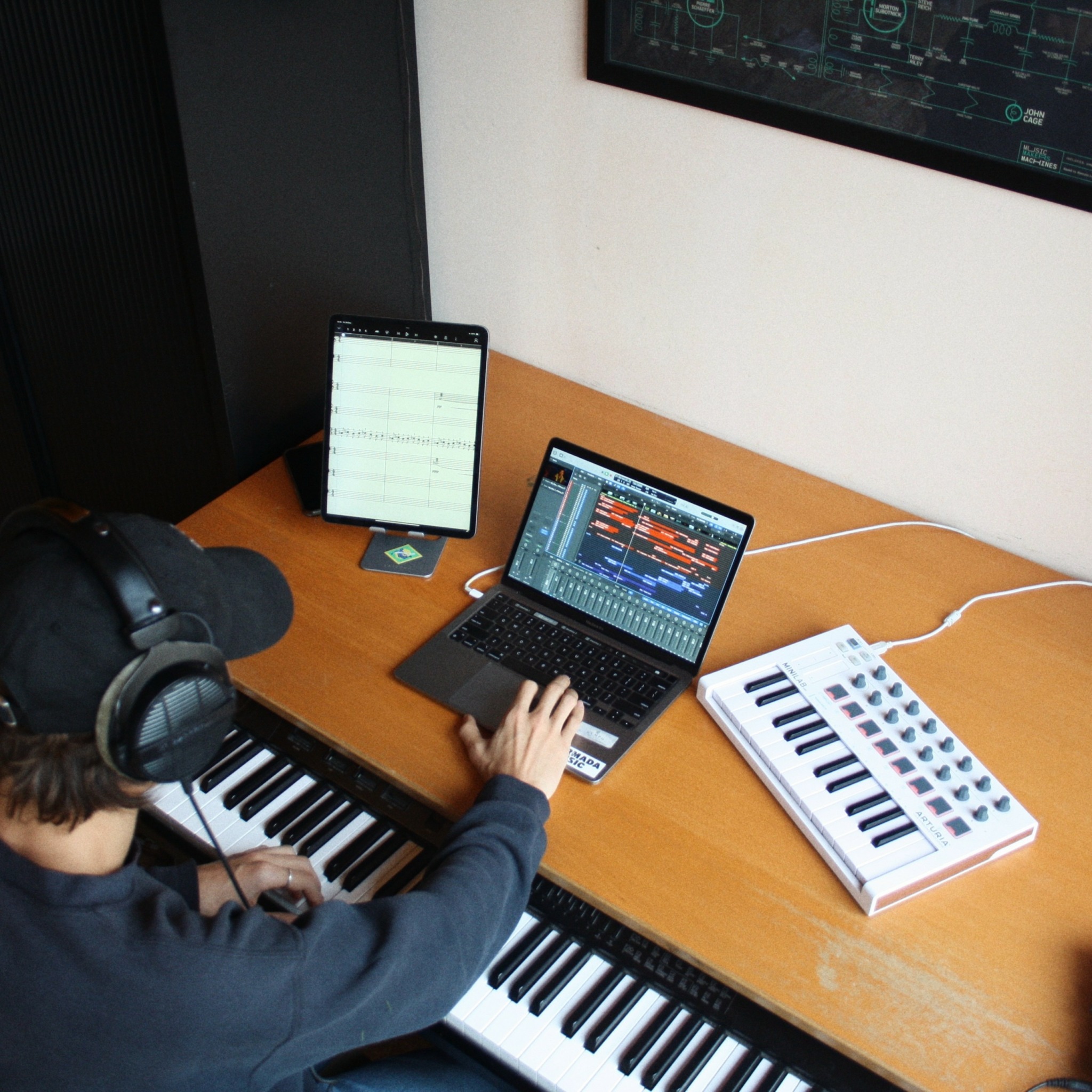
Ruben, love having you share your insights with us. Before we ask you more questions, maybe you can take a moment to introduce yourself to our readers who might have missed our earlier conversations?
I’m Ruben, a 19-year-old media composer based in Europe, originally from Costa Rica.
Growing up there shaped how I hear the world. Costa Rica is full of life, lush rainforests, vibrant culture, sounds everywhere. Birds, waterfalls, street music, the energy of the people… it’s a place where nature and rhythm live side by side. That early connection to sound, feeling, and movement definitely planted the seed.
But what really got me into music was my parents. They had incredible taste in films. Thanks to them, I didn’t just fall in love with music, I fell in love with art. For a long time, I actually thought I’d become an actor. I even appeared in a short film backed by LEGO and one of Costa Rica’s top universities, Veritas. But over time, I felt a stronger pull toward the sound behind the picture.
Film scores fascinated me. They made the emotion land. Try watching a movie with the music muted, it feels dry, lifeless, like something’s missing. That realization hit me young, and it stuck.
The scores for Blade Runner, The Amazing Spider-Man, and How to Train Your Dragon were the sparks that started everything. They didn’t just support the story, they became part of it. That’s when I knew I didn’t just want to write music. I wanted to create soundtracks that shape emotion.
Today, I’m a media composer. I create music for films, trailers, ads, podcasts, you name it. I’ve worked on hundreds of musical projects, including campaigns for some of the biggest brands in the music industry.
What sets me apart? I can’t say what other composers do, but I can tell you how I work.
I always begin by understanding the story. Even on tight deadlines, I make time, often a full day, just to meet with the director or client. I want to understand the message behind the media, the emotional landscape, the time period, the creative space I have to work within. Once I have that, I use it like a musical moodboard, it becomes my compass during the creative process.
I also try to immerse clients into my world. I share my screen, explain my thinking, involve them in the process. That way, we’re not just trading notes, we’re building something together. It becomes a fun, collaborative experience, not just a job to finish.
And when it comes to revisions? I don’t count them. I’m not here to “deliver a track”, I’m here to bring the vision to life. It’s not me vs. the client. It’s us vs. the goal.
One of the things I’m most proud of is The Composer Guide, a platform I created with young composers in mind. I remember how hard it was to find real, trustworthy resources when I was getting started. So I built what I wish I had: a curated library of free, high-quality tools, YouTube channels with real insight, and everything a new composer needs to focus on creating instead of chasing overpriced courses or shady advice.
My dream is to grow The Composer Guide into a globally recognized platform, something supported by film schools and academies all over the world.
And personally? I just want to help directors bring their stories to life. Music has the power to transform a scene, and I want to keep doing that, project after project, film after film.
(And yeah, an Oscar wouldn’t hurt.)
How can we best help foster a strong, supportive environment for artists and creatives?
I’m only 19, so I’m fully aware that my advice is limited by life experience hahah. But in these past 19 years, especially the last few, lI’ve learned some things I think we can help each other with. These are lessons that came from doing the work, making mistakes, and trying to figure things out without a map.
1. Feedback: Learn to tell the difference.
In my early years, I shared a lot of music online. That’s how I got better. I received tons of feedback—some of it really helpful, some of it… not. There’s a big difference between constructive feedback and criticism that just tears you down.
Constructive feedback says, “Your arrangement could use more clarity in the second half—maybe tighten the strings and vary the rhythm a bit.”
That’s helpful. That’s something a new composer can build on.
But then there’s the comment that just says, “This sucks.”
That doesn’t teach anyone anything. It just creates doubt.
It took me a few years to stop taking those kinds of comments personally. These days, I remind myself that the algorithm sees all comments the same—and honestly, even the haters help boost your visibility. But not everyone is at that stage. If you’re giving feedback, take five extra seconds to be thoughtful. You never know who’s on the other side of the screen.
2. Library developers: Please consider rent-to-own.
Let’s be real: only a small percentage of composers actually make a living from music—maybe 1 in 10. The rest are juggling side jobs, paying bills, and doing everything they can to keep their passion alive.
So when a sample library drops for the price of someone’s monthly rent… where exactly are they supposed to pull that money from?
Rent-to-own models are one of the best ways to support aspiring composers. They give access to professional tools without demanding a huge up-front investment—and developers still get paid in full over time. Everybody wins.
3. Normalize failure.
Failure isn’t the opposite of success—it’s the path to it. I’ve made bad scores. I’ve sent projects I wasn’t proud of. I’ve been told no. But every failure has been a stepping stone. If someone messes up a project or posts something that didn’t land, don’t tear them down. They’re trying. That’s what matters.
Personally, I trust people more if they’ve failed and kept going. It shows resilience. If someone has never failed, I worry they haven’t taken enough creative risks.
4. Support spaces like Creator Camp.
I want to give credit where it’s due: teams like Creator Camp are doing something incredibly important. They’re opening doors that used to be locked by big Hollywood gatekeepers. They’re helping creators from all over the world share their stories—without needing massive budgets or insider connections.
And they’re doing it for the right reasons. They’re not chasing trends or recycling the same old formulas. They’re betting on new voices, original stories, and creative risk-taking. That’s what the industry needs. That’s what we should support.
At the end of the day, we’re all just trying to grow. Whether you’re a beginner or a pro, there’s always something to learn, and always someone you can help along the way. Let’s make the creative space one that supports, uplifts, and challenges—with kindness, with honesty, and with a little more humanity.
Any insights you can share with us about how you built up your social media presence?
For me, social media started as a simple way to share my music. Like many people, I had idols—two composers who really inspired me: Juan Dussan and Tobi Weiss. These guys weren’t just talented; they’d built communities around their work by sharing value every single day. I saw how that connection opened doors and caught the right eyes, and I wanted the same for myself.
But how?
I began studying everything about their presence—how often they posted, the type of content they shared, the fonts they used, their lighting, the way they spoke to their audience. I absorbed all of it and then put it into practice.
I committed to posting seven days a week. For a whole year. And then another year after that.
It all comes down to discipline and learning from those who’ve walked the path before you. Sure, following trends can help, but it’s crucial to put your own spin on things. Otherwise, why would anyone follow you instead of the original creator?
Here’s what I’ve learned:
First, figure out who you want to reach and what value you want to provide them.
Then, find your own unique way to deliver that message—something that’s unmistakably you.
Finally, build a consistent schedule that you can realistically maintain for a year or more.
Social media doesn’t work like magic. For the first 5 or 6 months, I barely got any likes. It can take years. But if you keep showing up and putting in the work, one day you’ll break through.
Consistency is the secret that turns a whisper into a shout.
Contact Info:
- Website: https://rubenofficialmusic.com/
- Instagram: https://www.instagram.com/rubenofficialmusic/
- Other: the composer guide: https://thecomposerguide.com/
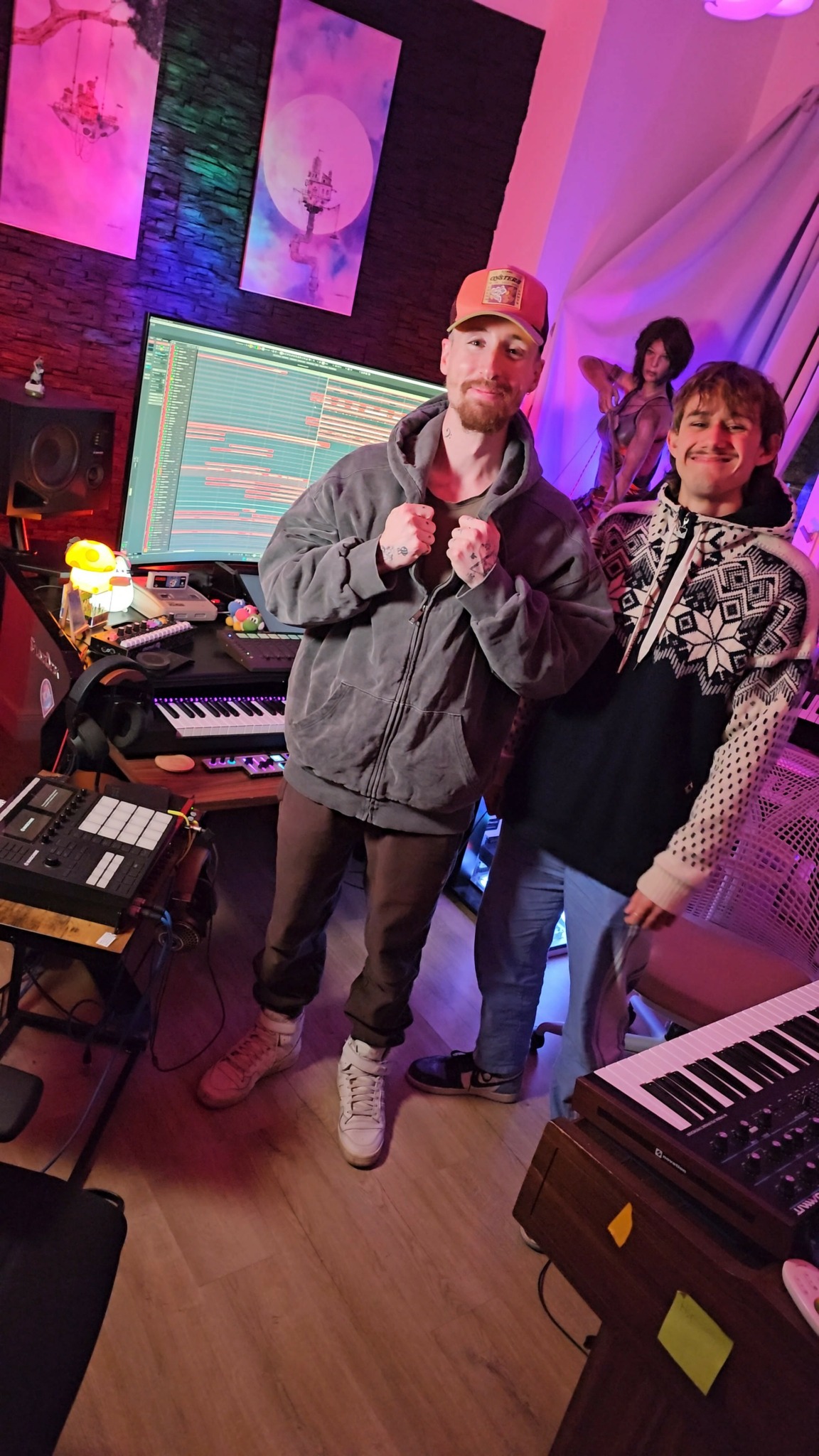
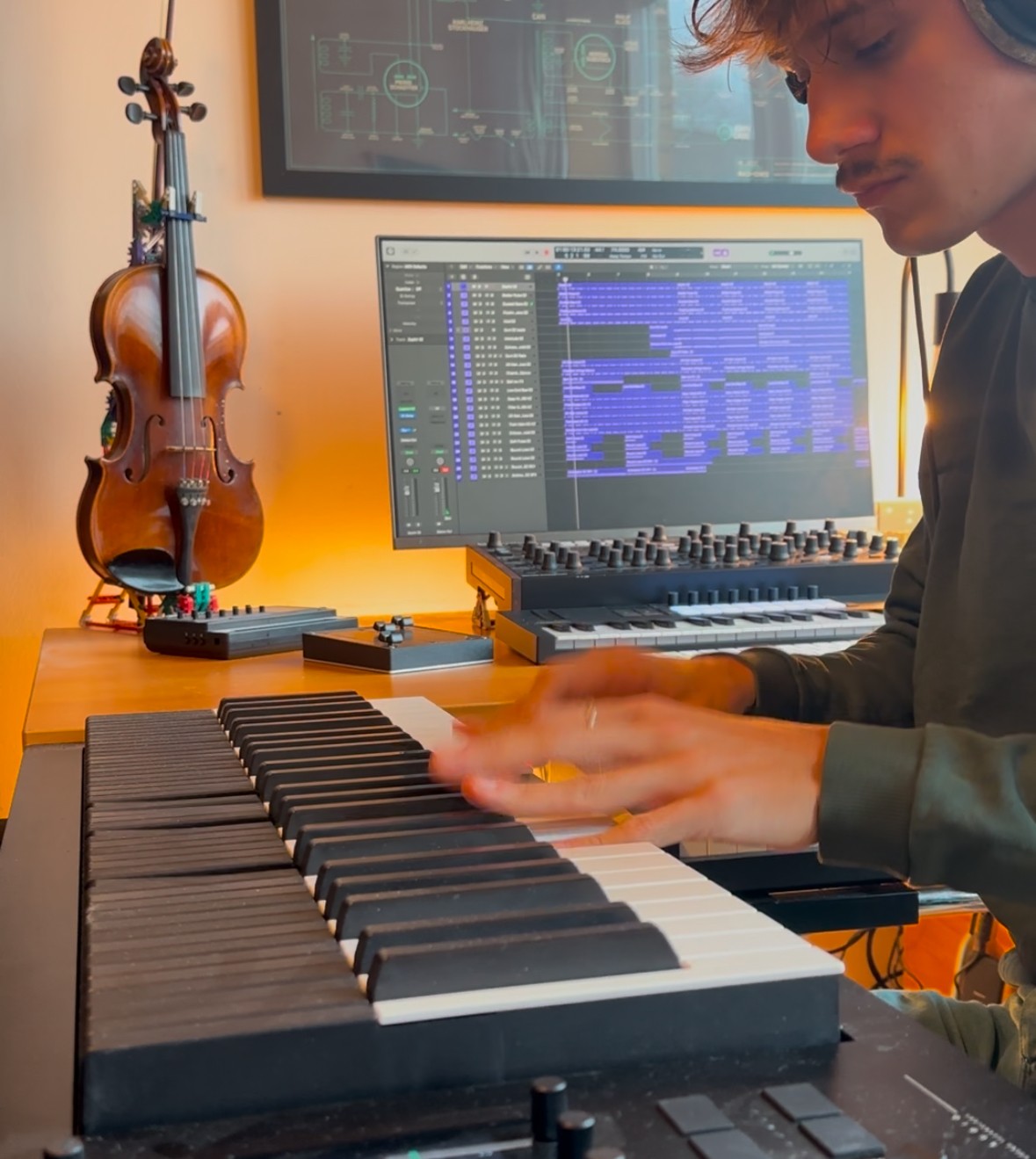
Image Credits
Tobi Weiss, composer posing next to me in the colored image. spitfire audio team, and thats it