
We caught up with the brilliant and insightful Rose Campbell a few weeks ago and have shared our conversation below.
Rose, appreciate you joining us today. How did you find your key vendor or vendors? Maybe you can share the backstory and share some context and the relevant details to help us understand why you chose them, why they chose you, etc.
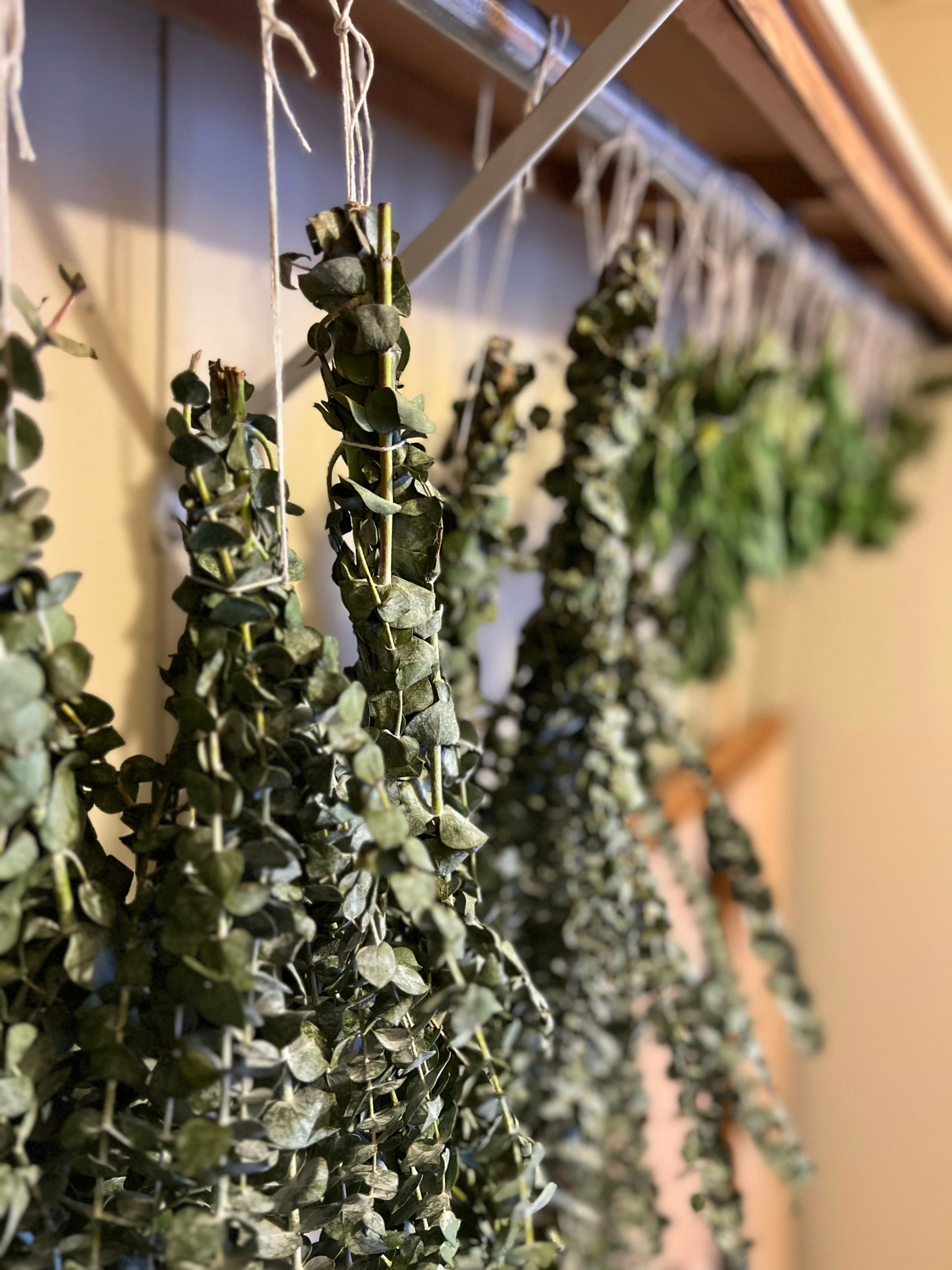
Because I create such a wide variety of products like candles, balms, self-care goods, seasonal collections, and more, sourcing isn’t just a supply chain task for me, it’s a part of the creative process. Every raw material has to align with my standards for quality, ethics, and environmental responsibility. I care deeply about how something is made, who makes it, and the footprint it leaves behind.
When I first started looking for key vendors, I didn’t begin with price sheets, I began with values. I spent time researching manufacturers and distributors, reading through statements, requesting documentation, testing, and asking uncomfortable questions about practices, ingredient origins, and sustainability standards. I wasn’t interested in the cheapest option. I was looking for partners.
For example, when sourcing wax and fragrance components, I prioritized domestic suppliers with transparent ingredient disclosures and responsible harvesting practices. For oils and butters, I asked for sourcing documentation and batch testing information. Some vendors were eliminated simply because they couldn’t answer those questions clearly.
The process of striking a deal was less about negotiation in the traditional sense and more about relationship building. I placed small test orders first. I evaluated shipping reliability, communication responsiveness, and product consistency. I treated it like a trial period because it was. When I found suppliers who delivered consistent quality and communicated professionally, I increased order volume and began building longer-term purchasing patterns.
Looking back, what would I do differently?
• I would start with minimum order quantity (MOQ) negotiations earlier. Many suppliers are more flexible than they initially appear.
• I would document everything from day one, lead times, seasonal delays, pricing changes, to avoid scrambling during busy seasons.
• I would diversify at least one backup supplier sooner for critical materials.
• I would order samples in larger test batches to evaluate performance under real production conditions.
One of the biggest lessons I’ve learned is this: your vendors shape your brand just as much as your marketing does. If you promise luxury, sustainability, or clean ingredients, your sourcing must reflect that, even when margins get tight.
I choose vendors who honor ethical practices, eco-conscious standards, and domestic sourcing whenever possible. Yes, it often costs more. But my customers trust that when they purchase from me, they’re buying something thoughtfully made from materials I stand behind.
And that trust is worth protecting.
Rose, before we move on to more of these sorts of questions, can you take some time to bring our readers up to speed on you and what you do?
Good Smells Inc. was created from a simple obsession: how a space feels.
I’ve always been drawn to atmosphere, the way lighting, texture, scent, and sound can completely transform a room. A single fragrance can make your home feel like a cozy library, a sun-drenched citrus grove, a seaside escape, or a slow, romantic evening. I started Good Smells Inc. because I couldn’t find scents that felt immersive enough. I didn’t want “just lavender” or “just vanilla.” I wanted layered, story-driven fragrances that transported you somewhere specific.
So I began blending my own.
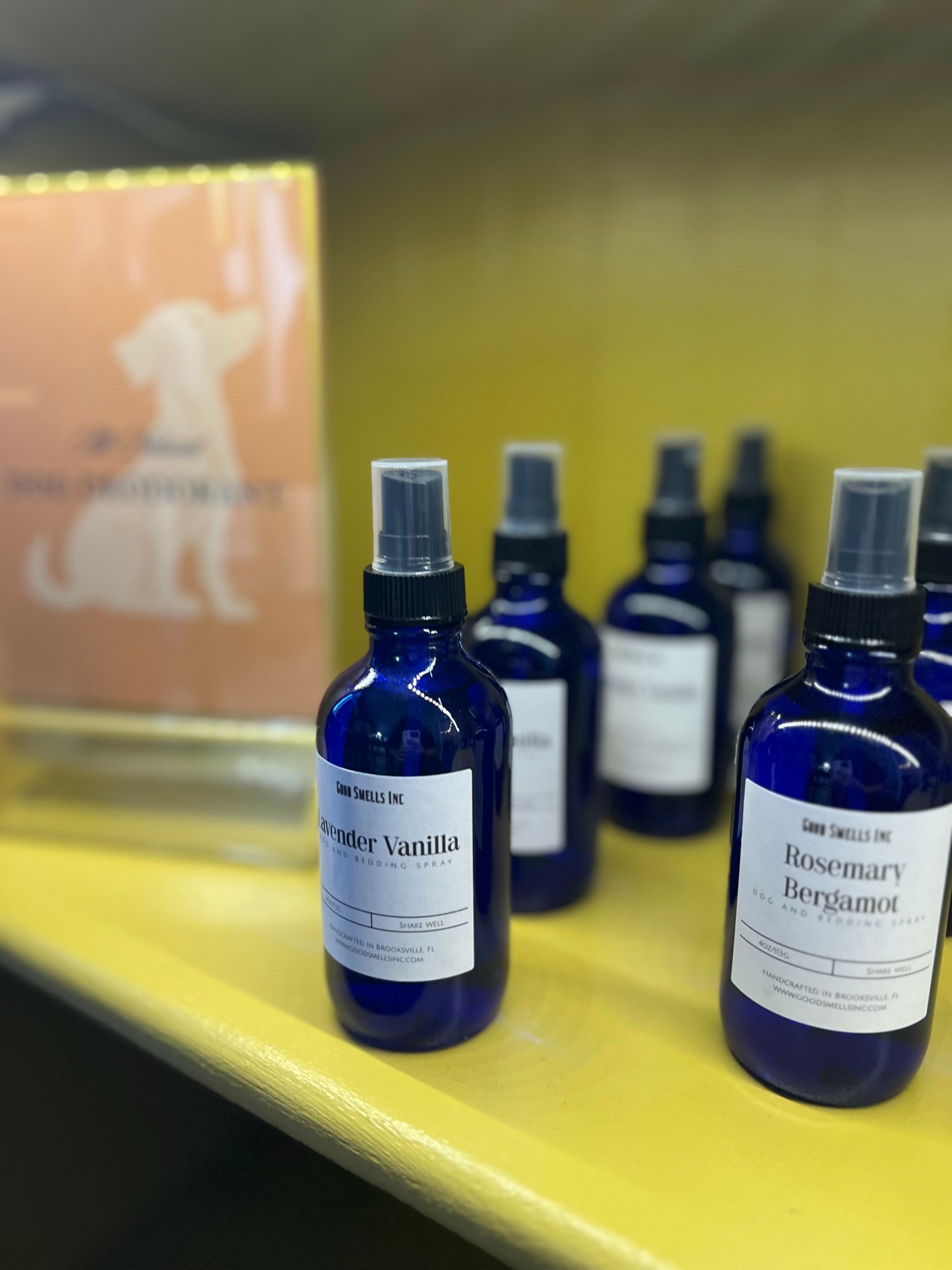
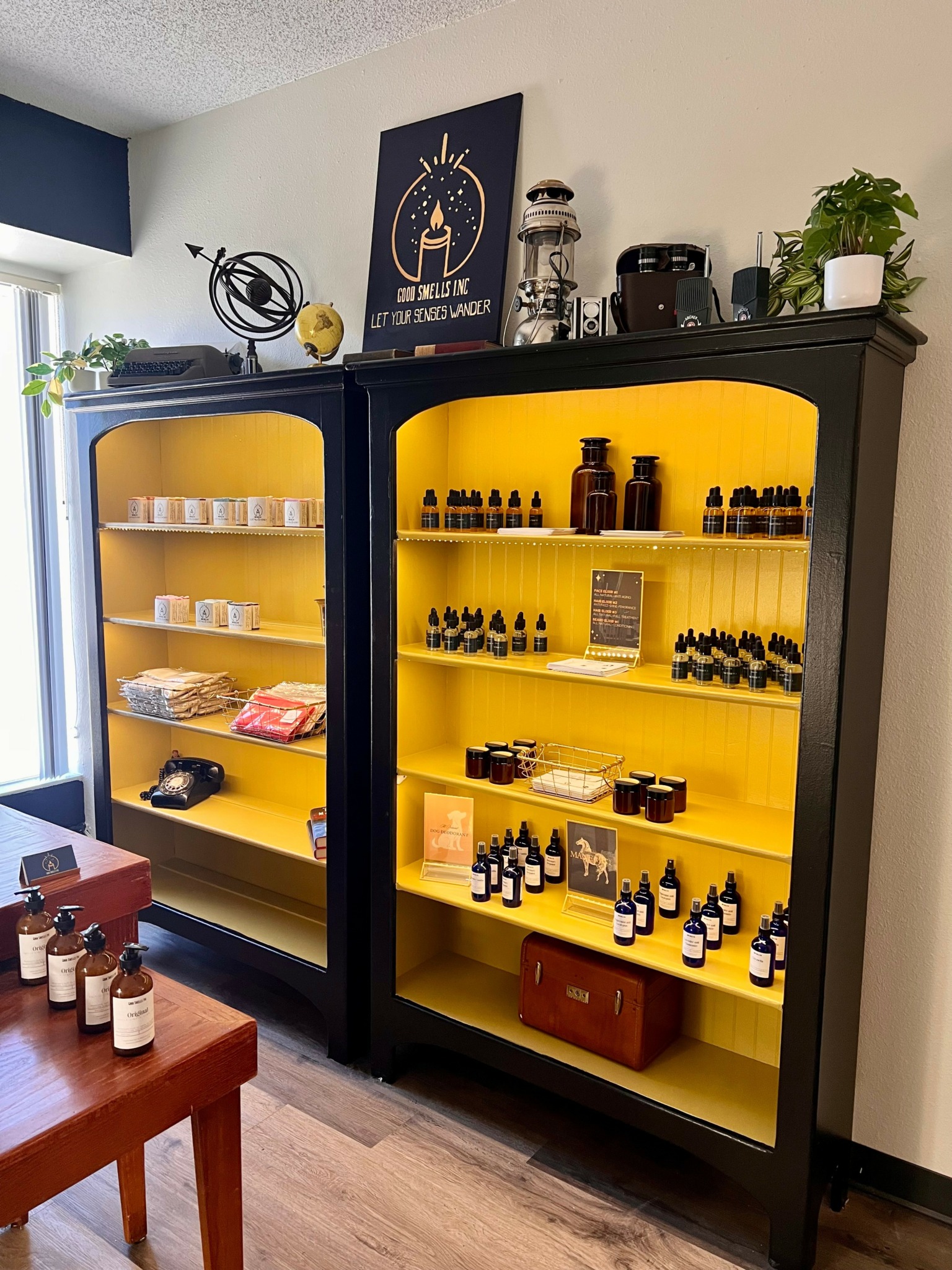
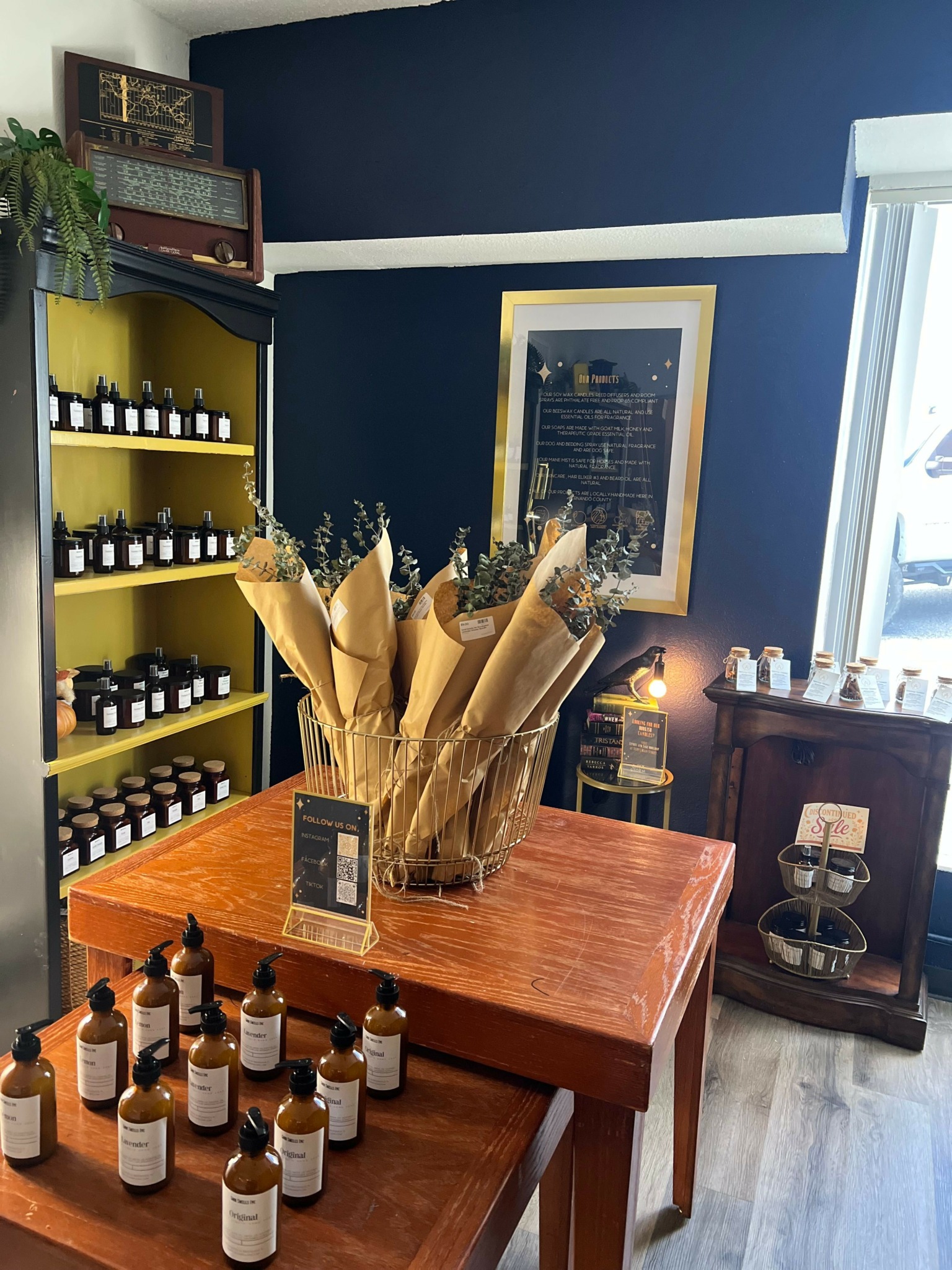
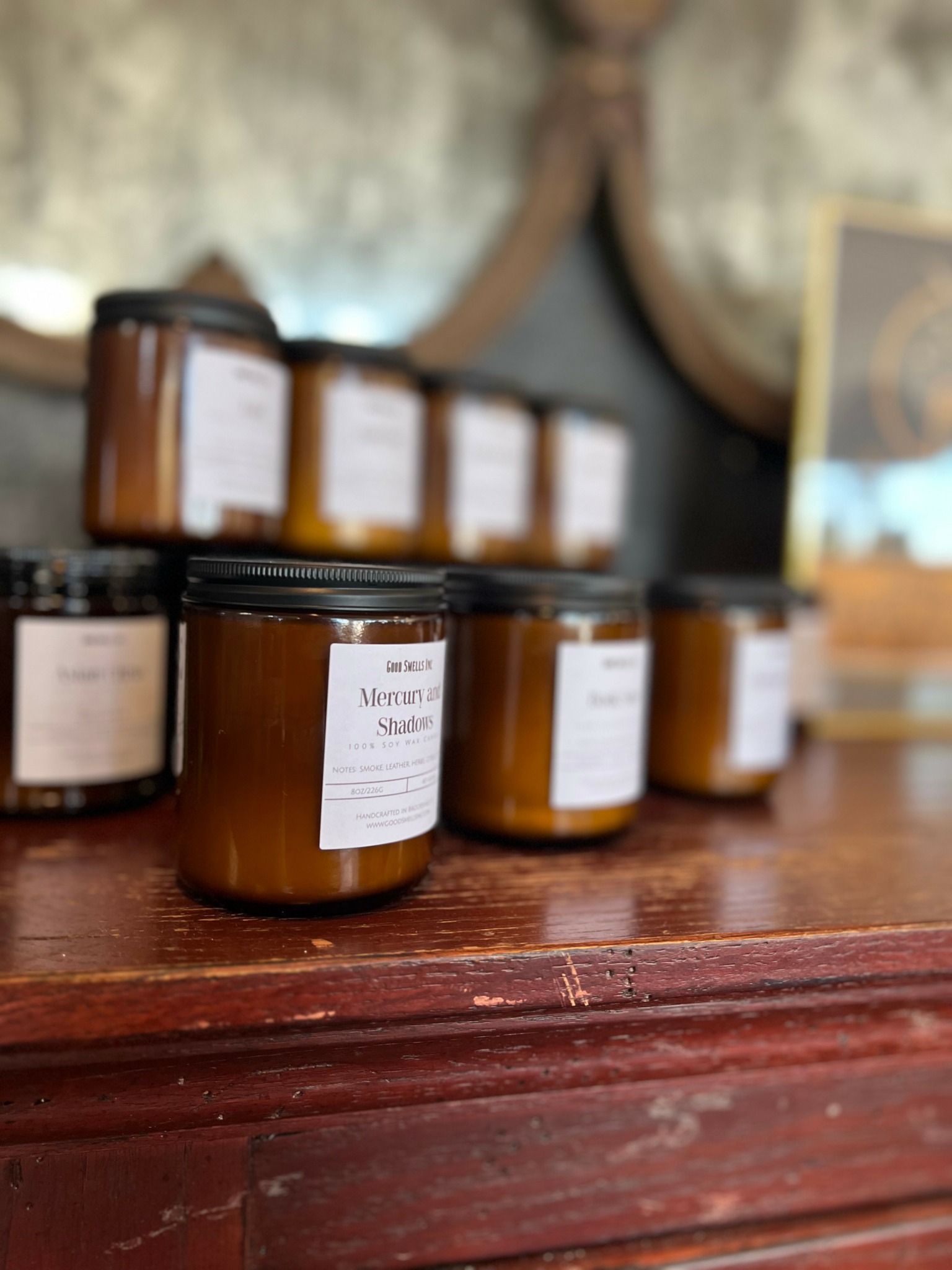
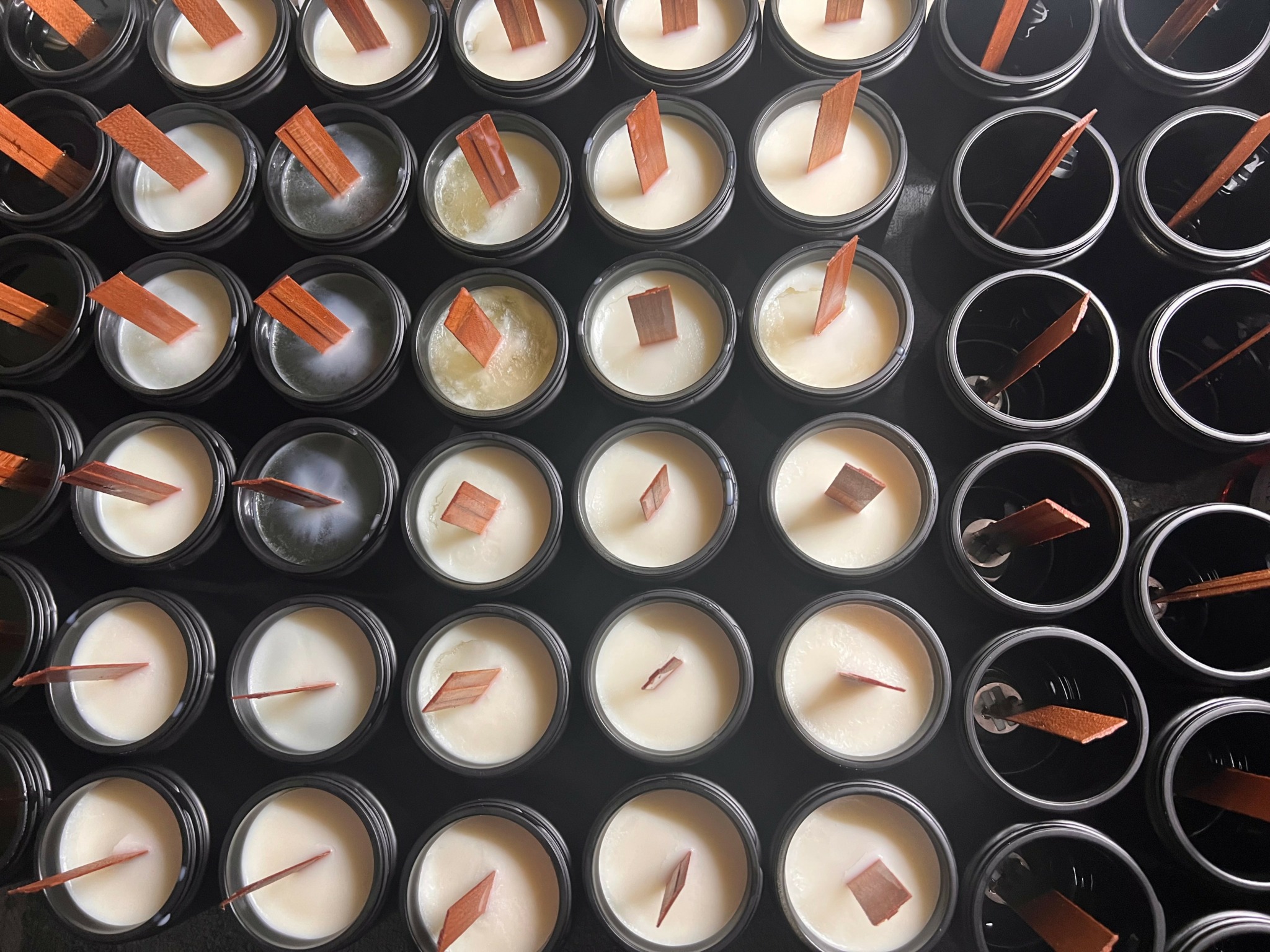
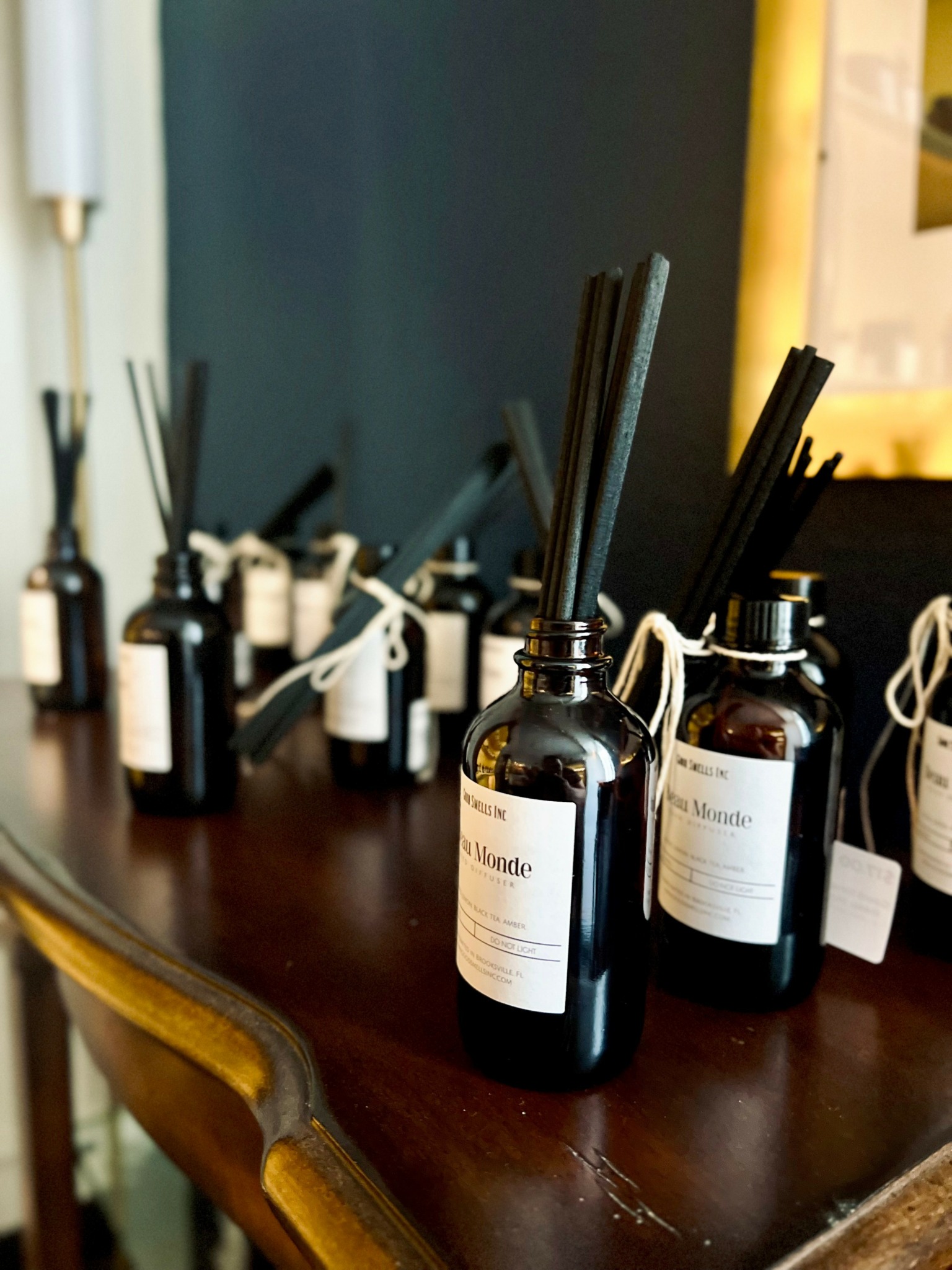
What started as experimentation quickly grew into a full creative brand. Today, Good Smells Inc. offers hand-poured soy candles, lip balms, self-care goods, themed collections, and limited seasonal releases. Many of my collections lean into distinct aesthetics, dark academia, bookish romance, vintage adventure, old Florida nostalgia, and travel-inspired escapes. Each product is designed with intention, from the fragrance profile to the packaging.
I don’t create products to sit on a shelf. I create them to create moments.
Whether it’s a candle that elevates your nightly reading ritual, a balm that feels luxurious instead of ordinary, or a curated collaboration box that turns an evening at home into an experience, my goal is always the same: atmosphere with intention.
Quality is at the core of everything I make. I prioritize ethically sourced materials, eco-conscious practices, and domestic suppliers whenever possible. I test blends repeatedly to make sure they perform beautifully, strong enough to fill a space, balanced enough to feel refined. I choose ingredients I feel proud to stand behind, even if they cost more, because my customers trust that what they’re bringing into their homes is thoughtfully made.
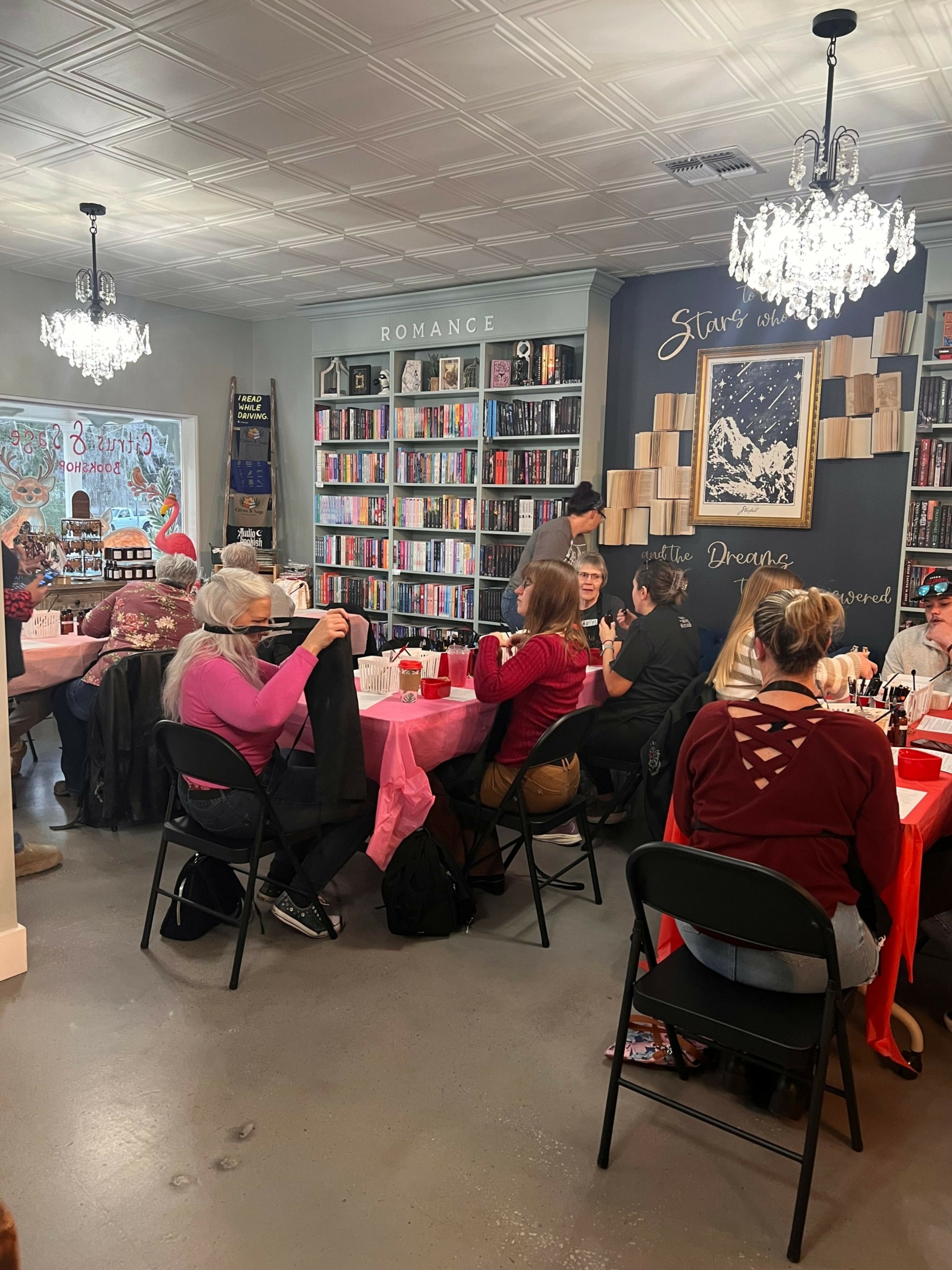
I also love collaborating locally with bookstores, breweries, and other creators to build immersive events and curated experiences. Community matters to me. Supporting local matters to me. Creating something that feels bigger than a product line matters to me.
What sets Good Smells Inc. apart is that every scent tells a story. I approach fragrance like a narrative, top notes are the opening scene, middle notes build depth, base notes linger like the final page of a novel. My collections aren’t random; they’re cohesive worlds you can step into.
What I’m most proud of is that this brand feels authentic. It isn’t trend-chasing. It isn’t mass-produced. It’s layered, intentional, and rooted in creativity. Customers often tell me they can recognize one of my scents instantly and that kind of signature identity is something I’ve worked hard to build.
The most important things I want people to know about Good Smells Inc. are:
• Every product is thoughtfully designed.
• Quality and sourcing are non-negotiable.
• Scent should transport you.
• Atmosphere changes how you experience your day.
• Community is part of the brand.
If you love immersive fragrance, beautiful aesthetics, and products that feel like an experience rather than a commodity, Good Smells Inc. was made for you.
We’d love to hear a story of resilience from your journey.
One of the most defining moments of resilience in my journey came when I made the difficult decision to separate from my former business partner. We had built something meaningful together, and our relationship extended beyond business, we trusted each other and shared a genuine friendship. In many ways, we wanted the same long-term outcome for the company, and we both cared deeply about what we were creating. That made the decision especially painful, because it wasn’t about conflict or a lack of respect. It was about recognizing that our visions for how to get there were beginning to move at different speeds and occasionally in different directions.
As the business grew, those differences became more noticeable. I’ve always been someone who feels a strong sense of responsibility for the direction of a project, and I sometimes struggle with stepping back when I believe there’s a clear path forward. I realized that continuing to navigate those differences inside a partnership could ultimately hold both of us back. What made the situation so difficult was that I valued the relationship deeply. I never wanted success to come at the cost of respect or goodwill between us.
After many thoughtful conversation, we came to the decision that I would take over the company so I could pursue the direction I felt strongly about, while allowing each of us the freedom to move forward in ways that aligned with our own pace and priorities. It wasn’t an easy moment. Letting go of a partnership you’ve built with someone you care about carries a real sense of loss, even when the decision is the right one. But it was also an act of mutual respect, to acknowledge that both people deserved the space to grow in the ways that felt authentic to them.
Looking back, that experience taught me that resilience isn’t just about pushing through challenges; sometimes it’s about making difficult choices with integrity and compassion. The transition ultimately strengthened my sense of purpose and clarified the direction I wanted to take the company. Even though the separation was painful, it allowed the business to evolve in a way that felt true to my vision while honoring the role that partnership played in getting it started.
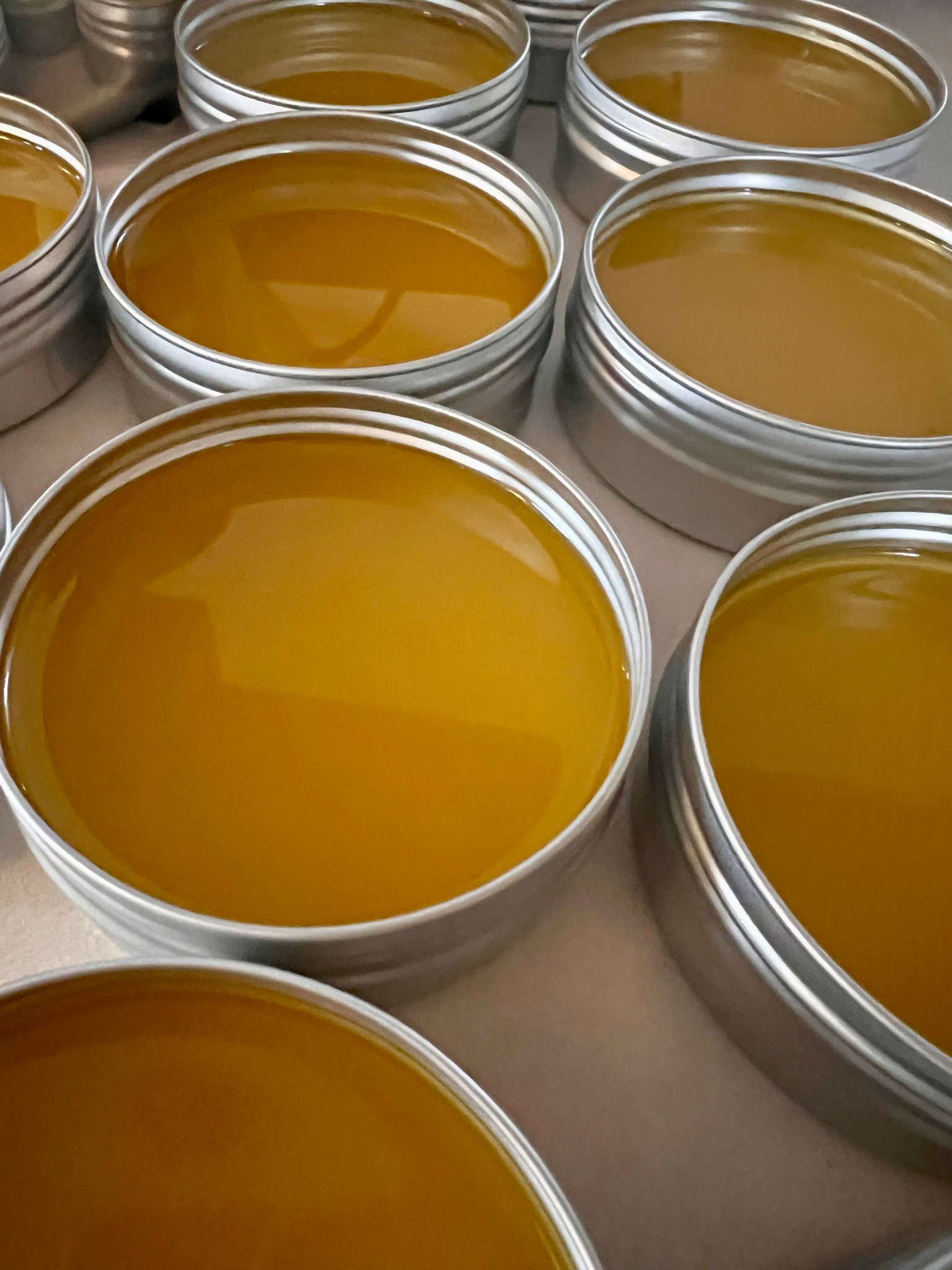
Okay – so how did you figure out the manufacturing part? Did you have prior experience?
Yes — I manufacture my products myself.
Good Smells Inc. began very hands-on. I didn’t outsource production or begin with a contract manufacturer. I started at a table with wax, fragrance oils, notebooks full of blend ratios, and a lot of trial and error.
I didn’t “already know” how to manufacture candles or self-care products. What I had was a strong point of view about how I wanted them to feel — layered, transportive, intentional — and I taught myself the technical side from there. I researched wax chemistry, fragrance load percentages, cure times, wick sizing, vessel heat retention, oil compatibility in balms, and stability testing. I ruined batches. I tested again. I kept detailed logs. I learned through repetition.
Early on, I made the decision that if I was going to put my name on something, I needed to understand every step of how it was made.
That doesn’t mean I do everything alone — I source raw materials from carefully selected suppliers — but I control formulation, blending, pouring, curing, finishing, and quality control in-house. That allows me to maintain consistency and protect the integrity of the scent profiles.
Finding the right vendors for raw materials was critical. I researched extensively, requested samples, compared burn tests, tested fragrance throw performance, and evaluated ingredient transparency. I prioritized suppliers who were domestic, ethical, and eco-conscious when possible. I wasn’t just looking for a product — I was looking for reliability and alignment.
Some lessons I’ve learned about manufacturing:
1. Small-batch control is powerful.
Manufacturing in-house allows me to refine continuously. If I want to tweak a blend, adjust a wick, or test a seasonal variation, I can do it immediately.
2. Documentation is everything.
Every batch has notes — temperature, humidity, fragrance load, cure duration. Manufacturing is creative, but it’s also technical. Consistency requires systems.
3. Raw material quality determines finished product quality.
You can’t create a luxury-feeling candle with mediocre wax or unstable fragrance oils. Cutting corners at the sourcing stage always shows up later.
4. Manufacturing is about patience.
Proper curing time matters. Rushing production for demand usually sacrifices performance. I’ve learned to build timelines that respect the chemistry.
5. Growth requires planning.
As demand increases, you have to think about scalability — equipment, workspace layout, supplier lead times, inventory forecasting. Creative businesses become operational businesses quickly.
I’ve never considered outsourcing. Maintaining control over formulation and production is part of what makes Good Smells Inc. feel intentional and cohesive. The scent experience is the heart of the brand, and that’s something I’m not ready to hand off.
Manufacturing taught me that creativity and discipline have to coexist. It’s artistry guided by process. And I’m proud that every product that leaves my studio has passed through my hands.
Contact Info:
- Website: https://goodsmellsinc.com
- Instagram: https://www.instagram.com/goodsmellsinc/
- Facebook: https://www.facebook.com/goodsmellsincfl/