

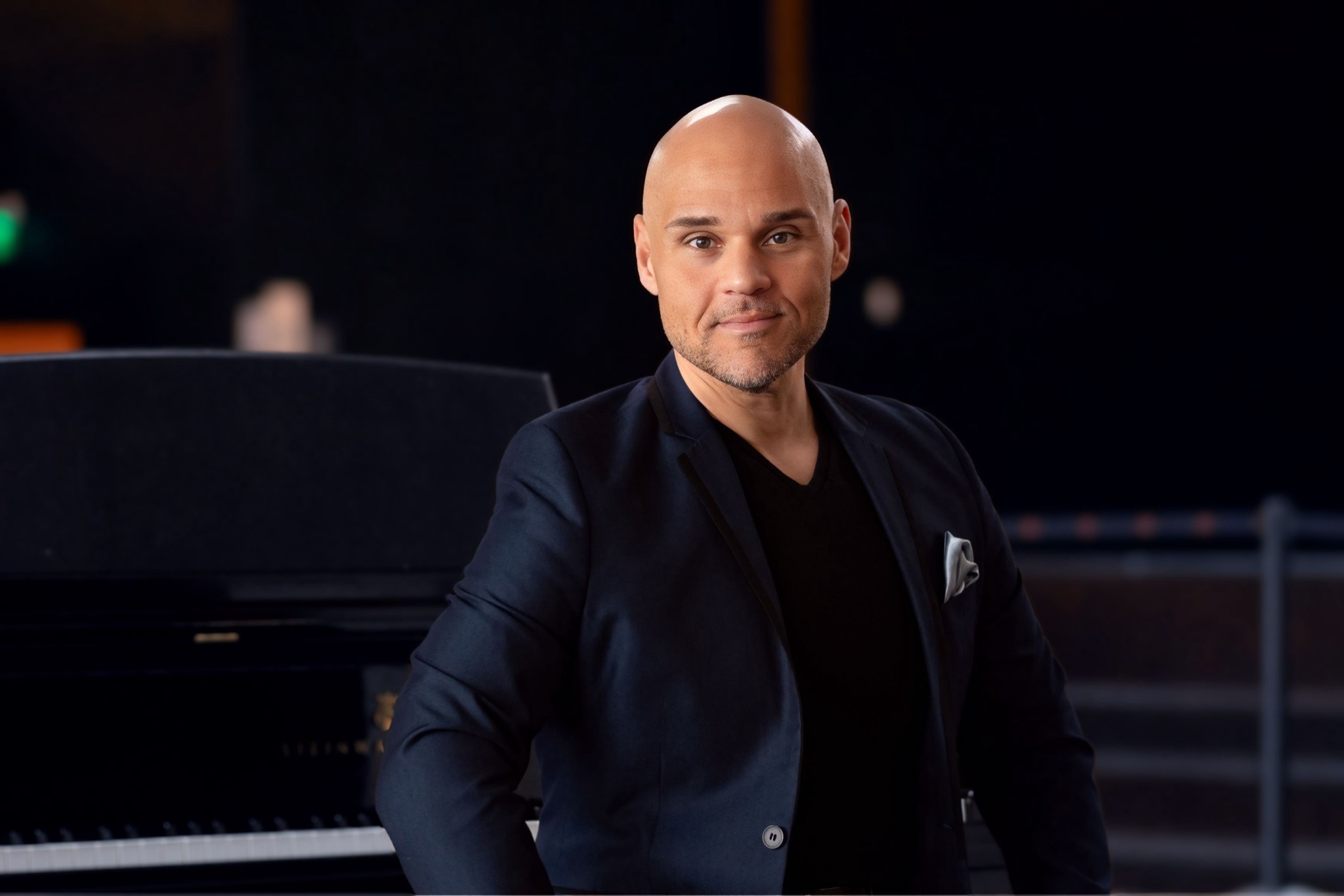

Alright – so today we’ve got the honor of introducing you to Rich Genoval. We think you’ll enjoy our conversation, we’ve shared it below.
Rich, thanks for joining us, excited to have you contributing your stories and insights. Did you always know you wanted to pursue a creative or artistic career? When did you first know?
The first moment I knew I wanted to be an entertainer is actually one of my earliest memories. Around three or four, sitting with my grandma, watching vintage Victor Borge and Liberace concerts on TV. Their performances were more than just music. They were lessons in passion, showmanship, and presence. Something sparked in me that day.
I remember a distinct feeling land in my chest before I had words for it. A quiet sense of “that’s it.” I could feel what they were doing. The way an entire theater was smiling, laughing, and fully present together. For a while, whatever people carried in with them seemed to disappear.
Not long after, my father, a gifted singer, began sneaking me backstage at his nightclub shows. I saw firsthand how music could electrify a room. One song could have people dancing with joy. Another could bring them to tears. He showed me that the real power wasn’t the notes. It was the connection.
Even as a kid, I knew that whatever I did in life would have to live in that space.
Great, appreciate you sharing that with us. Before we ask you to share more of your insights, can you take a moment to introduce yourself and how you got to where you are today to our readers.
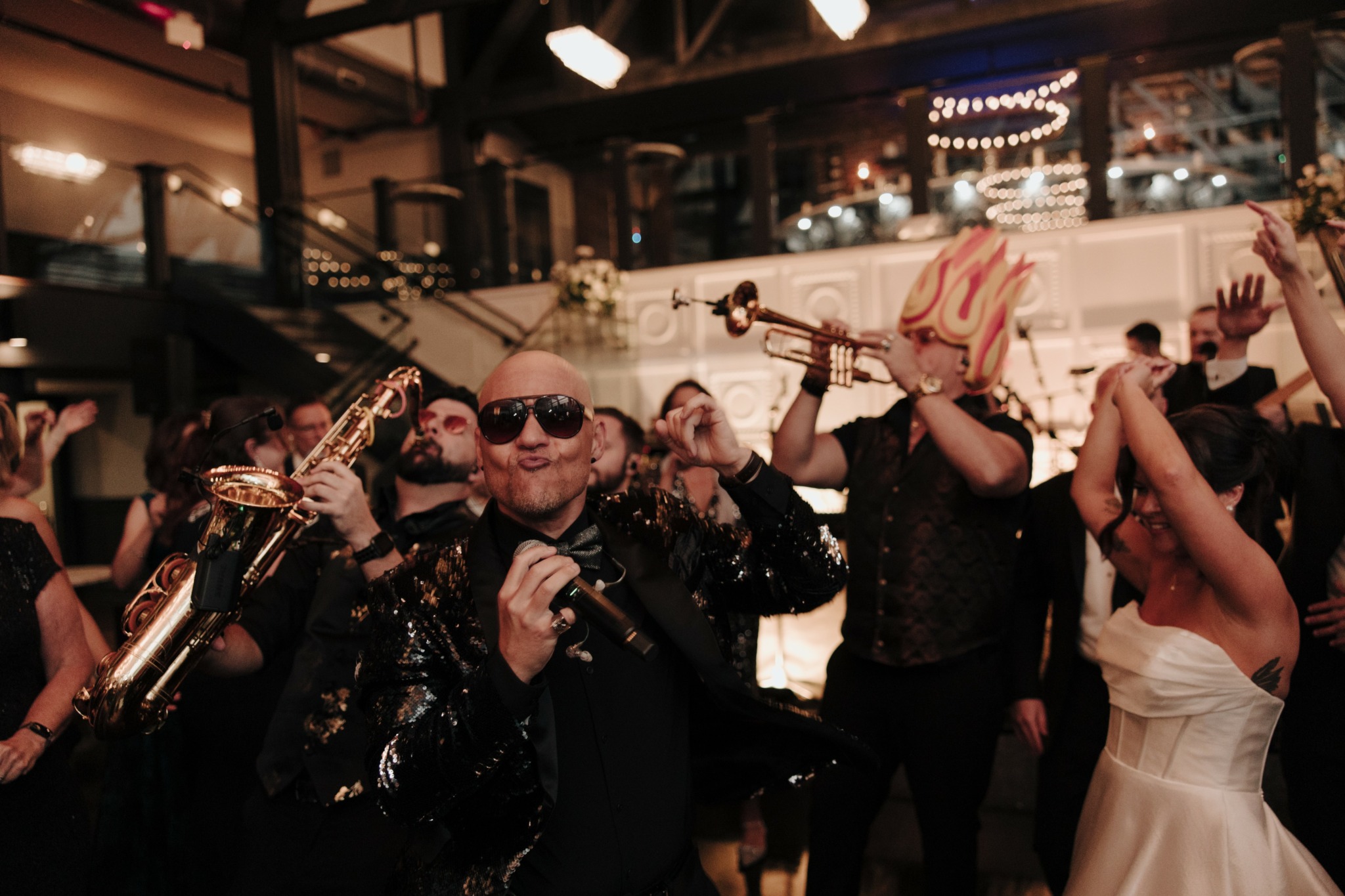
At the simplest level, when people ask what I do, I say, “I make people feel feelings.” It sounds playful, but it’s true. I’m a full-time performing musician, musical impressionist, composer, and the bandleader of The Ever After Band, a luxury entertainment business built around connection, not just performance.
Music has been the through-line of my entire life. I began studying classical piano around age 7 and was performing publicly by 11, playing piano at the inaugural ball for NJ’s Governor and performing the national anthem at the Puerto Rican Day Parade. From there, the work kept getting real. As a teenager, I landed international recording contracts as a singer/songwriter/producer in an English/Spanish-language pop group out in Spain. At 21, I moved to Las Vegas to perform full-time in casinos and theaters. This has never been a hobby. I’ve been in the arena a long time.
It hasn’t always been an easy road. Especially trying to figure out how to earn a living in the entertainment business. The ever-elusive paradigm.
About 15 years ago, everything really sharpened. I quit my day job at the time with no safety net and fully committed to building a career on my own terms. I started working in the luxury event world and quickly realized something was missing. I would sing in a few agency bands. But when I performed through agencies, I felt super disconnected from the people I was meant to serve. I would show up, do my job well, get a great reception, and leave. That never sat right with me. I don’t perform at people. I perform for them. I wanted direct connection, personal trust, and creative ownership. That realization led me to build my own company and my own culture.
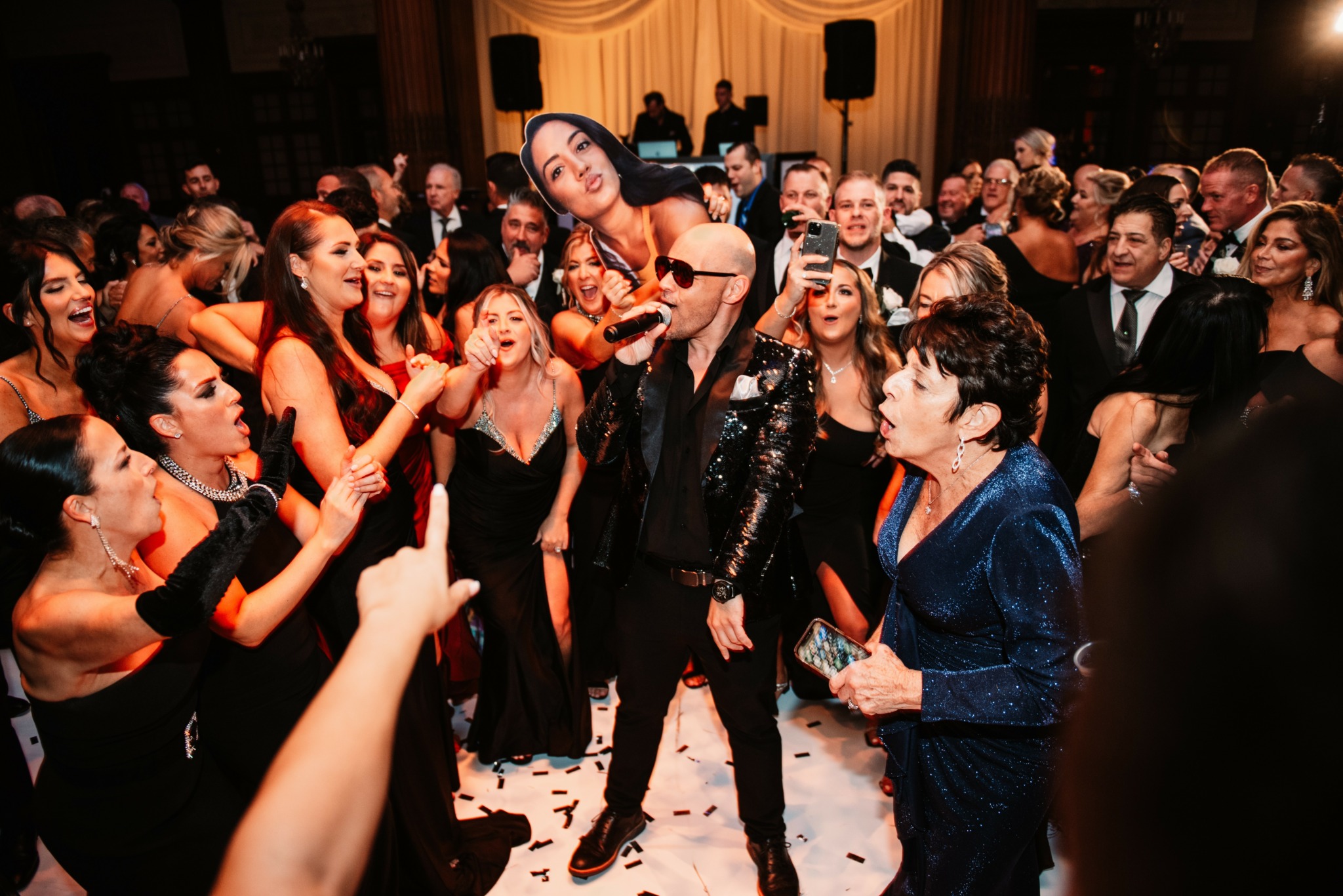
What I really solve for clients isn’t music alone. It’s anxiety. People worry about whether a room will come together, whether guests will connect, whether the night will flow or feel forced, or drag. My job is to help people lose track of time. When a room stops checking watches and starts sharing a single emotional current, I know we’ve done our work. I read rooms. I set the temperature. I’m the thermostat. And when it clicks, everything opens.
I believe in a different approach, which is rooted in what I call 3-D listening. (This is also how I approach my vocal impressions). When performing with my band, I’m not just listening musically/sonically, but emotionally. Every room leans somewhere. I don’t force it in a direction. I notice where it wants to go, unblock it, and let it move. Sometimes that means high energy. Sometimes it means restraint. Like music, tension and release is what makes a perfect musical phrase. It’s an ebb and flow that turns a night into something visceral rather than just impressive.
Some of the moments I’m most proud of have nothing to do scale. Once, we secretly coordinated with a bride’s father, an aspiring singer, to break into song halfway through his toast. The entire band waited for a single word cue. No rehearsal. When it happened, the entire room dissolved into tears. It was truly cinematic. Another time, at a corporate event, an older gentleman stopped me between sets and said, “You may not realize this, but you’re bringing people of every age, race, and background together in this room. And I want to thank you for that if no one has yet.” I was speechless. That’s the work.
My non-negotiables are heart and integrity. I refuse to let myself or my team become jaded. Every time I step onstage still matters to me. When you lose your heart in this business, you lose everything. I also make decisions based on alignment, not shortcuts. If the choice is between doing something untrue to me or taking the long road, I’ll take the long road every time.
My work is for people who feel art. People who still protect their inner artist to some degree in a world that often rewards efficiency over presence. It takes courage to feel things, to gather publicly in the pursuit of joy, and to let yourself be moved with others present. Those are my people.
If there’s one thing I hope people remember, it’s this: my work is about giving people permission to feel fully alive in a room together. When that cork gets pulled, even for a few hours, everything feels right. That’s a beautiful world, and the mission I live to serve.
Let’s talk about resilience next – do you have a story you can share with us?
For most of my life, my voice was something I could rely on without thinking. It was my instrument, my identity, and the way I connected with the world. People responded to it. It made me feel special.
Then I went through a period where that certainty cracked.
I began experiencing vocal challenges that forced me to slow down and really listen to my body. For the first time, something I had worked so hard on, and had always depended on, now required patience, care, and rebuilding. As a performer and leader, that was confronting. When your work is tied so closely to your voice, it’s easy to feel like your sense of worth is tied to it too.
What resilience looked like in that season wasn’t pushing harder. It was staying present. Continuing to lead my team. Continuing to serve clients. Letting myself be human and accepting imperfection in the healing process instead of hiding until everything felt perfect again.
That experience reshaped how I show up. I became a better listener. A more grounded leader. Less attached to proving and more committed to presence. It reminded me that resilience isn’t about powering through at all costs. Sometimes it’s about trusting yourself enough to rebuild with care.
In the end, that chapter didn’t take anything away from me. It deepened my work and my connection to it.
What’s a lesson you had to unlearn and what’s the backstory?
One of the biggest lessons I’ve had to unlearn is the belief that my worth comes from pushing harder.
Early in my career, and for most of my life, effort felt like currency. If something wasn’t working, the answer was always “work harder.” More hours. More preparation. More output. More practice. More shows.
That mindset served me for a long time. It helped me build skills, credibility, and a career. Worse yet, it also earned me respect. Being labeled a “hard worker” was always framed as a compliment.
Over time, though, I realized that constant pushing came at a cost. It blurred the line between dedication and self-abandonment. I began to notice that some of my best work didn’t come from force. It came from presence. Actually being there for myself. Allowing space instead of filling every moment with effort.
I had to learn how to trust my own nervous system. I had to unlearn the idea that “rest was for the weak”, or that ease meant I wasn’t taking things seriously. I had to come to terms with the idea that my work is meant to fuel my life, not the other way around.
What replaced that belief was a deeper truth. Sustainable creativity doesn’t come from pressure. It comes from honesty, attention, and care. I still thrive in moments of intensity. But once I stopped trying to prove my worth through output, and my work became more fulfilling, and my results far more impactful.
Contact Info:
- Website: https://everafterband.com/
- Instagram: https://www.instagram.com/myeverafterband/
- Facebook: https://www.facebook.com/myeverafterband/
- Linkedin: https://www.linkedin.com/in/rich-genoval-eab/
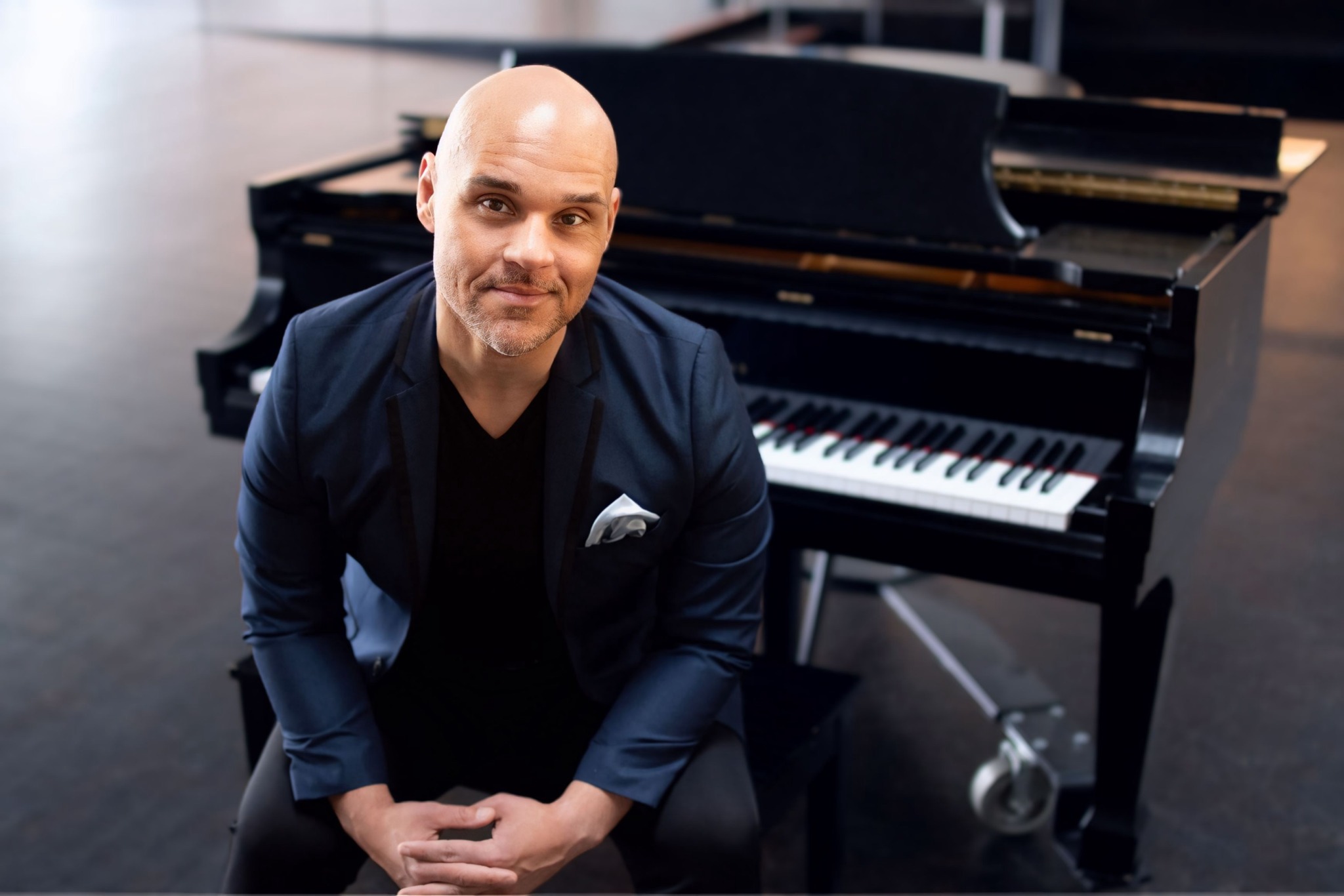
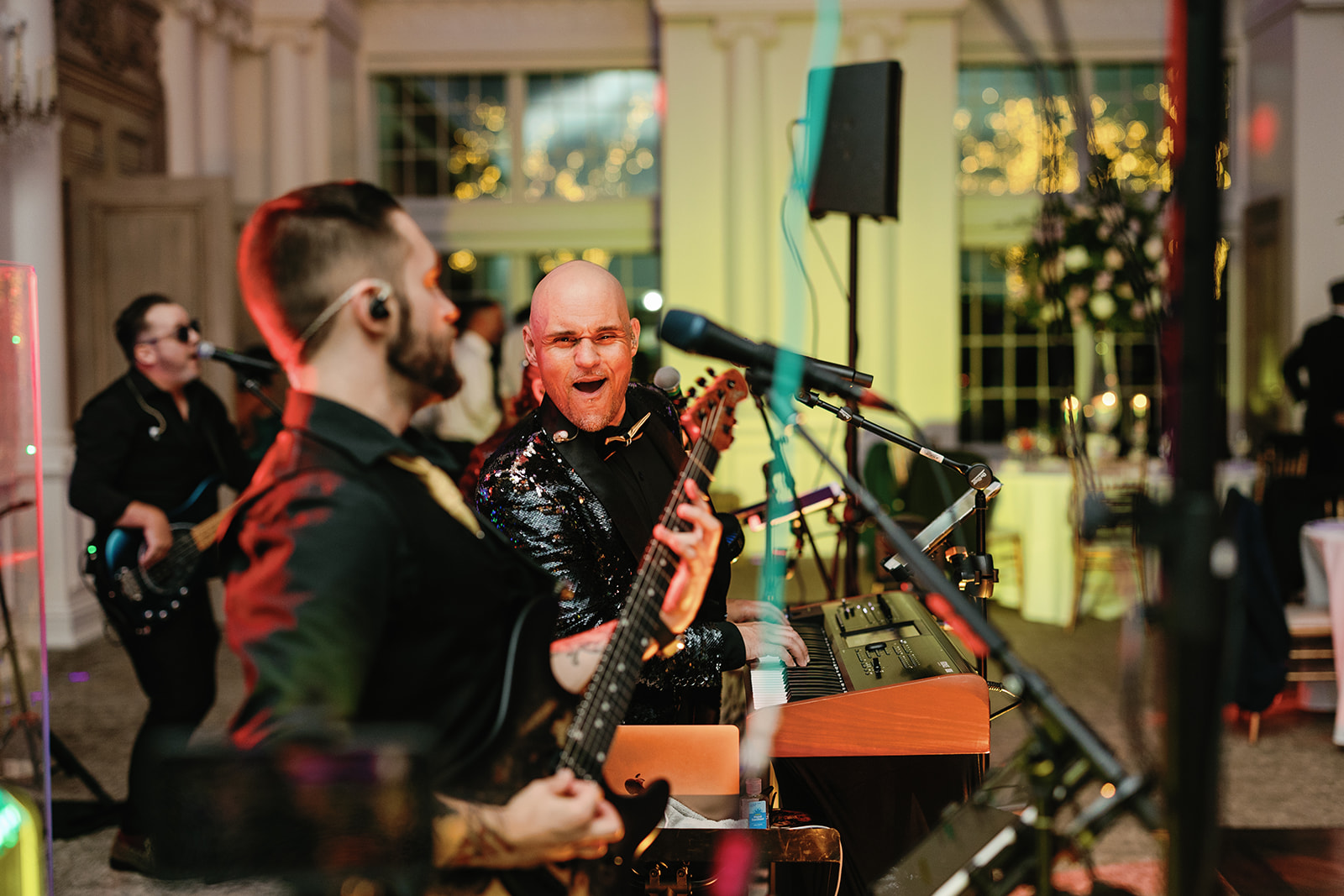
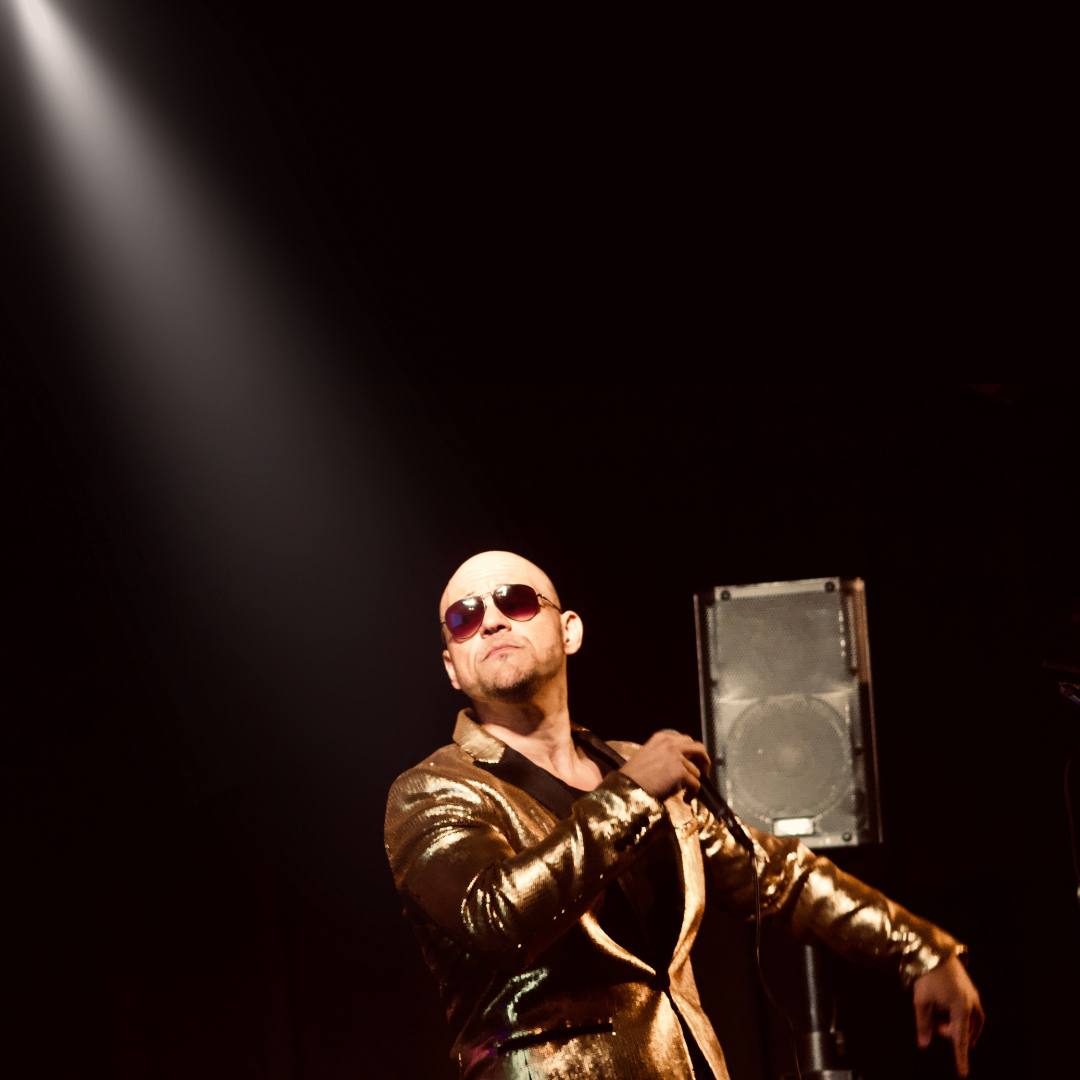
Image Credits
Nick Donnoli, Orange Box Pictures
Art Work Photography
Olivia Avers Photography
Kenny Bieber, CapturedbyKennedy
Sam Glennon Photography
Lauren Spinelli Photo