
We’re excited to introduce you to the always interesting and insightful Ray Cunningham. We hope you’ll enjoy our conversation with Ray below.
Ray, thanks for joining us, excited to have you contributing your stories and insights. Can you talk to us about a project that’s meant a lot to you?
The most meaningful project I’ve worked on is the UNCF Los Angeles Masked Ball—specifically the 2026 gala at the Skirball Cultural Center.
On paper, it’s one of the premier fundraising events in the country for UNCF. But for me, it’s much deeper than a gala—it’s a full-circle moment that ties together my personal story, my professional growth, and my purpose.
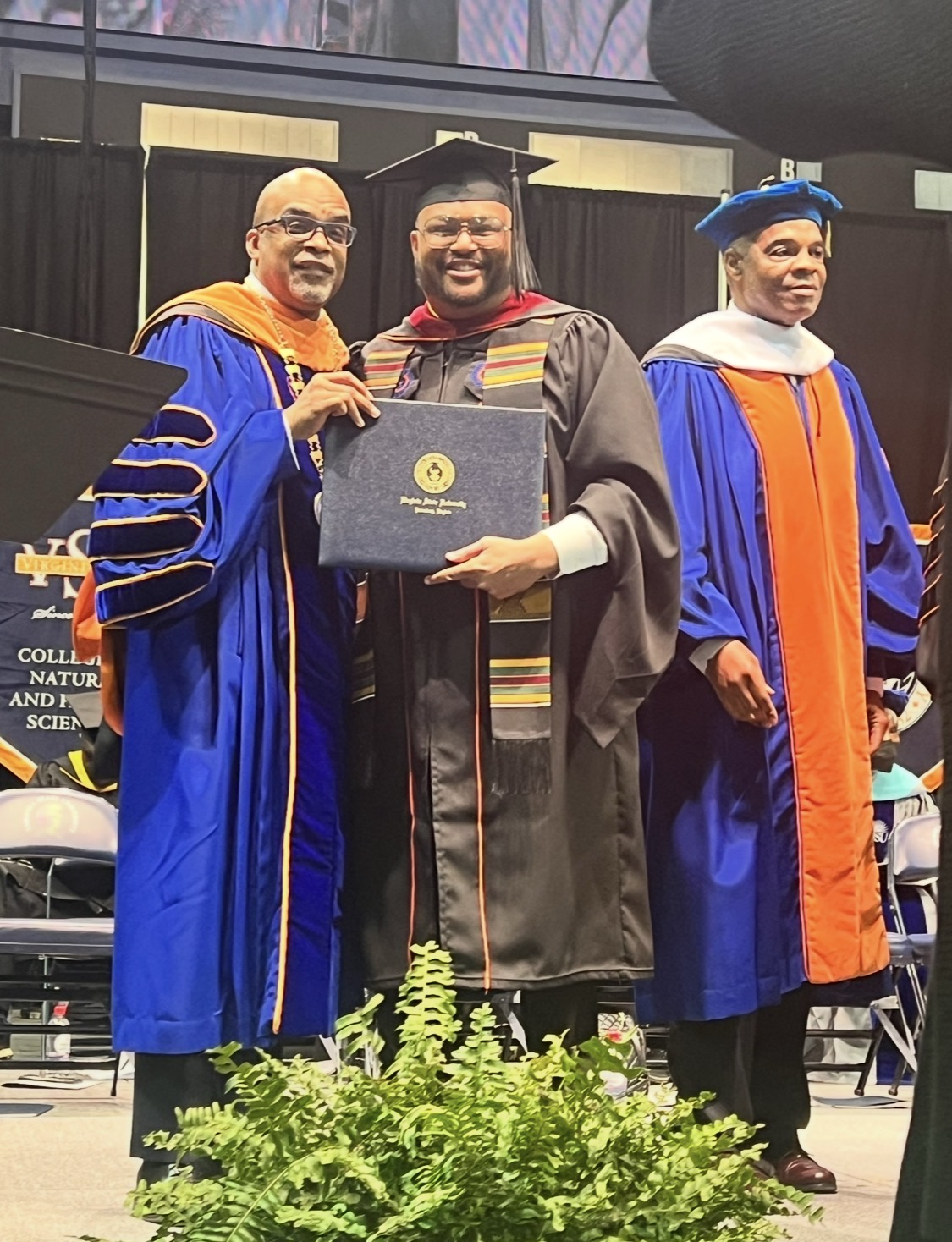
The backstory starts with my own HBCU journey at Virginia State University. Like so many students, access to education wasn’t just about getting accepted—it was about having the financial support to stay and succeed. That experience shaped how I view opportunity. Fast forward years later, now working in development for UNCF in Los Angeles, I’m no longer just a beneficiary of that mission—I’m responsible for helping sustain it.
When I stepped into my role, the Masked Ball was already a legacy event. But 2026 was different. There was a heightened expectation to not only raise critical scholarship dollars, but to evolve the experience, expand its cultural relevance, and deepen community engagement. That meant everything from sponsorship strategy and donor relations to storytelling, programming, and creating moments that resonated beyond the ballroom.
What made it meaningful was the weight of who and what it represents. Every ticket sold, every sponsorship secured, every activation executed directly translates into scholarships for students who look like me, come from communities like mine, and are chasing the same kind of dreams I once had. That’s not abstract—that’s real impact.
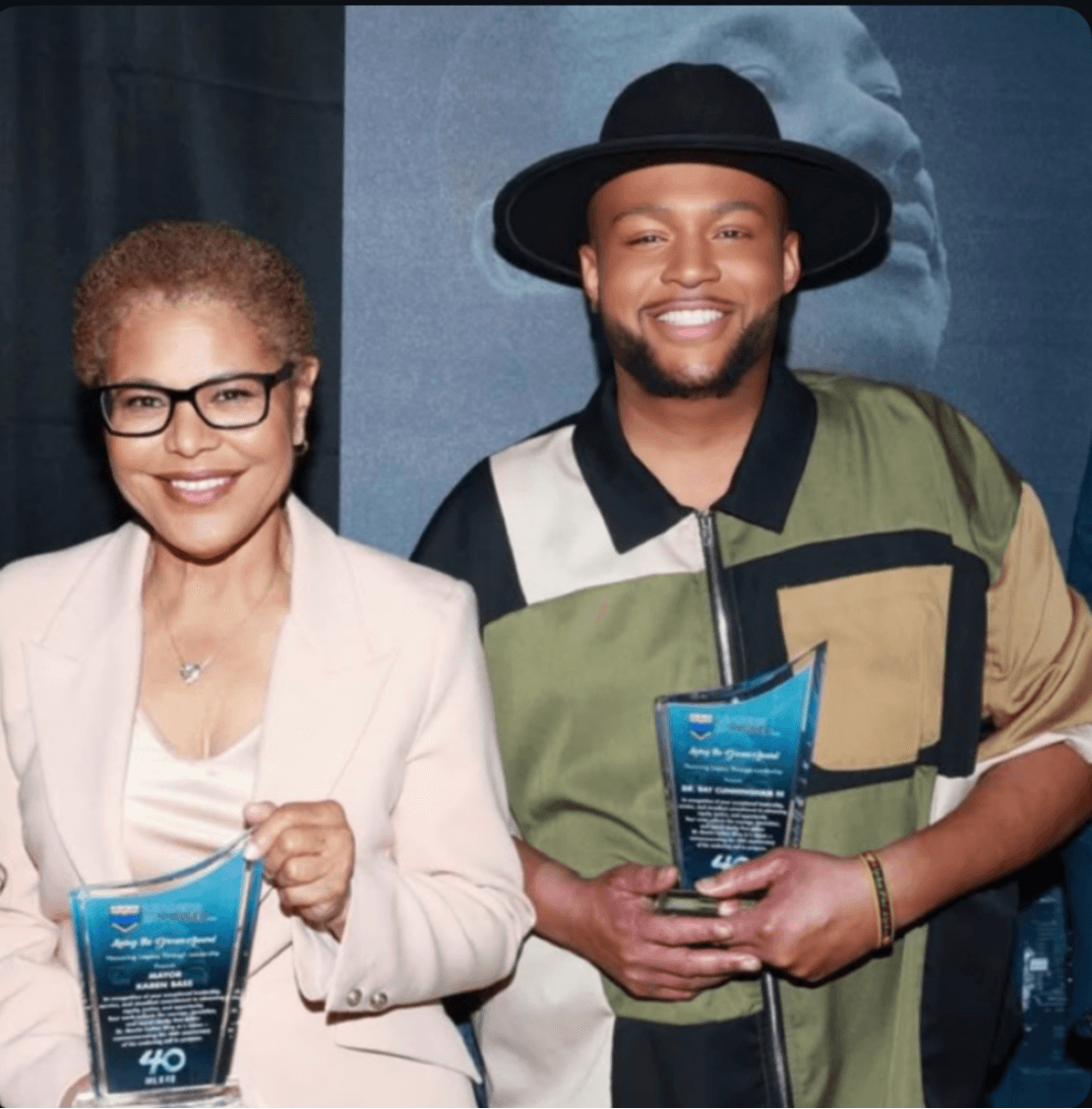
There were also powerful layers within the event itself. Honoring individuals who are leaders across entertainment, business, and philanthropy. Bringing together HBCU alumni, Divine Nine members, corporate partners, and cultural influencers all in one room. And then seeing it culminate in a night that celebrates excellence while funding the future—that’s something you don’t take lightly.
But if I’m being honest, the most meaningful part wasn’t the glamour—it was the purpose behind it. It was knowing that I played a role in building something that opens doors for the next generation. It was watching students, donors, and community leaders connect in ways that create long-term opportunity, not just a one-night experience.
The Masked Ball represents the kind of work I want to keep doing—where culture, community, and capital come together to create real change. It’s meaningful because it’s impact you can feel, measure, and most importantly, pass forward.
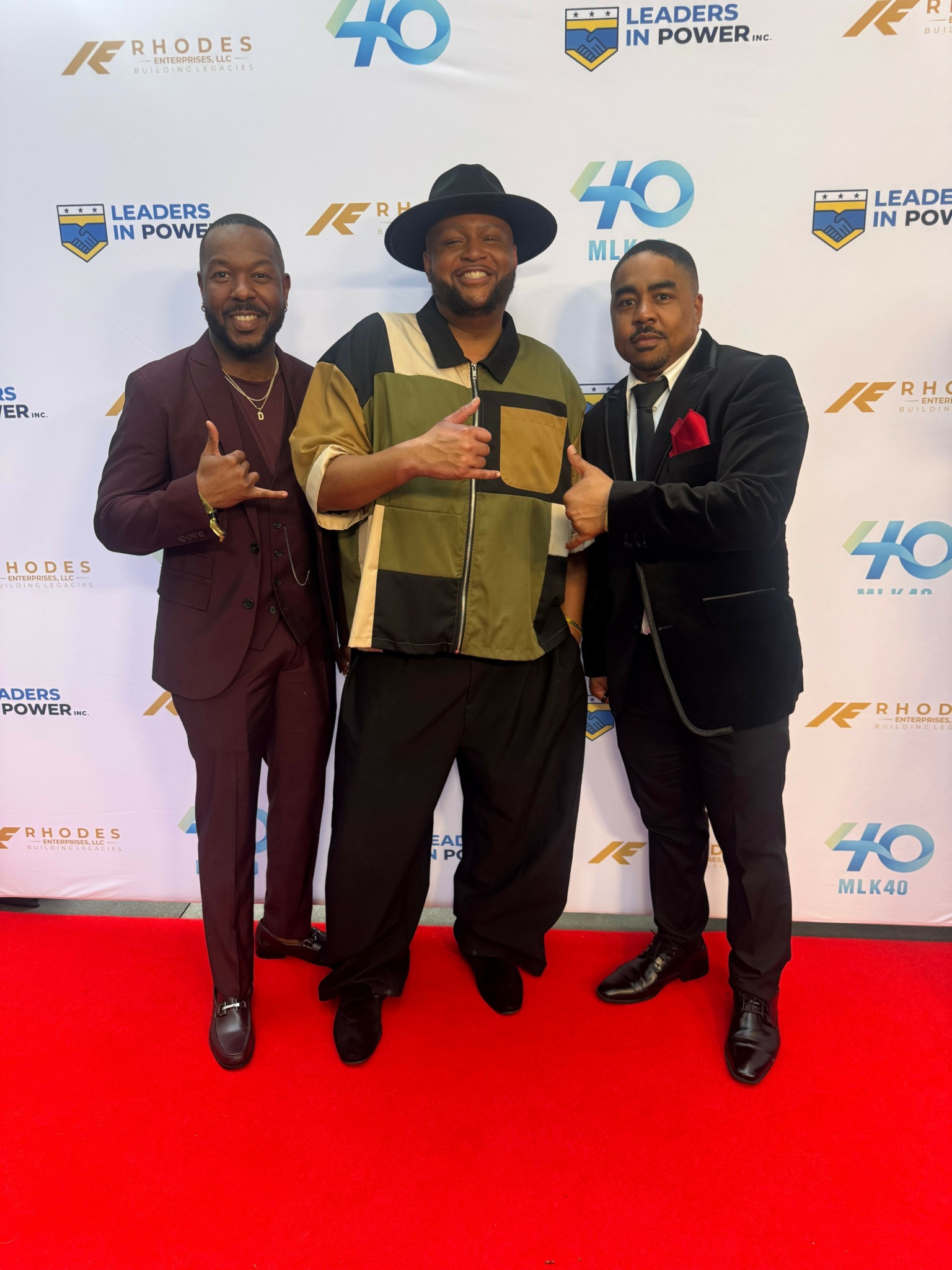
Great, appreciate you sharing that with us. Before we ask you to share more of your insights, can you take a moment to introduce yourself and how you got to where you are today to our readers.
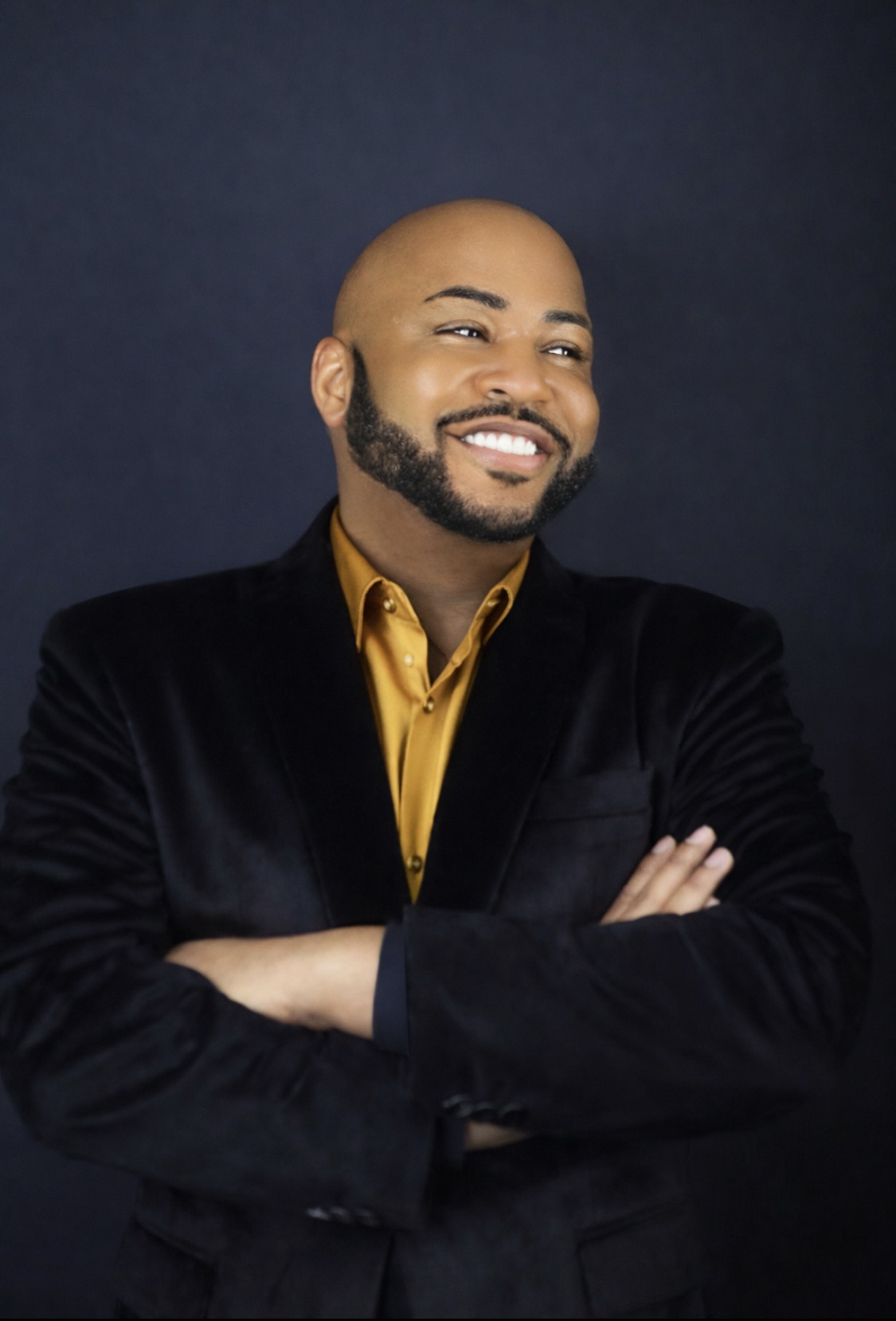
I’m Ray Cunningham III, though many people know me as Misster Ray. I’m a Los Angeles–based development professional, media personality, and community advocate whose work lives at the intersection of storytelling, culture, and impact.
My journey started at Virginia State University, where I earned both my bachelor’s in Mass Communications and later my master’s in Media Management. That’s also where I stepped into the national spotlight as a cast member on College Hill Season 3 on BET, making history as the first openly gay talent featured on the network. That experience didn’t just introduce me to media—it taught me the power of visibility, representation, and narrative ownership.
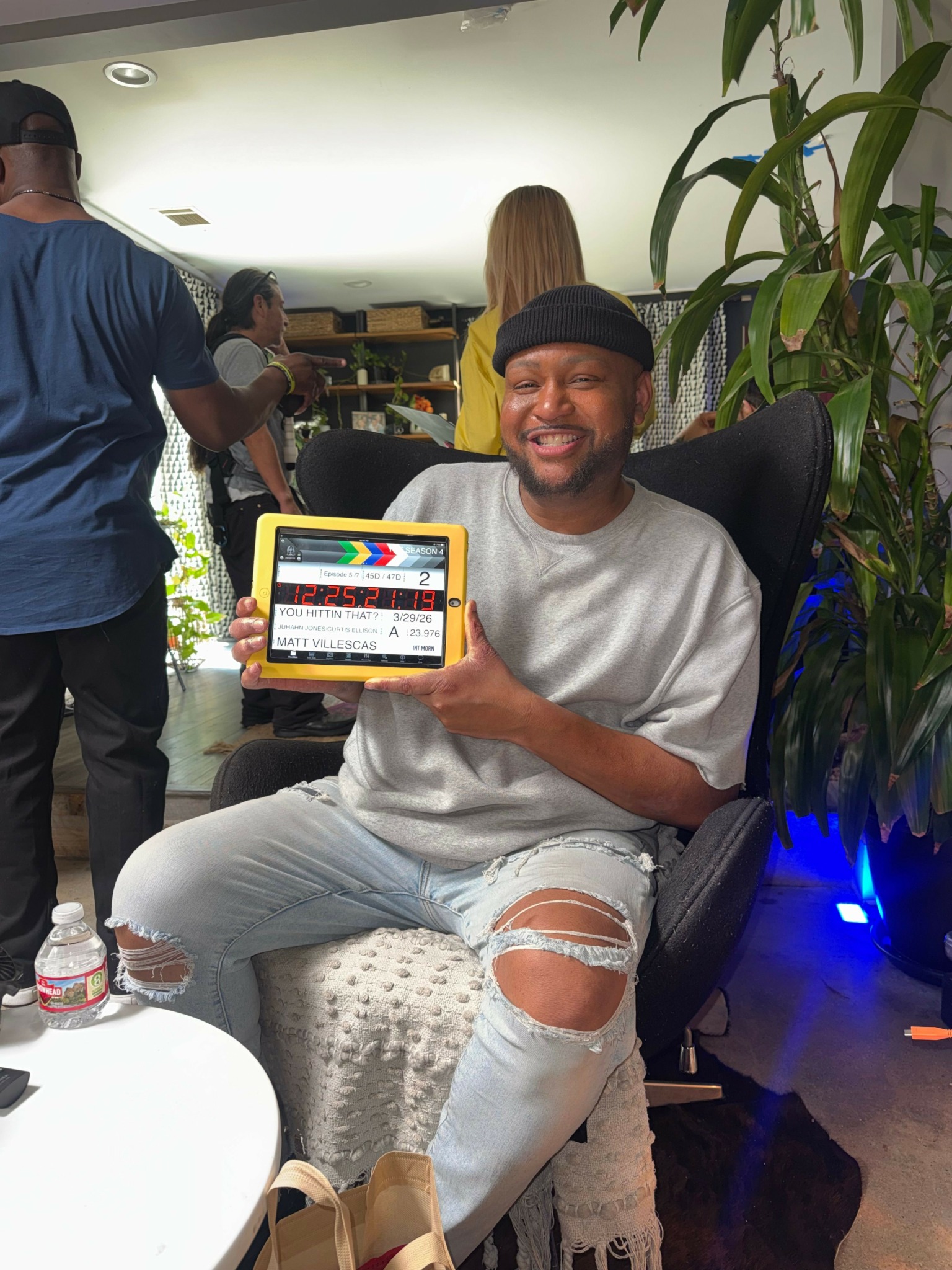
From there, I built a career across television, radio, and digital platforms, including appearances on Love & Hip Hop: Hollywood and work with outlets like News One Now and major entertainment networks. But over time, I realized my purpose wasn’t just being in front of the camera—it was using my platform to create pathways for others.
Today, I serve as a Development Associate with UNCF in Los Angeles, where I focus on fundraising, partnerships, and community engagement to support students attending Historically Black Colleges and Universities. I’m also currently pursuing my MBA at Hampton University, continuing to sharpen my business and leadership lens.
At the core of what I do is connecting culture to opportunity. Whether I’m producing events, building campaigns, or creating content, I specialize in:
* Fundraising strategy and donor engagement for mission-driven organizations
* Event production and experiential marketing rooted in culture and community
* Storytelling and media development that amplifies Black voices and experiences
* Strategic partnerships across corporate, nonprofit, and entertainment spaces
The problems I solve are real and urgent. I help organizations bridge the gap between intention and impact—whether that’s raising critical scholarship dollars, engaging younger and more diverse audiences, or building authentic connections with the communities they serve. I also help brands and creatives show up in ways that feel culturally relevant, not performative.
What sets me apart is my ability to move fluidly between worlds. I understand the language of boardrooms, but I’m also deeply rooted in culture. I can sit with executives, creatives, students, and community leaders and find alignment that drives results. I don’t just create moments—I build ecosystems.
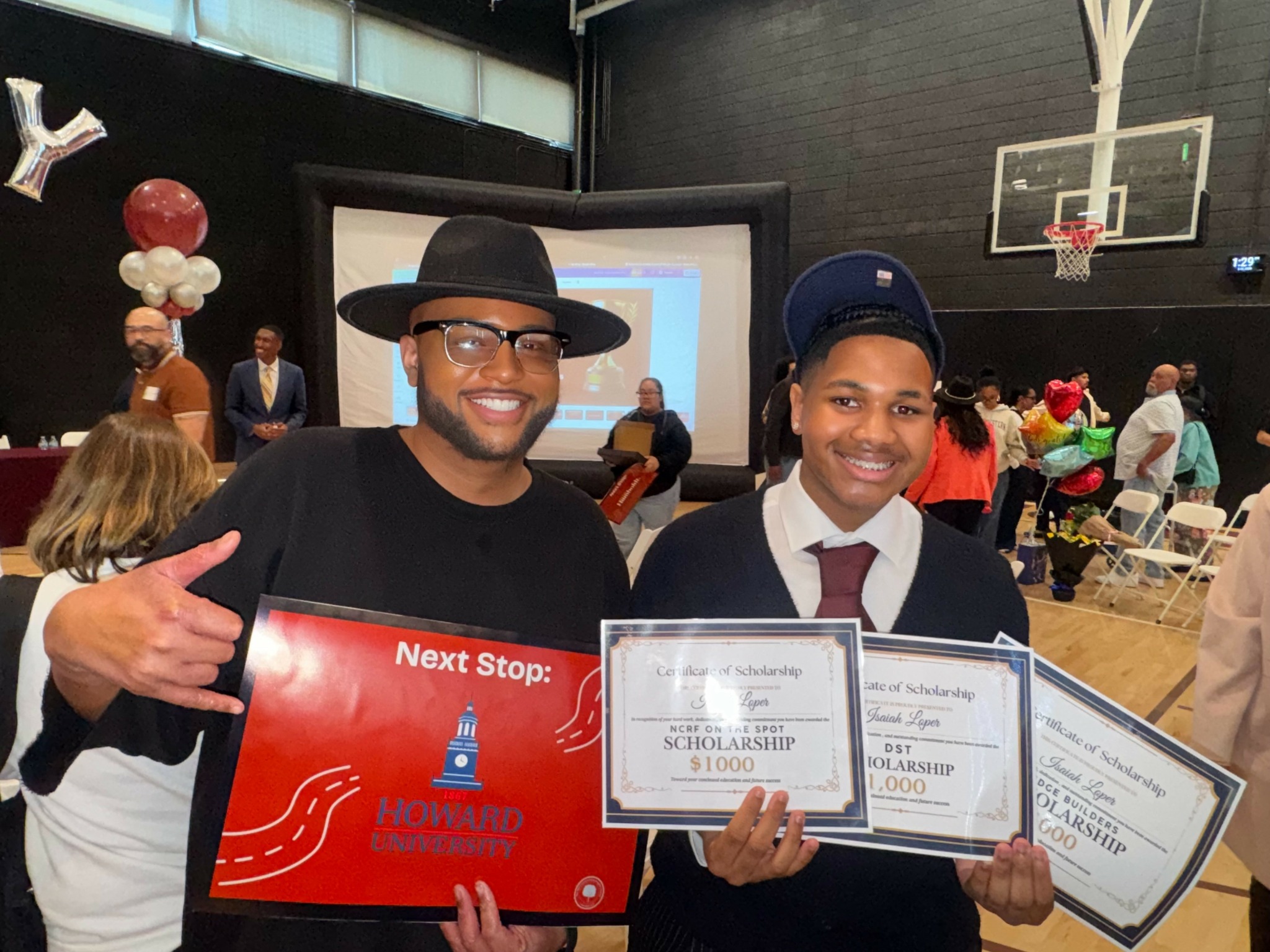
I’m especially proud of the work I’ve done around HBCU advocacy and community impact. From helping lead initiatives tied to major fundraising events like the UNCF Los Angeles Masked Ball to supporting college readiness programs and creating platforms for young people to see themselves reflected in success, that work means everything to me. I’m also proud of my leadership within Alpha Phi Alpha Fraternity, Inc., where I serve in a regional fundraising role and continue a legacy of service, advocacy, and brotherhood.
What I want people to know about me and my brand is simple: everything I do is intentional. I care about impact, legacy, and making sure the next generation has access to opportunities we had to fight for. I’m not just building a career—I’m building platforms, partnerships, and pathways that outlive me.
If you’re looking for someone who understands culture, strategy, and purpose—and knows how to bring all three together—I’m that bridge.
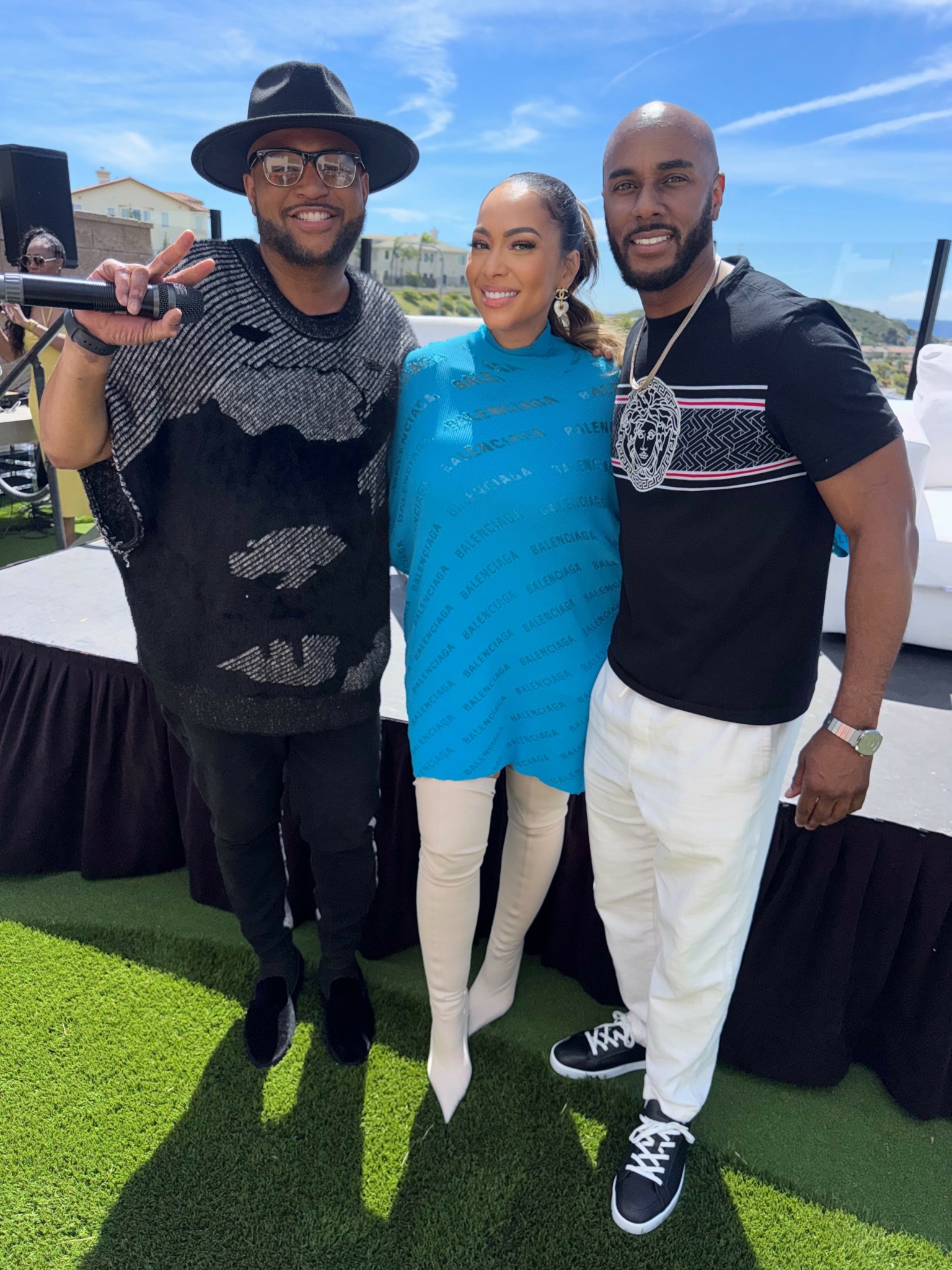
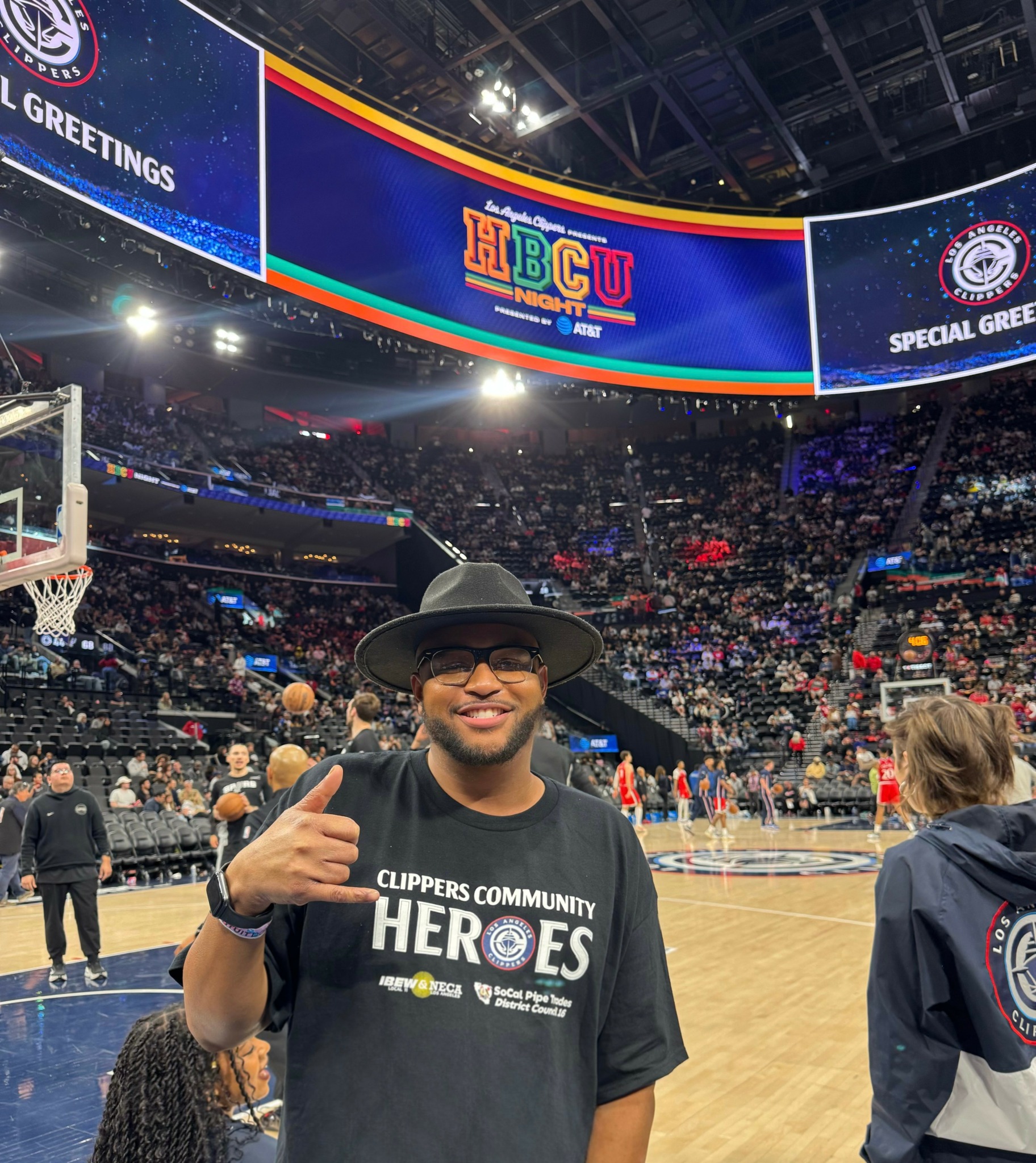
Any resources you can share with us that might be helpful to other creatives?
Absolutely. Looking back, there are a few resources I genuinely wish I had tapped into earlier—because they would’ve accelerated not just my career, but my clarity.
First, I wish I had fully understood and leveraged the power of HBCU networks sooner. Being a two-time graduate of Virginia State University, I had access to a lifelong ecosystem of alumni, mentors, and industry leaders—but early on, I didn’t realize just how powerful that network really was. HBCUs don’t just give you a degree—they give you a community that will advocate for you in rooms you’re not in yet. Once I leaned into that, everything changed.
Second, I wish I had earlier exposure to structured mentorship and professional development pipelines like those connected to UNCF. Programs that focus on scholarships, internships, and career readiness aren’t just for students—they’re gateways to long-term opportunity. Now, working in development at UNCF, I see firsthand how life-changing those resources are, and I often think about how much earlier I could’ve benefited from that level of guidance and access.
Another big one is understanding the business behind creativity. Early in my media career—whether it was College Hill on BET or later projects—I was focused on the talent and the moment, but not enough on ownership, contracts, branding, and long-term positioning. I wish I had mentors or resources that broke down the business side of entertainment in a real way. That knowledge is what turns visibility into sustainability.
I also wish I had embraced personal branding as a strategic tool earlier. Not just being “on TV” or “in the mix,” but intentionally shaping a narrative, building a platform, and aligning that platform with purpose. Once I started moving with intention—connecting my media background with community impact, fundraising, and HBCU advocacy—it created a lane that’s uniquely mine.
Lastly, I wish I had earlier access to spaces that blend culture, business, and impact. A lot of times, those worlds are treated separately—but the real magic happens when they intersect. That’s actually what I try to create now through my work—whether it’s events, partnerships, or storytelling.
If I could sum it up, the biggest resource I wish I understood earlier is access—and how to activate it. The rooms, the relationships, the information—they were always there. I just had to learn how to walk in, speak up, and build with intention once I got inside.
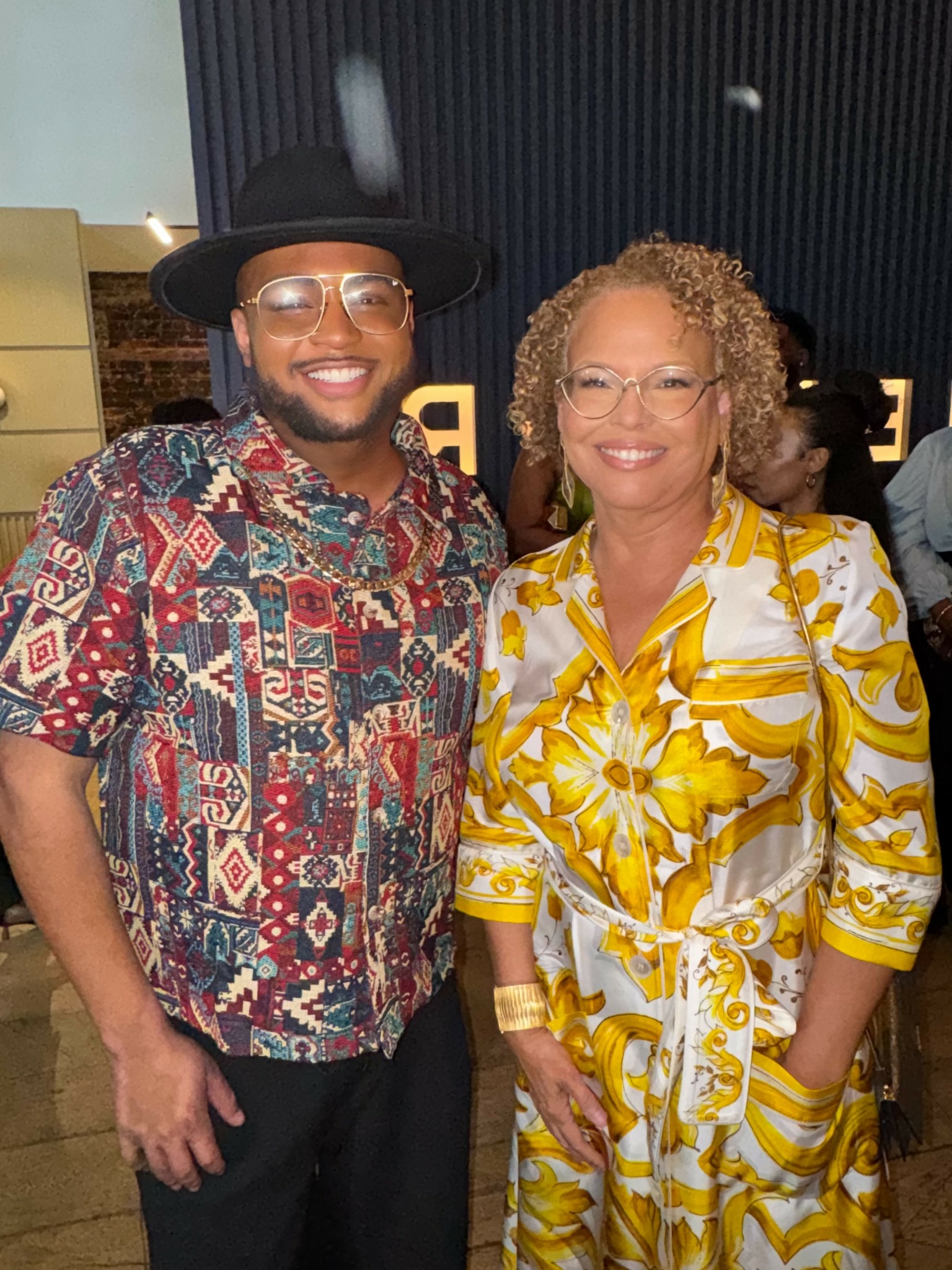
How about pivoting – can you share the story of a time you’ve had to pivot?
One of the biggest pivots in my life and career came when I transitioned from being primarily known as a media personality to stepping fully into purpose-driven work in development and community impact.
Early on, my career was rooted in entertainment. From my time on College Hill with BET to appearances on Love & Hip Hop: Hollywood, I was building visibility, relationships, and a name in the industry. On the outside, it looked like momentum—and it was—but internally, I started to feel a shift. I realized that while media gave me a platform, I wanted that platform to mean more.
The pivot didn’t happen overnight. It came from a series of moments where I found myself more fulfilled in community spaces than on set—whether it was mentoring, speaking, or showing up for HBCU-related initiatives. I started asking myself a different question: not “What’s next for my career?” but “What impact am I actually making?”
That’s what led me to step into my role with UNCF in Los Angeles.
Now, that transition wasn’t easy. Moving from entertainment into nonprofit development meant rebuilding in a lot of ways—learning fundraising strategy, understanding donor relations, navigating corporate partnerships, and proving myself in a completely different space. I had to shift how people saw me—and more importantly, how I saw myself.
But here’s what made the pivot powerful: I didn’t abandon my background—I repurposed it.
Everything I learned in media—storytelling, audience engagement, branding, production—I now use to drive impact. Whether it’s helping produce major fundraising events, crafting campaigns that resonate culturally, or building partnerships that bring in real resources for students, I’m still doing what I’ve always done… just with a deeper purpose behind it.
And the “why” is personal. As an HBCU graduate of Virginia State University, I know firsthand what access to education can do. Now, instead of just telling stories, I’m helping create opportunities for the next generation to write their own.
That pivot taught me that growth isn’t always about starting over—it’s about realigning. I didn’t leave one world behind; I bridged two. And in doing that, I found a lane that’s not only sustainable, but meaningful.
Contact Info:
- Instagram: Missterray804
- Facebook: Ray Cunningham
- Linkedin: https://www.linkedin.com/in/missterray