

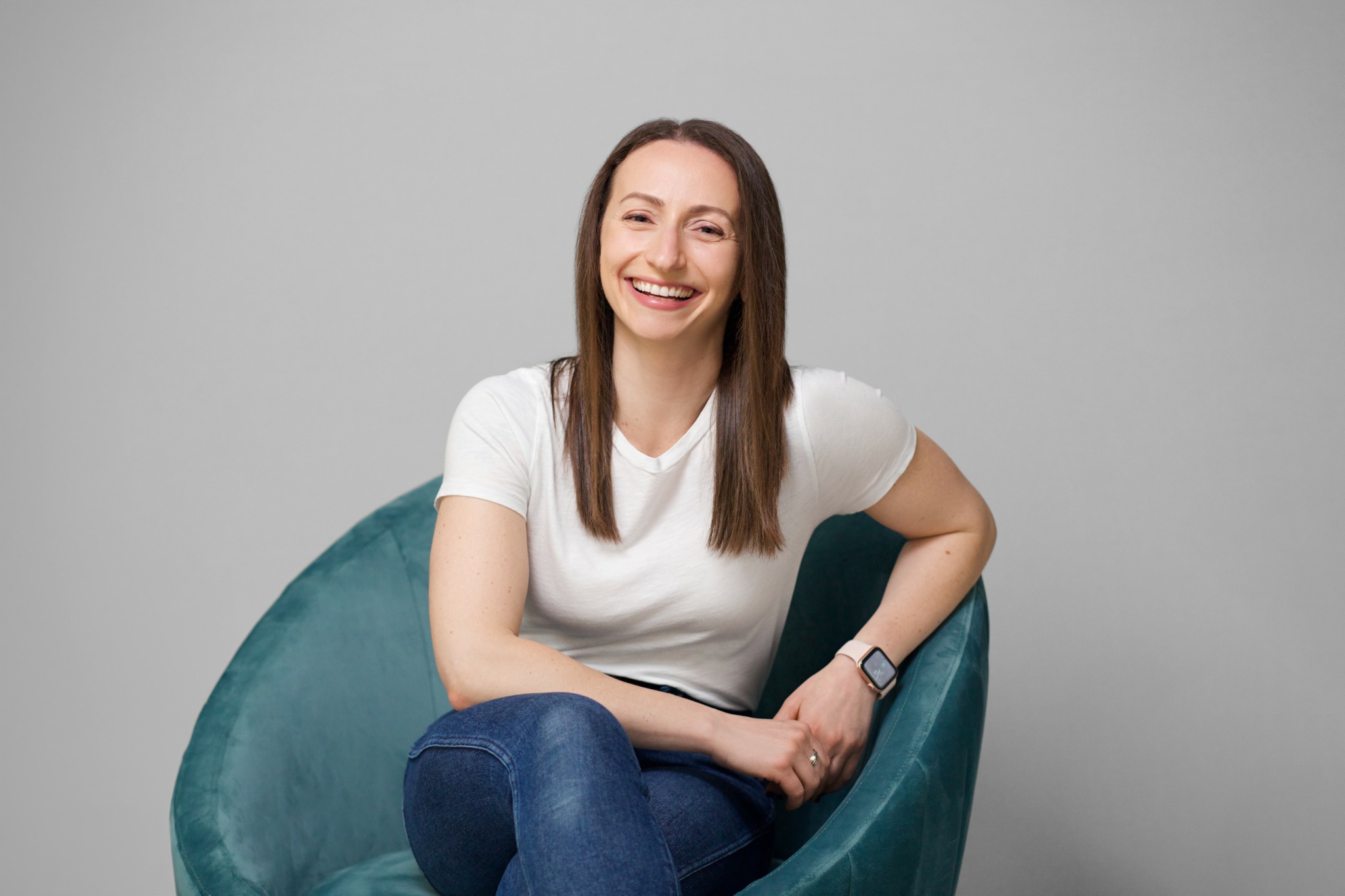

We caught up with the brilliant and insightful Polina Shkadron a few weeks ago and have shared our conversation below.
Hi Polina, thanks for joining us today. Over the course of your career, have you seen or experienced your field completely flip-flop or change course on something?
Over the course of my professional career, I have seen small shifts in understanding and advocacy for neurodivergent kids. My expertise is in the areas of Autism and ADHD, as well as language and feeding challenges.
Unfortunately, behavior based modification programs continue to be pushed onto families for children as young as two. Differences are viewed as problems to be squandered, rather than viewing difficulties from a relationship-based lens. As I continue to present to other mental health professionals, I can sense that a U-Turn is in the works. The field of child development can use it!
Currently, I am going against the grain to show up for neurodivergent kids who cannot yet advocate for themselves, those who are being deemed as “non-compliant,” “behavioral,” or “avoidant” (just to give a few adjectives). When professionals can begin to view the world and the experience in the world from the child’s perspective, then we can move closer to the shift.
This is especially important for the school settings where children spend most of their days. It is imperative that we move toward a play and relationship-based model of intervention so that neurodivergent kids can be appreciated for their strengths and resilience.
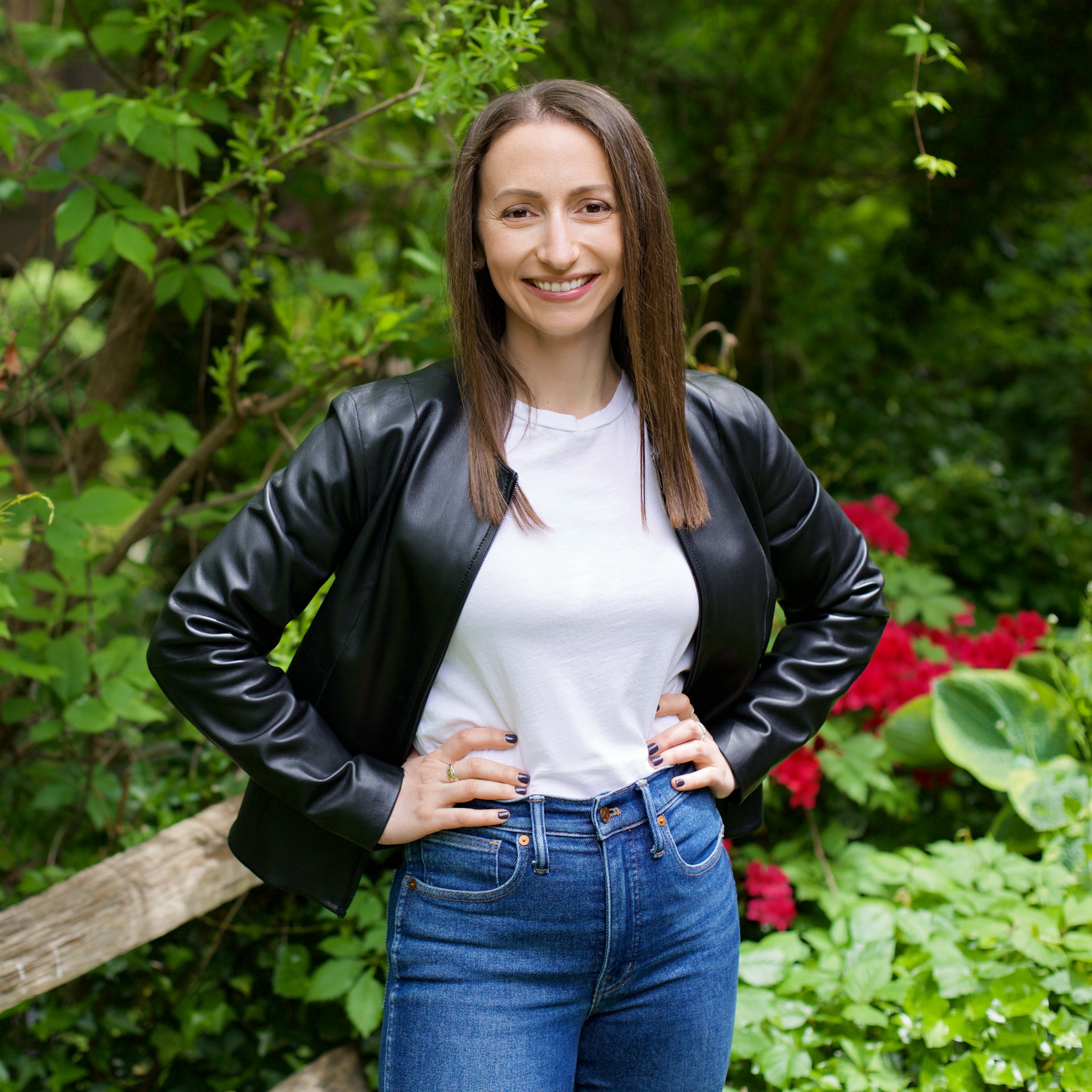
Polina, love having you share your insights with us. Before we ask you more questions, maybe you can take a moment to introduce yourself to our readers who might have missed our earlier conversations?
I recently discovered that I am neurodivergent myself. I’ve known that I understood the world from a different perspective and having that confirmation was a relief. The uniqueness of what I provide is best described as a sixth sense. Yes, there is science and the latest brain based research in my approach, and I can also feel the kids who walk through the door.
I say that initially the field of speech-language pathology found me. I stumbled upon it as I was volunteering at a preschool when I was 18 years old. Shortly after, I was hired as a teacher’s assistant, switched my major to Communication Sciences and Disorders and transferred schools to complete my bachelor’s at Adelphi University. I continued to work at the preschool and noticed that I connected to the most challenging kids. There was something about how much they struggled that resonated with me.
I was fortunate enough to be accepted to a prestigious graduate program at Queens College where I was 1 of 16 to make it past the interview round. Those years and the way in which I was mentored were transformative. Upon graduating in 2009, I worked in all possible areas with kids until I slowly realized that I had a talent for forming connections and entering the mind of each child.
I was actually asked to come back to Queens College as an adjunct to teach undergraduate level courses, which gave me the confidence to emerge as a professional speaker.
I slowly ventured into private practice in 2016-2017 and began to niche down, focusing on Autism, ADHD, and ARFID. Being an avid learner and integrator of information, I went back to school for a second degree, this time in Nutrition Education, which transformed the mealtime aspect of my practice. I continue to also uphold certifications in trauma informed care and ADHD as I truly believe in a multidisciplinary model for intervention.
What sets me apart is the “how.” It’s how I view each child, how I put the puzzle pieces together, how I align with them to establish trust and safety, and how I show parents that taking the child’s perspective is where we start. Play is what drives the work and allows neurodivergent kids to be fully transparent about their experiences.
It’s how we build on all of their executive function skills, which is also the major topic for my professional development presentations. I think it’s amazing when you can evaluate play and its intricacies, while also picking up on nuances that others can miss. My brand has a mission to change the way we raise neurodivergent kids and that’s what I would like to put forth.
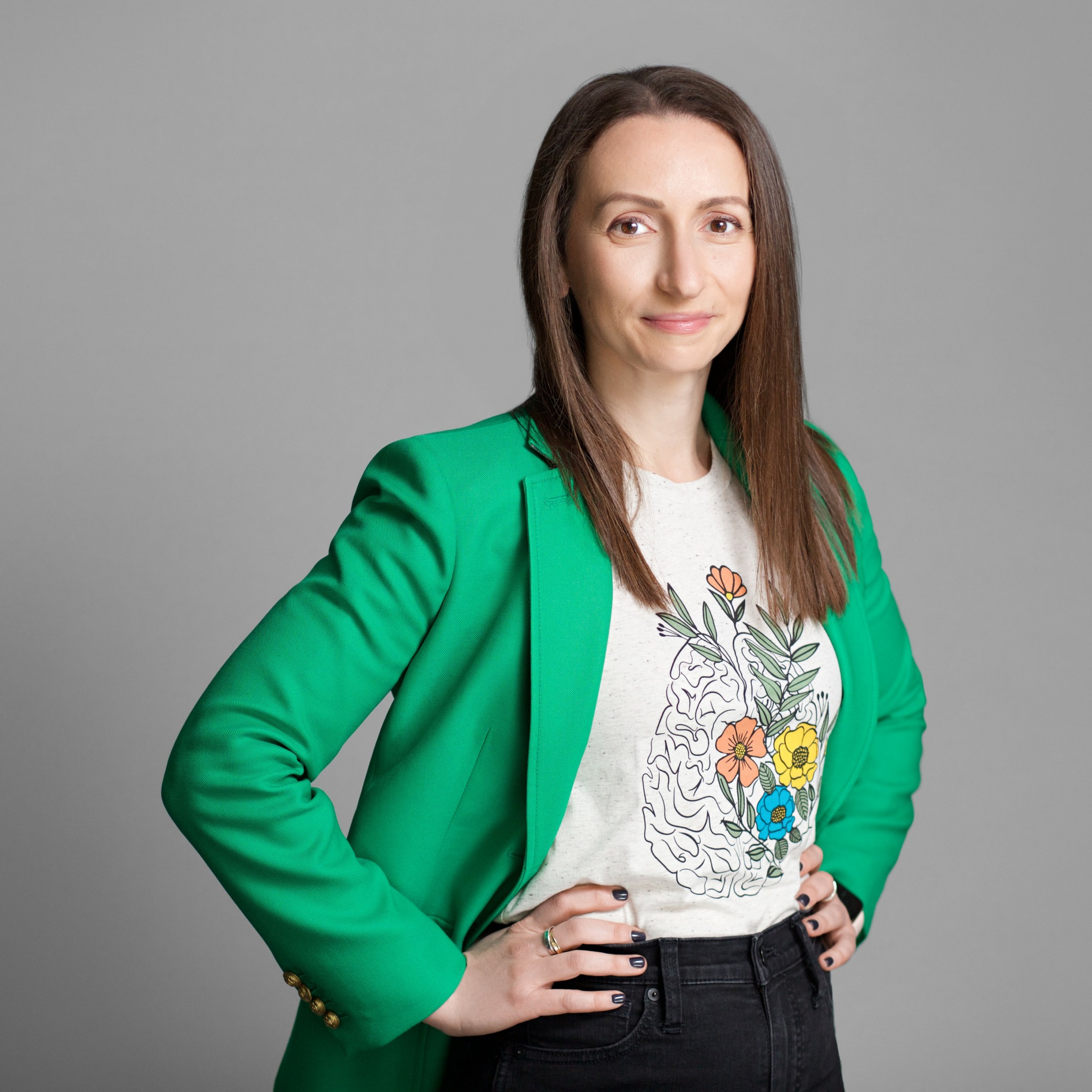
Can you share a story from your journey that illustrates your resilience?
I am an immigrant and the journey to be accepted has been interesting, to say the least. There were moments during my elementary school years when I first arrived in the United States that were incredibly challenging. And, at the same time, the way I was raised was that there’s no room for failure.
We had to be grateful for even having the opportunity to be in this country and sometimes I wish someone had asked me about the mental and emotional toll. I think resilience is something that drives you to overcome challenges and obstacles. It highlights your strengths and tells you to keep going. I am forever grateful that my parents gave me this drive and push to succeed.
On the flipside, it comes with a cost. A cost of an emotional burden that takes quite a bit of unpacking and therapeutic work to figure out. And then you finally “get” that your brain isn’t like the brain of most other individuals. Your nervous system takes on the world in its own way, which is actually okay.
I’ve learned, and continue to learn, that the coping and defense mechanisms that I developed from a young age were necessary, they propelled me toward success, and that I can still rely on them like a dear friend when needed. As I continue to dig deeper, I connect to the kids I see in my practice even more. I notice myself in some of them and I am certain they feel it too.
Parents have said, “there’s something about this place,” that resonates with them and their kids. It’s like a knowing of safety, security and trust. And it all comes from my own journey.
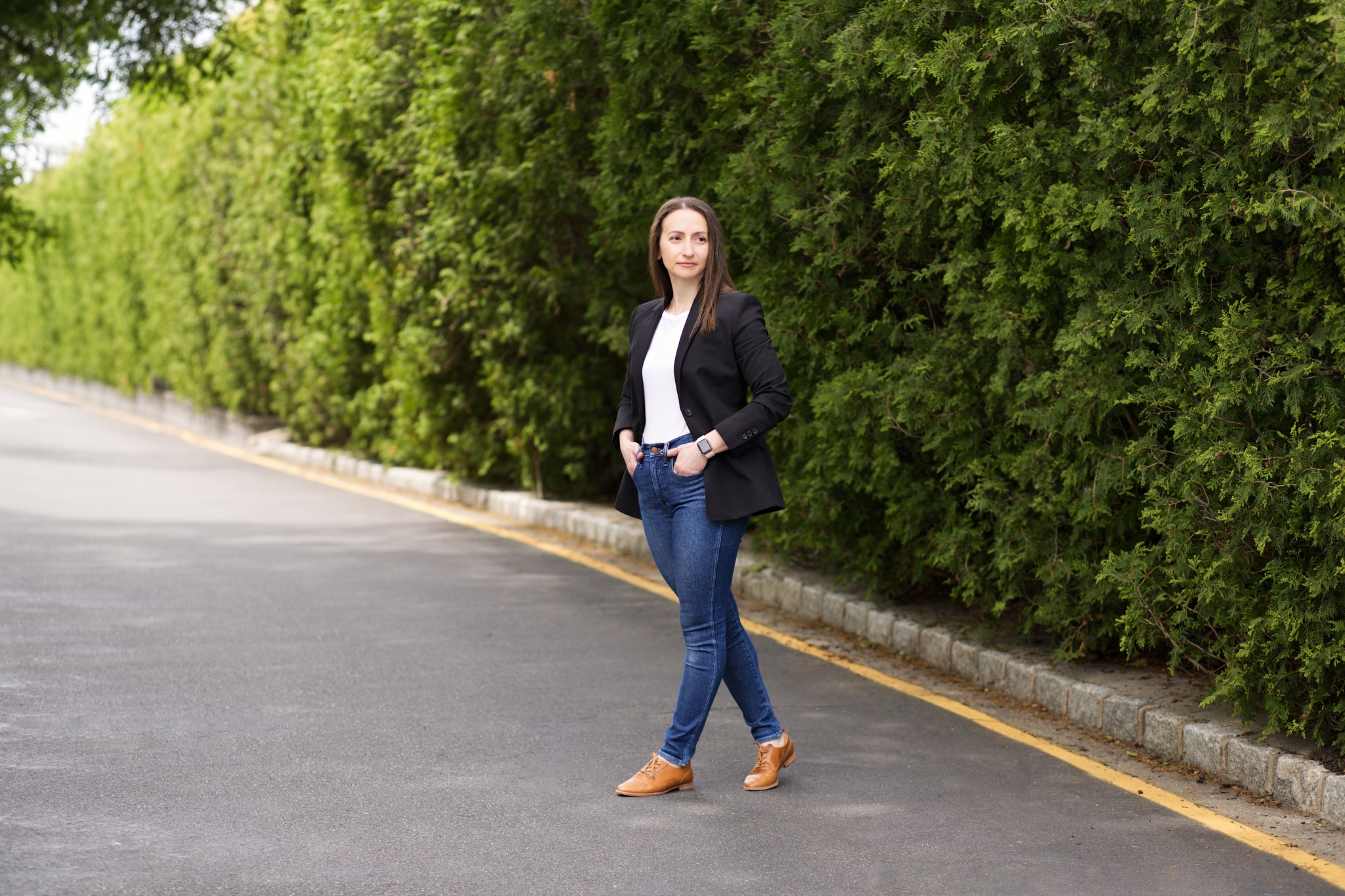
Training and knowledge matter of course, but beyond that what do you think matters most in terms of succeeding in your field?
I think that accepting that you don’t know what you don’t know is one of the most helpful ways to think about the ever evolving field of language. Yes, knowledge is valuable, and it also depends on where you go to find that knowledge. It’s remaining in what’s called a state of wonder, and being curious about the “why” and the “how.”
When you accept that learning a new idea can (and most of the time will) challenge your preconceived notions, you are going to grow as a practitioner. Also, part of the process is letting go of what you think you know, or even what you’ve practiced for decades. Being open to that kind of change is transformational because it will guide you to cognitively shift as a learner. When you shift your perspective, you shift how you show up, and when you shift how you show up, kids follow.
Contact Info:
- Website: https://playtolearnconsulting.com/
- Instagram: https://www.instagram.com/playtolearnconsulting/
- Facebook: https://www.facebook.com/playtolearnconsulting/
- Linkedin: https://www.linkedin.com/in/polina-shkadron-ma-ccc-slp-msne-ctp-adhd-rsp-3324a3126/

Image Credits
Irina Peschan Photography