

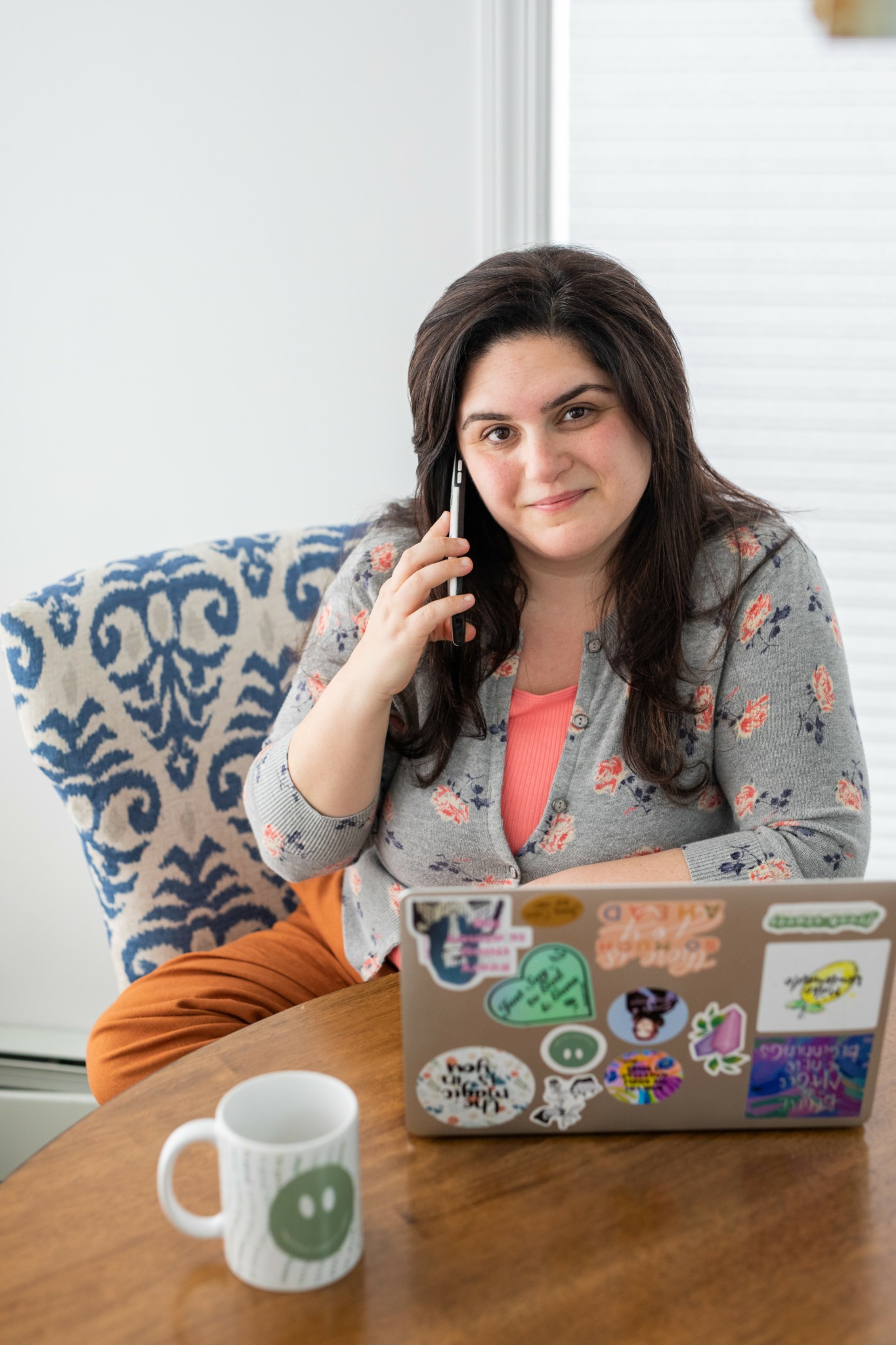

Alright – so today we’ve got the honor of introducing you to Olivia Howell. We think you’ll enjoy our conversation, we’ve shared it below.
Olivia, looking forward to hearing all of your stories today. How did you come up with the idea for your business?
The idea for Fresh Starts Registry came to me in one of those painfully ordinary-but-life-altering moments. It was November 2019, a few months after my divorce was finalized. I was sitting on the floor of my bedroom in the house I had stayed in—the “marital home”—and looking around at what was left…and what wasn’t. My ex had taken his instruments, the recording gear, the coffee table, books, furniture. The gaps in the house felt louder than what remained. It was like living inside a before-and-after photo, but I was stuck in the middle. The space was technically “mine,” but it didn’t feel like home anymore. It felt like a ghost town of a life that no longer fit.
In that moment, I remember thinking something very simple: People have wedding registries. Why isn’t there a registry for divorce? We celebrate weddings, babies, engagements, housewarmings—there are systems and rituals and Target scanners for that. But when someone makes the gut-wrenching, brave choice to leave a marriage and rebuild their life? At best, you get a “you got this” text and maybe a wine night. No structure. No roadmap. No way for your people to show up with actual, tangible support. I didn’t want pity. I wanted help—a coffee maker that was mine, bedding that felt like a reset, a few items that said: This is the beginning of your next chapter.
At first, the idea felt almost too obvious. I started turning it over in my head, the way my marketing brain does: Divorce is one of the most common and most stressful life events, and yet there was no centralized way to support people through it—not practically, not emotionally. I had grown up in a family touched by divorce, and here I was, a work-from-home mom running a six-figure marketing agency, and I still had no idea where to turn. If someone like me—resourced, internet-savvy, with a supportive sister—could feel this lost, what about everyone else? That was my first clue this wasn’t just a cute idea; it was a real gap.
When I told my sister Jenny about it, she got it immediately. At the time, she was still engaged and living in New York, in a completely different season of life. But she understood the emotional and logistical holes I was trying to fill. Then, about a year later, her own decade-long relationship ended. She left her apartment with basically a suitcase and had to rebuild from the ground up. Suddenly, we had these two mirror-image experiences: I had stayed in the marital home with memories and missing furniture; she had left with almost nothing and was starting from scratch. That dual perspective is when the idea stopped being theoretical. It became urgent. We weren’t just solving my problem anymore—we were seeing a pattern.
Logically, it made sense on every level. Divorce is the second most stressful life event after death, and yet there’s almost no infrastructure around it. There was no registry, no central support hub, no place you could go and say: “I’m getting divorced. What now?” We saw three huge gaps: people needed things (to rebuild their spaces), experts (to navigate the legal, financial, and emotional maze), and education (clear, shame-free guidance). And all of that needed to live in one trauma-informed, non-judgmental ecosystem. No one else was doing that. That combination—a registry + vetted experts + free education—felt totally unique and also strangely obvious, like it should have existed already.
What got me most excited wasn’t just the business model, though. It was the chance to rewrite the story. I wanted Fresh Starts to be the place where someone could say, “I’m leaving,” and instead of whispers and side-eyes, they’d be met with: “Okay. Here’s your registry. Here’s your support team. Here are resources written in plain language. Let’s build your next chapter.” I knew it was a worthwhile endeavor because every time I spoke about it—whether to friends, other divorced moms, or professionals in the space—people lit up and said, “Oh my god, where was this when I got divorced?” That’s when I knew: we weren’t just creating a business. We were building the thing so many of us had needed and never had.
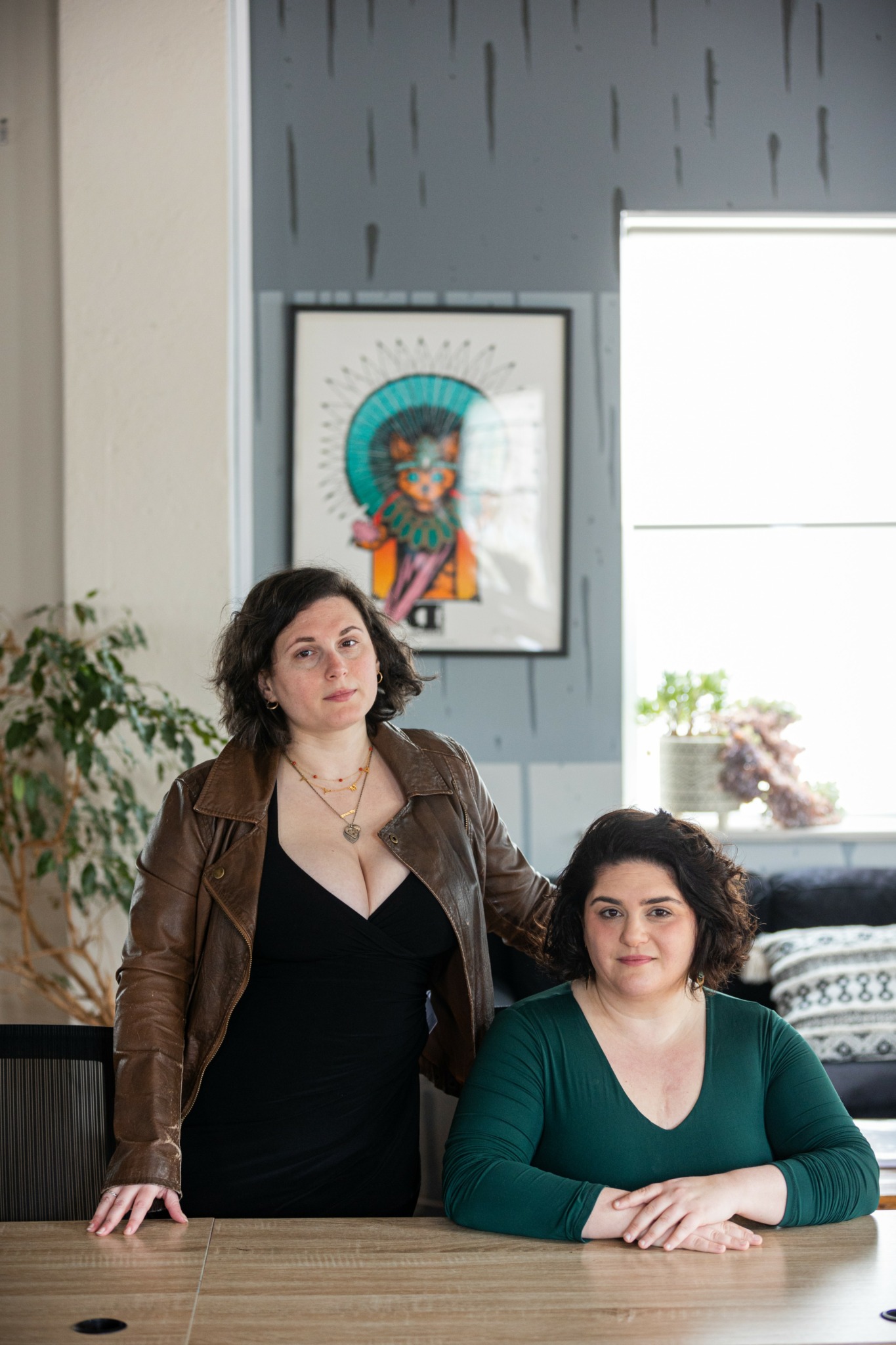
As always, we appreciate you sharing your insights and we’ve got a few more questions for you, but before we get to all of that can you take a minute to introduce yourself and give our readers some of your back background and context?
I’m Olivia Dreizen Howell, and the simplest way to describe what I do is this: I build support systems for people who are starting over. I’m the co-founder and CEO of Fresh Starts Registry, the world’s first divorce registry and a broader support platform for people going through big, brave life transitions like divorce, job changes, coming out, and grief. I’m also a clinical hypnotherapist, neurolinguistic practitioner, certified life and success coach, writer, and single mom of two boys. Before Fresh Starts, I ran a successful marketing and social media agency, working on global campaigns, television shows, and even a celebrity baby registry, which meant I spent years helping brands celebrate beginnings—weddings, babies, launches, all the glossy milestones. Then my own marriage ended, and everything changed.
In 2019, a few months after my divorce was finalized, I was sitting on the floor of my bedroom in the marital home I had stayed in with my kids. My ex had taken his instruments, recording gear, furniture, books—even the coffee table. The house felt half-empty, and I felt the same. I remember looking around at the physical gaps and thinking, “We have registries for weddings and babies. Why isn’t there a registry for divorce?” I didn’t need more pity or platitudes; I needed practical support—a coffee maker that was mine, bedding without memories, the basics to make my space feel like a home again. Around the same time, my sister Jenny’s decade-long relationship and engagement ended, and she left her New York apartment with basically a suitcase, having to rebuild from scratch. I stayed in a house full of ghosts and missing furniture; she started over with nothing. That dual perspective—two sisters rebuilding in completely different ways—exposed a huge gap: divorce is one of the most stressful life events, and yet there was no infrastructure, no ritual, no central place to get both practical and emotional support. Fresh Starts Registry was born from that lived experience, combined with my background in storytelling, community-building, and marketing.
Today, Fresh Starts Registry is much more than a shopping list. We offer a free, private registry platform where people can list exactly what they need as they rebuild—kitchen basics, towels, bedding, furniture, and the small comforts that make a space feel like theirs again. We have a vetted expert directory of more than 120 professionals, including therapists, mediators, lawyers, financial planners, divorce coaches, and real estate agents, all handpicked not just for their credentials but for their compassion and alignment with our mission. We create and share free, plain-language educational resources—books, guides, glossaries, and explainers—so people can understand the legal, financial, and emotional landscape of divorce without getting lost in jargon or shame. We don’t put these resources behind paywalls or email gates, because I know what it’s like to be up at midnight Googling “how to get divorced with no money” and just needing answers. I also offer free one-on-one divorce resource consults over Zoom, where I listen, help people identify their next right step, and connect them with experts or tools that fit their situation. Those conversations are often emotional; people cry, exhale, and say things like, “I didn’t know I was allowed to ask for this kind of help,” and that’s exactly why I do this work.
Our podcast and content work extends that mission. With shows like A Fresh Story, where my sister and I talk with people about their biggest life transitions, Divorce Happens, which offers shame-free, educational conversations about the realities and logistics of divorce, and Divorce 101, a simple, educational series that breaks down divorce concepts and language, we give people companionship, language, and context for what they’re going through. Across everything we do, we’re solving a cluster of problems: the loneliness and isolation of divorce, the overwhelm and decision fatigue, the lack of clear, accessible information, and the persistent shame that still surrounds ending a marriage. We don’t collect or sell user data, our users are never our product, and our revenue comes through our expert ecosystem and partnerships rather than exploiting people at their most vulnerable. We deliberately merge the practical and emotional: we want you to have the couch and the lawyer and the script for talking to your kids and the podcast episode that makes you feel less alone.
What sets me and Fresh Starts apart is that this entire ecosystem was built from the ground up by people who have lived it, not just studied it. I’m proud that we were the first divorce registry, that we’ve been recognized in major media, and that our expert database and audience continue to grow—but what I’m most proud of are the quieter moments: the DMs that say, “I left because of your content,” the emails that read, “I didn’t know something like this existed, but I’m so glad it does,” and the clients who find professionals through our platform and finally feel supported, not judged. If you remember nothing else about me or Fresh Starts, I want you to know this: you are not a failure because a relationship ended, you are allowed to ask for help—financial, emotional, and practical—and your fresh start is worthy of support, ritual, and even celebration. My work, my brand, and my company all exist to stand with you in that in-between space—when the old life doesn’t fit anymore and the new life isn’t fully built yet—and say, “You’re not alone. Let’s build this next chapter together.”
How did you build your audience on social media?
I built my audience on social media the same way I built Fresh Starts itself: slowly, consistently, and by telling the truth. Before Fresh Starts, I ran a social media and marketing agency, so I understood strategy, analytics, and content—but building an audience around divorce and starting over was a totally different kind of work. In the early days after my divorce, I just started sharing small, honest pieces of my story: what it felt like to stay in the marital home when half the furniture was gone, how terrifying it was to Google “how to get divorced with no money,” the relief of realizing I wasn’t the only one who felt ashamed and overwhelmed. When Jenny and I launched Fresh Starts Registry, I used our channels to do what I wish someone had done for me: normalize divorce, explain the process in plain language, and offer scripts and support that felt human and kind. Things truly exploded when I leaned fully into sharing my own writing—longer, more lyrical posts about the emotional reality of divorce, single motherhood, and starting over. People began messaging and commenting, “I feel so seen,” “I thought I was the only one,” “This is exactly what I’m going through.” That’s when it shifted from “content” to real community. Our social media presence now reaches millions of people every month across platforms, not because of one flashy viral moment, but because people see themselves in what we’re saying and share it with their friends.
My approach to social has always been: lead with service, not with “strategy.” Yes, we have content pillars and plans—education about divorce, emotional validation, fresh start rituals, clips from A Fresh Story and Divorce Happens—but every post has to answer a simple question: “Will this help someone who’s in the thick of it right now?” Sometimes that help looks like a carousel explaining legal terms in Divorce 101 language. Sometimes it’s a quote about how you’re not a failure if your marriage ended. Sometimes it’s a longer caption that reads like a mini essay you stumble on at 11 p.m. in your bathroom and suddenly don’t feel so alone. We reuse concepts across formats—threads become carousels, podcast moments become Reels, book pages become posts—because people need to hear the same reassurance in different ways. And we’re not afraid to be specific and nuanced; the posts that do the best for us are often the ones that feel like they were written for one person on the hardest night of their life.
For anyone just starting to build a social media presence, my biggest advice is: don’t try to be the entire internet, try to be a person. Pick a very specific “someone” you’re talking to and speak directly to them. You don’t need to dance, lip-sync, or follow every trend; you do need to be clear about what you’re here to do and what your people are going through. Choose two or three content pillars and show up consistently around those—maybe it’s education, personal story, and behind-the-scenes. Let your posts be imperfect but honest; it’s more important that you show up than that every piece is flawless. Create series (like weekly Divorce 101 terms or regular Q&As) so you’re not reinventing the wheel every time. And remember: metrics matter, but they’re not the whole story. Some of the posts that “underperform” in likes are the ones that generate the deepest DMs and the most meaningful connections. Focus on building trust, speaking clearly, and helping your people feel less alone—and the audience will grow from there.
How’d you build such a strong reputation within your market?
I think my reputation in this space has been built on a pretty simple foundation: I tell the truth about divorce and starting over, and I keep showing up for people who are in it.
From the very beginning, I wasn’t trying to position myself as a “guru” or pretend I had it all figured out. I was very open that I was a divorced mom who had sat on the bedroom floor in a half-empty house and Googled “how to get divorced with no money.” I shared what I learned in real time, I admitted what I didn’t know yet, and I built Fresh Starts Registry from that lived experience. That honesty—paired with the fact that we truly were the first divorce registry, and that our platform doesn’t mine user data or prey on people’s pain—created a level of trust that you can’t fake. People could feel that Fresh Starts wasn’t built in a boardroom; it was built in the middle of a very real, very human heartbreak.
The other big piece has been how generously we share information. The free books, Divorce 101 explainers, scripts, guides, and the one-on-one divorce resource consults I offer—plus our podcasts like Divorce Happens and A Fresh Story—all exist to make people’s lives easier in a season when everything feels hard. We don’t gatekeep: no paywalls, no endless funnels, just clear, compassionate education. Over time, both the public and professionals in the field—lawyers, therapists, coaches—have seen that we’re consistent, trauma-informed, and deeply respectful of the people we serve. That’s what’s helped me build a reputation: I’m not just talking about divorce support; I’m in the trenches with the people going through it, and everything I create is designed to make sure they feel seen, supported, and never alone.
Contact Info:
- Website: https://www.freshstartsregistry.com/
- Instagram: https://www.instagram.com/oliviahowell/
- Facebook: https://www.facebook.com/oliviadreizenhowell
- Linkedin: https://www.linkedin.com/in/oliviadreizenhowell/
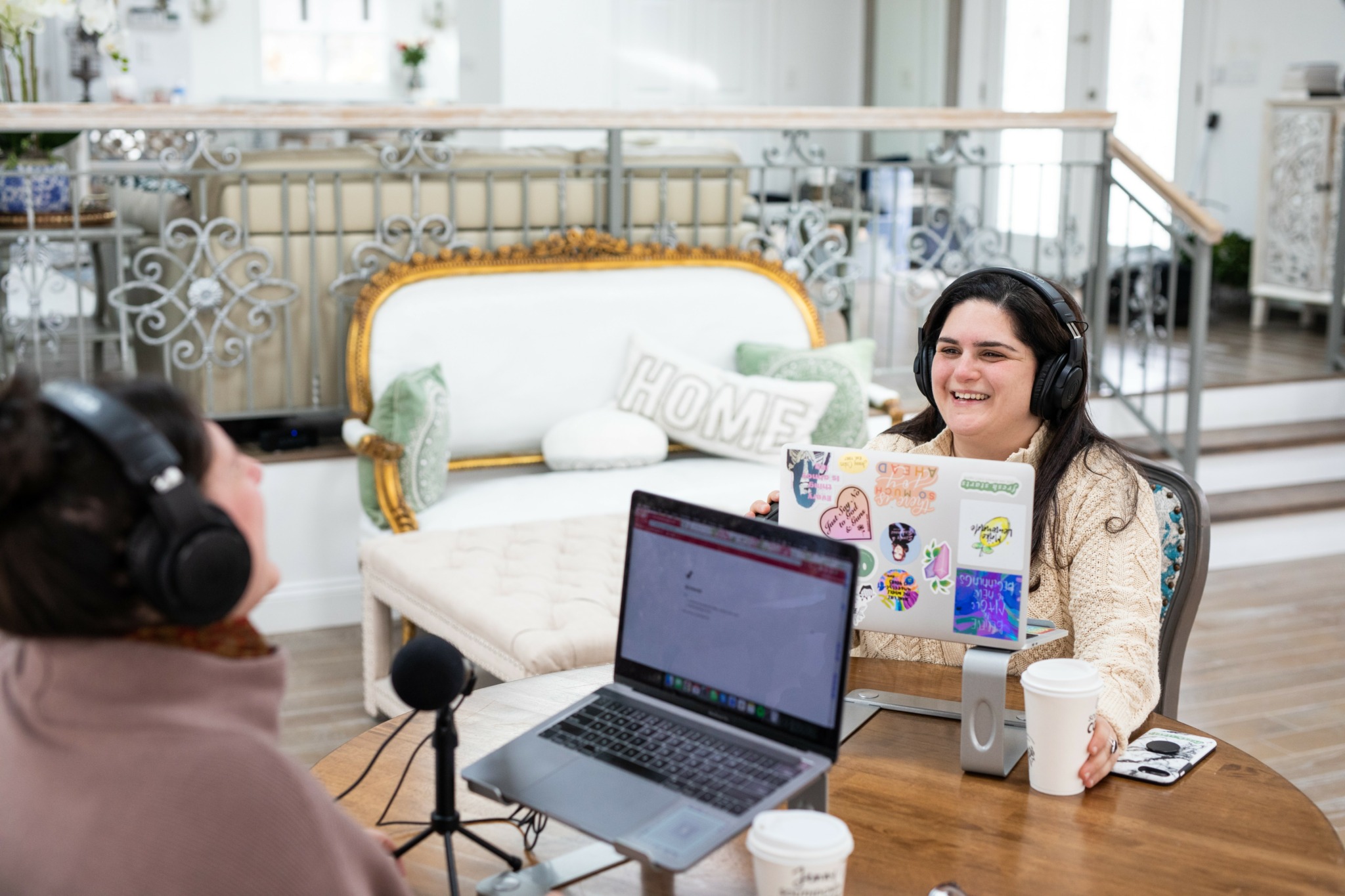
Image Credits
Terrie Alfieri Photography