



We’re excited to introduce you to the always interesting and insightful Nurhan Ora. We hope you’ll enjoy our conversation with Nurhan below.
Nurhan, thanks for joining us, excited to have you contributing your stories and insights. We’d love to hear the backstory behind a risk you’ve taken – whether big or small, walk us through what it was like and how it ultimately turned out.
Until very recently, I held a secure corporate role in tech, a position that, in today’s economic climate, felt like gold. The tech industry has been reeling from mass layoffs, and every single day, my inbox was flooded with messages from qualified professionals trying to get a foot in the door at the software company I worked for. Competition was fierce, and holding a stable job felt like the ultimate safety net.
But I was living a double life.
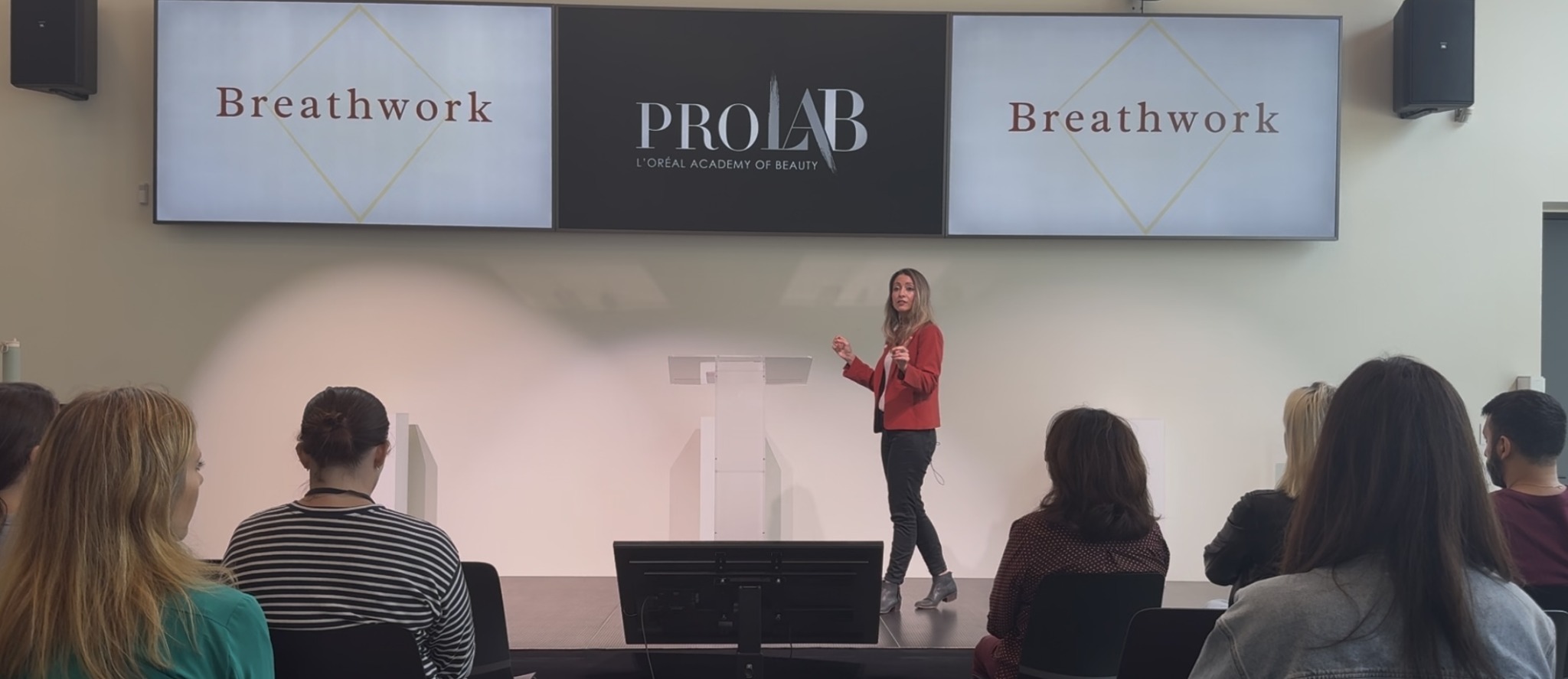
Deep down, I knew my real passion was helping people understand and manage the mental patterns that create stress, anxiety, overthinking, and pressure. Through years of studying human behavior, nervous system regulation, NLP, hypnotherapy, and neuroscience-informed change work, I eventually developed what I now call The Armor Framework — a methodology designed to help people recognize and interrupt the unconscious patterns that keep them stuck in self-protection, hesitation, and worst-case thinking. I wanted to bring this work not only to individuals, but also into companies through workshops and speaking engagements. Even before leaving corporate, I had already begun doing early-stage work with brands like L’Oréal and Wolf & Shepherd, which showed me how deeply this work was resonating in professional environments.
But the reality was, my corporate job was incredibly demanding. There simply weren’t enough hours in the day. I was stuck in a catch-22: I couldn’t fully scale the work, take on bigger opportunities, or truly test the full potential of what I was building because my corporate role required nearly all of my time and energy. I had already seen early traction through workshops and speaking engagements, but leaving still felt incredibly risky because there was no guaranteed path waiting for me on the other side.
I remember lying awake some nights wondering if I was making the biggest mistake of my life.
To find out if my vision could actually work, I had to do the very thing that felt terrifying: I had to walk away from the secure paycheck.
The day I resigned, the stakes felt incredibly high. The economy was uncertain, and the tech landscape was bleeding jobs. It was so intense that my CEO even asked if I would prefer to take a sabbatical instead — a safe, cushioned safety net in case I changed my mind or things didn’t work out.
It would have been so easy to take that lifeline. But I knew that if I kept one foot in the corporate world, I would never truly know what I was capable of. I turned down the sabbatical. On March 27, 2026, I closed my work laptop for good.
It wasn’t a perfectly calculated decision. I just reached a point where staying felt more uncomfortable than leaving. For the first time in my life, I stopped waiting to feel completely certain before moving forward.
What surprised me most was how quickly things started opening up once I stopped splitting my energy between two worlds.
For the first time, I had the space to fully focus on building this work — speaking, facilitating workshops, working more deeply with clients, and helping create experiences that help people feel more connected, clear, and honest with themselves and each other. I’m currently partnering on the launch of Elevate Summit in Austin, Texas, a live event designed to help entrepreneurs and professionals navigate growth, pressure, and personal transformation more intentionally.
At the same time, this season has also been one of the most uncomfortable and uncertain periods of my life. Leaving stability forces you to confront every part of yourself that still wants guarantees before taking action.
But that’s also exactly what this work is about.
Taking this risk taught me that growth rarely feels clean or certain while you’re inside of it. Most of the time, it just feels uncomfortable, messy, and unclear. But I’ve learned that waiting for certainty is often just another form of fear. Sometimes growth begins the moment you stop negotiating against yourself and finally move anyway.
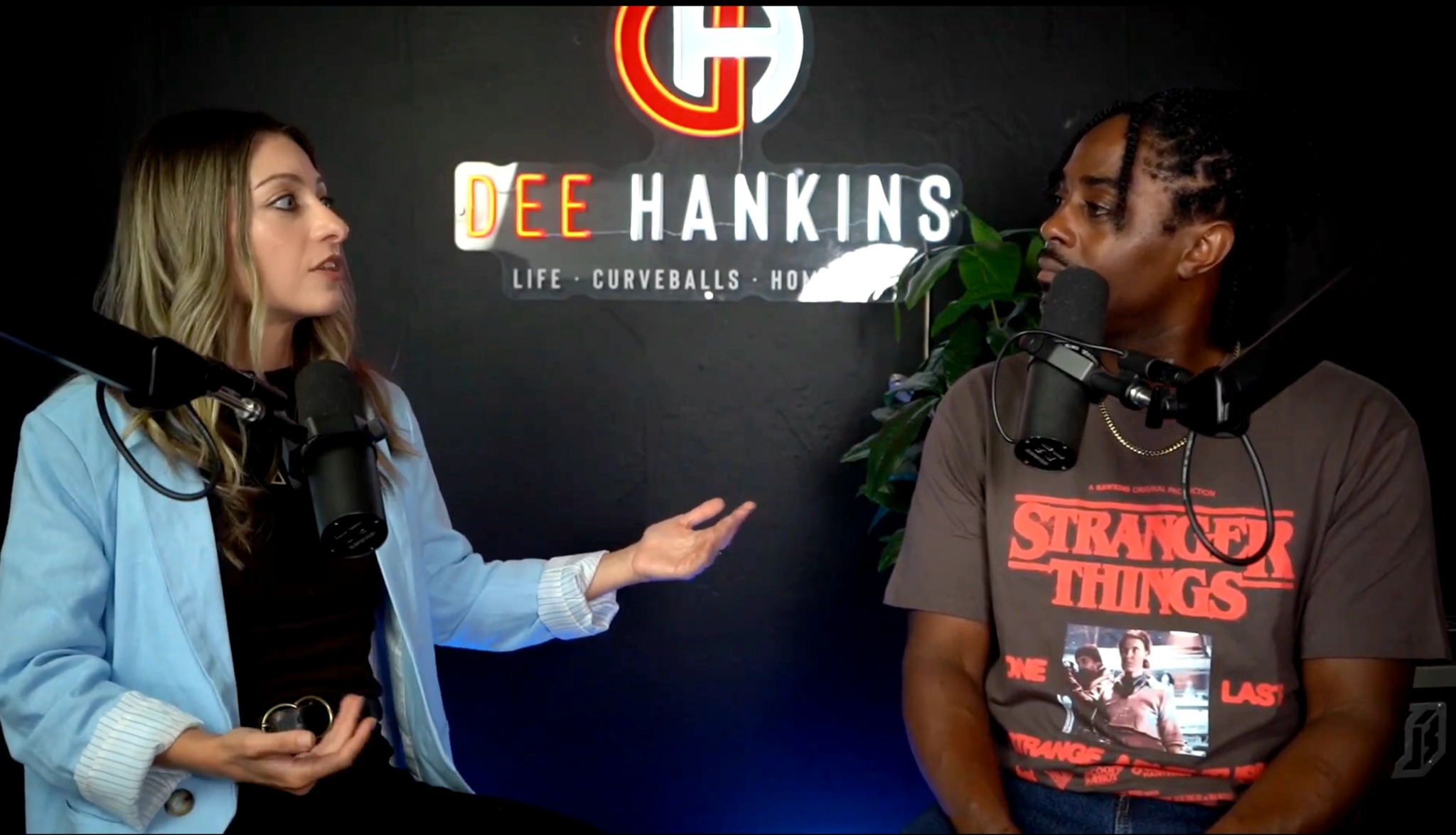
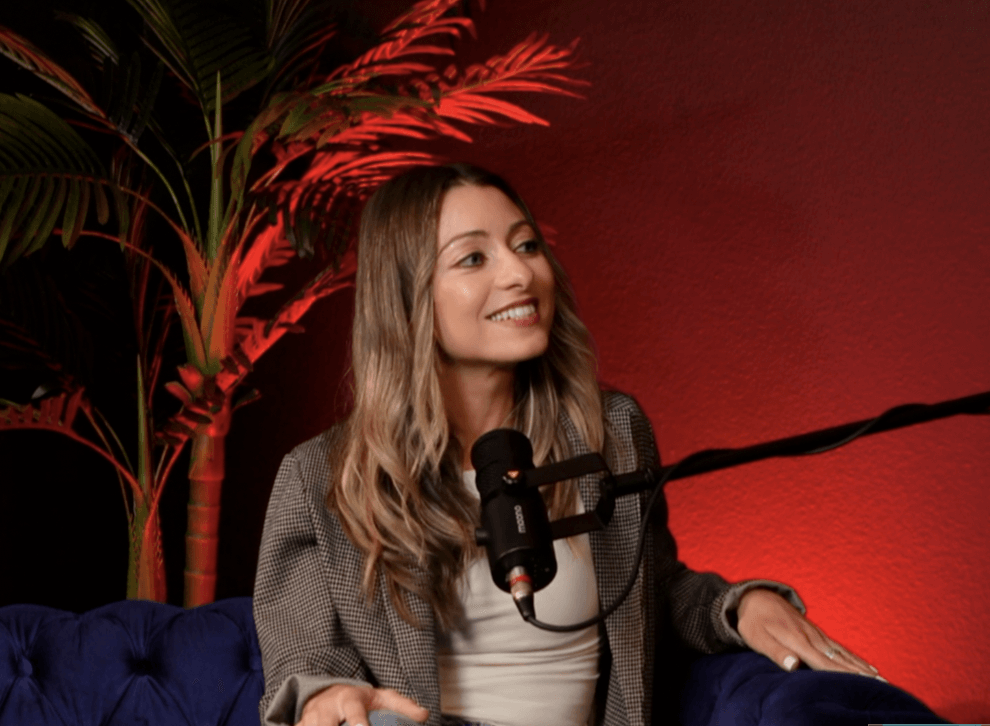
Nurhan, love having you share your insights with us. Before we ask you more questions, maybe you can take a moment to introduce yourself to our readers who might have missed our earlier conversations?
What eventually pulled me fully into this work wasn’t just professional curiosity, it was a personal crisis.
For years, I looked like someone who had it all figured out. I had built a global career across three different countries — the U.S., Australia, and Spain — working across completely different industries, from hospitality and retail to wellness, tech, and humanitarian work with organizations like UNICEF Australia and the Red Cross in Spain.
On paper, I was adaptable, ambitious, and successful. But internally, I felt like I was constantly performing a version of myself that no longer fully fit, stuck between the life I had built and the life I knew I was meant to grow into.
I spent years trapped in cycles of overthinking, second-guessing myself, and feeling paralyzed around major life decisions. I stayed in situations I had long outgrown because I was too afraid to make a change. When my personal life reached a breaking point, I realized I couldn’t continue living from a place of chronic stress, anxiety, and mental exhaustion anymore.
What started as a search for peace quickly evolved into a deep fascination with human behavior, nervous system regulation, NLP, hypnotherapy, and neuroscience-informed change work. But I didn’t just study it — I had to embody it to heal myself.
The biggest breakthrough came when I stopped blaming myself for past decisions. I realized the “old me” had made choices based on the tools, awareness, and emotional capacity she had at the time. Learning how to stop living in fear, anchor into the present, and consciously create a different future completely changed my life.
It also completely changed the way I viewed the human mind. I became fascinated by how much our thoughts, emotions, nervous system, and internal state shape not only our emotional wellbeing, but the way we experience life itself. The more I learned, the more I realized most people are far more powerful and adaptable than they’ve been taught to believe — they just don’t have the tools yet.
For the first time, I stopped feeling trapped by my own mind.
As I began applying this work in my own life, my confidence, relationships, and even my professional performance started changing dramatically. In corporate environments, my sales performance skyrocketed, and colleagues became curious about the shift they were seeing in me. Naturally, I started mentoring and training employees alongside my corporate roles because I loved watching the lights turn back on in people.
Over time, that work evolved into what I now call The Armor Framework — a methodology designed to help people recognize and interrupt the unconscious patterns behind stress, anxiety, overthinking, self-sabotage, hesitation, and worst-case thinking. In both corporate environments and personal life, I saw how many people were functioning from survival mode without even realizing it, constantly negotiating against themselves instead of trusting themselves.
Today, I work with both organizations and individuals through keynote speaking, workshops, transformational programs, and one-on-one coaching. I’m also currently building Elevate Summit with my business partner — a live event experience centered around mindset, leadership, entrepreneurship, and human transformation, with our first event taking place in Austin on June 27–28.
At the core of everything I do is one belief: people are far more powerful and adaptable than they’ve been taught to believe. Most people have much more potential than they think; they’re just stuck in unconscious patterns that keep them disconnected from themselves, trapped in fear, and afraid to move forward. My work is about helping people recognize those patterns, reconnect with themselves, and realize they’re not as stuck as they think they are.


Have you ever had to pivot?
The Evolution of Purpose: From the Red Carpet to Human Potential
My entire career has been a journey of intentional pivots, but the most defining ones weren’t about changing corporate titles—they were about aligning with my authenticity.
Out of college, I actually started in the glamorous world of celebrity PR in Los Angeles, working red carpets and securing media interviews. But within a year, I felt a profound disconnect. It was completely removed from who I genuinely was, so I pivoted. I began looking for mission-driven work, leading me to early roles in customer service and sales for household brands like The Honest Company. Driven to expand my horizons, I spent years rebuilding my life and career across three different countries—the U.S., Australia, and Spain—working at the corporate headquarters of major national retailers and hospitality brands.
But the true turning point of my professional life came when I landed a role at the UNICEF Australia head office.
Working on emergency campaigns and marketing to support fundraisers raising money for countries in crisis completely shifted my worldview. For the first time, I felt the beautiful weight of making a real impact. It woke something up inside me. I realized that, above all else, my life’s purpose was to help people move out of suffering.
Following my time at UNICEF, I returned to California and spent the next eight years navigating demanding, high-pressure corporate environments, ultimately shifting into the tech sector where I managed the industry’s highest-paying Enterprise accounts.
Even though I was succeeding financially and professionally, my perspective had permanently shifted. Witnessing global, real-world crises through my humanitarian work made me look at the corporate world through a completely different lens. I looked around at brilliant, highly capable professionals and realized that so many of us are trapped in internal crises of our own making. We are paralyzed by anxiety, drowning in stress, and letting fear dictate our choices. We operate entirely from a place of pure survival instead of a place of true creation.
That realization is what drove me to dive obsessively into the mechanics of deep human transformation. I immersed myself in transformational change work, mindfulness, and the profound science behind how we break old patterns. I wanted to master everything surrounding the actual process of change—how the mind shifts, how we regulate our internal state, and how we step out of survival mode. To ground this personal journey in professional expertise, I ultimately went on to become a licensed Neuro-Linguistic Programming (NLP) practitioner and certified hypnotherapist.
I didn’t just want to help people survive their day-to-day pressure; I wanted to give them the actual tools to realize their full potential and stop conforming to lives they had outgrown. It’s exactly how The Armor Framework™ was born.
Connecting the dots from celebrity PR to UNICEF made it impossible for me to stay in a comfortable corporate box. It gave me the ultimate clarity and courage to take a massive leap of faith this year—quitting the corporate world for good to dedicate my life to helping people dismantle their armor, trust themselves, and finally start living.

What’s a lesson you had to unlearn and what’s the backstory?
The deepest lesson I had to unlearn was believing that my worth came from how useful, likable, or understandable I could be to other people.
That pattern started in childhood after my family immigrated from Azerbaijan to the United States. I suddenly found myself in a completely unfamiliar world where I didn’t speak a single word of English. I still vividly remember standing against the gym wall during recess while kids picked teams for kickball, feeling completely trapped inside my own mind because I couldn’t communicate.
I was usually picked last. And I still remember the look of annoyance on one kid’s face when I ended up on his team because I didn’t even know how to play the game.
As small as that moment sounds, something very deep formed inside me. I subconsciously learned that in order to feel safe, accepted, and wanted, I needed to hyper-adapt. I became incredibly attuned to other people’s emotions, constantly trying to anticipate what others needed from me so I would never feel like a burden again.
That pattern followed me into adulthood. On the surface, it looked like I was highly social and naturally good with people. But internally, I was exhausting myself trying to be understood, accepted, and emotionally “safe” in every environment I entered.
I spent years overextending for other people, prioritizing everyone else’s comfort over my own, and staying in situations I had long outgrown because I was afraid of disappointing people or making the wrong move.
At some point, I realized I was still living like that little girl standing against the gym wall, trying to earn belonging instead of trusting that I already deserved it.
That realization changed everything.
Through years of inner work, transformational change work, mindfulness, and studying human behavior, I slowly began unlearning the belief that my value depended on external validation. I learned that the “old me” was simply using the tools she had to survive, but that I no longer needed to abandon myself in order to feel accepted.
Ironically, unlearning that pattern is what finally gave me the courage to leave a secure corporate career and fully step into the work I do today.
Now, when I work with teams and individuals, I see versions of that same pattern everywhere — brilliant, capable people overthinking themselves into paralysis, ignoring their own boundaries, shrinking themselves to avoid judgment, or constantly seeking permission to move forward.
A huge part of my work is helping people realize they no longer need to live from protection mode. They can stop negotiating against themselves, trust their own voice, and finally move through life from a place of self-trust instead of fear.
Contact Info:
- Website: https://nurhanora.com/
- Instagram: https://www.instagram.com/nurhanora/
- Linkedin: https://www.linkedin.com/in/nurhanbabazade/
- Other: TikTok – https://www.tiktok.com/@nurhan_ora?_r=1&_t=ZP-96ioNQ401kt
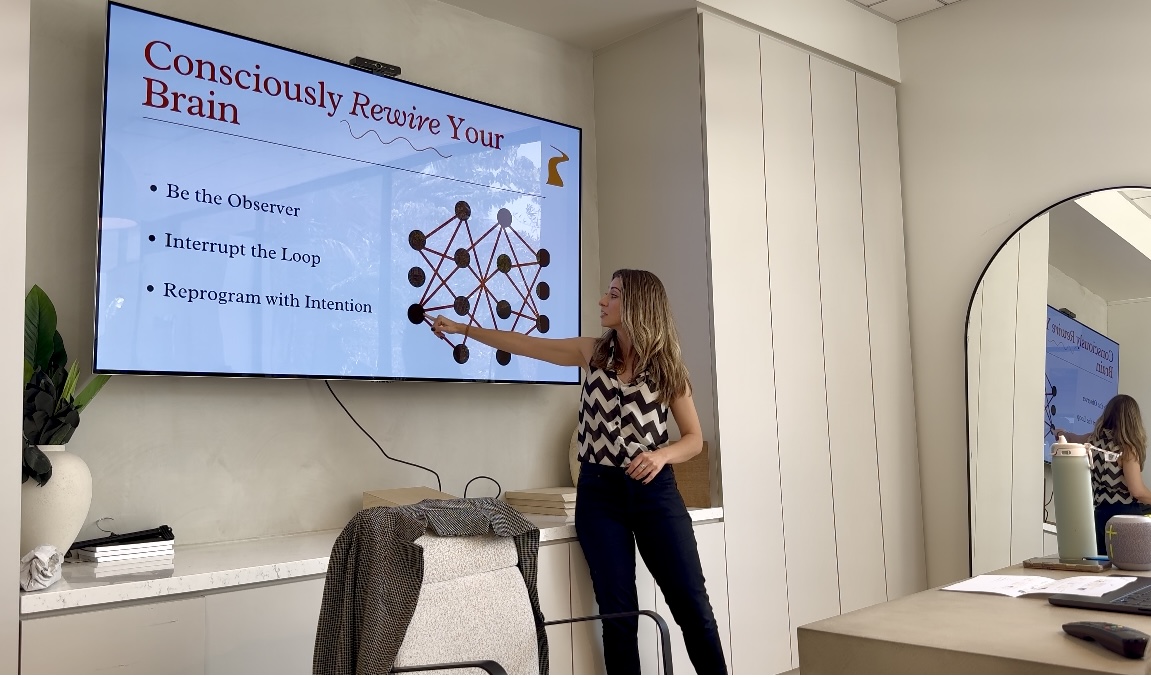
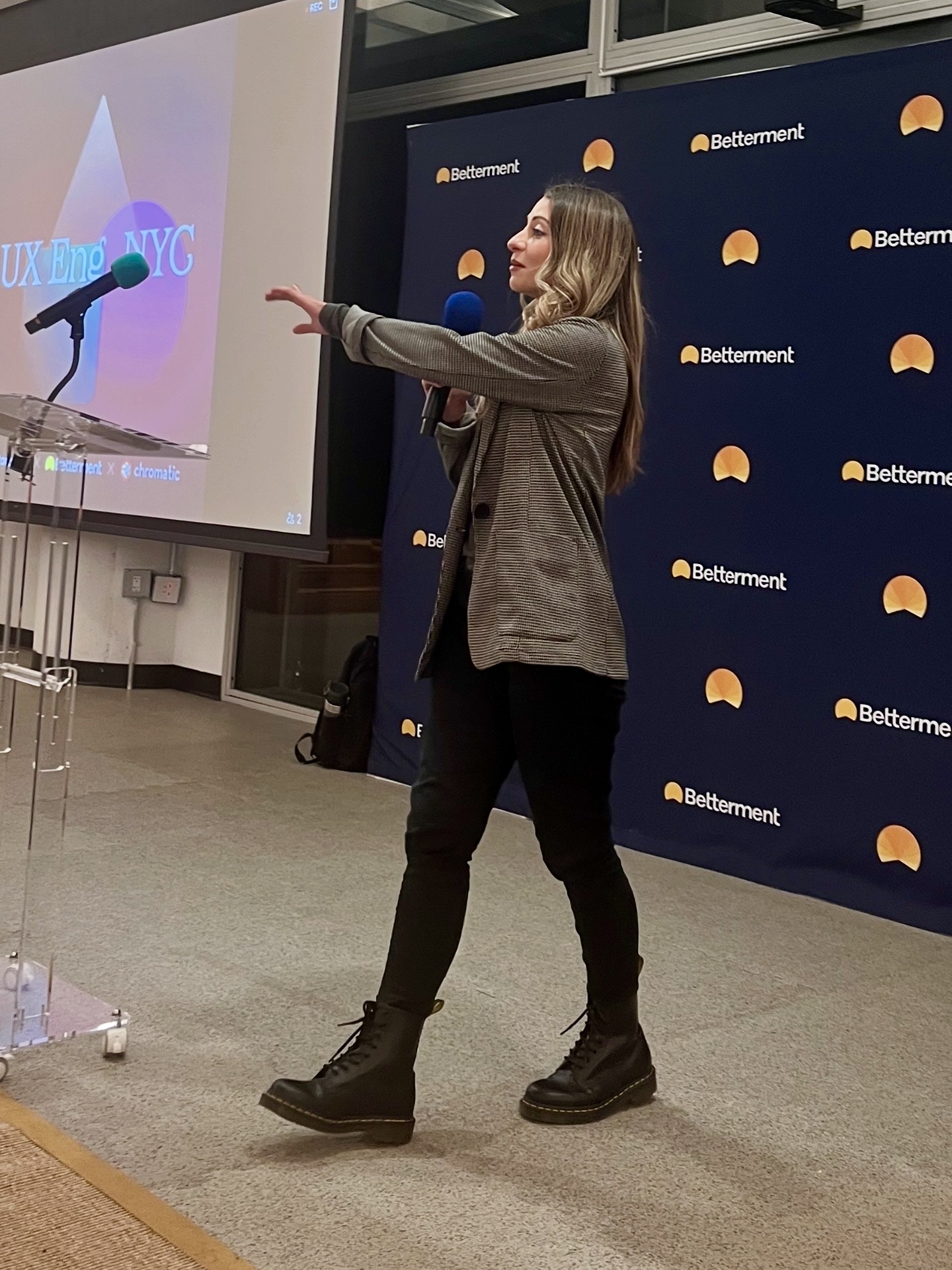
Image Credits
Headshot photo credits to the libra creative – website – thelibracreative.co