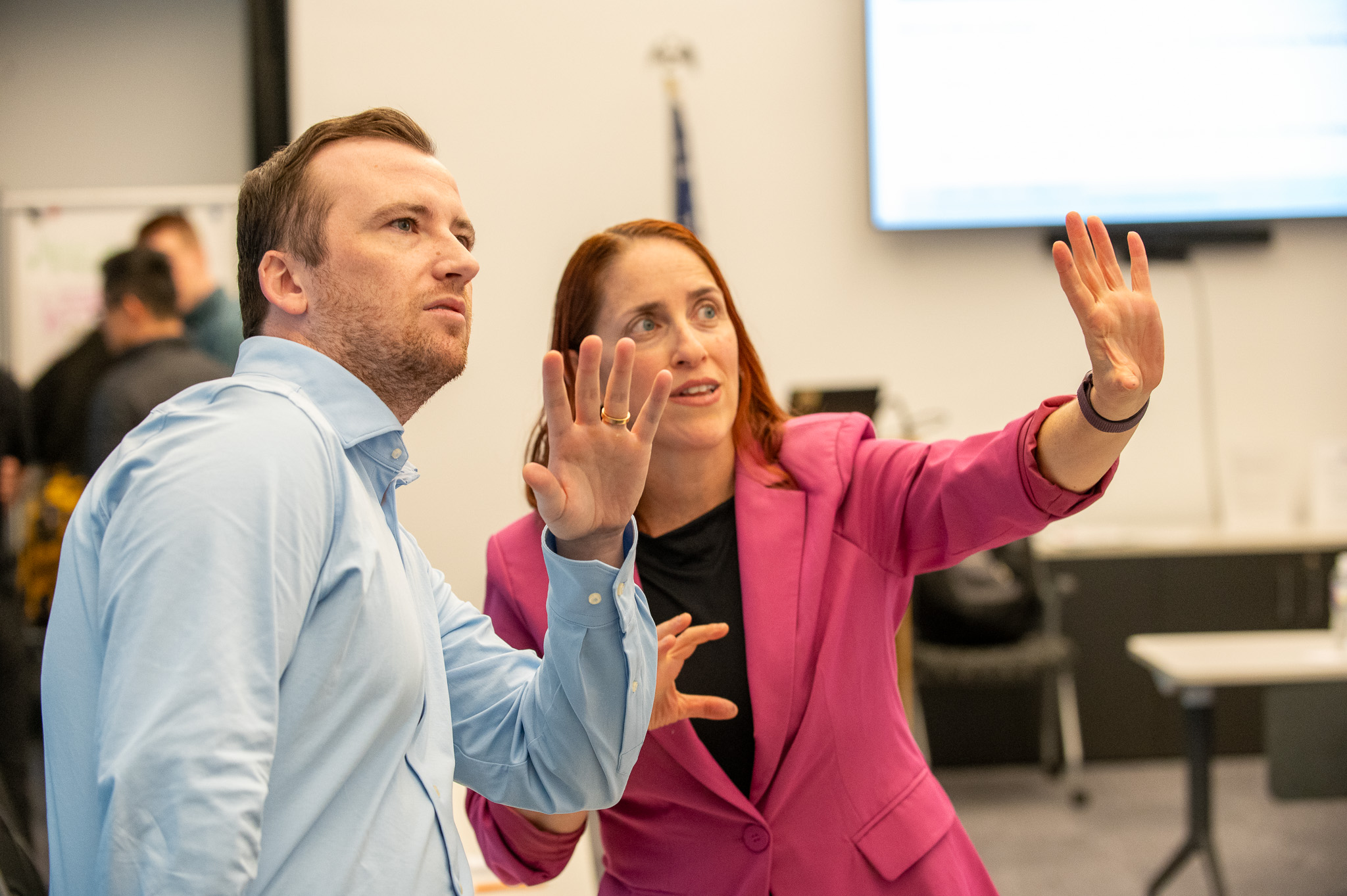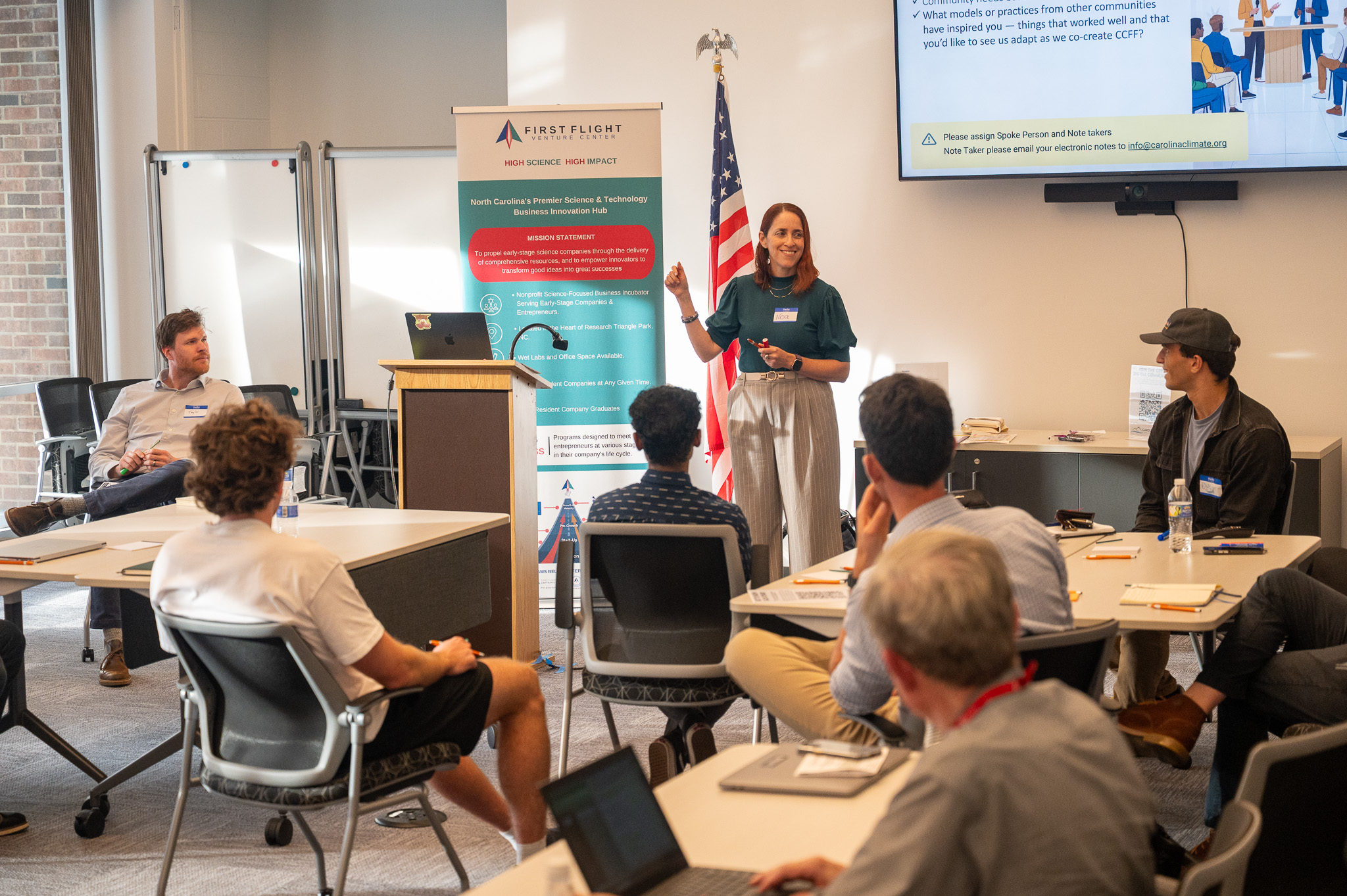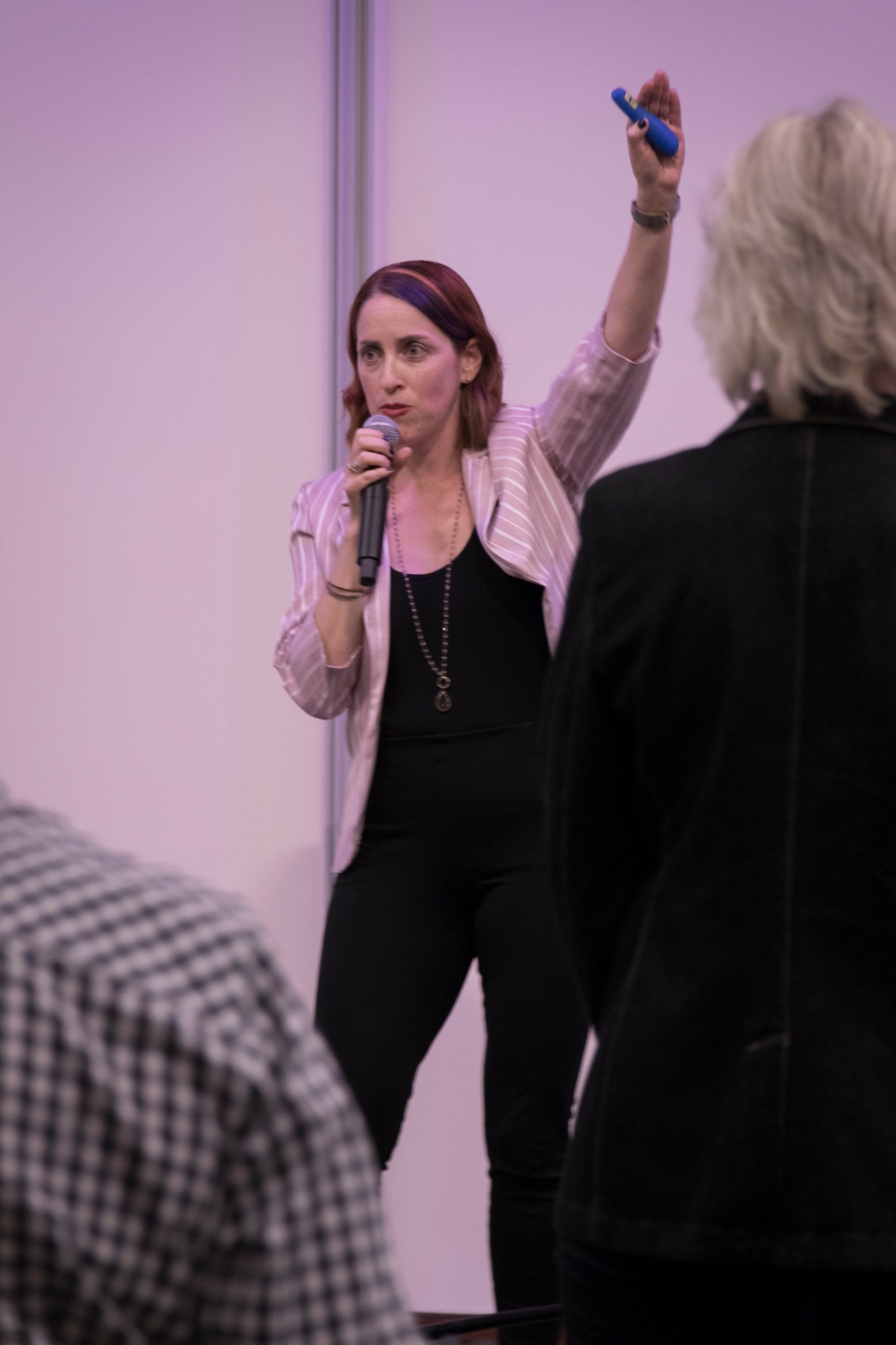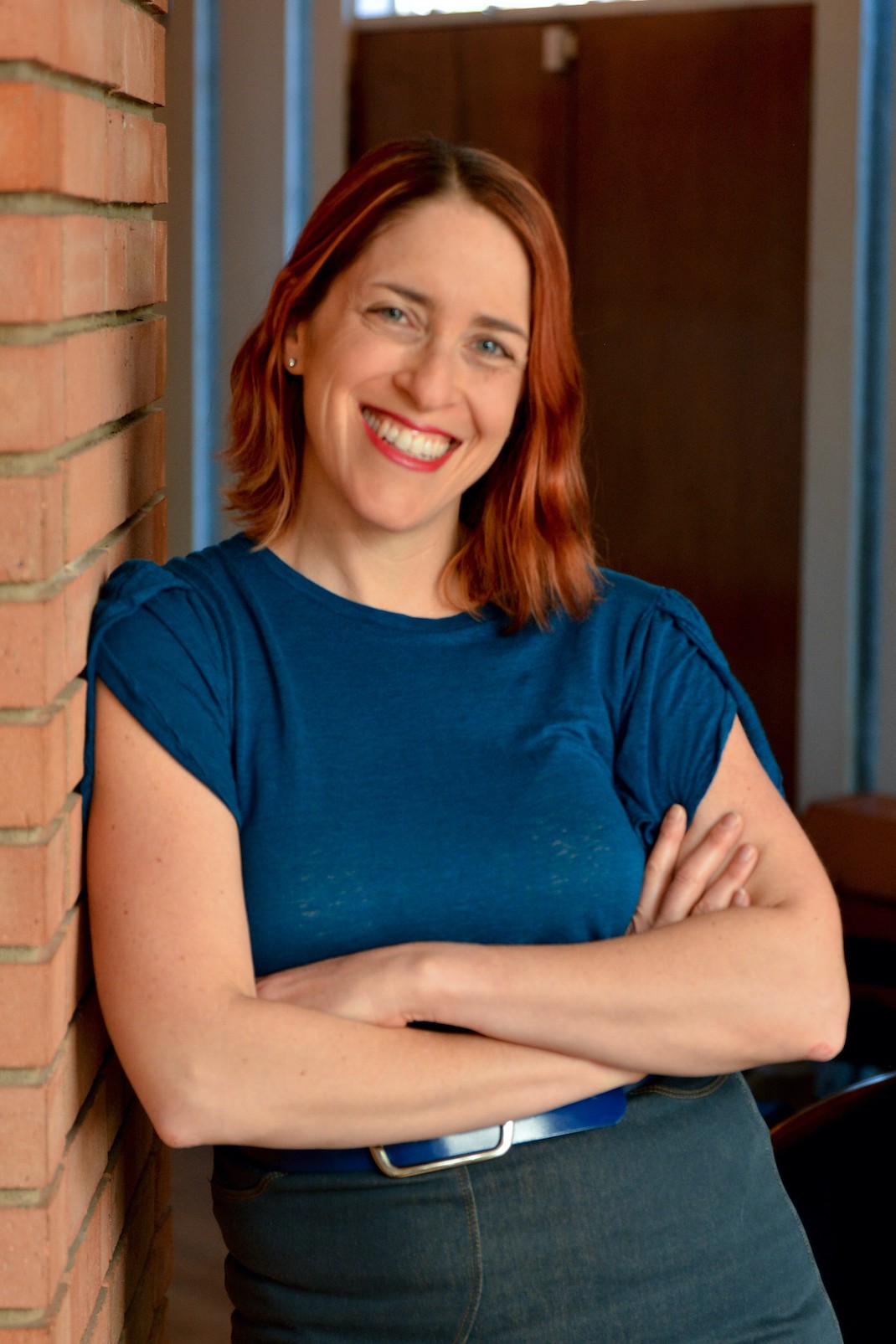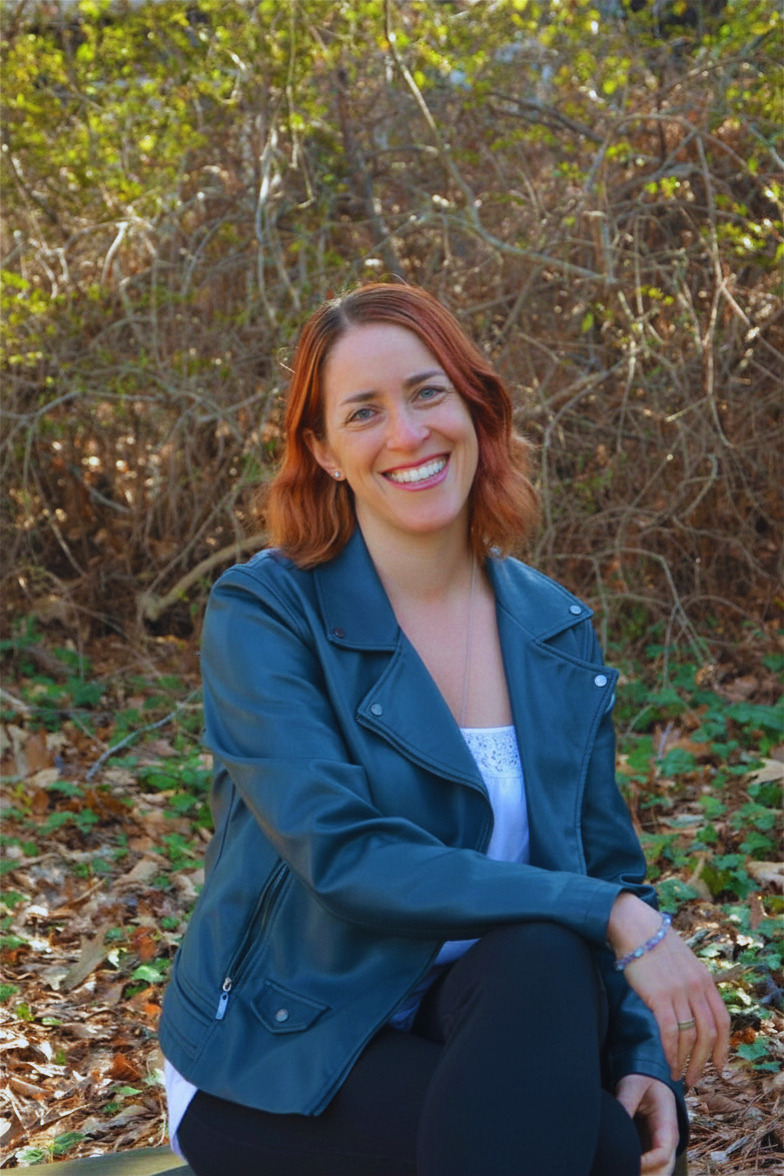

We’re excited to introduce you to the always interesting and insightful Noa Ronen. We hope you’ll enjoy our conversation with Noa below.
Noa, thanks for taking the time to share your stories with us today Getting that first client is always an exciting milestone. Can you talk to us about how you got your first customer who wasn’t a friend, family, or acquaintance?
I was still in coach training when I pitched my first idea. I approached a community leader and proposed a circle for women who felt stuck — not because I had a perfect business plan, but because I went back to what I knew. Before coaching, I spent years as a consultant taking organizations through technology implementations and large-scale change. Working with groups was always where I found the most energy. So that is where I started.
I called the circle “Get Connected.” Fifteen years later, that name would become the core of what I built — Coaching Connection, and now ADVAgo, a company built entirely around the idea that meaningful peer connections are what actually move people and organizations forward. I did not see that then. I just knew it felt right.
In less than two months, every woman in that circle had shifted something real in her career or life. What surprised me was not the individual change — it was what happened between them. They started challenging each other. Holding each other accountable. Referring each other forward. One conversation became ten. That ripple effect was not something I designed — it revealed the model I would spend the next several years building intentionally for leadership teams.
The first clients came through referrals from that circle. It was not fast, and it was not dramatic. And I think that is what people miss — momentum does not always build more momentum. Sometimes it just builds the muscle to keep going. Because business owners, in a way, are reluctant hope builders.
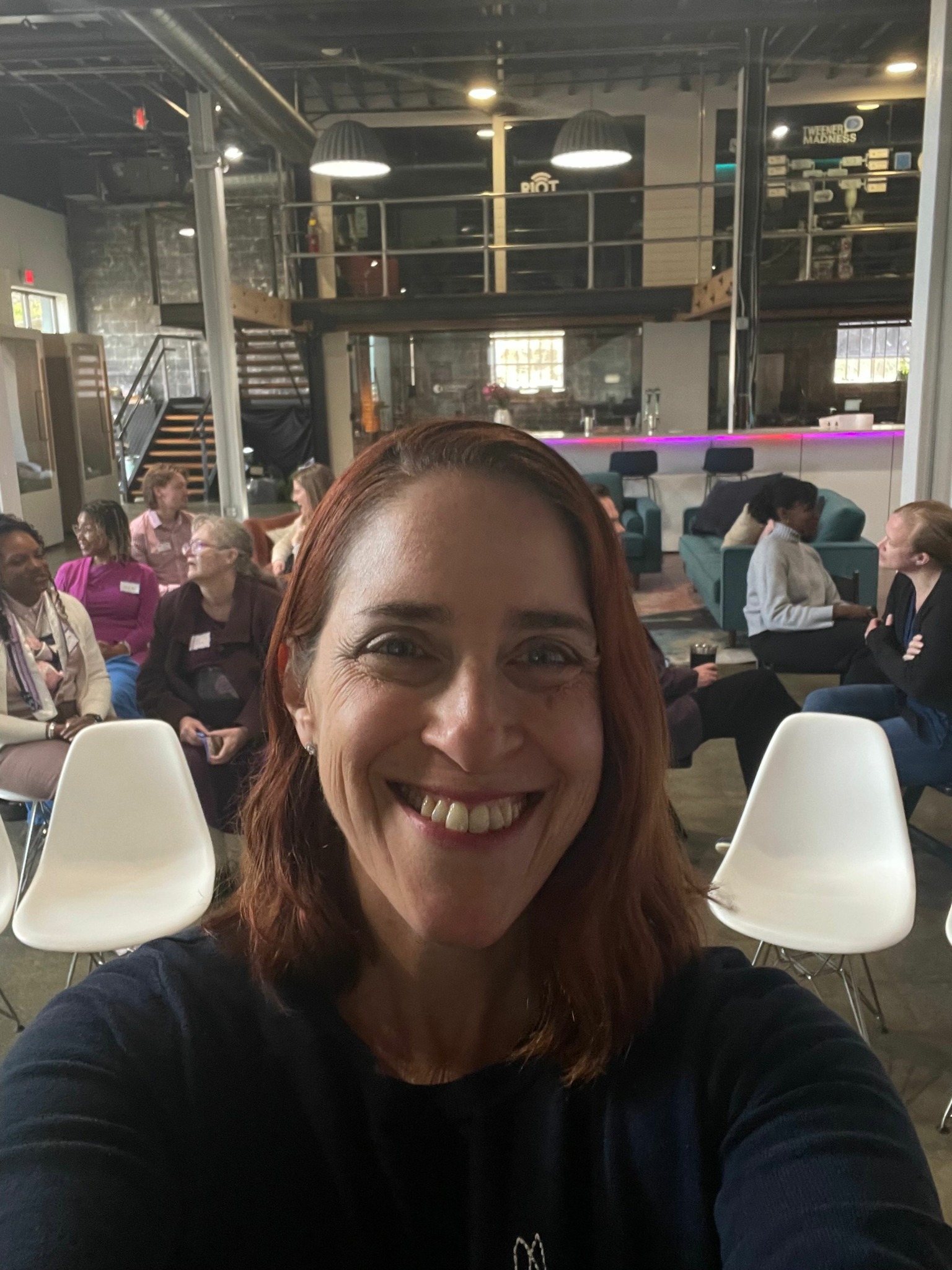
Noa, before we move on to more of these sorts of questions, can you take some time to bring our readers up to speed on you and what you do?
I have spent my entire career at one intersection: leaders, change, and the space in between of human connection.
It started in the Navy, helping officers understand how to lead their people — how to develop and grow them so their people trust them in moments of life and death. Then, as a change management consultant, I helped large companies move from paper to expensive ERP technologies. The technology was never the hard part. The hard part was the fear — that the system would take their knowledge and their jobs, that they were disposable. Leaders had to hold their teams together while everything shifted under them. Sound familiar? That fear did not disappear. It just changed its name to AI. And processes that took three years now take three weeks. That is intense — and it changes how we lead, collaborate, and build skills, if we build them at all.
Then our family relocated to the US. I learned firsthand what it means to navigate a new culture while still being expected to build trust at scale, and started working with global leaders and teams to build bridges and curiosity across cultures and continents.
The leaders, teams, companies, and communities I work with are not struggling because they lack talent. The problem is that the faster we go, the less we see. People moving fast, but not together.
We create space to build awareness and connection — and then collaboration and alignment follow. Peers reach out to one another and bring curiosity. We embed peer coaching as a behavior change system, regardless of the context in which we partner. What we notice — whether it is a room of 1,000 people or a team of 10 — is how quickly skeptical or uninterested people start building meaningful connection skills and curiosity about each other without being taught a single skill. Instead of “it was interesting,” we hear “I tried it with my team.” “I am modeling it and expecting my people to do the same.” Leaders encouraging their own people to go through what we do — building skills without teaching skills. That is the multiplier.
I am a speaker and author of Beyond Leadership: From AwareLess to AwareNess. And today we take this work from the individual to how the individual is part of the system — focusing on both the uniqueness of the individual and the impact of the system.
But what I am most proud of has nothing to do with credentials. It is that I have spent my whole career building bridges — between people, between cultures, between where a team is and where it needs to go. ADVAgo is just the most intentional version of that work yet.
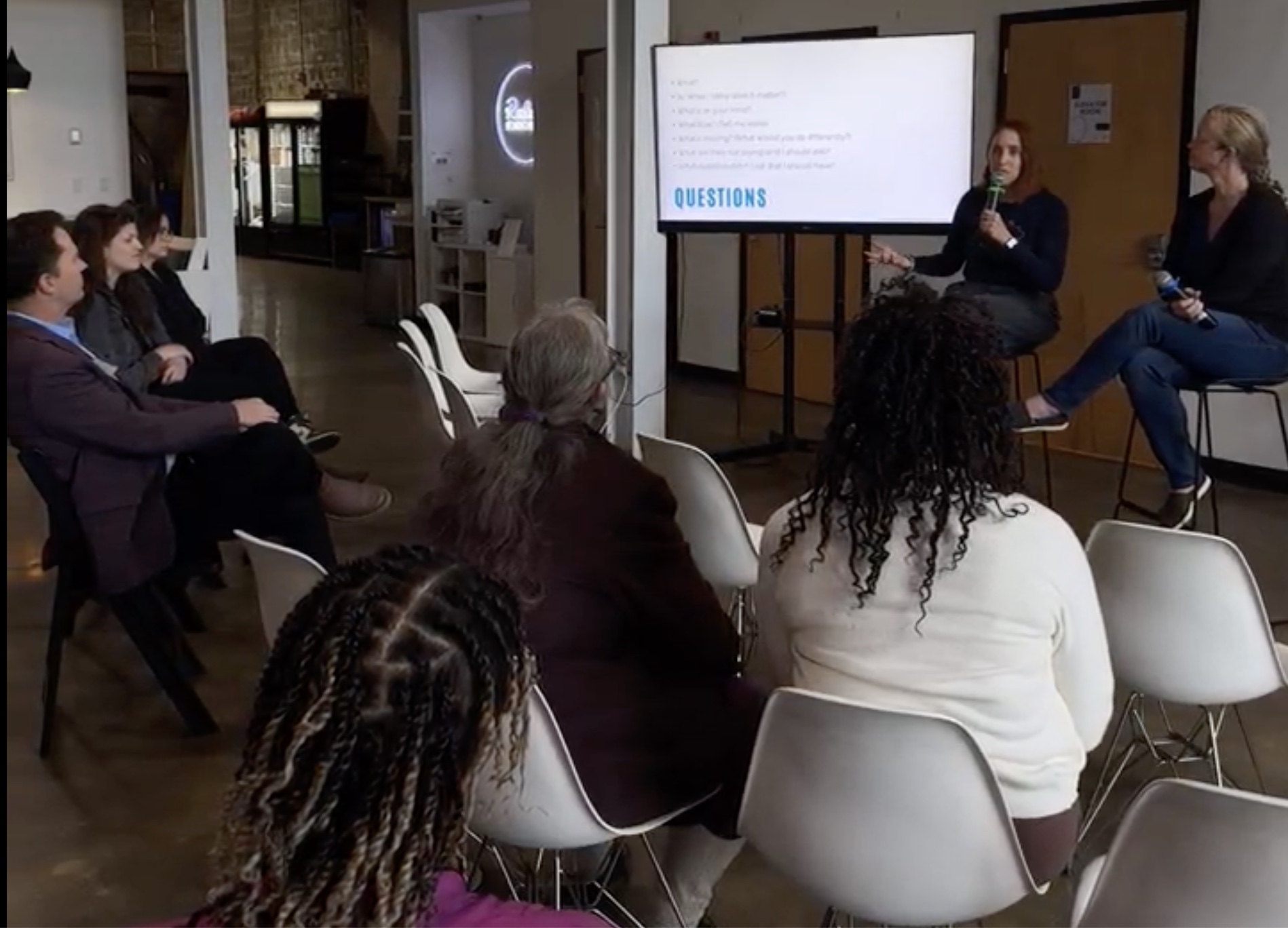
Let’s talk about resilience next – do you have a story you can share with us?
When my family relocated to the US, I felt stuck in a way I had never felt before. I had worked on meaningful, challenging projects before the move. Suddenly, I was navigating a new culture, working in my second language, and feeling like I was not operating from my strengths. Eventually, I resigned and took a break.
During that time, blogging started showing up everywhere. For years, I had wanted to write, so I decided to start a blog — not as a strategy, not even sure what would show up out of it, just as a way to process. And something unexpected happened. People who read my blog started calling me and asking if I could coach them. Different people, same ask.
I was curious enough to follow that signal. I did not even know what coaching was. I looked into it, went to my first training, fell in love with the methodology, and spent a full year getting certified. I never did coach the people who had called me after reading my blog — but I am grateful they saw something in me when I could not see it in myself.
This is why I am a huge believer in the importance of human connection. We, humans, have the ability to help each other thrive — but only if we choose collaboration over competition.
Can you share a story from your journey that illustrates your resilience?
Every client I have ever worked with came through connection. A referral from someone I coached. A conversation after a talk. Someone who heard me speak at a conference or community event and reached out months later — or stopped me at a restaurant to share how I had changed their life. Building bridges as a community leader with other community leaders who have created a name and authority over time.
I have the ability to get obsessed about something and become the expert in the room — and that is exactly what I demand of myself before I walk into any engagement. When I work with leaders, they do not hear buzzwords and clichés. They feel someone who respects their time, did the work, and shows up with resources relevant to where they actually are. The methodology I teach — grow through your peers, keep developing, invest in meaningful connection — is the same one I apply to myself.
The leaders I work with are not looking for a workshop. They are looking for impact — and they stay until they see it. We have never run a paid ad campaign — our business starts and ends with partnership. What I have learned is that the way ADVAgo grows is the same way our work grows inside organizations — one meaningful connection at a time, and then it ripples. A leader we work with tells another leader. A team that goes through the peer coaching process starts modeling it with their own people. The growth has always come from the work itself, creating the next conversation. That is the ripple effect — and it turns out it works the same way in business as it does in a room of leaders.
Contact Info:
- Website: noa@coachingconnection-on.com
- Instagram: @noaRcoach
- Linkedin: https://www.linkedin.com/in/noarcoach/
- Youtube: noaRcoach
- Other: Book: https://www.coachingconnection-on.com/book