

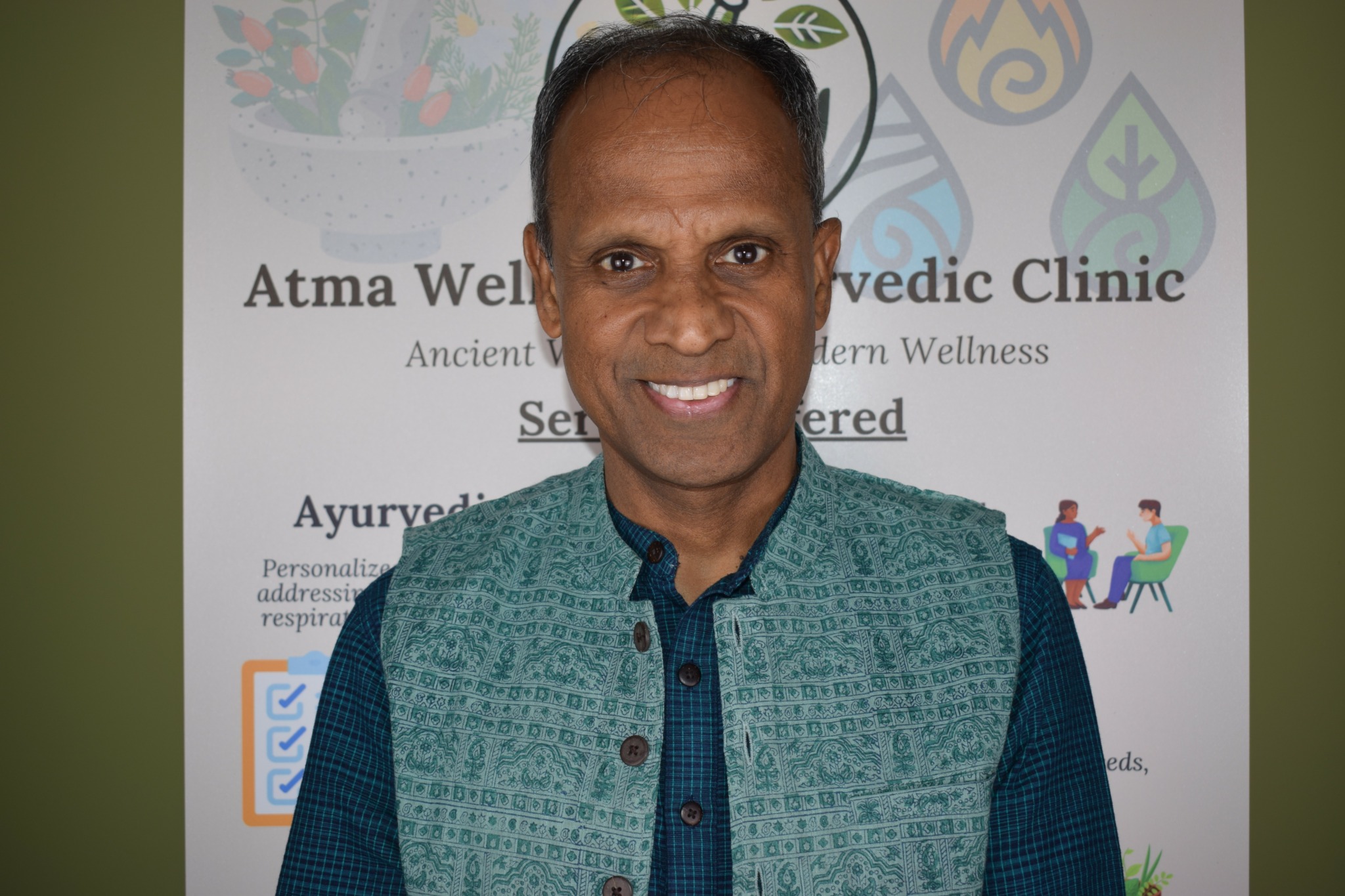

We caught up with the brilliant and insightful Murali a few weeks ago and have shared our conversation below.
Murali, thanks for taking the time to share your stories with us today We’d love to hear the backstory of how you established your own practice.
The idea of starting my own Ayurvedic practice evolved gradually rather than appearing as a single moment of inspiration. For many years, my professional life was in the technology and consulting industry, where I worked with global organizations and led large transformation programs. While that career was intellectually stimulating, I always felt a deeper connection to the traditional sciences of India, particularly Ayurveda and yoga, which I had been studying and practicing personally for many years.
Over time, that interest turned into a serious commitment. I pursued formal education in Ayurveda and integrative medicine and began to appreciate how relevant these ancient principles are for modern lifestyles. Many people today struggle with stress, digestive issues, sleep disturbances, and lifestyle-related conditions, and I realized that Ayurveda offers a very comprehensive framework to address these challenges by focusing on balance, prevention, and personalized care.
Once I decided to start a practice, the first step was creating a clear structure for how it would operate in the United States. Ayurveda is still relatively unfamiliar to many people here, so it was important to establish the practice in a professional and responsible way. I registered the business, built a website, created educational materials, and carefully defined the scope of consultations to align with local regulations. My goal was to present Ayurveda not as an alternative to modern medicine but as a complementary wellness system that helps individuals understand their bodies, habits, and lifestyle patterns.
One of the early challenges was awareness. In India, Ayurveda is widely understood, but in the U.S., many people are hearing about it for the first time. That meant a lot of time spent educating the community about basic concepts like digestion, daily routines, and the importance of individualized health practices. I began sharing knowledge through workshops, talks, and social media content. Gradually, people started to see that Ayurveda is not just about herbs or treatments—it is a holistic approach to living well.
Another challenge was building trust. Health and wellness are very personal areas, and people want to know that the practitioner they are working with is knowledgeable, ethical, and genuinely committed to their well-being. I focused on creating a practice that emphasizes listening, careful assessment, and practical guidance that people can realistically incorporate into their daily lives.
Looking back, one thing I might have done differently is to invest earlier in community outreach and education. When you introduce a traditional system of knowledge to a new audience, education is just as important as the service itself. The more people understand the philosophy behind Ayurveda, the more they appreciate its value.
My advice to young professionals who want to start their own practice is simple: build depth first, and then build the business. Whether it is Ayurveda, yoga, or any other field, credibility comes from knowledge, discipline, and genuine care for people. It also helps to be patient. A practice grows through relationships and trust, not just marketing.
Finally, remember that starting a practice is not only about creating a business—it is about creating a service to the community. When that intention is clear, everything else tends to fall into place.
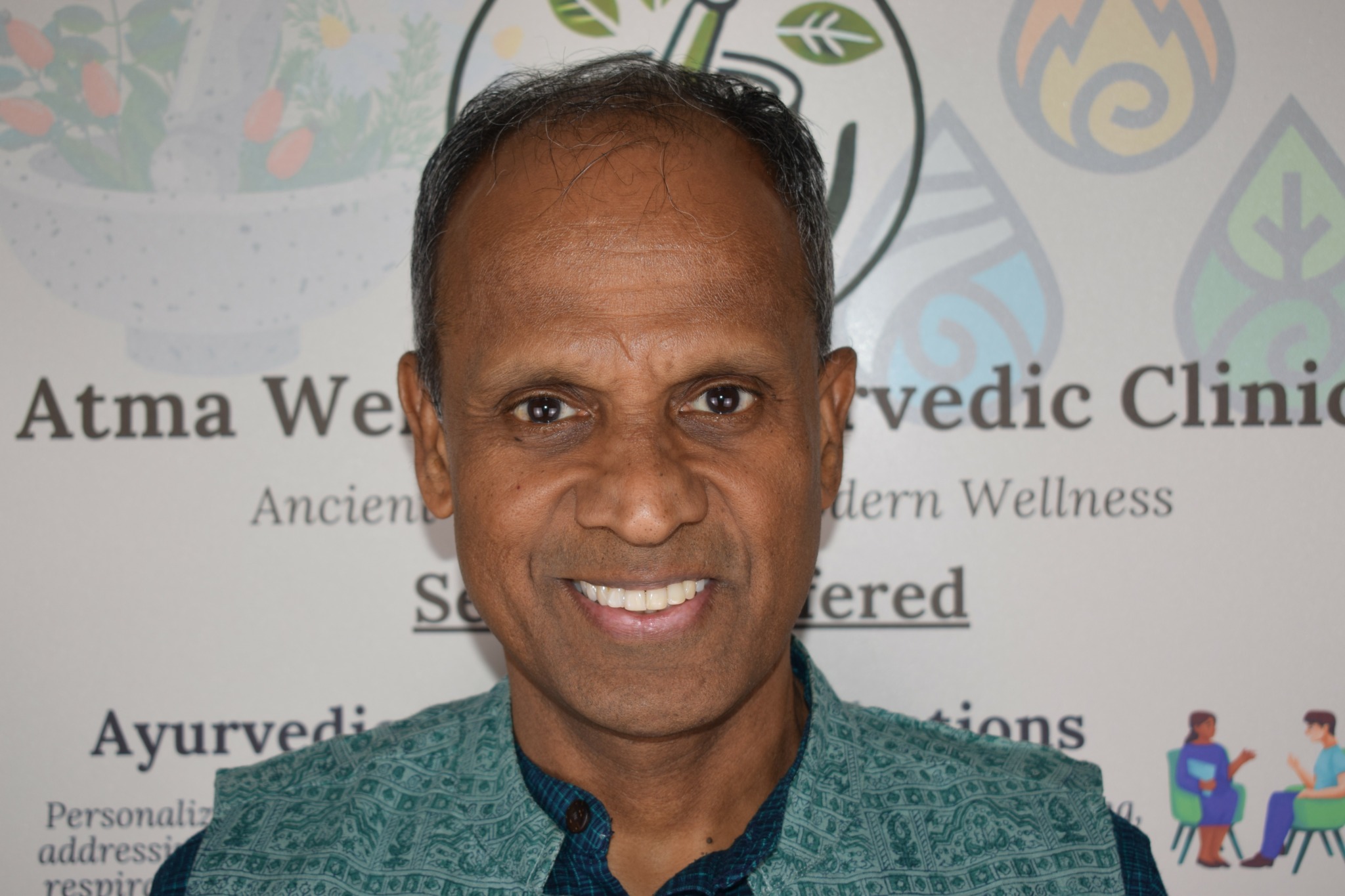
Murali, before we move on to more of these sorts of questions, can you take some time to bring our readers up to speed on you and what you do?
I am an Ayurvedic practitioner, yoga teacher, and wellness educator based in Ohio, and the founder of Atma Wellness Ayurvedic Clinic. My work focuses on helping individuals restore balance in their health using the timeless principles of Ayurveda combined with practical lifestyle guidance that fits modern life.
Interestingly, my professional journey did not begin in the wellness industry. For many years, I worked in the technology and consulting field, collaborating with global organizations and leading large transformation programs. While that career was rewarding, I always maintained a deep interest in the traditional sciences of India, particularly Ayurveda, yoga, and meditation. Over time, what began as personal curiosity grew into a serious academic and professional pursuit.
I eventually pursued formal education in Ayurveda and integrative medicine and became certified to teach yoga as well. As I studied more deeply, I realized that Ayurveda offers something extremely valuable for today’s world: a system that focuses not just on treating symptoms but on understanding the root causes of imbalance. It looks at the individual as a whole—body, mind, habits, environment, and lifestyle—and creates personalized strategies to restore balance.
That realization inspired me to establish Atma Wellness Ayurvedic Clinic. My goal was to bring authentic Ayurvedic knowledge to the community in a way that is practical, responsible, and understandable for people who may be encountering these concepts for the first time.
In my practice, I work with individuals through personalized Ayurvedic consultations where we examine their constitution, lifestyle patterns, digestion, sleep habits, stress levels, and overall health history. Based on that understanding, I provide tailored recommendations that may include dietary adjustments, daily routines, herbal support, breathing practices, yoga, and meditation techniques.
Many of the people who come to me are dealing with lifestyle-related challenges such as digestive issues, stress and burnout, sleep disturbances, weight imbalance, skin conditions, or chronic fatigue. Often they have tried many approaches but are looking for something that addresses the deeper root causes rather than just the surface symptoms. Ayurveda’s strength lies in its ability to identify those underlying imbalances and guide people toward sustainable changes.
What sets my approach apart is the emphasis on education and personalization. Ayurveda is not a one-size-fits-all system. Two people with the same condition may require completely different lifestyle or dietary adjustments depending on their constitution and current imbalance. My goal is not simply to provide recommendations but to help people understand their own bodies and develop habits that support long-term health.
Another aspect of my work that I am particularly passionate about is education. I regularly create educational content on social media and online platforms to explain Ayurvedic concepts in a clear and accessible way. Many people are curious about traditional wellness systems but are unsure where to begin, so I see education as an important bridge between ancient knowledge and modern lifestyles.
What I am most proud of is seeing individuals regain a sense of control and confidence over their health. When people understand how small changes in diet, daily routines, sleep patterns, and stress management can transform their well-being, it creates a very empowering experience.
Ultimately, my mission is to help people reconnect with the wisdom of natural living. Ayurveda teaches us that health is not something we chase after when we become sick; it is something we cultivate every day through the choices we make. If I can help people make those choices more consciously and sustainably, then I feel I have fulfilled the purpose of my work.
Another area I am increasingly passionate about is bridging traditional knowledge with modern research and technology. I am currently pursuing a Ph.D. in Physiology and Health, where my focus is on exploring how ancient wellness systems like Ayurveda and meditation can be understood through modern scientific frameworks, particularly in areas such as stress regulation, nervous system balance, and overall well-being.
At the same time, I am also working on developing a wellness-focused digital platform that will help people incorporate simple daily practices for improving gut health, nervous system balance, and overall lifestyle habits. My goal with this initiative is to make these principles accessible to a broader audience in a structured and practical way.
Ultimately, whether through consultations, education, research, or digital tools, my mission remains the same: to help people understand that sustainable health begins with awareness, daily habits, and alignment with the natural rhythms of the body.
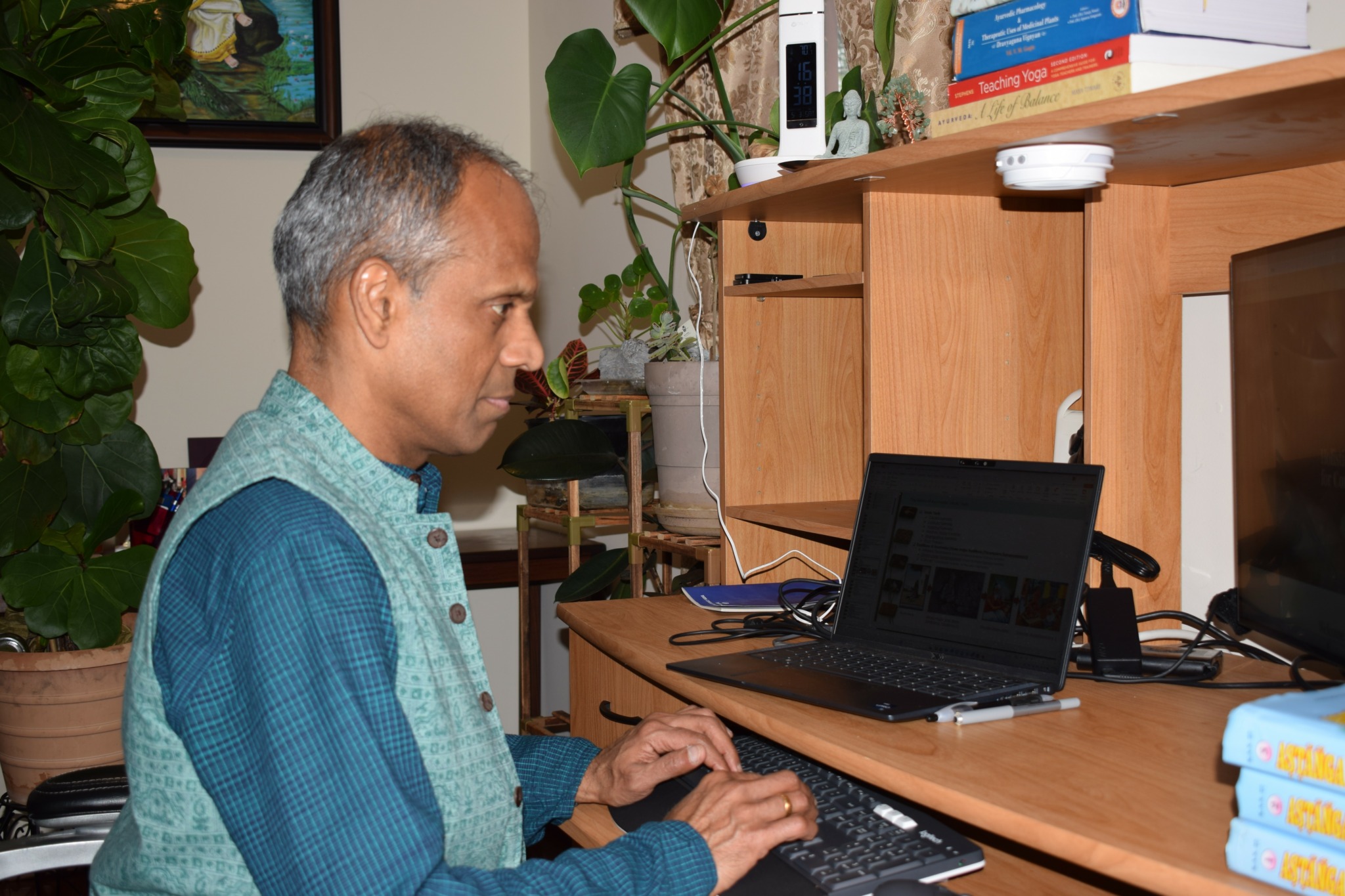
Can you tell us about what’s worked well for you in terms of growing your clientele?
One of the most effective strategies for growing my clientele has been focusing on education rather than promotion. Ayurveda is still relatively unfamiliar to many people in the United States, so instead of approaching it as a traditional marketing exercise, I spent a lot of time helping people understand the basic principles behind the system.
I began sharing educational content through community talks, workshops, and online platforms where I explain topics like digestion, stress management, daily routines, and the importance of understanding one’s body constitution. Many people are curious about natural approaches to health but are often overwhelmed by conflicting information. By breaking down Ayurvedic ideas into practical and relatable concepts, people start to see how these principles can apply to their daily lives.
Another important factor has been trust. In health and wellness, people want to feel confident that the practitioner they are working with genuinely cares about their well-being. I spend a significant amount of time listening to clients and understanding their lifestyle, habits, and challenges before making recommendations. When people feel heard and see improvements through small, sustainable changes, they naturally share their experiences with friends and family.
Word of mouth has therefore played a major role in the growth of my practice. Many new clients come through referrals from existing clients who found value in the personalized approach of Ayurveda.
Social media has also become an important platform for education. I regularly share short educational videos explaining Ayurvedic concepts in simple language. My goal is not to overwhelm people with complex theory, but to help them understand small practical habits that can make a meaningful difference in their health.
Ultimately, I believe the most effective strategy is building genuine relationships and helping people develop a deeper understanding of their own health. When people experience real improvements and feel empowered by knowledge, growth happens naturally.
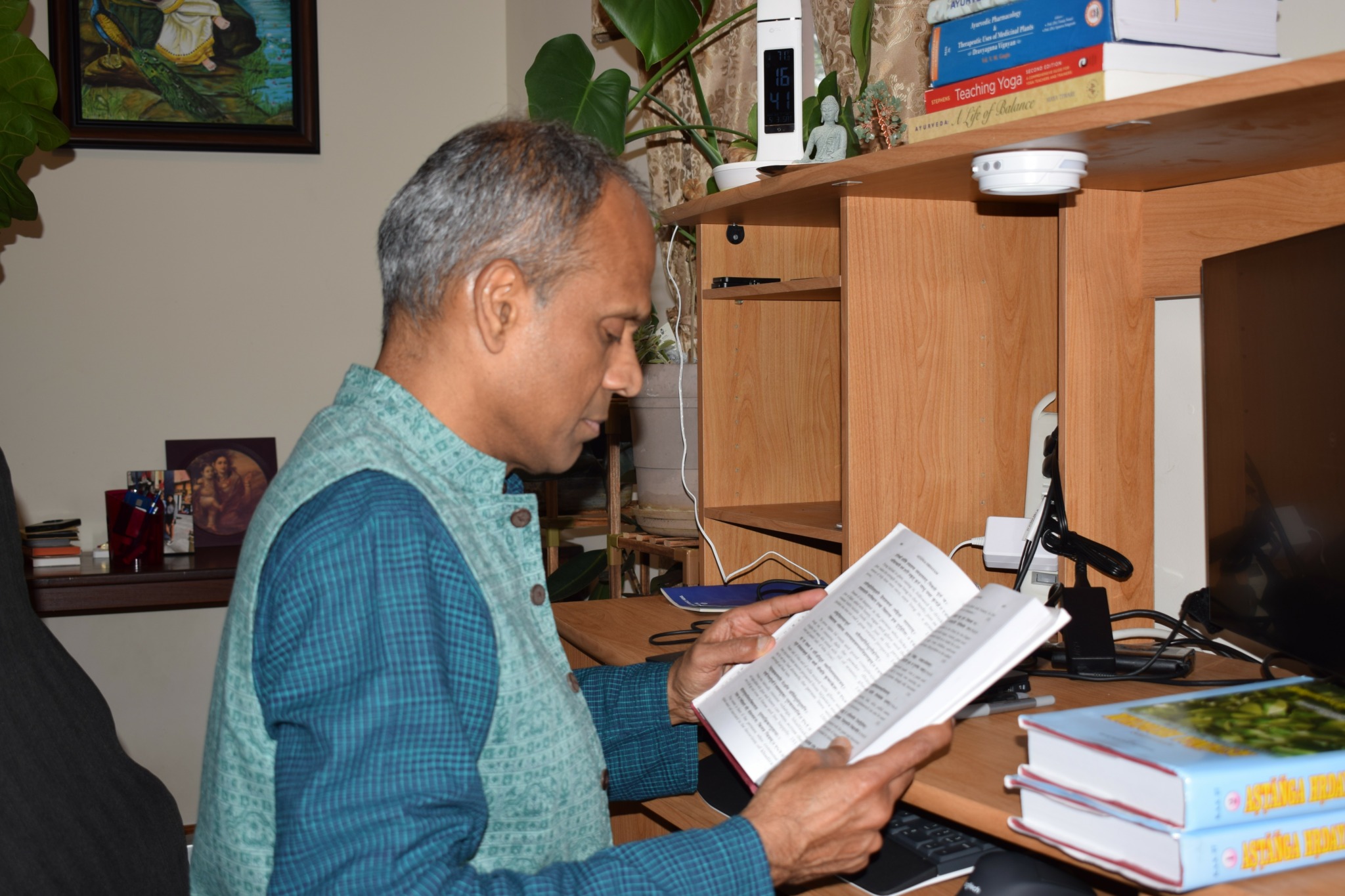
Can you tell us about a time you’ve had to pivot?
One of the most significant pivots in my life was transitioning from a long career in technology consulting to the field of Ayurveda and wellness.
For many years, my professional work involved leading complex technology initiatives and working with global organizations. It was a rewarding career that allowed me to solve large-scale problems and collaborate with talented teams. However, alongside that professional path, I had always maintained a deep interest in traditional Indian knowledge systems such as Ayurveda, yoga, and meditation.
What began as a personal interest slowly evolved into a deeper exploration. I started studying these disciplines more seriously and eventually pursued formal education in Ayurveda and integrative medicine. The more I studied, the more I realized how relevant these ancient principles are for the modern world, especially in addressing lifestyle-related health challenges such as stress, digestive disorders, sleep disturbances, and burnout.
Making the decision to move into this field was not something that happened overnight. It required careful thought, continued study, and the willingness to step into an area that is still relatively new to many people in the United States. Establishing my practice meant not only offering consultations but also educating people about what Ayurveda is and how it can support long-term wellness.
In many ways, the pivot was less about abandoning one career and more about integrating different aspects of my life. My background in technology and problem-solving continues to influence how I approach wellness—looking at systems, patterns, and root causes rather than isolated symptoms.
Today, that journey continues to evolve. Alongside my clinical practice, I am pursuing Ph D in physiology and health and exploring ways to use modern tools and digital platforms to make wellness practices more accessible to a broader audience.
Looking back, the pivot was both challenging and deeply fulfilling. It reinforced the idea that sometimes the most meaningful paths in life emerge when personal passion and professional purpose come together.
Contact Info:
- Website: https://www.atmaayurveda.com
- Instagram: https://www.instagram.com/atmaayurvedawellness
- Facebook: https://www.facebook.com/atmaayurvedicwellness
- Youtube: https://www.youtube.com/@atmaayurvedawellness
- Other: Atma Wellness Ayurvedic Clinic – Dublin, Ohio
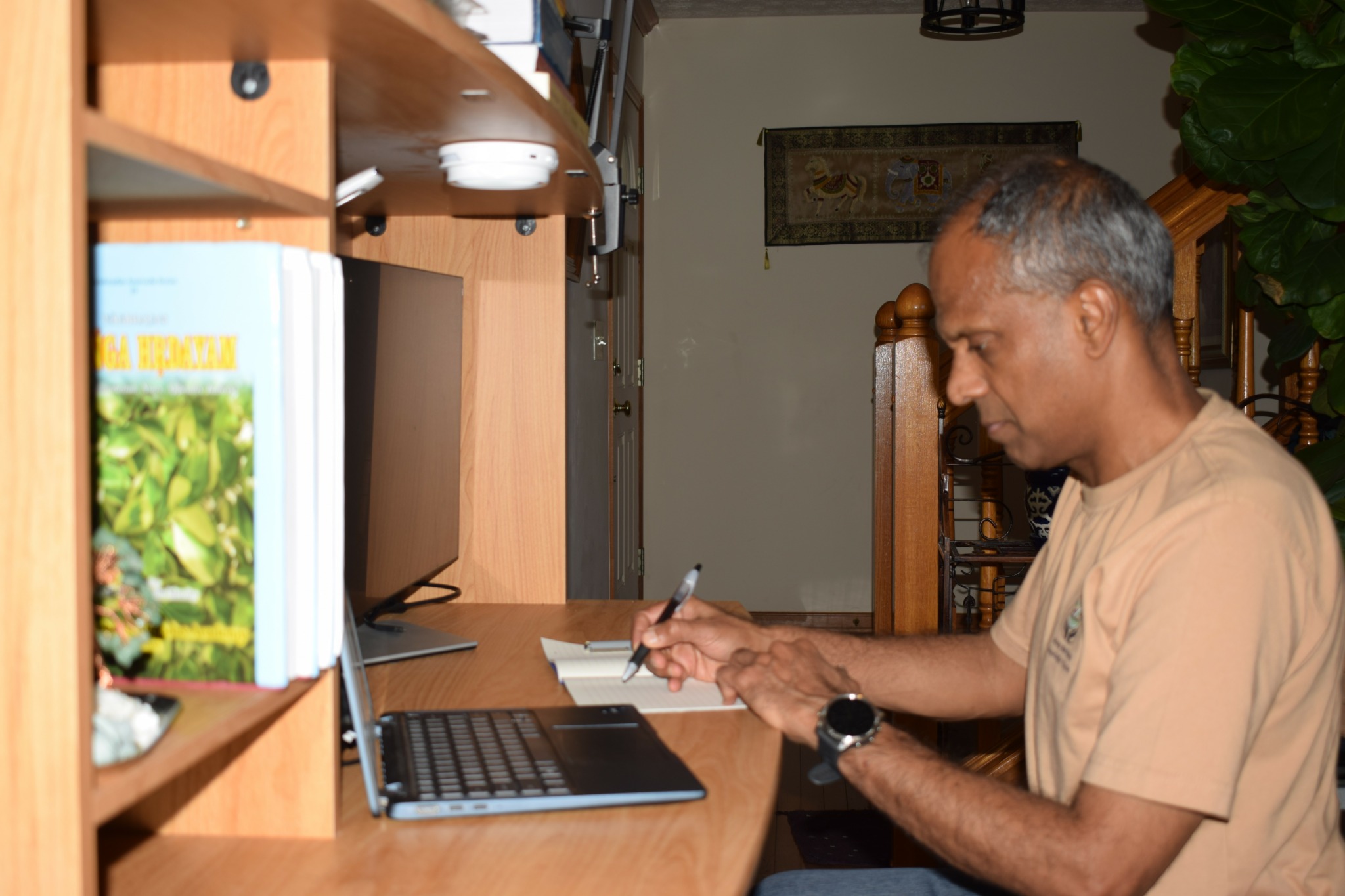
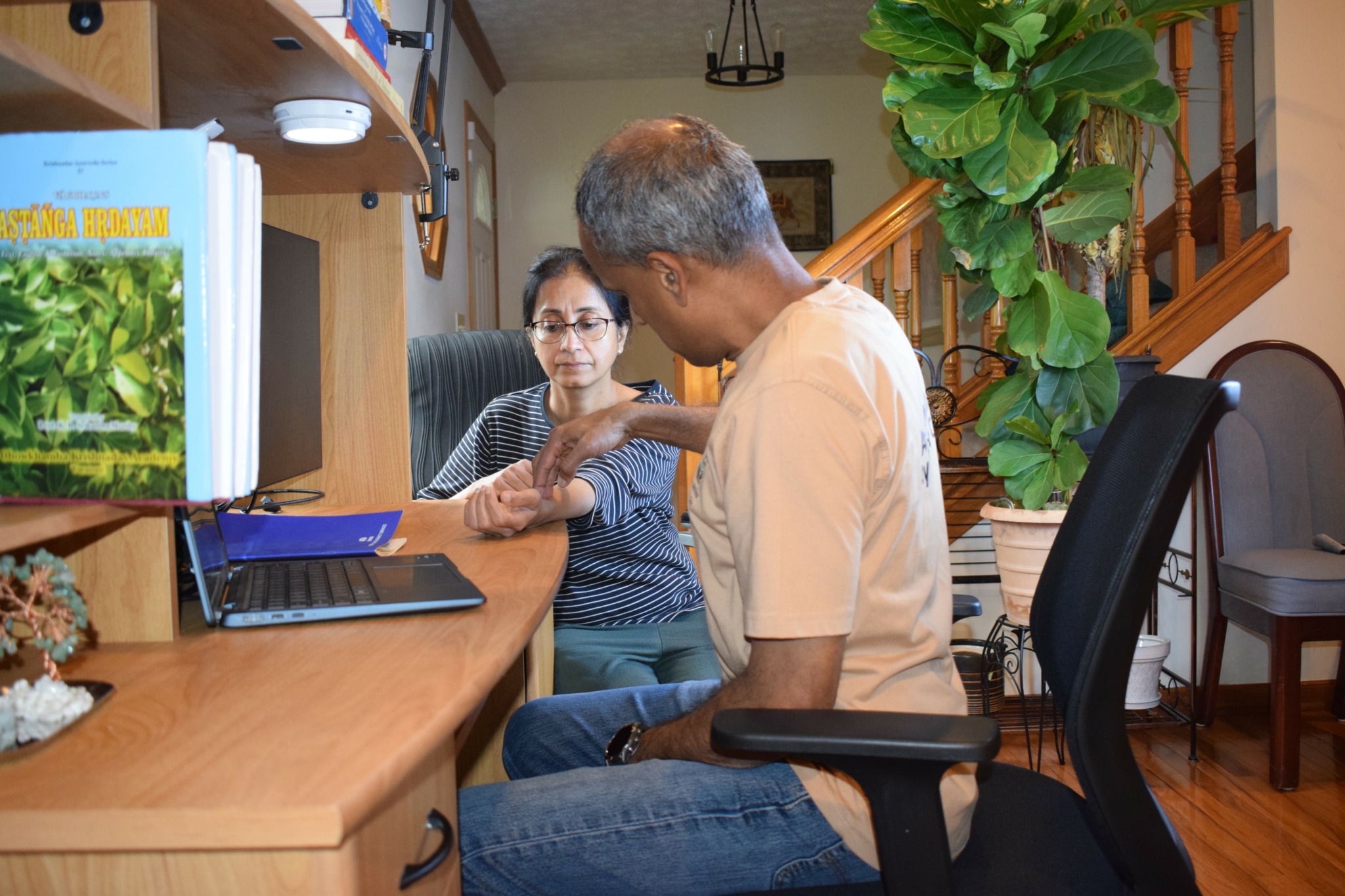
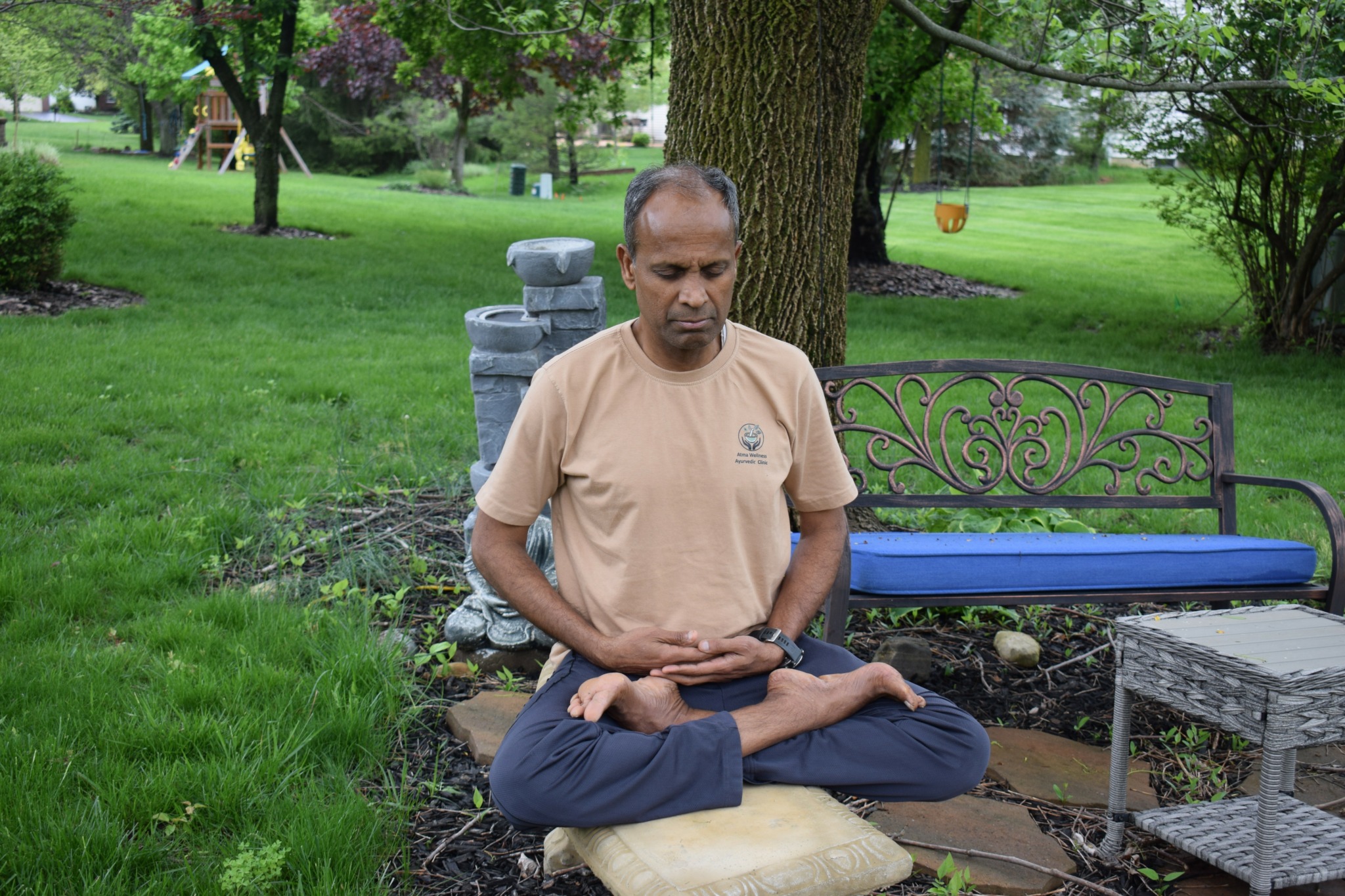
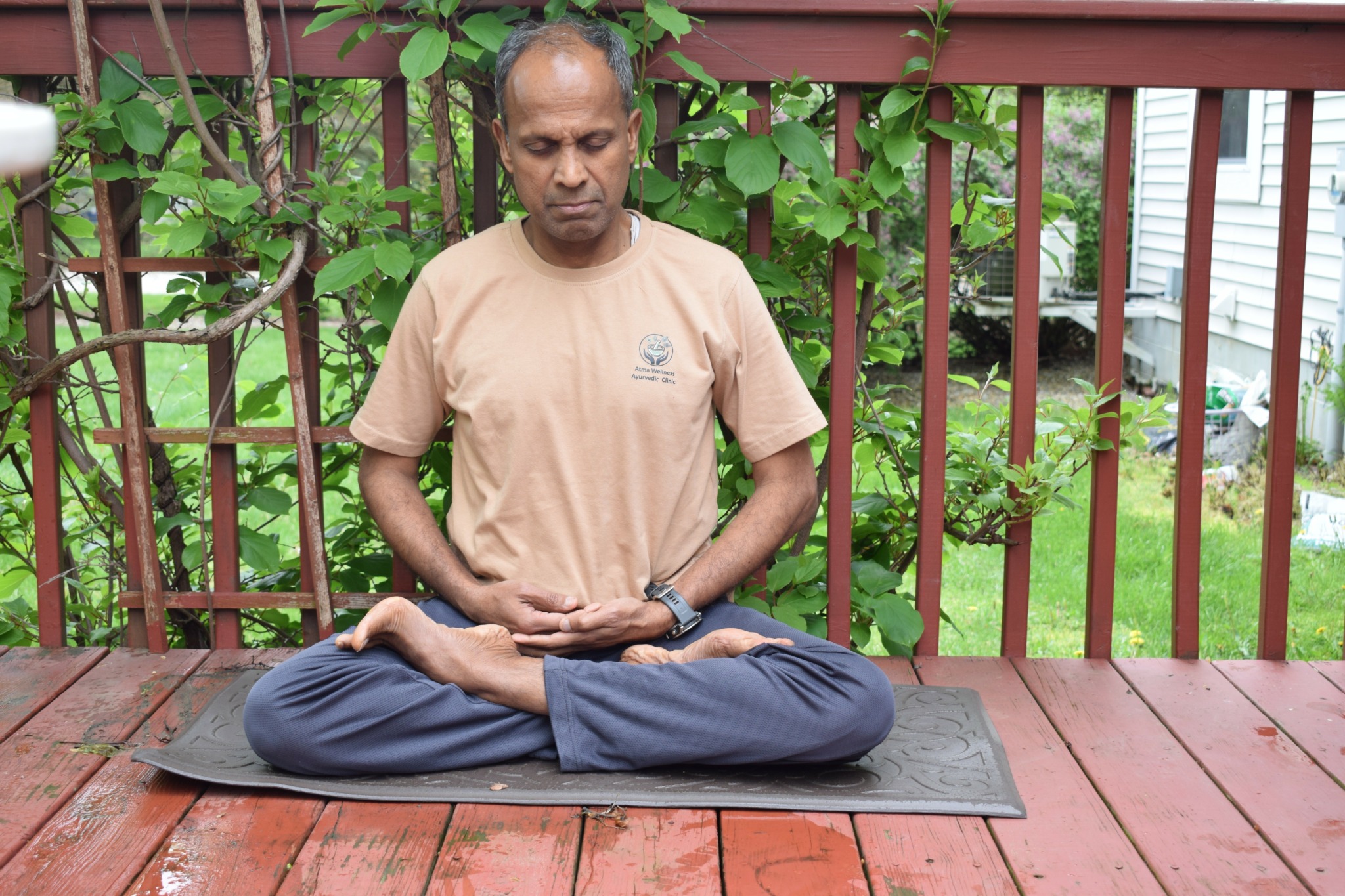
Image Credits
Murali Swaminathan
Srividya Murali (my wife)