

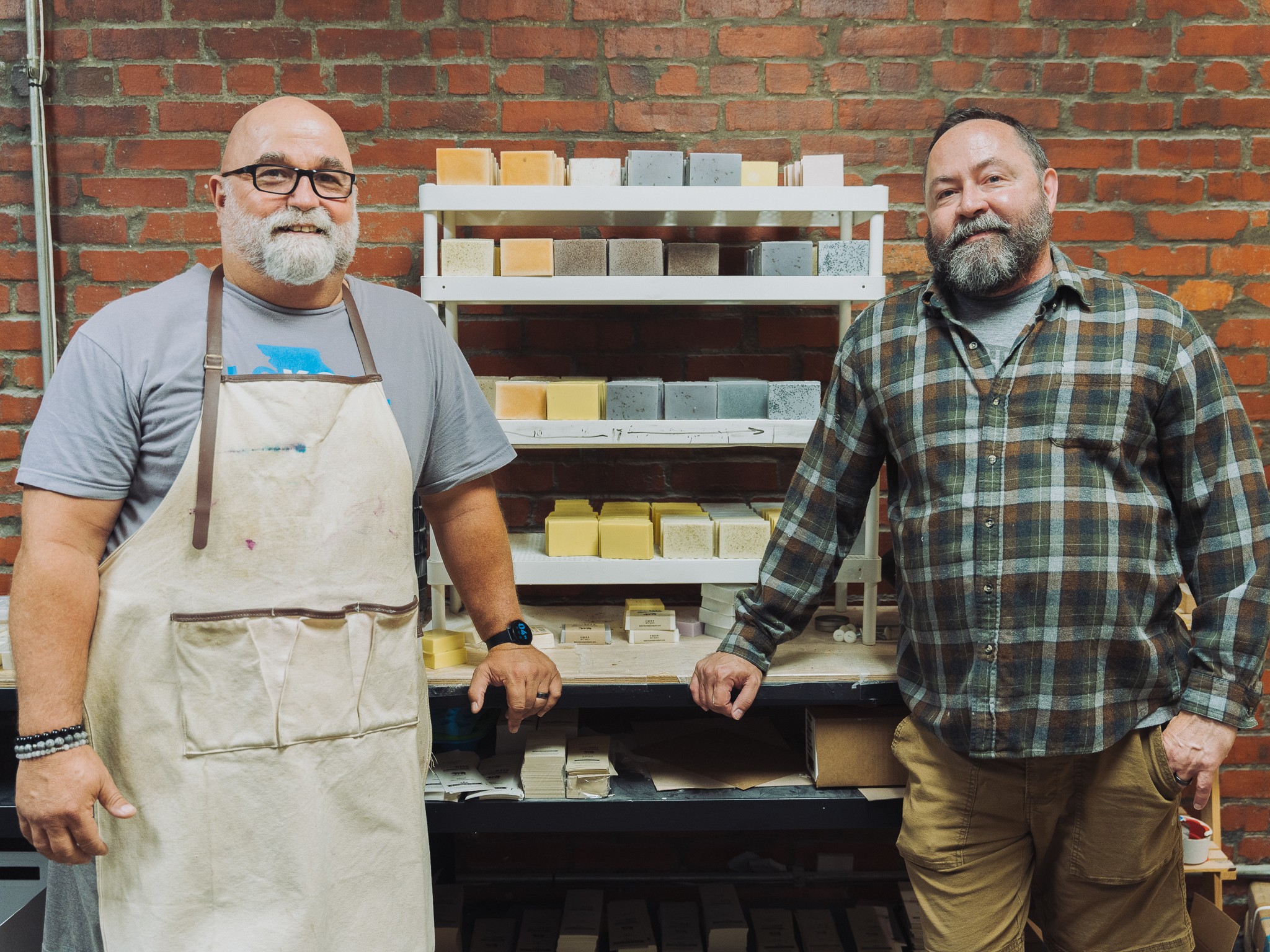

Alright – so today we’ve got the honor of introducing you to Matt Bramlette. We think you’ll enjoy our conversation, we’ve shared it below.
Hi Matt, thanks for joining us today. Are you happier as a business owner? Do you sometimes think about what it would be like to just have a regular job?
I love the independence of owning a business. The control over certain aspects like creativity and the products themselves. It feels like more a part of my identity than working for another company. I previously worked for ad agencies and though it paid much better, it was stifling and rigid.
But, owning a retail/product based business has its downsides too. You have zero guarantee of how much money you will make month to month, or yearly. There is no salary because it’s 100% dependent on customers. In addition, there are lots of variables you can’t control: the cost of materials going up, the weather factors when doing outdoor craft shows, the economy and spending etc.
I’ve been doing Bear Soap Company for 10 years now and closed both retail brick and mortar stores before we relocated to California from Missouri. When I get stressed about finances I do ponder the stability of at least knowing a certain amount of money would come in with a regular job.
Matt, before we move on to more of these sorts of questions, can you take some time to bring our readers up to speed on you and what you do?
I worked in advertising as a graphic designer and art director for a little over a decade before opening my first retail shop.
Leaving advertising was difficult because it paid well, but the amount of stress was overwhelming. I had no idea what to do next as I didn’t have much experience and had only had a few jobs in my life.
Instead of job hunting randomly, I made a list of things I liked to do, like travel, architecture, going into cool design centric shops, music, art etc…and I landed on opening a small, mostly handmade gift shop. The curation was fun and gave me a chance to use my creative eye to choose brands/ items to carry.
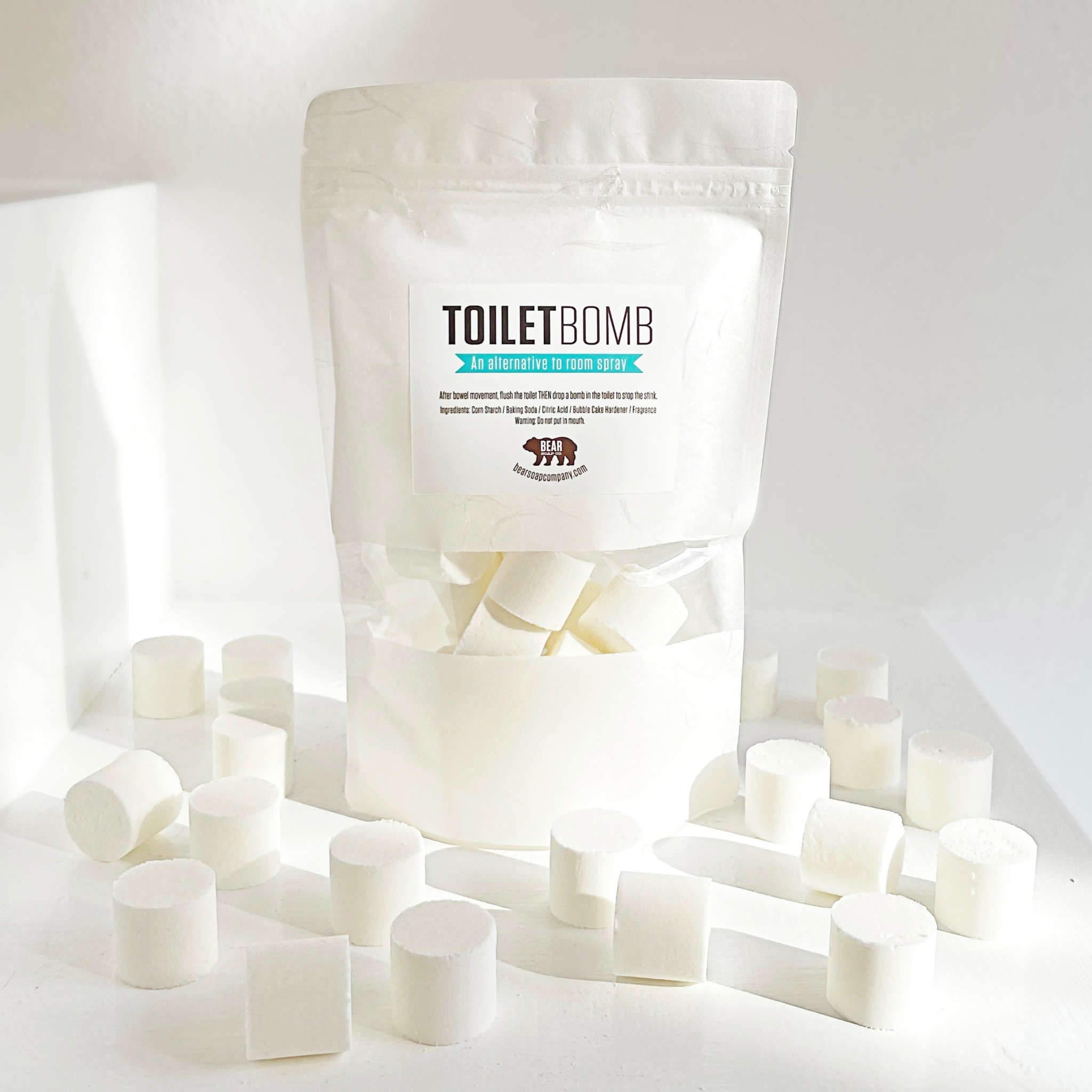
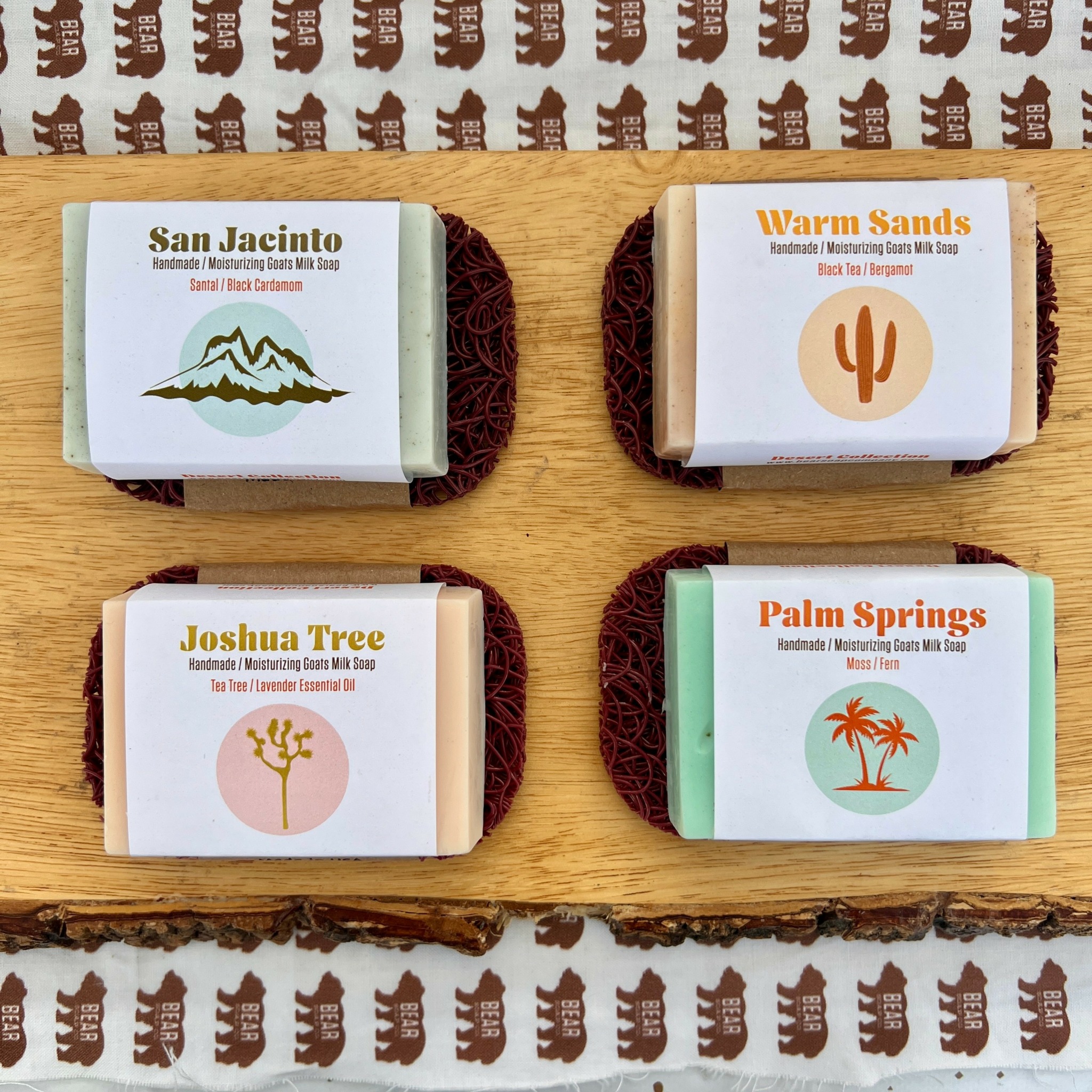
In 2015, on a trip to Brooklyn, NY, we bought a DYI soap kit from a Maker shop. The plan was to test it out and see if we wanted to sell it at our gift shop. We successfully made the 4 bars of soap and it was a conversation starter with our friends that have a successful candle company. They suggested we start up a brand and gave us some leftover supplies from their brief exploration in soap making. A few months later Bear Soap Company was born! We started with four scents of handmade, goat’s milk soap. During the first year of doing local craft pop-up events we slowly added more items. Fast forward ten years and we currently have fifteen Soap scents, Bath Bombs, Beard Wash, Beard Balm, Beard Oil, Solid Shampoo, Body Wash and Solid Cologne! Oh, and the retail shop is history.
Can you tell us about a time you’ve had to pivot?
My whole story is about pivot. From leaving advertising, to starting a retail shop, to starting a second retail shop, to starting a soap business etc.
The original shop was a gift shop focused on carrying other brands. Bear Soap was started as a project/brand to carry in the shop etc and gained traction naturally. I decided to put less focus on designing shirts, glassware etc and more on the soap side since it was consumable, the advantage being customers keep coming back for it if they like it. The products that were carried at the gift shop had to pivot many times. Rather than just carrying things I personally liked, which didn’t sell well, I had to figure out what customers actually wanted. This also changed year to year based off trends. Staying on top of that and constantly evolving helped sales stay fairly steady.
The second shop that was opened was a bath and body shop, with Bear Soap being a focal point, along with other independent skin care brands. Both stores were seeing yearly growth and then the pandemic hit and things never went back to normal sales wise. After a year I decided to shut down the bath and body shop and focus back on the original concept store. Bear Soap production moved to the back of that shop. I was also increasing wholesale and established a presence for Bear Soap in lots of other local shops.
Over the years the product line has grown quite a bit. But also, it’s good to know when to let go of a product if it’s not selling enough. It’s hard to predict what will be a hit with customers. The scent might not be popular, the name, the design of the package…hard to know exactly. Just don’t try too hard to force something.
When doing shows it’s best to pair down what you bring. Focus on best sellers but keep in mind each show is gonna have a different best seller. It’s tricky. Trying to have an entire line in a 10×10 booth and capture the attention of a customer with a street full of options is tough. Try different table displays and find what customers respond best to. Make the space look well branded and inviting. Your brand is what separates you from all the other makers with similar products.
Okay – so how did you figure out the manufacturing part? Did you have prior experience?
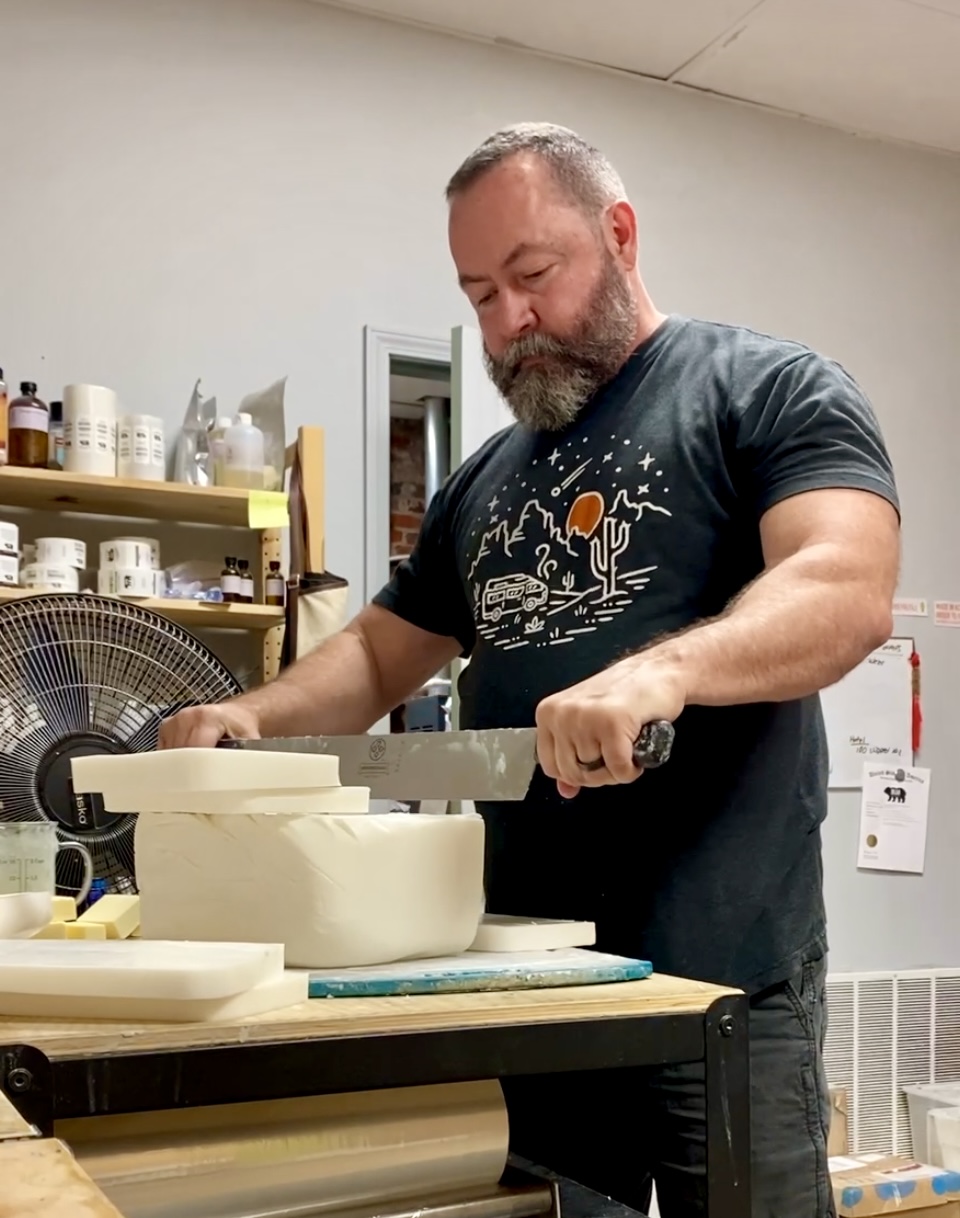
Yes, this brand is all about being handmade. I had never made anything like this before and learned via articles online and YouTube. Also, trial and error are necessary if you are going for something unique. It took a ton of research to find resources, ingredients etc. The building of the brand and space to manufacture was a slow, steady process. Since it wasn’t exactly a plan to start this business, there was no business plan. But I recommend taking an intro business class and pay attention, especially to the financial parts. Don’t over-borrow. Don’t over-buy. It takes a long time to recover the initial debt to get started and profit margins typically aren’t that great with small brands. Every dollar you spend or waste is money out of your pocket.
Contact Info:
- Website: https://www.bearsoapcompany.com
- Instagram: https://www.instagram.com/thebearsoapcompany/
- Facebook: https://www.facebook.com/thebearsoapcompany
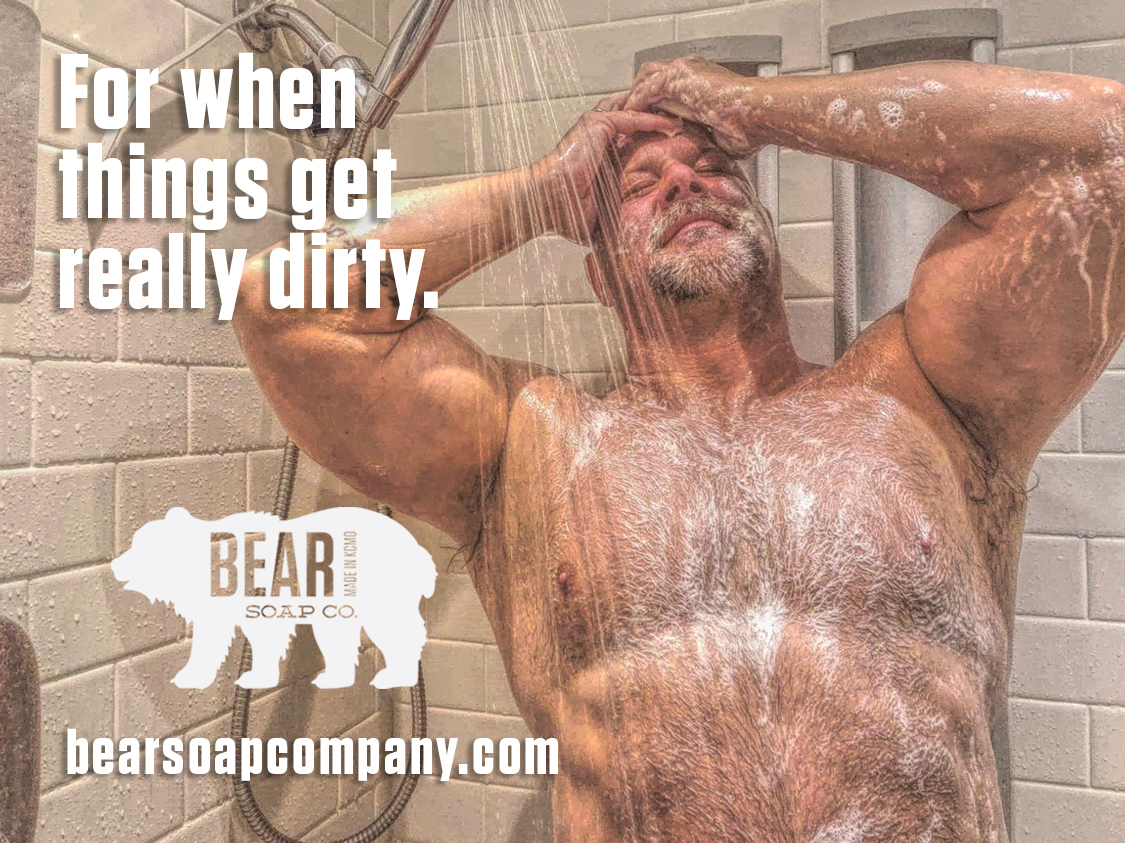
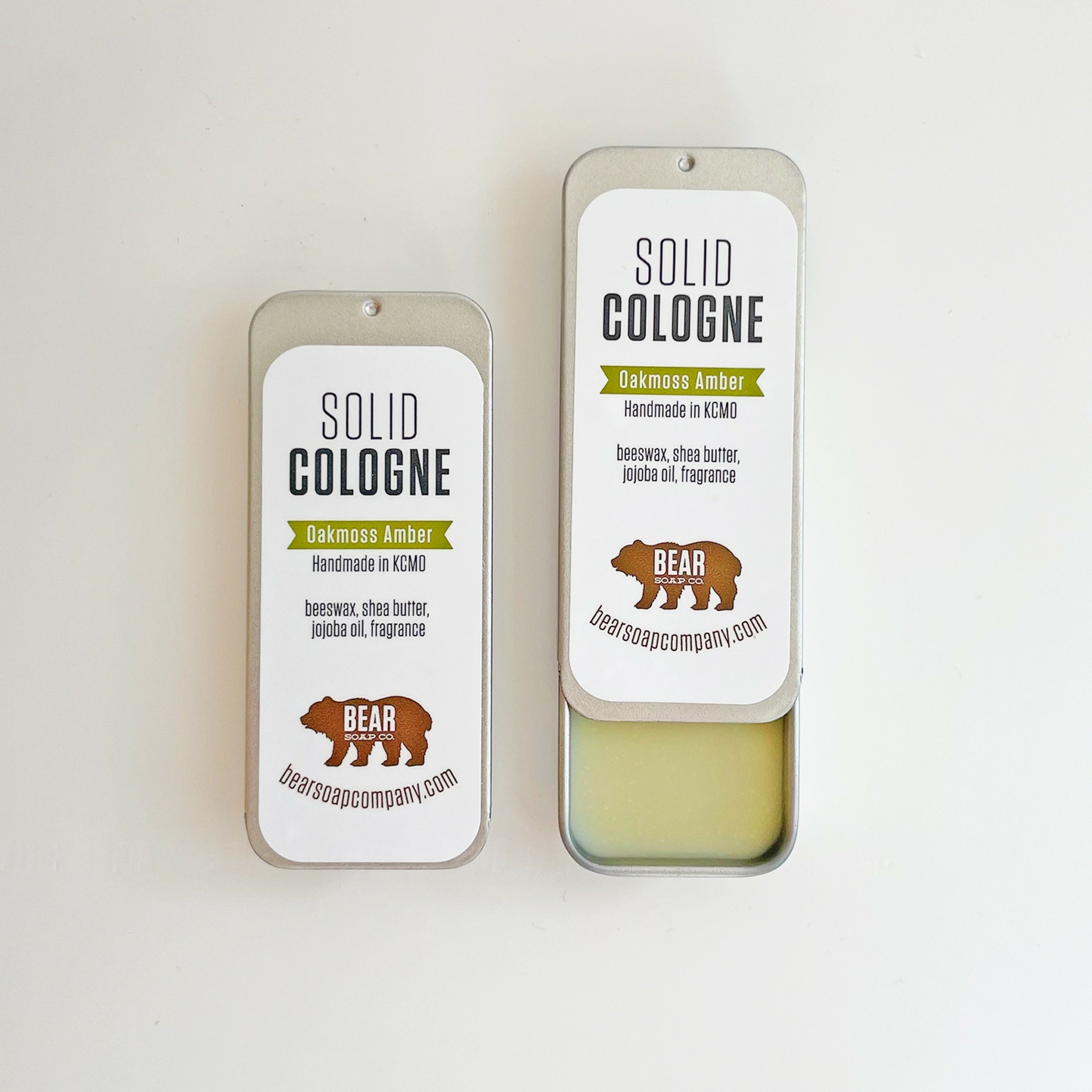
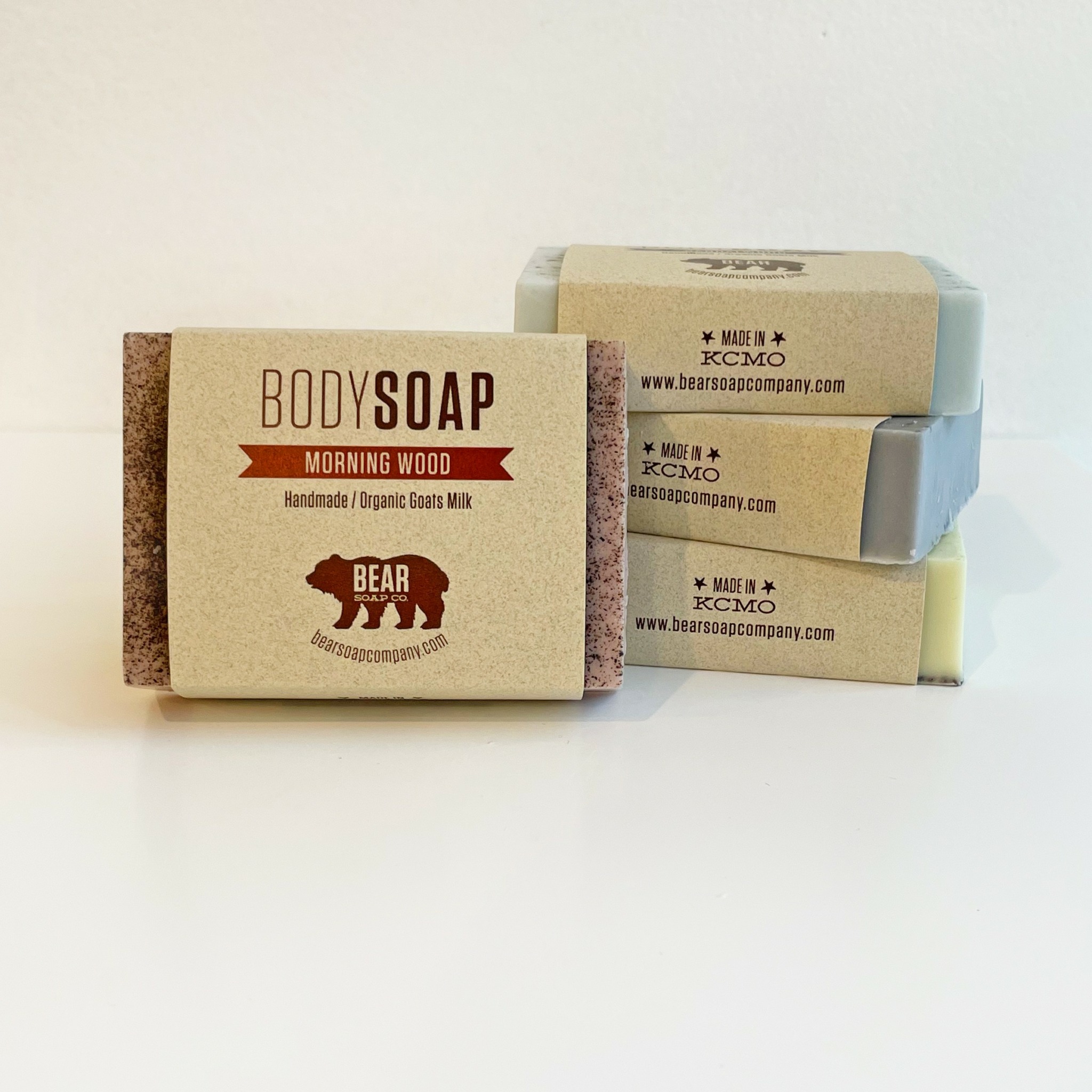
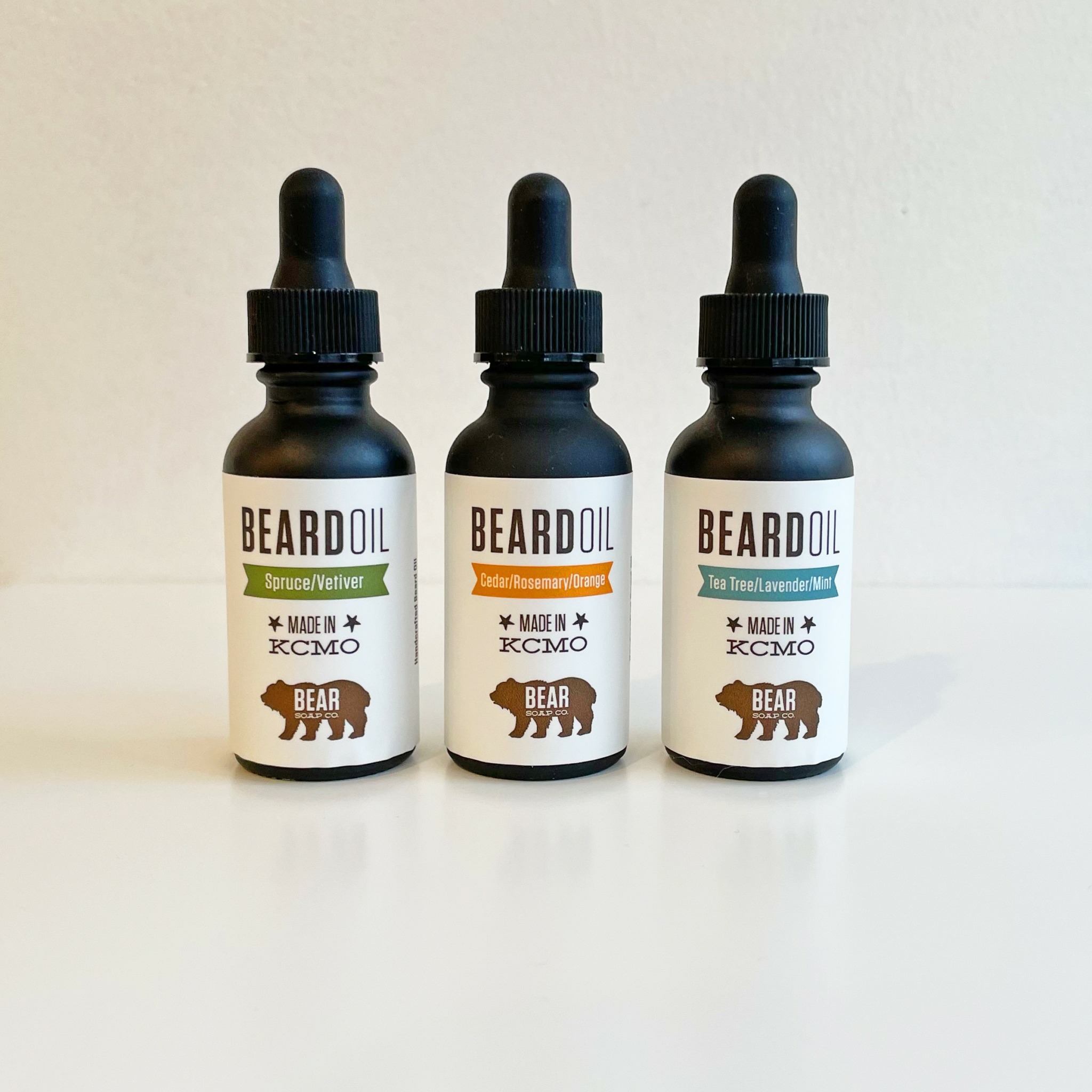
Image Credits
Photo of Rick and Matt by Barrett Emke