

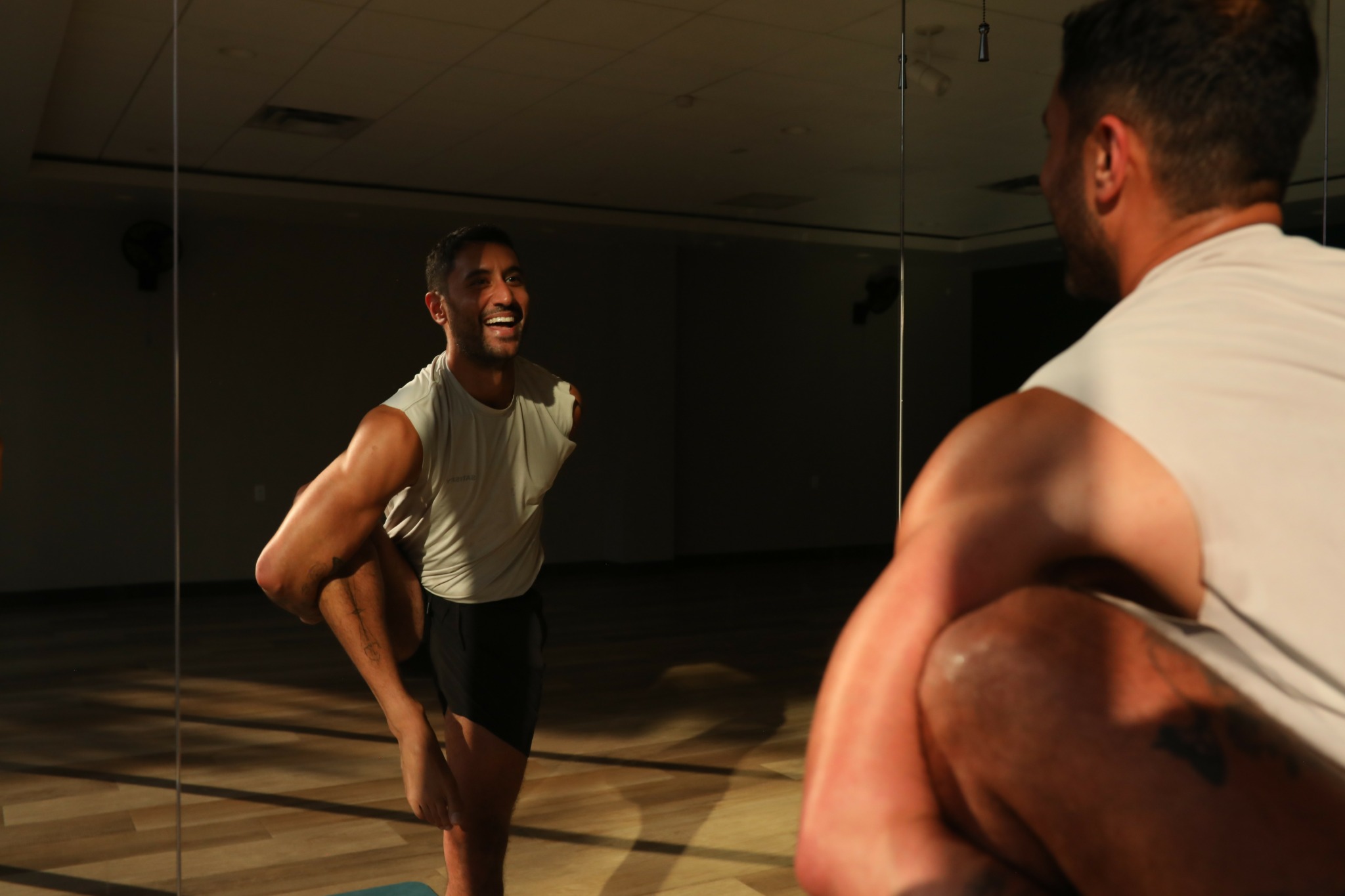

We recently connected with Ali Haji and have shared our conversation below.
Hi Ali, thanks for joining us today. We’d love to have you retell us the story behind how you came up with the idea for your business, I think our audience would really enjoy hearing the backstory.
The idea for YogaZama came from wanting people to experience yoga differently. I am a trauma therapist, and my work centers on trauma recovery through a nervous system lens. Most of what people struggle with, whether it shows up as anxiety, burnout, or chronic stress, is rooted in how their nervous system has learned to respond to the world. Yoga is one of the most evidence based tools we have for regulation, but what I was seeing in Dallas was a version of yoga that leaned almost entirely toward intensity and performance.
There is nothing inherently wrong with strong or heated practices, but without balance and understanding, they miss the deeper purpose of the work. I wanted to create a studio that offered multiple entry points into practice, where students could learn how to choose what they actually needed and use yoga as a tool for self awareness, not just a workout.
Yoga has always been more than fitness to me. I grew up connected to the practice through my Indian ancestry, and YogaZama became a way to honor those roots while integrating modern neuroscience and trauma informed care. That integration also shaped our teacher training, which is the only neuroscience informed program of its kind in Dallas. We focus on both the spiritual foundations of yoga and a clear understanding of how the practice affects the brain and nervous system, so teachers can sequence and guide with intention.
I knew this was worth building because it felt deeply aligned with my lived experience. You never fully know if a studio will work, but I trust intuition as much as logic. When something is grounded in truth, service, and integrity, it tends to find the people it is meant for. At its core, yoga is not about the postures. It is about quieting the mind, creating safety in the body, and learning how to come home to yourself. YogaZama exists to make space for that.
Awesome – so before we get into the rest of our questions, can you briefly introduce yourself to our readers.
My path into this work was anything but linear. I graduated college with a film degree and moved to New York, where I worked in entertainment and eventually found myself working on film and television projects with Martin Scorsese. From the outside, it looked like I had achieved what I was supposed to want, but internally I was deeply unhappy. My ego was fulfilled, but my heart was not, and that dissonance pushed me into a major spiritual reckoning.
I left my job and went back to school, initially on a pre-med track with the idea of becoming a psychiatrist. I knew I wanted to work in mental health, but a mentor asked me a simple question that changed everything: do you like medicine, or do you like people? That clarity led me to pursue psychotherapy. I earned my degree in clinical mental health counseling, completed my licensure, and began working with clients in trauma recovery, holistic approaches, and later psychedelic-assisted therapy.
During that transition, I experienced an identity collapse. Without my former career, I did not know who I was. Meditation and yoga became the practices that carried me through that period. Through daily meditation and consistent asana practice, I found a deeper sense of self beneath achievement and external validation. As I continued working with clients, it became clear that much of what I was doing clinically was yoga philosophy expressed through a modern therapeutic lens.
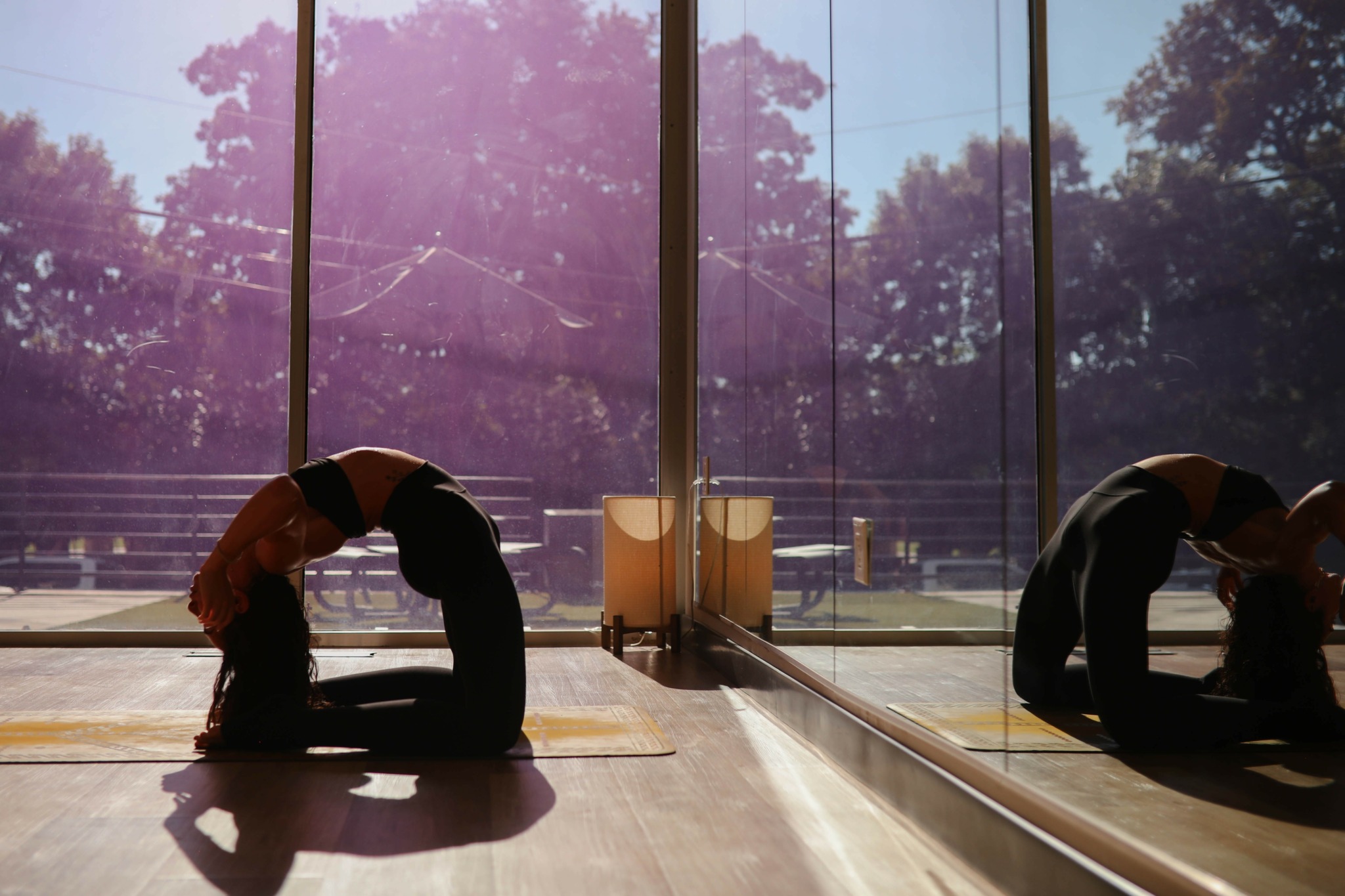
YogaZama grew out of that convergence. The studio offers a comprehensive, intentional approach to yoga, with classes for all levels and practices that support regulation, inquiry, and growth. We teach with both compassion and discipline. Our teachers hold students to high standards because the practice deserves it and because the students deserve it. Postures are taught with care and precision, never in a harsh or punitive way, but in a firm and loving way that helps people build strength, awareness, and trust in themselves.
We also offer a neuroscience-informed teacher training that integrates the spiritual foundations of yoga with a clear understanding of the nervous system and the brain, giving teachers the tools to guide practice responsibly and intentionally.
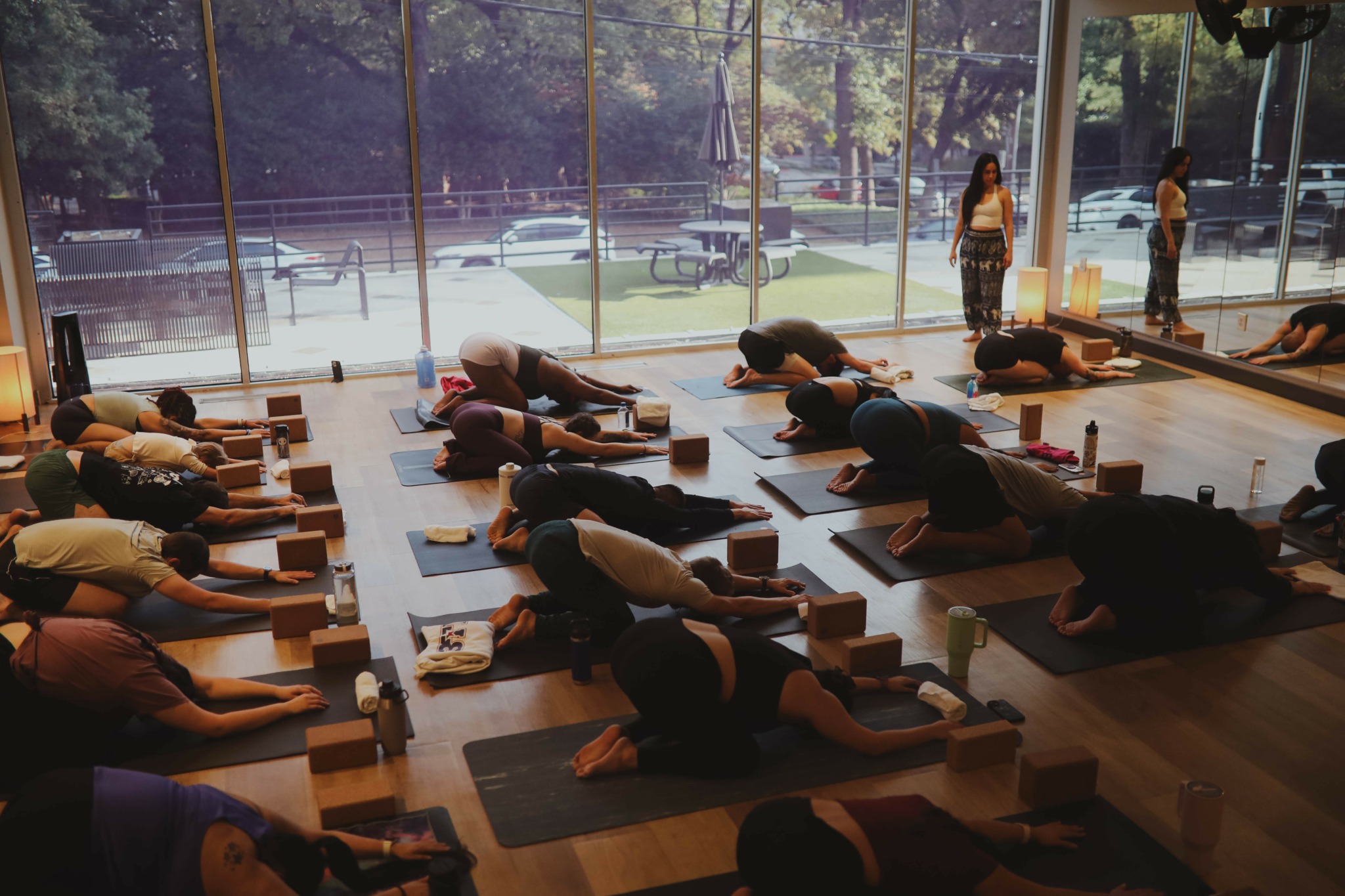
What I am most proud of is the community that has formed. YogaZama is a container where people feel safe, supported, and also challenged in the right ways. That balance allows real healing to happen. The integrity of the work and the people who show up are what give the studio its soul. We are not trying to be flashy or chase trends. We believe that when you slow down, commit to the practice, and meet discipline with compassion, the work speaks for itself.
Learning and unlearning are both critical parts of growth – can you share a story of a time when you had to unlearn a lesson?
One lesson I had to unlearn was the idea that everything meaningful can or should be measured. For a long time, I approached life and work in a very quantitative way. Metrics matter, of course. In business, numbers are information. Sales trends, revenue shifts, growth patterns, all of that helps inform decisions and keeps you honest. I do not discount that at all.
What I had to unlearn was the belief that data alone should lead. Business, especially a values-driven business, is a creative act. It is a living system made up of people, energy, vision, and timing. There are decisions you face as a founder that no spreadsheet can answer. Hiring or letting someone go. Bringing a teacher onto the team. Partnering with another brand. Even something as simple as how a space feels when you walk into it. Those decisions live in the heart of the work, not just the head.
The backstory is really my spiritual practice. Through meditation and yoga, I learned how to clear my mind enough to listen inwardly. Being a business owner can feel isolating at times because no one knows the business the way you do, not just the numbers, but the soul of it. I had to learn to trust that inner knowing and stop outsourcing my confidence to external validation or perfect logic.
YogaZama is ultimately an expression of who I am. It is a vehicle for something deeply personal, and people feel that. I believe they recognize that same intuitive intelligence in themselves when they walk through the door. We live in a culture that constantly trains us to override intuition in favor of constant measurement and productivity. Unlearning that, and allowing my decisions to be guided by both clarity and heart, has been one of the most important lessons of my life and my work.
Are there any books, videos, essays or other resources that have significantly impacted your management and entrepreneurial thinking and philosophy?
One of the most impactful books on my entrepreneurial thinking has been Unreasonable Hospitality by Will Guidara. It fundamentally shifted how I think about business. The core idea is that every business is, at its heart, a hospitality business. It is about attention, care, and how people feel when they walk through the door. Will’s work at Eleven Madison Park is a masterclass in presence and intentionality, and that philosophy deeply influences how we operate at YogaZama. Paying attention, listening well, and treating each interaction as meaningful is not extra, it is the work.
Beyond that, much of what shapes my leadership comes from my spiritual practice. Writers and teachers like Ram Dass, Sharon Salzberg, and Mark Epstein have had a profound influence on how I relate to myself and to others. Their work consistently reminds me that clarity, compassion, and self awareness are not separate from leadership. They are the foundation of it. When I am more grounded and present, my decisions tend to be better, both for the business and for the people within it.
I am also a lifelong learner. I read constantly and learn a great deal from the people around me. Being in conversation with other business owners and founders has been incredibly valuable, especially those who lead with integrity and care. Seeing well run businesses in our local community continues to inspire me and refine my own approach.
At this stage, I see entrepreneurship as a living practice. The more I tend to my inner life, stay curious, and remain open to learning, the stronger and more aligned the business becomes.
Contact Info:
- Website: https://www.yogazama.com
- Instagram: @yogazama
- Facebook: https://www.facebook.com/yogazamastudio.oaklawn/
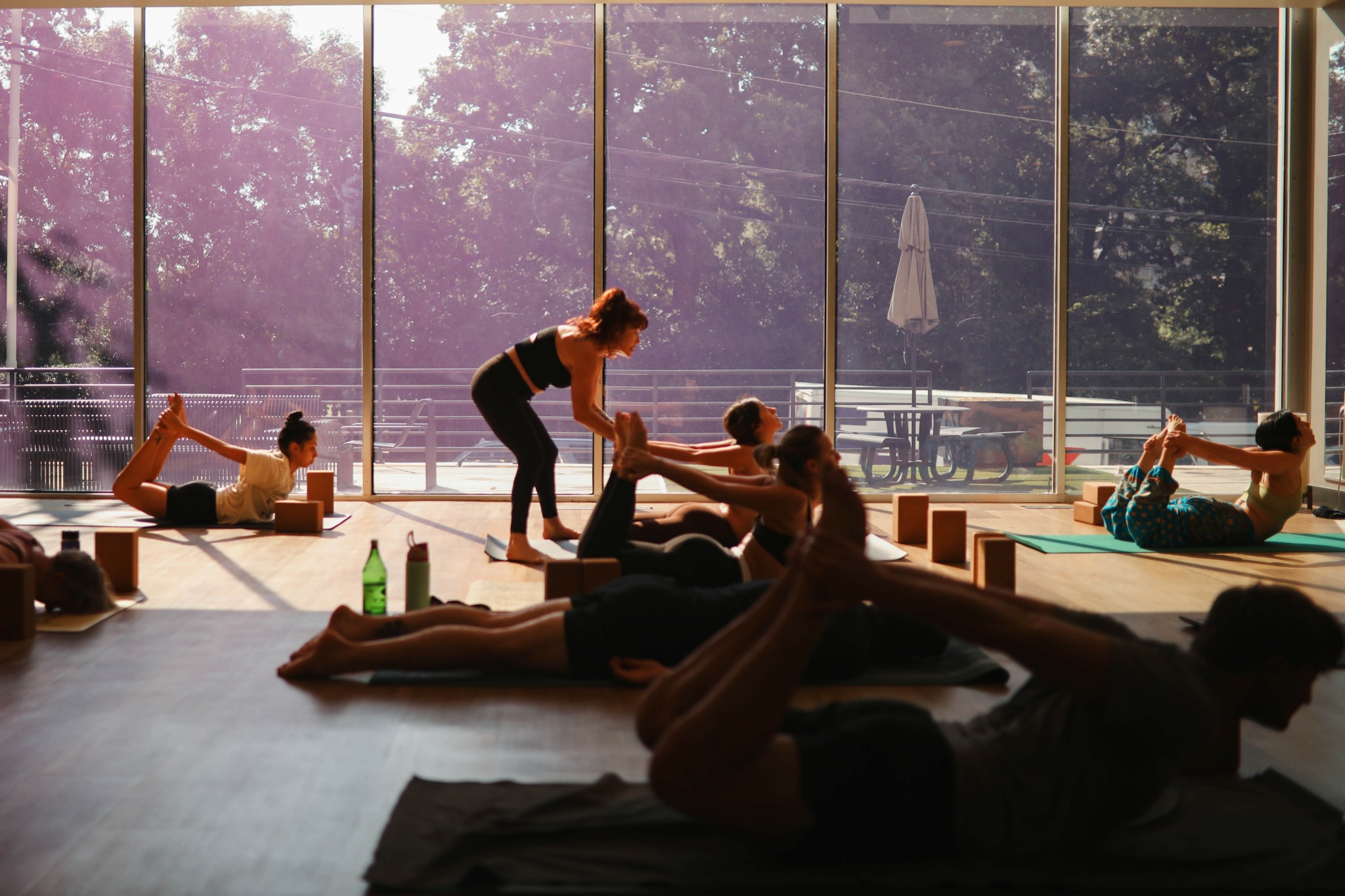
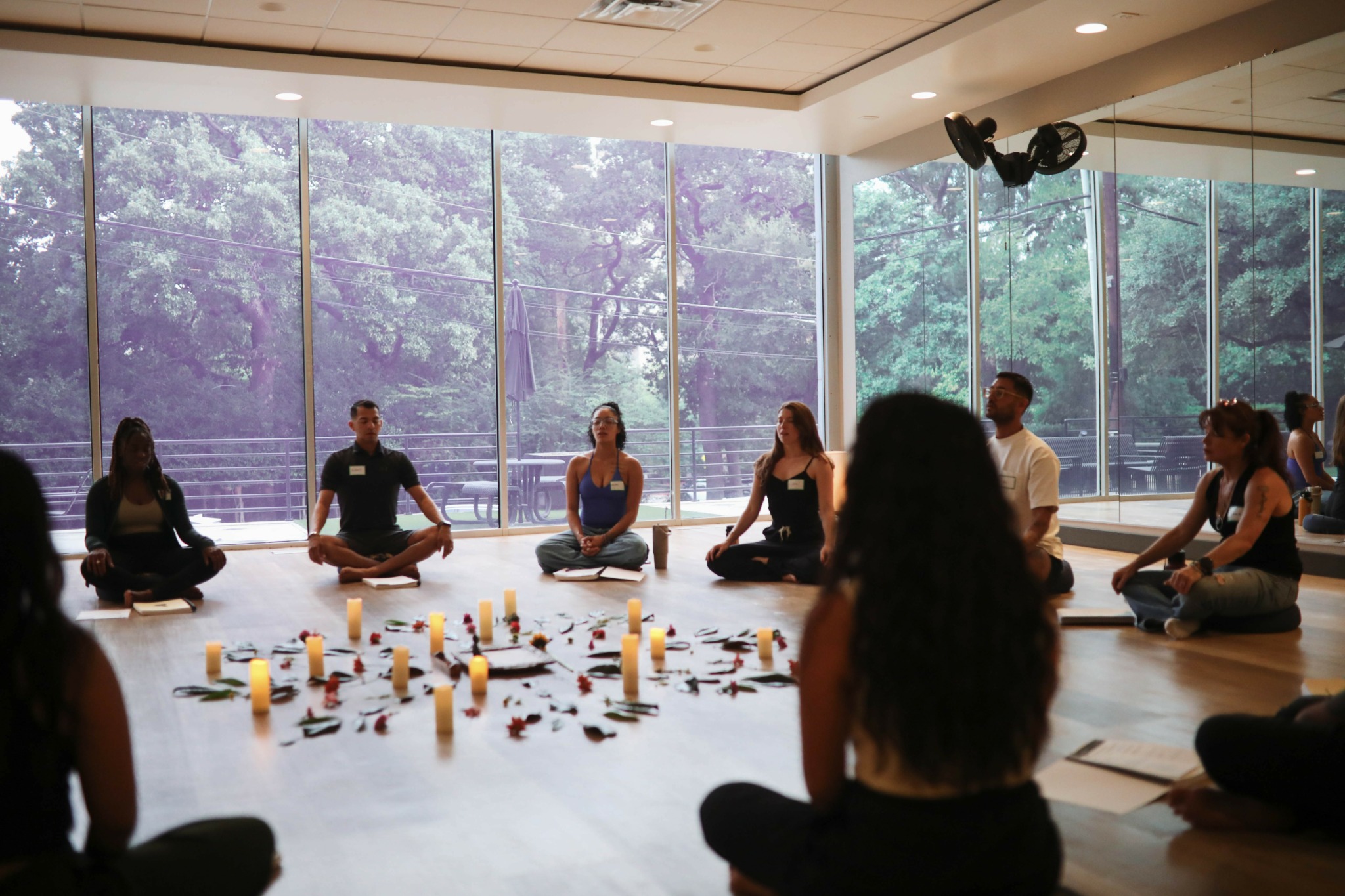

Image Credits
Brand Rich Studio