

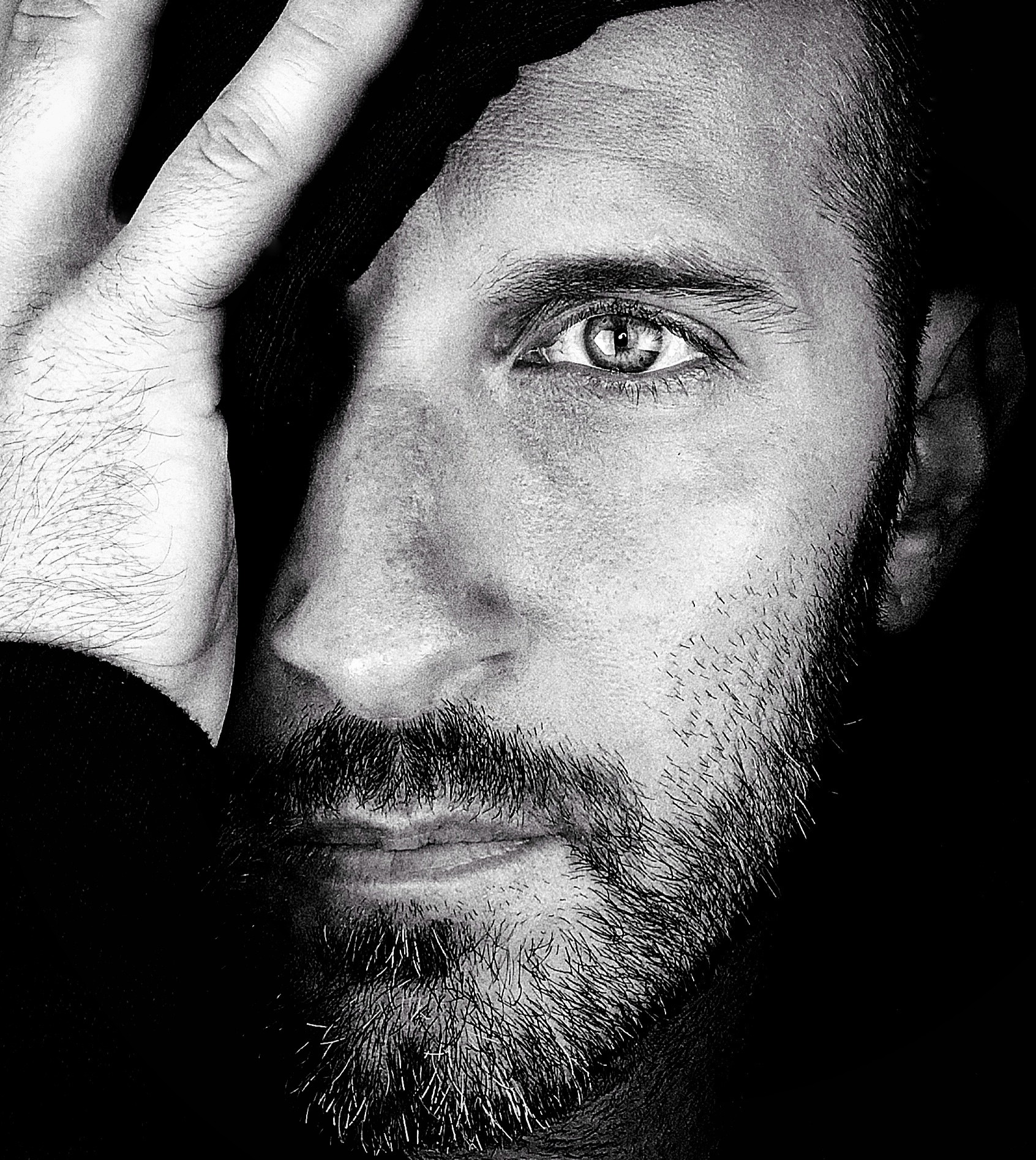

Alright – so today we’ve got the honor of introducing you to Mario A. Campanaro. We think you’ll enjoy our conversation, we’ve shared it below.
Alright, Mario A. thanks for taking the time to share your stories and insights with us today. We’d love to hear about when you first realized that you wanted to pursue a creative path professionally.
The first time I knew I wanted to pursue this creative path was not a single clear decision, but a moment of recognition and realization, as if something within me finally found its external form.
Throughout my childhood, I was deeply fascinated by the powerful question, “Why?”
Why do people behave the way they do? Why do human beings hurt one another? Why do people fight to survive? Why do others surrender? Why does suffering exist? Why do certain moments shape us forever? Why do we feel love, pain, rejection, shame, loneliness, longing, fear, joy, grief? That list goes on and on.
I was not interested in surface level answers. I wanted to understand what lived underneath human behavior. I wanted to know what existed beneath the smile, beneath the rage, beneath silence, beneath repression, beneath performance, beneath the social mask. Long before I understood what acting truly was, I was already obsessively studying the emotional, psychological, behavioral, energetic, and spiritual architecture of human beings.
There was a way I moved through the world as a child that was both deeply engaged and quietly separate. I was not passive in my experience of life. I was studying it. Listening to it. Tracking it. Observing it. I would sit with moments long after they happened, turning them over internally, trying to understand what had actually taken place beneath what was visible, and why.
That questioning unleashed my imagination.
And my imagination became my second reality.
I remember retreating inward frequently, spending countless hours alone in the basement creating entire imaginative worlds out of cardboard, music, ceiling lamps, fabric, costumes, construction paper, spray paint, markers, and whatever I could find around the house. That basement became my sanctuary, my rehearsal hall, my theatre, my refuge.
I wrote plays.
I created characters.
I sang and danced endlessly.
I built imaginative worlds that felt more alive and meaningful to me than everyday life.
Looking back as an adult, those stories I created then, and still create in my work now, center around struggle, duality, identity, suffering, reconciliation, forgiveness, isolation, and the desperate human need to be seen, understood, and loved.
One of the first plays I ever wrote was called The Beast and the Servant. It followed two opposing beings struggling through conflict and hardship, only to reveal in the end that the entire story was actually a little boy staring at himself in the mirror. Even then, I was trying to understand identity, loneliness, contradiction, shame, resilience, suffering, and the complicated nature of the self and life.
Art became the one place where emotional truth felt more real than the masks people wore in everyday life.
Then everything changed.
After my family moved to a new town, I met a friend who shared my passions and imagination. For the first time, I felt like I had met someone who spoke the same imaginative language I did. One evening, his family invited me to see him perform in a production of South Pacific, where he played Jerome, the son of Emile De Becque. I had never experienced live theatre before. The only theatre I knew was a movie theatre.
I still remember arriving there.
The theatre sat in front of a lake. It was a grand castle rising out of the landscape as if it had been there for centuries. The exterior carried grand majesty, but what I remember most was the feeling of approaching it. The shift in atmosphere. The sense that I was crossing into something unknown, yet strangely intimate and familiar. What a paradox to experience.
Inside, my world changed completely.
Rows of deep maroon velvet chairs filled the auditorium, slightly worn, as if they had absorbed generations of stories, silence, laughter, tears, and applause. The air was charged with anticipation and excitement. The audience settled in with programs in hand, their collective presence forming a soft energetic hum, a quiet shared expectancy that felt formal, almost ceremonial.
Then I looked toward the stage.
The set was open but darkened, like a world waiting for the energy and life force to inhabit it. The orchestra pit sat partially hidden below the house, musicians adjusting, tuning, preparing. I could hear fragments of sound rising up, strings, woodwinds, brass testing notes and tones. Even that alone felt like a world beginning to breathe.
Then the house lights dimmed.
Not abruptly, but gradually, as if the room itself were exhaling and letting go to be taken abroad into a new world.
The overture began.
And something inside me awakened in a way I can still viscerally remember.
The stage illuminated an entirely separate reality, and suddenly time stopped existing. I was overwhelmed by awe, imagination, music, emotion, storytelling, behavior, light, movement, and human connection. But more than anything, I was overwhelmed by truth. For the first time, I witnessed human beings courageously attempting to reveal the complexity of what it means to be alive.
And in that moment, I thought clearly and unmistakably:
I want that.
I want to be that.
I want to be an actor.
Every question I had ever carried suddenly found a home.
Theatre did not feel like entertainment to me.
It felt sacred.
It felt like medicine.
It felt like the first place where suffering, beauty, longing, conflict, joy, grief, and humanity itself could coexist honestly.
In that moment, something became undeniable. The world I had been building alone in my imagination was not separate from reality. It belonged to something larger. It could be shared. It could be witnessed. It could live between people. That recognition was the first time I understood, not conceptually but instinctively, that my life would be devoted to this act of storytelling and human truth.
From that moment on, my life began to organize itself around that knowing. I immersed myself in theatre, drama, music, dance, literature, psychology, philosophy, spirituality, and the study of human behavior. I auditioned for and worked in regional theatres, trained with professional acting coaches, and eventually pursued conservatory training at the University of North Carolina School of the Arts, drawn not simply by prestige, but by the pursuit of rigor, craft, discipline, instinct, truth, and the fearless exploration of human behavior.
The conservatory experience transformed me. It taught me that acting is not pretending. It is living truthfully under imaginary circumstances. It is both an art and a craft, and a demanding profession. It is the disciplined exploration of the human condition through imagination, behavior, psychology, empathy, and human connection. It refined my artistry while also deepening my understanding of life itself.
After graduating, I moved to New York City, signed with theatrical, commercial, voiceover, and print representation, and began working professionally on and off Broadway, in regional theatre, film, television, voiceovers, and print. During that time, I also began teaching professionally in Manhattan. Teaching deepened my relationship to the craft even further because it requires constant renewal of perception, presence, and honesty. It demands that I remain a lifelong student of human behavior.
Over time, personal and professional experiences deepened my philosophy as an artist, actor, teacher, playwright, and director. They reinforced my belief that great art does not come from perfection, but from the willingness to remain courageously in contact with truth.
That understanding ultimately led me to open MC² Actors Studio and MC² Repertory Theatre Company, spaces devoted to rigorous craft, emotional truth, ensemble, diversity, vulnerability, and the exploration of the human condition through storytelling with a wide range of diverse, extraordinary artists.
Looking back now, I understand that I did not simply choose this path.
I recognized it.
It chose me, and theatre gave shape to my endless hunger for that question: “why.”
And in doing so, it showed me that what I had been searching for all along was not an answer, but a place where the question itself could live fully, honestly, and courageously, without ever needing to resolve into something simple or complete.
Mario A. , love having you share your insights with us. Before we ask you more questions, maybe you can take a moment to introduce yourself to our readers who might have missed our earlier conversations?
My life’s work exists through storytelling, human behavior, and the exploration of the emotional, psychological, and spiritual complexities of the human condition. Through my work as a director, playwright, actor, acting teacher, and the founder of MC² Actors Studio and MC² Repertory Theatre Company, I have dedicated my career to creating truthful, emotionally alive work that deeply examines what it means to be human. At the center of everything I do is a commitment to truthful human behavior, emotionally honest storytelling, and the exploration of the human condition in all of its complexity, contradiction, beauty, suffering, resilience, and transformation.
I am profoundly inspired by history, psychology, philosophy, spirituality, music, literature, science, visual art, real human experiences, and imagination itself. All of these elements influence how I approach storytelling visually, emotionally, structurally, and behaviorally. I am constantly asking how story can impact people not only intellectually, but emotionally, psychologically, energetically, and spiritually.
As a director, I am deeply interested in human behavior and what lives beneath it. I am drawn to the invisible psychological, emotional, energetic, and circumstantial forces that drive human beings moment to moment as they attempt to survive, connect, protect themselves, pursue love, overcome suffering, or improve their present circumstances. I do not approach directing from a place of control or imposed performance. I approach it through investigation, collaboration, listening, and discovery.
My work is rooted in uncovering truthful behavior and emotion within the reality of the story. I am not interested in performances that feel manufactured, presentational, or emotionally indicated. I am interested in actors living truthfully within the given circumstances so that behavior and emotion emerge organically, instinctively, impulsively, and honestly in real time. For me, great storytelling happens when actors stop trying to “perform” emotion and instead fully pursue what they need behaviorally within the circumstances of the world. Over many years, I have learned that if the actor is truly pursuing what they want through active behavior, truthful action, and the character’s point of view within the given circumstances, then that delicious emotional life inevitably emerges on its own.
Because I have spent many years working professionally as an actor, teacher, and coach, I have been fortunate to develop a language that allows me to communicate with actors in a visceral, human, and actionable way. I understand how vulnerable acting is and how difficult it can be to translate abstract direction into playable human behavior. One of my strengths as a director is helping actors bridge that gap. I know how to communicate adjustments and notes in ways actors can fully embody psychologically, physically, emotionally, behaviorally, and energetically, freeing them rather than trapping them in intellectualization that ultimately locks the actor up.
I also deeply value collaboration. I believe every production is only as strong as the collective investment of everyone involved. I work closely with actors, designers, stage management, cinematographers, and creative collaborators to build living, breathing worlds that fully serve the story. My directing process is rooted in trust, ensemble, discipline, emotional honesty, specificity, imagination, rigorous exploration, professionalism, and respect. I believe the rehearsal room should be a space where artists feel safe and supported enough to take risks, fail, discover, challenge themselves, and ultimately arrive at something deeply truthful and alive, especially during a time when there is often very little time to fully bring a project to life on stage or screen.
As the founder of MC² Repertory Theatre Company, I created a space where original works can be developed through ensemble collaboration and artistic exploration. The repertory company serves as an extension of my directing and writing philosophy, creating work that is emotionally raw, behaviorally truthful, socially relevant, and deeply human.
As a playwright, I try to be fearless in the subjects I explore. I am drawn toward stories many people avoid because I believe the places we fear examining often hold the greatest opportunity for growth, understanding, healing, evolution, and transformation. My writing explores identity, suffering, relational dynamics, love received, love unreceived, heartbreak, shame, repression, grief, survival, emotional and psychological contradiction, longing, forgiveness, resilience, injustice, and the complicated realities of being human.
I do not write characters as ideas or symbols. I write human beings. I am interested in people who are flawed, contradictory, vulnerable, broken, hopeful, loving, destructive, resilient, and deeply alive, all trying their best based on what life has thrown at them. My plays are rooted in emotional truth, psychologically grounded behavior, and the collision between inner life and external circumstance. Even when my work is provocative, darkly comedic, heightened, or theatrical, it is always grounded in humanity.
Some of my original works developed through MC² Repertory Theatre Company include Over the F#(%!ng Rainbow, Somewhere, I’m Fine Mabel, The Skeleton Scenes, Sincerely. Seriously., Pure Goodness, It’s Tradition, Theresa, Frankie, & Gina Marie: A Family Tragedy, Nicky’s Closet, And Then I Remember Angel, and You Will Not Be Using My Bathroom
I am currently continuing the development of new theatrical works and expanding several projects now in active development and production, including film adaptations of select plays. One of the things I love most about theatre is that story remains alive. It continues to evolve through collaboration, rehearsal, development, and performance.
I also recently returned from the UK, where I directed Doing Brave Productions’ world premiere of the musical Full Swing, an incredibly moving experience and a great success.
Alongside my directing, playwriting, and acting career, I am proud to have founded MC² Actors Studio, an internationally recognized conservatory based training environment for actors working in theatre, film, television, and streaming. The studio was created to give actors a true artistic home, a place where they can rigorously develop their craft in a safe yet demanding environment, surrounded by serious, committed, and diverse artists devoted to both the work and the discipline it requires.
At its core, MC² Actors Studio exists to support actors in holding themselves to a standard of artistic excellence that reflects the demands of the industry. I often remind students that if they hold artists such as Viola Davis or Meryl Streep in high regard, then they must also be willing to hold themselves to that same level of commitment, discipline, investment, and responsibility. The craft requires nothing less.
My teaching evolved naturally out of my experience as both an actor and director, and from years of observing what allows performers to access consistent, truthful, and alive work. Over time, I became deeply invested not only in helping actors deliver strong performances, but in helping them build a process they can rely on throughout their entire careers.
One of the central challenges many actors face is the gap between talent and consistent execution. Many artists possess instinct, imagination, emotional depth, and sensitivity, yet struggle to reliably access truthful work under pressure. Too often, they rely on hope, inspiration, or luck rather than a dependable process. My work is focused on bridging that gap by helping actors develop a craft that is embodied, reliable, consistent, emotionally connected, and professionally sustainable, so they can trust their work in any environment.
At MC² Actors Studio, I train actors through a multi method, ensemble driven approach that integrates Stanislavski, Adler, Hagen, Strasberg, Meisner, Chekhov, Linklater, Rodenburg, Alexander Technique, movement, mask work, voice and speech, and deep text analysis for both stage and screen. However, the emphasis is never on technique for its own sake. The goal is always to help actors embody truthful human behavior through their own instrument in a way that is alive, specific, and playable.
One of the most meaningful aspects of this work is witnessing transformation over time. Seeing actors move from fear into confidence, from imitation into truthful behavior, from self consciousness into freedom, and from inconsistency into professional reliability is profoundly rewarding. I am equally proud that MC² Actors Studio has remained committed to high artistic standards, ensemble based training, discipline, diversity, and emotionally honest storytelling in an industry that often prioritizes speed and surface over depth.
Ultimately, everything I do is interconnected. Directing informs my teaching. Teaching informs my directing. Acting informs my writing. Writing deepens my understanding of behavior and story. It all exists within a single ongoing exploration of human truth, artistic integrity, and purposeful storytelling.
What I want people to understand about my work is that it is rooted in truth, collaboration, discipline, imagination, vulnerability, and transformation. Whether I am directing, writing, teaching, acting, or developing new work, my goal remains the same: to create environments and stories that allow people to feel deeply connected to themselves, to one another, and to the complexity of what it means to be alive.
Is there a particular goal or mission driving your creative journey?
What truly drives my creative mission is an endless curiosity and a deep reverence for life and humanity itself.
At the core of my work is a commitment to truthful human behavior and emotionally honest storytelling. I believe art reveals the deeper truths of the human condition and creates moments where people feel seen, heard, understood, and less alone.
For me, storytelling is not just entertainment. It is also form of medicine. It accompanies us through every stage of life, giving language to experiences we often cannot articulate and transforming lived experience into meaning.
As artists, we are not simply performing. We are revealing humanity. The work is grounded in our humanity, shaped through presence, lived experience, and truth.
Acting, when approached honestly, is not about becoming someone else, but about becoming more fully oneself within given circumstances. It dissolves constructed identity and returns us to direct presence through imagination and behavior.
Awareness is central to this process. It removes distortion and clarifies reality, allowing us to perceive behavior and circumstance without illusion. From that clarity, truthful choices, instincts, and impulses emerge. It also strengthens empathy, as perception without judgment creates understanding, and understanding gives rise to compassion.
One of the defining challenges of contemporary life is disconnection from presence and direct human engagement. Acting restores these capacities by requiring deep listening, vulnerability, and real time responsiveness to another human being.
In its most essential form, the work asks artists to stop managing themselves and instead allow themselves to be fully human. In that state, behavior becomes alive, presence becomes grounded, and truth emerges, in all its grit and glory, without effort.
Human beings carry a fundamental need to be witnessed. Yet most live behind layers of protection, presenting curated versions of themselves. When those layers fall away, there is often a profound release, as something essential is finally allowed to surface.
In those moments, empathy expands. Compassion deepens. A shared humanity becomes visible.
This understanding informs everything I do as a director, playwright, teacher, and founder of MC² Actors Studio and MC² Repertory Theatre Company. I strive to create collaborative, supportive environments for honest, vulnerable artistic expression rooted in diverse, inclusive ensembles.
I believe artistic development does not occur in isolation, but through relationship, shared vulnerability, and openness. Community is not an extension of the work; it is part of the work itself.
I also believe artists carry a responsibility as witnesses of human experience. Our role is to reveal what is often unspoken and to translate life in ways that expand empathy. When approached with integrity, this work does not only communicate story, it deepens compassion in both artist and audience, widening our capacity to understand one another.
Within this art, imperfection is not a flaw to be corrected, but an essential condition of being human. It is what gives depth to experience and truth to expression.
At its core, acting is the practice of returning to presence: real time, real listening, and real exchange between human beings. Not the representation of connection, but connection itself.
In my work, I witness artists entering this state of truth. They discover, struggle, release, and connect in ways that are deeply human. It is not performance. It is return to truthful human authenticity in action and being.
Beneath all of this is a simple but enduring truth: human behavior is shaped by a search for love, expression, and understanding. Every action moves, in some direction, toward or away from connection.
This is why storytelling matters. It restores perspective, interrupts isolation, and reawakens shared humanity.
At its highest level, art is not separate from life. It is life made conscious.
Ultimately, my mission is to create truthful artistic environments and stories that bring people closer to themselves, closer to each other, and closer to a deeper understanding of what it means to be alive. I want the work to challenge, awaken, and move people emotionally, psychologically, and spiritually, and to remind us that beneath all difference, we are far more connected and powerful than we allow ourselves to believe.
Do you think there is something that non-creatives might struggle to understand about your journey as a creative? Maybe you can shed some light?
What many people do not understand is that this work requires the armor of a gladiator and the curiosity, playfulness, and imagination of a child. It is not for the faint of heart. It is for those who are fully of heart.
It is a deep passion and genuine love for the work that keeps artists moving forward despite constant uncertainty, rejection, and instability.
The reality of the industry is far less glamorous than it appears from the outside. It is a business shaped by competition, subjectivity, shifting trends, and limited access. Work is inconsistent, financial stability is never guaranteed, and even strong work can go unseen or unacknowledged depending on timing, politics, preference, or circumstance.
Access itself is one of the greatest challenges. Opportunities to be seen are limited, and much of the process for actors now takes place through self tapes, often without feedback or knowledge of how long a submission is viewed, or whether it is viewed at all.
For directors, playwrights, and theatre makers, the barriers expand further. Scripts can take years to develop, yet finding readers, funding, collaborators, rehearsal spaces, and performance venues requires persistence, strategy, and personal investment. Producing theatre today exists within a fragile ecosystem shaped by rising costs, shifting audience patterns, streaming culture, and the rapid evolution of technology.
What is often unseen is the labor required to make work feel effortless. A performance or piece that appears natural, spontaneous, and alive is the result not only of innate talent, but of sustained training, rehearsal, reflection, development, and self exploration. The audience experiences the result, not the process that made it possible.
The craft of acting is built through discipline and repetition. It requires talent, imagination, professionalism, curiosity, empathy, vulnerability, courage, and consistency. It cannot remain conceptual. It must become embodied, integrated into breath, thought, emotion, and behavior until it is accessible and alive moment to moment.
Talent married to craft is what sustains performance over time. It allows an artist to repeat truth night after night or take after take without relying on hope or luck. When deeply developed, it creates trust in preparation, which then allows freedom and reliability in execution. The artist can fully inhabit a moment because the foundation has already been built.
In practice, inspiration alone is not reliable. Emotional availability shifts, which is why technique is essential. Tools must be practical, tangible, and grounded in observable human behavior so they can be used consistently in rehearsal, audition, performance, and in the work of directing and teaching others. At no point in professional practice is the artist searching for craft in the moment. They are relying on what has already been built through years of training and refinement.
There is a cultural misconception that this work is quick to achieve. Visibility and recognition are often mistaken for mastery. In reality, there are no shortcuts. Progress is slow, cumulative, and dependent on long term commitment rather than isolated moments of success.
Because opportunities are not consistent, ongoing training is essential. Auditioning alone is not enough, as it is a different skill set from sustained performance work. Without continued practice, specificity diminishes, instincts weaken, and confidence erodes. The craft must remain active, not dormant.
This is why environment matters. Artists need spaces that balance rigor with support, where exploration is encouraged, failure is part of development, and repetition builds resilience. In those spaces, artists refine their craft while remaining open, responsive, and alive rather than guarded or mechanical. This is as true for students as it is for working professionals.
Acting is a profession, a skill, and a lifelong practice. It evolves continuously alongside the artist. When this is understood, the pursuit of shortcuts dissolves, and talent and craft begin to operate in alignment. From that alignment comes freedom, not as ease, but as readiness, the ability to respond truthfully in the moment without resistance.
At its foundation, this work is not about perfection. It is about human truth within given circumstances. The artist’s task is to engage fully with truth and allow the complexity of human experience to exist without simplification or avoidance. That requires vulnerability and courage without protection and the willingness to remain open in moments of discomfort.
What ultimately emerges from this process is not simply a performance, but a shared human experience in real time.
Contact Info:
- Website: www.mc2actorsstudio.com
- Instagram: @mc2actorsstudio
- Facebook: @mc2actorsstudio
- Linkedin: www.linkedin.com/in/mario-a-campanaro
- Twitter: @mc2actorsstudio
- Youtube: @mc2actorsstudio
- Other: Website: www.mariocampanaro.com
Facebook: @mario.a.campanaro, @mc2repertorytheatreco
Instagram: @mario.a.campanaro @mc2repertorytheatreco
Alignable: www.alignable.com/los-angeles-ca/mc2-actors-studio
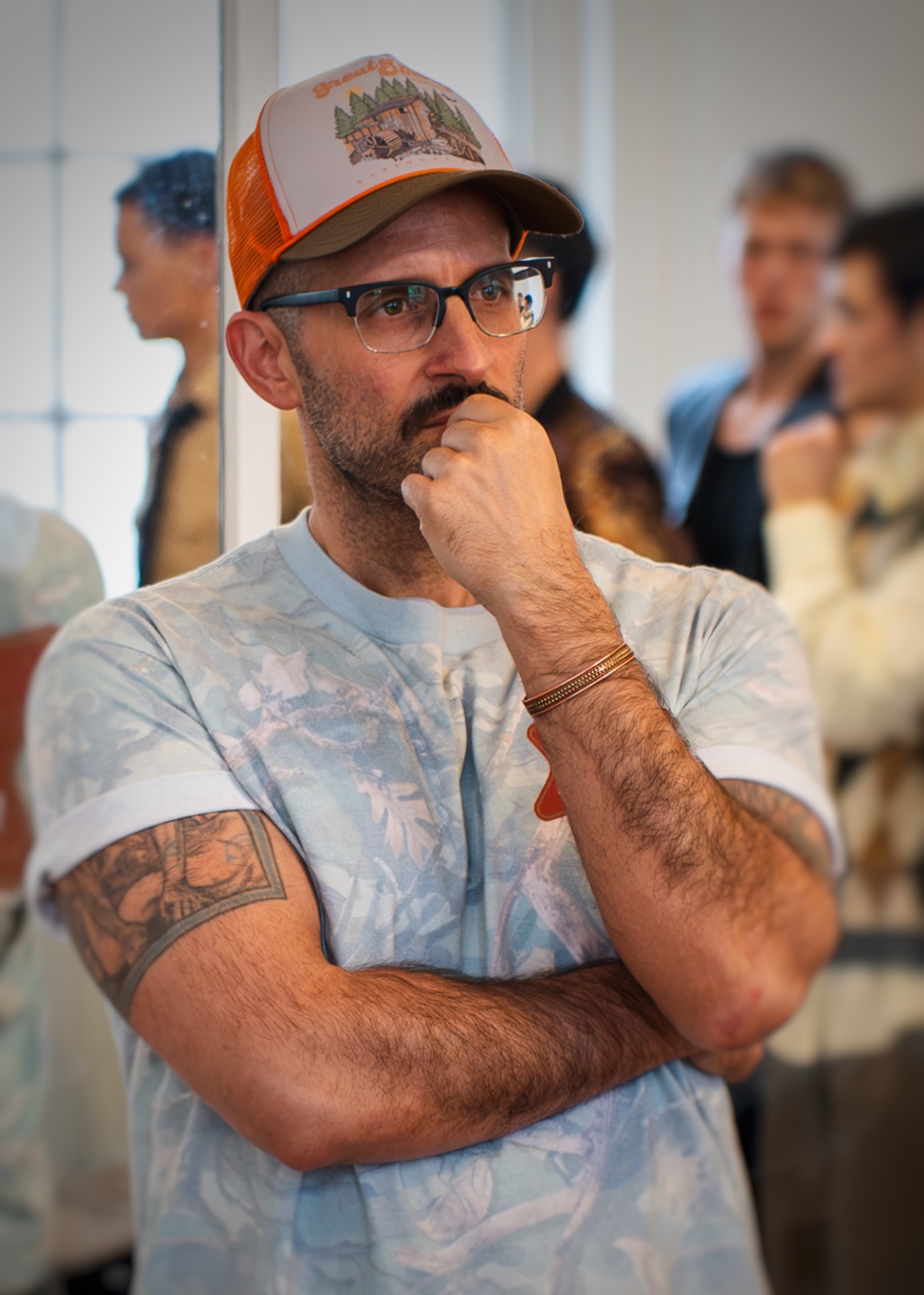
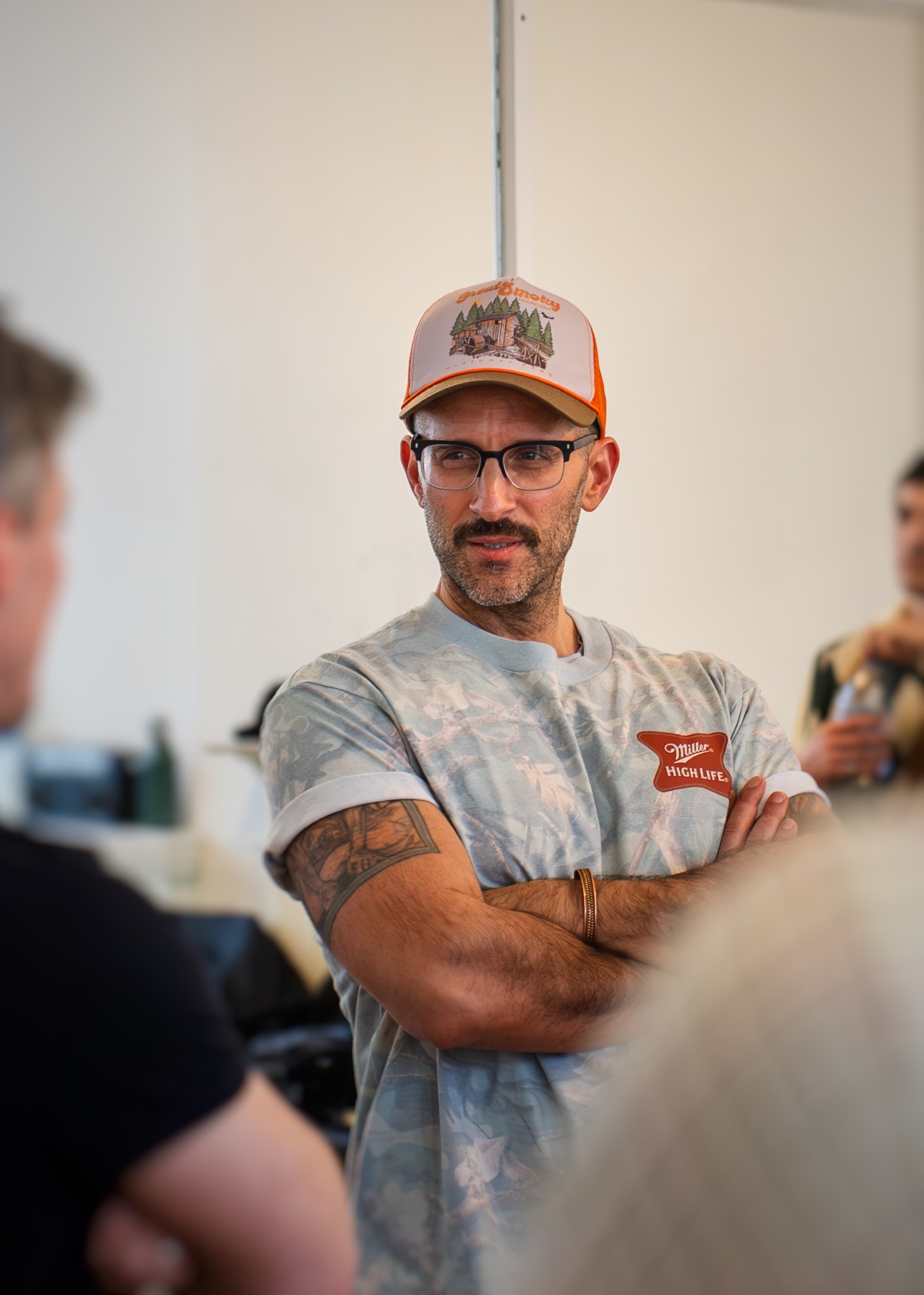
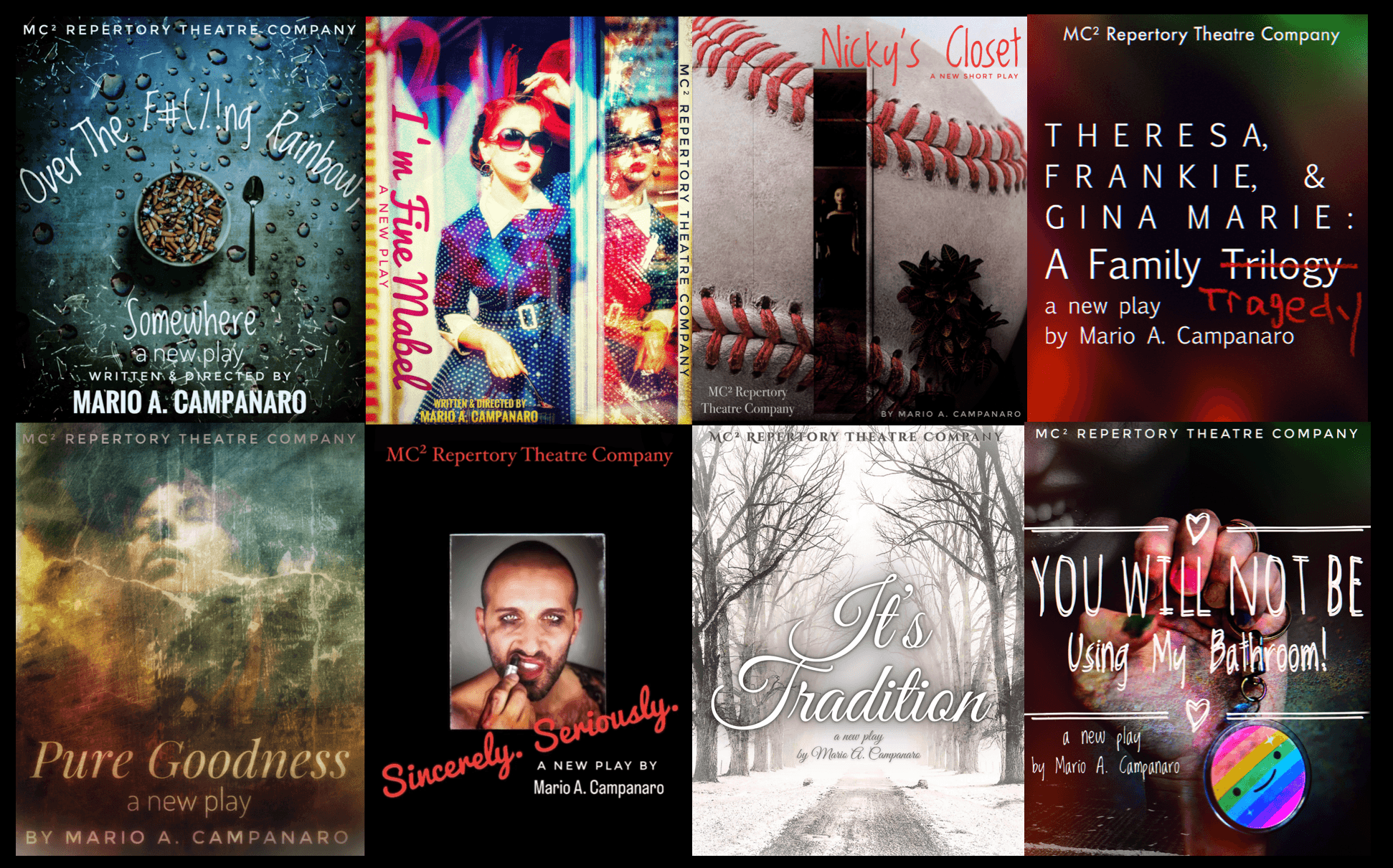
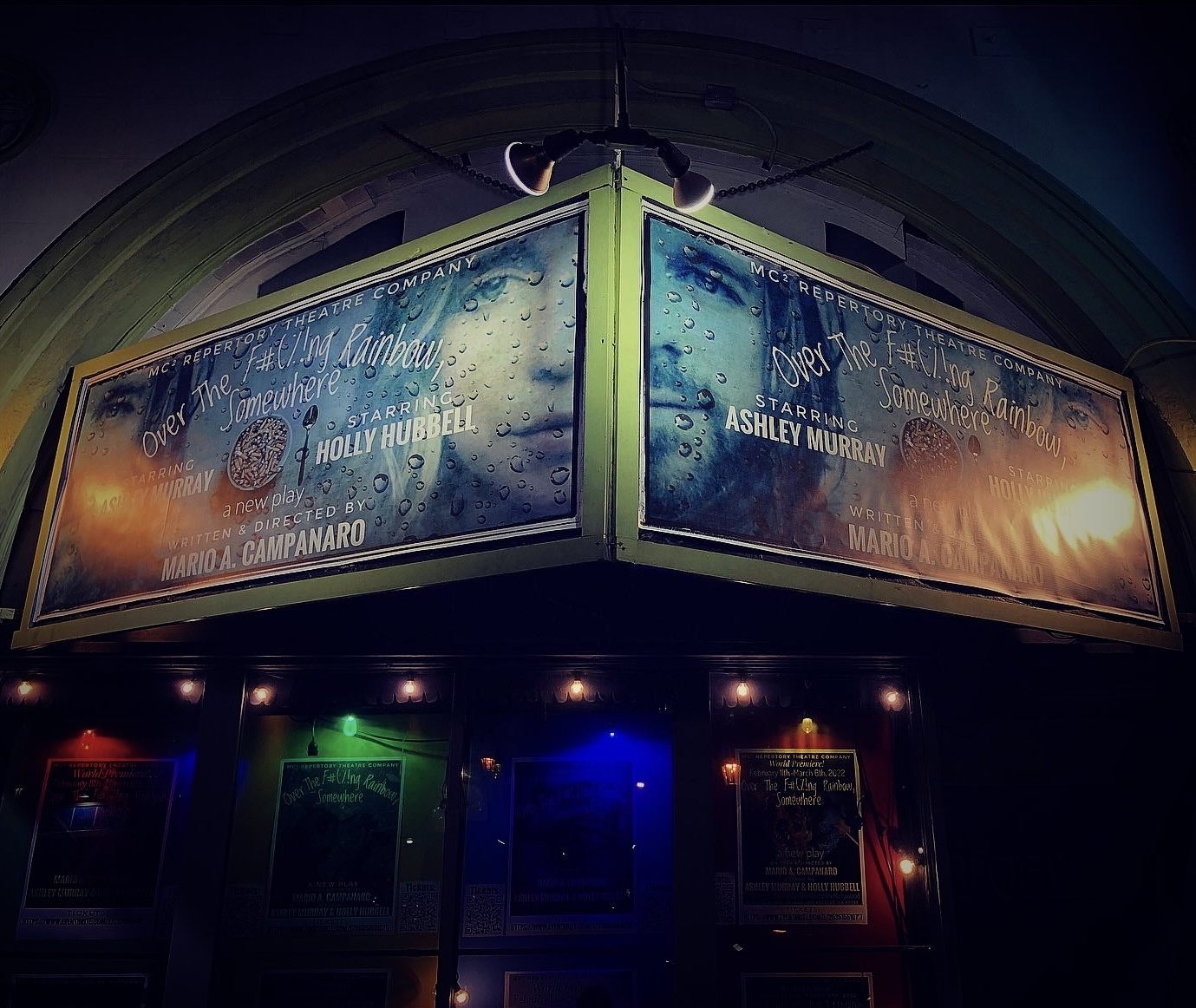
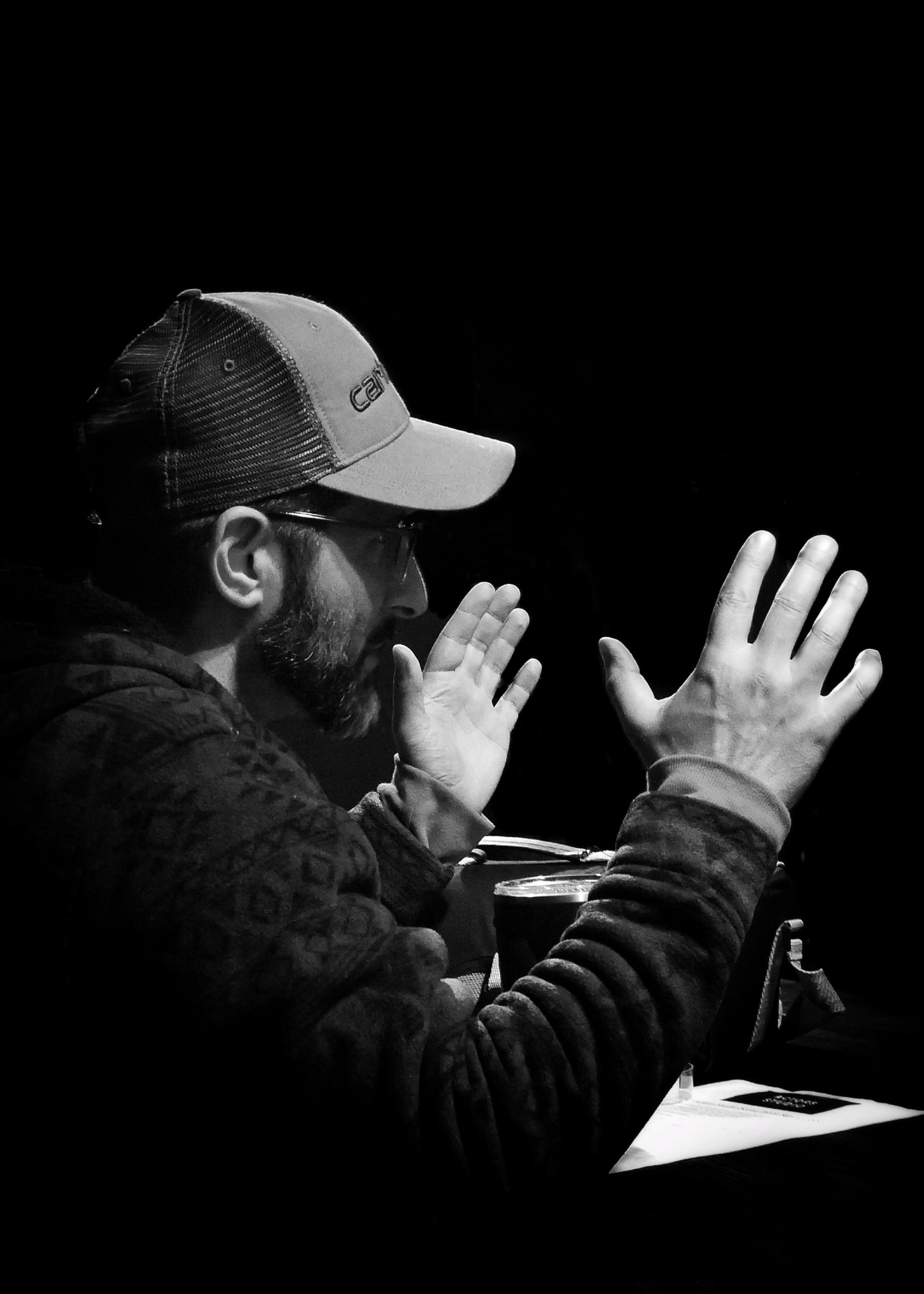
Image Credits
Images 1–4: Full Swing – Michas Baboulene (@michis_b)
Images 5–8: MC² Repertory Theatre Company (@mc2repertorytheatreco)
Images 9–12: MC² Actors Studio (@mc2actorsstudio)