

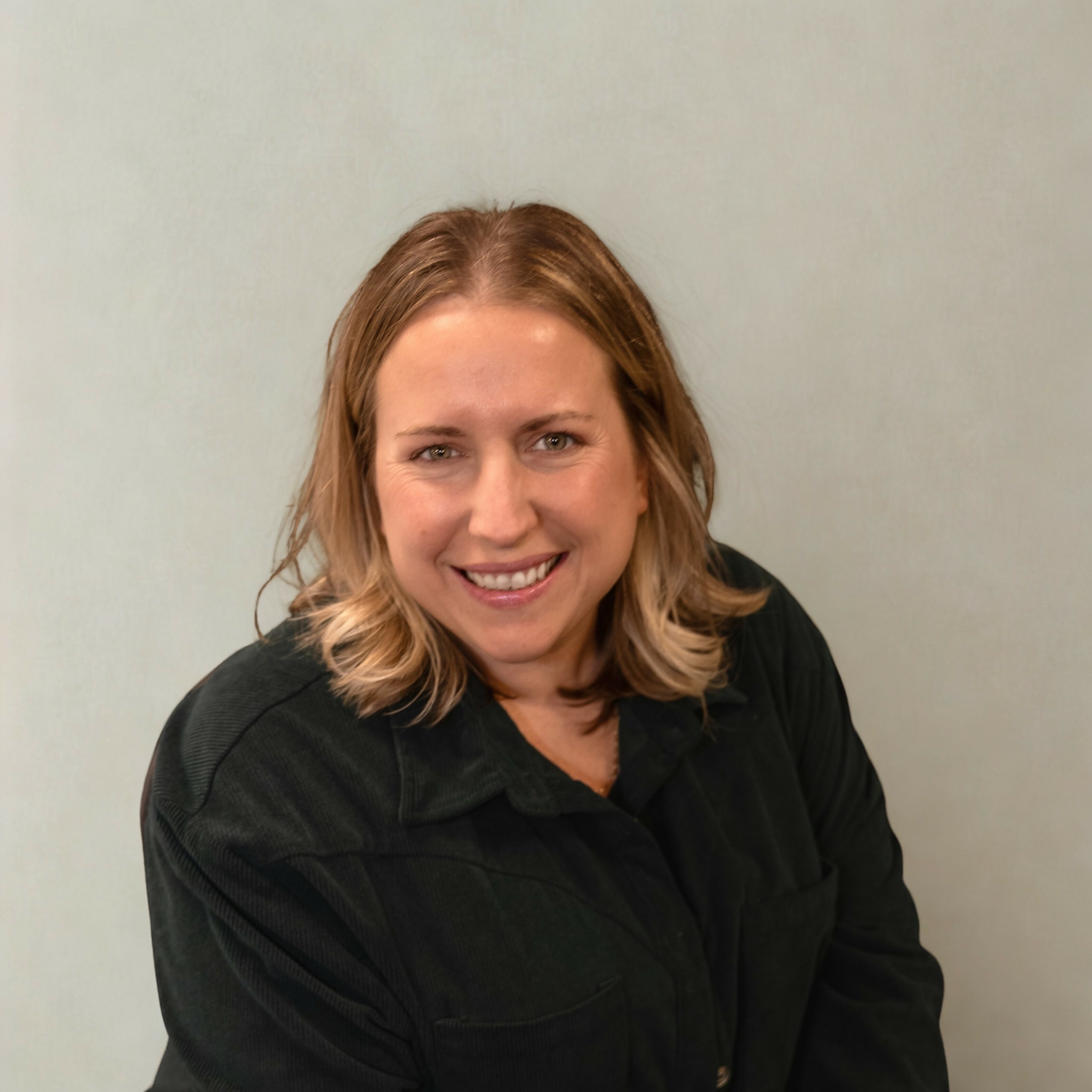

We recently connected with Mallory Kurkosky and have shared our conversation below.
Hi Mallory, thanks for joining us today. Can you open up about a risk you’ve taken – what it was like taking that risk, why you took the risk and how it turned out?
For nearly ten years, I’ve worked as a mental health therapist, and for a long time I assumed that would be the path for the rest of my career. After all, it took years of schooling and supervision to become licensed, and I truly loved the work of sitting with clients and walking alongside them in their healing. But about a year and a half ago, something began to shift. I’ve always felt a deep pull toward helping those who have experienced profound trauma, and since graduate school I had a particular passion for supporting survivors of trafficking. I just never quite knew how to step into that work, so the dream quietly sat in the background for many years.
That changed when I went on a missions trip to a safe house in Montana. During that experience, I began to see firsthand the significant gap in long-term, intensive therapeutic care available to survivors. I also saw how many organizations doing incredible work simply don’t have the resources they need to provide that level of care. The more I learned, the more I felt a growing conviction that this was where I was being called to focus my efforts.
Over the past year, my professional goals began to shift in a big way. By the end of 2025, I made the difficult decision to resign from the clinic where I had worked for nine and a half years and devote my full attention to building my nonprofit. It was easily the biggest risk I’ve ever taken—and I’m not naturally much of a risk-taker. But my faith played a huge role in that decision, and deep down I knew this was the next step I was meant to take.

Great, appreciate you sharing that with us. Before we ask you to share more of your insights, can you take a moment to introduce yourself and how you got to where you are today to our readers.
I’m a Licensed Professional Clinical Counselor who has spent nearly a decade working in outpatient mental health, walking alongside individuals as they navigate trauma and healing. Throughout my career, I felt a strong pull toward serving those who have experienced some of the most profound trauma, particularly survivors of trafficking. As I began learning more about the realities survivors face after leaving trafficking situations, I realized there is a significant gap in access to long-term, specialized mental health care. That realization ultimately led me to start Embers of Hope, a nonprofit dedicated to reducing the barriers survivors face when trying to access consistent, trauma-informed therapy.
Alongside that work, I also created Refined by Fire, which began as a consulting and training initiative focused on helping organizations and professionals better understand trauma, create emotionally safe environments, and reduce burnout among those doing difficult helping work. Over time, it became clear that these two efforts were deeply connected. Because of that, Refined by Fire is now being integrated into Embers of Hope so that we can expand our impact and better support anti-trafficking organizations as a whole—not only by helping survivors access therapy, but also by equipping the organizations that serve them with trauma-informed training, guidance, and support.
My work focuses on addressing both sides of the healing process: ensuring survivors have access to high-quality, long-term therapeutic care, while also strengthening the organizations and professionals who support them. What sets this work apart is that it is grounded in clinical experience and shaped by the real needs I’ve witnessed firsthand in the field. Healing from complex trauma isn’t quick, and it requires safe relationships, consistent care, and systems that are built to support long-term restoration.
What I’m most proud of is taking the step to leave a career I had built for nearly ten years in order to pursue this mission full time. It was the biggest risk I’ve taken, but one that was deeply guided by my faith and a conviction that survivors deserve access to the kind of care that truly supports lasting healing. At the heart of everything I do is the belief that restoration is possible—and that when communities, clinicians, and organizations work together, we can create pathways for survivors not just to survive, but to truly heal and rebuild their lives.

We’d love to hear a story of resilience from your journey.
This past year has been far from easy. I’ve faced significant barriers and challenges, both personally and professionally, that at times felt like they were slowing down the work I’m trying to accomplish. The name Refined by Fire actually comes from a Bible verse about being refined through affliction, and over the past year I’ve experienced the truth of that in a very personal way. The hardship I’ve walked through has strengthened my resilience and perseverance more than I expected.
I don’t have just one defining story from the year because, honestly, it felt like a year defined by resilience. I simply kept going. There were many moments when I wanted to quit and wondered if the mission in front of me was too big of a mountain to climb. At times it felt impossible. But through consistent support from trusted relationships, prayer, and practicing the same emotion regulation skills I teach others, I found the strength to keep moving forward.
While some of my circumstances have shifted along the way, the biggest change has been within me. Through the challenges of this past year, I’ve experienced a level of personal healing and growth that I never expected. In many ways, the refining process has shaped me just as much as it has strengthened the mission I’m pursuing.

Putting training and knowledge aside, what else do you think really matters in terms of succeeding in your field?
What has helped me succeed most in my field has been doing my own healing work over the years. My education and clinical training have certainly been invaluable, but if someone’s nervous system is constantly activated by unresolved trauma, it’s very difficult for that training to fully show up in the work they do with others. Many therapists enter this field because of the pain or trauma they’ve experienced in their own lives. While that can create deep empathy, it also means it’s essential to do the personal work of healing.
Unfortunately, not all therapists take the time to address their own wounds, and when that happens it can unintentionally impact the people they are trying to help. My biggest advice for anyone in a helping profession is to acknowledge the pain you’ve experienced and commit to doing your own healing work. It can be difficult, but it is absolutely worth it—for both you and the people you serve.
Contact Info:
- Website: https://www.embersofhopepc.org/
- Facebook: https://www.facebook.com/profile.php?id=61566860405947
- Linkedin: https://www.linkedin.com/in/mallory-kurkosky-201535104/

Image Credits
Headshot: Tessa B Photography