



Alright – so today we’ve got the honor of introducing you to Lord Of Horns. We think you’ll enjoy our conversation, we’ve shared it below.
Lord of Horns, looking forward to hearing all of your stories today. Do you wish you had waited to pursue your creative career or do you wish you had started sooner?
This is a rather interesting question. I started fairly young, but got into music in general way older than most of my peers. I was 16 when I bought my first bass and it took a year before I understood how music actually worked. By the time I was 19, I played in several local garage sort of bands and then I founded the project that would eventually become Lord Of Horns.
We called it Acryptylyse, it was a blend of black and thrash metal with haunting keyboard melodies. We were never a full band and we had a few line up changes before I found myself the only member.
Determined to go on, I learned all the instruments and recorded the first album myself… it was atrocious; but while promoting it at venues and concerts, I would meet more musicians who would later fill the line-up. In 2009, we released Oktober Myst and added a violin to the mix.
After the release, I took a long hiatus from music. Work and family became a primary focus; I had a son in 2012. After separating from his mother, I slowly got back into music. In 2015 I joined the black metal band Exinfernum on bass. Then, in 2018, I formed Dark Reverence with my girlfriend at the time. It was a strange mix of opera, goth, industrial, and black metal. With this band, I didn’t want to get encumbered by line-up issues; I just wanted to write songs and play shows. I would play bass live and we would back track the rest. This experience would by vital for my next endeavor.
I always wanted to get back to the Acryptylyse project. In 2022, I finally got a chance, but none of my former members were around and I knew what I wanted anyways. I began recording The Forest at Dusk with the intention of being a follow up to Oktober Myst, however, Acryptylyse never got much traction or notoriety. But since 2015, I’ve made a name for myself with my stage name, so I decided to release it under my pseudonym.
I feel like my journey started early, but the finished product came later than it should. I wish I didn’t take that long of a hiatus and I would have never let line-up issues dictate my progress. Now, I am in complete control of my music and where I take it.
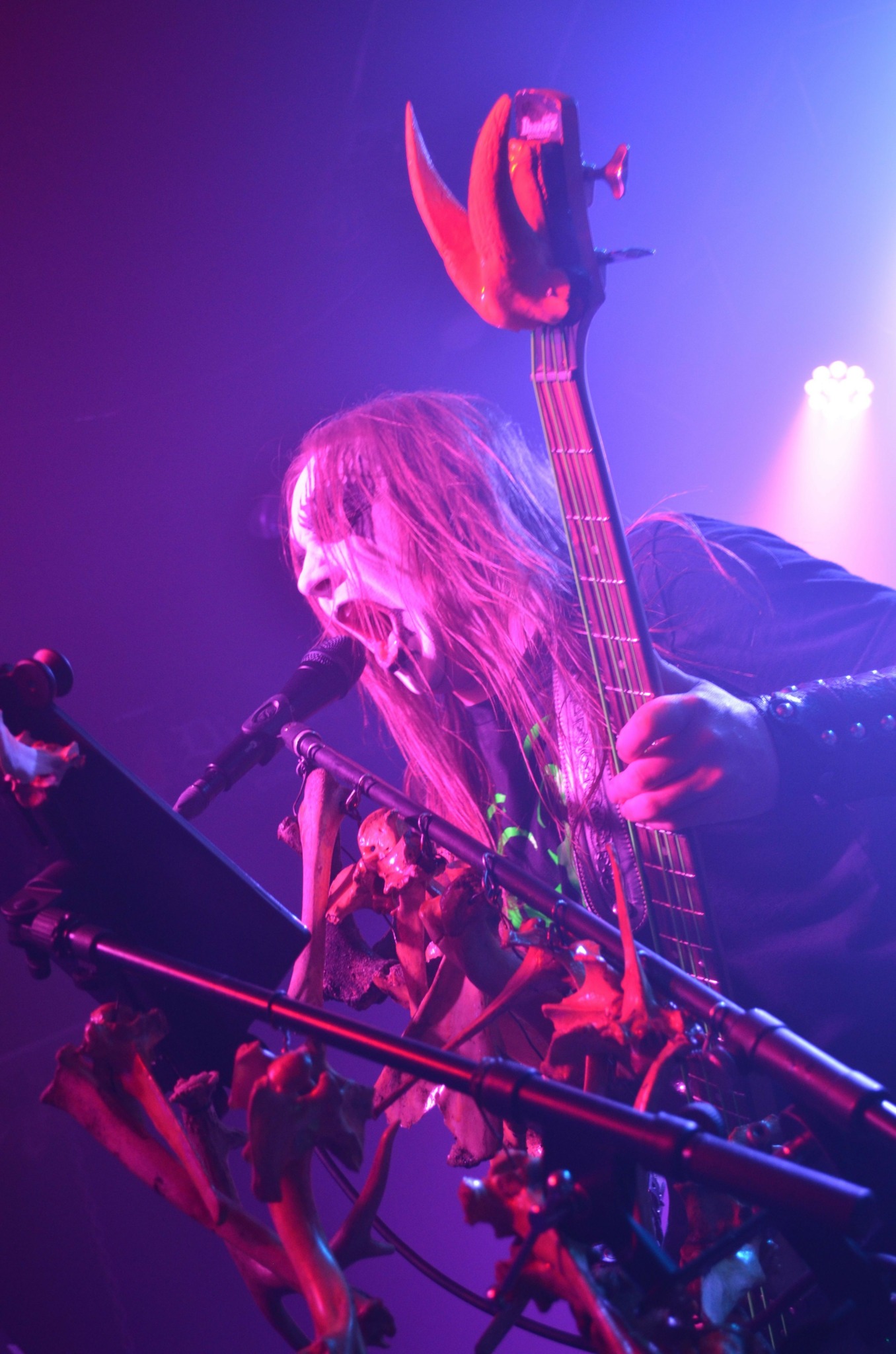
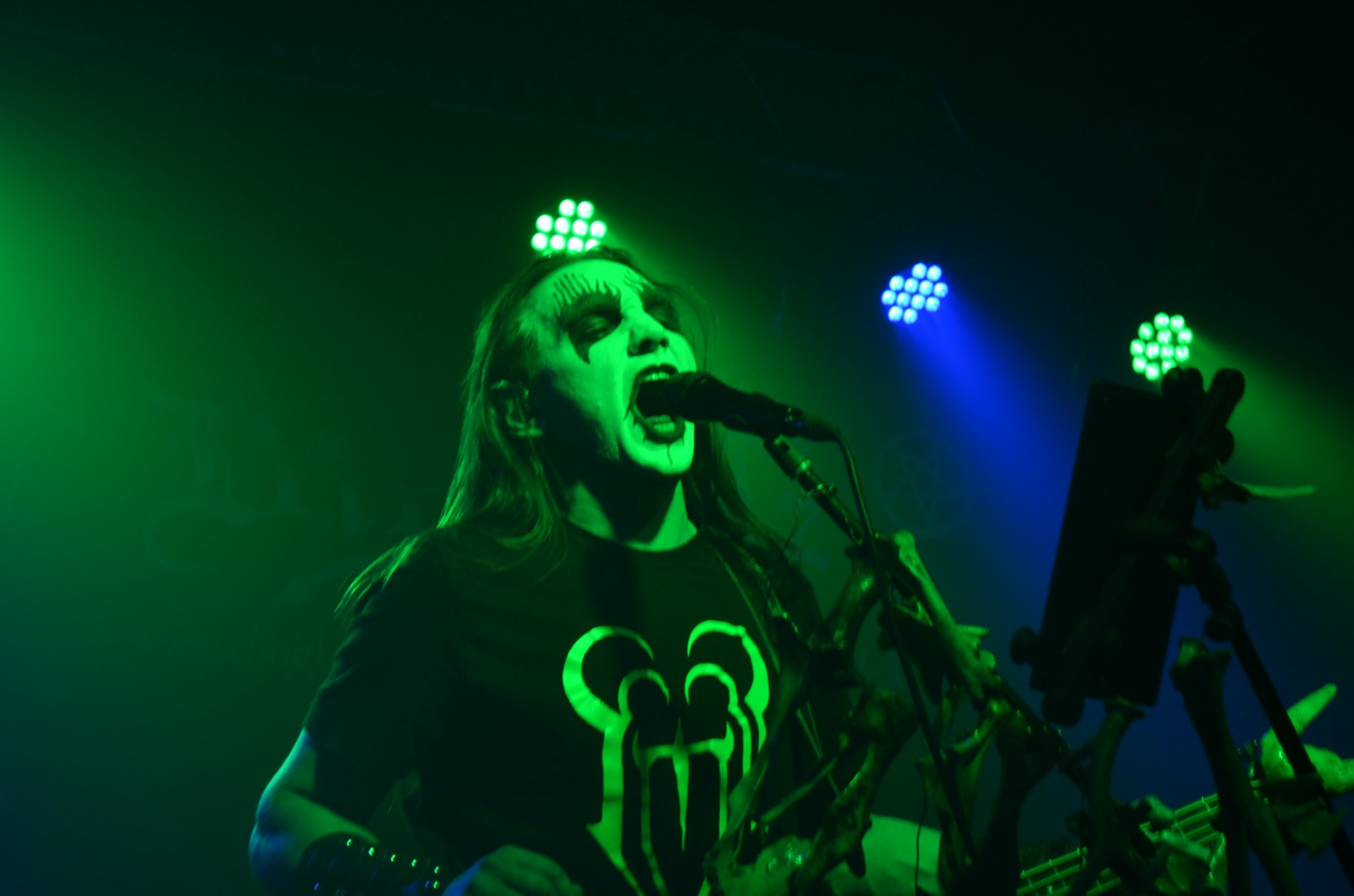
As always, we appreciate you sharing your insights and we’ve got a few more questions for you, but before we get to all of that can you take a minute to introduce yourself and give our readers some of your back background and context?
From a young age I had a fascination with horror movies, shows, books, anything creepy, mysterious, or gory. I enjoyed getting reactions from people when I scared them or creeped them out. During that time, I was also heavily into drawing, so much of my art was macabre or weird in nature. I was naturally creative, and always willing to explore new ways to development my talents.
In my early teens, I got into pro-wrestling. One night, KISS performed and I was captivated by their performance. I sought out their music and became a fan. I saw them live when I was 14 and I was mesmerized. I wanted to do what they did, but with more haunting music.
I was introduced to more music, like Black Sabbath, whom I loved because they started as a horror band. And, of course, the Misfits who started horror punk – I became such a fan, I currently reside in their home town!
But I also liked early Metallica, Slayer, and Overkill. All these bands were great, but I wanted something that combined haunting or chilling atmosphere with a fast-pace and technical musicianship.
Then one day I discovered King Diamond. I thought of him as Satanic KISS on crack. Everything was there, but it seemed a little tongue-in-cheek.
A few months later, I discover black metal and my friend told me the story of Mayhem. Intrigued, I look them and others up. This seemed a lot more serious. I dove into Burzum, Emperor, and Carpathian Forest next. I quickly realized this was the music I was made for.
Although I found my niche, I still felt the music and lyrics could be more haunting and horror themed, respectively. My music brings back that horrifying atmosphere that the first Black Sabbath album unleashed back in 1968. I combine it with unnerving riffs, unsettling chords, and a fast pace that induces trepidation. All together, I create soundscapes that invoke scenes of terror. The music and lyrics are complimentary. I listen to the music with my eyes closed and I write about the visions I see as they play out. Each song tells a story, the lyrics describe the actions and the music puts you in the scene.
Writing, recording, editing, creating art, and eventually releasing a full album myself was a huge feat. And, although, I feel accomplished in doing so, what really makes me feel like this was all worth it are the fans who mosh during my live sets or the independent underground critics reviewing my material. Because of them, I’ve been able to share the stage with other amazing acts and take my show across country. As long as I can get the crowd to move and win the acclamation of the most discerning elitist critics, I know I am writing music that others are yearning for. That is what keeps me going!
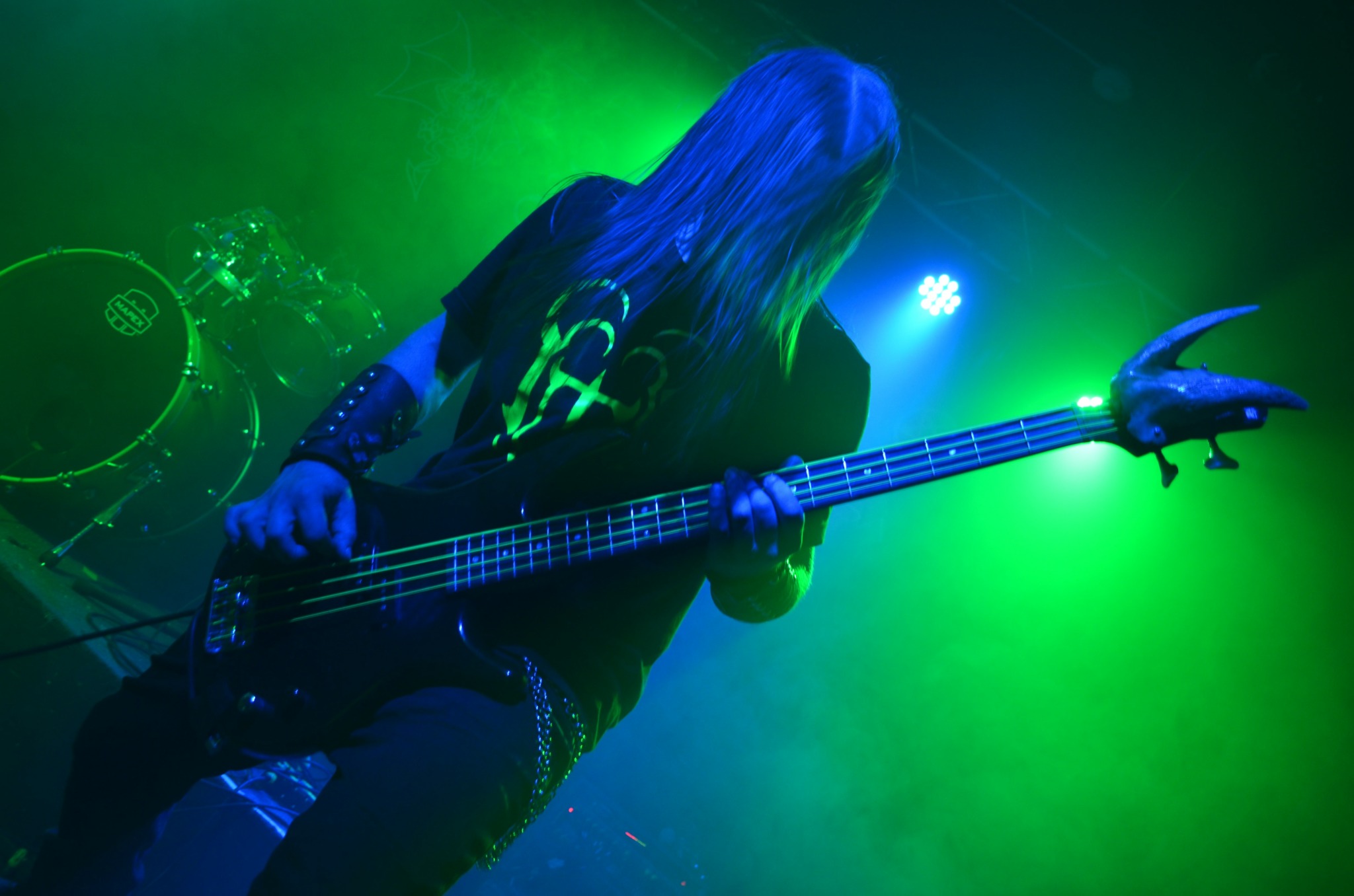
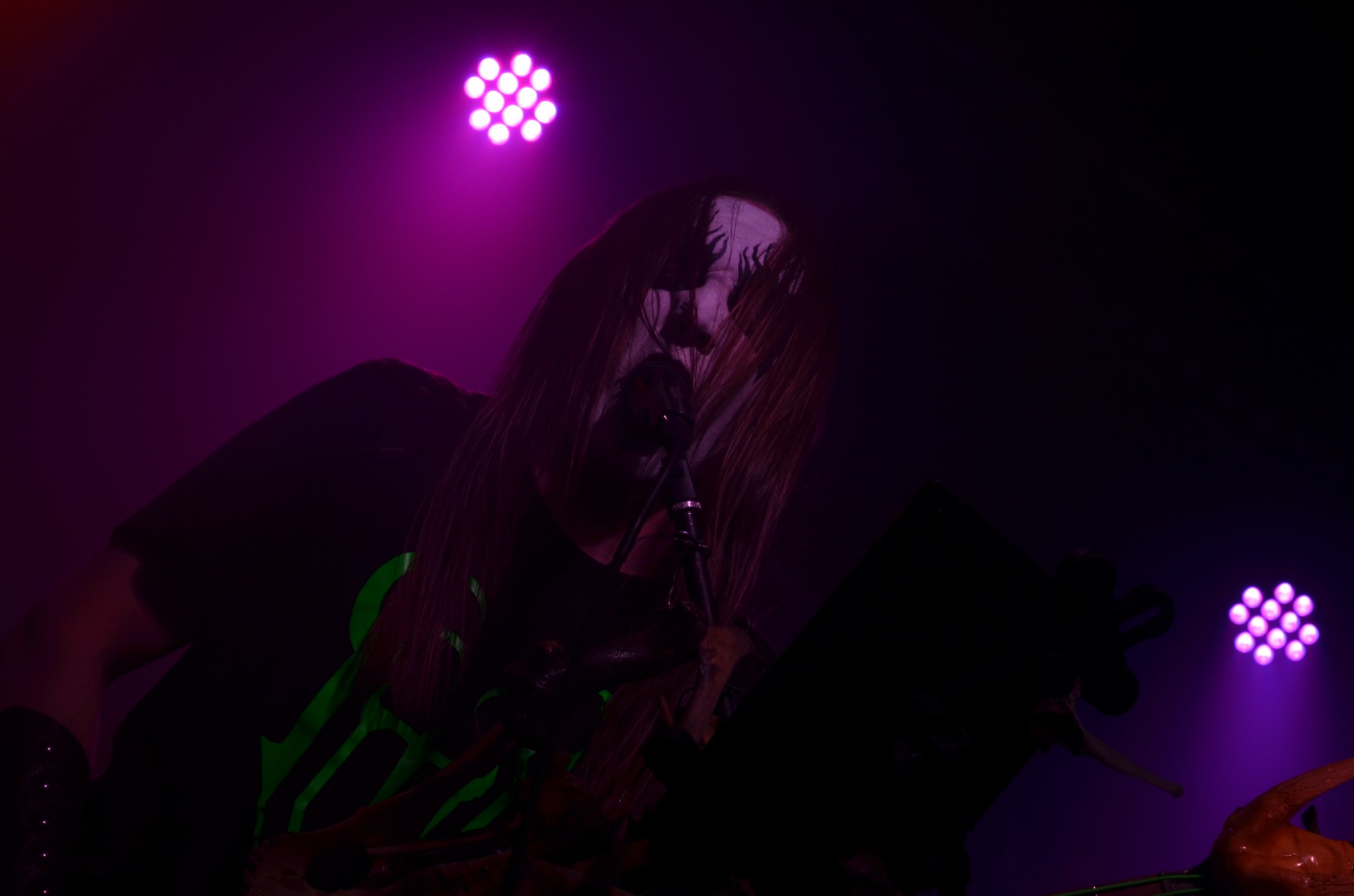
In your view, what can society to do to best support artists, creatives and a thriving creative ecosystem?
I am going to say something that goes against the majority of the artistic community. So get ready for some blasphemy!!!
Look back in history, not even too far, maybe only a 100 years is enough to explain my point. At every point where the economy was in good health and the general population was prosperous, there was a boom in the investments for arts. Theaters were built and people came to see plays. Paintings were bought at local galleries. Traveling bands would make money on their journeys.
However, whenever the economy was terrible – a recession or depression – no one had money for art. People could barely eat or pay rent/ mortgage.
If your curious what the state of our economy is in, just look at your local movie theater. What’s being shown? I dare you to name 1 incredibly written, artistically shot, original movie in the past 3 years. Don’t bother, you can’t.
So, what happens to artists during these economic down swings?
They are forced to get regular jobs and have less time to create the art that drives them.
They get bitter because they have no expressive release. Their talents shrivel up from lack of practice. They are doomed to create mediocre and vapid art when they try to get back into it. They realize their art sucks and get discouraged. Chances are, they stop completely. Leaving themselves soulless, without meaning. Working 9-5, just another cog in the machine, only to scrape by for a menial existence.
What should the artist want for society so they can continue to create?
Well, a good economy for starters.
What can an artist do to help ensure a good economy?
Like all citizens, they can vote for candidates for public offices who will introduce and support proven economic policies that will ensure prosperity among the masses.
What amazing works of art have been created in soviet Russia, communist China, Cuba, or North Korea?
None.
With communism, everyone is a slave. And what do slaves not have time or money for?
Art.
Capitalism is what allows art to sell and artists to thrive.
Every artist should be pushing for strong capitalist economic policies.
Right now, the entire world is at a crossroads. One way leads to global communism. The other to capitalist sovereign states.
It is especially up to artists to vote for sovereign capitalism because they have been fooled to believe communism is utopia.
The farmers, the truckers, the carpenters and plumbers, they all already know what is at stake. But, many artists have been brainwashed and must break free to realize their true calling can only be attained in prosperous times. And no one is prosperous under communist regimes.
If they don’t, they will be breaking rocks with the rest of us.
While I don’t know the intricate governing conditions of each person reading this, I can say that you must not let media biases form your opinions. Find out which candidates are supporting policies that will make more people money.
Vote for them, because they will allow you to pursue your artistic desires.
Oh, and in case it’s not abundantly obvious…
TRUMP 2024!!!

Can you share a story from your journey that illustrates your resilience?
If perseverance isn’t my middle name, then surely resilience is.
Not only am I the sole composer, author, and artist for my releases, I am also my own manager and promoter. I schedule the shows, plan events, correspond with other bands, and of course take time to message every new fan on social media.
It’s a grind.
But the one thing about being a one man band that is constantly overlooked until the day of the show is the sound quality of the backing tracks.
Many bands use backing tracks, but aren’t solely dependent on them, especially if they have a drummer.
But, for me, everything besides my bass and vocals are back tracked. So, it is imperative that they sound great. I want as live as a sound as I can get.
Difficult doesn’t begin to describe the process I’ve gone through.
Since my time in Dark Reverence, I have been back tracking. Back then, I didn’t have the best PA set up, so overcompensated some parts and undervalued others. Although, we were given props for what we were doing, we didn’t sound great. Part of the problem was each PA is different, so I could never have a consistent mix that sounded good.
Then, with LOH, I went through different monitors, PAs, and all sorts of speakers. I remixed my tracks several times over the last 2 years. Each time was a grueling process.
Eventually, I had enough. I decided to build a whole new rig. I started with 2 custom speakers I built. Each had 1 15″ woofer, 1 horn, and 2 tweeters. The horns kept blowing out during sound tests to see if they can compete with a live drum set.
I added fuses to the lines to prevent this. Still blew out. I added 2 horns to each speaker. No more blow outs.
Then the remixing. All the previous mixes sounded awful, I literally had to start from scratch for each song. Across all the songs, I wanted the drums to be at the same level so I started there and tweaked where needed.
I ran the tracks into a powered mixer out to the 2 new speakers and mixed accordingly. Then I cranked up the volume to see how loud it would go without blowing the speakers. It held against a live drum set.
Without much more testing, I took this rig on the road to California.
Only when I go back did I notice that when the volume was above 1/2 it would clip and sound like shit.
To prevent this, I built 2 more exact speakers to spread the load and prevent clipping. But that didn’t work.
I had to remix the tracks again to a lower volume and change the setting on the powered mixer so I could crank the volume without clipping.
Now, my live set includes 4 speakers and is a lot to set up for one person…
and I still think it could be louder….
But at least I have outputs to send everything into the venue’s PA.
Contact Info:
- Website: https://lordofhorns.bandcamp.com
- Instagram: https://instagram.com/lordofhorns
- Facebook: https://facebook.com/lordofhorns
- Youtube: https://youtube.com/@lordofhorns
- Other: rumble.com/user/lordofhorns
tiktok.com/@lord_of_horns
Image Credits
Clinton Jones