


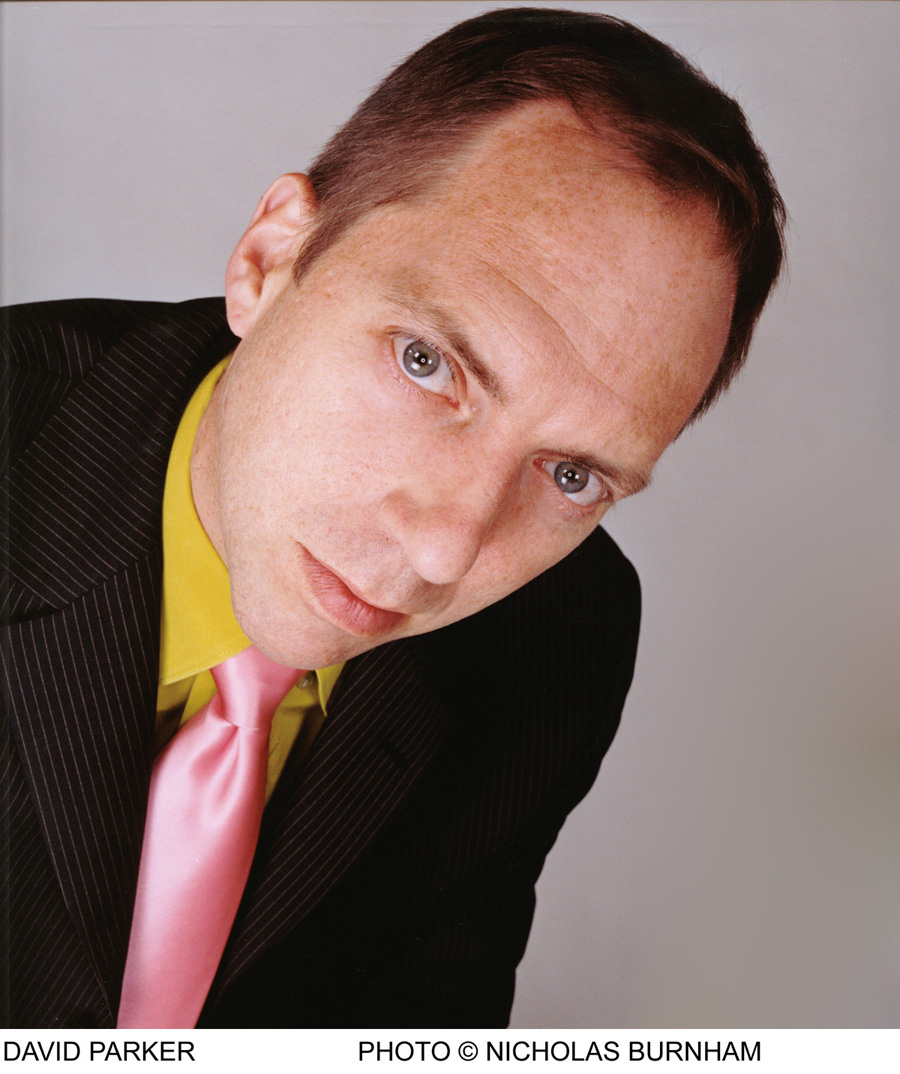
We were lucky to catch up with David Parker recently and have shared our conversation below.
Alright, David thanks for taking the time to share your stories and insights with us today. Has your work ever been misunderstood or mischaracterized?
I suppose all artists feel that they are misunderstood to a degree and part of the central challenge for any artist is to manifest their worldview in their art which is, in my case, choreography This means we’re almost always subject to misunderstanding. In a medium like dance which is so multiple in its meanings and implications at each moment, that kind of clarity is elusive. However, that doesn’t preclude my occasional rue at how my work is perceived. I also revel in that kind of multiplicity.
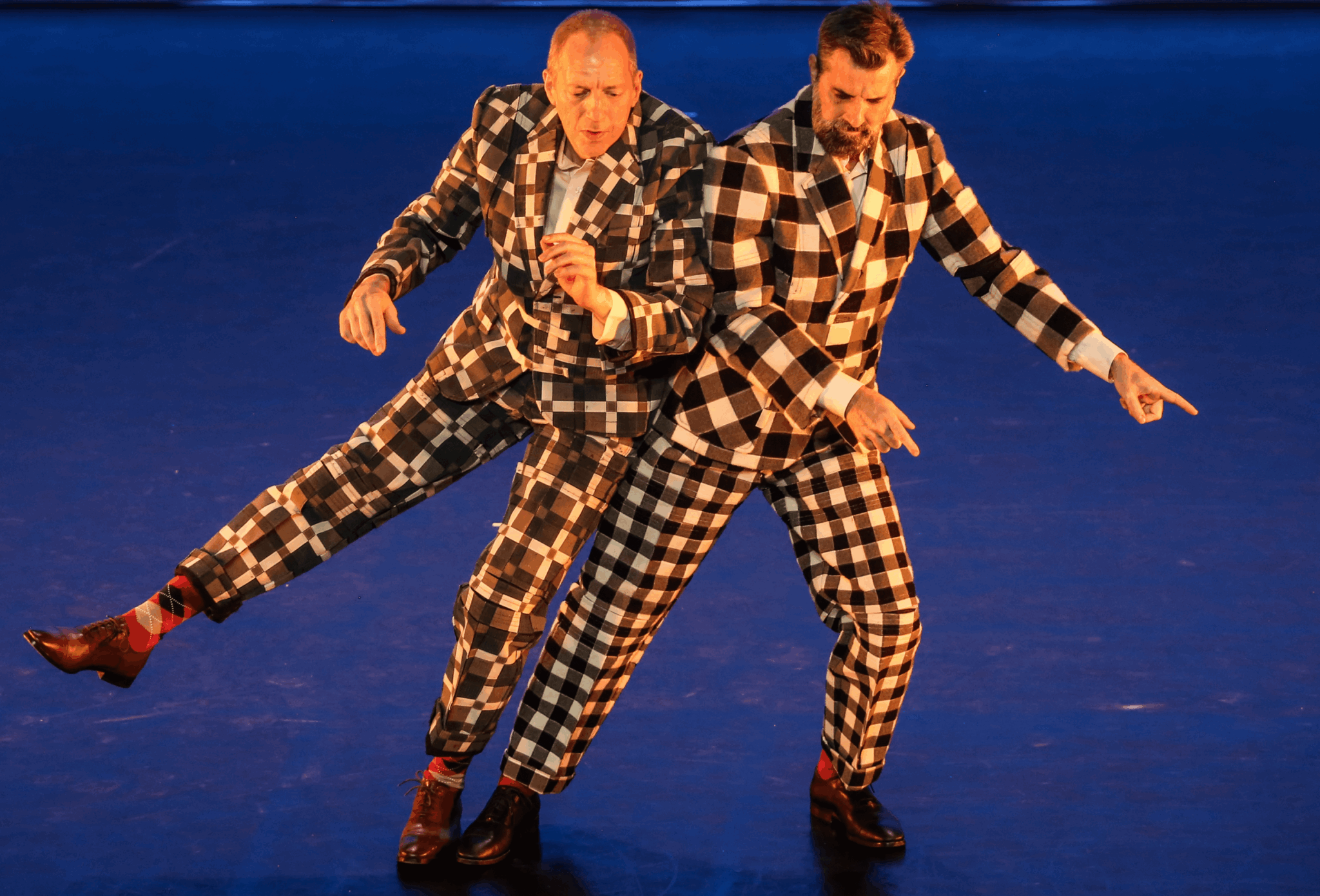
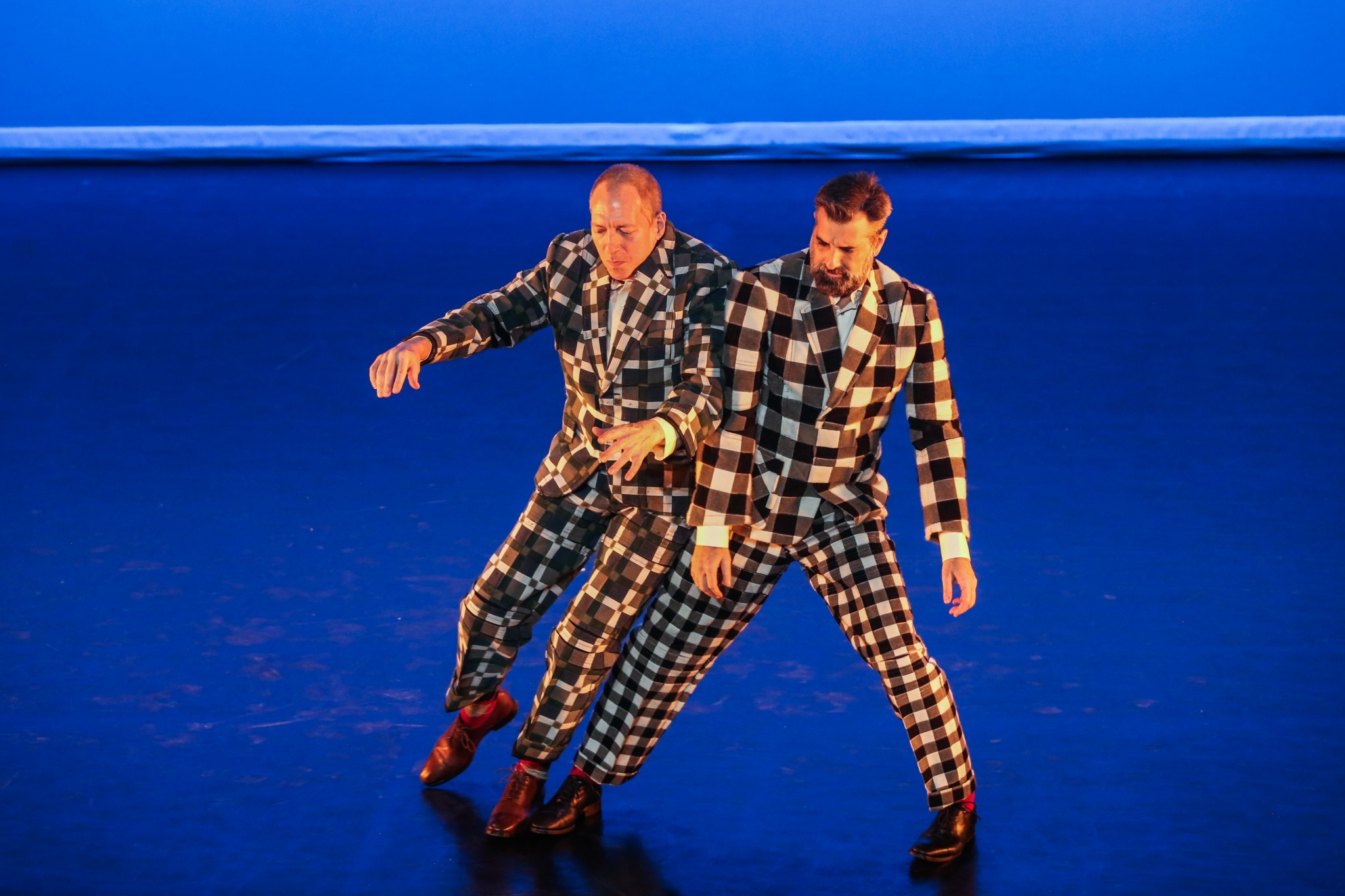
It’s certainly in large measure my own fault since I deliberately work outside of typical dance categories and genres. My work straddles tap dance, percussive dance, ballet, modern, contemporary and vaudeville forms. I’m a dance polyglot and I wouldn’t have it any other way. I also ignore categories like high and low art or serious art versus entertainment. My work is often funny, always rhythmic, sometimes entertaining and sometimes highly experimental. These modes can jostle each other and also sometimes jostle critics. Some of them seem to think that if something is funny it must be insubstantial or if something is lively and rhythmic, it must be commercial or if something is innovative it ought to be austere. These are misunderstandings that rankle me but don’t surprise me. You can make serious art that’s funny, rhythmic art that’s also experimental and innovative art that’s rollicking. So I do.
As always, we appreciate you sharing your insights and we’ve got a few more questions for you, but before we get to all of that can you take a minute to introduce yourself and give our readers some of your back background and context?
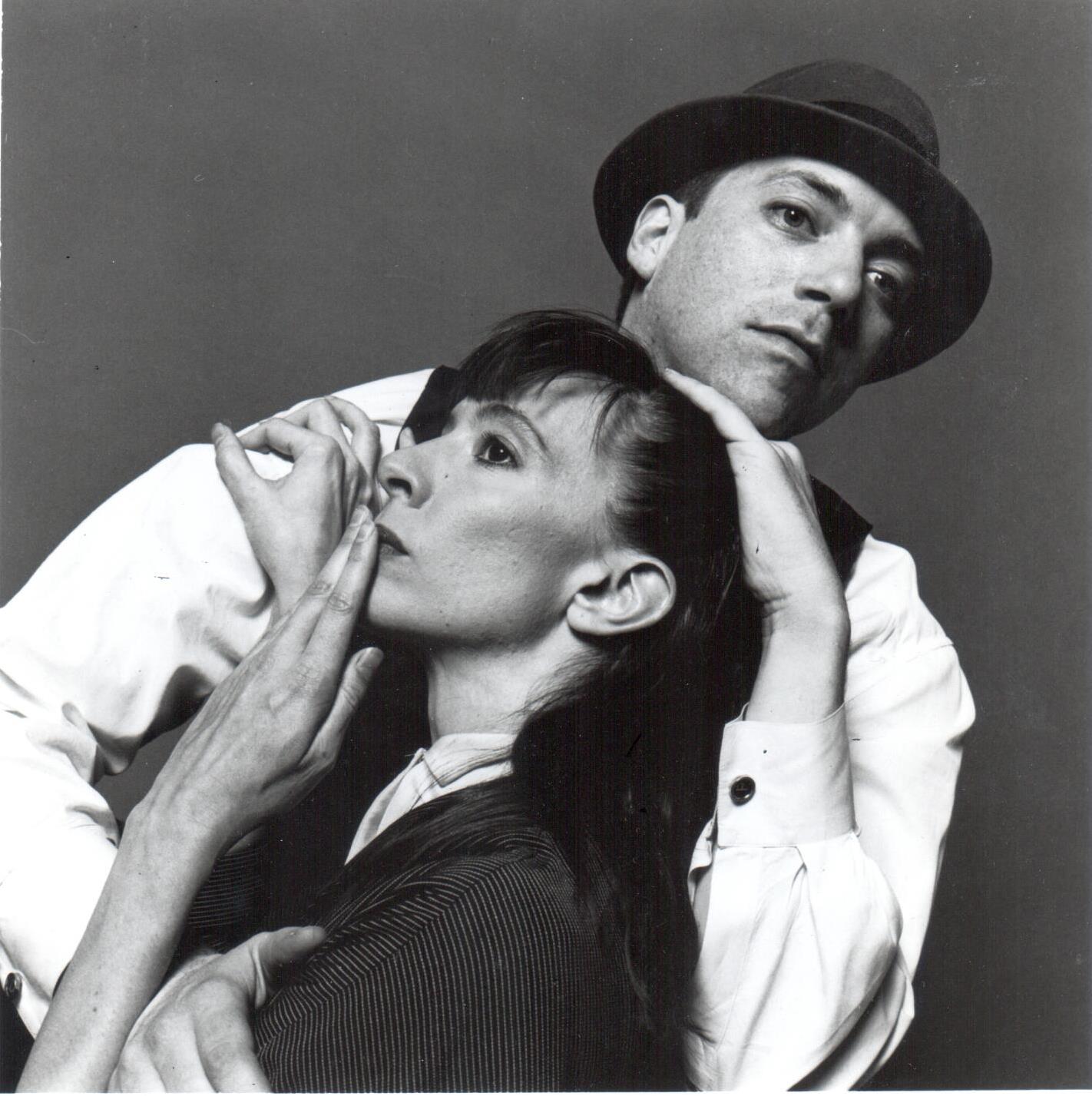
I think what sets my work apart is that I work with rhythm in unusual ways. The dances I make often have audible rhythms using tap dance and body percussion mixed with classical and contemporary dance. I do this in order to limn and embody states of mind, psychology and intimate relationships rather than just for the aesthetic experience of the rhythms themselves. I make music through percussive dance but my interest is in rendering human experience through syncopation, counterpoint, synchronization and by giving the dancers’ bodies a kind of “voice’. Because I am not primarily making music for its own sake, I am offering a vision of percussive dance that departs strongly from tradition and forges a new hybrid kind of dancing where various genres balance, support, and contrast one another with the goal of revealing something about our lives. The other thing that sets my work apart is how often this results in humor. That is a by-product and something over which I have little control. I will say that my willingness to mix dramatic imagery with syncopated rhythm can be funny but beyond that, I don’t know. It delights me, however.
I began my career as a tap dancer and a modern dancer in both New York City and Boston in the early eighties and I moved into making my own work in the nineties. I’m most proud of the way I’ve been able to sustain a choreographic career and a dance company for nearly 35 years and I have no intention of stopping any time soon.
Is there mission driving your creative journey?
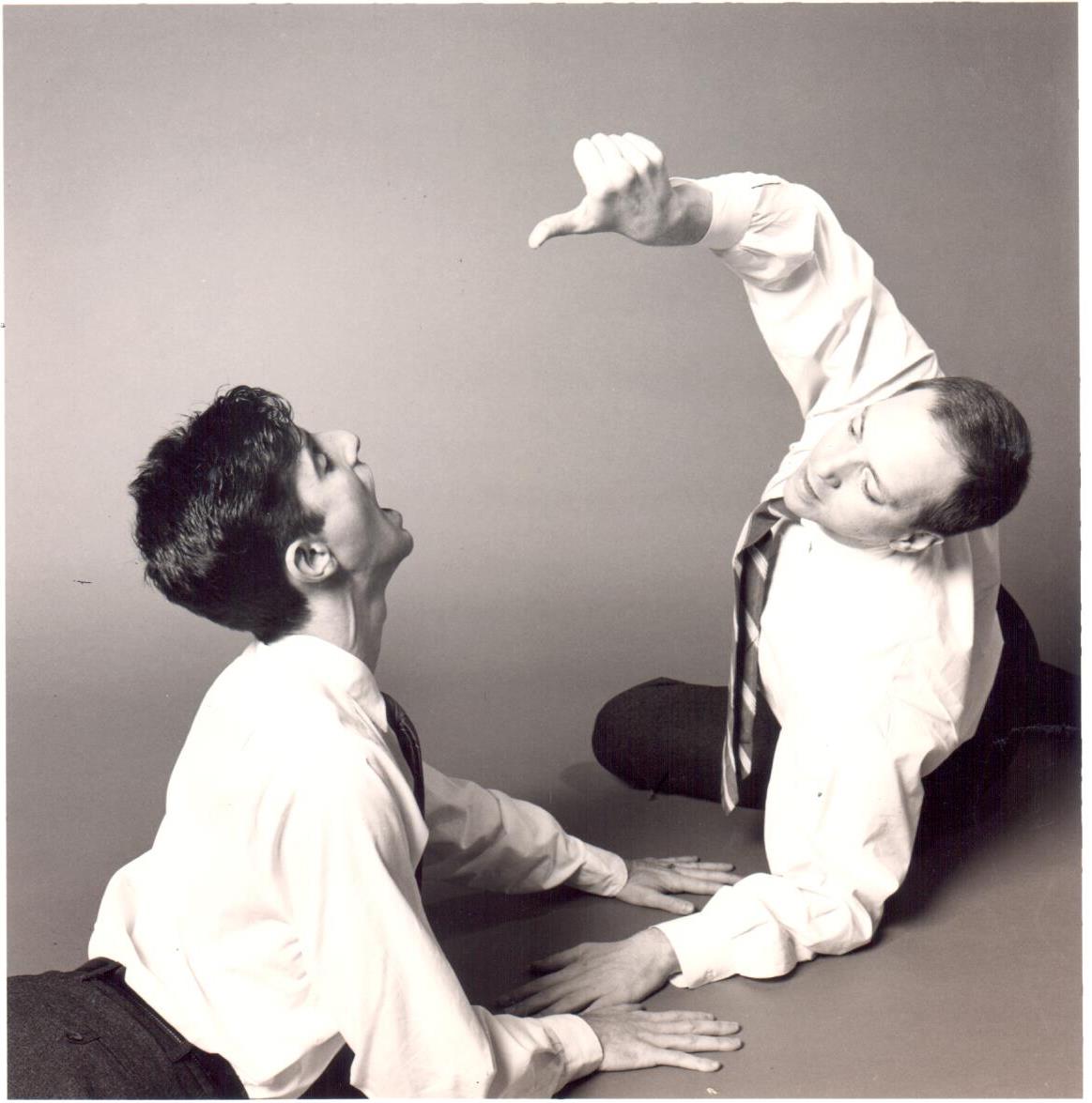
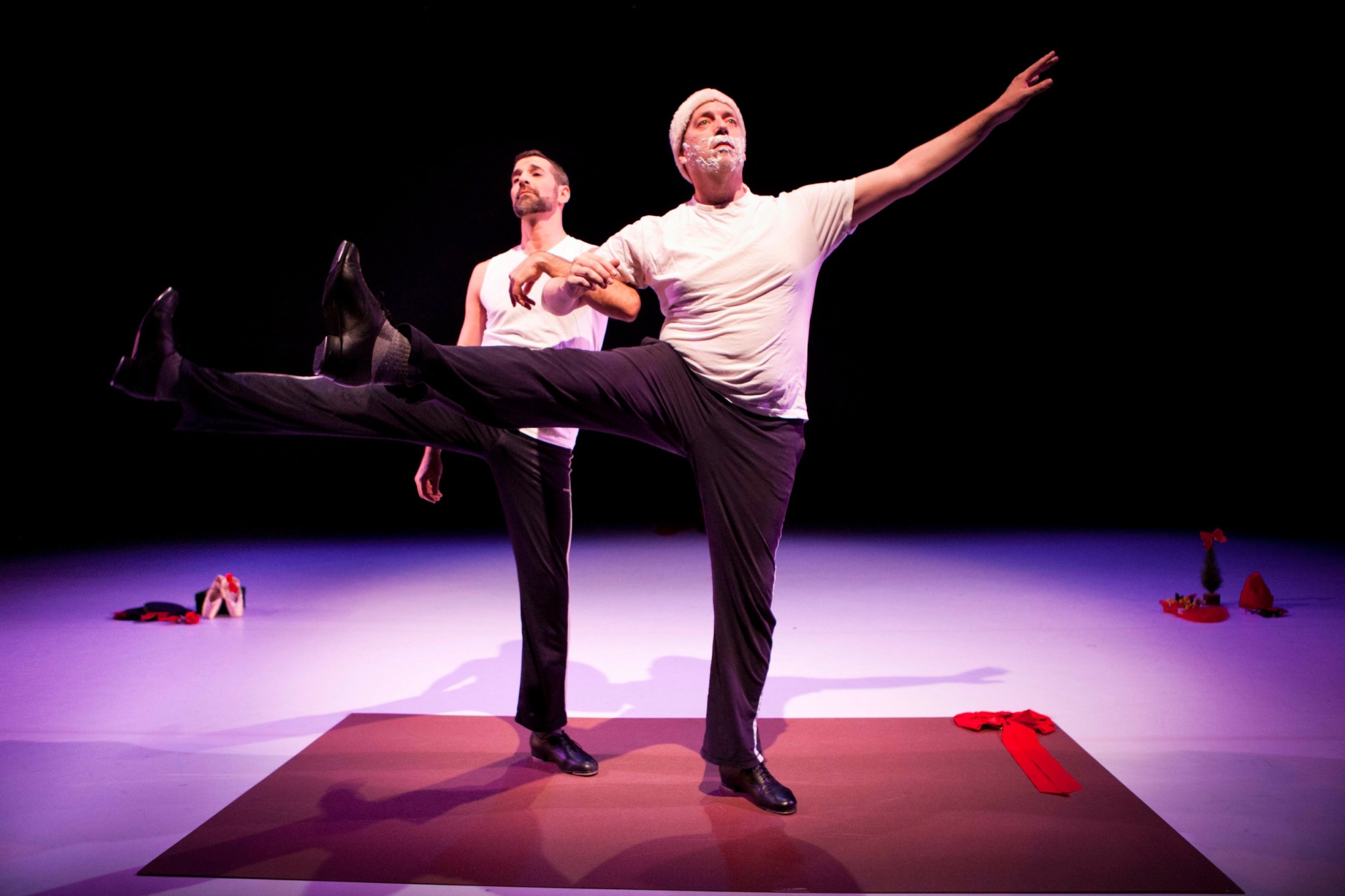
I have a goal for my work that involves dances in which different forms coexist in a kind of rowdy harmony. For me, this means dances in which the imagination is engaged and the whole body is active. It means using gestures, facial expression, acting, tap dancing, ballet, mime, pratfalls, partnering, social dance, voice and vocalization and in which the dancers, when necessary, can make their own movement without any accompanying instruments. Standing, as it were, on their own two feet. On those fortunate occasions when I have achieved this goal, the resulting dances have expressive transparency, humor, virtuosity, romance and high spirits.
What’s the most rewarding aspect of being a creative in your experience?
The most rewarding aspect of being a choreographer is having long term, close collaborations with dancers and musicians. These relationships are uniquely satisfying and all the more so for being sustained over the long haul. I cherish the people I work with.
Contact Info:
- Website: https://www.thebanggroup.com
- Instagram: @frandpapa
- Facebook: The Bang Group
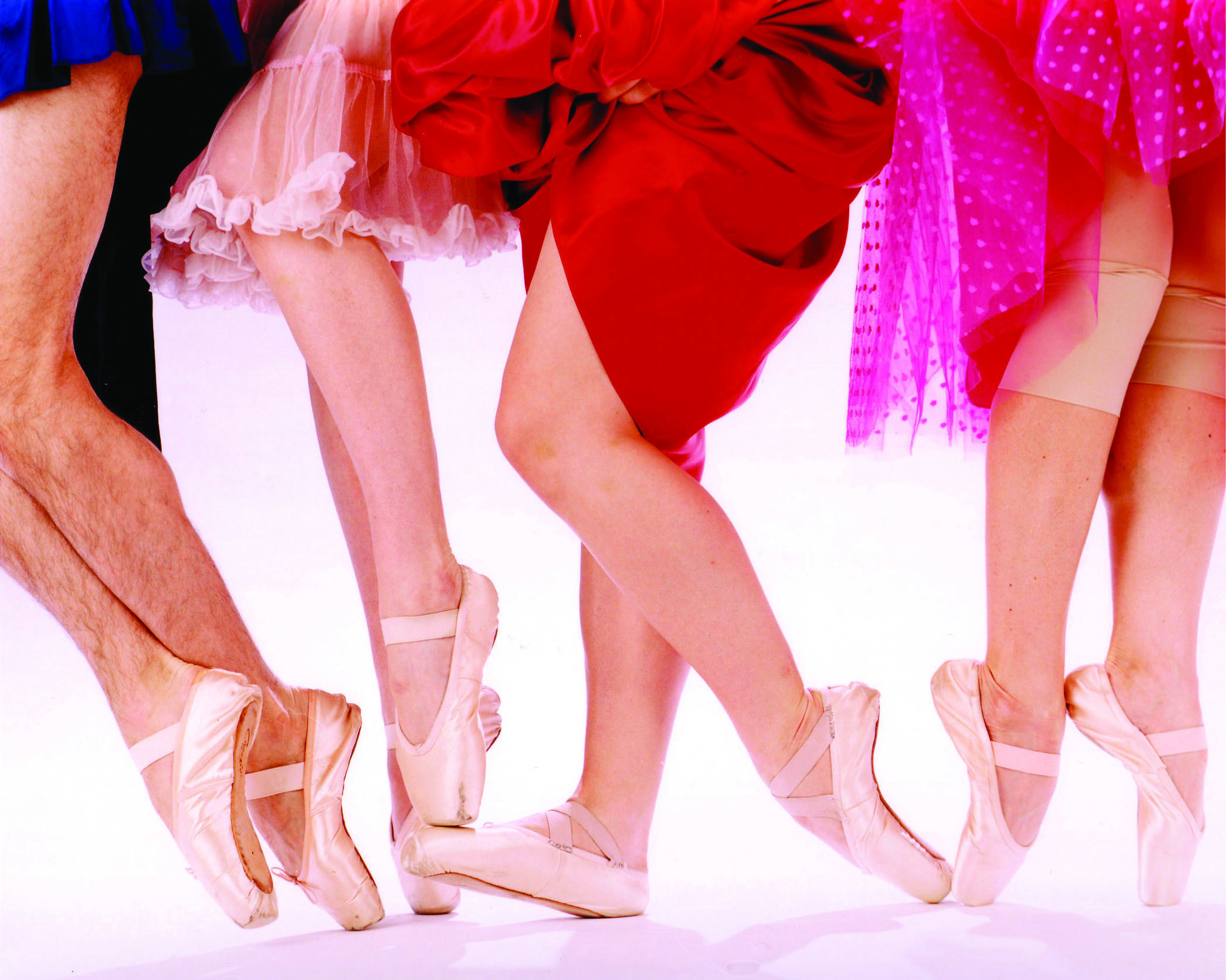
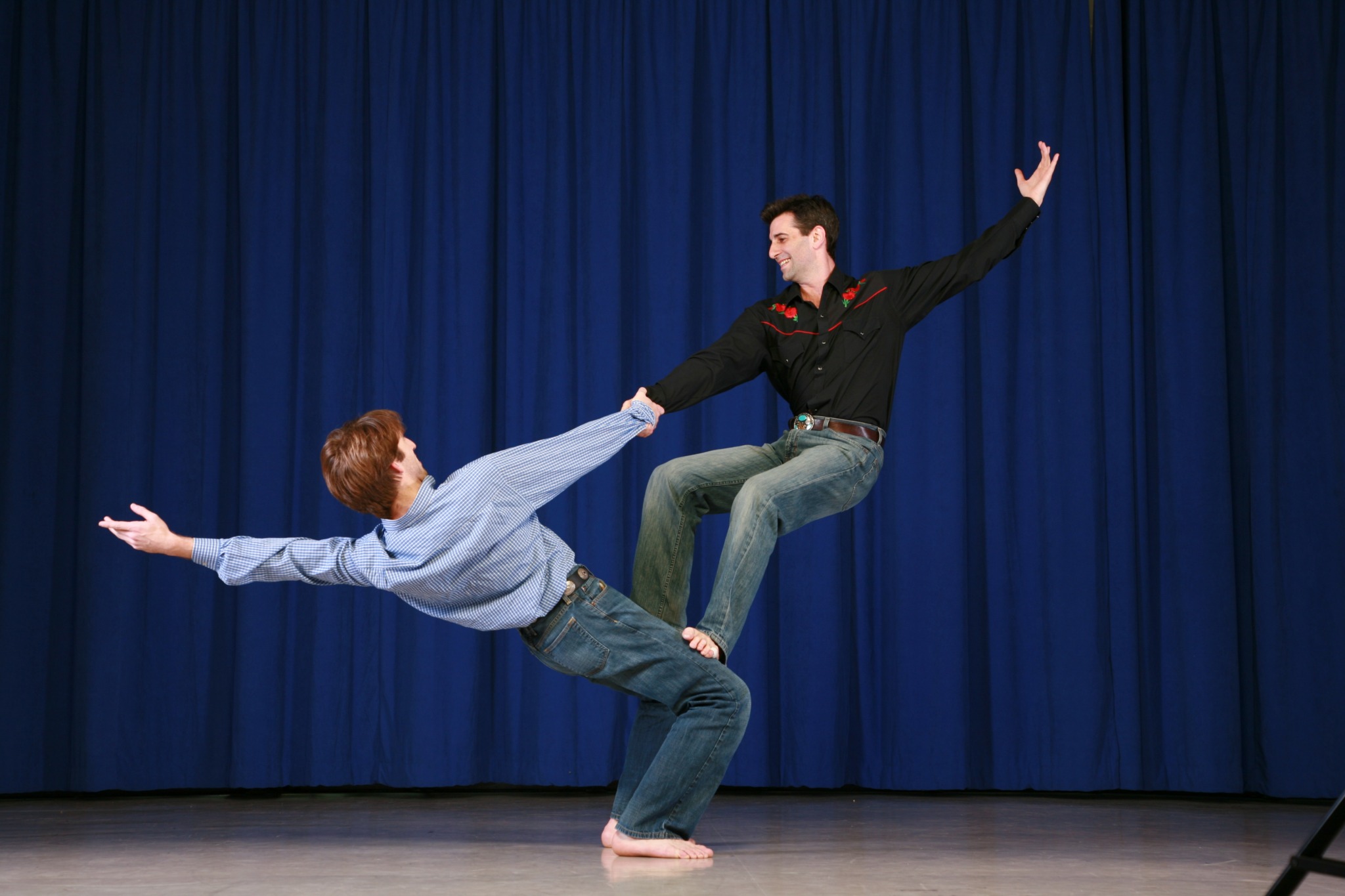
Image Credits
Julie Lemberger, Nicholas Burnham