



We’re excited to introduce you to the always interesting and insightful Lizzy Barrett. We hope you’ll enjoy our conversation with Lizzy below.
Lizzy, thanks for taking the time to share your stories with us today What’s been the most meaningful project you’ve worked on?
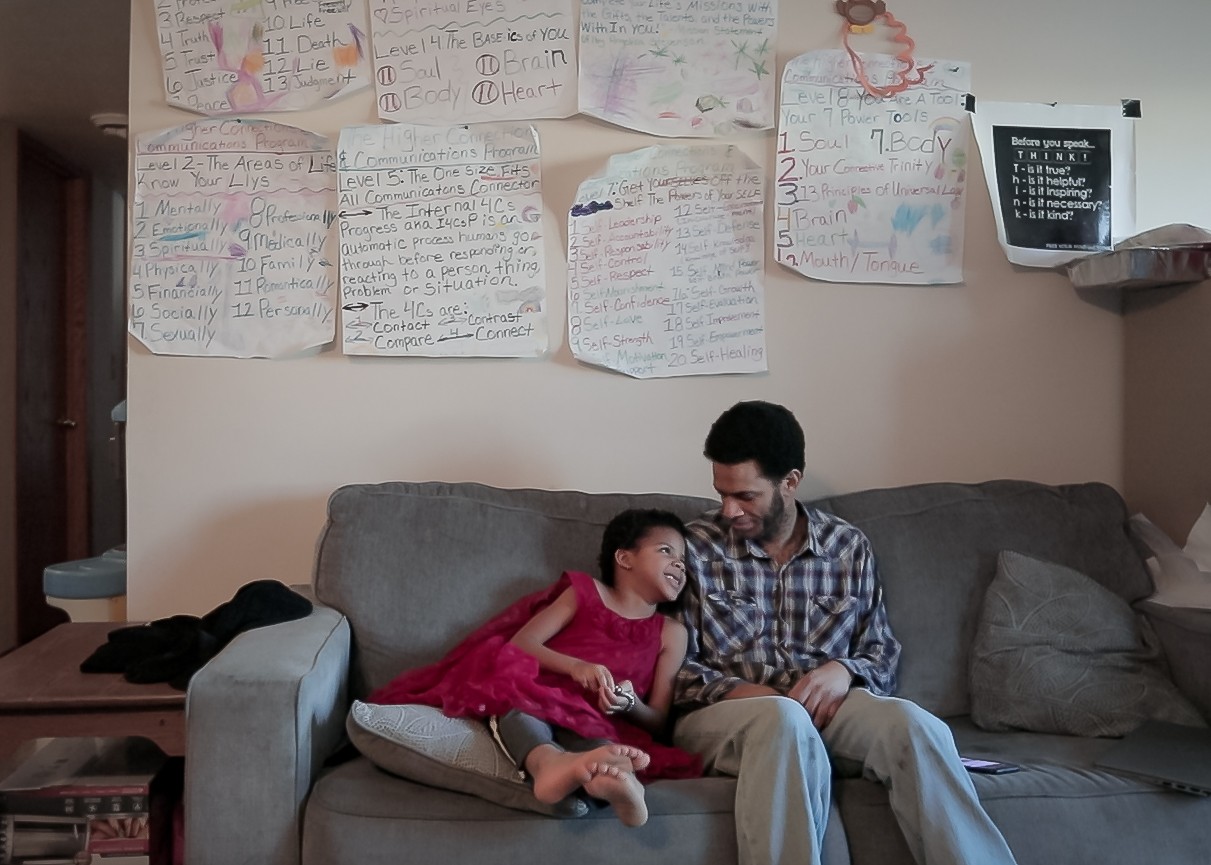
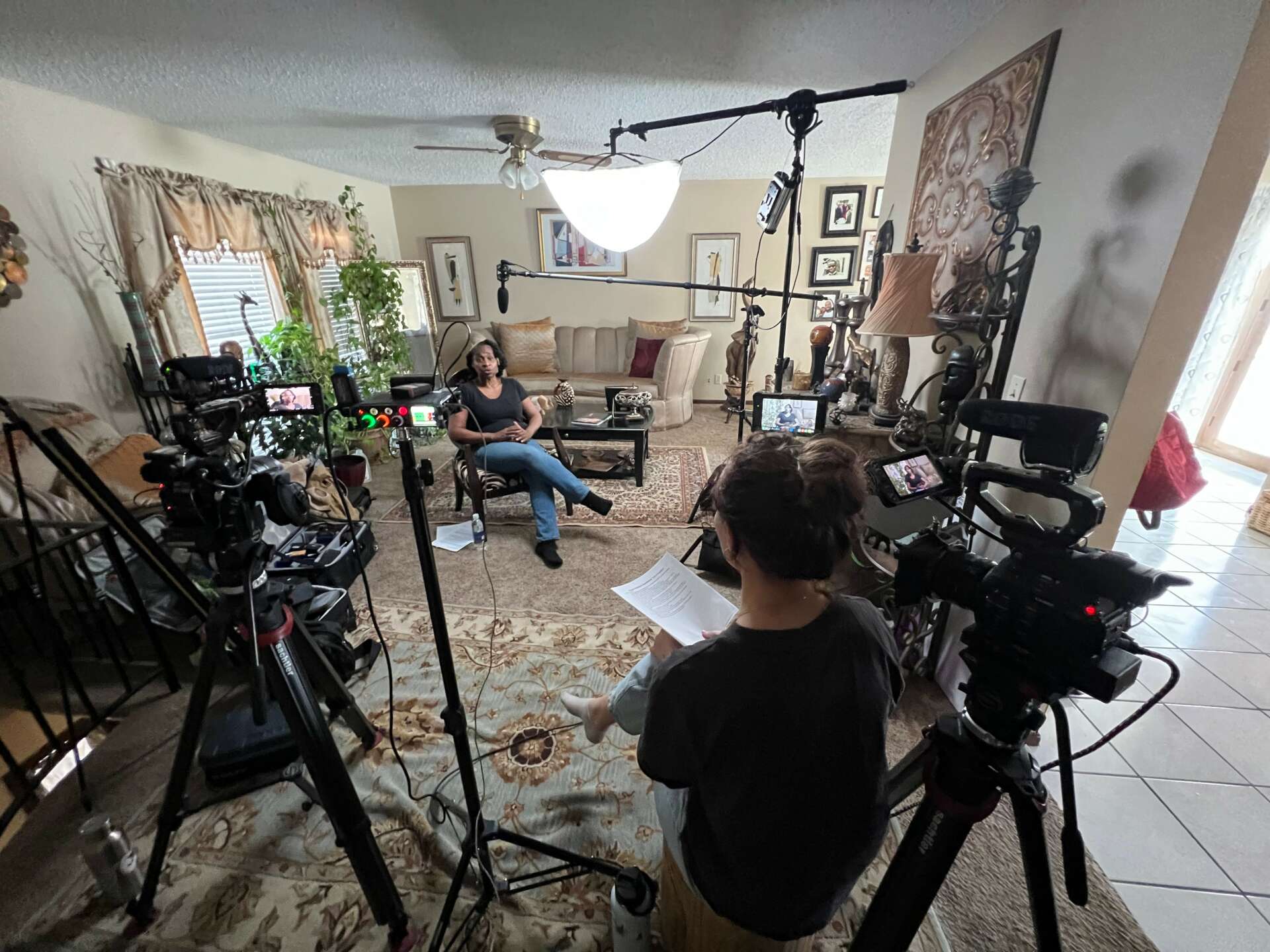
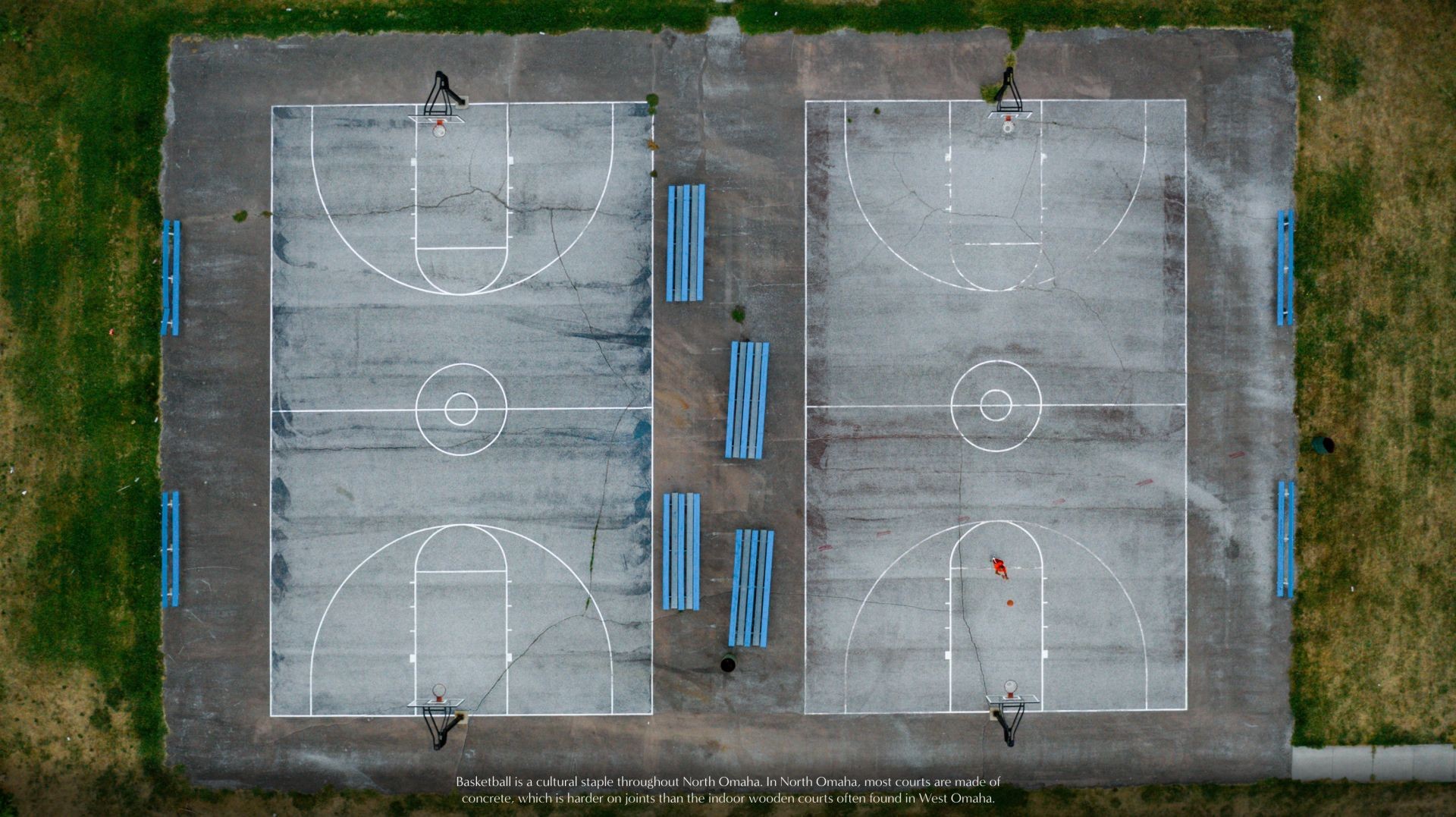
By far the most meaningful project I’ve ever worked on is “Divisible,” a documentary film about the history and current impacts redlining. The film highlights the specific case of Omaha, Nebraska to illustrate and show how redlining continually affects and harms people nationwide. Divisible is told through a collection of interviews with individuals who are experts, either through their profession, their lived experiences, or both.
I first came to Omaha in 2020 to film a fundraising video for a North Omaha-based non-profit. I had a baseline understanding of redlining at the time, but was interested in learning more about how it shapes everything around us in cities across the country. I wanted to know more about redlining’s legacy in smaller cities like Omaha because there’s often an assumption that redlining only impacted major cities like Chicago, Detroit, LA, etc. And once I started researching Omaha’s history and the ongoing impact of redlining, I knew there was a much larger story to be told – one that really speaks to the pervasiveness of these maps all across America.
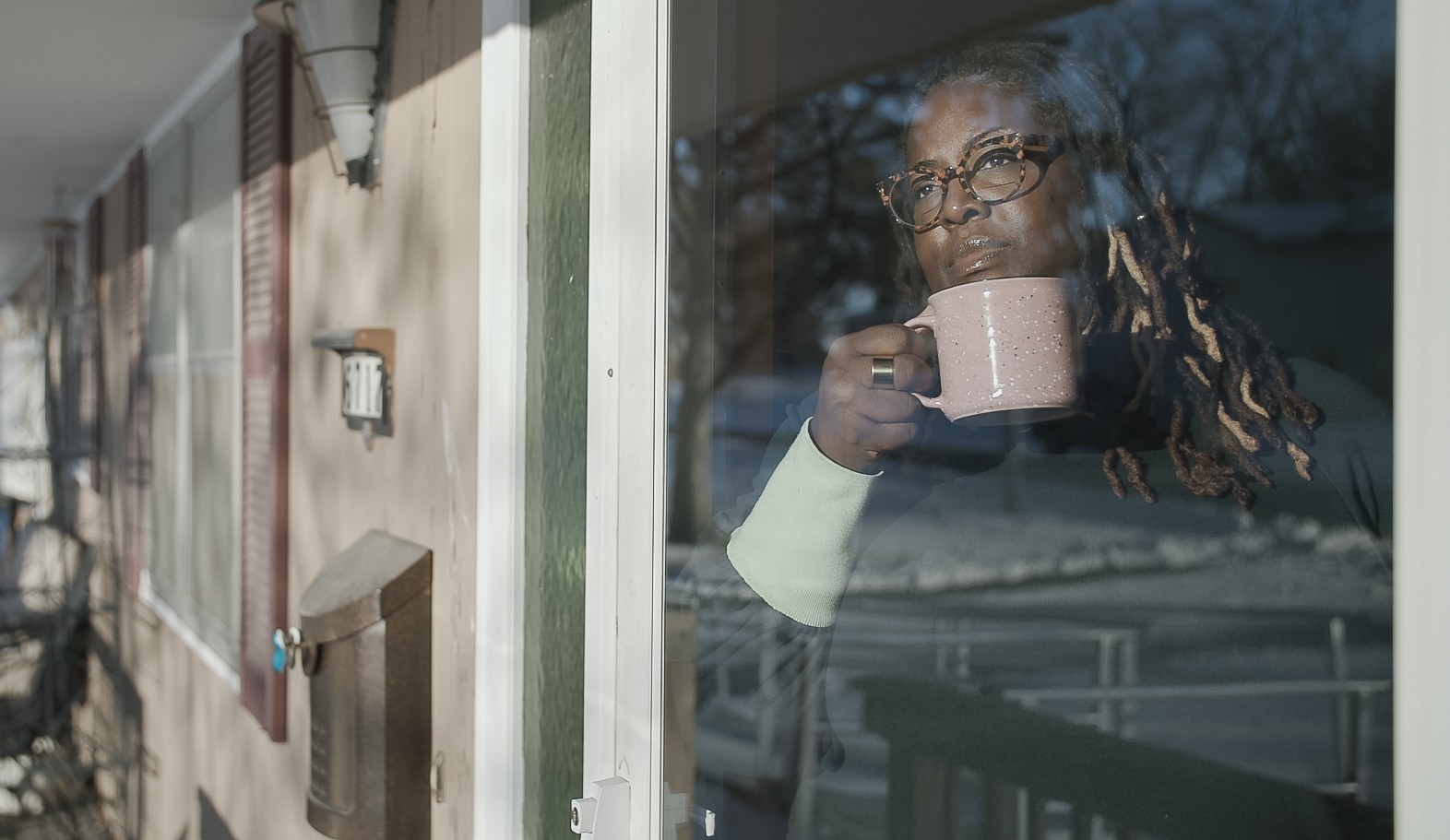
Ultimately, it was the people I met, who shared their stories with me that really drove the decision to create this film. I had the privilege of speaking with countless individuals about the direct and indirect impact redlining has had on them individually, and oftentimes, generationally. It’s these personal accounts and the generosity of each participant willing to share their knowledge and experiences that makes this project so meaningful to me. I hope that those who see the film will feel just as moved by their testimony as I have been, and feel compelled to do something about these larger issues.
Lizzy, love having you share your insights with us. Before we ask you more questions, maybe you can take a moment to introduce yourself to our readers who might have missed our earlier conversations?
Hi there! My name is Lizzy Barrett (she/her) and I’m a documentary filmmaker, photographer, and videographer. I’m the founder of Equity Media, a production company I created in 2021 dedicated to creating compelling visual content at the intersection of media and social justice. I started Equity Media while embarking on my first major documentary feature film (and subsequent impact campaign), Divisible. The film examines the national policy of redlining, using Omaha, Nebraska as a case study to discuss its importance and continued impact. I also work full time as a Video Producer at the Voter Formation Project, a non-profit working to increase voter participation and civic engagement in underrepresented communities year-round.
What really started my on my career path was my curiosity and love for people. As I started thinking about what I wanted tto do towards the end of high school, I knew I wanted to have a job that allowed me to get out from behind a desk or screen and directly engage with people, places, and new ideas. I also always loved taking mental photos. I didn’t buy my first camera until my senior year of high school, so whenever I saw something I wanted to capture – light, emotion, a moment – I would blink and pretend I was taking a mental photo (I still do that to this day).
So in a way, I guess I knew that I wanted a career that allowed for creativity, activity, and variance in the day to day. I didn’t, however, think I could have a career as a photographer (or videographer) for a while because I hadn’t seen any women around me doing it. It wasn’t until my dad sent me an article about an incredible female photographer (Lynsey Addario) that I was like, “oh! Maybe I can actually make a living as a photographer [or videographer]!” Up until that moment, it never dawned on me that being a photographer or videographer was even a choice, because I didn’t know any women who were doing it. That was the first time I started to understand the importance of representation in media – both in front of the camera and behind it.
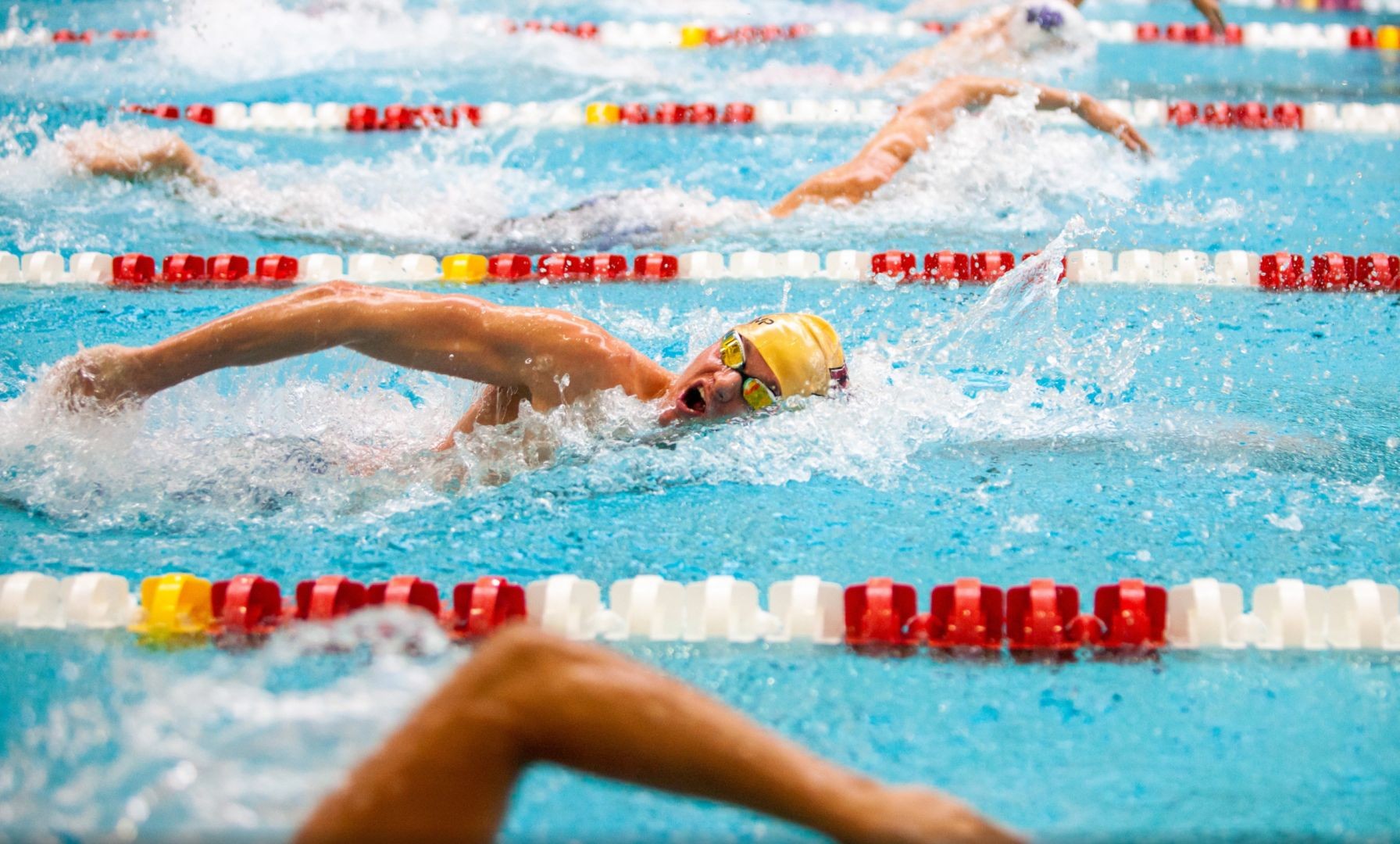
Since then, I’ve worn a lot of different hats in the visual media landscape. I started mainly as a photographer in college working on the student newspaper. With lots of trial and error and guidance from some incredible individuals, I started to improve my technical abilities, landed an internship that turned into a freelance client, and continued to gain momentum, all while getting my college degree. I got to photograph music festivals and concerts, large sporting events and speaker series, food and portrait shoots for magazine spreads, and several international travels all during my time in college. I also started making videos around the same time, learning how to edit my footage in Adobe Premiere and Affects from online tutorials.
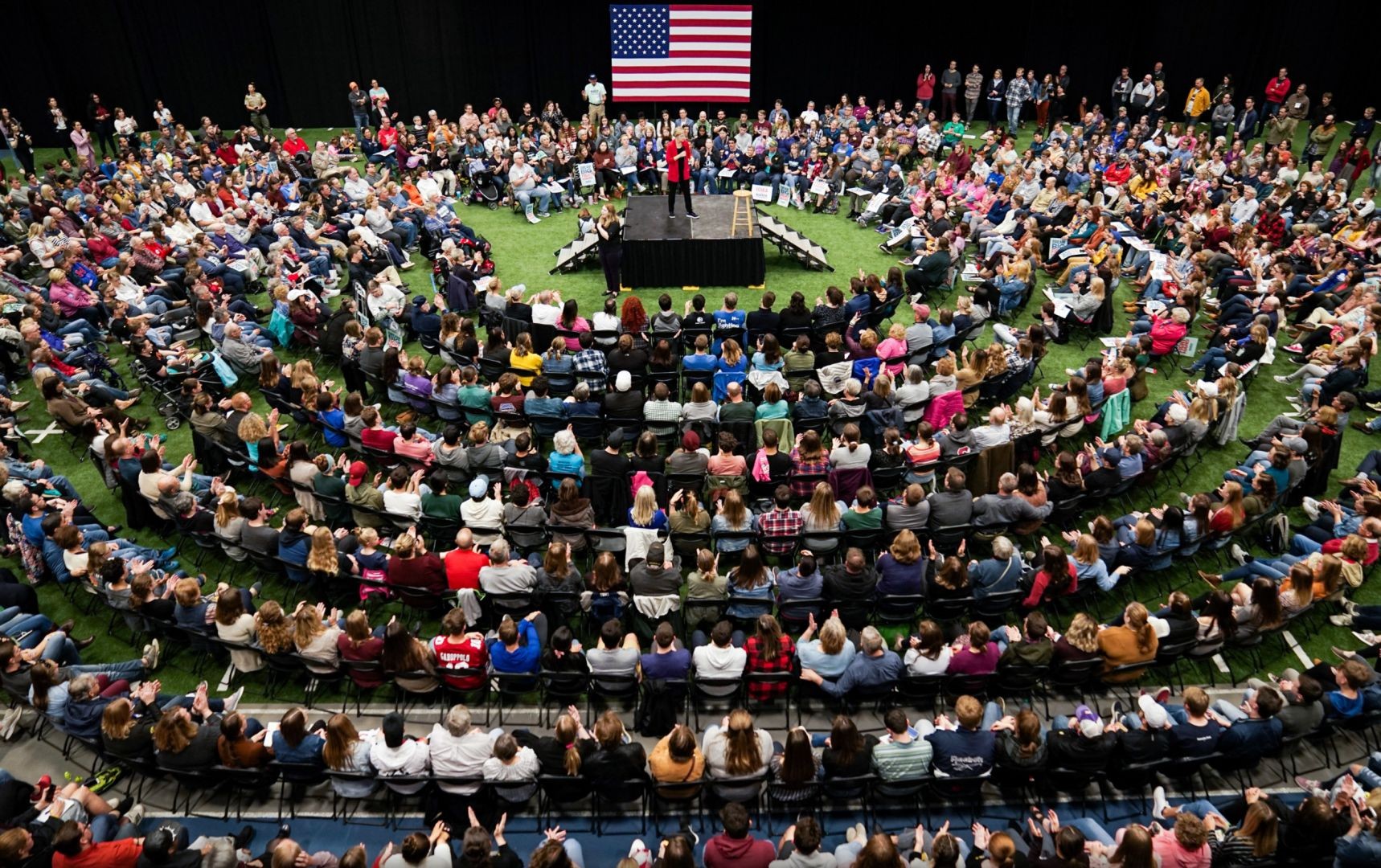
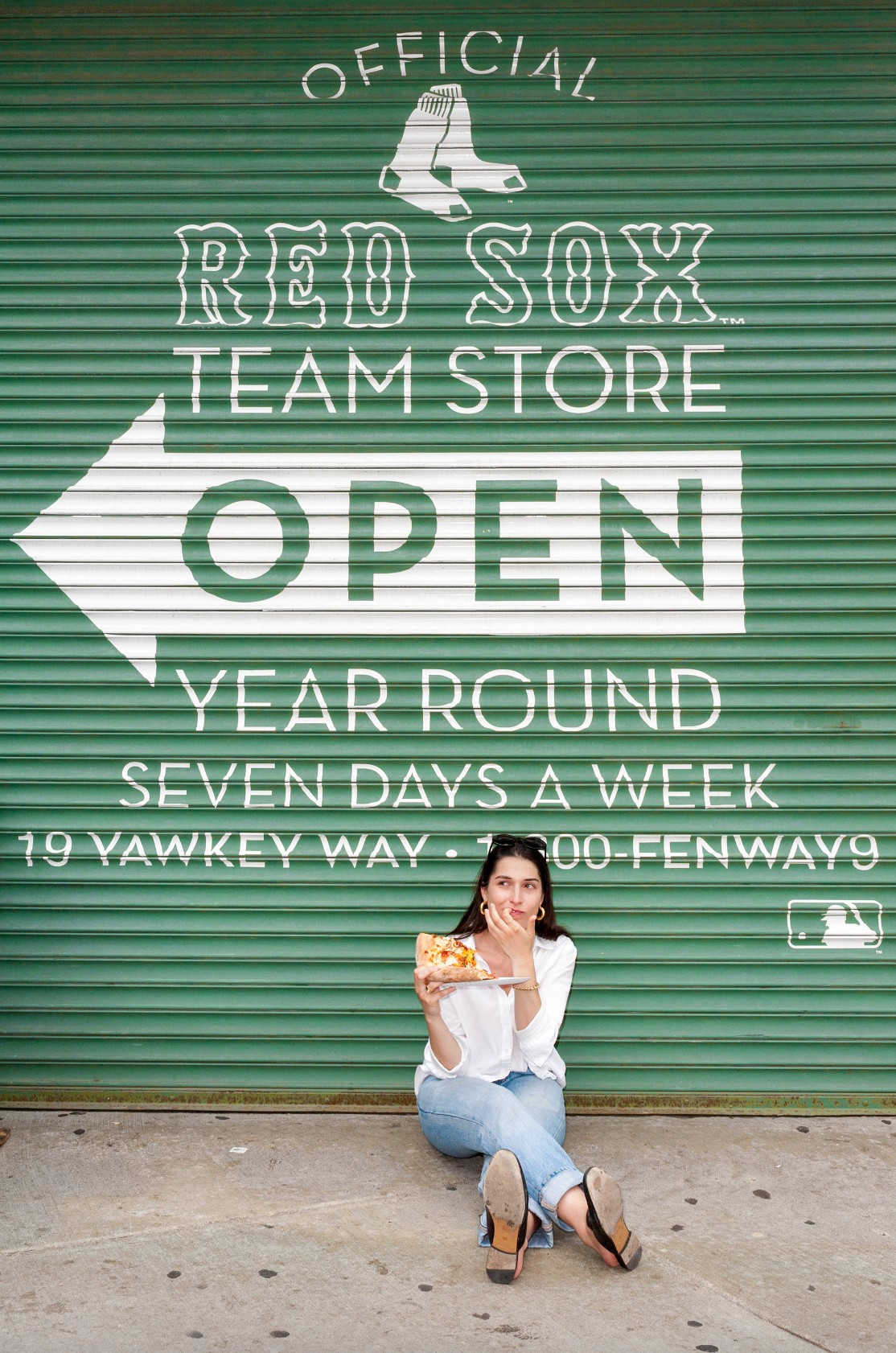
After college, I had a photography internship with Major League Baseball in New York, and started freelancing for the Elizabeth Warren for President Campaign, traveling around the US, photographing campaign events. The fall after my graduation, I also started freelancing with Getty Sports and took a full-time position as Lead Photographer and Videographer at a marketing agency in Boulder, creating their media and helping to run the media team.
But when the pandemic hit, I realized I needed to make a shift. I wanted to create media that supported causes and movements I cared deeply about. That’s when I left my job in Boulder and started working on my current passion project, “Divisible”. Starting this project was a huge leap of faith, to say the least. I was leaving the comfort of a consistent pay check to chase a passion project in the middle of a major recession and global pandemic. It was a huge risk and there were many points where I wasn’t sure if it would even work, let along be worth it. But despite the difficulties and the learning curve, it has been the absolute best decision I have ever made.
I’ve learned so much through this process – not just about documentary filmmaking and all the behind the scenes needed to get it done, but also about myself. It opened my eyes up to where my “zone of genius” is, and forced me to trust my instincts. I figured out that I’m really good at information gathering and weaving it all into a digestible story. I also developed an ability to make people feel comfortable in front of a camera, even when talking about difficult topics. But most importantly, I really realized the importance of having intentionality behind my work – something that I carry through in my full-time position at the Voter Formation Project.
What do you think is the goal or mission that drives your creative journey?
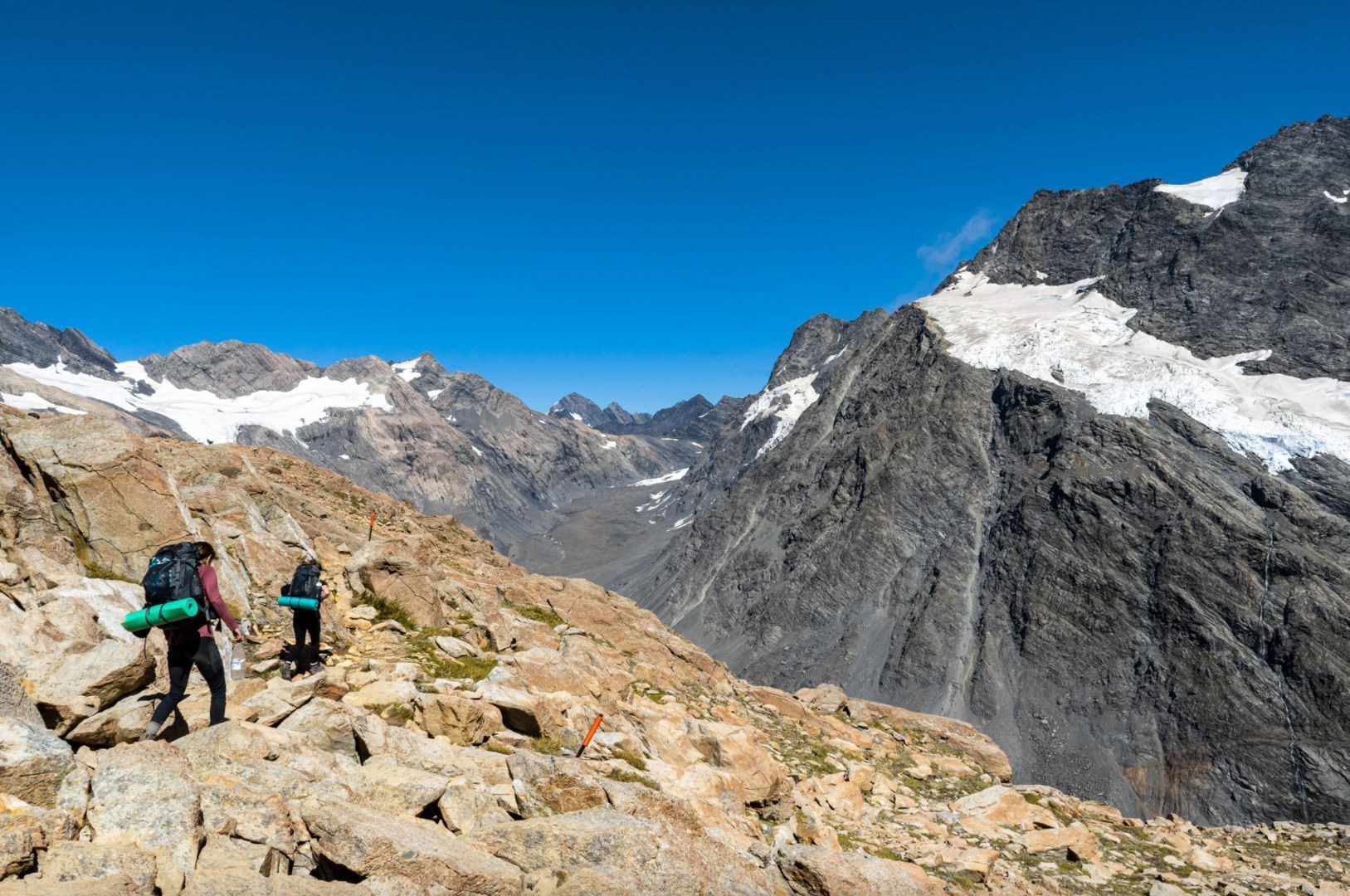
Ultimately, I consider photography and videography as both an art form and a compelling storytelling-tool. I know first hand how powerful media exposure and representation can be in an increasingly oversaturated digital world. As a result, I ultimately hope to dedicate my life to capturing visually striking stories of marginalized communities and environmental issues that are too frequently overlooked and ignored.
I think that documentary films, in particular, have an ability to draw in viewers and create interest in something they may otherwise have never known or paid attention to. This is key for effective storytelling and advocacy, which are combined in social justice-focused documentary films.
I want to create work that captivates audiences through stunning visuals and translates their attention into action on some of the biggest issues we face today. I think “Divisible” is a great example of the type of projects I hope to continue working on in the future.
What’s the most rewarding aspect of being a creative in your experience?
First and foremost, I love getting to meet and build relationships with people through my work as a creative. I know how uncomfortable being in front of a camera can be (I’m *very* camera shy which is part of why I prefer to be behind one!) So I always try leave my camera behind when I first meet people I’m going to work with. This helps me really focus on that individual and what they’re sharing with me, which often leads to better understanding and trust as we move forward together in the work. I’m incredibly lucky that, over time, several of the individuals I’ve met through my work have become very close friends and mentors.
The second most rewarding part of being a creative is getting to see the impact that my work has on others. Whether it’s hearing from an audience member that my film changed the way the think about certain issues, or making someone who doesn’t usually like how they look in pictures feel more confident in themselves, knowing that something that I created had a positive impact on someone else is an incredibly rewarding experience.
Contact Info:
- Website: www.lizzybarrett.com | www.divisibledoc.com
- Instagram: @lizbmedia | @divisiblefilm
- Facebook: @divisiblefilm
- Linkedin: www.linkedin.com/in/elizabeth-barrett-837335101
- Twitter: @lizbmedia | @divisiblefilm
- Youtube: @divisiblefilm
Image Credits
Lizzy Barrett, Equity Media Andrew Marinkovich, Equity Media (for the “Divisible BTS 1” image only)