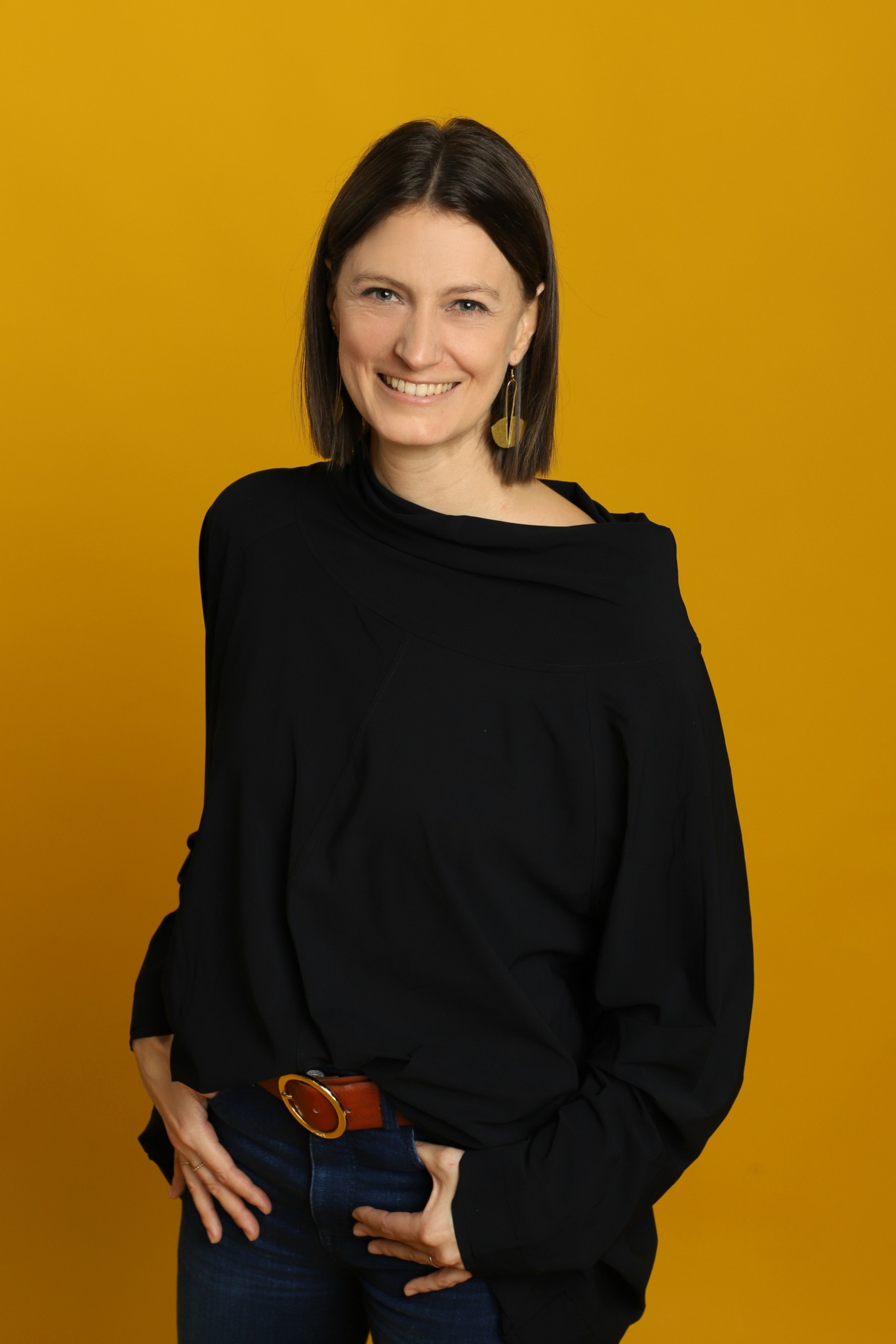

We were lucky to catch up with Lisa James recently and have shared our conversation below.
Lisa, thanks for joining us, excited to have you contributing your stories and insights. Can you talk to us about a project that’s meant a lot to you?
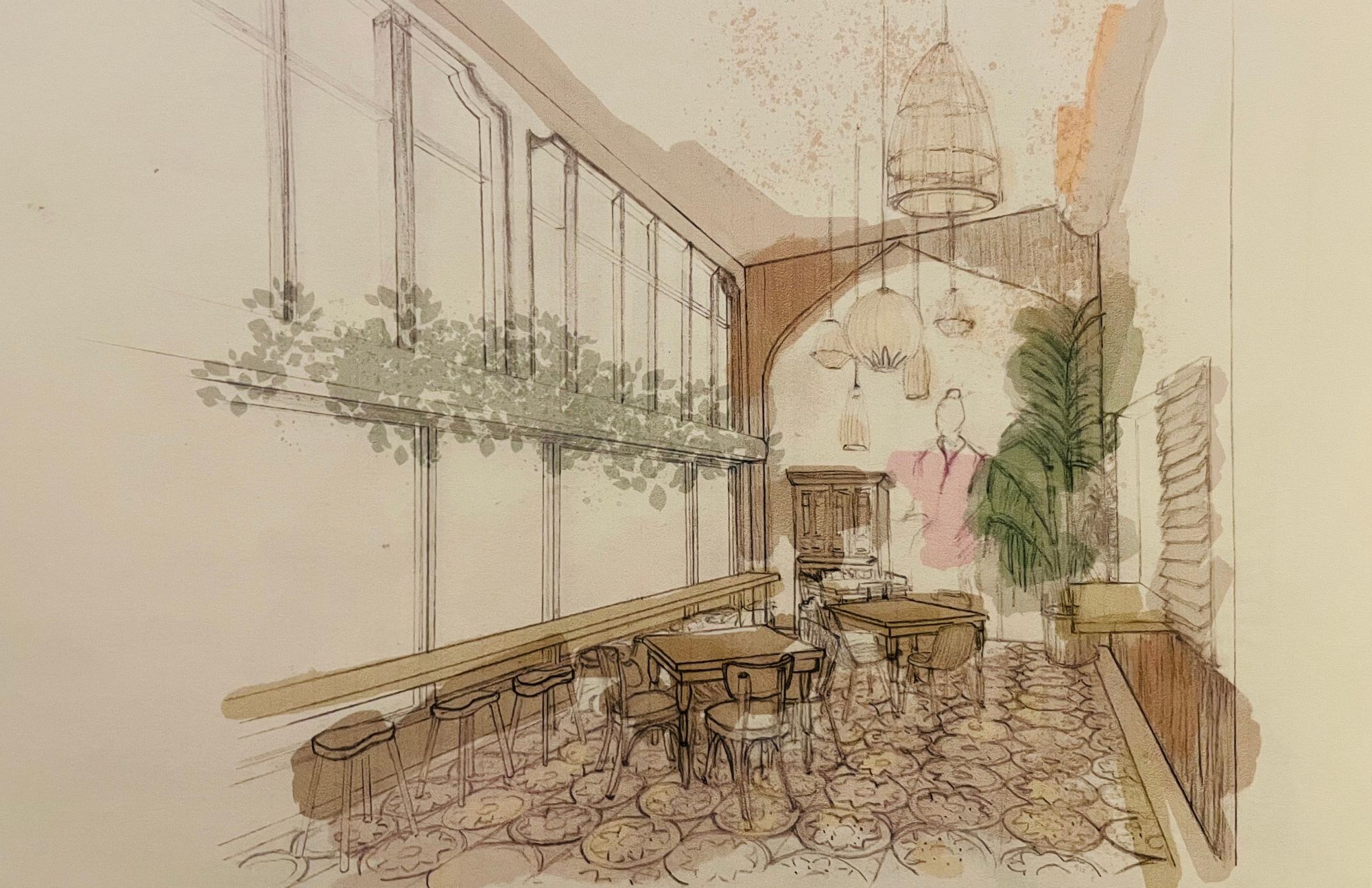
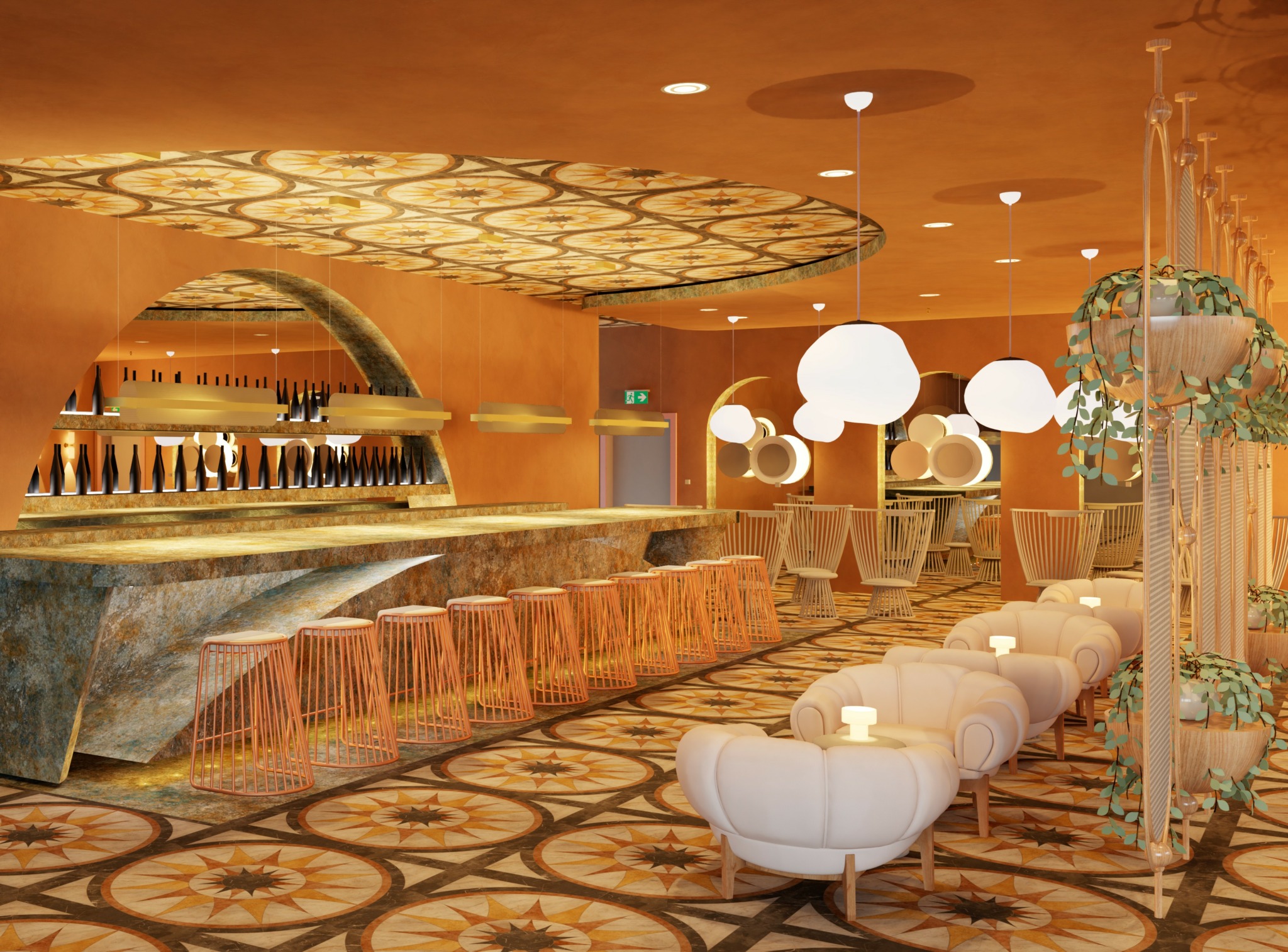
The most meaningful project I’ve worked on so far is a current commercial project in a small, close-knit town in the Bay Area. While I can’t share details yet, what makes it special to me is that it goes far beyond designing a beautiful space—it’s about creating a place where people naturally come together.
I was brought into the project by a small, values-driven real estate and design firm, and that collaboration has been incredibly inspiring. What I value most about working with them is the level of care they bring—to their relationships, to the community, and to shaping something that will have a lasting, meaningful impact. That intention is present in every decision, and it’s rare.
The project itself brings together a locally rooted concept with a well-known, values-driven brand, and my role has been to develop a design language that thoughtfully weaves together the identity of the brand, the vision of the place itself, and the spirit of its location. That balance has been incredibly meaningful to explore.
What resonates with me personally is the idea of design as a connector. My background has always been about working across cultures, disciplines, and perspectives, and this project feels like a continuation of that. It’s about shaping not only how a space looks, but how it feels to spend time there, how people interact, and what kind of community it quietly supports.
Being trusted with that kind of responsibility has been both grounding and incredibly energizing.
Lisa, love having you share your insights with us. Before we ask you more questions, maybe you can take a moment to introduce yourself to our readers who might have missed our earlier conversations?
I’m an interior designer with a strong foundation in storytelling, shaped by years of experience working across international cultural institutions, disciplines, and creative industries. Before moving into design, I spent many years in theater and film, collaborating on projects that brought together different countries, perspectives, and ways of working. That experience taught me how to think holistically and translate complex ideas into something tangible—skills I bring into every project.
I hold two graduate degrees—one in Interior Architecture & Design and one in English and American Studies. That combination of design and storytelling still sits at the core of how I work. I see spaces as places that not only function well, but also carry meaning and shape how people feel and interact.
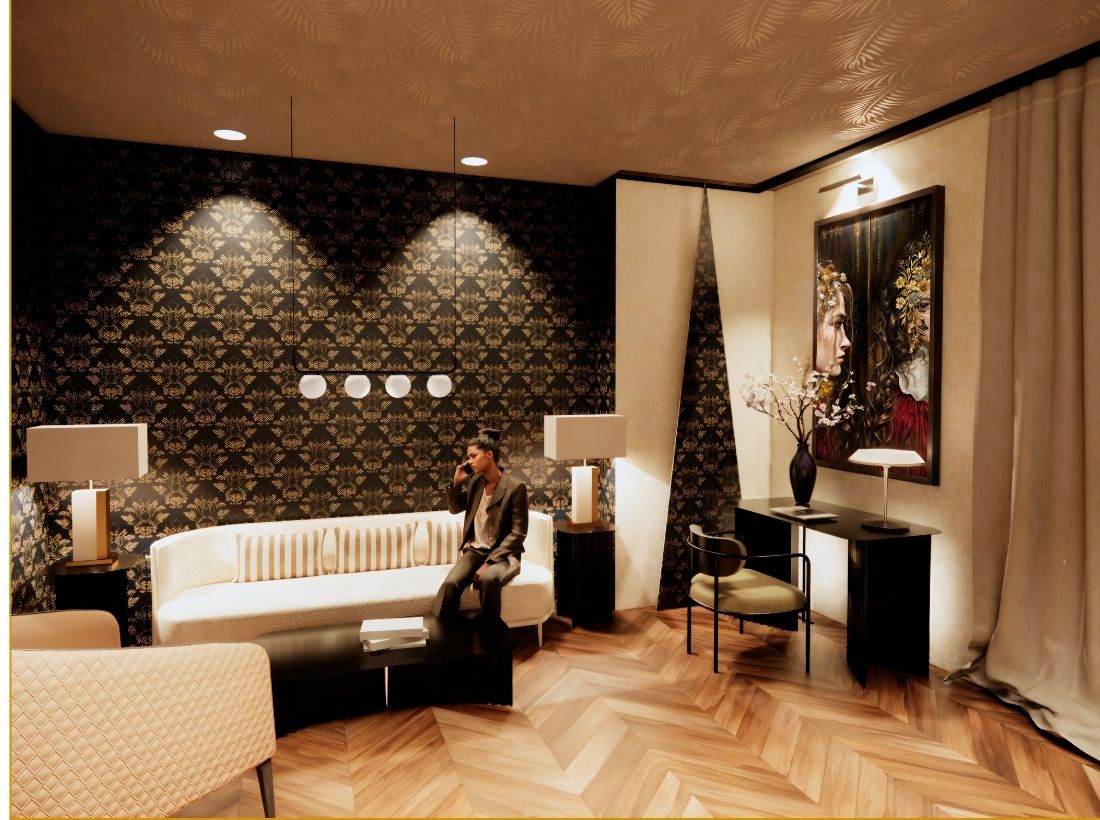
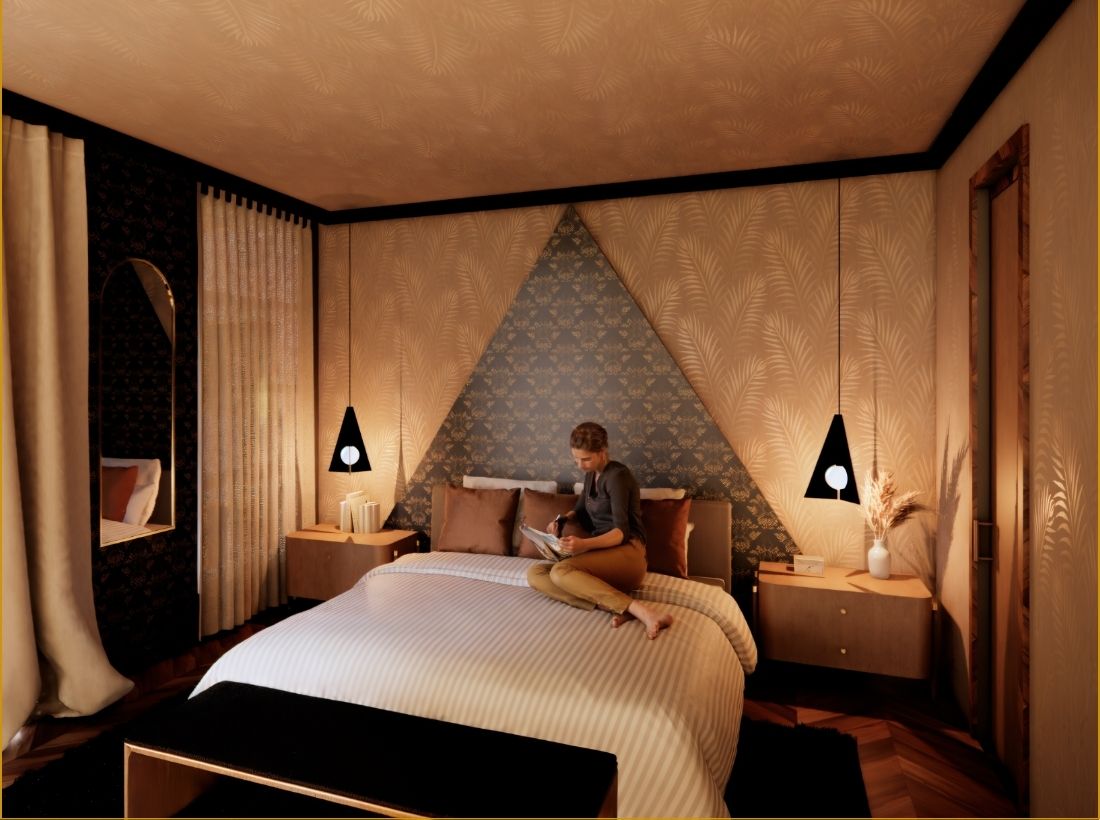
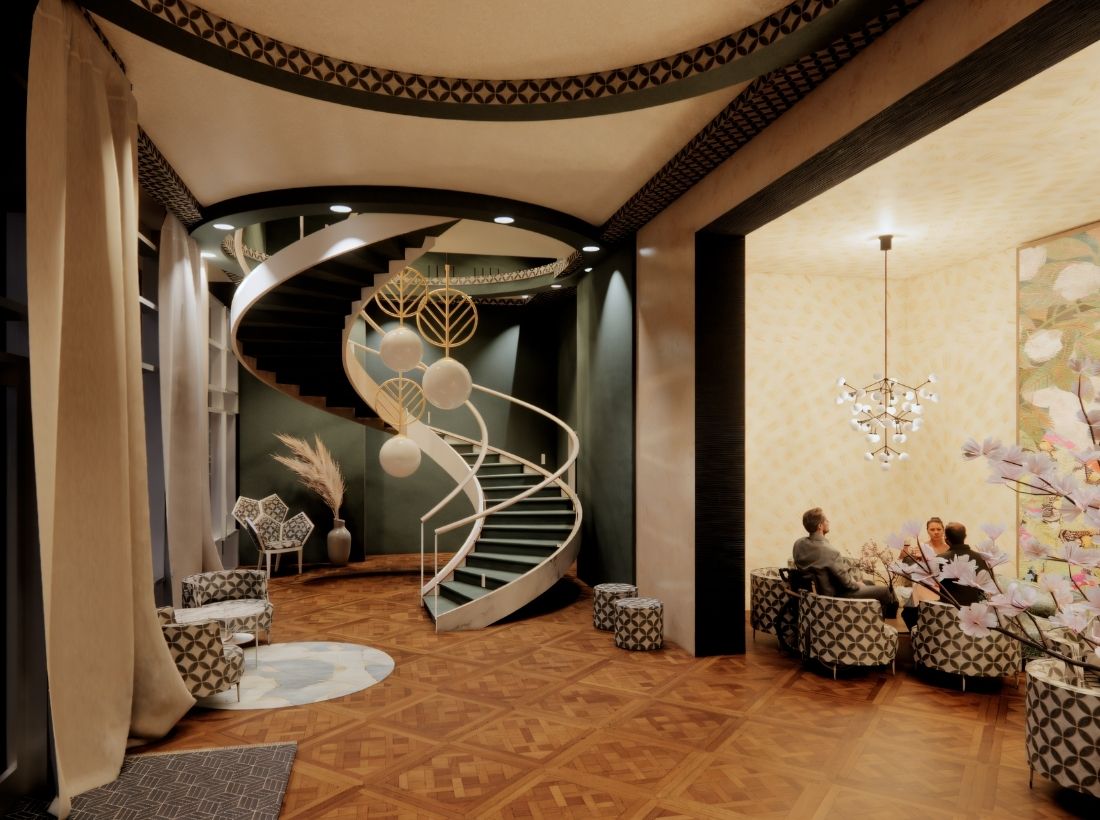
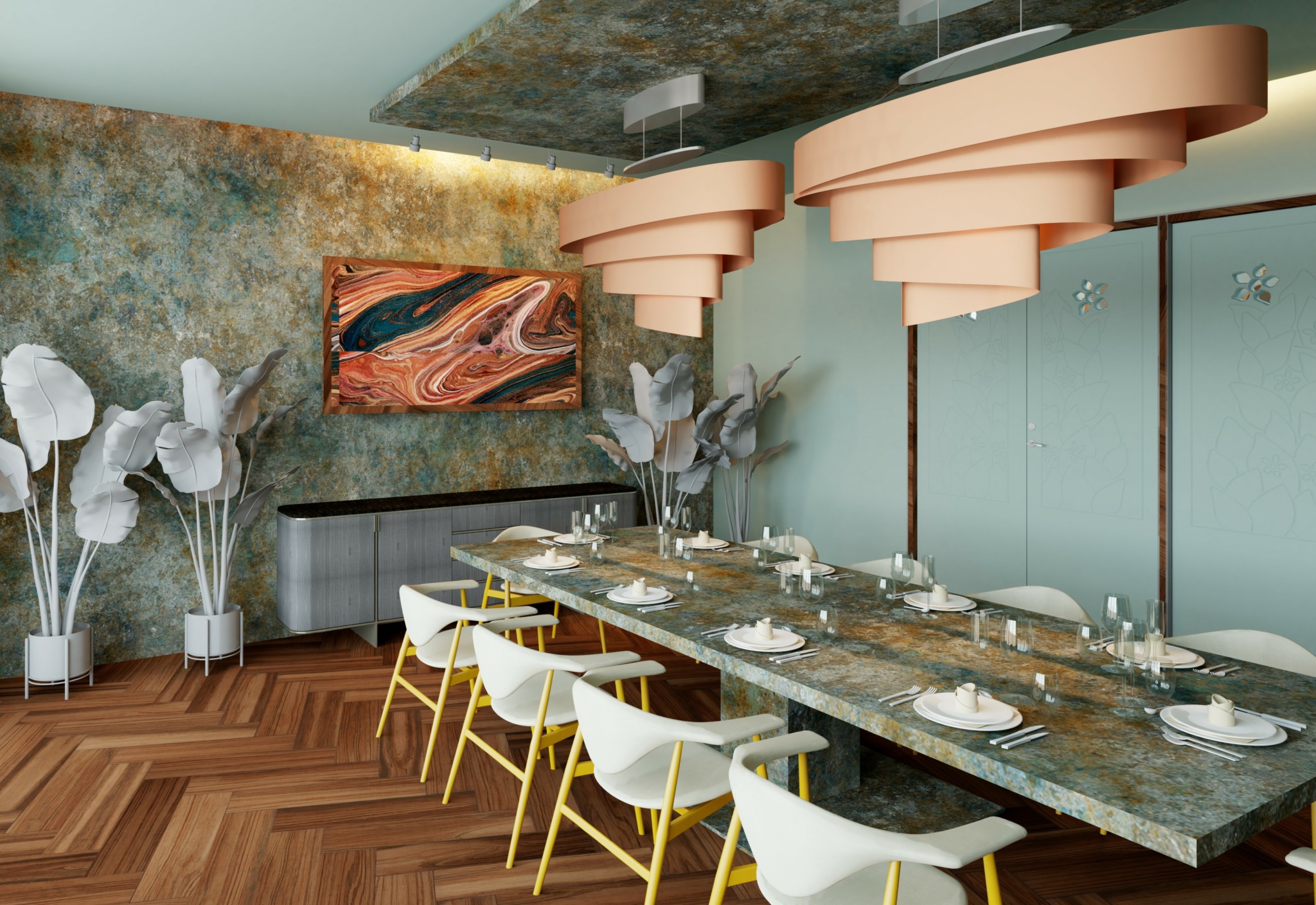
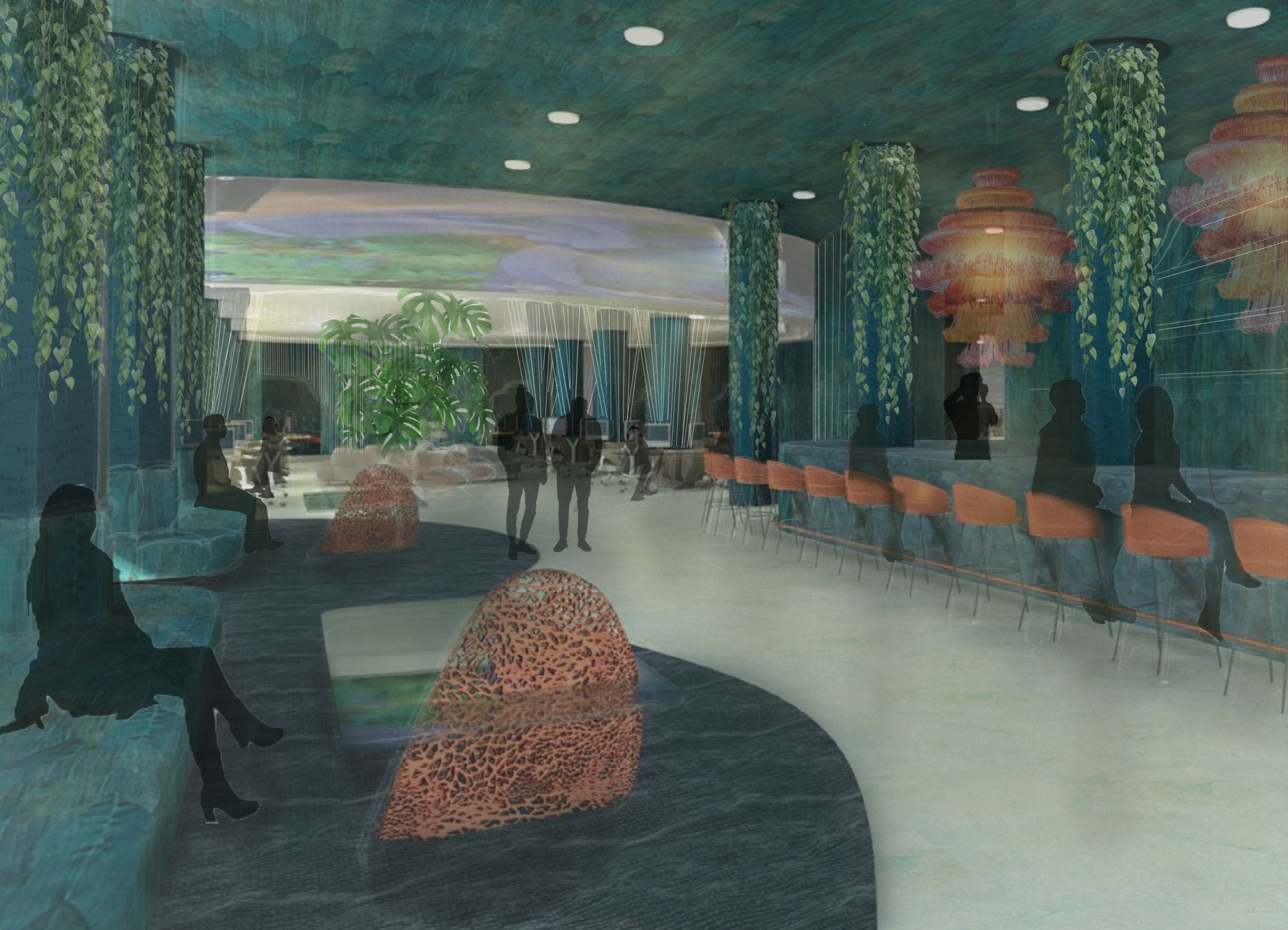
My work currently includes both residential and commercial projects, with a focus on spaces that bring people together. I’m particularly interested in creating environments that feel grounded, intentional, and connected to their context—both physically and culturally.
I tend to approach design less as a fixed style and more as a process of listening, interpreting, and translating. I value thoughtful collaboration and strong relationships, and I care deeply about understanding both the people I work with and the places I design for.
What I’m most proud of is the trust I’ve been given early on to contribute to projects with real impact—spaces that are intended to become part of people’s everyday lives. That sense of responsibility guides my work.
For you, what’s the most rewarding aspect of being a creative?
For me, the most rewarding aspect of being a designer is the quiet but important civic dimension of the work—spaces influence how we relate to one another, how we feel within a community, and how we, in turn, show up within it.
I’m particularly drawn to projects that bring people together, whether that’s within a home or in a shared, public setting. Being able to contribute to environments that support connection, routine, and a sense of belonging is something I find deeply meaningful.
There’s also something very rewarding about seeing how a space becomes part of people’s everyday lives—how they return to it, spend time in it, and gradually make it their own.
The process itself is deeply tied to listening and interpretation. Every project is different, and understanding both the people and the context it’s rooted in is what makes the work meaningful to me.
Do you think there is something that non-creatives might struggle to understand about your journey as a creative? Maybe you can shed some light?
I think the term “non-creative” can be a bit misleading. In my experience, everyone has creative energy—it just shows up in different ways, and not everyone has the space or opportunity to engage with it regularly.
Many people work in fields that aren’t traditionally considered creative, and over time, that part of themselves can feel a bit distant or undefined. What I’ve found through design is that it naturally invites people back into that space. Especially when it comes to their own homes, people start to think about what they’re drawn to, what makes them feel comfortable or inspired, and how they want to shape their environment in a way that allows them to feel most like themselves.
It’s not always about having a clear vision from the start—often it’s about exploring, reacting, and discovering preferences along the way. That process can be surprisingly revealing, and it engages a different way of thinking that people might not tap into very often.
My own journey as a creative has been anything but linear. It’s had its challenges and continues to evolve, but that’s also what makes it meaningful. I think that sense of uncertainty, growth, and discovery is something most people can relate to, regardless of whether they consider themselves creative or not.
Contact Info:
- Website: https://studiolisajames.com
- Instagram: helloitslisajames
- Linkedin: /in/lisajamesklien