


We caught up with the brilliant and insightful Kyle Cooper a few weeks ago and have shared our conversation below.
Kyle, thanks for joining us, excited to have you contributing your stories and insights. We’d love to hear the backstory behind a risk you’ve taken – whether big or small, walk us through what it was like and how it ultimately turned out.
It’s all a risk, isn’t it? We’re living in a time where nothing is certain anymore. I don’t think art will ever be truly replaced, but the fact that it’s facing an existential threat is concerning. I wish we weren’t having to navigate an industry of AI and nostalgia-driven entertainment, but that’s just not the case. The only way to combat that is to take creative risks.
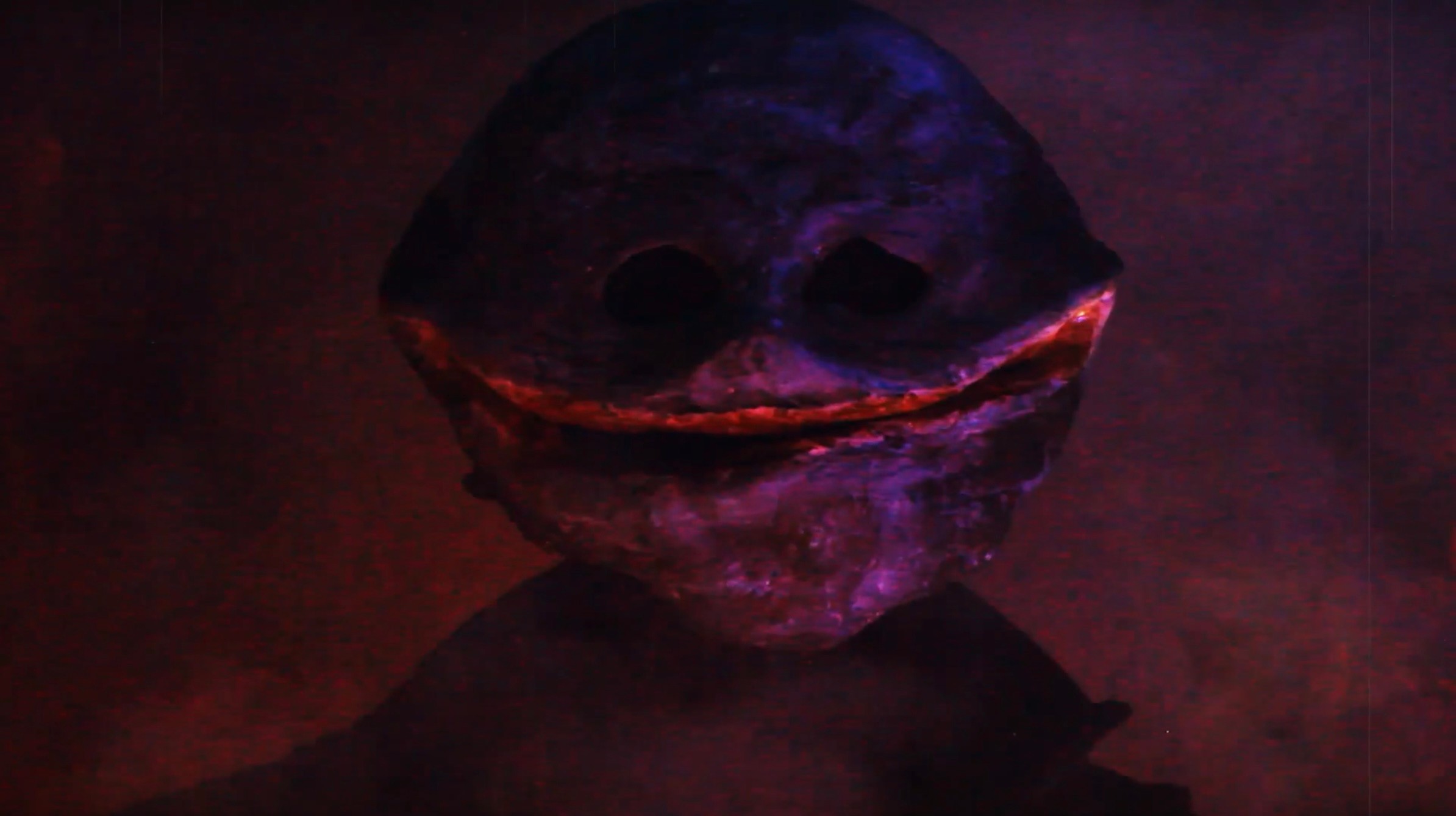
I started Jackalope Studio during the pandemic. The company I was working for had gone under and so I took the opportunity to build something for myself. I had a vision of making a stop-motion animated short based on a twisted children’s poem I had written a few years prior. Of course, I had no animation experience. Even worse, I had no money. So I challenged myself with very strict parameters.
I gave myself a budget of $500. Beyond that I could only use the equipment and material I had at my disposal: a Canon T2I camera, unconventional lighting sources, and lots and lots of empty Amazon boxes. Everything was handmade. Multiple sets, multiple characters, all built and filmed in a one car garage. By then I had switched from animation to puppetry. And because we were smack dab in the middle of Covid, I was doing it all solo, even the performances. It took over a year to complete. Luckily I had assistance during post. Shout out to master editor, Lawrence Thunell, for piecing it all together; and the awesome voice over cast who brought the characters to life.
Was “Terribly Rotten Tales” a success? Creatively, I love it. It helped me get through Covid with (some of) my sanity intact. It even got a little bit of love at the Catalina Film Festival. But it was certainly not a financial success. I mean, it lives on YouTube now (and you should totally go and watch it). What it did do however, was lay the groundwork for a scrappy little company that has been able to bring big ideas to life with very limited resources. Bigger projects are on the horizon, but those wouldn’t even be a possibility had it not been for the initial risk.
Great, appreciate you sharing that with us. Before we ask you to share more of your insights, can you take a moment to introduce yourself and how you got to where you are today to our readers.
I started as an actor in Orange County. My whole focus at that point was theatre. That was ultimately where I wanted to end up. And I was very lucky that I was surrounded by extremely talented people. My artistic home back then was the Chance Theatre in Anaheim. Their artistic director, Oanh Nguyen, actually instilled a lot of the artistic foundation that still informs me today.
When I moved to LA, the acting bug eventually wore off and suddenly I found myself as the in-house screenwriter and development executive for Eclectic Pictures. That was shortly after my undergrad years. All of a sudden I was working on multimillion dollar film projects with A-list actors. I had gotten my first feature screenplay produced by the time I was 27. At the time I didn’t even realize how big of an accomplishment that was. But after “The Late Bloomer” was released I started to feel like I was losing my creative edge. I needed to get that back somehow.
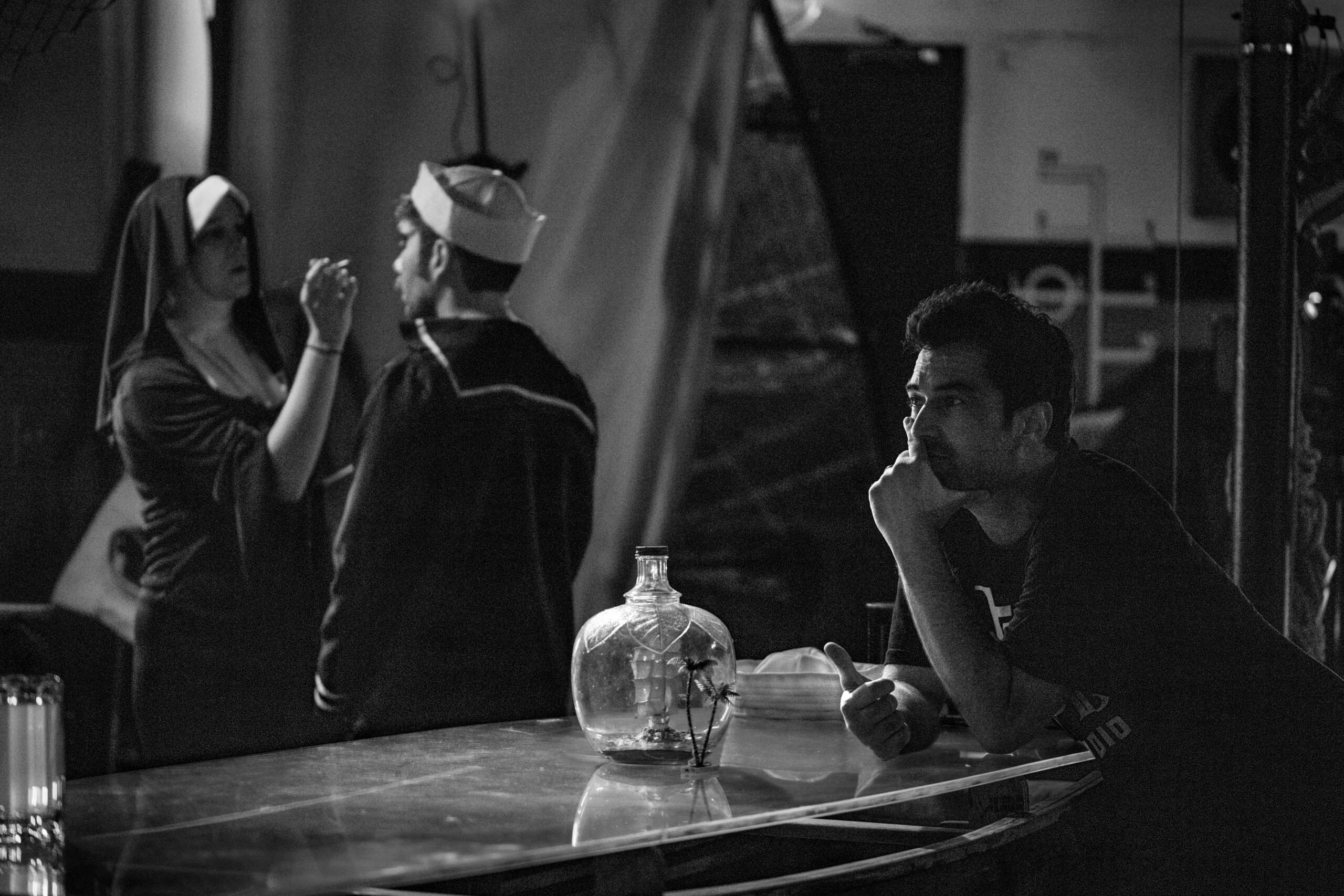
I directed and produced two plays in North Hollywood: “Waiting for Godot” and Sarah Kane’s “Blasted”. They were difficult shows to pull off, especially “Blasted”. If you’re not familiar with the play, all I can say is that it’s not for faint of heart. But through that I met Mark Ramont, the head of the directing program at Cal State Fullerton. He offered me a spot in the program, and from there I went on to get my MFA. Mark is another one of those people that will forever be one of those creative voices in my head. He gave me the freedom to explore every facet of my imagination, even if it meant falling flat on my face. I directed shows there that I’m still very proud of to this day. Without Mark and my colleagues and collaborators (and even detractors) at CSUF, I wouldn’t be where I am today. Maybe that’s a blessing, maybe that’s a curse. Who knows?
I graduated in 2019, with a full career plan moving forward, only for it to be completely derailed by Covid. But I tried to look at it as an opportunity. That’s when I started Jackalope Studio. I wanted to somehow return to film while bringing the kind of theatricality that is ingrained in me. Doing theatre over the years, I’ve learned how to accomplish a lot with very little. As I look at how the film industry is evolving, I think that’s going to become an even more important skill. I believe creativity actually flourishes through limitations. To me, no idea “can’t” be done. It’s more of a question of how can it be done. That’s a big part of what Jackalope Studio is, and it’s a philosophy that will I always adhere to.
Have any books or other resources had a big impact on you?
If you were to look inside my brain to find the influences in my creative journey, here’s some of what you would find: “The Empty Space” by Peter Brook
“The Power of Myth” by Joseph Campbell
“A Life” by Elia Kazan
“The Stand” by Stephen King
The films of David Lynch
The creative works of Walt Disney and Jim Henson
David Bowie, The Who, and The Beatles
Theatre productions directed by Alex Timbers and Ivo van Hove
Every episode of Frasier
We’d love to hear the story of how you built up your social media audience?
I despise social media — but it’s one of the most important aspects of building your brand and audience. A big part of my Jackalope strategy has been to build a grassroots audience that is excited about our projects, especially on YouTube. It allows us to try out different types of content in a relatively low stakes environment. That way when we take those projects elsewhere, we have some sort of proof that there is audience interest. That strategy is proving to be working for us. I can’t say anything now, but there are exciting things ahead.
The advice I’d give is don’t judge your content. Get it out there, no matter how terrible you might think it is. Make as much as you can, production value be damned. It’s the only way you will learn what works and what doesn’t work. It also helps combat the algorithm that is only working against you when you’re first starting out. And remember this: you can always delete things later. You’ll eventually be able to cultivate your work with the things that best represent you.
Contact Info:
- Website: https://www.jackalope.studio
- Instagram: https://www.instagram.com/jackalope_studio/
- Linkedin: https://www.linkedin.com/in/kyle-cooper-82a78b34/
- Youtube: https://www.youtube.com/@jackalopestudio
Image Credits
Photo Credits: Zach Donohue, Melissa Ramont, Jordan Kubat