



We caught up with the brilliant and insightful Kristine Sloan a few weeks ago and have shared our conversation below.
Hi Kristine , thanks for joining us today. Often outsiders look at a successful business and think it became a success overnight. Even media and especially movies love to gloss over nitty, gritty details that went into that middle phase of your business – after you started but before you got to where you are today. In our experience, overnight success is usually the result of years of hard work laying the foundation for success, but unfortunately, it’s exactly this part of the story that most of the media ignores. Can you talk to us about your scaling up story – what are some of the nitty, gritty details folks should know about?
When I joined Leadership Triangle, we were a 25-year-old organization that had never broken $250k in annual budget. And honestly? That wasn’t an accident. The organization knew what it did well: deliver a handful of excellent leadership development programs each year and produce exceptionally well-planned community events. It had found its lane and stayed in it.
Then the Board of Directors handed me a new mandate: let’s experiment.
In my first three years as Leadership Triangle’s Executive Director, we tripled our annual budget.
How did we do it? We stopped seeing ourselves as our programs and current services. Instead, we focused on our initial mission upon our founding in 1992: being the talent development partner for changemakers across the Triangle region of NC. We said yes to partnership ideas – when people indicated they wanted to see us explore a new potential audience, we went for it. We now serve 3x the number of individuals each year and offer double the number of programs.
Here’s what that growth actually looked like on the inside… a lot of stuff thrown at the wall. An uncomfortable amount, honestly. We tried programs that had no resonance in the market. Low uptake, high effort, hard lessons. We lost team members — good ones — to burnout and roles that had been scoped wrong for the pace we were moving.
Over the last couple of years, we shifted from exponential growth mode to sustaining mode. We revamped all of our systems – standard operating procedures, software, AI-integrations, workflow updates – you name it, we’ve worked on it. We got the right people into the right roles and have focused on delivering our existing programs with outstanding impact. (Full disclosure: we couldn’t resist trying a couple of new things. Some habits die hard.) What we built in that quieter season wasn’t glamorous. But it was the foundation we should have built earlier.
The overnight success story is never real. The real story is a quarter-century of reputation and trust built with our community, three years of chaotic, hopeful experimentation, and two years of unglamorous systems work – all stacked on top of each other.
Now, we feel poised to grow again. Wish us luck.

Kristine , love having you share your insights with us. Before we ask you more questions, maybe you can take a moment to introduce yourself to our readers who might have missed our earlier conversations?
I started my career in international development – co-founding and leading organizations in South India, West Africa, and East Africa. I wasn’t looking for an easy path. I was looking for impact. In 2015, feeling burnt out, I spent several months sitting with a hard question: where could I have the most long-term, systemic impact? Somewhat paradoxically, that reflection led me away from direct service, issues-based work and into leadership development.
Here’s what I’ve come to believe: leadership development is the work behind the work. When I help someone build a company that shakes up tired practices, or improve the way they engage their team, or get clearer on the values driving their decisions – I’m not just helping one person. I’m influencing everything they touch. Over the last decade, I’ve had the privilege of supporting thousands of entrepreneurs, organizational leaders, and grassroots activists as a coach, facilitator and trainer.
What We Do at Leadership Triangle
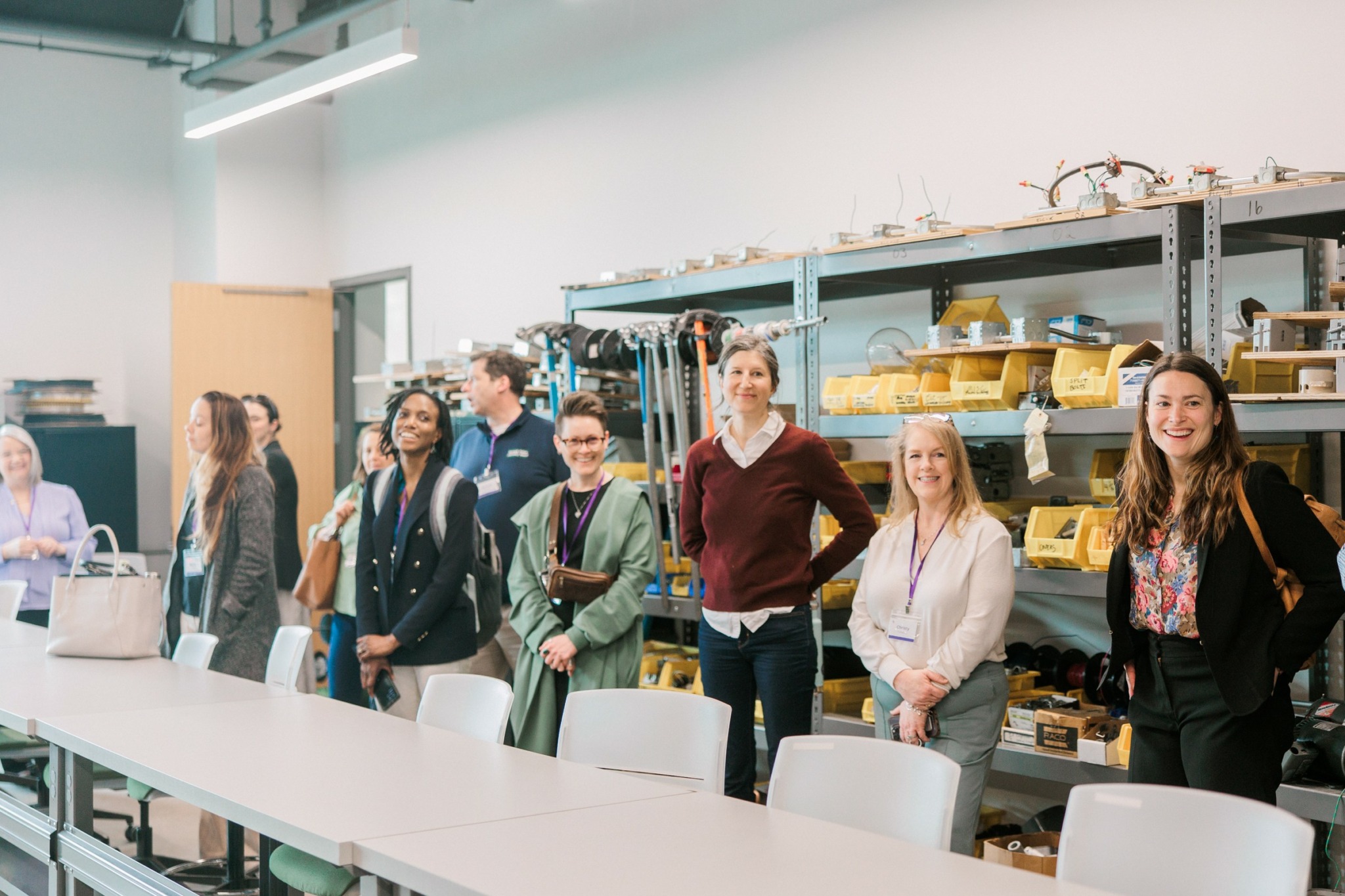
Here’s a game I love to play: I ask a room full of people to shout out their favorite local community organizations, businesses, and leaders. About 80% of the time, the people they name have completed one of Leadership Triangle’s cohort-based programs — graduating into our Goodmon Fellowship.
Goodmon Fellows are everywhere in this community. The Mayor of Raleigh. The Founder of TheGifted Arts. The Manager of Community Engagement at Coastal Credit Union. Leadership Triangle has been around for 30+ years, quietly doing the work of community building, context setting, and leadership formation. We’re one of the Triangle’s best-kept secrets — with programs that are consistently rated highly for their content and their real impact on participants’ careers and professional networks.
Any stories or insights that might help us understand how you’ve built such a strong reputation?
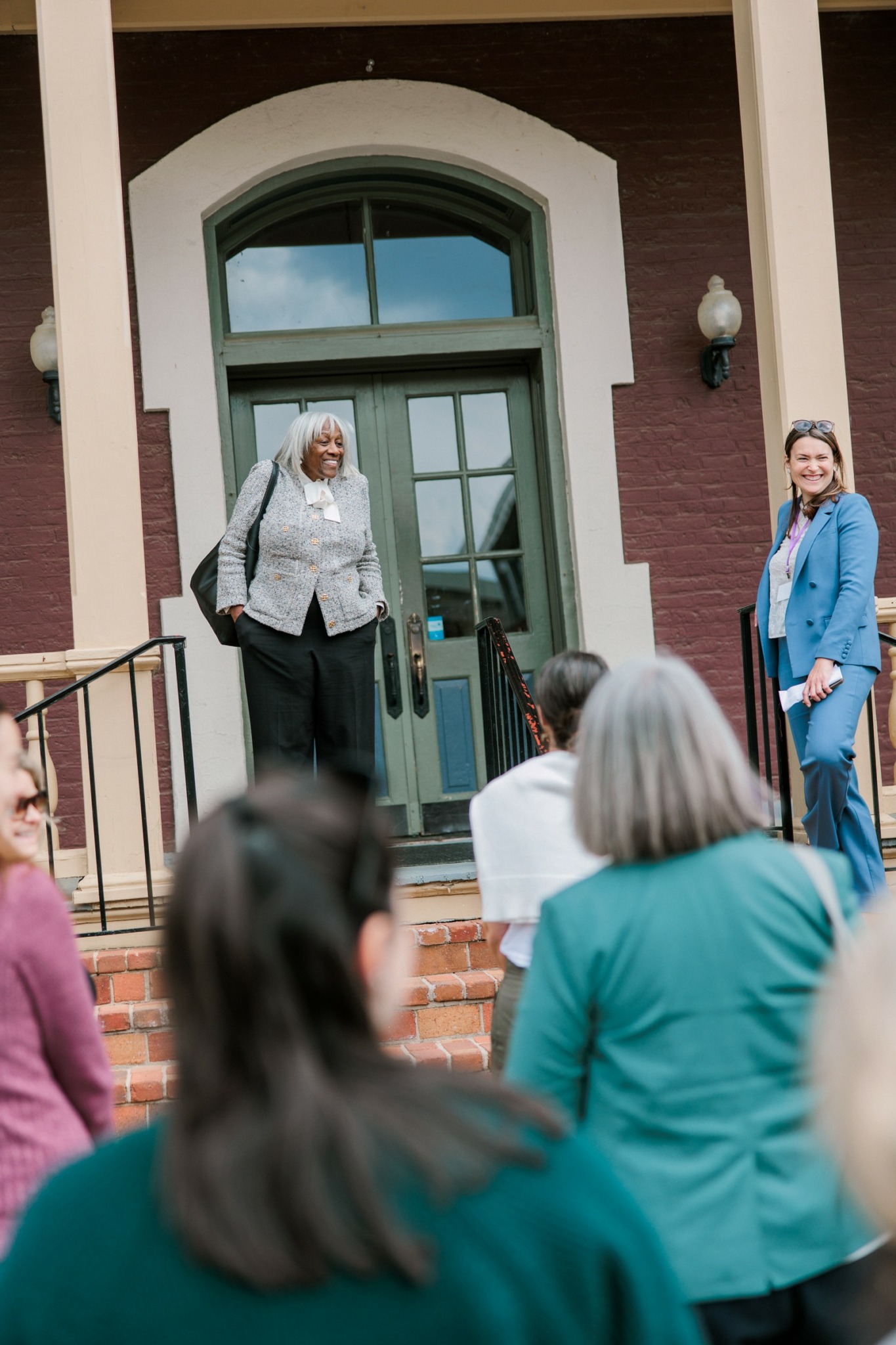
There is deep trust woven into the Leadership Triangle ecosystem. It’s the kind of trust that has been earned over decades, through consistency, care, and commitment. The kind you can’t take for granted.
How have we built that trust?
We create containers for vulnerability – inviting people in our programs to truly open up to one another and talk about the hard stuff.
And then we’re really good at maintaining the confidentiality of that container. You’ll never hear us talking about someone’s leadership challenges or struggles out in the community. Instead, we do everything we can to hype up our program graduates and affirm their leadership.
We’ve done that for 1300+ people consistently over 30 years. A space where people can learn, grow, and feel a level of integrity from the organizers? That’s gold.
Can you tell us about what’s worked well for you in terms of growing your clientele?
We grow through word of mouth referrals. Our cold pipeline outreach (social media, newsletters, Google search) represents less than 25% total of our program participants.
People hear about us because other people tell them to participate. And we like it that way.
When someone has a meaningful experience in one of our cohorts, they don’t just leave with new skills. They leave wanting to bring their colleagues, their mentees, their friends into the room. We’ve seen entire teams come through our programs because one person couldn’t stop talking about what it did for them.
So our real growth strategy, if we’re being honest, is simple: do the work well enough that our participants become our best recruiters. No ad budget can replicate that.
Contact Info:
- Website: https://leadershiptriangle.com/
- Linkedin: https://www.linkedin.com/company/leadershiptri/
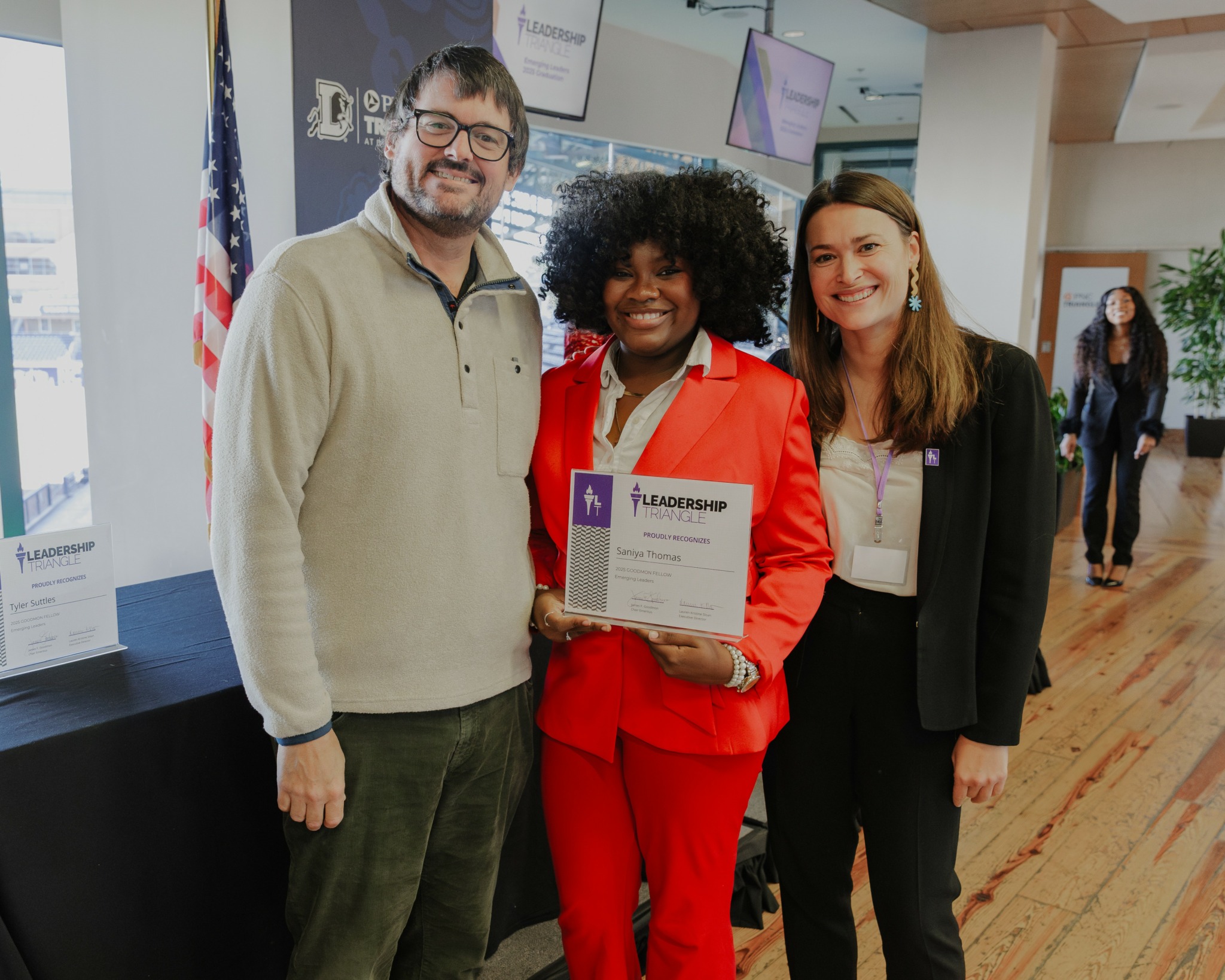
Image Credits
Emily Bennett, Devin Desjarlais