

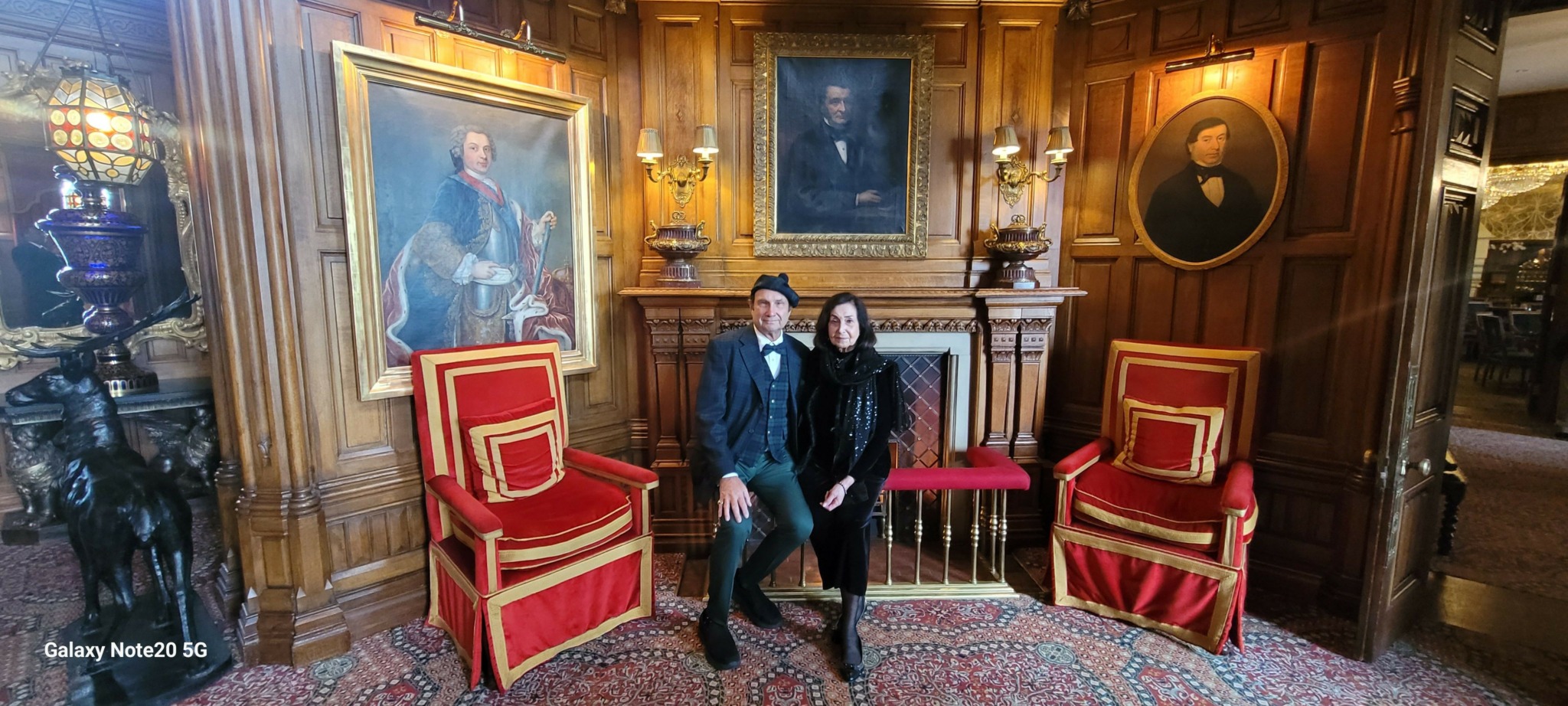

We’re excited to introduce you to the always interesting and insightful Keith Wahl. We hope you’ll enjoy our conversation with Keith below.
Alright, Keith thanks for taking the time to share your stories and insights with us today. Over the course of your career, have you seen or experienced your field completely flip-flop or change course on something?
I’m Dr. Keith Jay Wahl, MD, FACS. I’ve been practicing Otolaryngology- Head , Neck and Facial Plastic Surgery in San Diego since 1976. I have had many roles in local hospitals ranging from Chief of Section to Chief of Surgery and Chief of Staff. I have been on the Medical Executive committee of three different hospitals. For Twenty Years I was a reviewer for the medical Board oif California. For the last 10 years I have been a Medical Consultant Investigator in the Department of Consumer affairs, Health Quality investigations Unit. Nearly five decades in medicine has shown me just how dramatically this field has changed — and not always for the better.
When I began, medicine was personal. Patients came to see you — their doctor — and you cared for them from consult to surgery to recovery. You used your hands, your judgment, your experience. You were trusted.
But over time, the ground shifted.
In the 1980s, Medicare introduced fixed payments and bundled services, which began to chip away at the value of individualized care. PPOs and HMOs arrived, and suddenly it wasn’t just about taking care of patients — it was about navigating rules, restrictions, and red tape.
In the 1990s, managed care tightened its grip. Reimbursements dropped. Paperwork ballooned. Doctors formed groups just to survive. Hospitals started hiring physicians, and the seamless connection between office and hospital care started to fracture. Meanwhile, nurse practitioners and physician assistants gained ground. “Best practices” became guidelines designed by bureaucrats — not by those of us in the exam room or the OR.
The 2000s hit hard. The fee-for-service model that once allowed doctors to thrive was flipped upside down. EMRs became mandatory, and I found myself spending more time clicking boxes than speaking with patients. Surgeries I’d done for years — medically necessary ones — were suddenly under scrutiny. Functional nasal work, sinus procedures, reconstructions — questioned, delayed, underpaid.
By the 2010s, medicine had become a numbers game. MACRA, MIPS, the ACA — alphabet soup legislation that buried us in reporting requirements and meaningless metrics. We weren’t evaluated by outcomes, but by how well we clicked the right boxes. Hospitals bought up independent practices. Corporate medicine was no longer on the horizon — it had arrived. Meanwhile, the scope of practice expanded for mid-levels, and the physician’s role was diluted further.
Then came the 2020s. COVID shut down operating rooms, halted elective procedures, and pushed telemedicine to the forefront. It also pushed many seasoned physicians out. Private equity firms began buying practices in bulk, including ENT and facial plastic surgery groups. Decisions were now made in boardrooms, not exam rooms. AI started influencing who got approved for what. The physician-patient relationship became transactional, impersonal, algorithmic.
I’ve watched the art of medicine — the craft — be replaced with compliance. The judgment of experienced physicians, sidelined by scripts, scorecards, and systems that serve insurers more than patients.
And yet, I’m still here.
Because after all these years, I still believe in the power of true doctoring — of listening, seeing, treating. I still believe that skill, wisdom, and human connection matter.
This isn’t just my story. It’s the story of an entire profession that took a U-turn.
And it’s time we talk about it.
— Dr. Keith Jay Wahl, MD, FACS
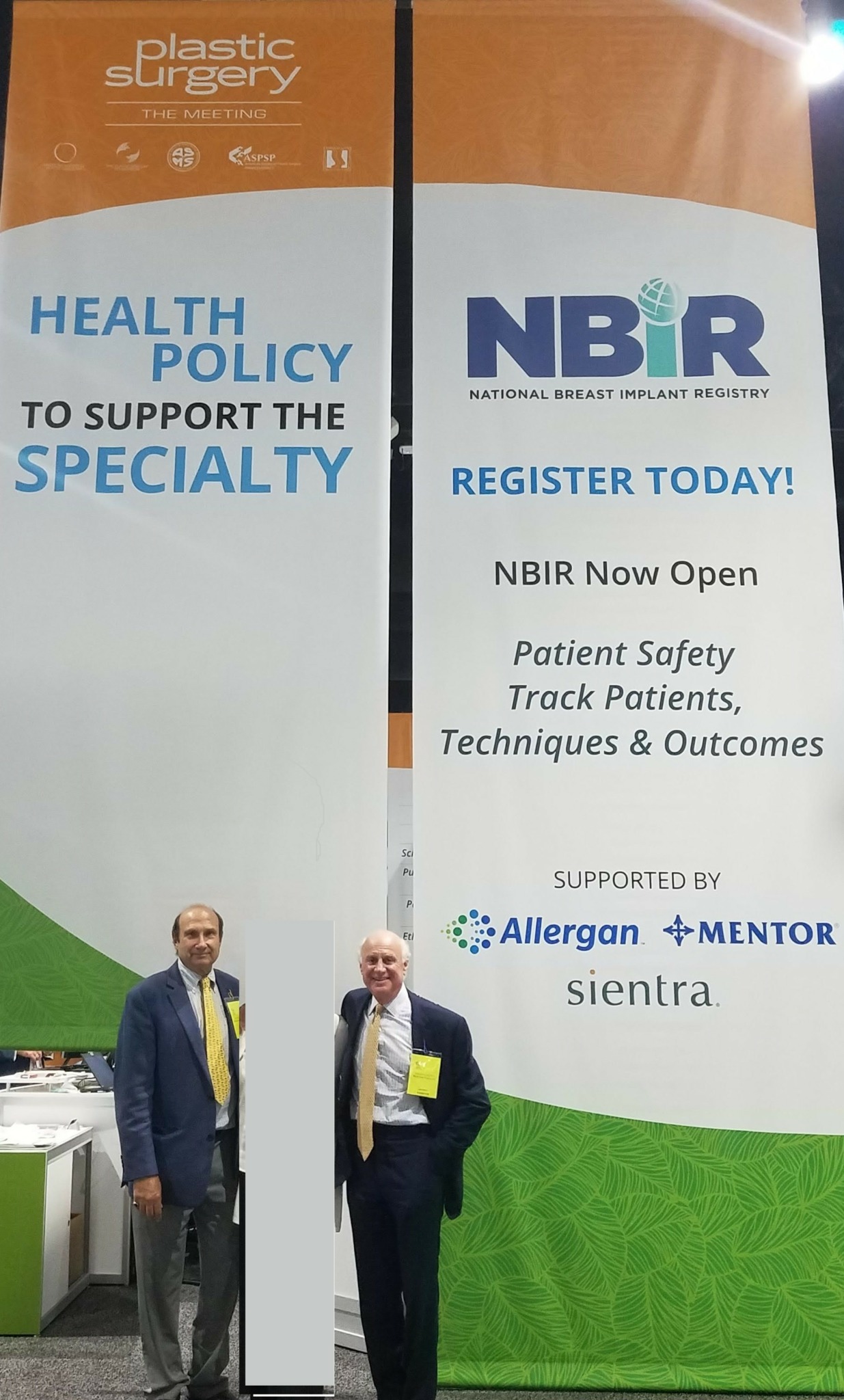
Awesome – so before we get into the rest of our questions, can you briefly introduce yourself to our readers.
I’m Dr. Keith Jay Wahl, MD, FACS. I’ve been practicing Otolaryngology- Head , Neck and Facial Plastic Surgery in San Diego since 1976. I have had many roles in local hospitals ranging from Chief of Section to Chief of Surgery and Chief of Staff. I have been on the Medical Executive committee of three different hospitals. For Twenty Years I was a reviewer for the medical Board oif California. For the last 10 years I have been a Medical Consultant Investigator in the Department of Consumer affairs, Health Quality investigations Unit. Nearly five decades in medicine has shown me just how dramatically this field has changed — and not always for the better.
When I began, medicine was personal. Patients came to see you — their doctor — and you cared for them from consult to surgery to recovery. You used your hands, your judgment, your experience. You were trusted.
But over time, the ground shifted.
In the 1980s, Medicare introduced fixed payments and bundled services, which began to chip away at the value of individualized care. PPOs and HMOs arrived, and suddenly it wasn’t just about taking care of patients — it was about navigating rules, restrictions, and red tape.
In the 1990s, managed care tightened its grip. Reimbursements dropped. Paperwork ballooned. Doctors formed groups just to survive. Hospitals started hiring physicians, and the seamless connection between office and hospital care started to fracture. Meanwhile, nurse practitioners and physician assistants gained ground. “Best practices” became guidelines designed by bureaucrats — not by those of us in the exam room or the OR.
The 2000s hit hard. The fee-for-service model that once allowed doctors to thrive was flipped upside down. EMRs became mandatory, and I found myself spending more time clicking boxes than speaking with patients. Surgeries I’d done for years — medically necessary ones — were suddenly under scrutiny. Functional nasal work, sinus procedures, reconstructions — questioned, delayed, underpaid.
By the 2010s, medicine had become a numbers game. MACRA, MIPS, the ACA — alphabet soup legislation that buried us in reporting requirements and meaningless metrics. We weren’t evaluated by outcomes, but by how well we clicked the right boxes. Hospitals bought up independent practices. Corporate medicine was no longer on the horizon — it had arrived. Meanwhile, the scope of practice expanded for mid-levels, and the physician’s role was diluted further.
Then came the 2020s. COVID shut down operating rooms, halted elective procedures, and pushed telemedicine to the forefront. It also pushed many seasoned physicians out. Private equity firms began buying practices in bulk, including ENT and facial plastic surgery groups. Decisions were now made in boardrooms, not exam rooms. AI started influencing who got approved for what. The physician-patient relationship became transactional, impersonal, algorithmic.
I’ve watched the art of medicine — the craft — be replaced with compliance. The judgment of experienced physicians, sidelined by scripts, scorecards, and systems that serve insurers more than patients.
And yet, I’m still here.
Because after all these years, I still believe in the power of true doctoring — of listening, seeing, treating. I still believe that skill, wisdom, and human connection matter.
This isn’t just my story. It’s the story of an entire profession that took a U-turn.
And it’s time we talk about it.
— Dr. Keith Jay Wahl, MD, FACS
Can you share a story from your journey that illustrates your resilience?
I’m Dr. Keith Jay Wahl, MD, FACS. I’ve been practicing Otolaryngology- Head , Neck and Facial Plastic Surgery in San Diego since 1976. I have had many roles in local hospitals ranging from Chief of Section to Chief of Surgery and Chief of Staff. I have been on the Medical Executive committee of three different hospitals. For Twenty Years I was a reviewer for the medical Board oif California. For the last 10 years I have been a Medical Consultant Investigator in the Department of Consumer affairs, Health Quality investigations Unit. Nearly five decades in medicine has shown me just how dramatically this field has changed — and not always for the better.
When I began, medicine was personal. Patients came to see you — their doctor — and you cared for them from consult to surgery to recovery. You used your hands, your judgment, your experience. You were trusted.
But over time, the ground shifted.
In the 1980s, Medicare introduced fixed payments and bundled services, which began to chip away at the value of individualized care. PPOs and HMOs arrived, and suddenly it wasn’t just about taking care of patients — it was about navigating rules, restrictions, and red tape.
In the 1990s, managed care tightened its grip. Reimbursements dropped. Paperwork ballooned. Doctors formed groups just to survive. Hospitals started hiring physicians, and the seamless connection between office and hospital care started to fracture. Meanwhile, nurse practitioners and physician assistants gained ground. “Best practices” became guidelines designed by bureaucrats — not by those of us in the exam room or the OR.
The 2000s hit hard. The fee-for-service model that once allowed doctors to thrive was flipped upside down. EMRs became mandatory, and I found myself spending more time clicking boxes than speaking with patients. Surgeries I’d done for years — medically necessary ones — were suddenly under scrutiny. Functional nasal work, sinus procedures, reconstructions — questioned, delayed, underpaid.
By the 2010s, medicine had become a numbers game. MACRA, MIPS, the ACA — alphabet soup legislation that buried us in reporting requirements and meaningless metrics. We weren’t evaluated by outcomes, but by how well we clicked the right boxes. Hospitals bought up independent practices. Corporate medicine was no longer on the horizon — it had arrived. Meanwhile, the scope of practice expanded for mid-levels, and the physician’s role was diluted further.
Then came the 2020s. COVID shut down operating rooms, halted elective procedures, and pushed telemedicine to the forefront. It also pushed many seasoned physicians out. Private equity firms began buying practices in bulk, including ENT and facial plastic surgery groups. Decisions were now made in boardrooms, not exam rooms. AI started influencing who got approved for what. The physician-patient relationship became transactional, impersonal, algorithmic.
I’ve watched the art of medicine — the craft — be replaced with compliance. The judgment of experienced physicians, sidelined by scripts, scorecards, and systems that serve insurers more than patients.
And yet, I’m still here.
Because after all these years, I still believe in the power of true doctoring — of listening, seeing, treating. I still believe that skill, wisdom, and human connection matter.
This isn’t just my story. It’s the story of an entire profession that took a U-turn.
And it’s time we talk about it.
— Dr. Keith Jay Wahl, MD, FACS
How about pivoting – can you share the story of a time you’ve had to pivot?
I’m Dr. Keith Jay Wahl, MD, FACS. I’ve been practicing Otolaryngology- Head , Neck and Facial Plastic Surgery in San Diego since 1976. I have had many roles in local hospitals ranging from Chief of Section to Chief of Surgery and Chief of Staff. I have been on the Medical Executive committee of three different hospitals. For Twenty Years I was a reviewer for the medical Board oif California. For the last 10 years I have been a Medical Consultant Investigator in the Department of Consumer affairs, Health Quality investigations Unit. Nearly five decades in medicine has shown me just how dramatically this field has changed — and not always for the better.
When I began, medicine was personal. Patients came to see you — their doctor — and you cared for them from consult to surgery to recovery. You used your hands, your judgment, your experience. You were trusted.
But over time, the ground shifted.
In the 1980s, Medicare introduced fixed payments and bundled services, which began to chip away at the value of individualized care. PPOs and HMOs arrived, and suddenly it wasn’t just about taking care of patients — it was about navigating rules, restrictions, and red tape.
In the 1990s, managed care tightened its grip. Reimbursements dropped. Paperwork ballooned. Doctors formed groups just to survive. Hospitals started hiring physicians, and the seamless connection between office and hospital care started to fracture. Meanwhile, nurse practitioners and physician assistants gained ground. “Best practices” became guidelines designed by bureaucrats — not by those of us in the exam room or the OR.
The 2000s hit hard. The fee-for-service model that once allowed doctors to thrive was flipped upside down. EMRs became mandatory, and I found myself spending more time clicking boxes than speaking with patients. Surgeries I’d done for years — medically necessary ones — were suddenly under scrutiny. Functional nasal work, sinus procedures, reconstructions — questioned, delayed, underpaid.
By the 2010s, medicine had become a numbers game. MACRA, MIPS, the ACA — alphabet soup legislation that buried us in reporting requirements and meaningless metrics. We weren’t evaluated by outcomes, but by how well we clicked the right boxes. Hospitals bought up independent practices. Corporate medicine was no longer on the horizon — it had arrived. Meanwhile, the scope of practice expanded for mid-levels, and the physician’s role was diluted further.
Then came the 2020s. COVID shut down operating rooms, halted elective procedures, and pushed telemedicine to the forefront. It also pushed many seasoned physicians out. Private equity firms began buying practices in bulk, including ENT and facial plastic surgery groups. Decisions were now made in boardrooms, not exam rooms. AI started influencing who got approved for what. The physician-patient relationship became transactional, impersonal, algorithmic.
I’ve watched the art of medicine — the craft — be replaced with compliance. The judgment of experienced physicians, sidelined by scripts, scorecards, and systems that serve insurers more than patients.
And yet, I’m still here.
Because after all these years, I still believe in the power of true doctoring — of listening, seeing, treating. I still believe that skill, wisdom, and human connection matter.
This isn’t just my story. It’s the story of an entire profession that took a U-turn.
And it’s time we talk about it.
— Dr. Keith Jay Wahl, MD, FACS
Contact Info:
- Instagram: keiwahl@gmail.com
- Facebook: keiwahl@gmail.com
- Youtube: keiwahl@gmail.com
- Yelp: keiwahl@gmail.com