
We caught up with the brilliant and insightful Jiayi Xia a few weeks ago and have shared our conversation below.
Alright, Jiayi thanks for taking the time to share your stories and insights with us today. We’d love to hear about a project that you’ve worked on that’s meant a lot to you.
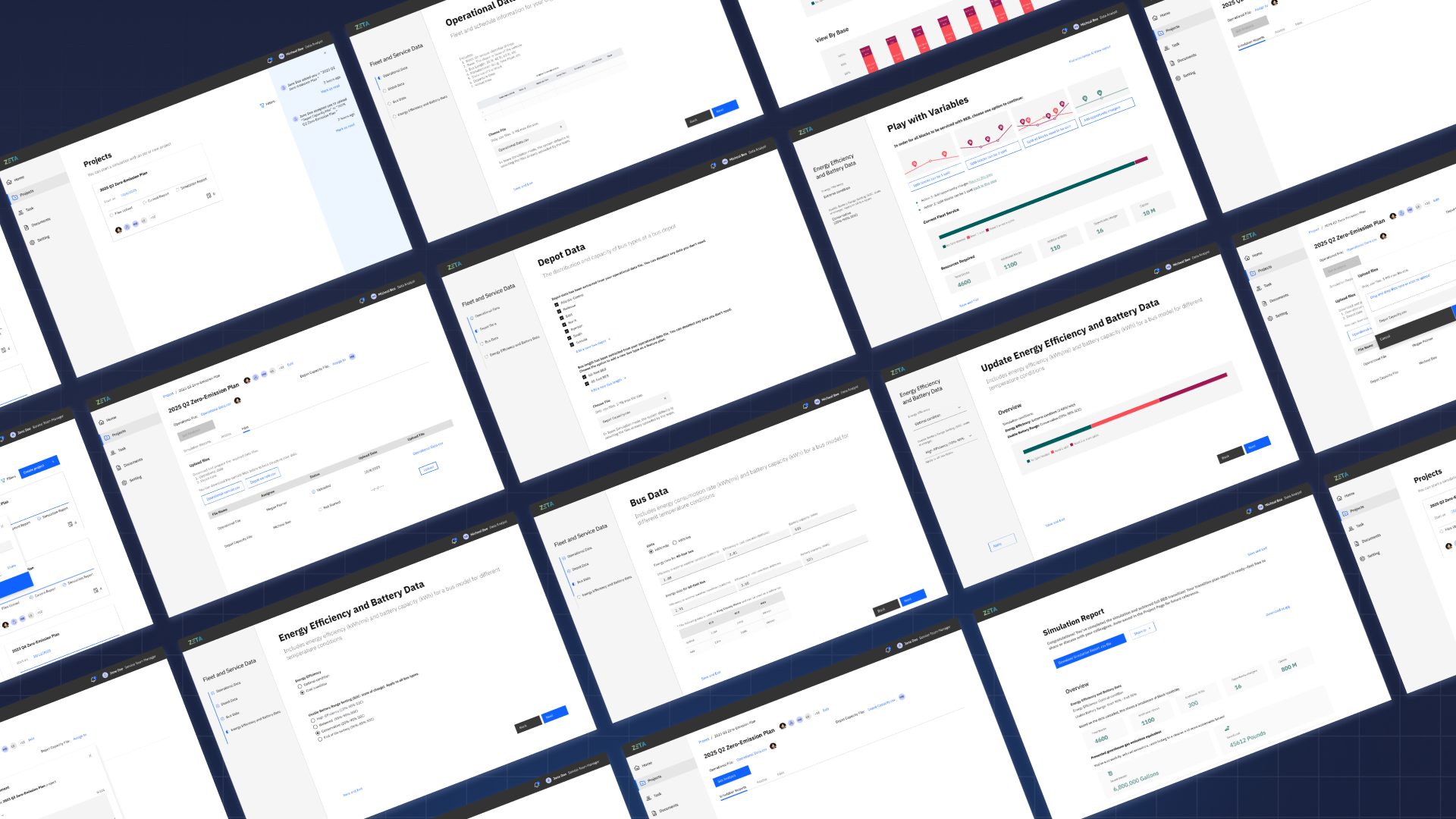
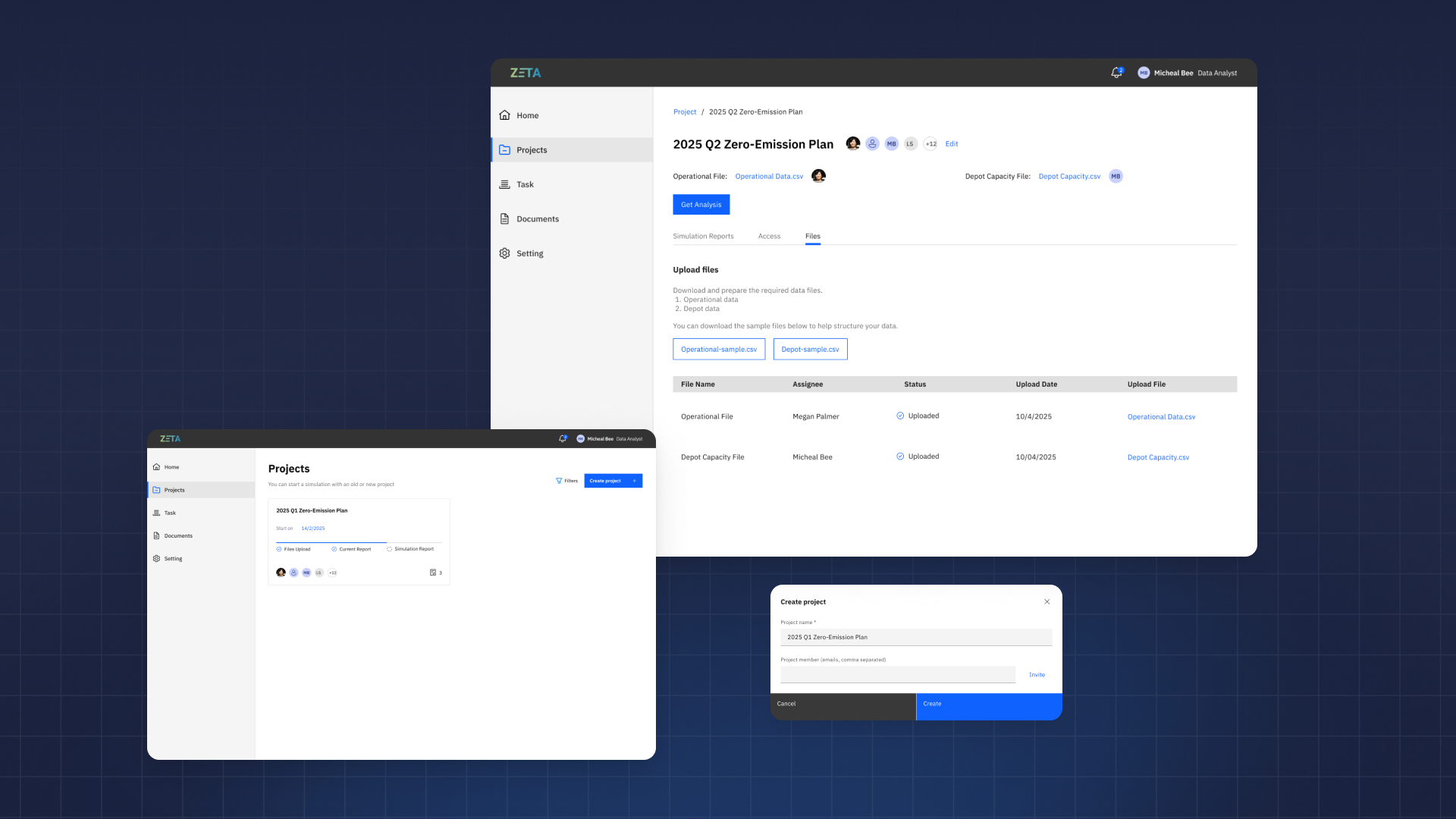
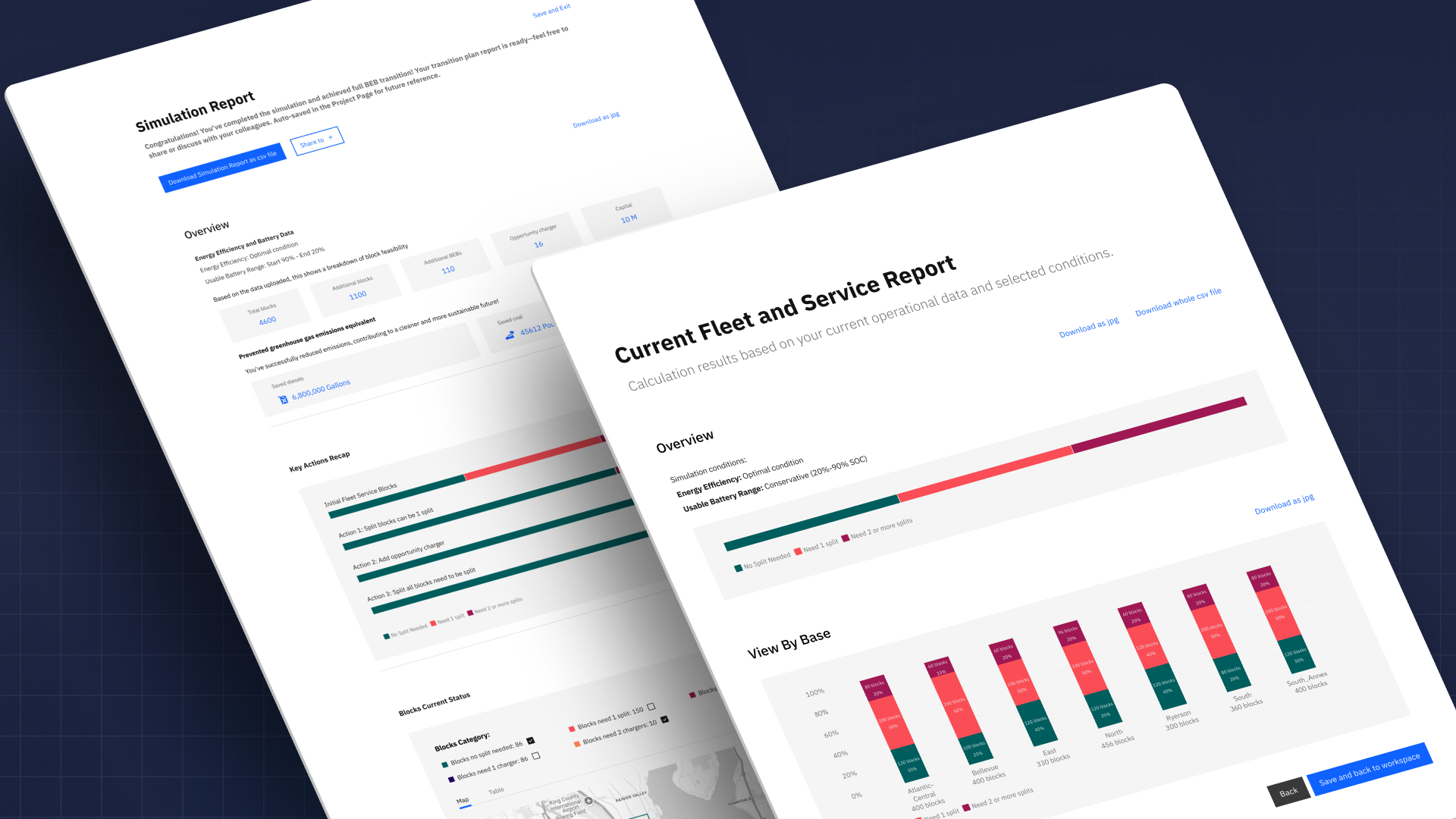
The most meaningful project I’ve worked on is ZETA (Zero Emission Transit Analysis), a simulation tool I designed to help transit agencies transition from diesel to electric fleets more efficiently.
Transit agencies often rely on costly consultants and disconnected spreadsheets to plan their zero-emission strategies. I led the UX design process to create a more scalable and collaborative solution. I conducted field research at a major metro transit agency, interviewed subject matter experts, and tested prototypes with nine stakeholders from different teams.
Through this process, I discovered that different roles had unique goals, but lacked a shared workspace to align decisions. I translated these insights into an intuitive product experience—supporting data upload, simulation, and reporting in a centralized platform.
This project is meaningful to me because it proves how thoughtful design can drive climate impact and make complex systems more accessible. I’m proud that our solution helps reduce planning time, cut costs, and accelerate the shift to zero-emission transit.
As always, we appreciate you sharing your insights and we’ve got a few more questions for you, but before we get to all of that can you take a minute to introduce yourself and give our readers some of your back background and context?
I was born in a small town in Zhejiang, China, and later moved to the city with my parents to pursue my education. From a young age, I was drawn to art and design, always dreaming of becoming a designer. That passion led me to study landscape architecture in Shanghai, where I began to immerse myself in exhibitions, music, and the city’s vibrant, international culture—experiences that deeply shaped my creative perspective.
After working in Shanghai for two years, I felt a strong desire to broaden my worldview and explore new ways of thinking about design. I was especially inspired by the human-centered philosophy of Scandinavian design. Among offers from over 10 programs around the world, I chose to study the Master at the Royal Danish Academy. My time in Denmark—and my travels throughout Europe—taught me to see design not just as a visual or functional practice, but as a powerful medium for empathy and connection.
The pandemic eventually brought me back to Shanghai, where I began applying my spatial and visual design knowledge to digital products. This transition opened my eyes to the potential of UX and product design to drive meaningful change in people’s daily lives. Wanting to deepen my skills and create work rooted in empathy and social impact, I moved to the U.S. to pursue my second master’s degree at the University of Washington.
Today, I’m a UX/Product Designer with a multidisciplinary background, driven by a mission to design thoughtful, inclusive experiences. My journey—across continents, disciplines, and mediums—has shaped me into a designer who believes that creativity, when guided by empathy, can improve the way we live, connect, and care for one another.
What do you think is the goal or mission that drives your creative journey?
At the heart of my creative journey is a mission to design with empathy, and to create experiences that foster human connection and social impact.
Having grown up between a small town and a rapidly modernizing city, and later studying and working across China, Europe, and the U.S., I’ve come to see design as more than just problem-solving. For me, it’s a way to bring humanity into systems, spaces, and technologies. My goal is to create work that not only serves functional needs, but also acknowledges emotion, cultural context, and the diverse realities people live in.
Whether I’m designing a public space, a digital interface, or a service experience, I’m driven by the question: How can design help people feel seen, supported, and empowered in their everyday lives? That sense of purpose continues to guide both what I choose to work on, and how I approach the creative process.
What do you find most rewarding about being a creative?
For me, the most rewarding aspect of being a creative is seeing the impact my work can have on people and society. Whether it’s a physical space that invites reflection or a digital product that simplifies someone’s daily experience, it’s deeply fulfilling to know that thoughtful design can make a real difference.
At the same time, the creative process itself has fundamentally shaped the way I see the world. It has taught me to slow down, observe carefully, listen deeply, and approach problems with empathy. It’s made me more aware of the subtle ways design influences our behaviors, emotions, and relationships. Being a designer isn’t just what I do—it’s changed how I move through the world, and how I strive to make it better for others.
Contact Info:
- Website: https://www.jiayi-xia.com/
- Linkedin: https://www.linkedin.com/in/jiayi-xia