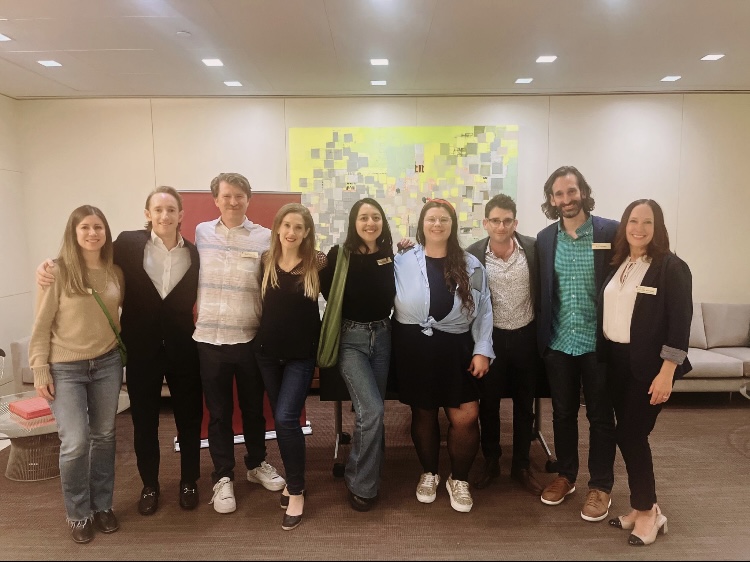
Alright – so today we’ve got the honor of introducing you to Kathryn Cook. We think you’ll enjoy our conversation, we’ve shared it below.
Kathryn, thanks for taking the time to share your stories with us today Let’s start with a story that highlights an important way in which your brand diverges from the industry standard.
One of the biggest distinctions between running my own talent agency and working for a larger firm is that 100% of my time is dedicated to my clients, rather than splitting my focus between company initiatives and internal operations. Instead of attending team meetings or working on broader agency goals, my daily routine revolves entirely around my clients—taking their calls, advocating for them, and strategizing on their behalf.
Being independent also gives me complete autonomy in choosing who I represent and which opportunities I pursue for them. I am the sole decision maker, and I don’t have to navigate company politics or compromise on my vision. I can be proactive in planting seeds in new areas and tailoring my approach to each client’s unique goals. This flexibility and focus allow me to be more responsive, innovative, and personally invested in my clients’ success.
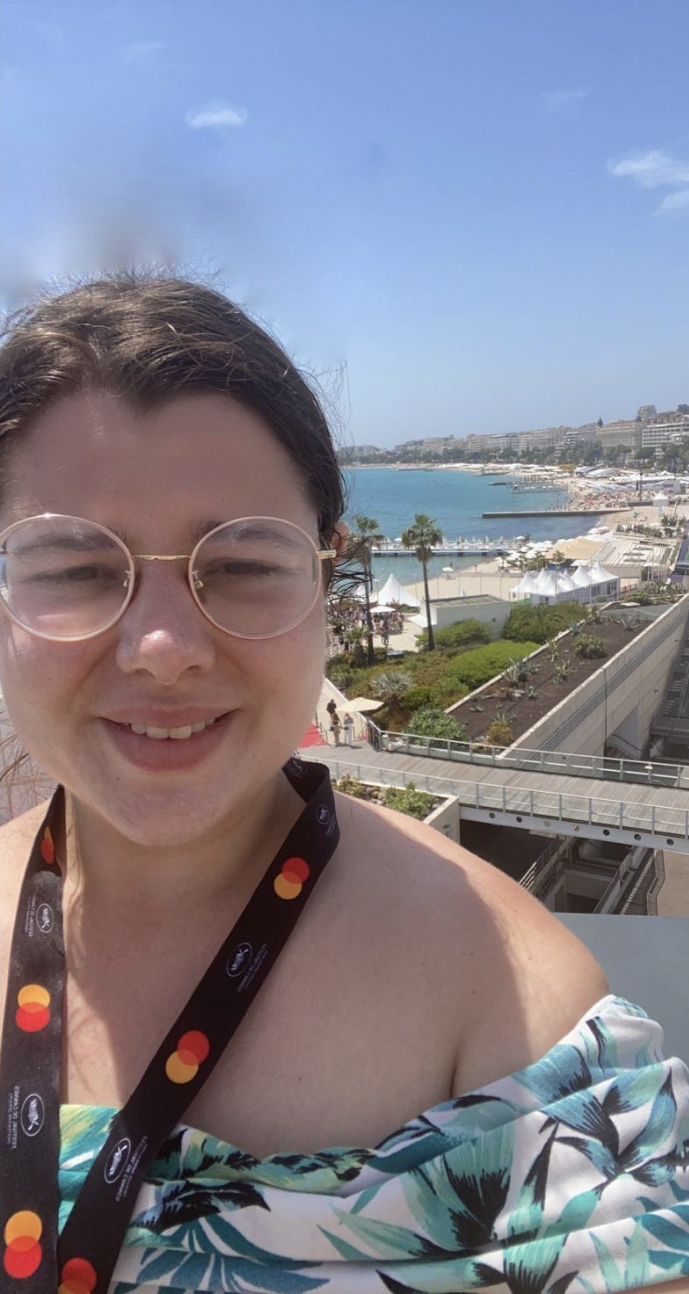
Kathryn, love having you share your insights with us. Before we ask you more questions, maybe you can take a moment to introduce yourself to our readers who might have missed our earlier conversations?
I am a talent agent representing writers, directors, producers, and musicians. My role involves seeking work and business opportunities for my clients, negotiating their deals, and providing career guidance to help them navigate the industry. One of my most important roles as an agent is protecting my clients. The entertainment industry has long been predatory, and artists—especially those early in their careers—are often taken advantage of in ways that can impact them for years. I don’t take that lightly. My job isn’t just to find opportunities; it’s to ensure my clients are treated fairly and appropriately, compensated properly, and positioned for long-term success.
I feel like I’m living my divine purpose in this role, but being an agent wasn’t exactly what I dreamed of as a kid. Growing up in a suburb of Fort Worth,Texas, I wasn’t exposed to the entertainment industry and never even considered becoming an agent. My only real reference point was Joey’s agent, Estelle, from Friends, which gave me the impression that agents were sleazy, fast-talking suits.
That perception didn’t change until my senior year at USC, when I started seriously exploring careers in entertainment. I had planned to become an entertainment lawyer (a goal I’m still pursuing—I’m currently attending law school part-time at Loyola), but I took a few classes on the business of entertainment at SCA that sparked my interest in talent representation. I was on track to become an assistant at a major agency after graduation, with the idea of going to law school after a year or two.
But then I graduated in May 2020—right into a pandemic that upended everything. With openings for traditional agency assistant roles on hold, I spent the summer managing two friends who were emerging hip-hop artists. It didn’t take long for me to realize that management wasn’t quite the right fit for me. I wanted to work with a wider variety of clients and to focus more on the deal-making and opportunity-scouting side of things rather than the day-to-day creative development and long-term branding and career shaping. (The metaphor I like to use is that agents strike matches, while managers tend fires.)
Around September 2020, I had the bright idea to open my own agency. On November 9, 2020, I was officially licensed, and I haven’t really looked back since. Over the past four years, I’ve had the privilege of working closely with incredible artists, embracing both the challenges and the perks that come with it. I’ve also discovered that I truly love being my own boss.
One of the most rewarding aspects of this journey has been the support I’ve received from my network—especially from the Trojan Family (USC’s alumni community). The mentorship, guidance, and acceptance I’ve found in the industry have been invaluable, and I’m incredibly grateful for the relationships that have helped me build my agency into what it is today.
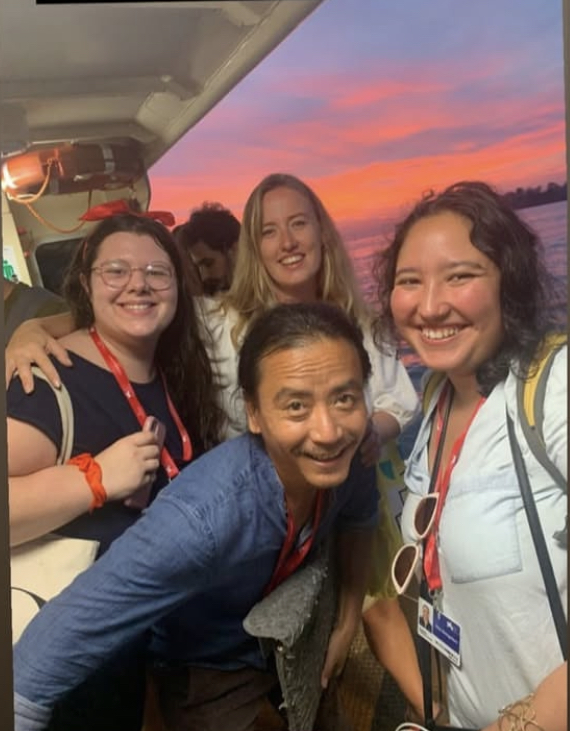
We’d love to hear a story of resilience from your journey.
In the first couple years of my business, money was tight. Every dollar mattered, and I had to make tough choices about where to allocate my resources.
One of my clients was about to move out of the country, and I felt it was important to see them in person before they left. I flew out to visit, knowing my budget for the trip was essentially zero. I planned to be in and out the same day—but our goodbyes stretched longer than expected, and I ended up missing my flight home.
The airline rebooked me on a flight the next morning, but I couldn’t afford a hotel. So I spent the night in the airport. I found a couch in the international terminal and tried to get comfortable. Above me was a storefront with a burned-out sign. Most of the letters had gone dark, but the ones that remained lit spelled B-O-S-S.
Lying there under that glowing word, exhausted and uncomfortable, I thought about what it really meant to be a boss. At that moment, I didn’t feel like one—I was literally sleeping in an airport. But I reminded myself that the sacrifices I was making early on were an investment in something bigger. One day, I’d be able to provide a team with the kind of stability and security that I didn’t have yet, offering them comfortable salaries and opportunities without financial strain.
I’m not quite in the chapter where I’m flying my team out on business class—but I’m also no longer in the chapter where I have to sleep in airports just to make things work. I’ve been fortunate to take many beautiful trips for work, and while there are still challenges, I can usually count on a real bed at the end of the day. That night in the airport reminded me that resilience isn’t just about getting through the hard moments—it’s about understanding why they’re worth it.
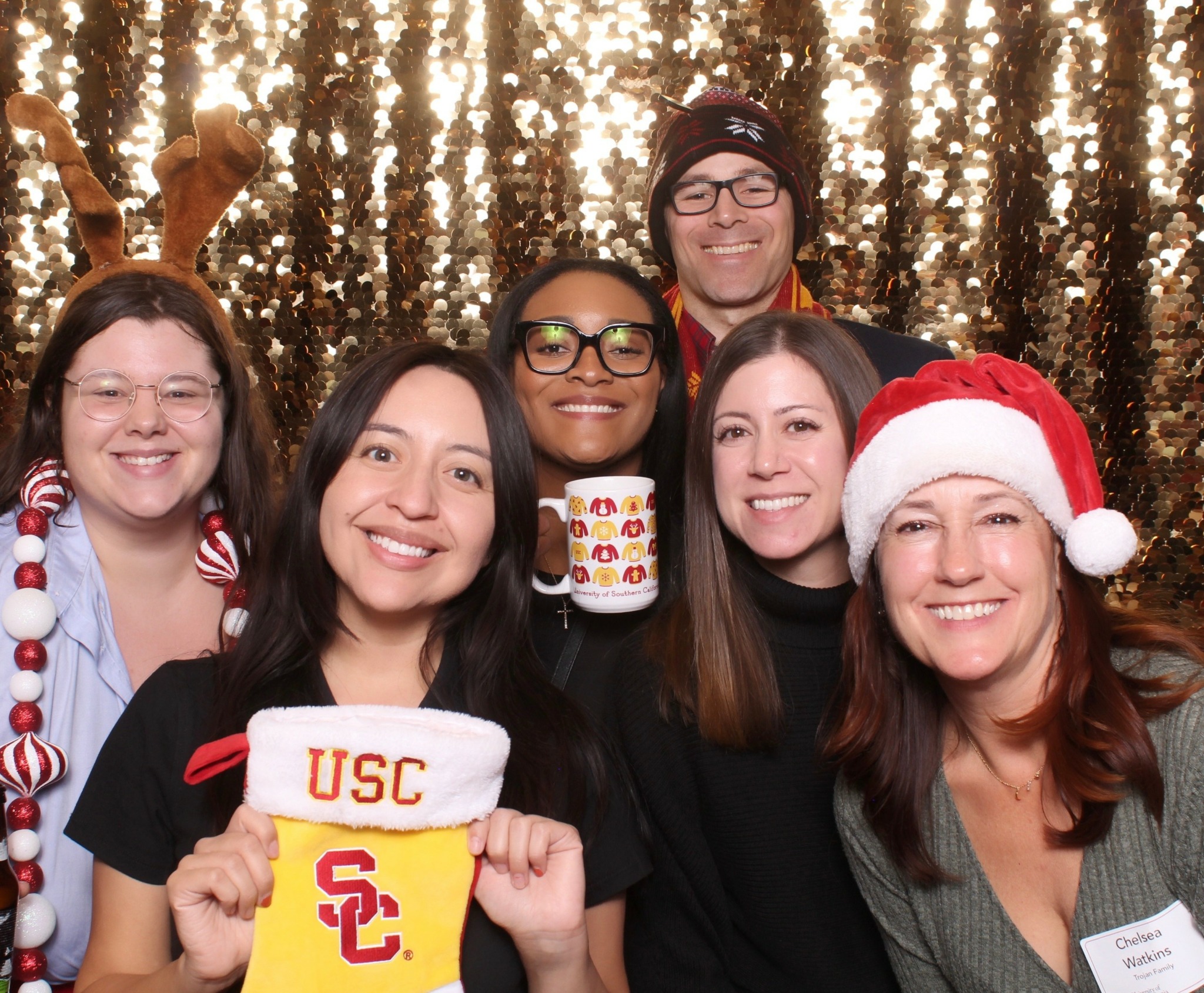
Where do you think you get most of your clients from?
Most of my clients I’ve met at film festivals or through my network. I usually want to work with artists whose work I genuinely resonate with, and sometimes commercial viability plays a role in that decision. But beyond the work itself, I also look for clients who align with my core values—truth, compassion, and agency. I gravitate toward artists who have a clear and honest voice, who approach their work and collaborations with integrity, and who take ownership of their careers while valuing the freedom to create on their own terms.
Diversity is also an important factor for me. I seek out artists with distinct perspectives because I believe that giving different voices screen time isn’t just socially impactful—it also makes for richer, more compelling storytelling. The best films and series transport audiences into new worlds, experiences, and ways of thinking, and I’m always drawn to clients whose work expands the scope of what we see on screen.
Contact Info:
- Linkedin: http://linkedin.com/in/kathryn-cook1723