


Alright – so today we’ve got the honor of introducing you to Justin Maness. We think you’ll enjoy our conversation, we’ve shared it below.
Hi Justin, thanks for joining us today. How did you come up with the idea for your business?
The idea for Buddha Bee grew out of two things colliding — my love for bees and a conversation I kept having over and over with people. Everywhere I went, folks were genuinely curious about beekeeping. They wanted bees on their property, they cared about pollinators, they loved the idea of having a hive in their backyard — but they didn’t know where to start, didn’t have time to learn, and were honestly a little afraid of what they were getting into.
I kept thinking: what if you could have the bees without the burden? What if someone else handled all the hard work — the inspections, the treatments, the swarm management, the seasonal care — and you just got to enjoy having a hive on your property? That was the lightbulb moment. Not a beekeeping business in the traditional sense, but a true service business. Fully turnkey.
The more I sat with it, the more it made sense. Most people who genuinely want to help pollinators don’t have two to three years to become competent beekeepers — that’s a real barrier we remove entirely. And by managing hives across multiple host properties, we’re actually doing more for the local bee population than any single hobbyist could on their own.
What got me most excited was that we were solving a problem nobody else was solving in quite this way. People search for “local honey” and “how to get bees” — but there wasn’t a company saying: we’ll bring the bees to you, we’ll handle everything, and you just get to be part of the story. That gap felt like an opportunity, and once I saw it, I couldn’t unsee it.
Justin, before we move on to more of these sorts of questions, can you take some time to bring our readers up to speed on you and what you do?
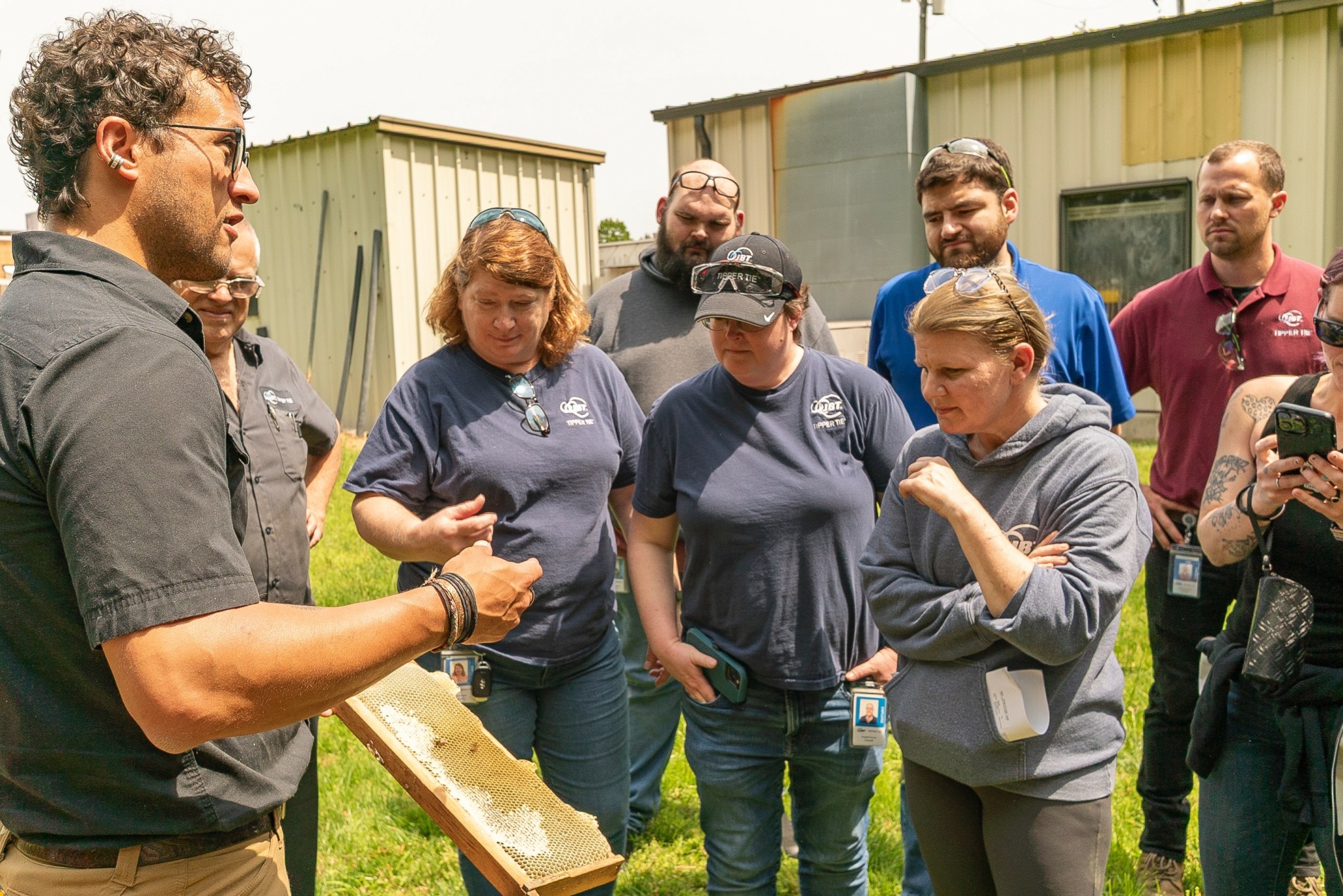
I’m Justin Maness, founder and head beekeeper at Buddha Bee Apiary — a turnkey beekeeping service based in the NC Triangle and Charlotte areas. In short, we bring the bees to you and handle everything, so you get all the benefits of having a hive without having to become a beekeeper yourself.
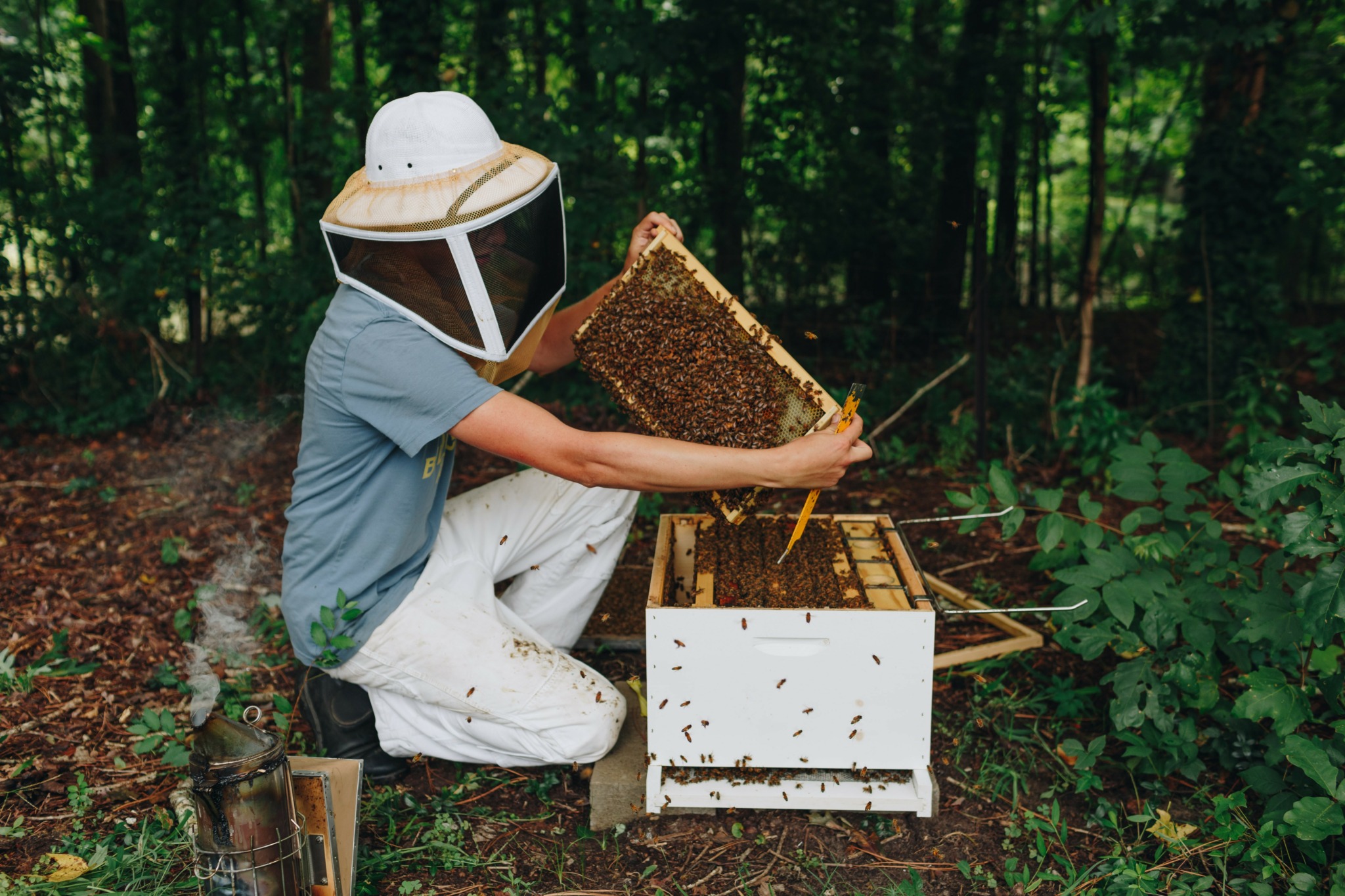
The way it works is pretty simple: we install and manage honeybee hives on our clients’ properties — whether that’s a backyard, a farm, a brewery, or a corporate campus — and we take care of all the inspections, treatments, seasonal management, and swarm prevention. Our hosts enjoy the experience of having bees, watching them work, sharing honey with friends and family, and knowing they’re actively supporting pollinators in their local ecosystem.
What sets us apart is the service model itself. Most beekeeping businesses sell honey or equipment — we sell an experience and a relationship. Our clients aren’t buying a product; they’re becoming part of something bigger. They’re hosting a living colony, contributing to the health of local gardens and farms, and connecting with nature in a way that’s rare in today’s world.
I got into beekeeping the way a lot of people do — completely obsessed after my first hive. But what drove me to build a business around it was watching so many people want that same experience without any practical path to get there. Beekeeping has a steep learning curve and requires real commitment. We remove that barrier entirely.
What I’m most proud of is the community we’ve built — our hosts genuinely love their hives, our team is passionate about what they do, and we’re quietly making a real difference for pollinators across the region. That’s what keeps me going.
Can you share a story from your journey that illustrates your resilience?
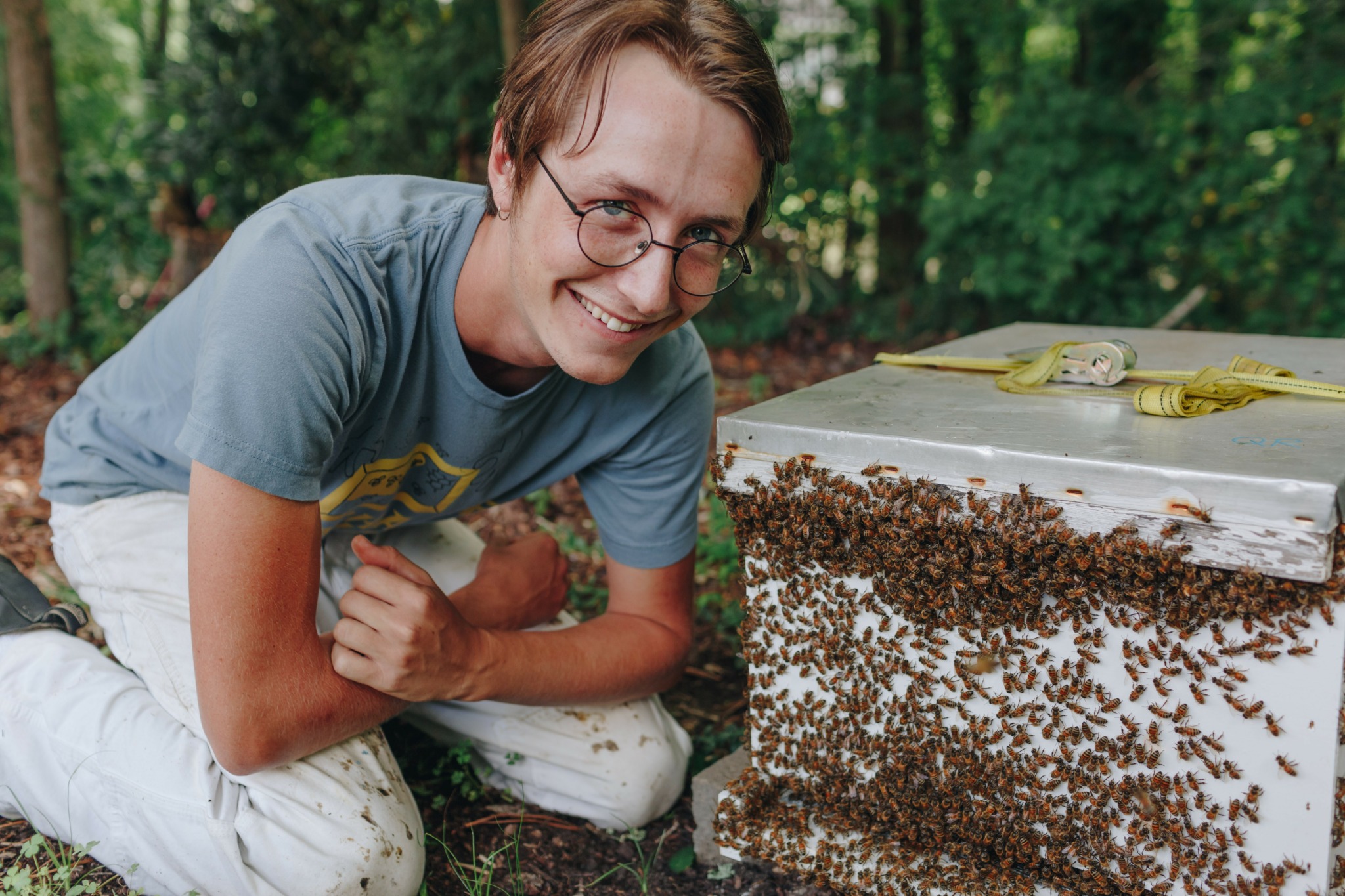
Beekeeping teaches you resilience whether you like it or not. Colonies are living, breathing ecosystems — they don’t care about your business plan or your schedule. Early on, I had a stretch where we lost several hives in a single winter. It was a gut punch. These were hives I’d promised to hosts, relationships I’d built, and suddenly I had to call people and explain that their bees didn’t make it through the cold. It felt like everything was fragile.
The honest truth is I almost questioned whether the whole model was viable. Managing hives at scale across multiple properties means your losses are visible — to you, to your clients, to your team. There’s nowhere to hide.
What got me through was going back to the fundamentals. I dove deeper into the science of colony health, adjusted our treatment protocols, rethought how we prep hives for winter, and started being more transparent with hosts about the realities of beekeeping. Bees die — it’s part of the cycle. What matters is how you respond and what you learn.
That hard season made us dramatically better operators. Our overwinter survival rates improved significantly, our hosts actually appreciate the honesty about what’s involved, and our team is stronger because we went through that together. I came out the other side more confident in the business than ever — not because it got easier, but because I knew we could handle it when it didn’t.
What’s worked well for you in terms of a source for new clients?
Honestly, word of mouth has been our number one source of new clients — and I think that says something about the product itself. When someone has a hive in their backyard and their neighbor sees it, asks about it, and gets excited, that’s the best marketing we could ever hope for. Bees are inherently fascinating, and hosts love talking about them.
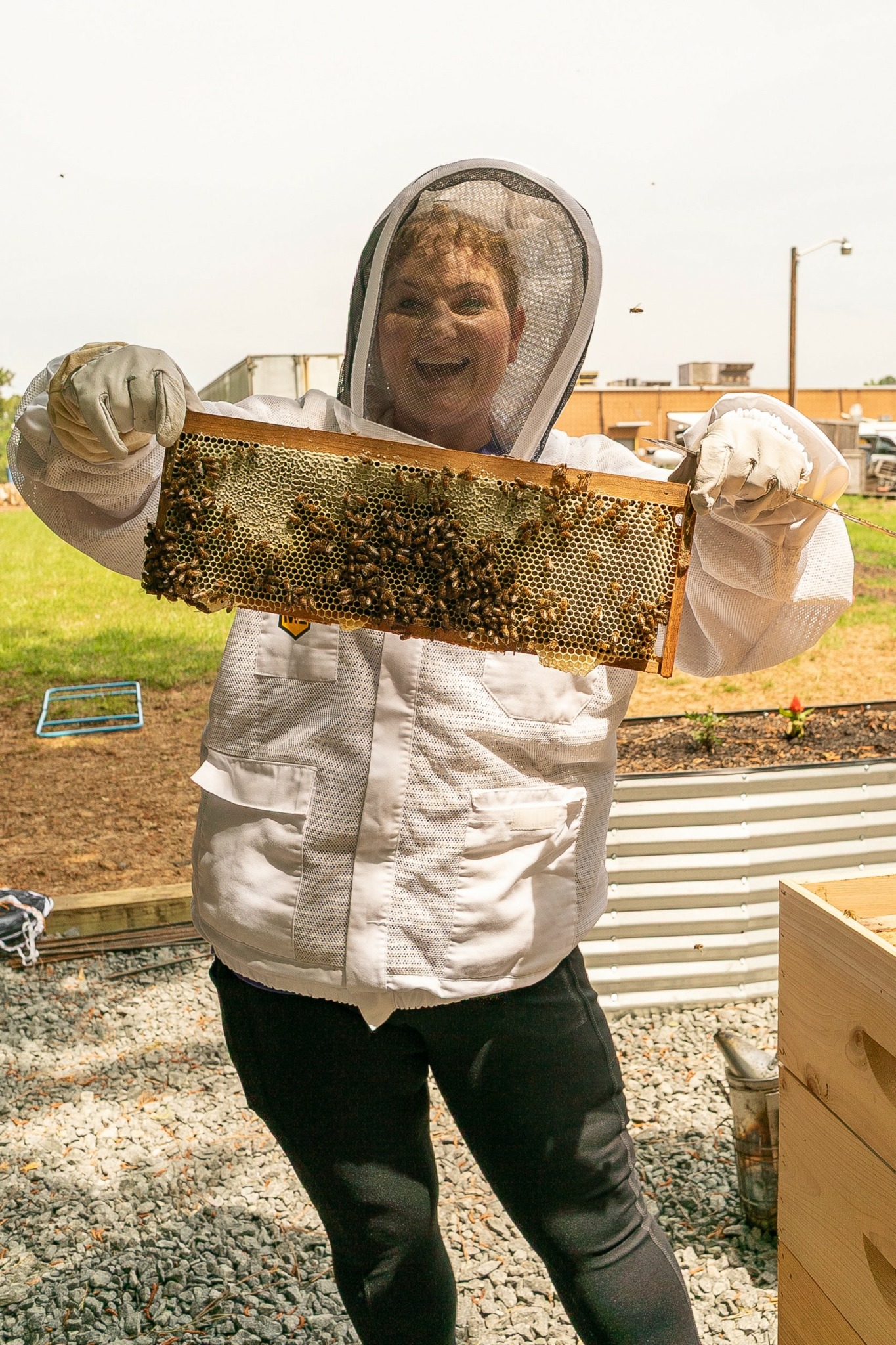
A lot of our growth has come directly from existing hosts referring friends and family. We’ve also had strong success partnering with local businesses — breweries, farms, restaurants, and event venues that want hives on their property as both a sustainable initiative and a conversation piece. Those partnerships often bring in a wave of interest from their own customers and communities.
Instagram has also played a real role. Bees are incredibly photogenic, and we’ve built a genuine following of people who are curious about beekeeping, local food, and sustainable living. That audience converts well because they’re already bought in on the mission before they ever reach out to us.
But if I had to pick one thing that’s driven the most growth, it’s simply doing excellent work and treating every host like a partner. People can tell when you care, and in a service business, that’s what gets you referred.
Contact Info:
- Website: https://www.buddhabeeapiary.com
- Instagram: https://www.instagram.com/buddhabeeapiary
- Facebook: https://www.facebook.com/Buddhabeeapiary
- Linkedin: https://www.linkedin.com/company/buddha-bee-apiary/
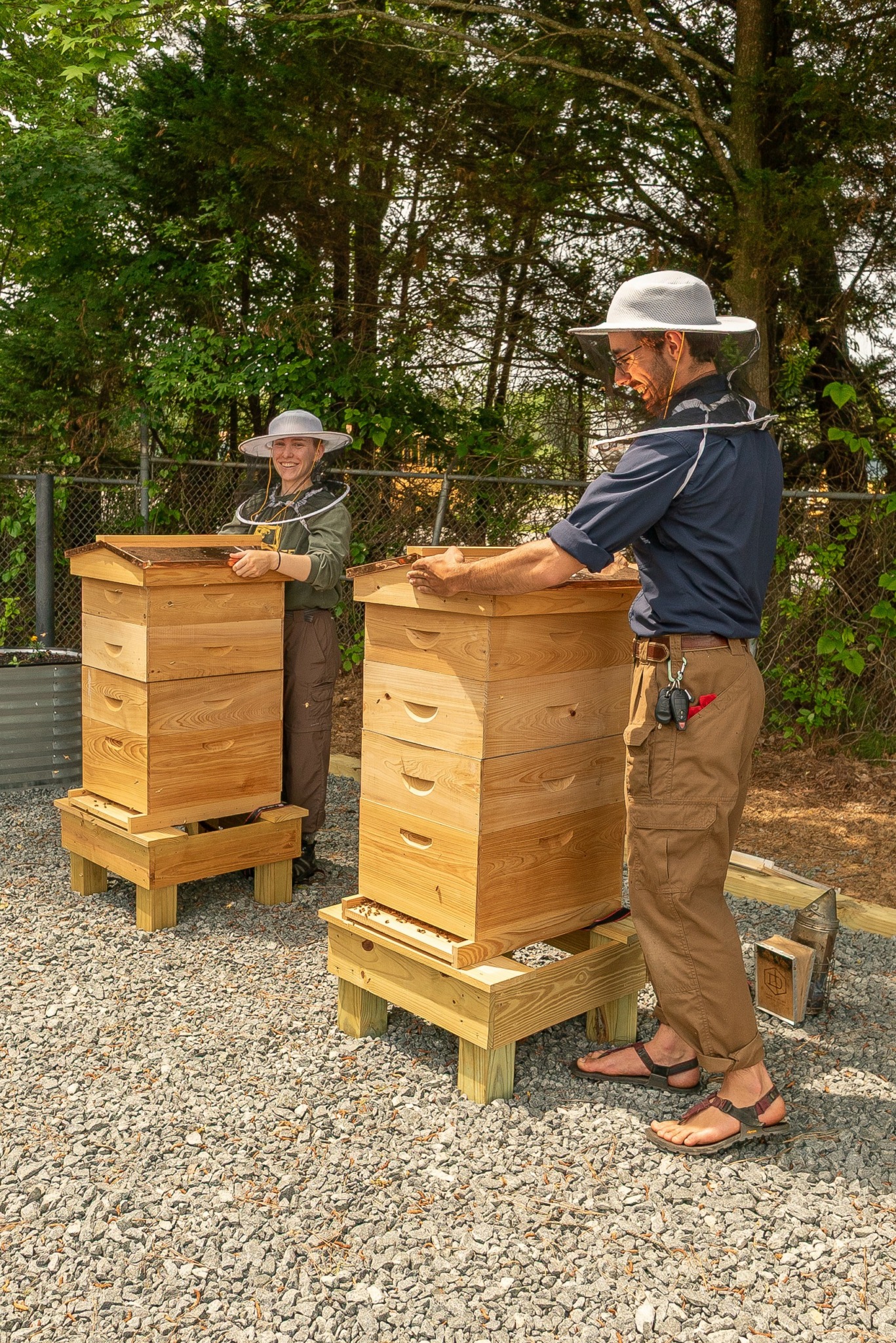
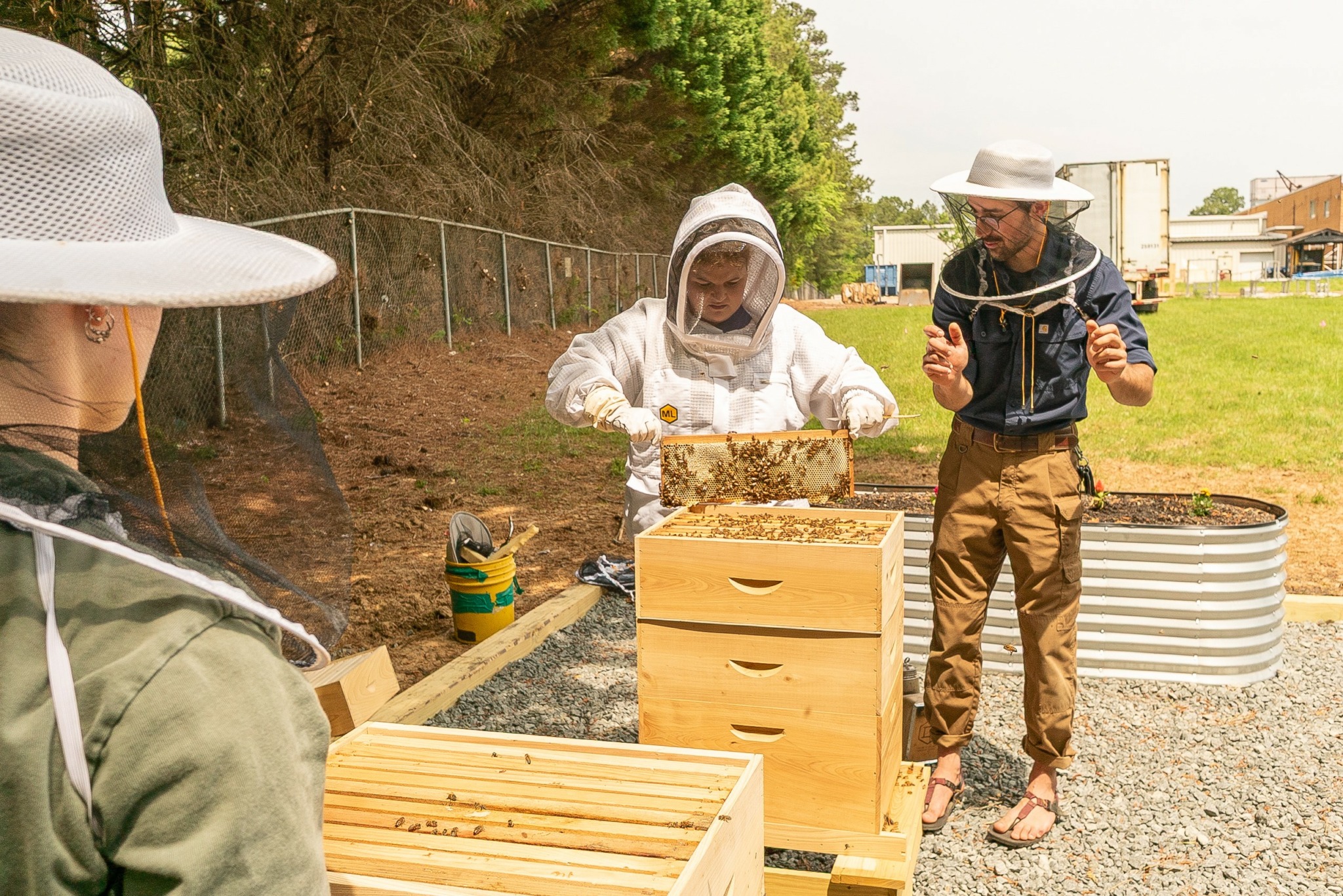
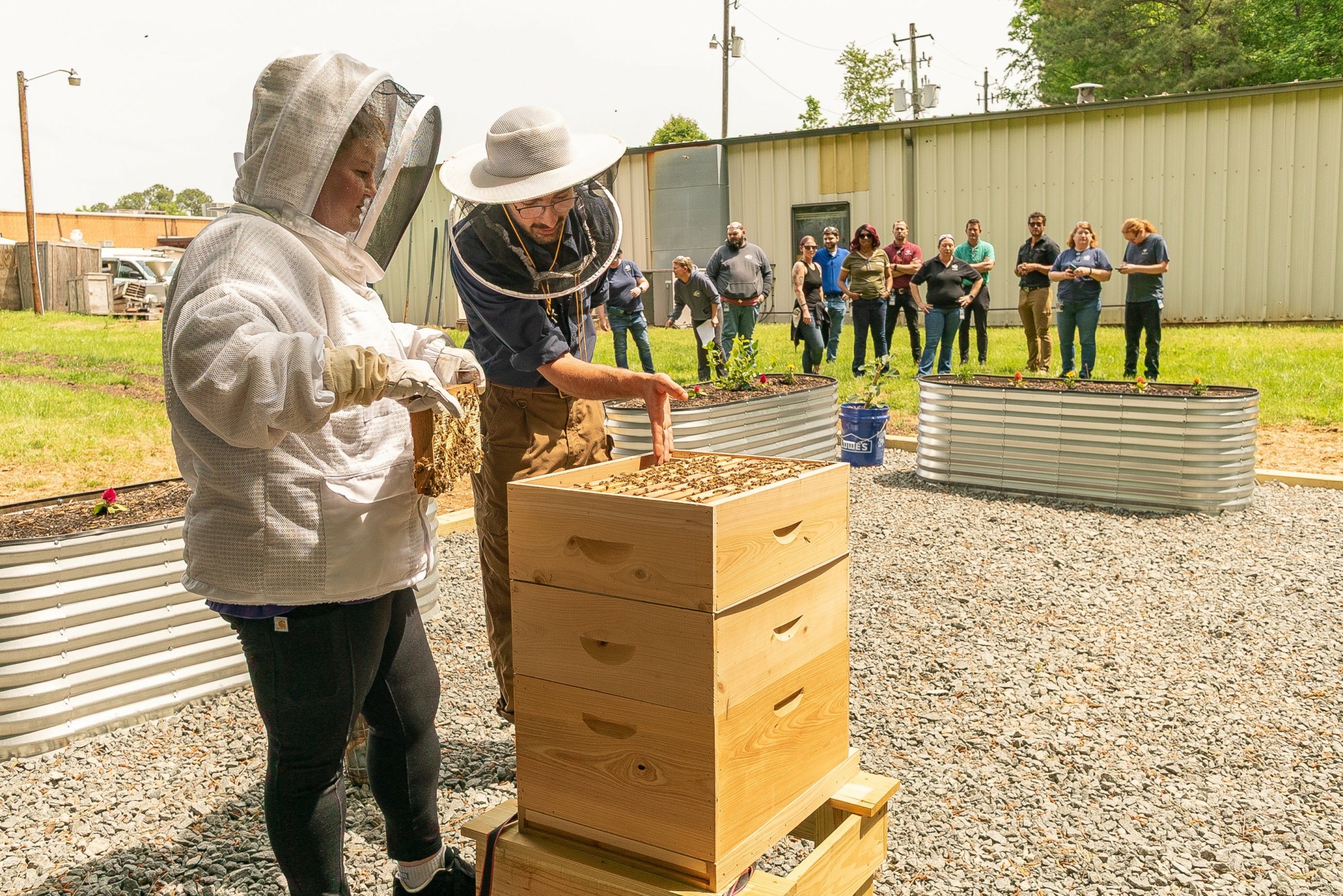
Image Credits
Rachelle LeRude