


We’re excited to introduce you to the always interesting and insightful Juan Diego Perez La Cruz. We hope you’ll enjoy our conversation with Juan Diego below.
Alright, Juan Diego thanks for taking the time to share your stories and insights with us today. Can you talk to us about a project that’s meant a lot to you?
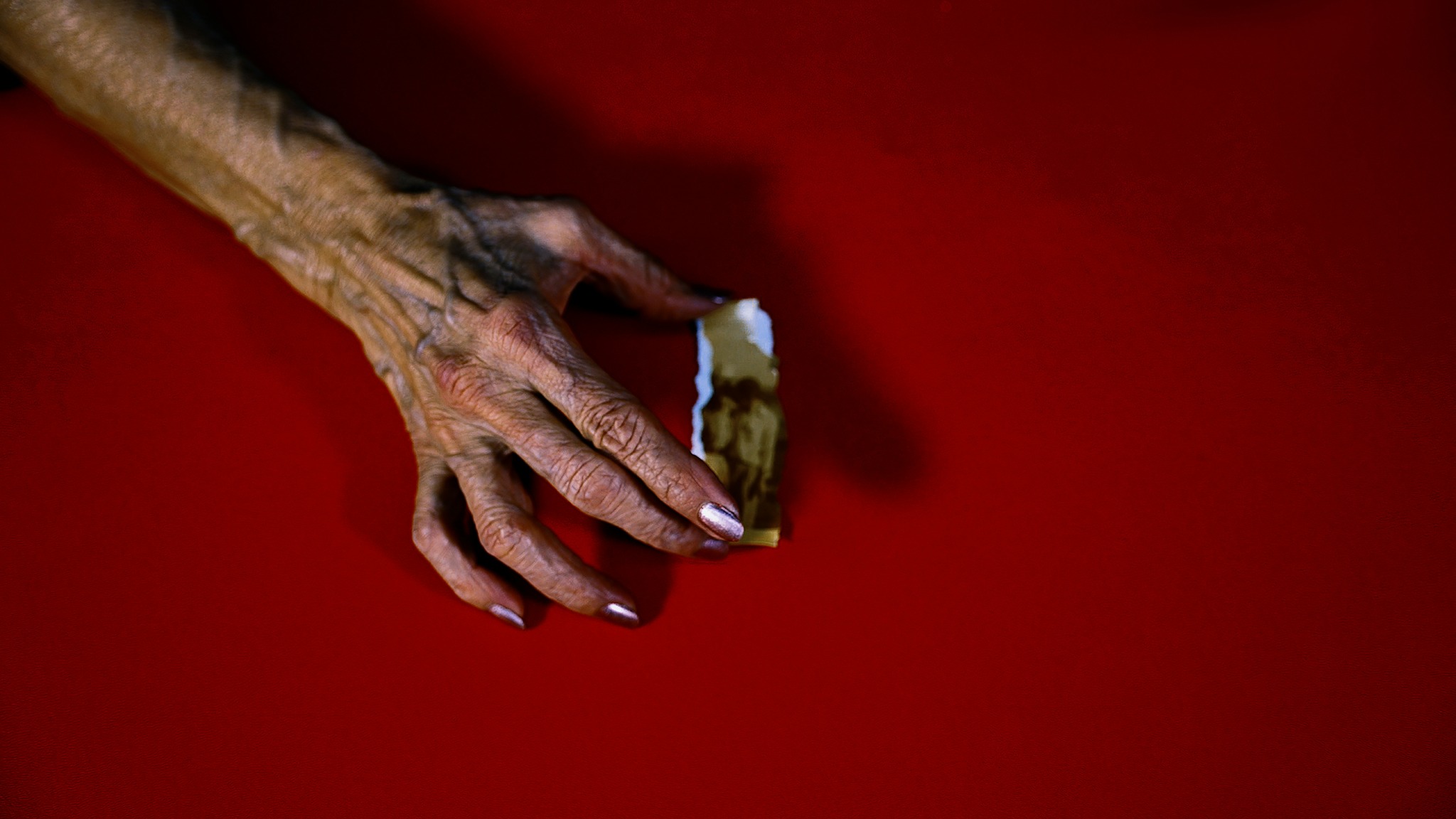
The documentary project I’ve been working on, **Let me know when you get home. (Avísame cuando llegues a casa)**, has undoubtedly been one of the most meaningful experiences of my life. It all began when I won the New Angle Fellowship through SPNN, which gave me the opportunity to develop an idea that was still taking shape in my mind at the time. I wanted to explore the migrant journey—not just through my own personal lens, but by focusing on the stories of those who, like me, have had to leave their homeland in search of new opportunities, leaving behind not just a place, but an entire life and history.
This project allowed me to deeply immerse myself in my own migratory process. By telling these stories, I realized how urgent it is to make these realities visible, especially in today’s context, where migration is such a pressing and complex issue. What began as an intimate project grew into something much larger. It was an incredibly emotional experience when the documentary was selected for the Minnesota Film Festival and then won Best Short Documentary at the **Experimental Film Festival in Canada**. It was the first time a work born from my personal experiences and the pain of leaving my country received international recognition.
Sharing this process with a team that deeply understood the essence of what we were creating made it even more personal. Each member of the team, in one way or another, was connected to these stories. The hours we spent reviewing footage, editing, and discussing our own migratory experiences brought us together in a unique way. And beyond the recognition and awards, what truly fulfills me is knowing that these stories are out there, that others can watch them and hopefully feel understood—or perhaps open their hearts to those of us who have embarked on this difficult journey of migration.
Telling these stories now feels like both an act of resistance and a way to forge connection. Migration is often portrayed through statistics, cold and distant. But behind every number, every headline, there are people—families, dreams, and farewells. My documentary aims to break that distance, to bring to the screen the raw emotions and lived experiences that come with leaving behind everything familiar. It’s a reminder that, while the journey is hard, there is a powerful resilience in the human spirit that drives us to move forward, to reinvent ourselves in the face of adversity.
What motivated me, in large part, was my own story. The internal struggle of leaving Venezuela and adapting to a new reality in a different country was something I couldn’t keep to myself. I knew many others were going through the same thing, and I felt the responsibility to give them a voice. Winning awards like the one at the Alternative Film Festival in Toronto was validation that these stories—our stories—matter. They are universal in their humanity and deserve to be seen and understood.
The process of creating this documentary was also a form of healing for me. Every interview, every frame helped me process my own emotions, my own grief. It was collaborative work in the deepest sense, as the team not only shared the task of storytelling but also the feelings that emerged from it. We supported each other, and that made the whole experience more meaningful. I wasn’t alone on this journey; we were all in it together, and that gave me a strength I didn’t expect.
Through the documentary, I’ve learned how important it is to show the human side of migration—not just for those who’ve lived through it, but for those who haven’t. It’s an invitation to empathize, to open our eyes and hearts to a reality that’s often hidden behind barriers of misunderstanding. Telling these stories is, for me, a way to honor those who’ve dared to move forward, to rebuild their lives from scratch, without ever forgetting where they come from.
This project remains one of the closest to my heart, not only because of what it represents personally, but because of what I hope it will achieve: building bridges of understanding and offering a hand to those who, like me, have had to leave their home but never their story.
Juan Diego , love having you share your insights with us. Before we ask you more questions, maybe you can take a moment to introduce yourself to our readers who might have missed our earlier conversations?
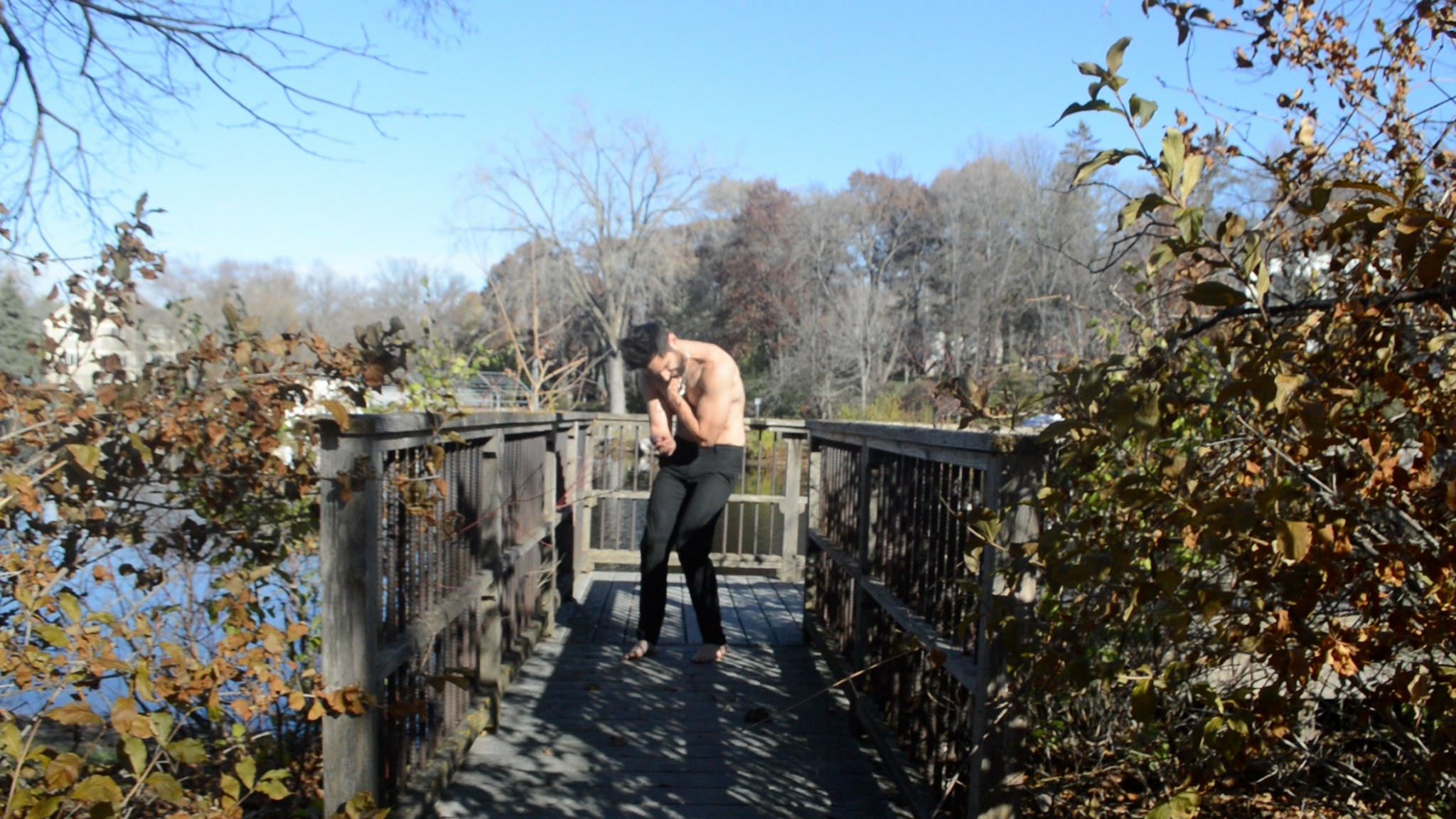
My name is Juan Diego Pérez La Cruz, and I am a multidisciplinary artist, architect, educator, and advocate for cultural representation. Originally from Venezuela, my work focuses on collective memory, migration, and the intersections between personal and societal trauma. I explore these themes through various mediums, including film, video performance, photography, and installations.
I got into my field through a deep-rooted passion for storytelling and visual narratives. My journey began with architecture, where I developed a keen sense of space, form, and how physical environments can reflect memory and identity. Over time, this interest evolved into a more personal exploration of migration and the emotional landscapes that accompany it.
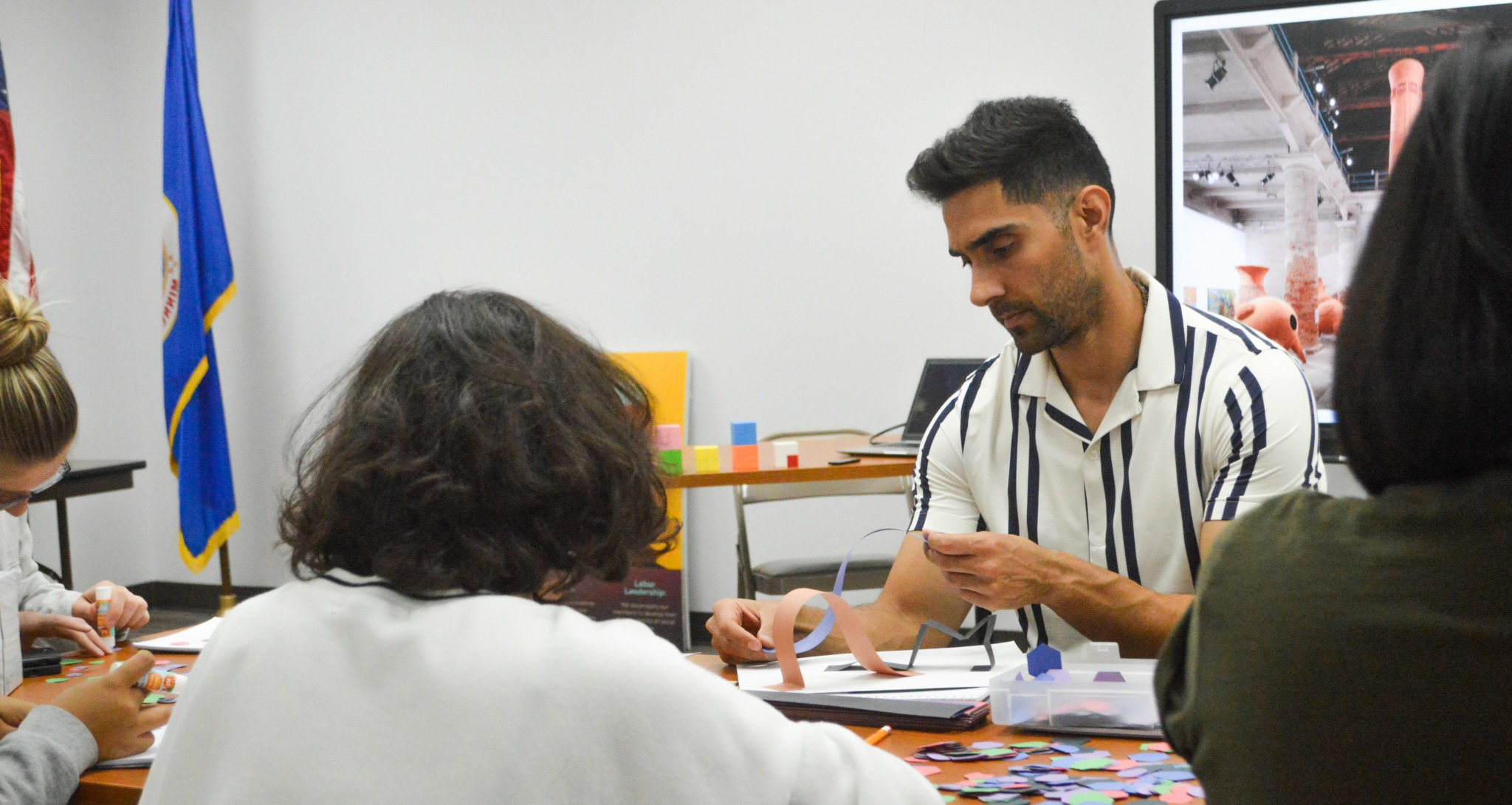
As an educator, I have taught in public schools and universities, including the University of Minnesota’s MFA program. I believe in the transformative power of art education and seek to instill in my students a sense of curiosity and experimentation.
In 2022, I co-founded **Plataforma Raíz**, an educational initiative that supports migrant and Latinx artists through workshops, talks, and collaborative projects. It is a space where creative minds can confront and explore their artistic practice. My commitment to using art as a tool for social change, addressing complex issues while fostering cultural dialogue sets me apart.
What I’m most proud of is how my work resonates with others, giving voice to underrepresented communities and creating connections through shared human experiences.
Is there mission driving your creative journey?
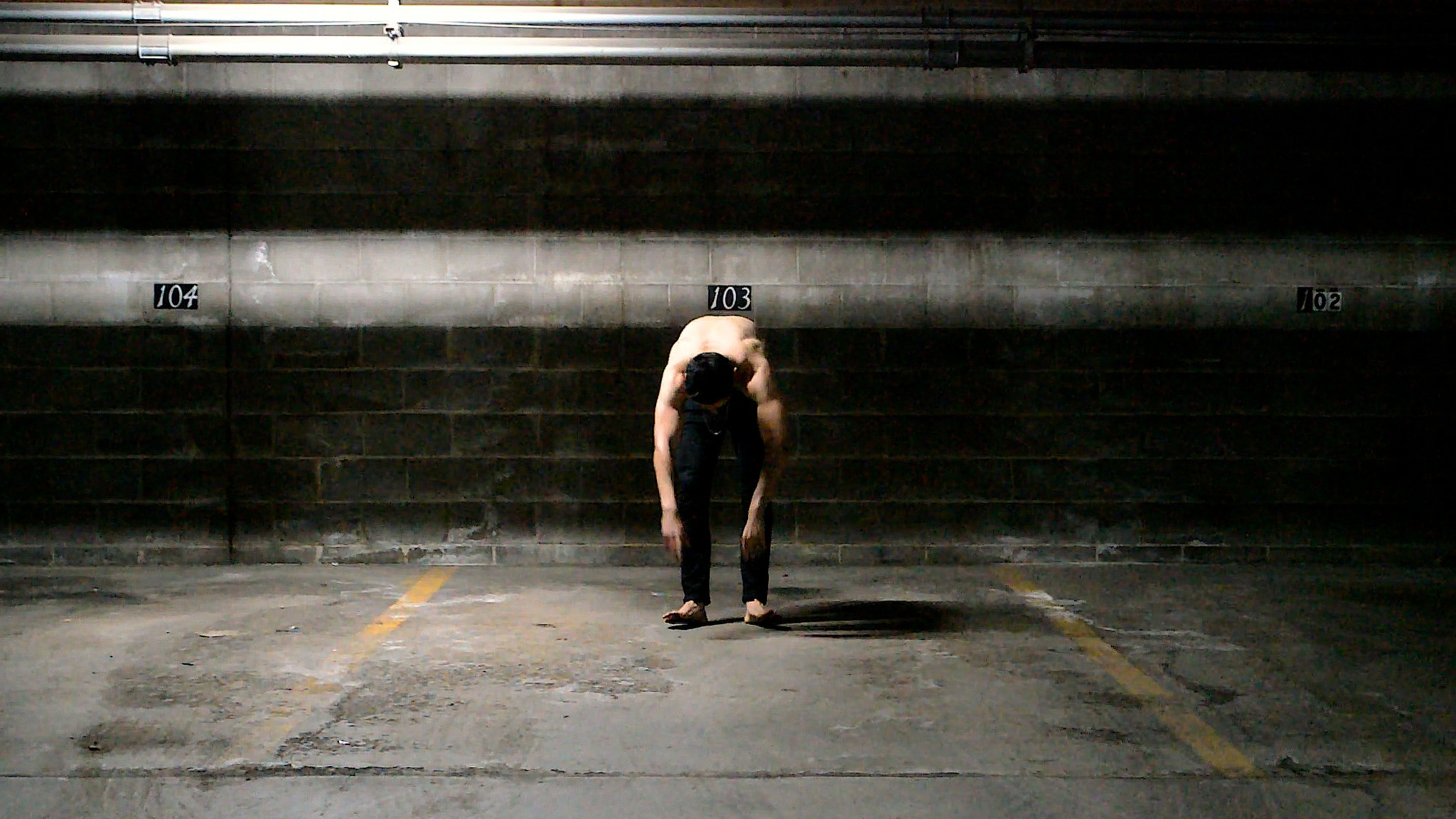
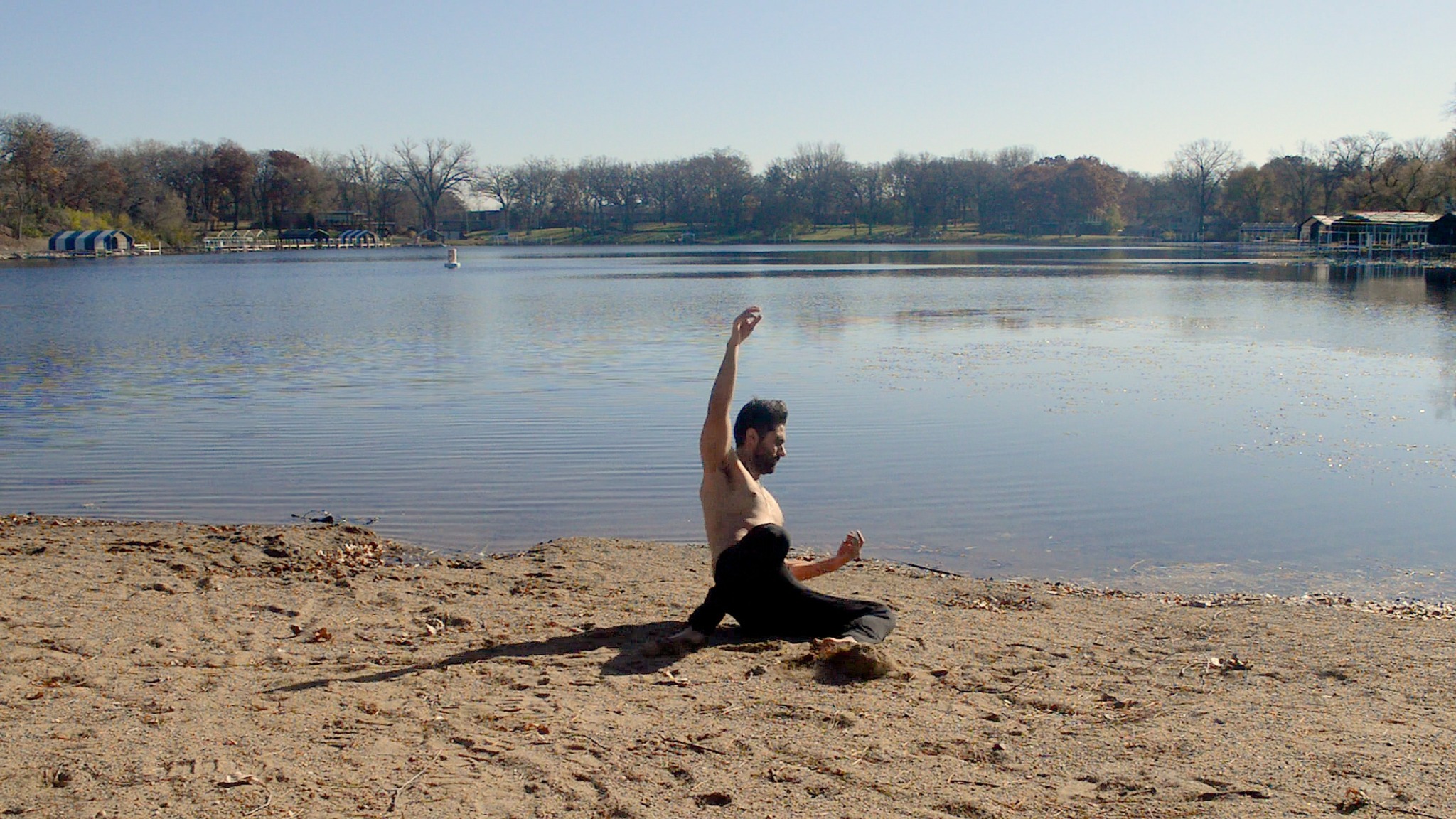
My creative journey is driven by a deep sense of urgency to raise awareness about the crisis in Venezuela and the impact it has had on millions of lives. Over 7.7 million Venezuelans have fled the country in search of safety and a better life, with the majority finding refuge in Latin America and the Caribbean. As the humanitarian crisis continues, it is vital to bring these stories to the forefront.
The challenges faced by Venezuelan migrants and refugees are profound. From families sleeping in the streets to the struggle for basic survival, the need for international protection, human rights, and assistance is greater than ever. My work aims to highlight these realities through a lens of human empathy and resilience. It’s a call for action, showing the global urgency of the situation, as well as the solidarity needed to provide assistance, access to services, and a safe place to rebuild lives.
Through my art and storytelling, I hope to create a connection between those who have never experienced migration firsthand and those who have lived through it. It is important for me to amplify the voices of those who have left their homes, not just to survive, but to remind the world of the human stories behind the statistics. By sharing their experiences, I aim to foster understanding, break the barriers of prejudice, and bring the urgency of this crisis to global attention.
For you, what’s the most rewarding aspect of being a creative?
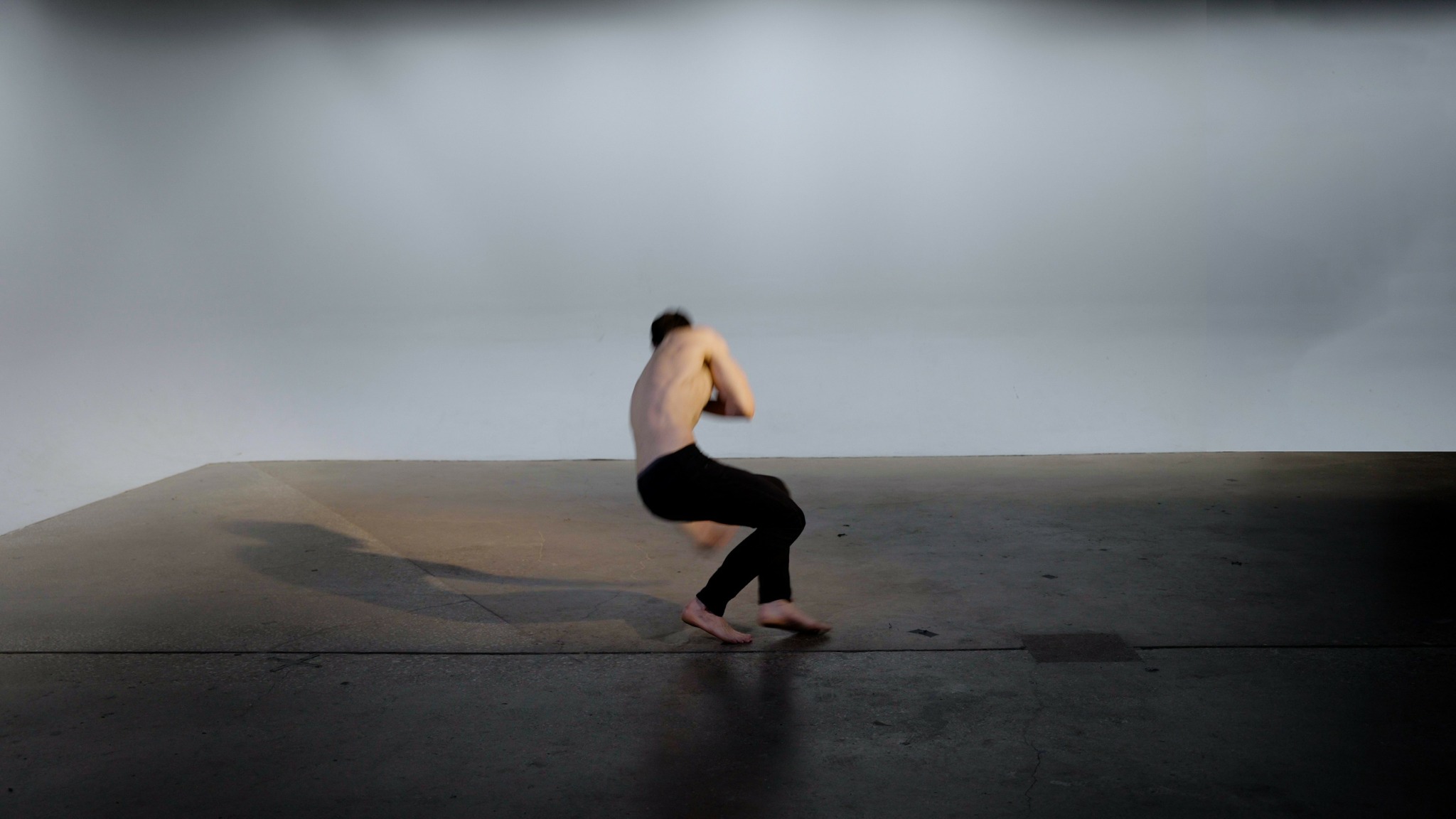
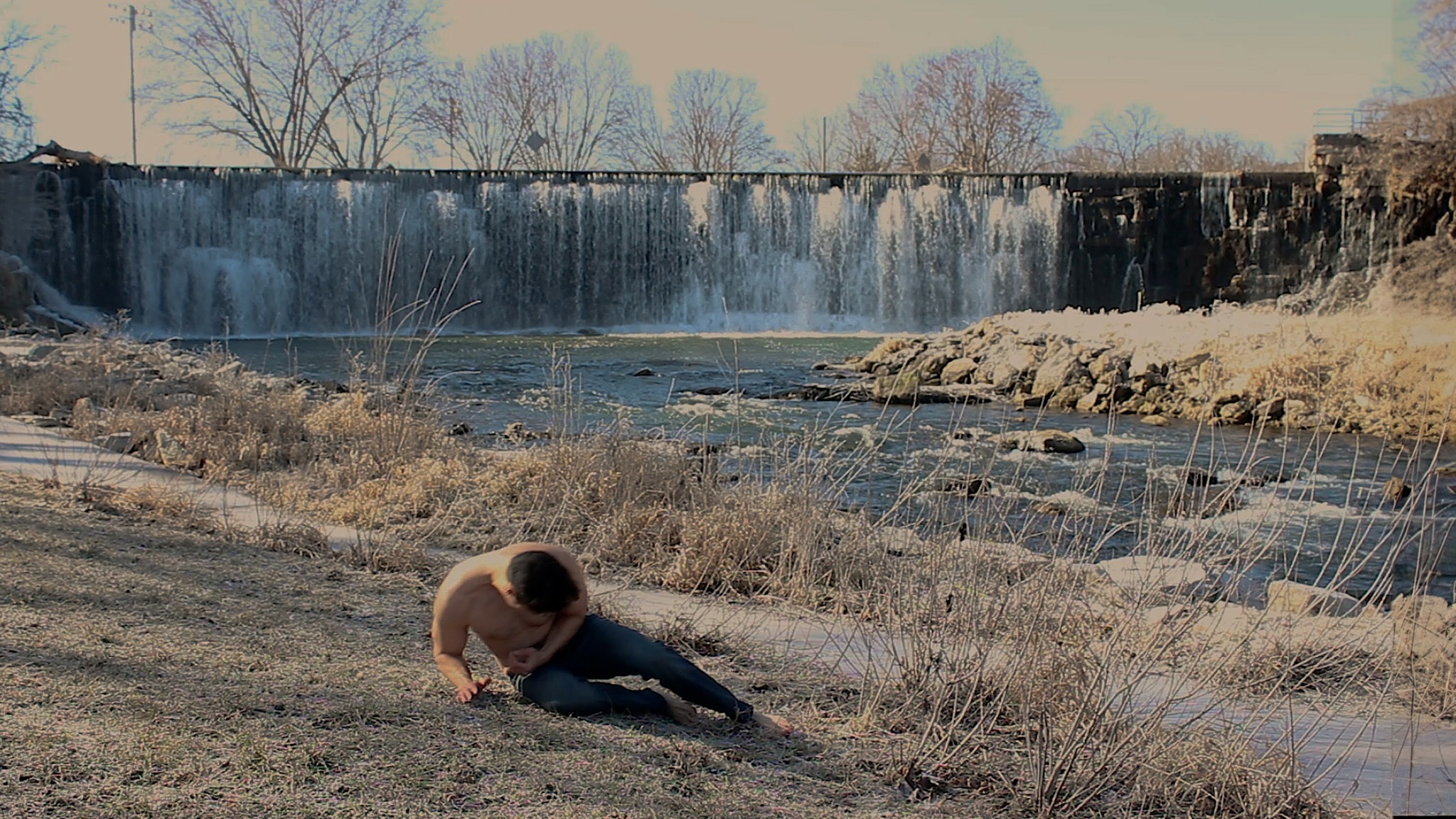
For me, the most rewarding aspect of being an artist is the ability to communicate and connect on a deeply human level through my work. Art allows me to express emotions, memories, and experiences that are often too complex or difficult to articulate with words. It becomes a vessel through which I can explore and share personal stories, while also amplifying the voices of others, especially those whose narratives are often unheard or overlooked.
As a creative, I find fulfillment in the process of transformation—turning abstract feelings, raw experiences, and societal challenges into tangible pieces that provoke thought, spark dialogue, and inspire change. The act of creating is an ongoing journey of discovery, where each project teaches me something new about myself and the world around me.
What is most rewarding is witnessing the impact of my work on others—whether it’s fostering empathy, challenging perspectives, or simply allowing someone to feel seen and understood. It’s this connection, this shared moment of vulnerability and insight, that makes the creative journey so meaningful. As an artist, I am not just telling stories; I am contributing to a larger conversation, one that transcends borders and connects us all.
Contact Info:
- Website: https://www.perezlacruz.com/
- Instagram: https://www.instagram.com/perez.la.cruz/
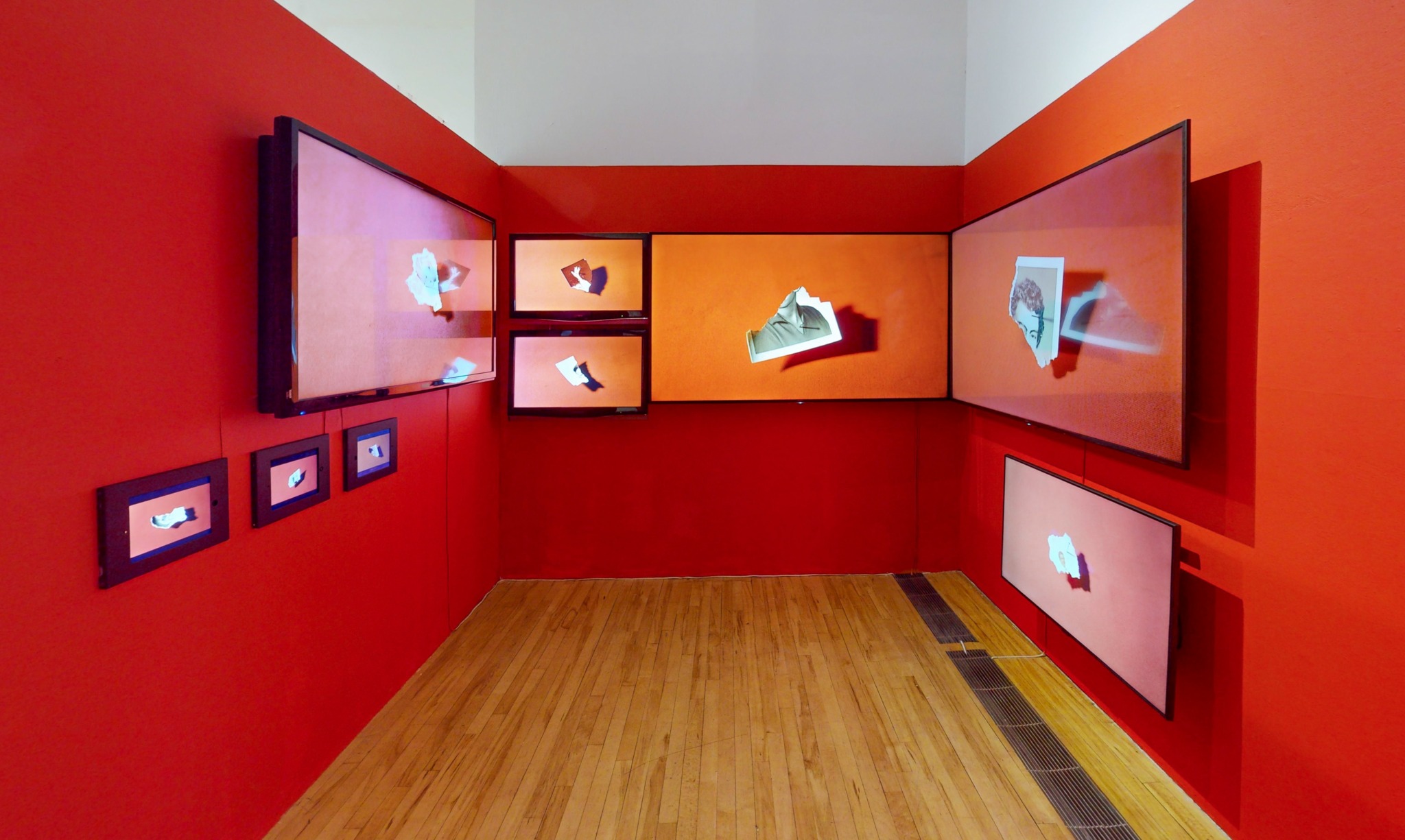
Image Credits
all the credits for the artist, Juan Diego Perez la Cruz