


Alright – so today we’ve got the honor of introducing you to Joyce Campbell. We think you’ll enjoy our conversation, we’ve shared it below.
Joyce, thanks for taking the time to share your stories with us today Can you talk to us about how you learned to do what you do?
I hope I never stop learning about making. There are so many processes and materials out there, and I feel it is my duty to my creativity to continually explore how things are made and how I can incorporate what I’ve learned into my next project.
I was lucky enough to be in public school at a time when art was still an important part of the curriculum. In elementary and middle school, I learned about clay and watercolors, and in high school, I explored metals, printmaking, and further developed my skills with clay. Having access to these processes as a child set the stage for my passion for creative education as an adult, leading me to continually pursue—and share—maker-based knowledge.
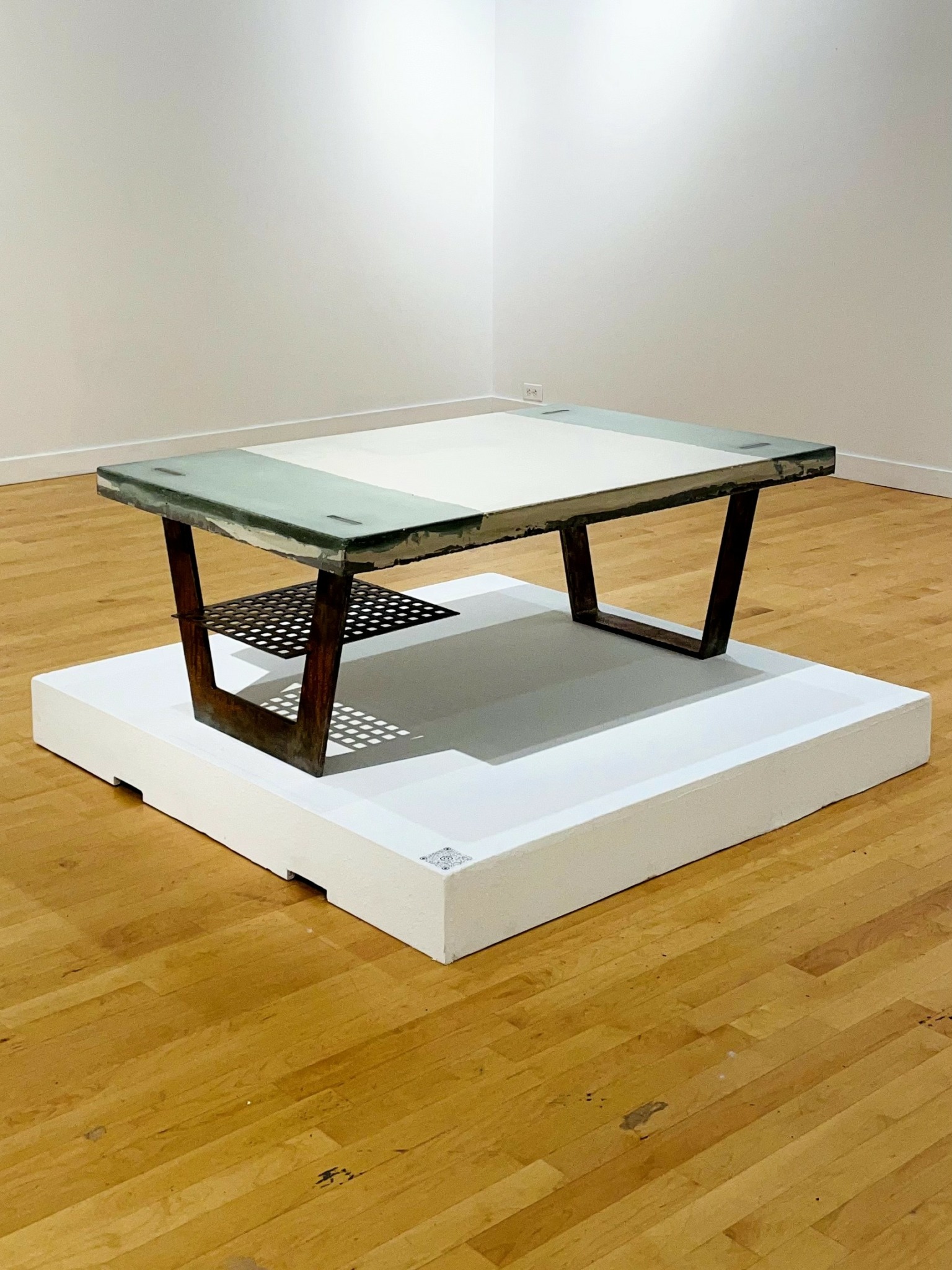
The turning point definitely came in high school when I signed up for a welding class and fell in love with steel. Prior to that, I had learned traditional art mediums, but in the metal shop, tradition was thrown out the window. It was dirty, rugged, noisy, and hot—nothing about it felt like traditional art-making. For the first time, it felt like a place where I truly fit. Being the only artist—and the only woman—in the class forced me to develop many self-taught skills, taking industrial materials and processes and molding them into something that suited me.
Learning where I felt a sense of belonging was a pivotal moment. I grew up in a working-class home, and because of that upbringing, I often don’t find belonging in traditional settings. In the metal shop, I can let my imperfections shine. I can be dirty, “unladylike,” and free in a way that is hard to find elsewhere in life. I still experience that sense of belonging every time I’m in a metal shop.
My only wish is that I had recognized this sense of belonging sooner and leaned into it during my 20s and 30s, rather than trying to find it elsewhere. Now, in my 40s, I have a greater understanding of how important that sense of belonging is to fueling my creative practice. As a result, I am making every effort to surround myself with a life full of belonging.
Great, appreciate you sharing that with us. Before we ask you to share more of your insights, can you take a moment to introduce yourself and how you got to where you are today to our readers.
In 2019, I made the decision to bring creativity back into my life. It had been several years since I created anything, as I had put my creativity aside to pursue a corporate career, chasing dreams of financial independence and balance. However, I found no balance. Instead, I began losing sight of who I truly am: an artist and maker. I became very unhappy, sinking into depression and turning into an angry, joyless person.
That’s when I made the difficult decision to flip my life upside down. I quit my decade-long career in sales and account management and enrolled in graduate school to pursue my MFA. It was a terrifying and exhilarating time, but I made a promise to myself that I would pursue a life full of creativity and joy, eliminating anything that held me back or made me feel less than who I am.
My time in graduate school didn’t teach me new processes or materials, but it did teach me how to support my creative self in a unique and holistic way. Before that, I only labeled myself an artist when I felt productive “enough” and when I fit into a certain “artist” mold. What I’ve learned is that there is no right or wrong way to be an artist. There is no mold, no set path, and no rules to follow. You just have to follow your heart and your hands, and let them lead you. This revelation has allowed me to embrace my authenticity, opening the door for others to do the same. I believe that energy attracts people to me and my work—when others see someone fully embracing who they are and what makes them tick, it feels like an invitation for them to do the same.
Part of embracing my authentic self was discovering the importance of community and how much my creative practice thrives through connection and sharing knowledge. I’ve been able to explore this aspect of myself as a Community Education instructor, teaching creative welding and block printing to adults. Not only can I be an example for my students, but helping them explore their creative selves and find their voices brings me joy and strengthens my sense of purpose. I love community education because it is accessible and doesn’t have the boundaries that often prevent people from pursuing their passions. It feeds my creative life and fills me with joy to see people learning, growing, and finding confidence in their own abilities.
Ultimately, embracing my creativity and my authentic self has led me to a life of deeper connection, fulfillment, and purpose. Every day, I’m reminded that creativity is not just something I do—it’s who I am. And as I continue to grow, I remain committed to sharing that joy and inspiration with others, fostering a community of makers who encourage one another to create without limits.
Is there something you think non-creatives will struggle to understand about your journey as a creative? Maybe you can provide some insight – you never know who might benefit from the enlightenment.
I think it can be hard for people who consider themselves “non-creative” to understand that I believe all people are makers. Creation is part of the human condition, and there is no single “right” way to express yourself. You just need to find the right medium for your expression.
The problem is that many “non-creatives” hear this and assume the medium must be physical—something like paint or pen. They believe if it’s not tangible, it’s not creative. However, I think this is a misconception. The medium doesn’t have to be limited to the physical; it can be ideas, numbers, or even emotions. For example, an accountant’s medium is numbers, a programmer’s medium is code, and a farmer’s medium is soil. It’s all about finding what sparks joy and embracing it.
I once met a residential policy maker at a party who told me how much he loved making policy. I told him that his art medium was policy, and I was happy he had found a way to express himself. At first, he hadn’t thought of it this way, but it made him happy to view his work through that lens. He realized that he felt just as passionate about policy as I feel about welding. It’s a perfect example of how creativity can manifest in so many different forms, and how embracing that creativity—regardless of the medium—can lead to a more fulfilling and authentic life. When people recognize that creativity isn’t confined to traditional artistic pursuits, they often find a deeper connection to their work, whatever it may be. It’s about being open to the process of creation, understanding that expression can take countless forms, and allowing yourself to explore the joy that comes from making something meaningful, no matter the medium.
What do you find most rewarding about being a creative?
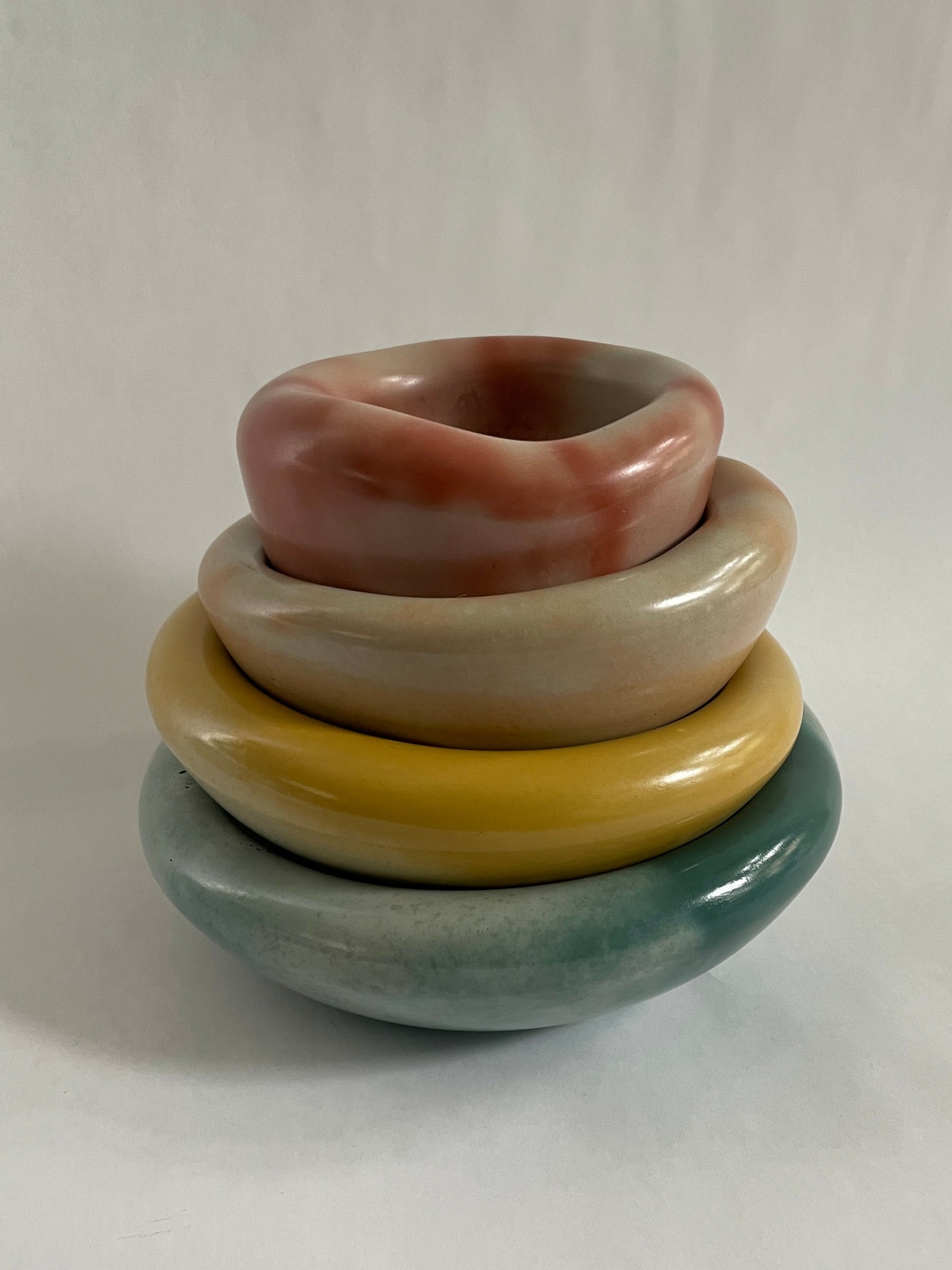
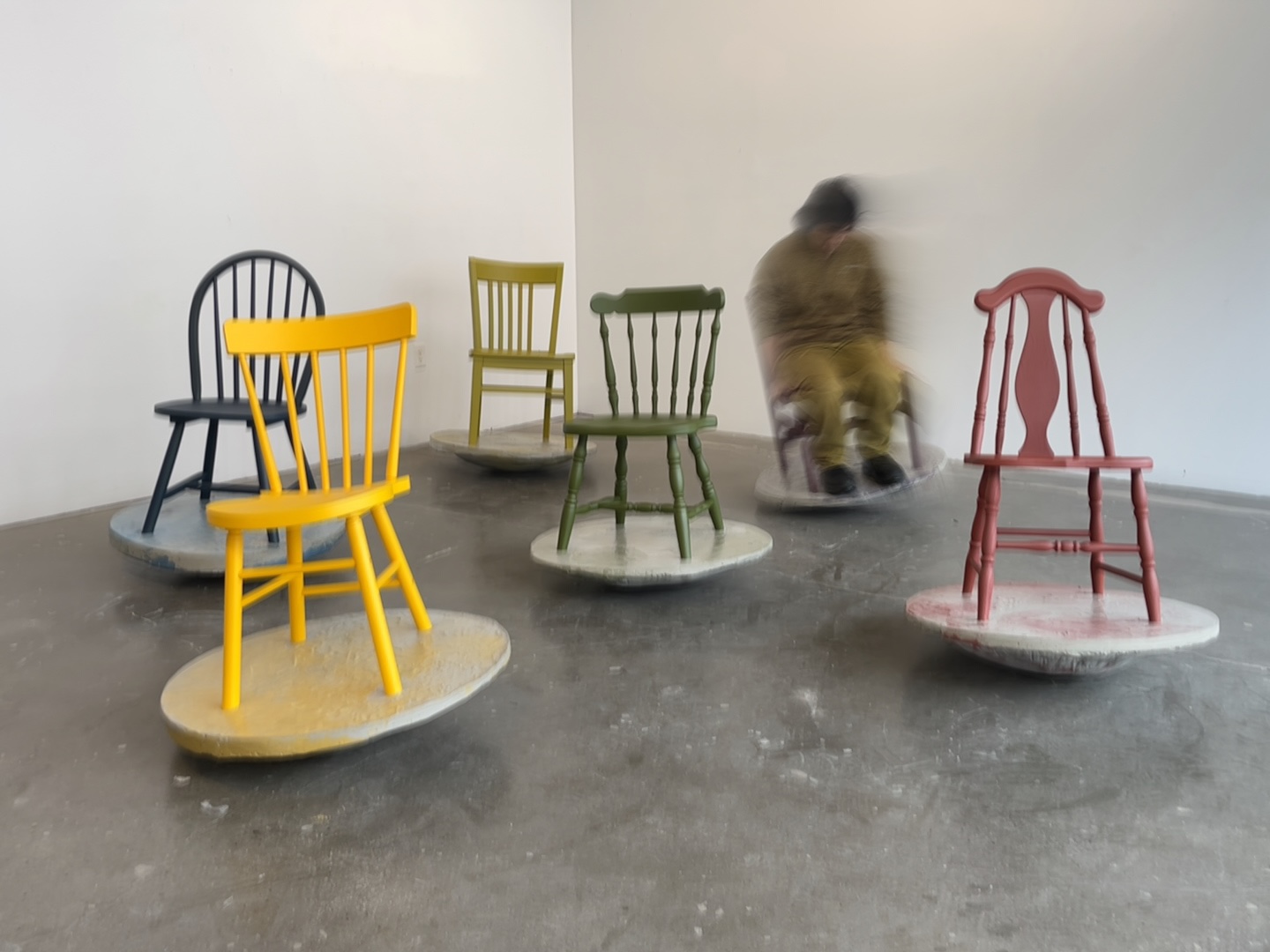
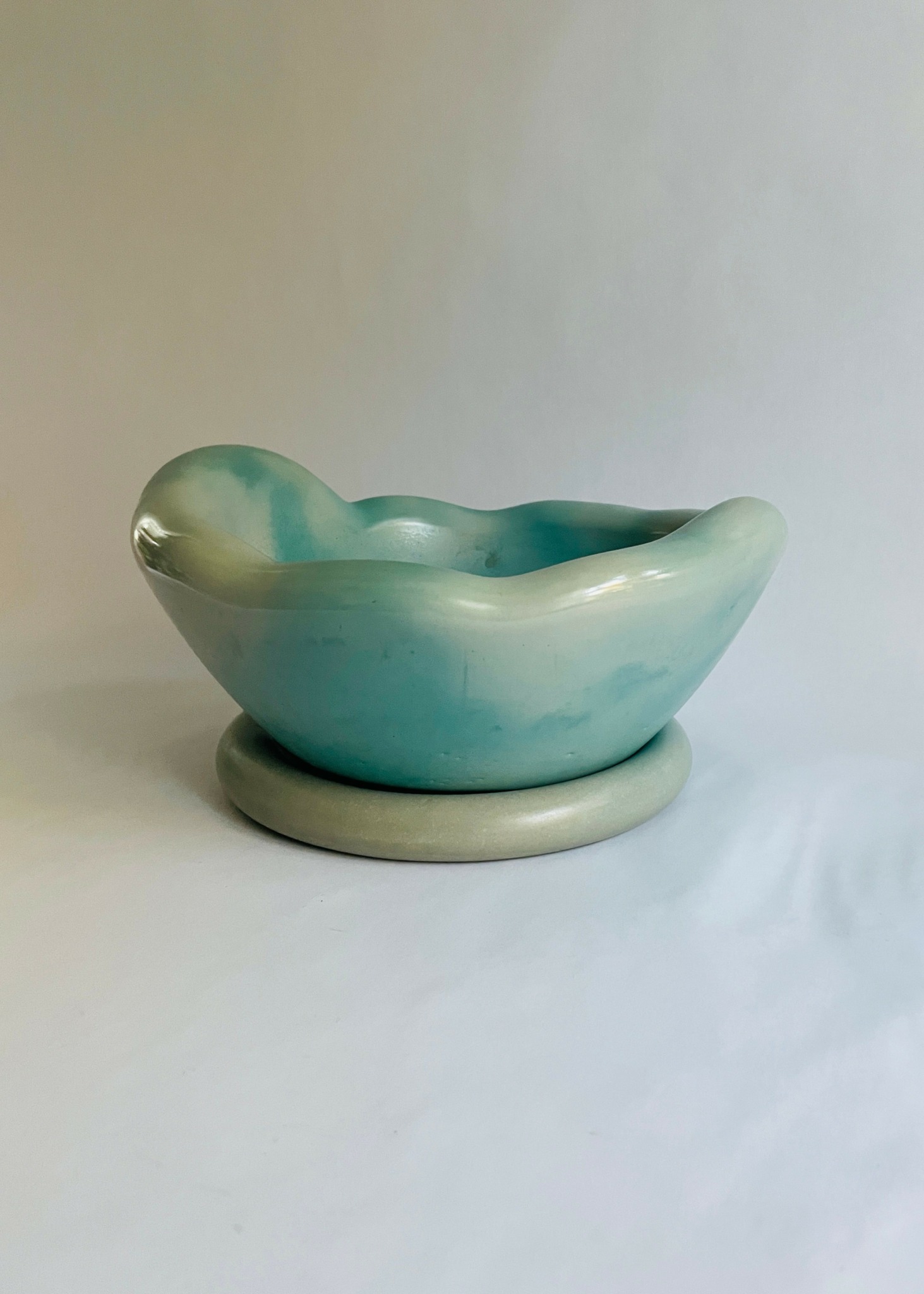
For me, one of the most rewarding aspects of being a creative is witnessing transformation. In the classroom, I have the privilege of watching my students’ ideas evolve and their confidence grow as they experiment in the studio. It’s incredible to see someone start with a hesitant or uncertain approach, only to gradually develop a strong sense of ownership over their work. In my own creative practice, I experience a similar transformation, but with raw materials. Watching a piece of metal or clay—something that was once an unformed mass—slowly take shape through my hands is nothing short of magical. Both in my students and my own work, I see a shift from uncertainty to clarity, from chaos to structure.
Witnessing these transformations—whether in the studio or in my own life—has taught me that everything is always in a state of flux. We are constantly growing, shifting, and evolving, and nothing in life is fixed or static. This understanding has become an important lens through which I view the world. It helps me accept the natural flow of change, whether in my creative process or in my personal journey. Just as a student’s initial idea may not look like the final piece, or a block of raw material may not resemble the finished object, I recognize that my own growth is often messy, unpredictable, and ongoing.
Contact Info:
- Website: https://joycethemaker.com
- Instagram: @joycethemaker
- Linkedin: https://www.linkedin.com/in/campbelljoyce