
Alright – so today we’ve got the honor of introducing you to Jaya. We think you’ll enjoy our conversation, we’ve shared it below.
Jaya, thanks for joining us, excited to have you contributing your stories and insights. Is there a heartwarming story from your career that you look back on?
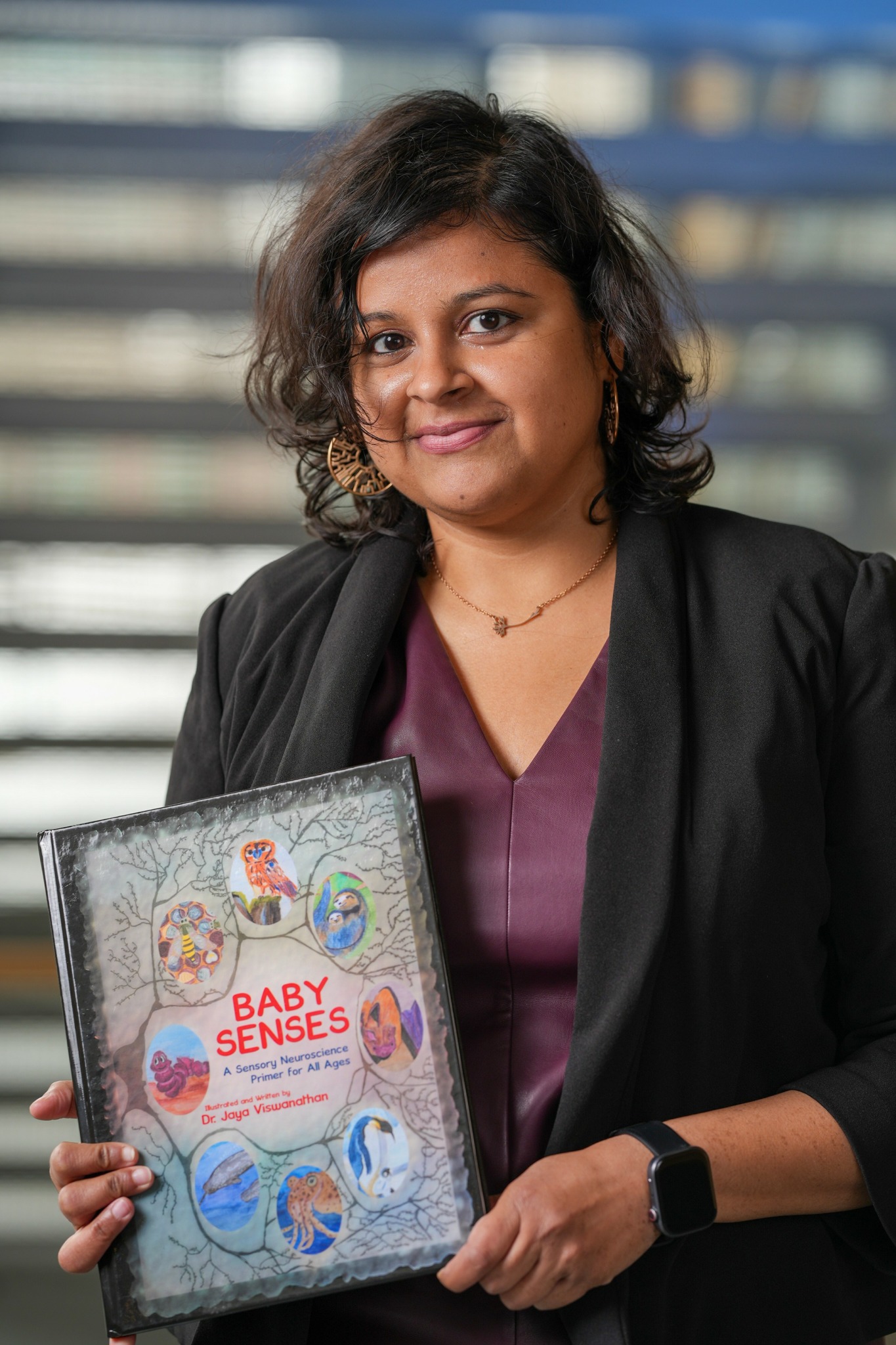
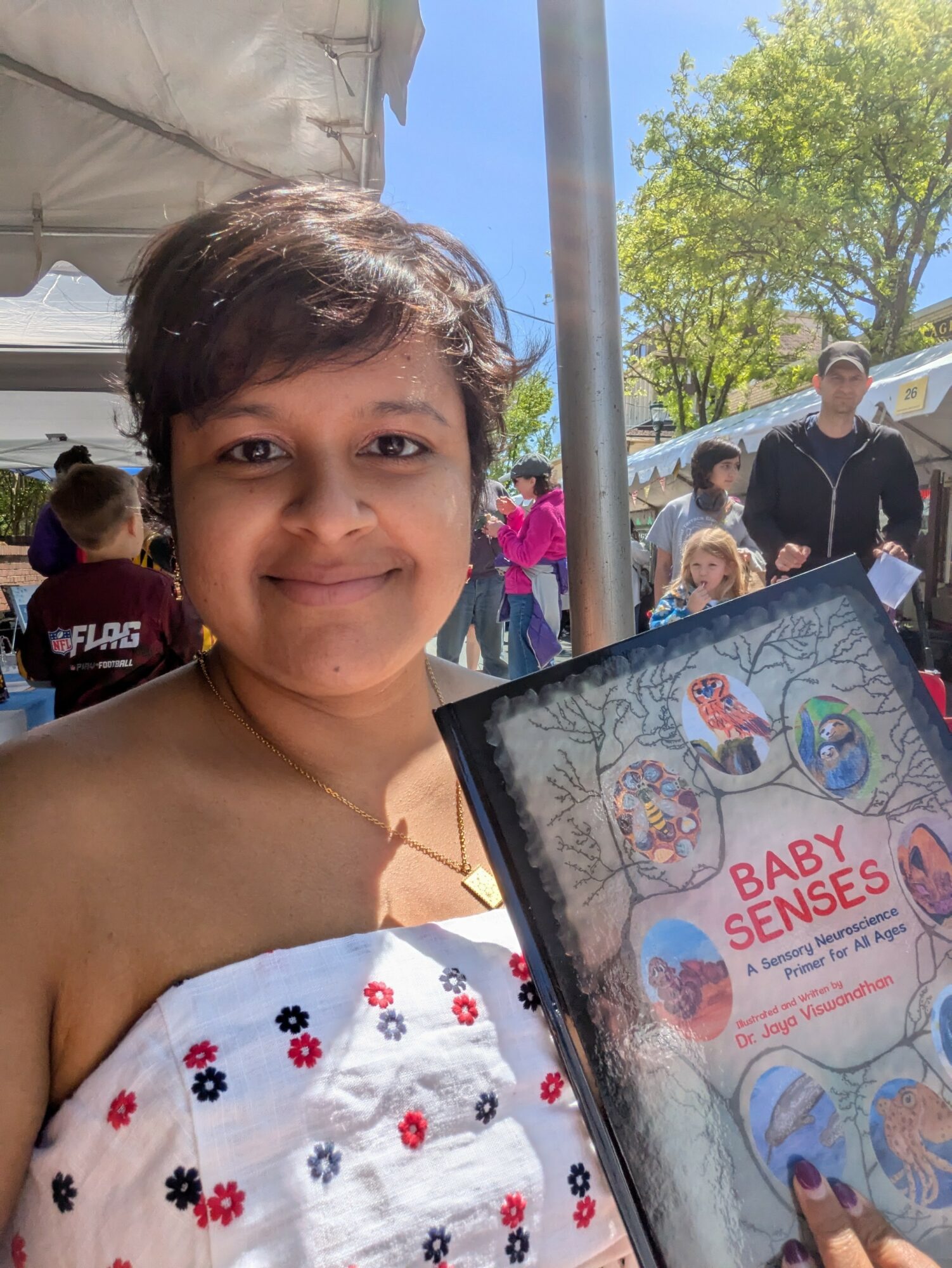
The big adventure for me as a neuroscientist was deciding to write and illustrate a children’s neuroscience book. While I’d done plenty of science communication, and art, and even children’s science camp counseling before, the prospect of putting it all together in an effective and engaging way was the challenge. I told myself the whole time I was working on it that ‘if you can get one kid excited about the brain, it would have been worth it’. I said this to myself when I struggled (and failed) to find an agent who thought my book would sell. I said this to myself when I decided to hybrid publish and not wait around to be ‘discovered’ by an agent. I even said it to myself when my book launch came and went (in the spring) with barely a blip in sales, and most of those friends and family being supportive. Each time I said it to myself it seemed a little diminished. It felt like a question mark at the end of that phrase rather than a question mark.
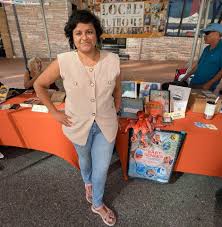
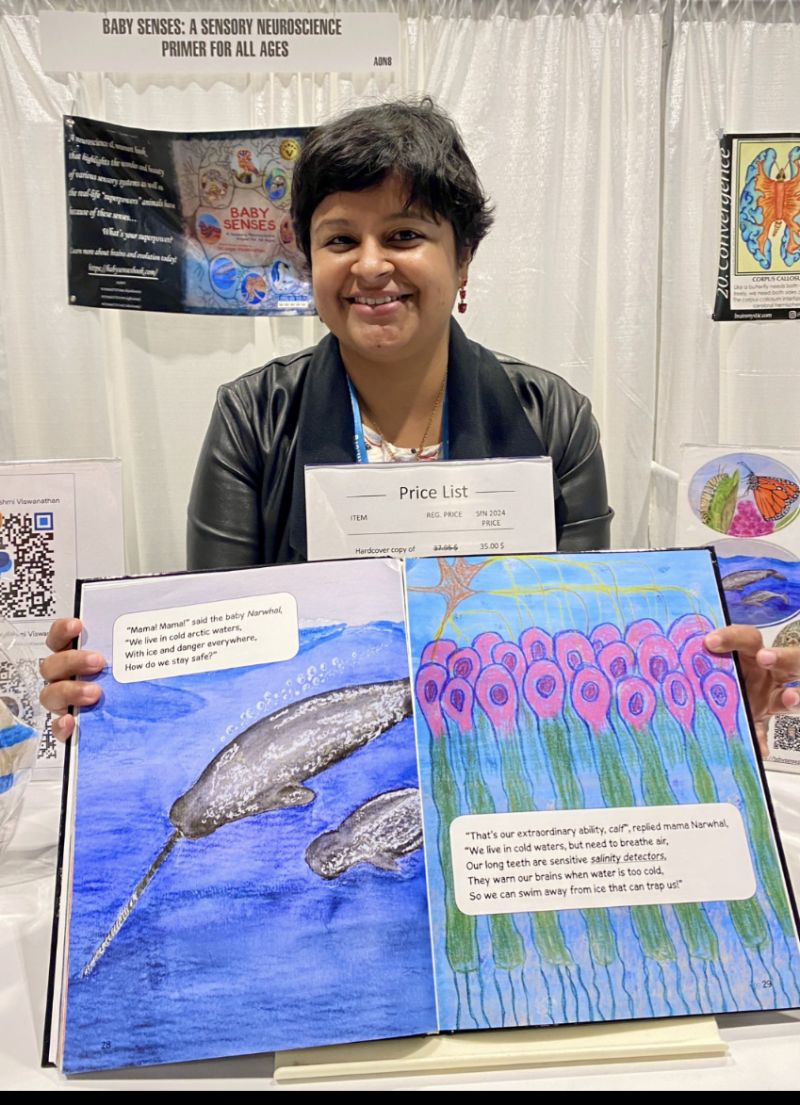
My book sales started picking up later that summer. Quietly, slowly but steadily, people were buying my book and enjoying it, but I was in the dark. My first realization of it really came when I had a booth at the Society for Neuroscience’s (SfN) art of neuroscience exhibit at their annual conference (fall). I certainly didn’t expect to sell out, but it was a local conference that year, and I figured I would just take the unsold books home and brought way more than I thought I would need. Over the course of 5 days at the conference, my life expanded and bloomed. Not only did I connect with people who thought my book was a neat idea, I met fellow science creatives, and people kept coming and buying Baby Senses in multiples. A few unexpected moments took my breath away. A highlight was when a well-established professor and his wife bought my book and then came back the next day to tell me how much they enjoyed reading it to each other using funny voices. By the next year’s conference when I went back to SfN, my book had won a few literary awards and I knew I had more than surpassed my initial goal, but even so, the love and appreciation I received from the community still stays with me on hard days. Hearing from people how much they enjoy reading it with their kids, grandkids, nephews, nieces,… these never got tiring for me. Folks coming back to buy my art, art prints, and asking me when my next book was forthcoming – these were priceless. Connecting with fellow artists and other authors (also through other communities around the DMV area like the Kensington Row Authors and Tuesday Night Artists Group, the dancers of UpRooted dance) has also enriched my life in myriad ways.
This experience really taught me resilience and perseverance, and as my friends and family kept telling me ‘your hard work will pay off’. I share this very personal story in the hope that it brings you hope as it found its way to me in the years since Baby Senses was published. I am now working on my next book, and look forward to the adventures this one will bring!
As always, we appreciate you sharing your insights and we’ve got a few more questions for you, but before we get to all of that can you take a minute to introduce yourself and give our readers some of your back background and context?
Hi! My name is Jaya Viswanathan, I am a neuroscientist from India passionate about understanding the brain and how it works, so I can help develop prevention and treatment options for neurodegenerative diseases like Alzheimer’s and Related Dementias. My interest in neuroscience and brain health began very early. Growing up in India, however, the educational resources available to an aspiring scientist were scarce and I struggled to find resources, mentors, and opportunities to explore my curiosity. This has shaped every aspect of my growth as a scientist and communicator. Through my undergraduate degree, Masters, PhD, postdoc, program analyst (contractor) at the National Institute on Aging, and my current position as Assistant Research Professor at Indiana University School of Medicine, I have worked to simultaneously share my enthusiasm for the marvels of the brain to lay audiences.
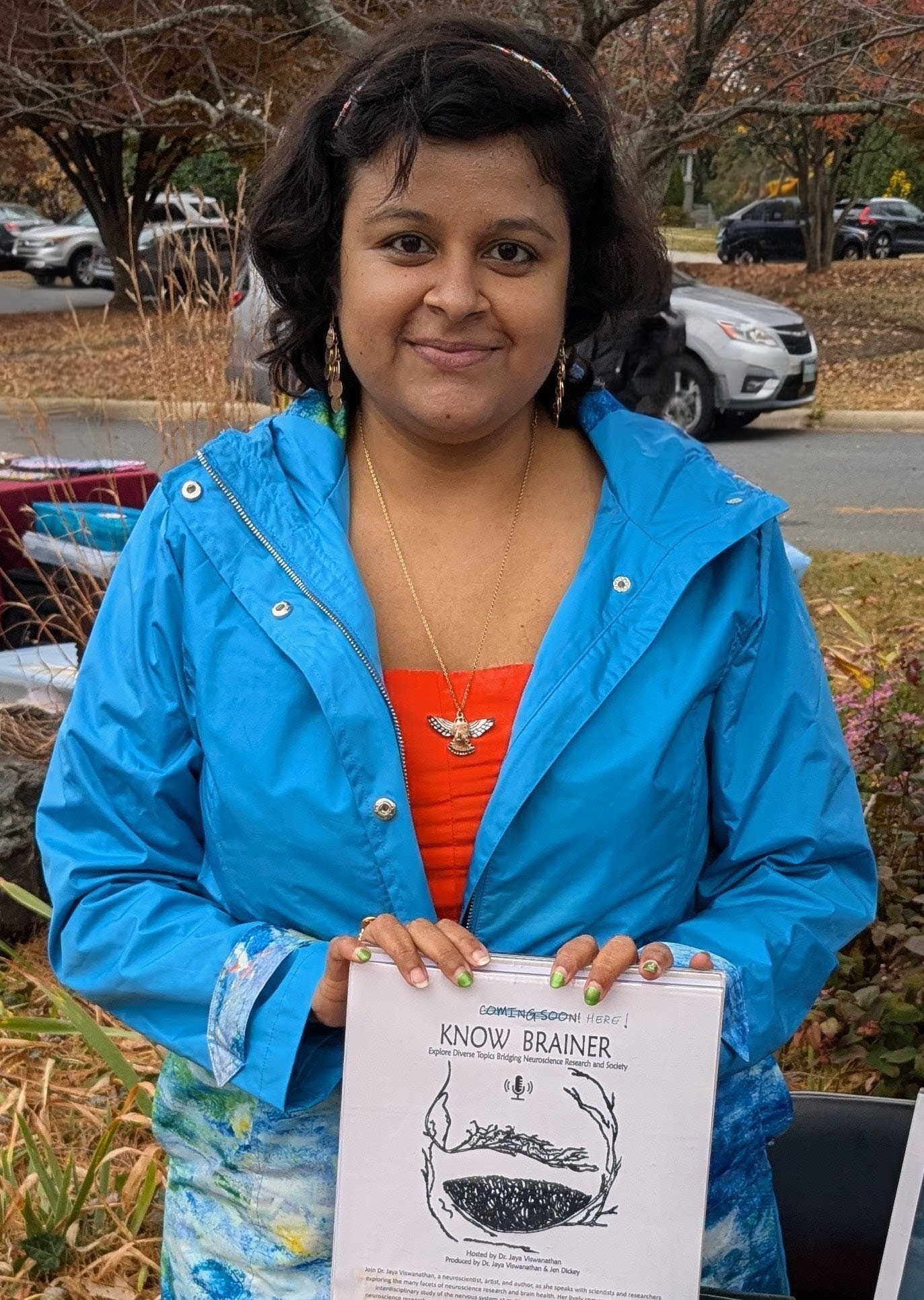
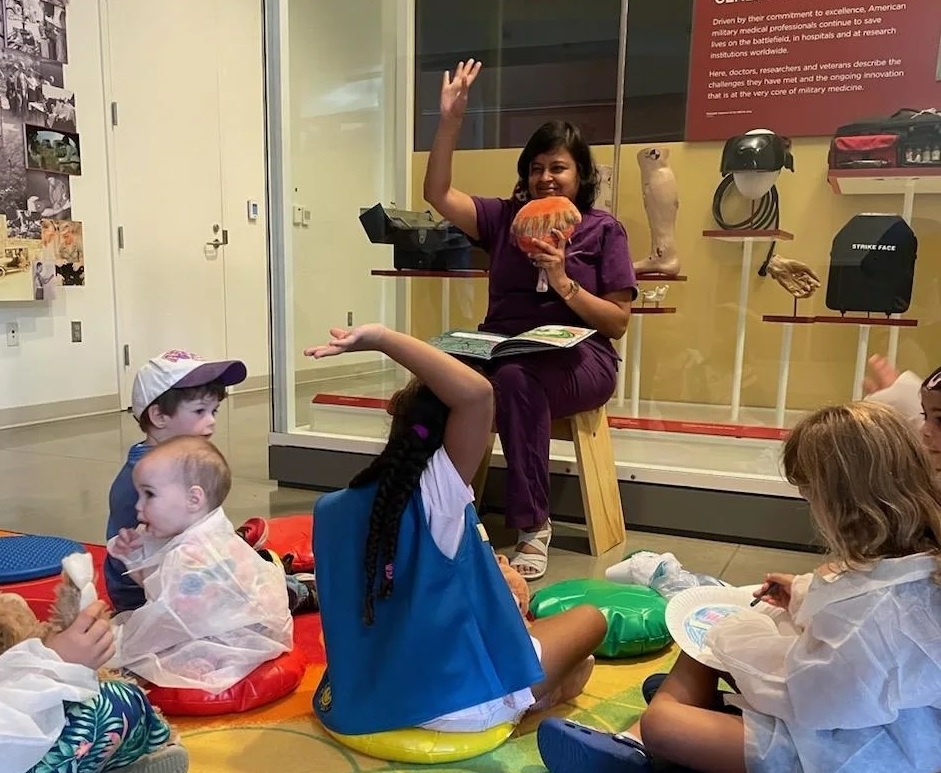
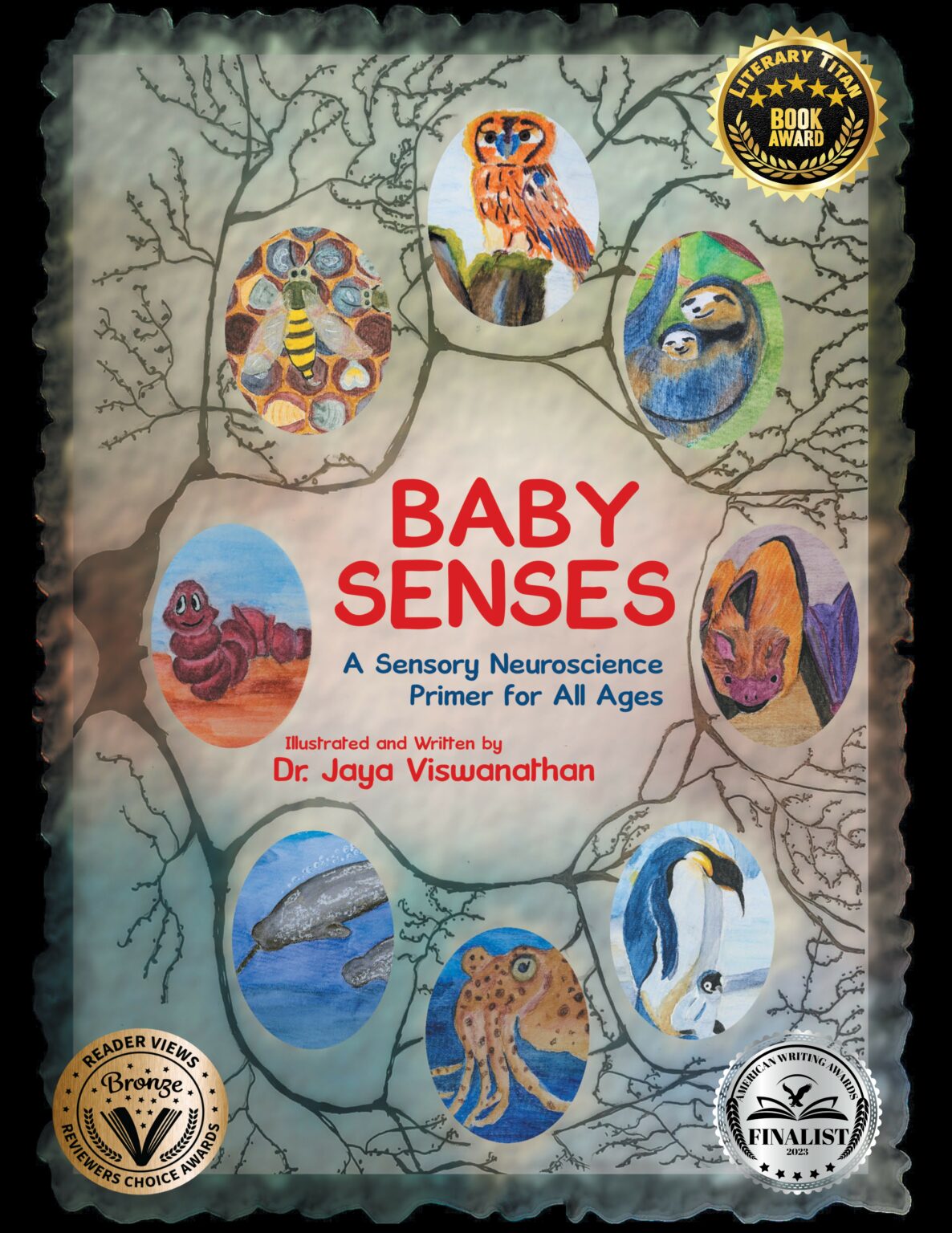
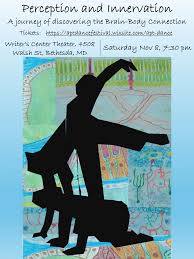
A few years ago, I was volunteering with Reading Partners and when a 3rd grader I was tutoring asked to read a neuroscience book with him, I was disappointed to realize that there is still a gap to be filled in children’s neuroscience educational books, especially ones that convey the mystery (and to me, magic) of neuroscience research. This sparked the idea for me, so I set about writing and illustrating the kind of book I’d have wanted to read – one that was relatable and real world and yet whimsical and scientifically accurate. This is when I started working on ‘Baby Senses: A Sensory Neuroscience Primer for All Ages’ (https://babysensesbook.com/). This neuroscience-art book for children shows the wonder and beauty of various sensory systems as well as the real-life “superpowers” animals have because of these senses. This book has opened a new avenue of early childhood neuroscience education that is multi-sensory. Since then, I have developed video programming for early childhood education (using puppets), led neuroscience and art salons, co-choreographed neuro-dance performance in collaboration with UpRooted Dance, engaged with children and curious adults about neuroscience, exhibited neuroart and held interactive workshops. I am fully committed to generating educational resources that inspire curiosity and wonder about the world we live in, focusing on neuroscience. In pursuit of this goal, I also started a podcast, ‘Know Brainer’ (https://babysensesbook.com/knowbrainer/) where I discuss all things ‘brain’ with various clinicians, experts, and scientists, in a relatable manner.
I’ve had a non-traditional pathway in my career, where I have worked at the bench (research laboratory settings), the bedside (clinical setting in patient focused work), and in government (program and policy setting). I’ve always been interested in the “big picture” along with the importance of investigating specific hypotheses in controlled experiments. This has enabled me to be a highly effective translational neuroscientist and science communicator. In effect, I am uniquely able to bridge the gap between highly technical content and its applicative utility, as well as deconstruct core concepts for lay audiences. I attribute the success of Baby Senses and Know Brainer to all my mentors and my friends who have supported me in developing these skillsets. I am proud of my book, Baby Senses, and the podcast I started, Know Brainer, to spark the joy of neuroscience in the wider community. I am also proud of all my research projects, my scientific contributions to original research articles as well as narrative reviews. Stay tuned through my website and socials to learn more about my current and upcoming projects which I’m also very excited about!
If you could go back, would you choose the same profession, specialty, etc.?
Yes! Absolutely! I was 14 when I started wondering about the brain, so I have been working my ‘dream job’ as a neuroscientist. Even on my worst day – and of course, like any job, there are those – I’m glad to be working within my science-art-educator communities to be doing the things I do. That is not to say that I wouldn’t have done things a little differently. For example, I would have sought out more mentors, collaborators and community, early and often, throughout my career and projects more consistently. However, I’m grateful for everything I’ve learned along the way, too! I’ve worked in different model systems, different countries, used different techniques and even worked as a government contractor (non-academic scientist). My approach has always been equally based on who I wanted to work with as much as what research questions interested me, and that has worked well for me!
Any stories or insights that might help us understand how you’ve built such a strong reputation?
Authenticity. I believe that modern shoppers are very savvy, so having an authentic and trustworthy voice is very important. When I am asked questions to which I don’t know the answers to, I always say so – and I may add additional context if available. I also always acknowledge my sources – I include reference lists and clearly distinguish between conclusions and inference. I am proud of my podcast too, for this reason, since every one of my guests have been authentic experts (and I certainly select for this when I invite guests on the show). As an academic, I have neither a large disposable income that I can spend on marketing, nor am I independently famous to be able to mass market via social capital; I believe that my kind of success has come from word-of-mouth, with individuals enjoying my book and sharing it with their networks. Another factor that has helped me succeed is my interest in collaboration. I love working with others, and have teamed up with other scientists for collaborations, worked with other authors and creatives to choreograph dance (UpRooted) and create educational resources etc. Having community partners (such as non-profits, scientific societies, libraries) has helped me reach a much wider audience than I would have been able to by myself.
Contact Info:
- Website: https://babysensesbook.com/
- Instagram: https://www.instagram.com/jaya_viswanathan/
- Facebook: https://www.facebook.com/jaya.viswanathan
- Linkedin: https://www.linkedin.com/in/jaya-viswanathan-phd-80575127/
- Twitter: https://x.com/jayaneuro
- Youtube: https://www.youtube.com/@JayaViswanathan-Neuroscientist
- Other: https://open.spotify.com/show/3VkRhC2s8lvFdOWXat1Hql?si=a75975635f384aa3